Biography
Travel leads one “To unpathed waters, undreamed shores.”
Shakespeare
Sharon Wylie has been involved in photography during her travels throughout the world for the last two decades. From deserts to mountains, from jungles to urban areas, she has visited seventy countries, all climes, all continents. These countries have given vision to her photographic work. It has been more than just getting on a plane and arriving somewhere distant. It is connecting with people and their cultures. How does one describe a favorite location? Is it Cuba with the friendly people and their smiles, or the verdant green countryside of the Palouse, or the provocative history of Serbia, the beauty of Iceland’s frozen earth, the greenery of the Olympic Peninsula, or Kenya’s unpredictable wildlife? It’s all of that and more.
She has been traveling and learning from some of the best photographers the country has to offer: Jay Maisel and Peter Turnley (street photography), John Shaw (landscapes), Adam Jones (wildlife), Joe McNally (portraiture), Kathleen Clemons (flowers), Nevada Jones (indigenous tribes) and Miami’s Maggie Steber (this year’s Guggenheim winner). On excursions from Greenland to Patagonia, from the Sahara to Bali they have all been inspiring instructors.
Sharon is a retired public school teacher and since has been pursuing her loves of not only photography, but quilting and writing. She belongs to the Ocean Waves Quilt Guild and South Florida Writers Association. She has contributed to two
published anthologies, The Red Bikini and Beyond My Window, which contain stories of her travel and some fiction. The authorship is known as the Miami Sunshine Writers.
She has held several exhibitions in Miami, won awards from the Florida Camera Club Council, and been Photographer of the Year twice for Miami’s camera club, Kendall Camera Club. She won first place in the Miami Herald’s travel photography
contest out of 3500 entries.
Galleries
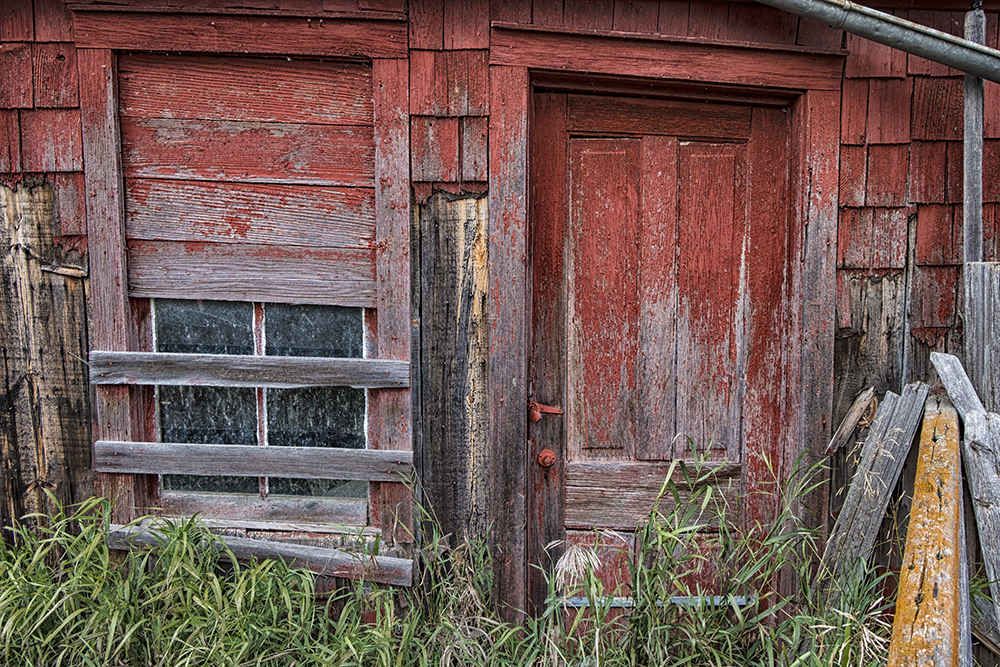
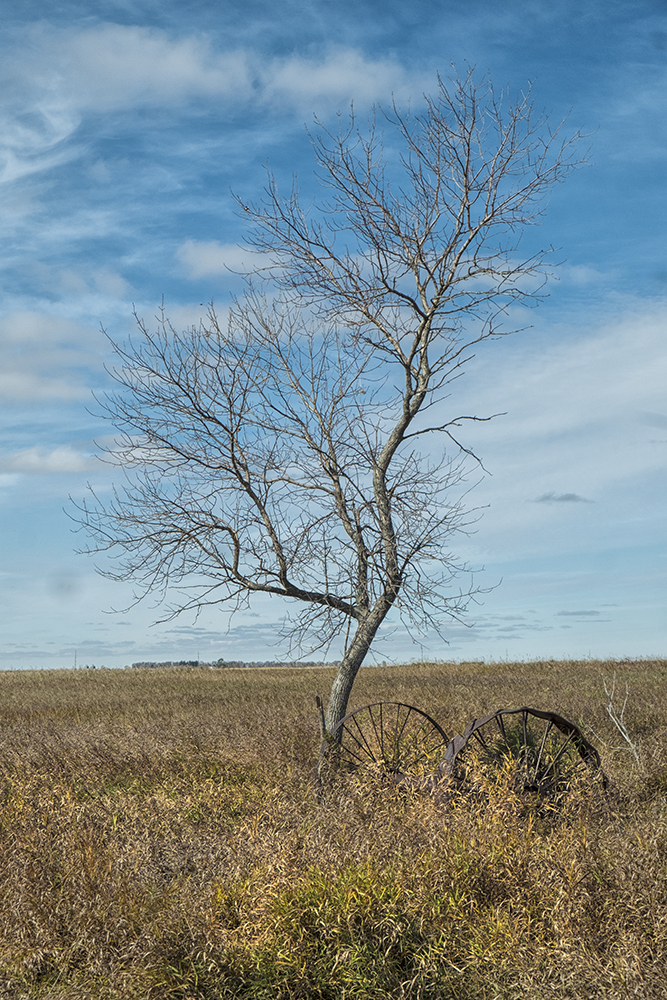
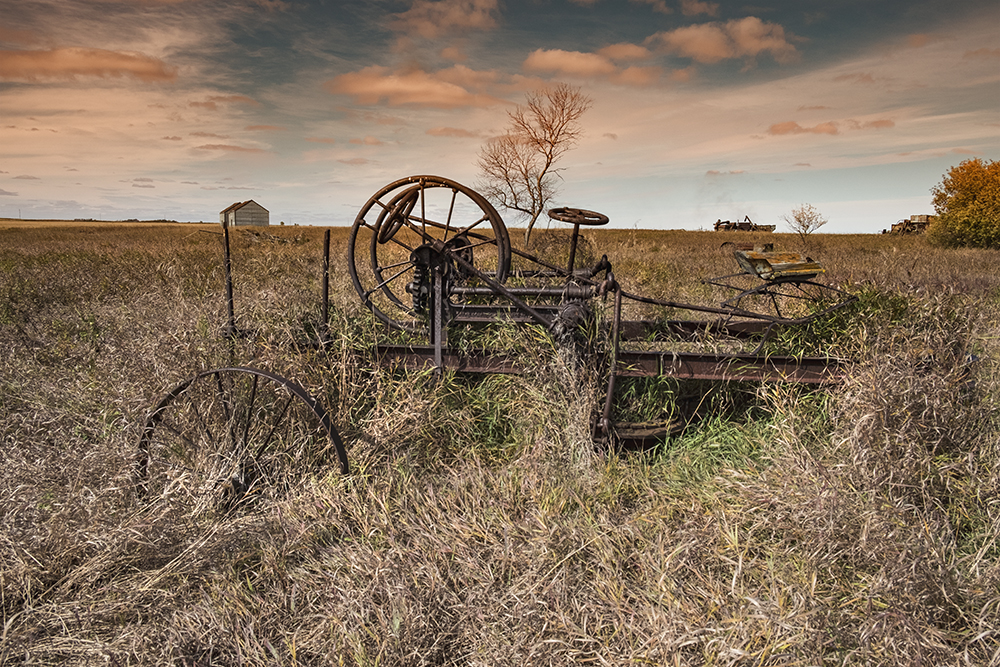
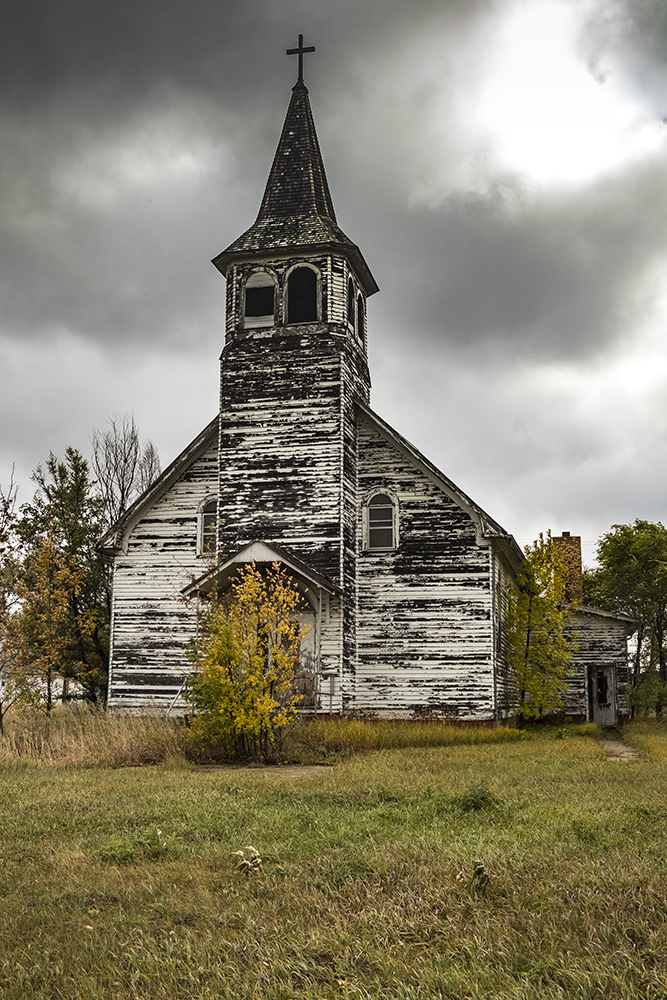

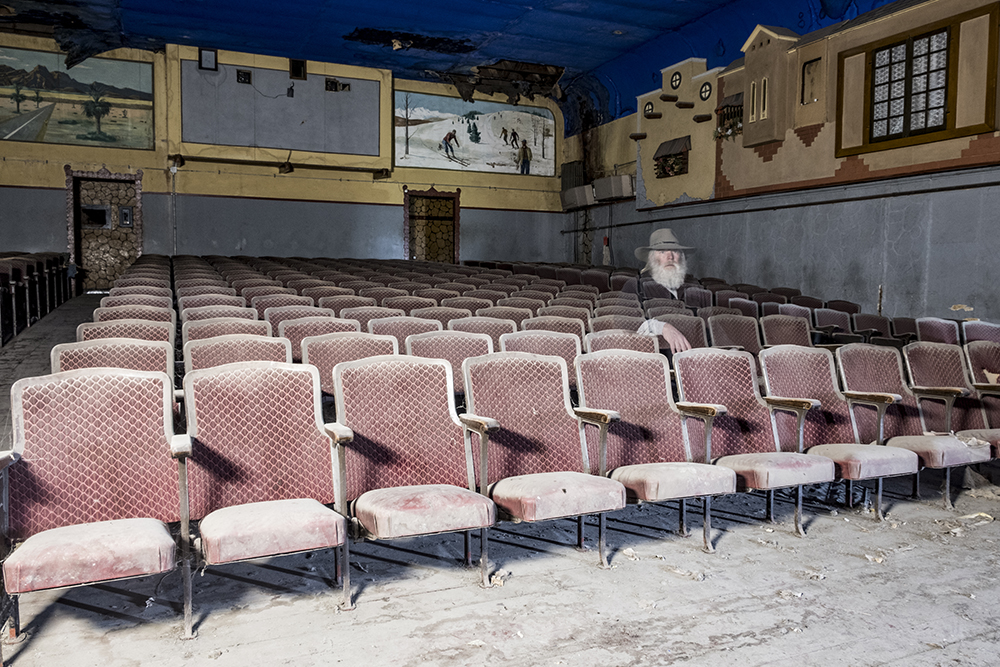
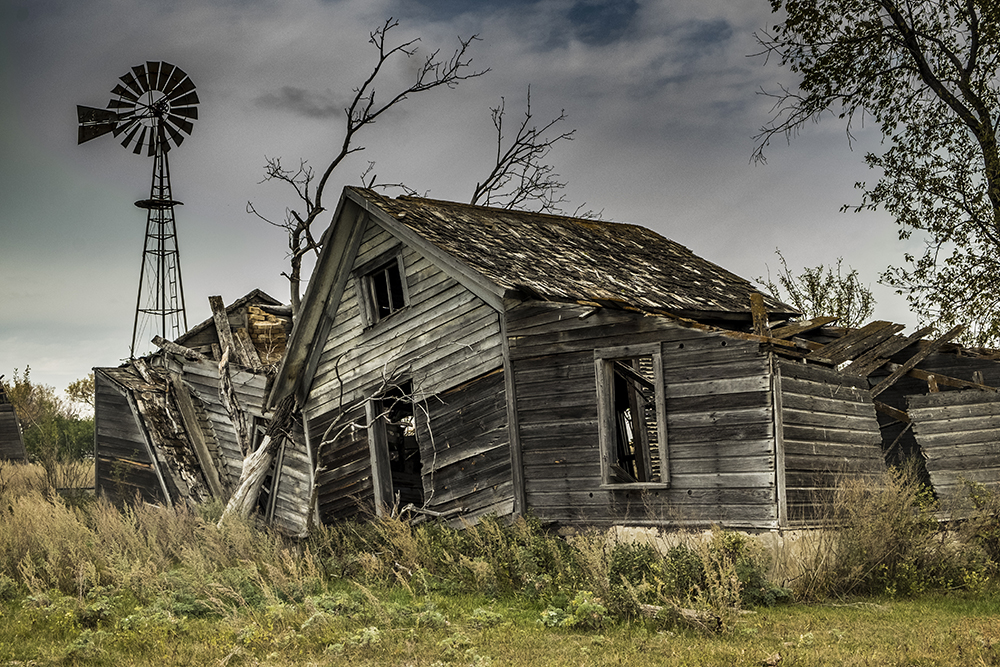


Abandoned buildings and farmsteads are abundant in North Dakota. We shot those exclusively around the 49th parallel with in a radius outside Bottineau. We shot abandoned churches, schoolhouses, barns, a “haunted” movie theater, and an insane asylum. Inside the buildings were artifacts left from a former way of life, which was simpler, but by far more demanding.
The beauty of the old, the forgotten, is something to be remembered and cherished.


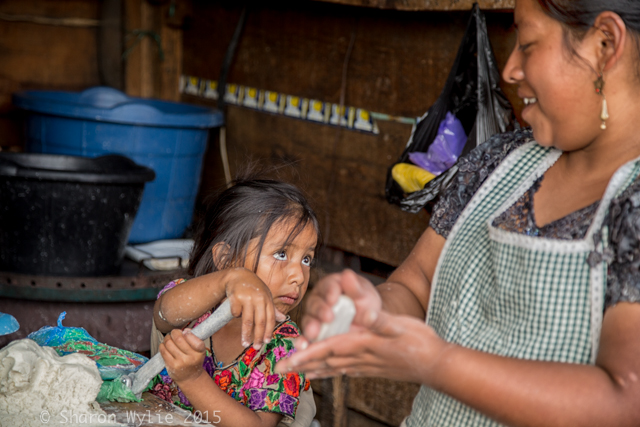


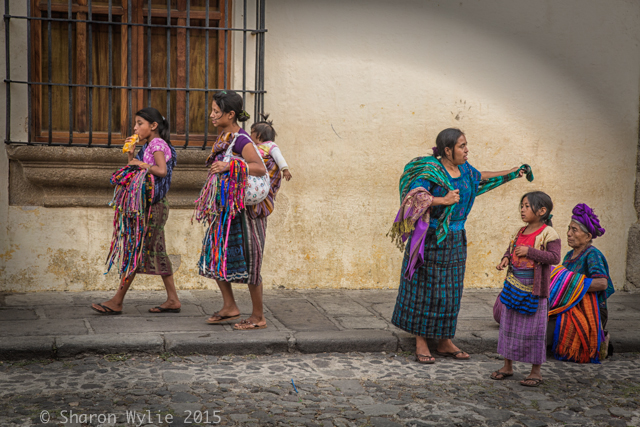


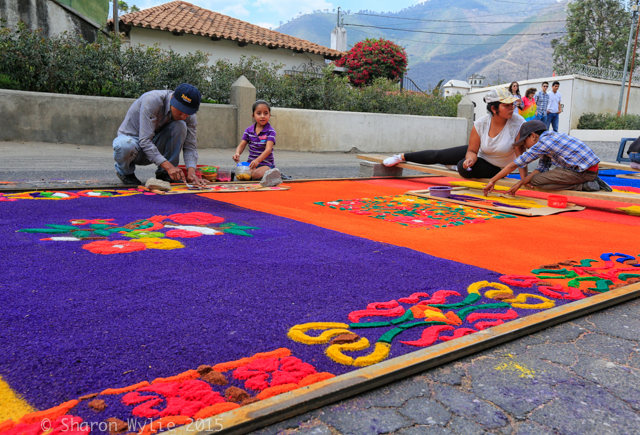


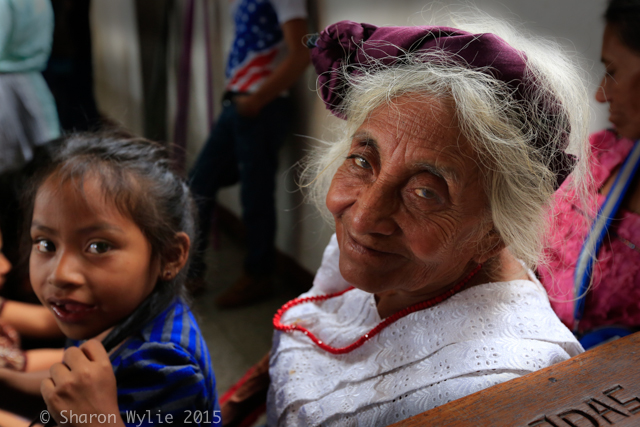


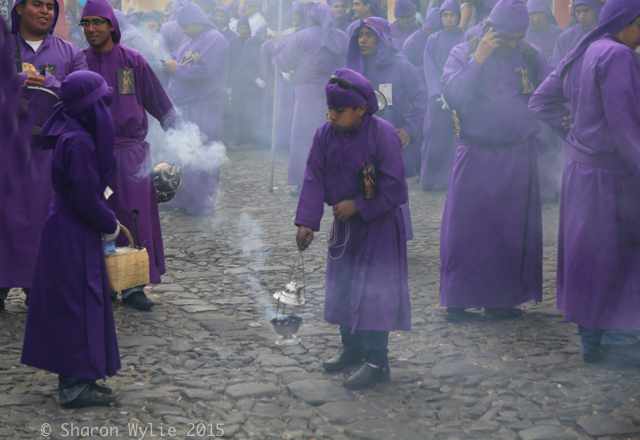


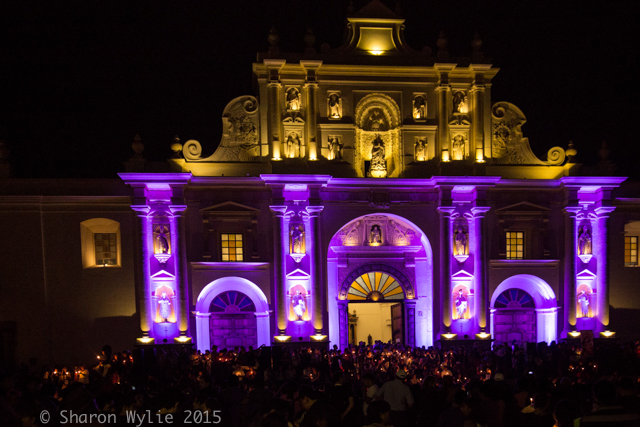


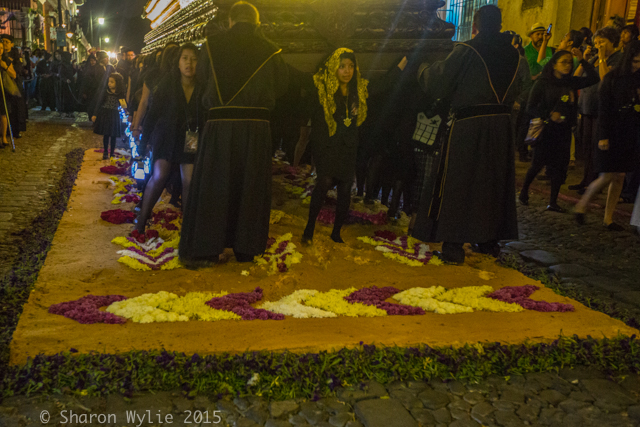


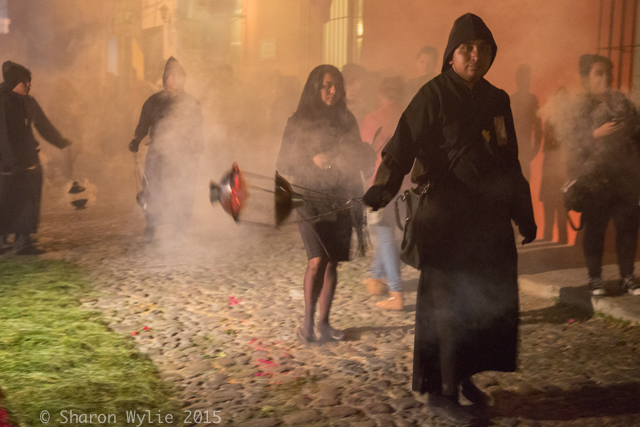
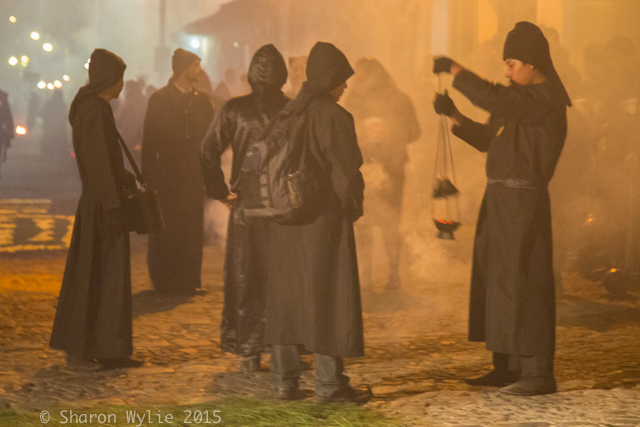

The crowds flood in from every direction. The week of Semana Santa is a celebration of the crucifixion and resurrection of Christ. Men garbed in robes of purple, red, and black carry mahogany floats depicting images of the suffering Christ through the narrow streets of Antigua en route to one of the designated churches. With heads lowered, up to forty on a side, they shuffle through the cobblestone streets in step to a band marching reverently behind. The people create “carpets” of flowers, fruits, and fronds, the most intricate on the floors of the vestry. In the evening the cathedral is wrapped in purple light penitent faces aglow from the candles.

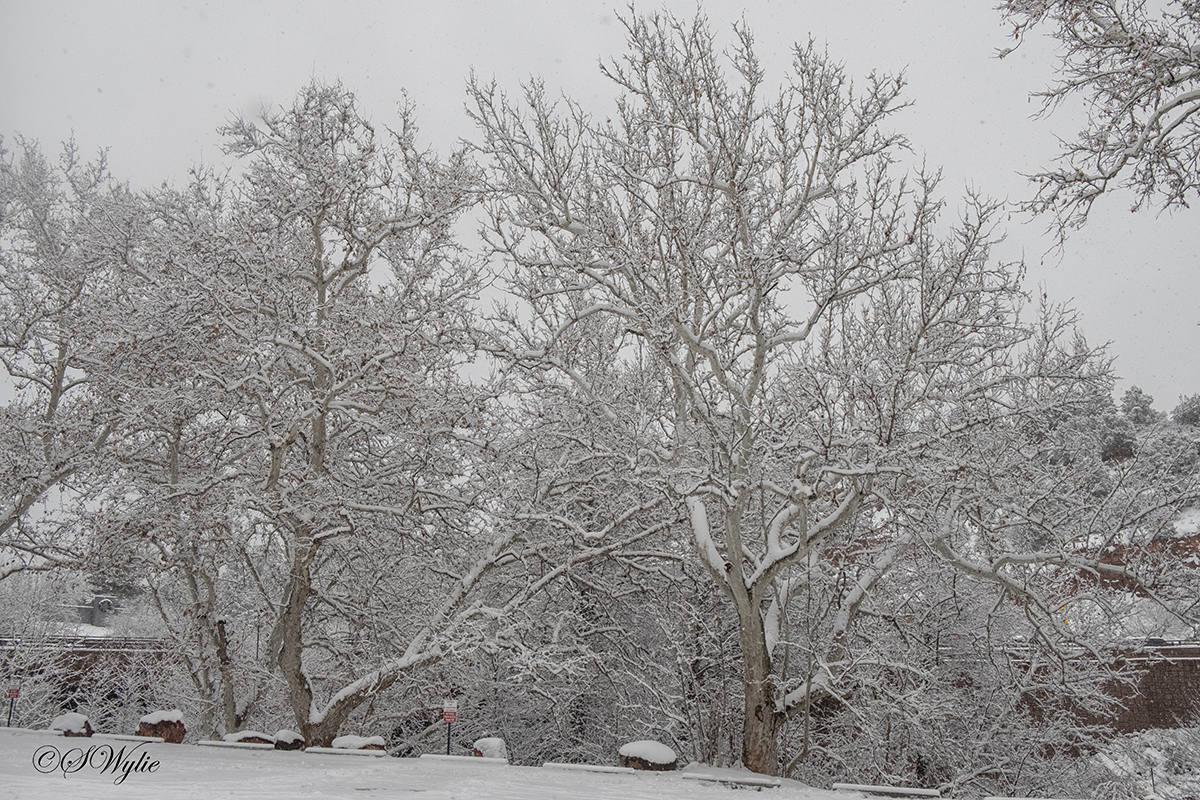
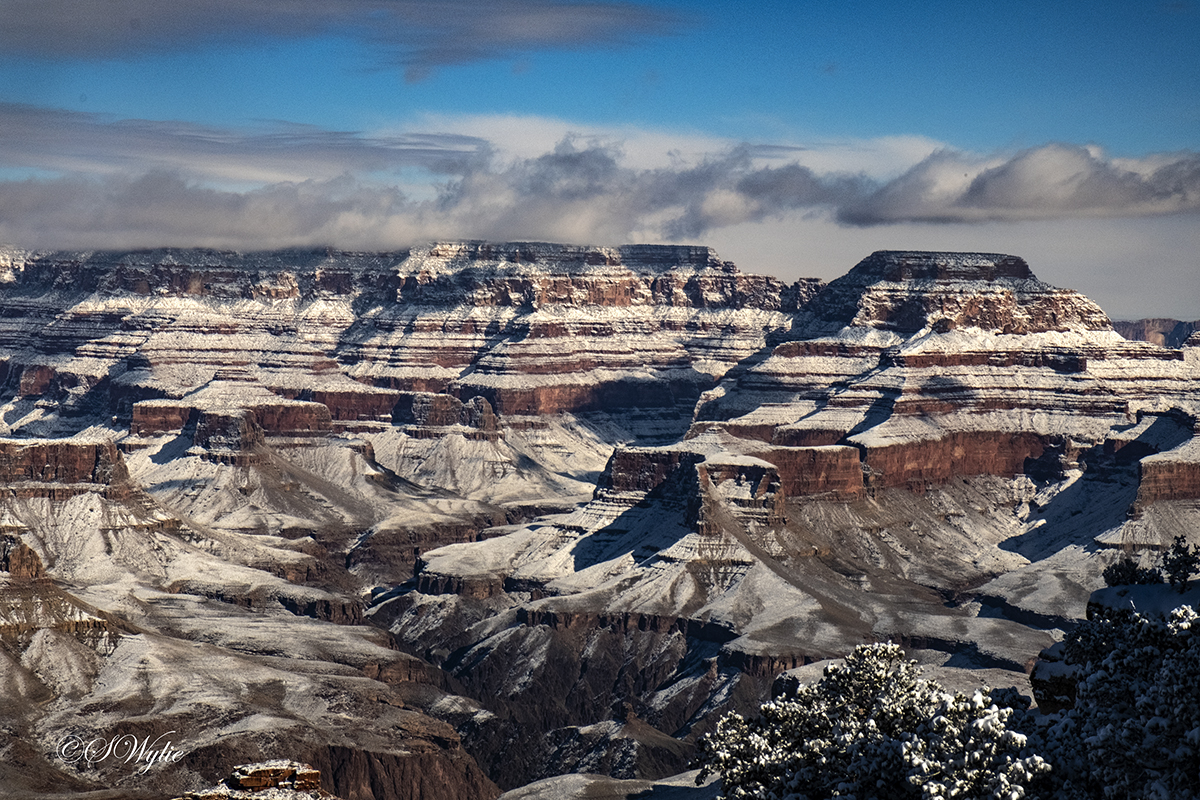


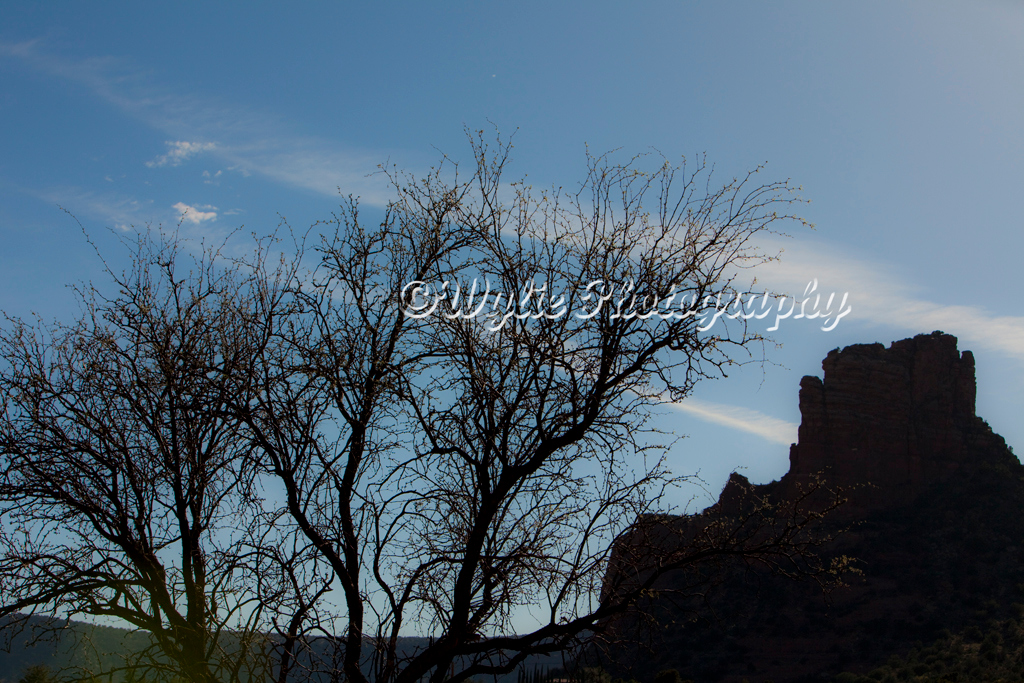
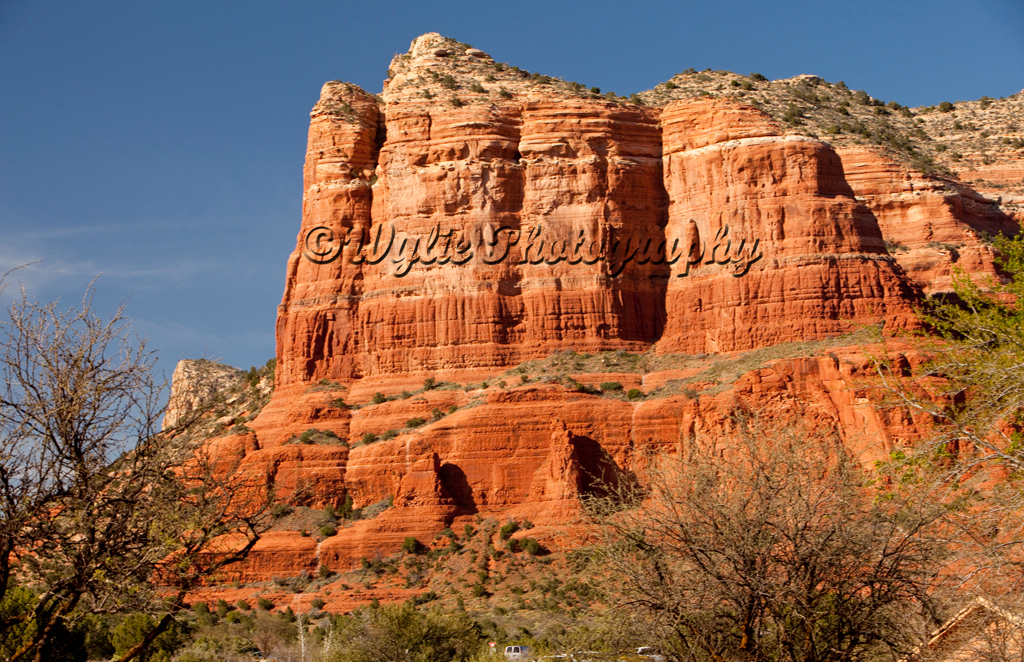


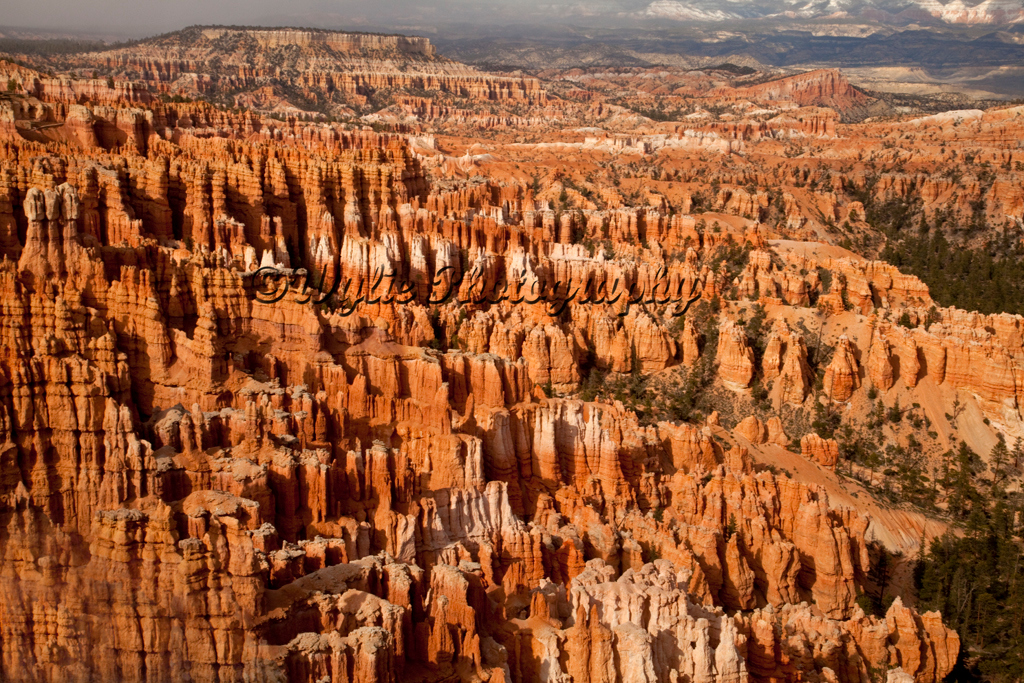


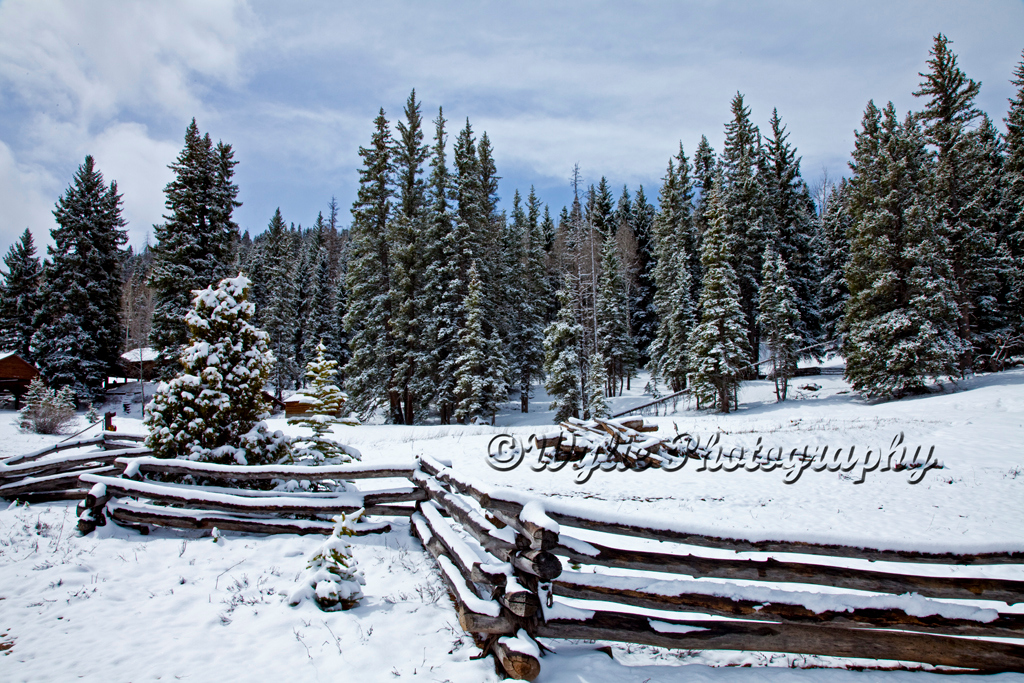

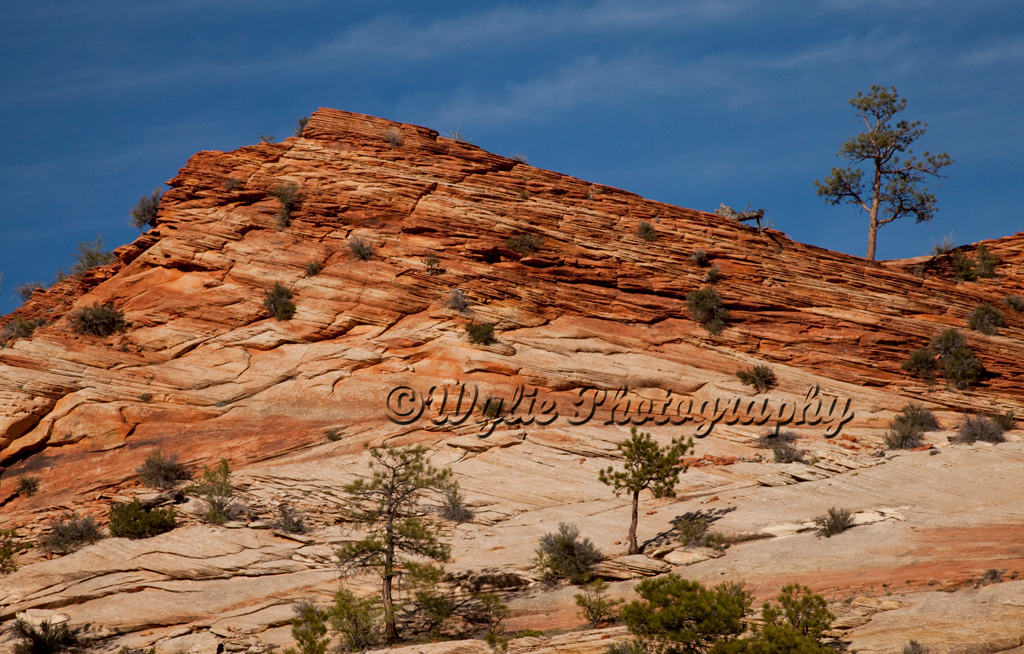
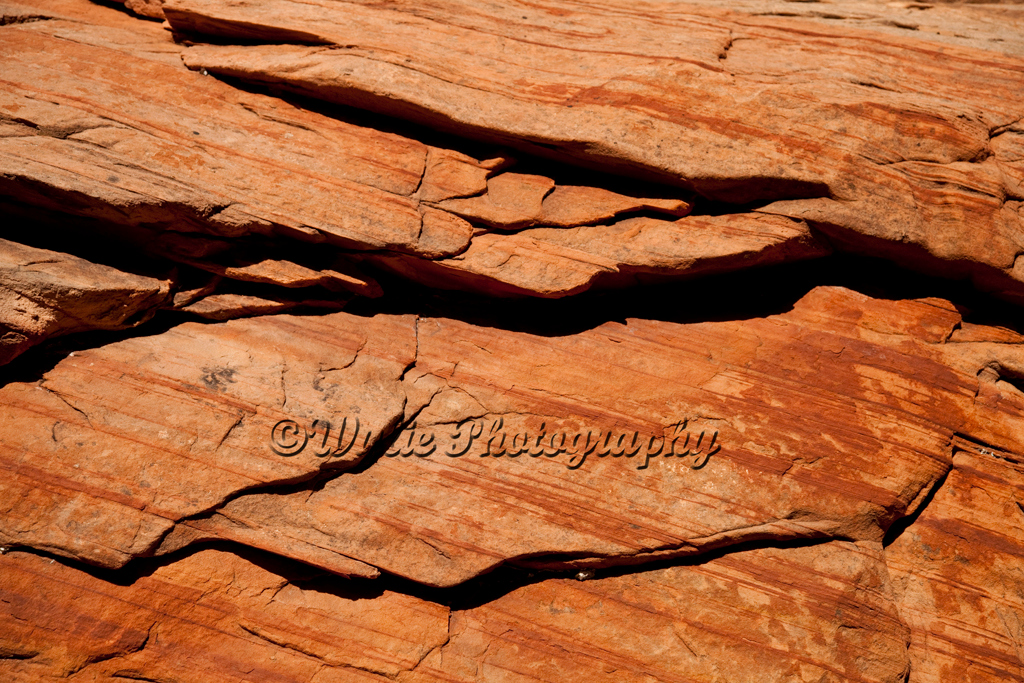

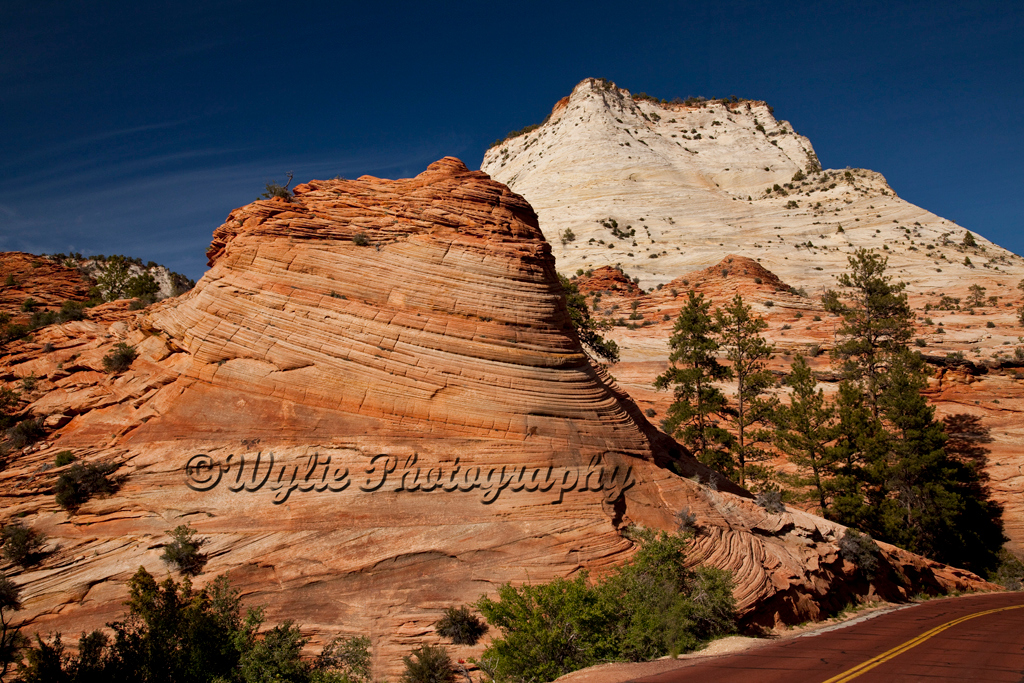


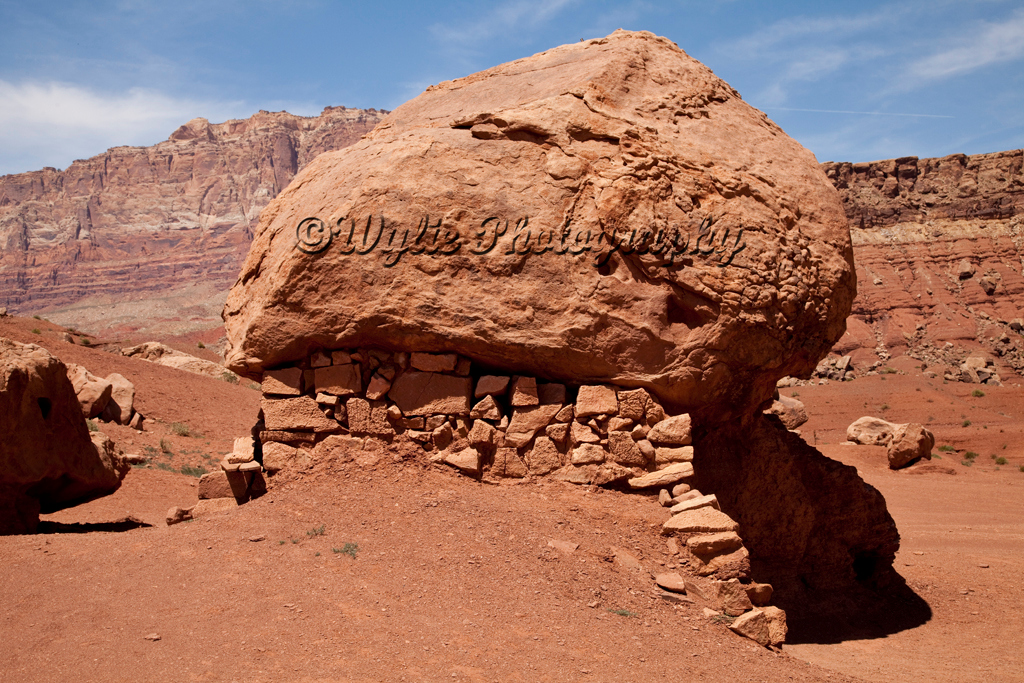
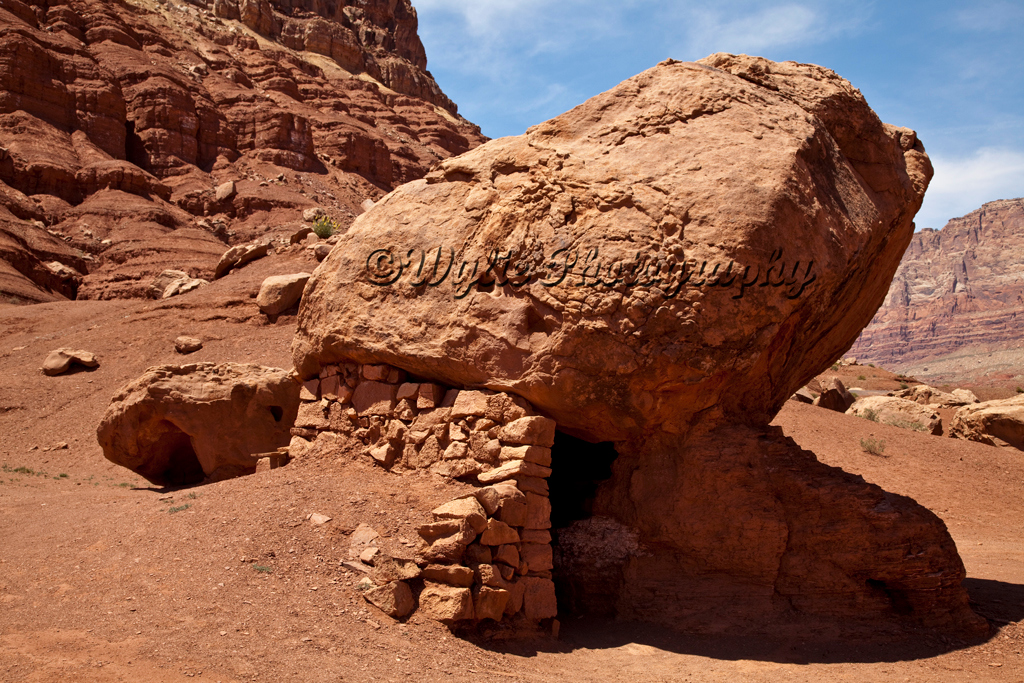
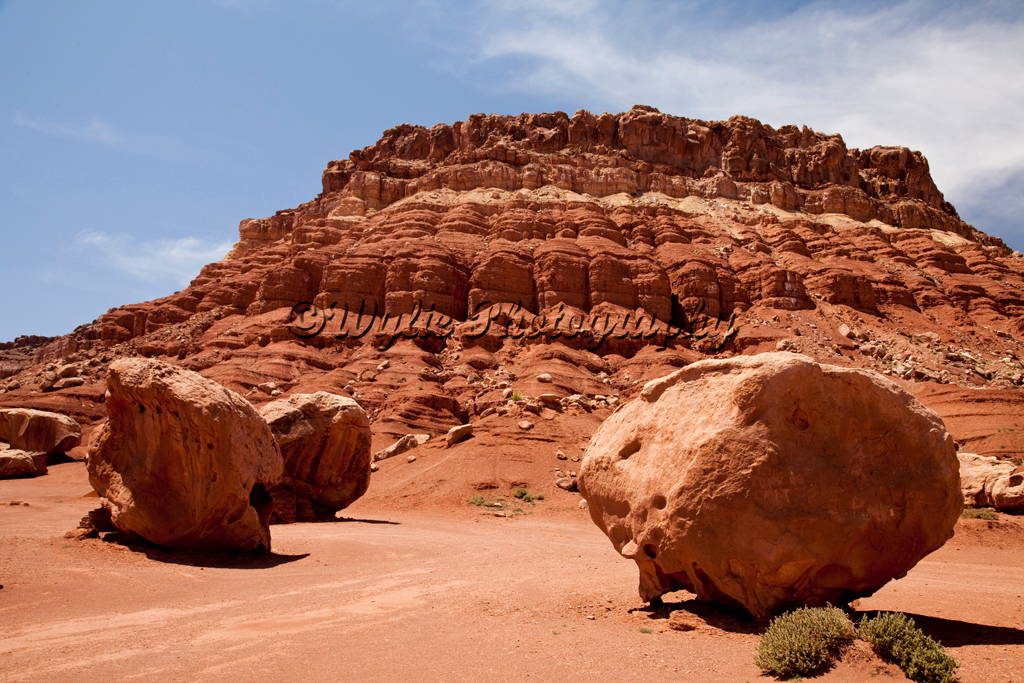
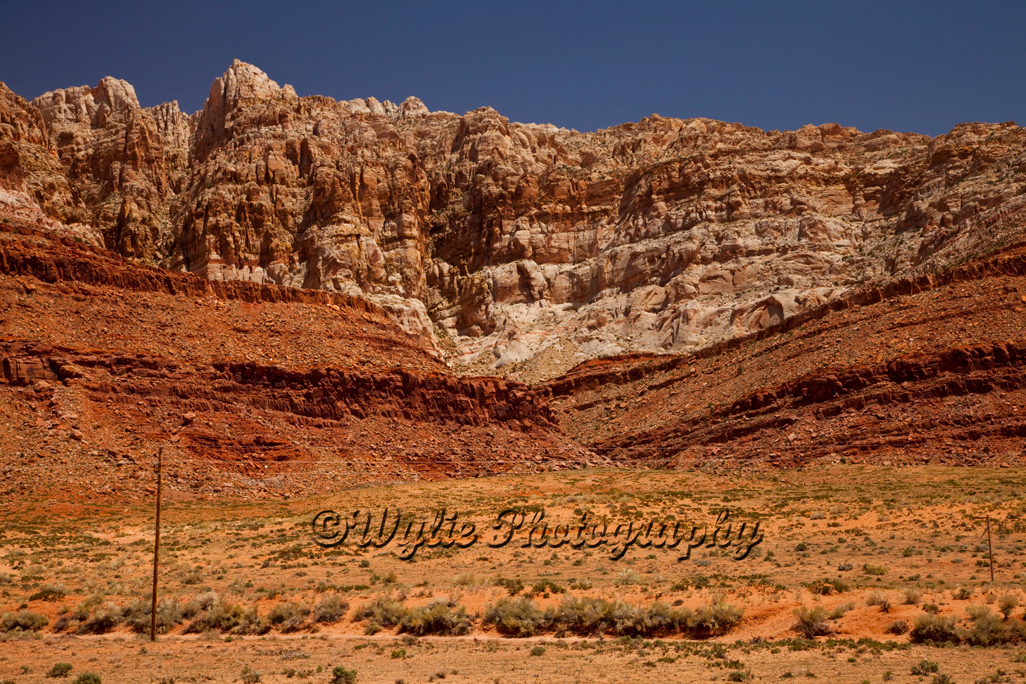
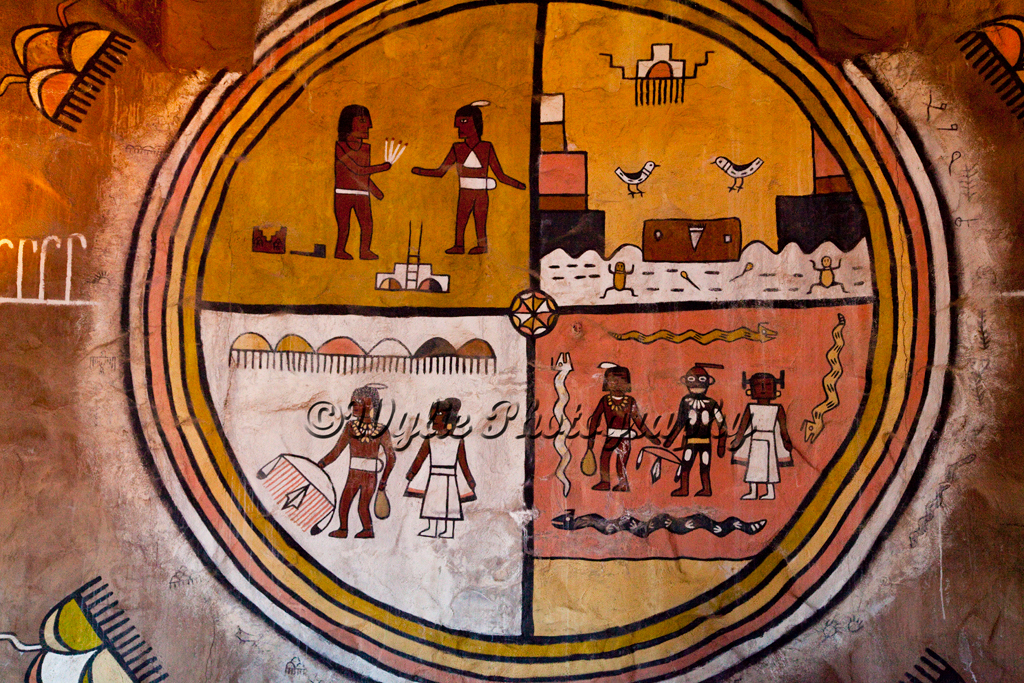


Traveling through the West, it is not impossible to drive from one national park to another, taking it a few national monuments along the way. Many are within a half-day’s drive. In Arizona we traveled from Sedona with its red rocks to the Grand Canyon. One day we even experienced a snowfall, which gave an entirely new look to the canyon. Montezuma Castle National Monument is nearby in Arizona. On the road to Zion we stopped at the Checkerboard Mesa. Then on to Bryce.

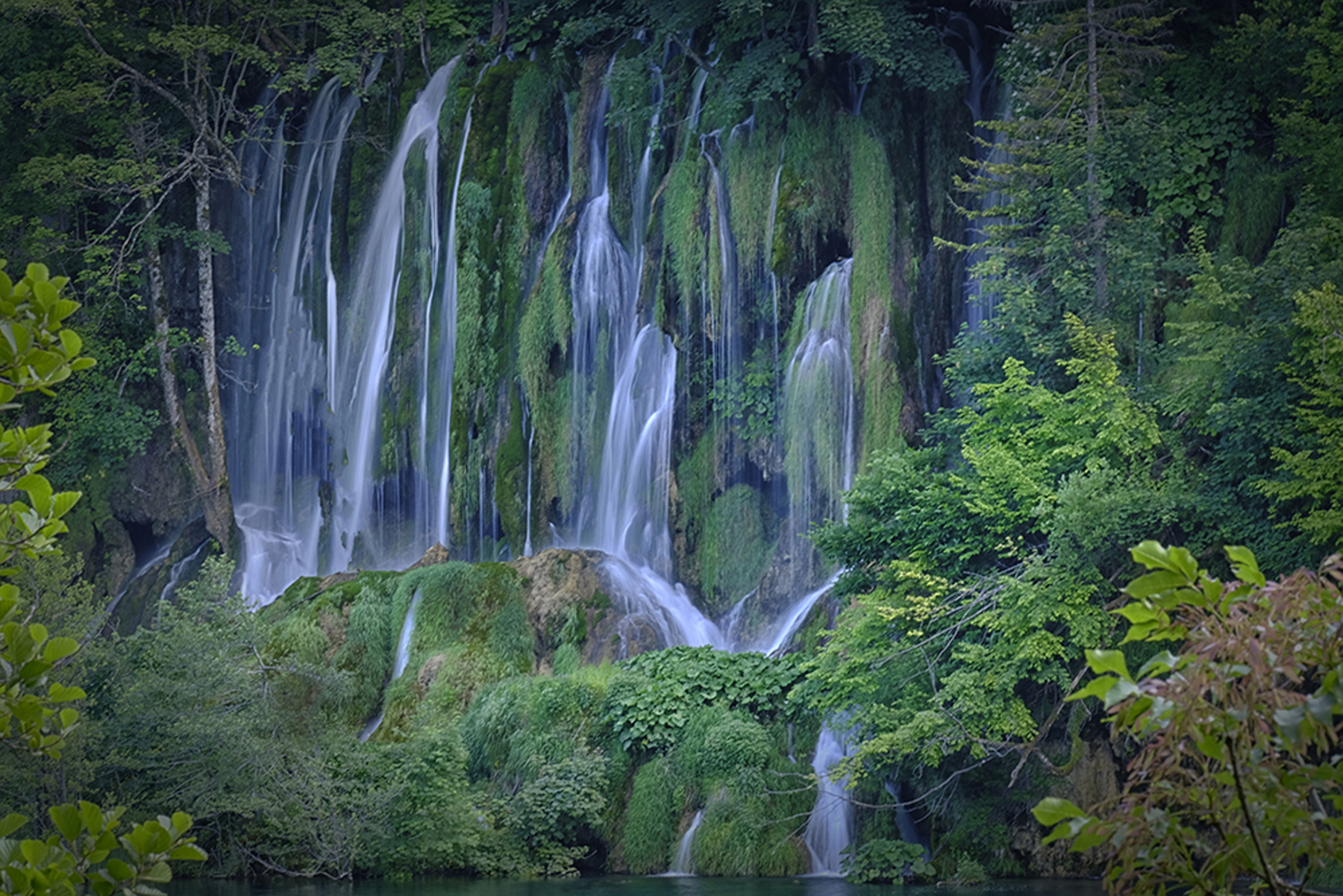
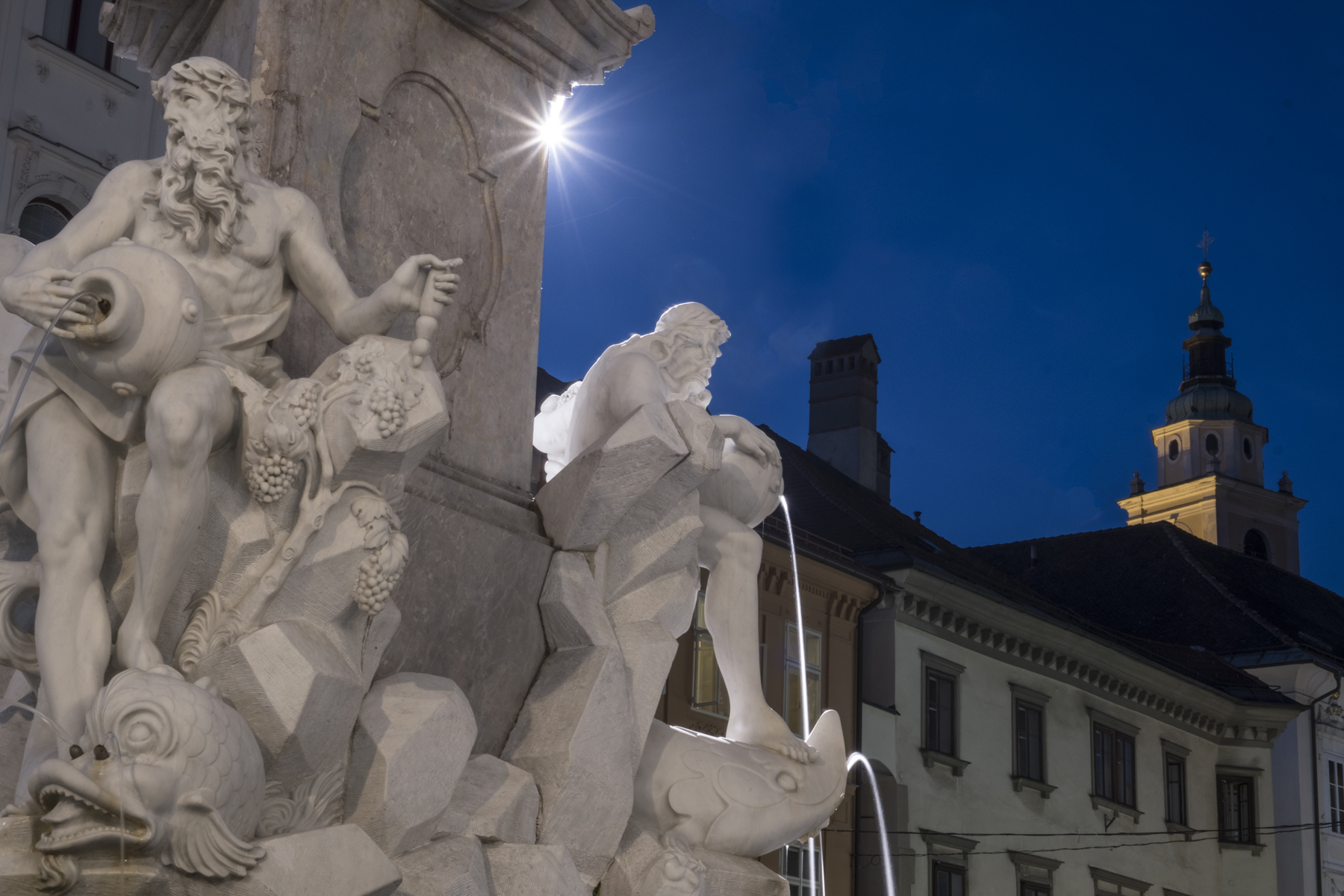


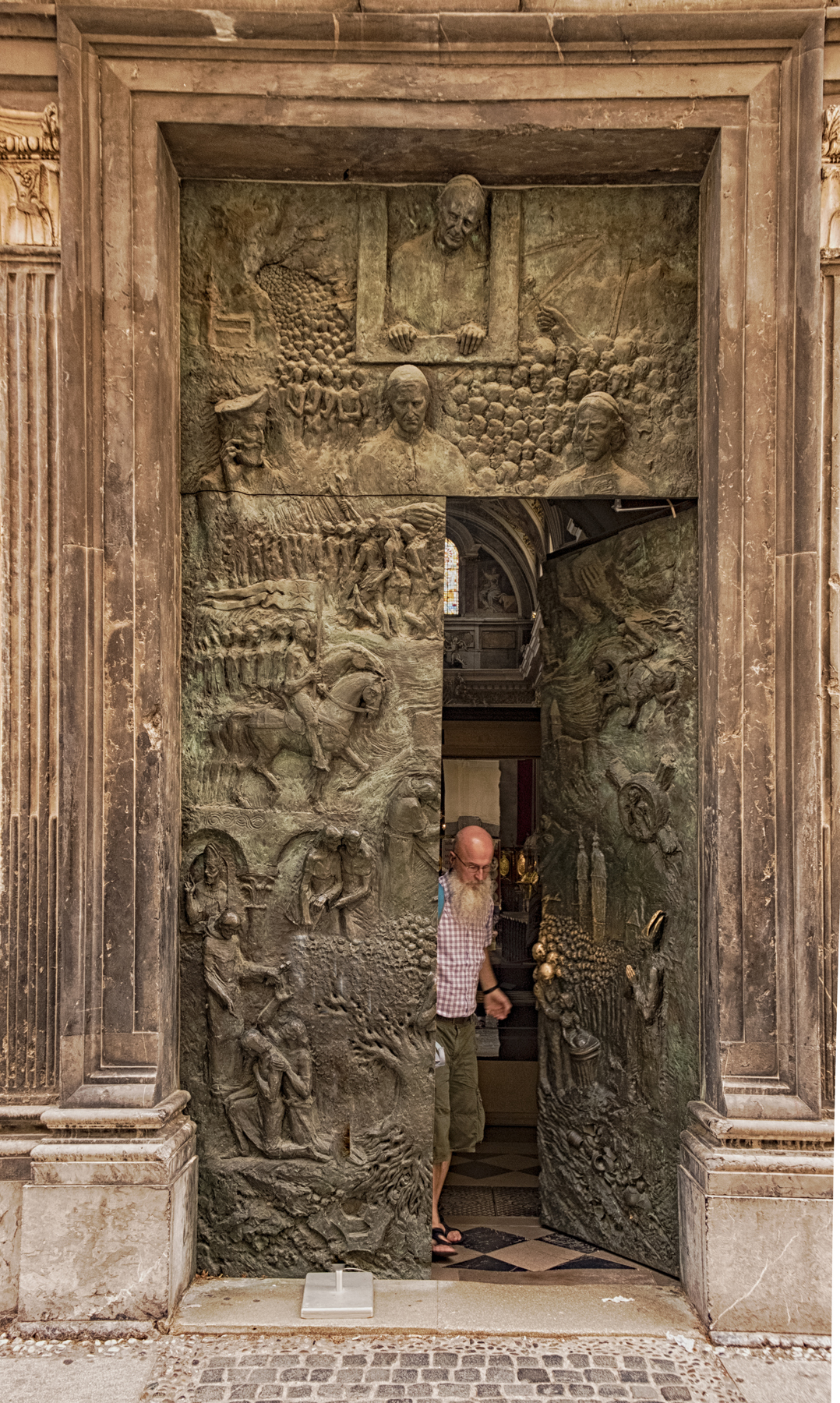
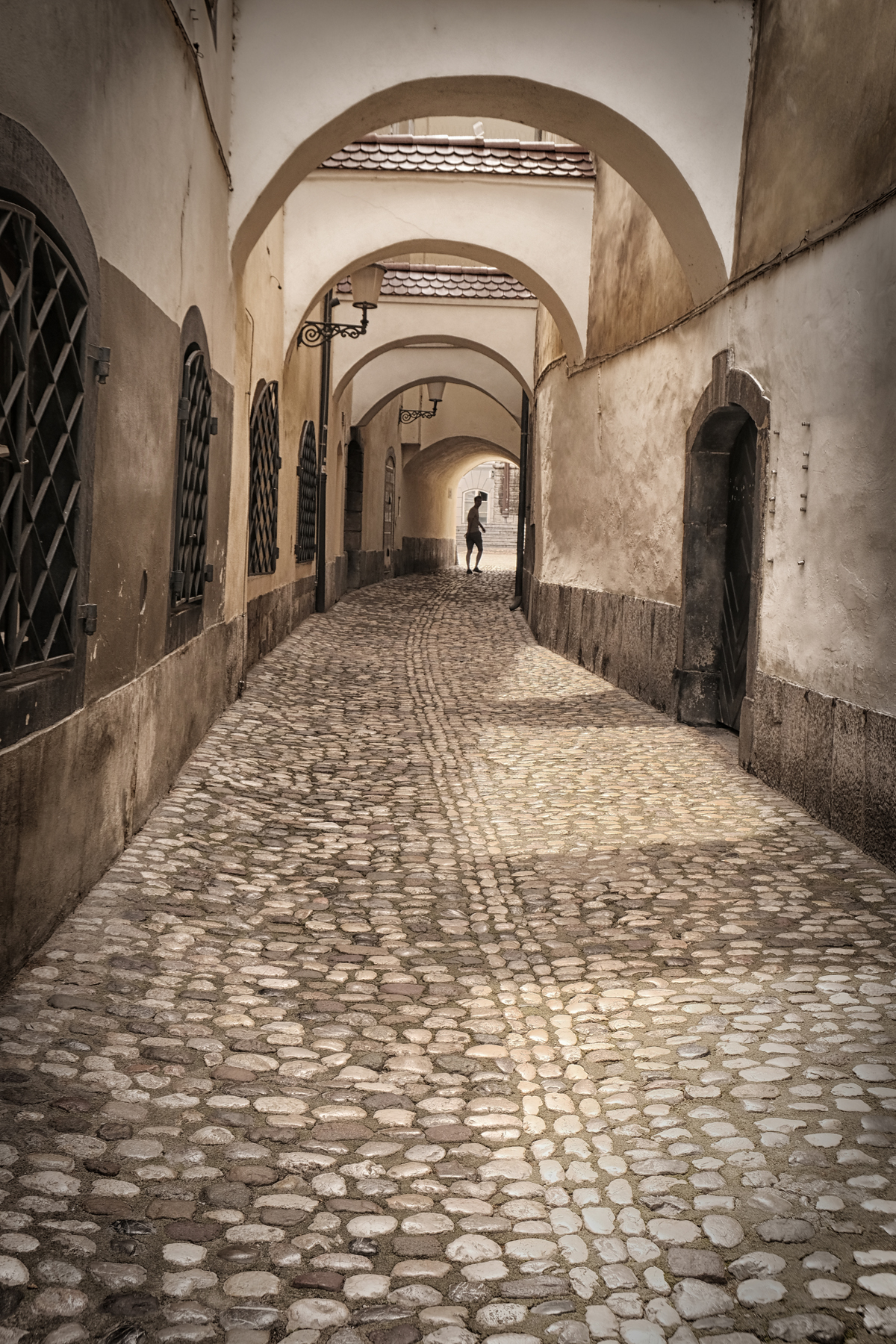


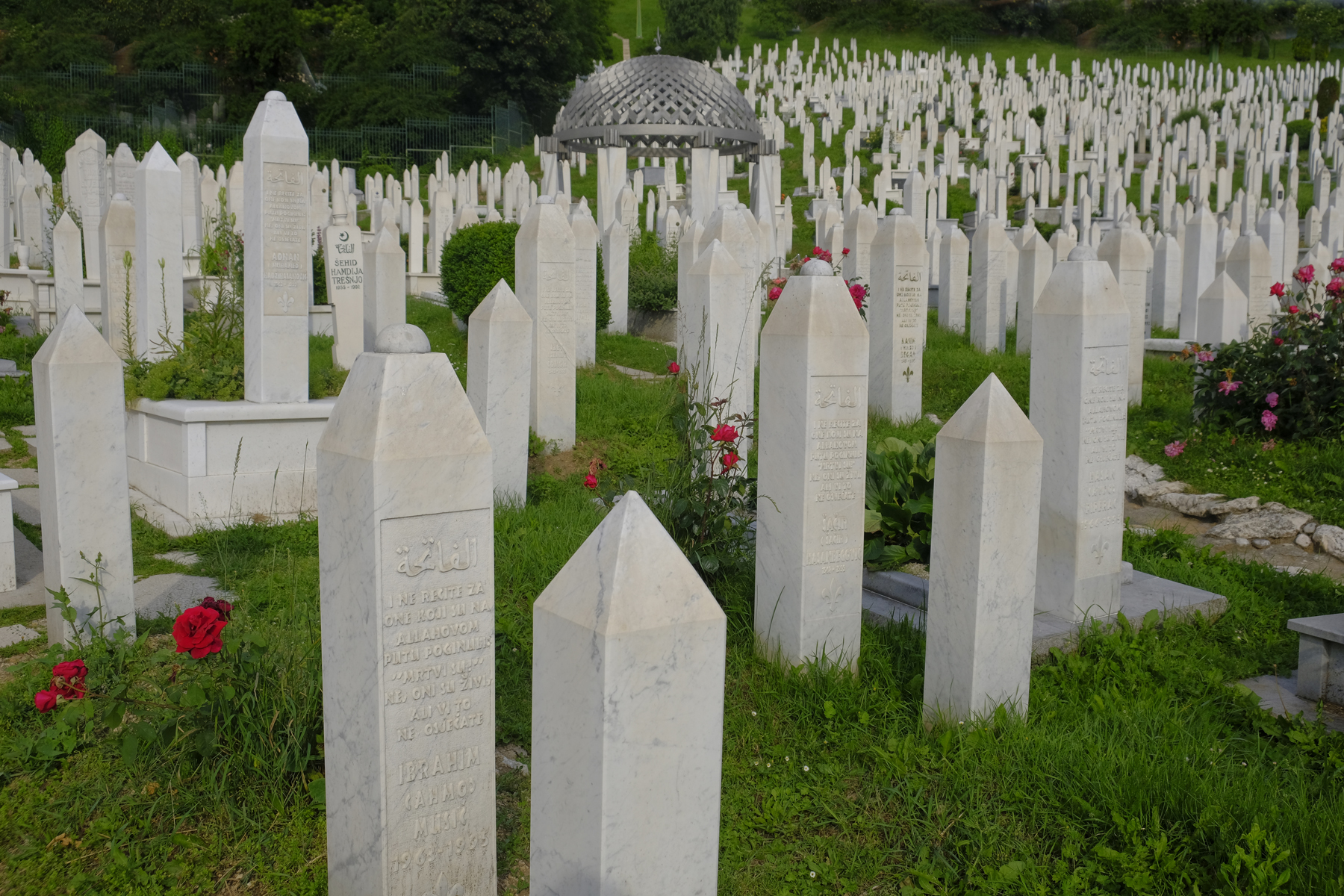

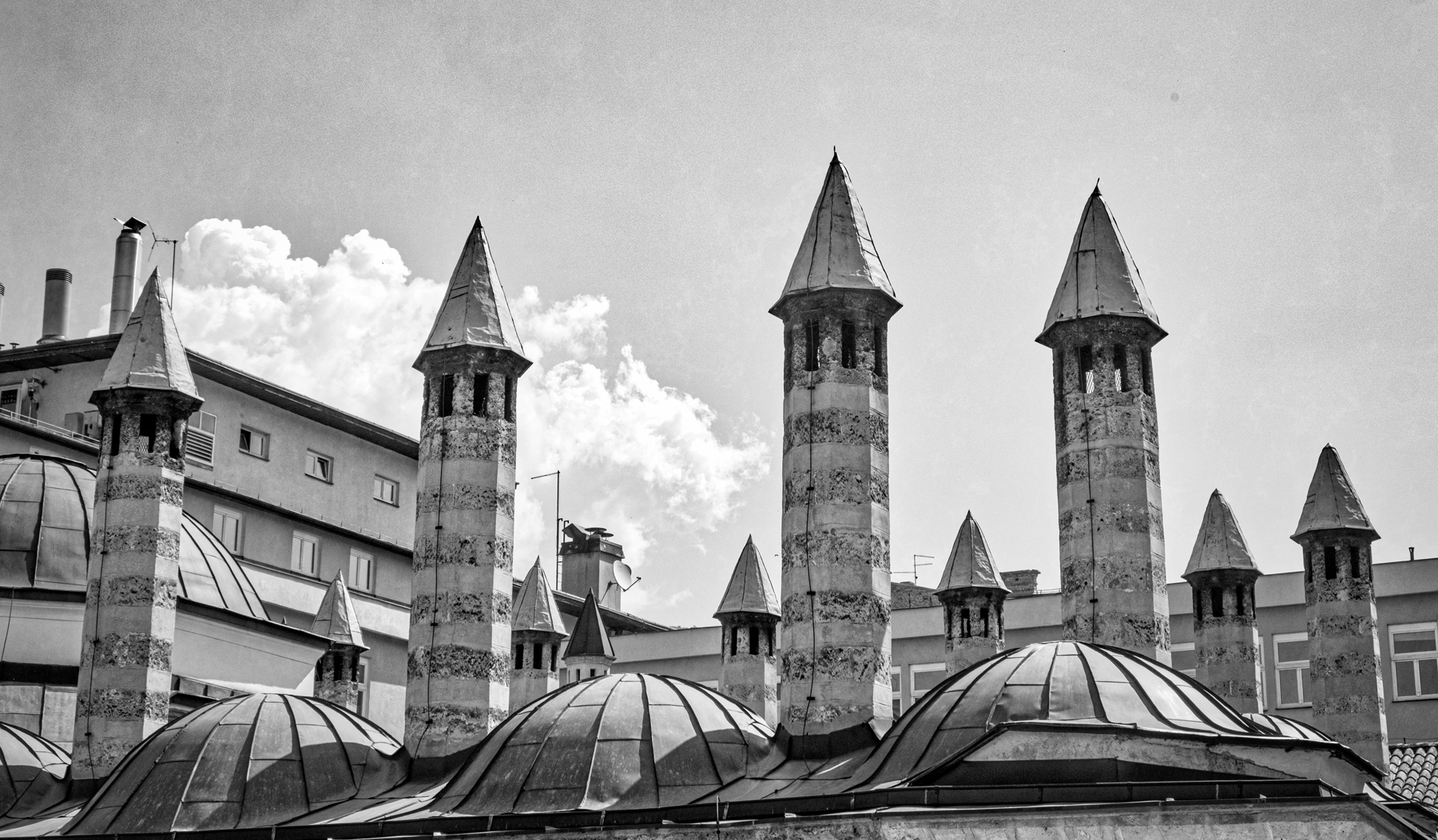
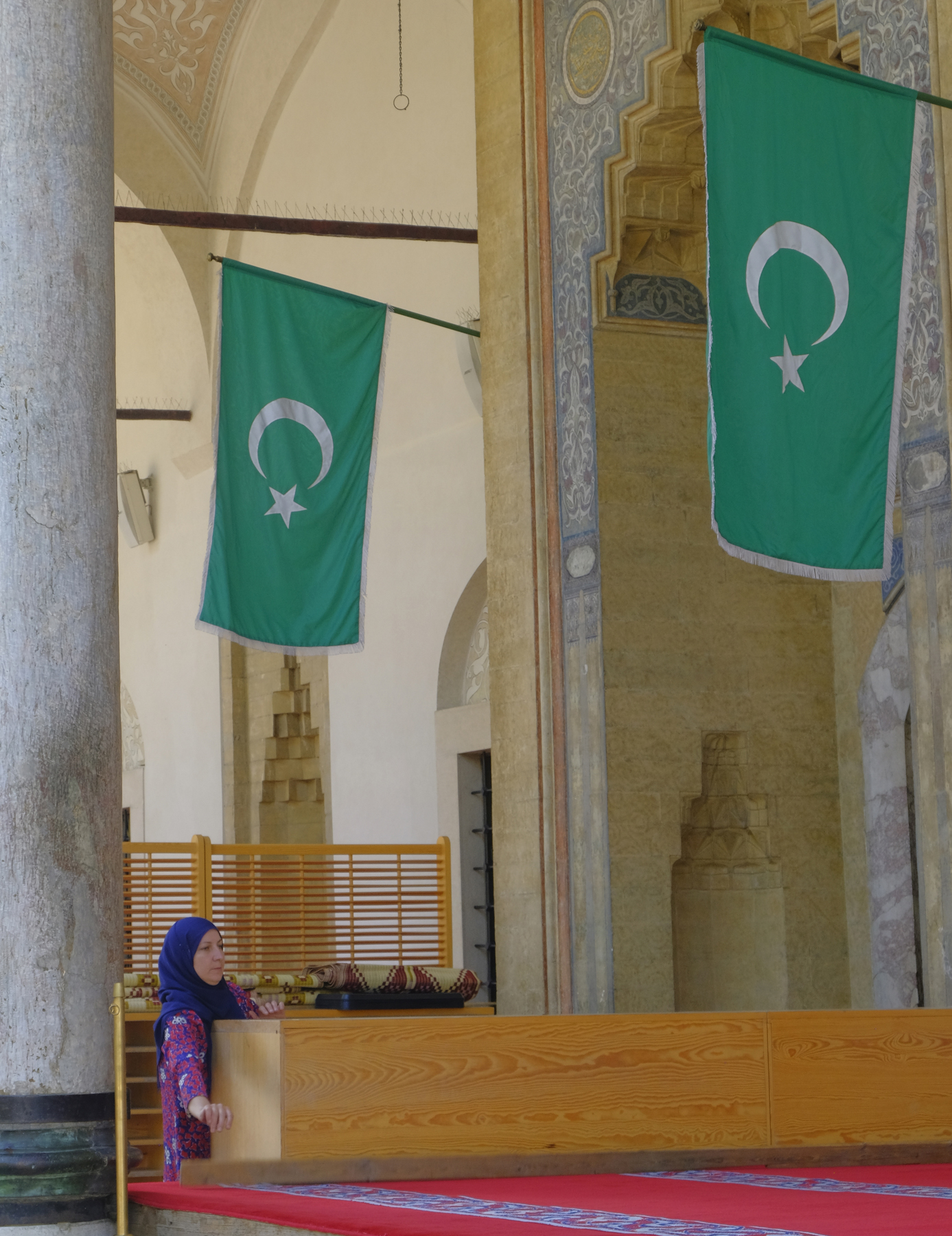


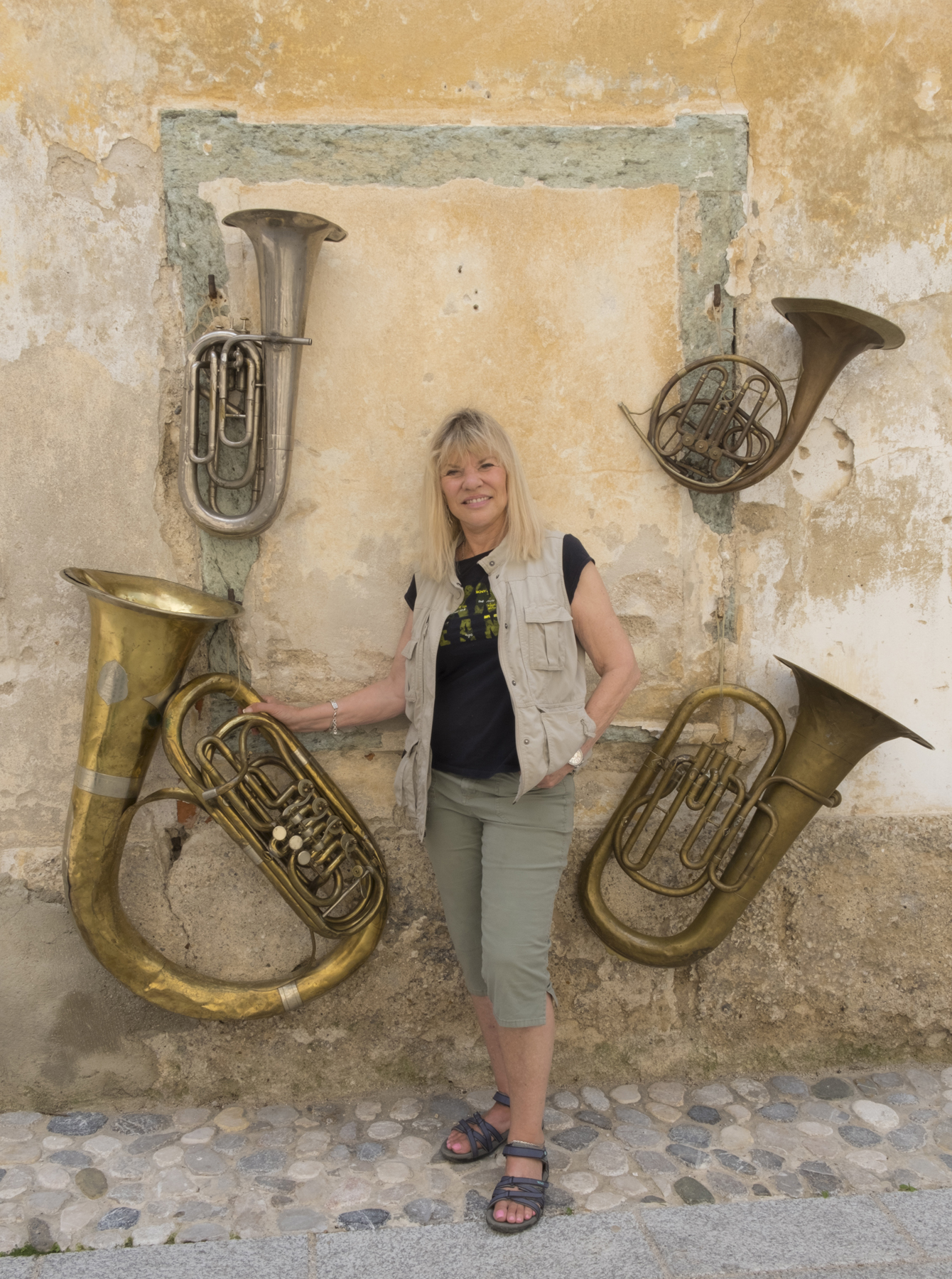

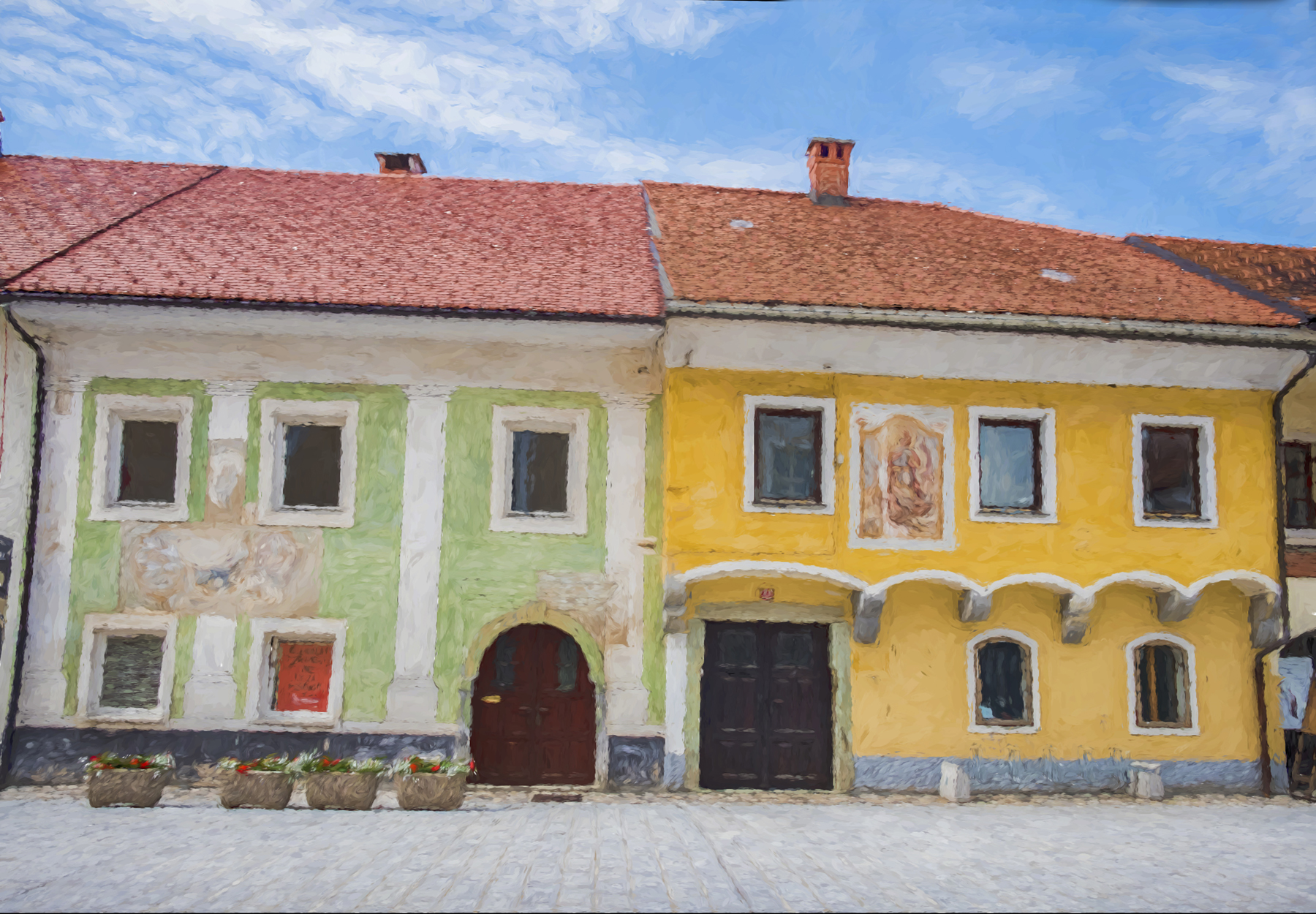


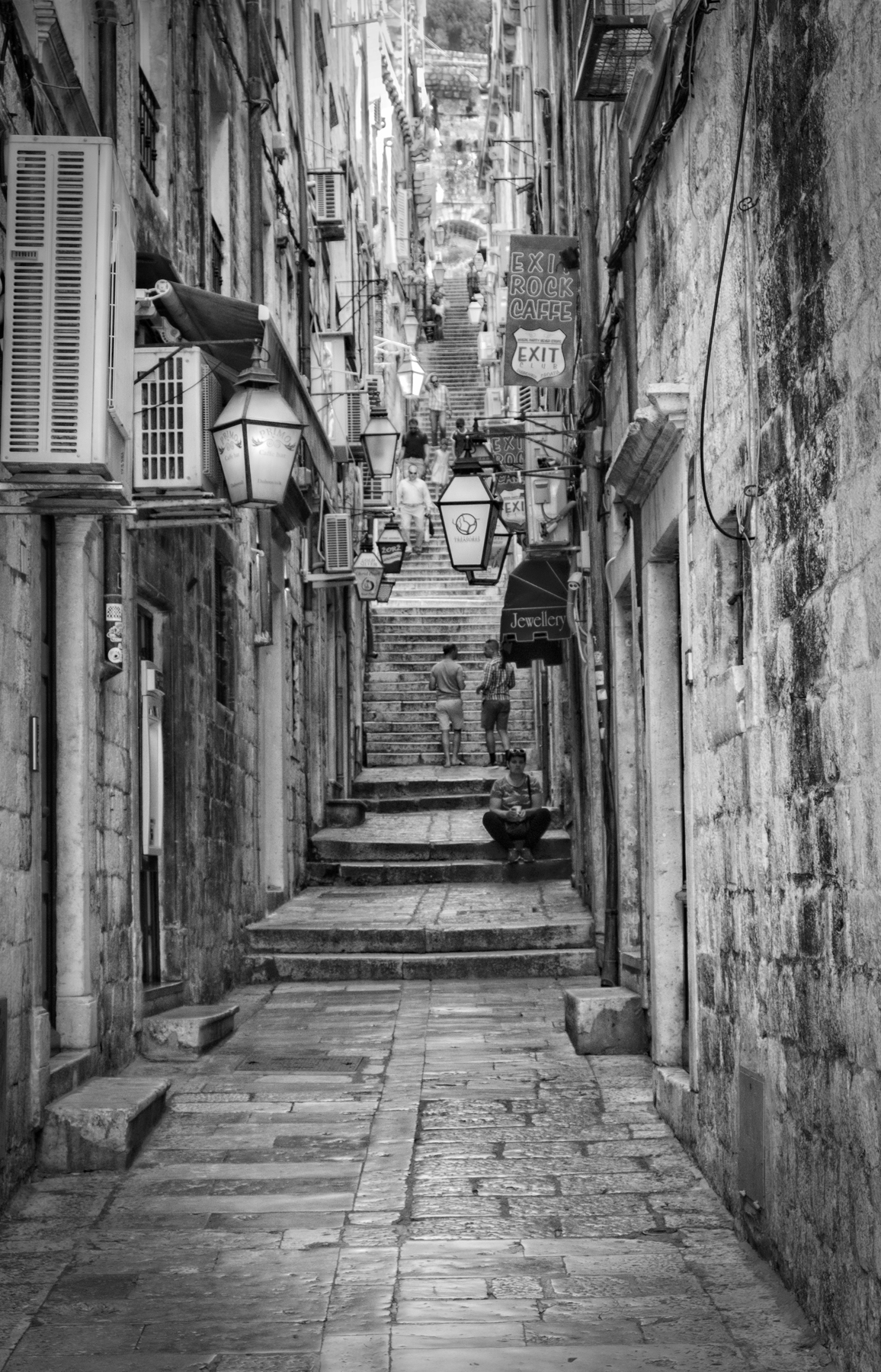
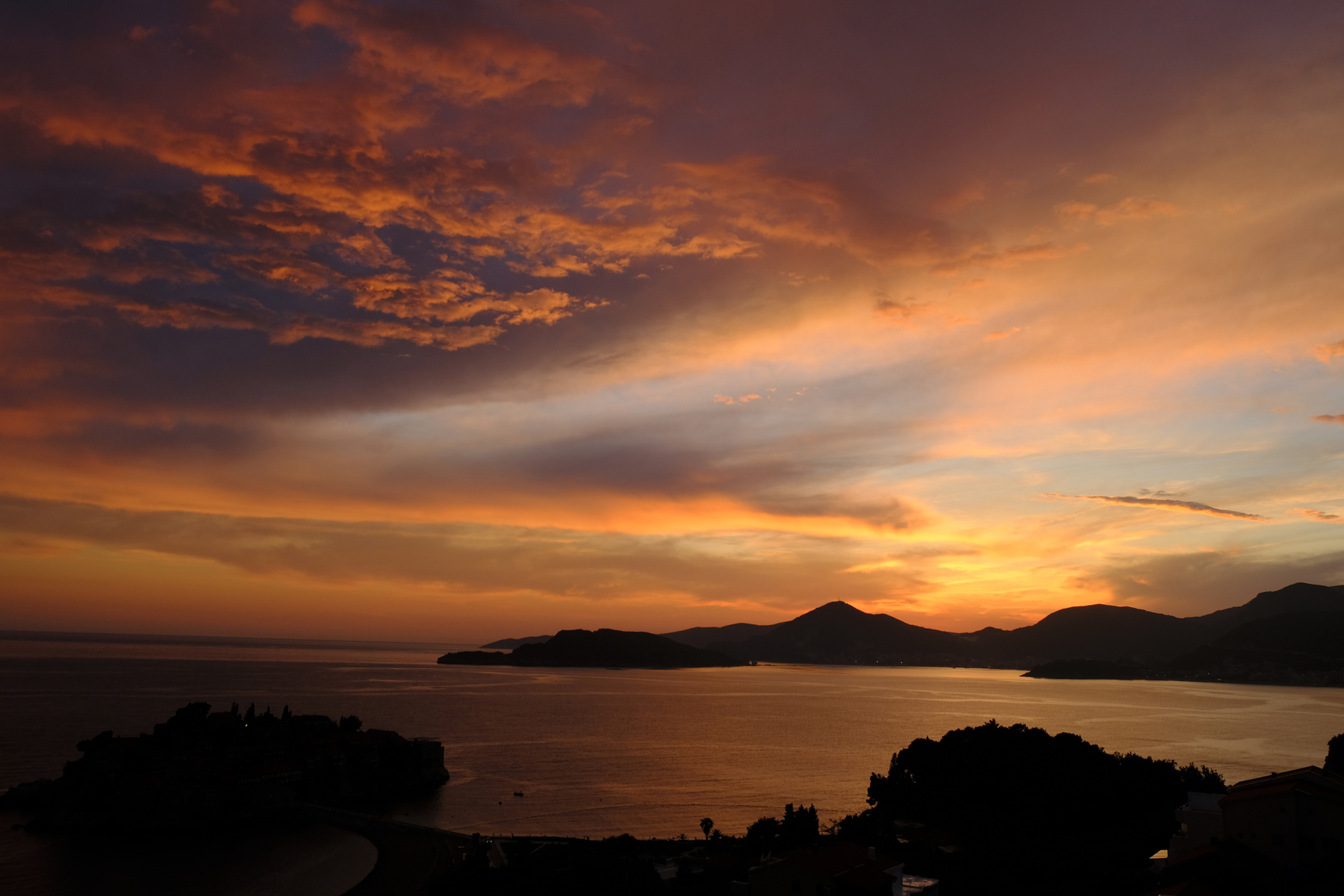


Lined up along the Adriatic Sea are the Balkans: Croatia, Montenegro, Slovenia and Bosnia-Herzegovina where lie scenes of mountainscapes, beaches, ancient bridges, walled cities, and quaint towns. Once a troubled region, the scars of the Yugoslav wars are fading, and the area is being revitalized. Landing in Podgorica, Montenegro, we drove along the Adriatic coast to Dubrovnik. Sarajevo had more war scars, but the loveliest of the cities was Ljubljana, Slovenia.


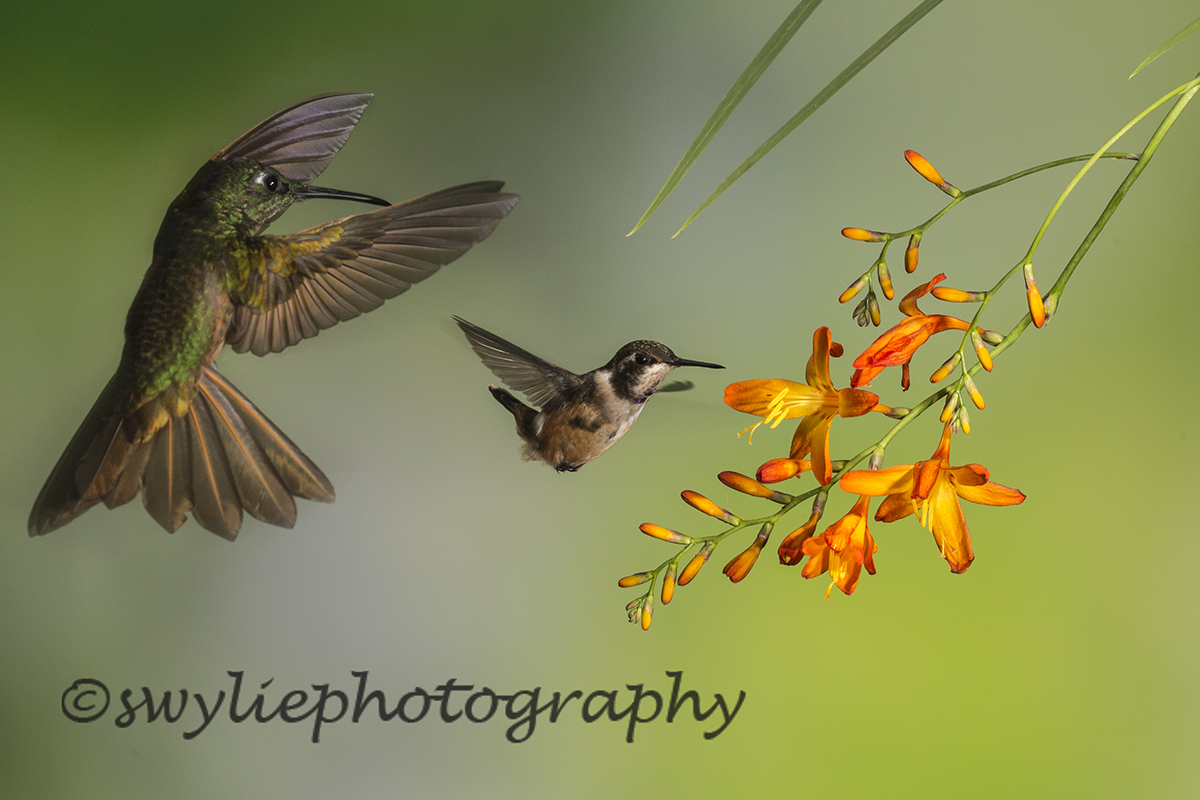


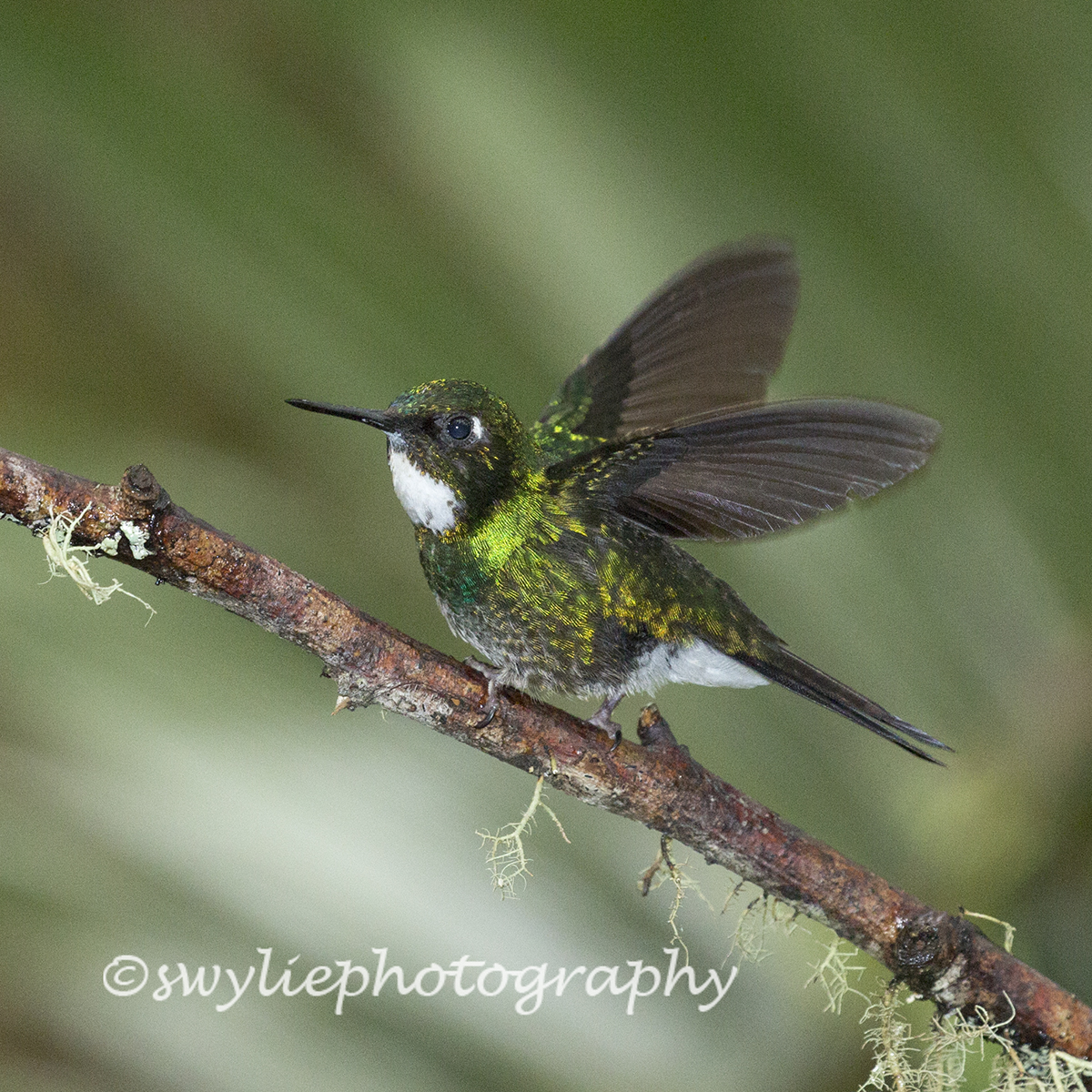
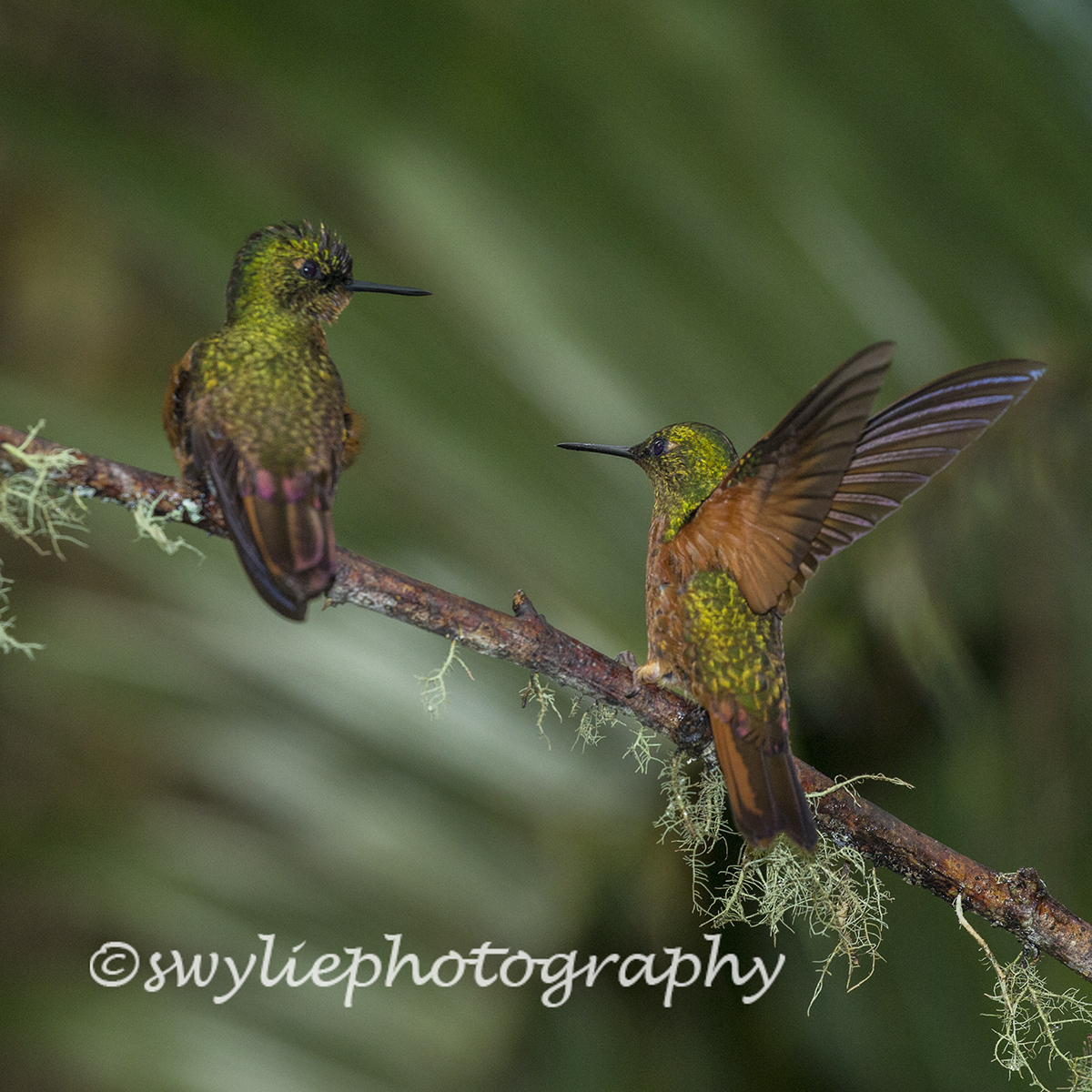
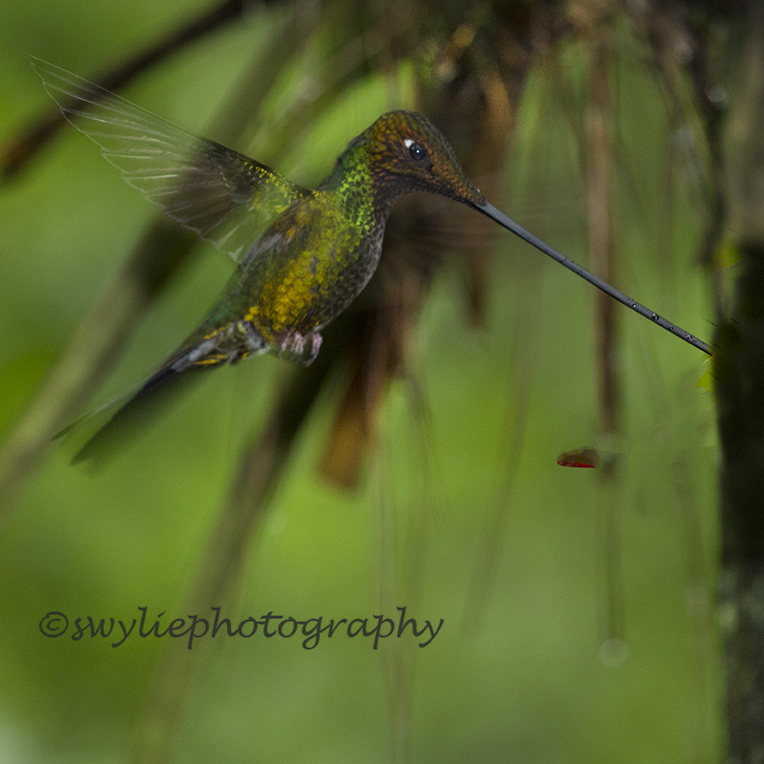


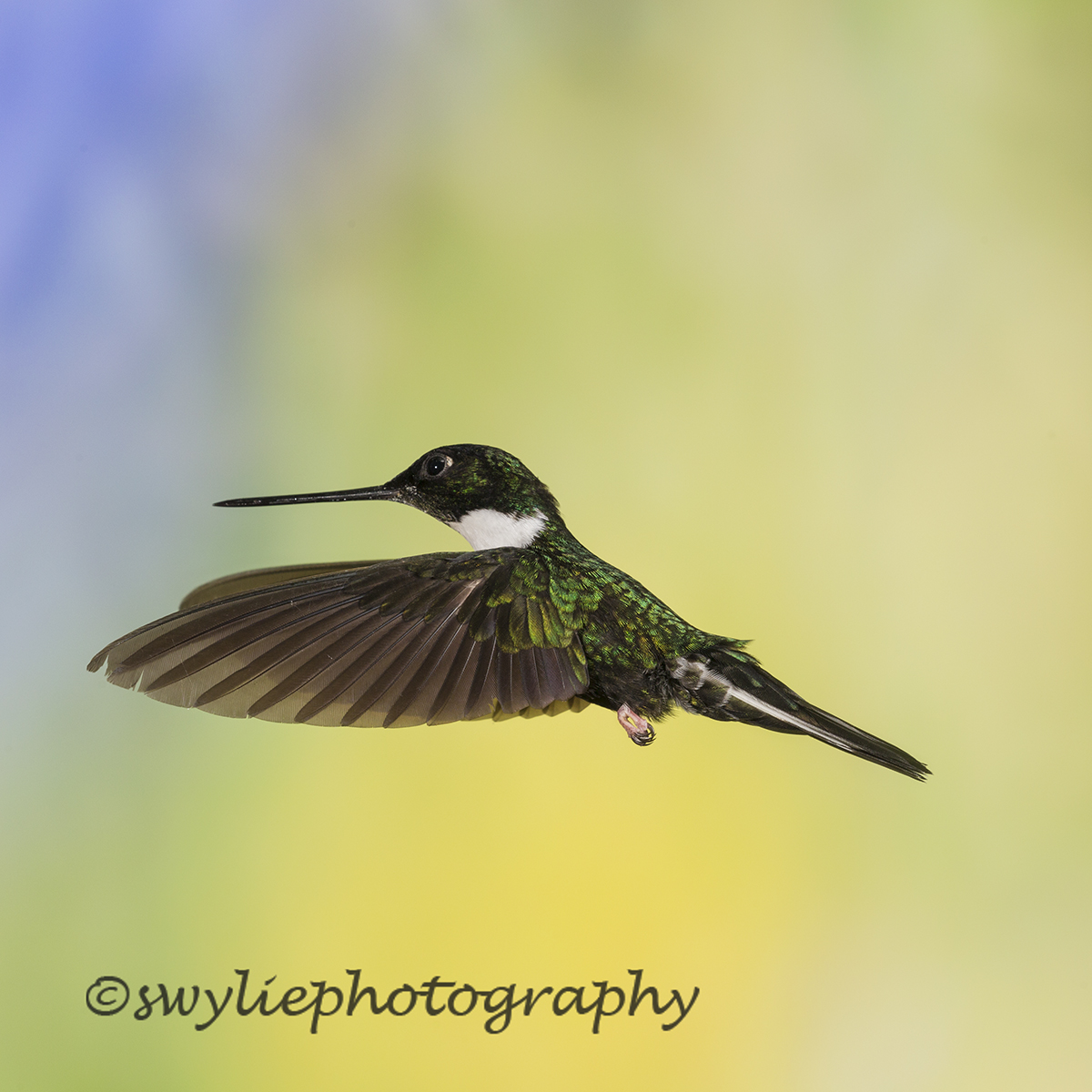
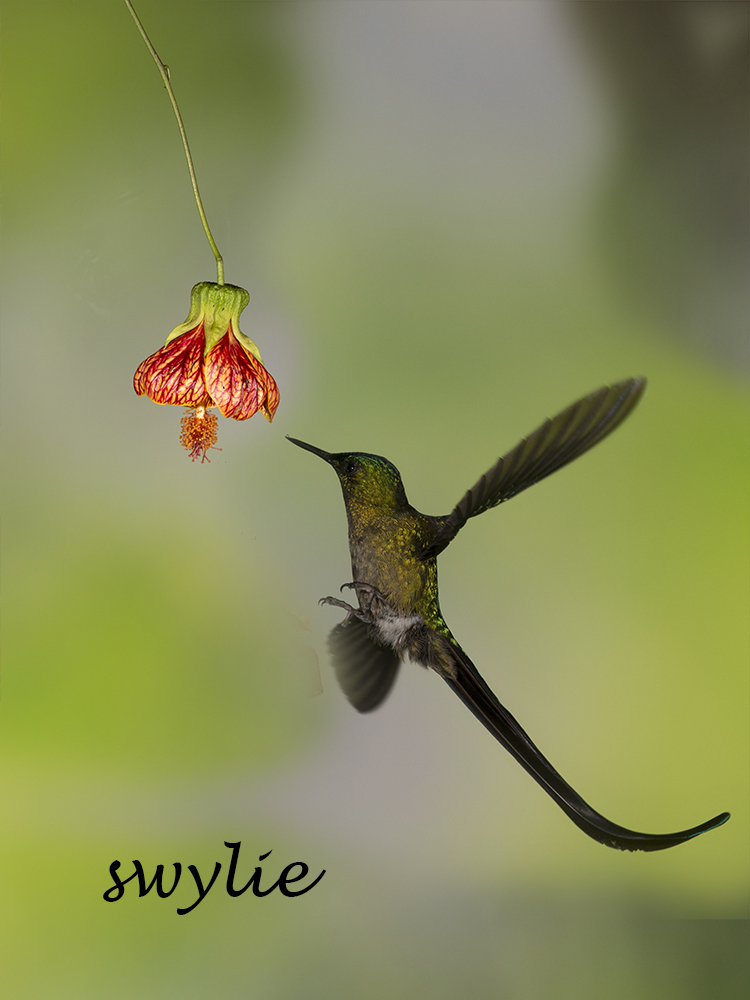
Hummingbirds are known as “flying jewels” so radiant are their luminescent feathers. Ecuador has 130 different varieties and is called “The Land of Hummingbirds.” Outside the lodge in Tandayapa in Ecuador’s Andean Cloud Forest they sip nectar from the flowers their beating wings sound like bees. Spracket Tail, Tawny Bellied Hermit, and Sword Billed hummingbirds are just some of types. We found a location to photograph the local cock-of-the-rock with his red head.


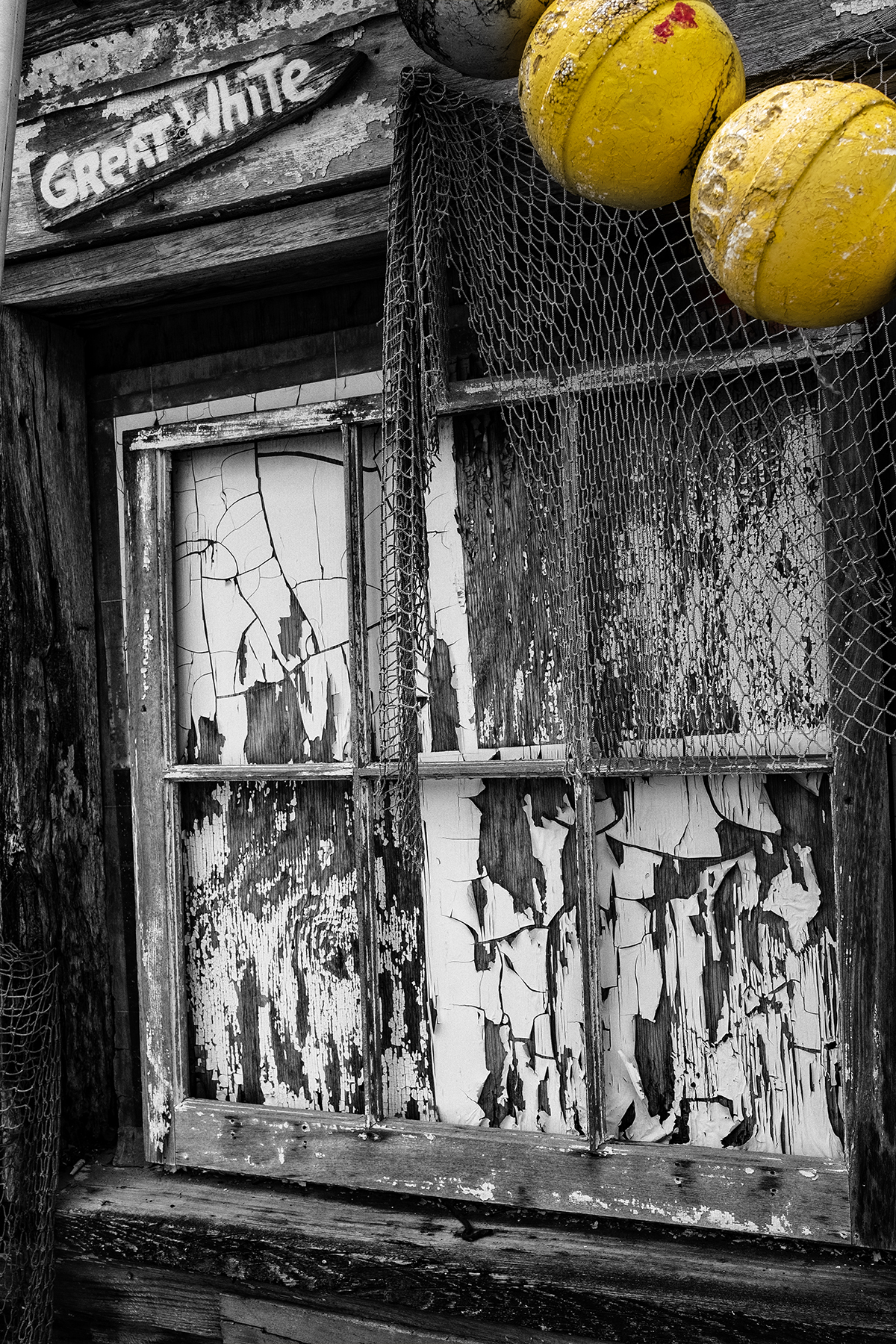


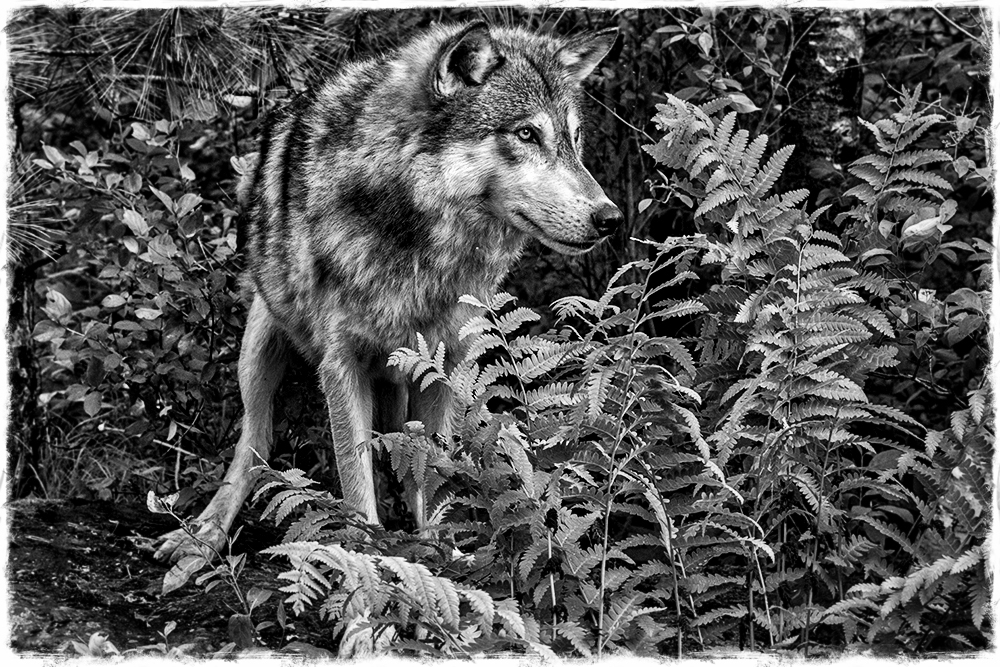


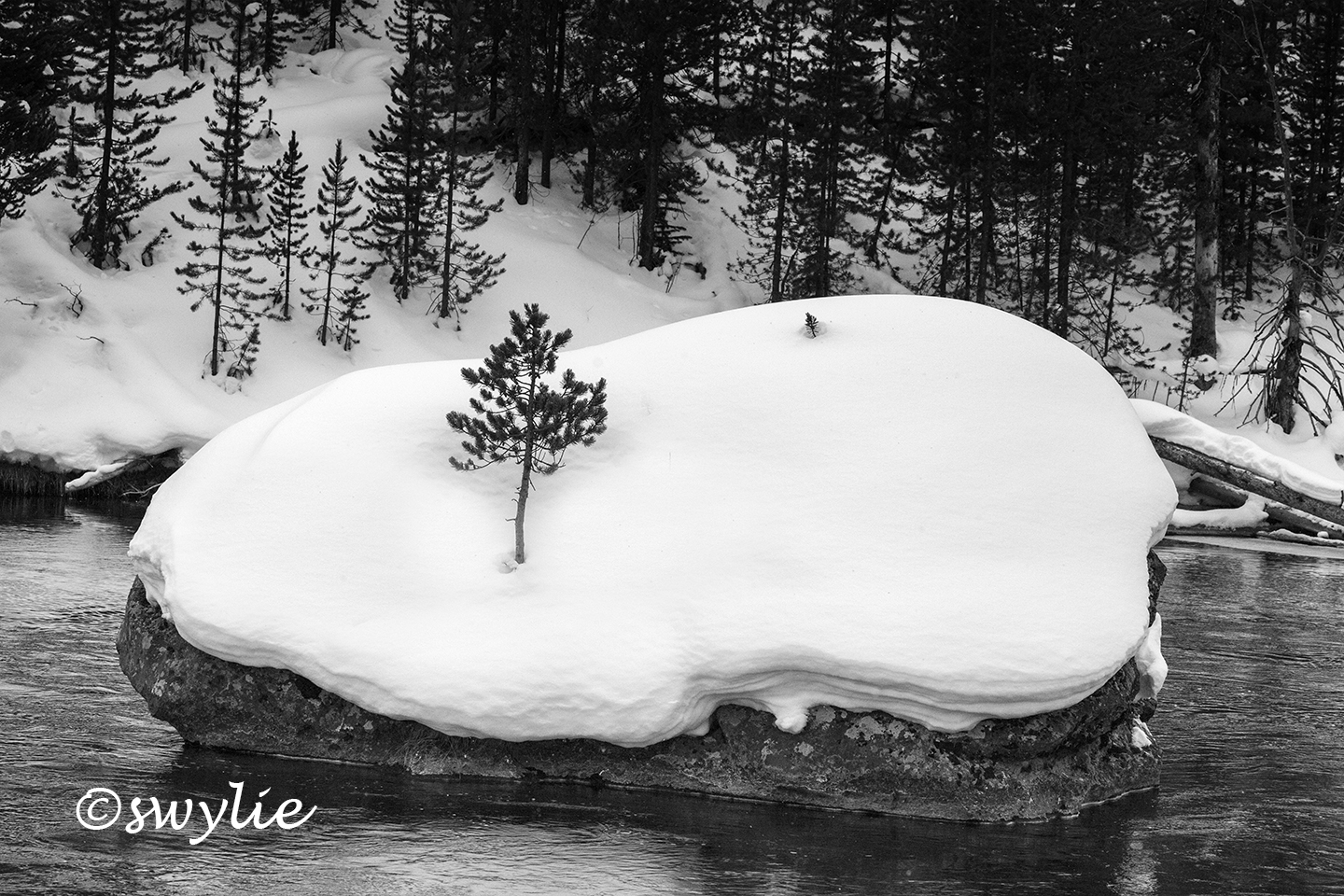
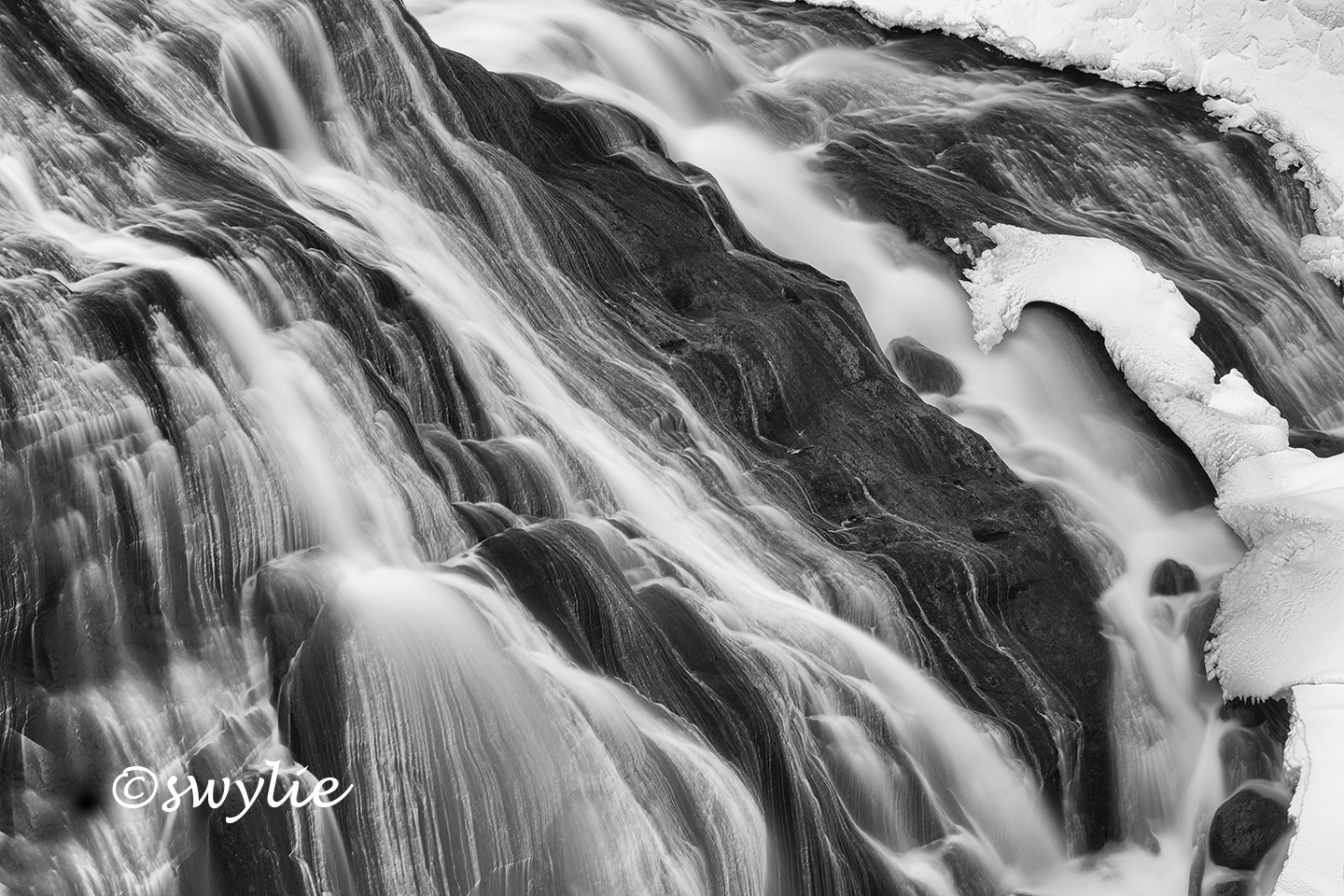


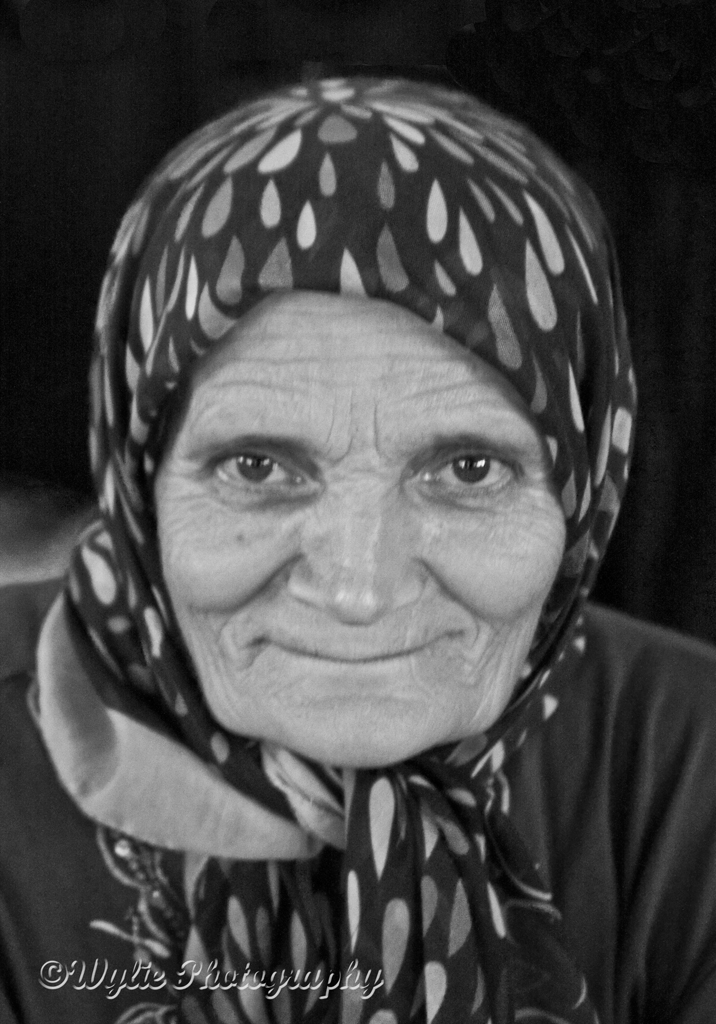


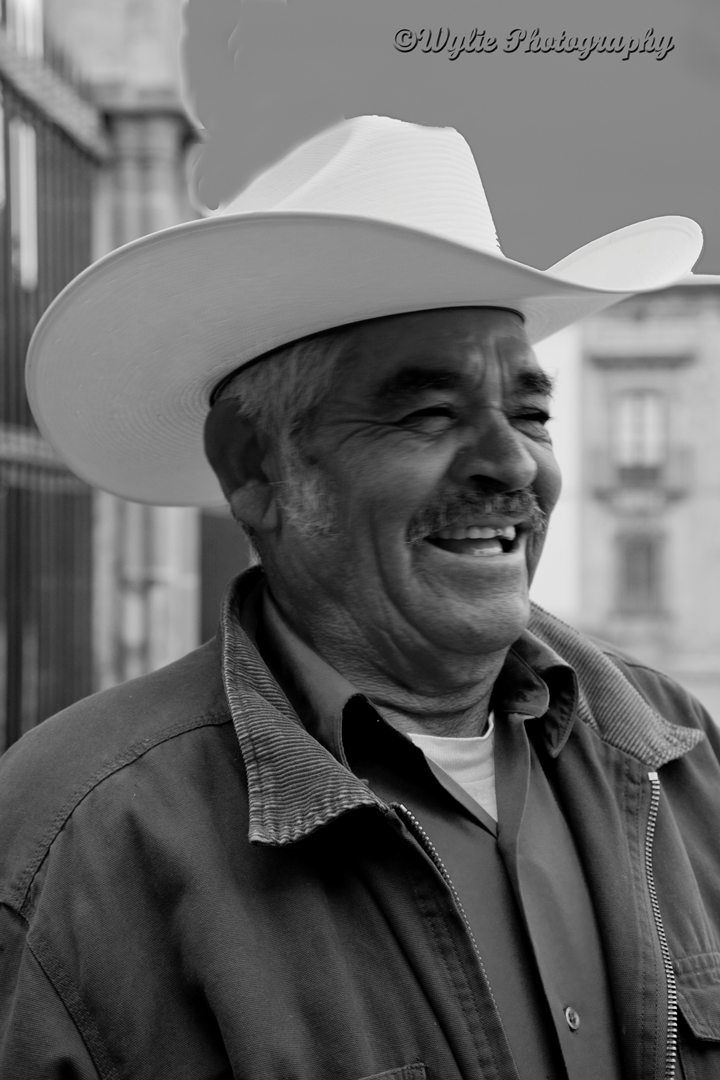




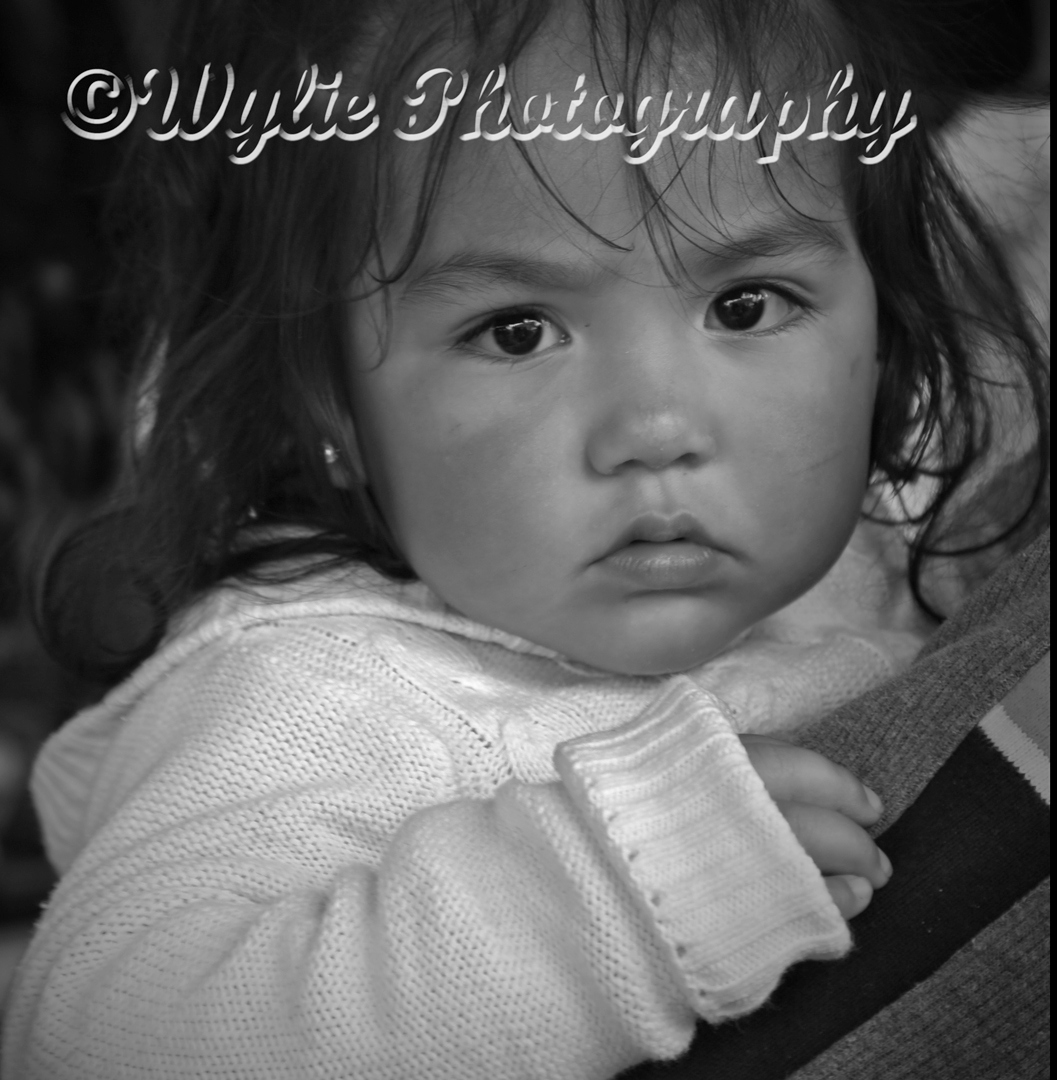

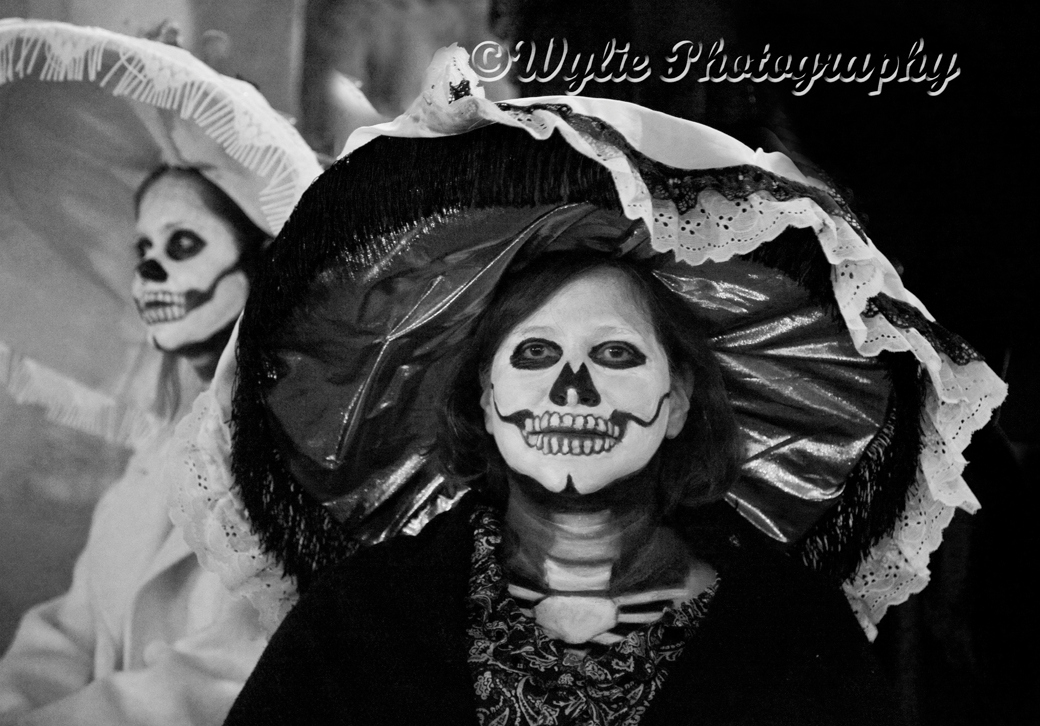


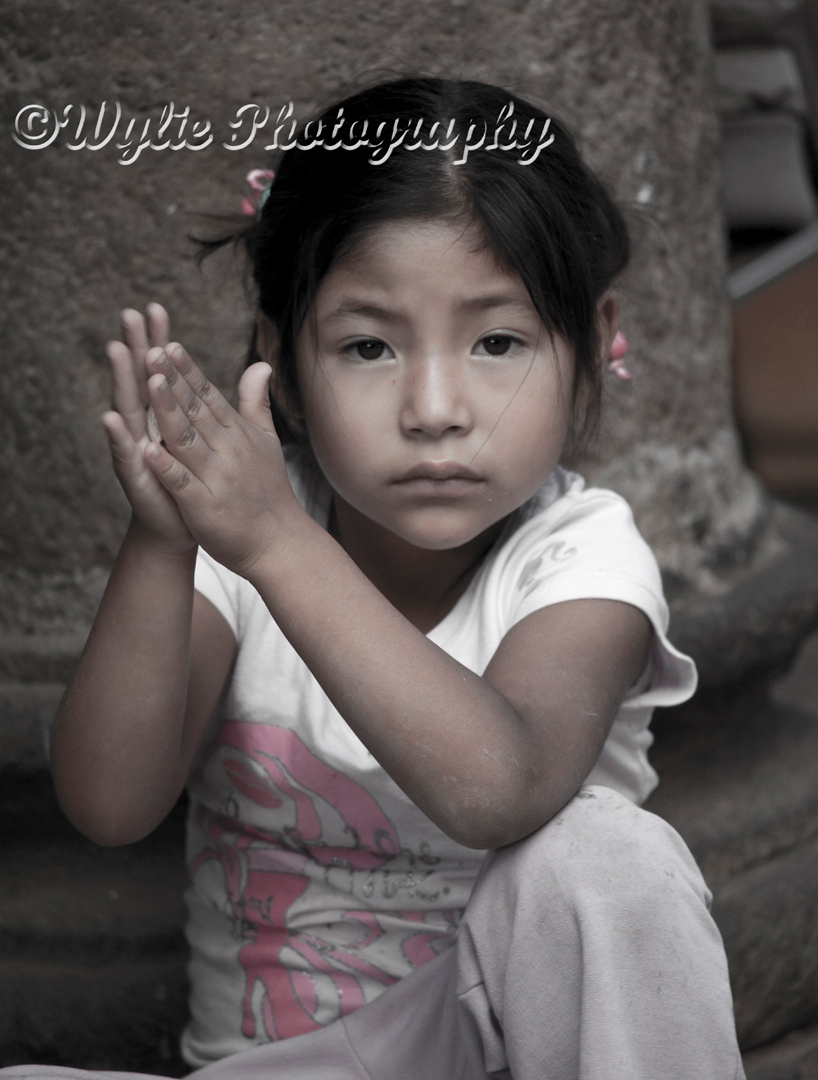

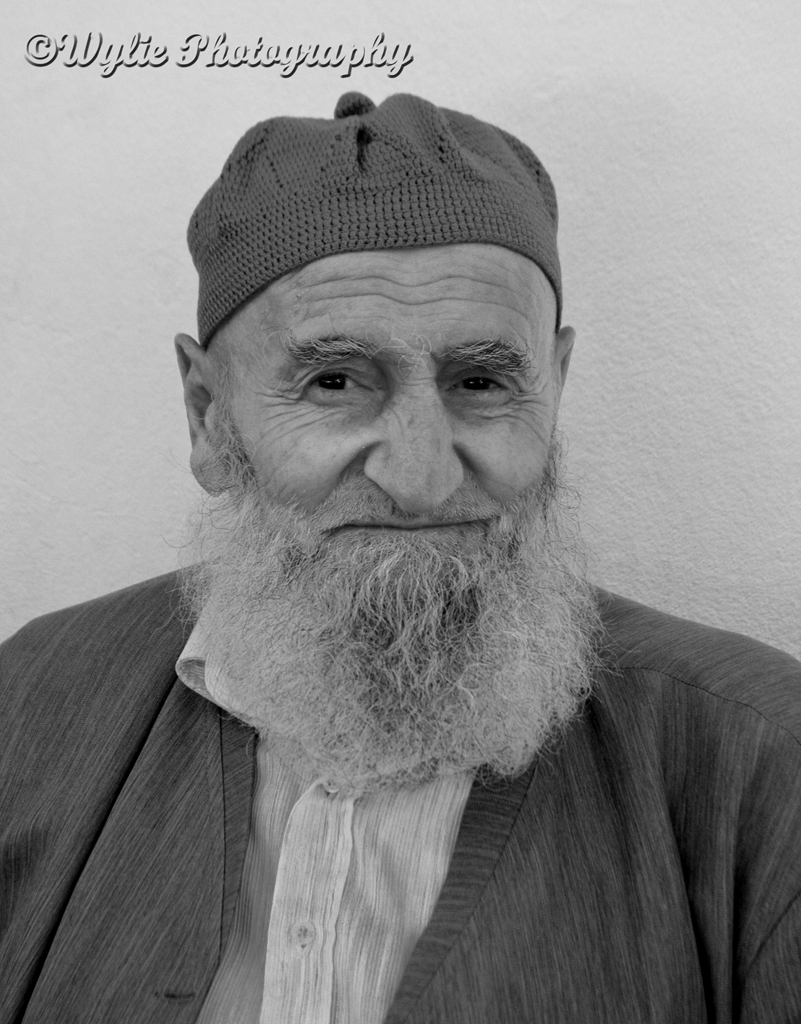

Monochrome photography includes all forms of black-and-white photography, which produces images containing tones of neutral gray ranging from black to white. Other hues besides gray, such as sepia, cyan, or brown can also be used in monochrome photography. In the contemporary world, this style is mostly used for artistic purposes. Black-and-white photography is used to add an emotional touch to the subject, compared with the original colored print, it is more subtle and interpretive.


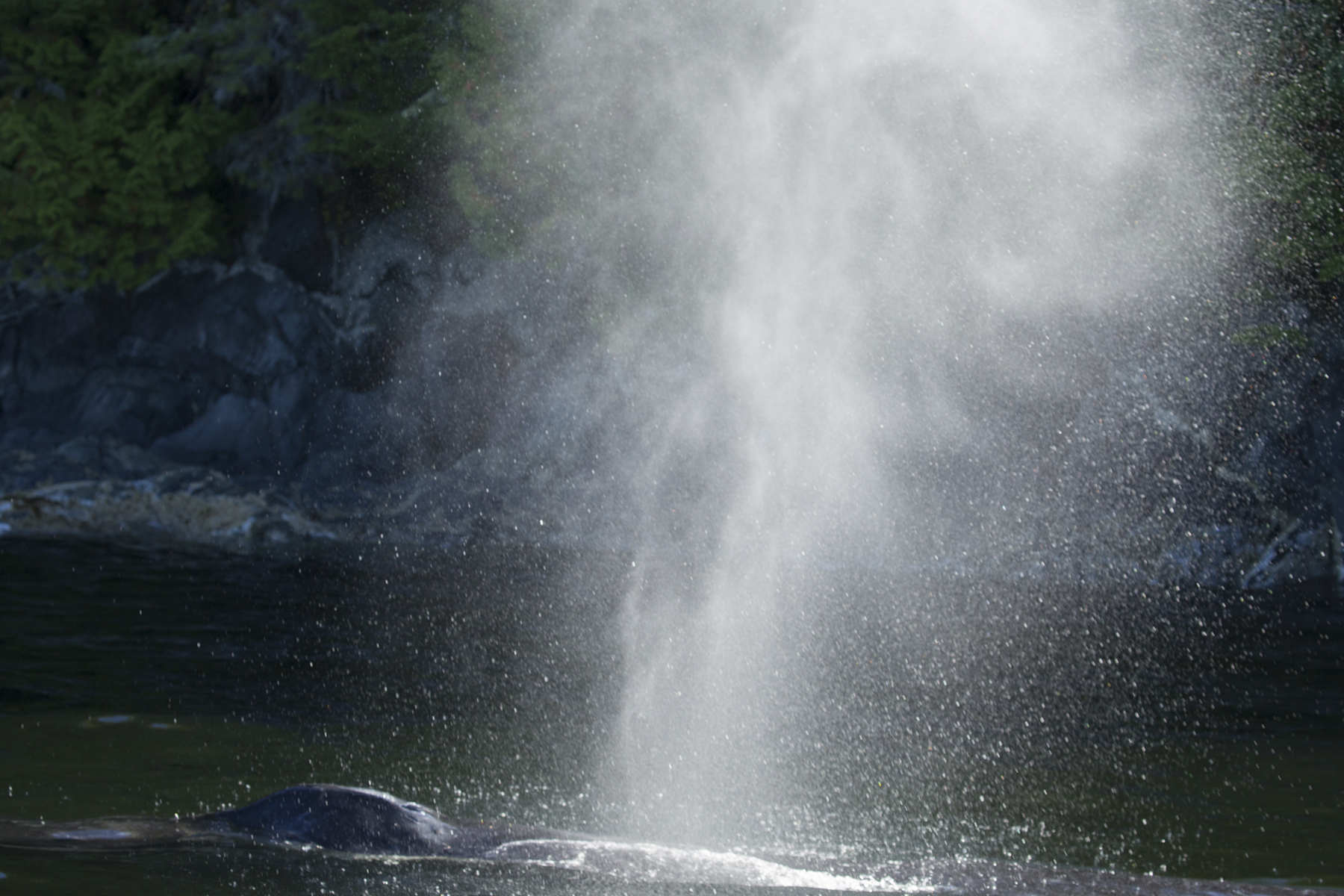
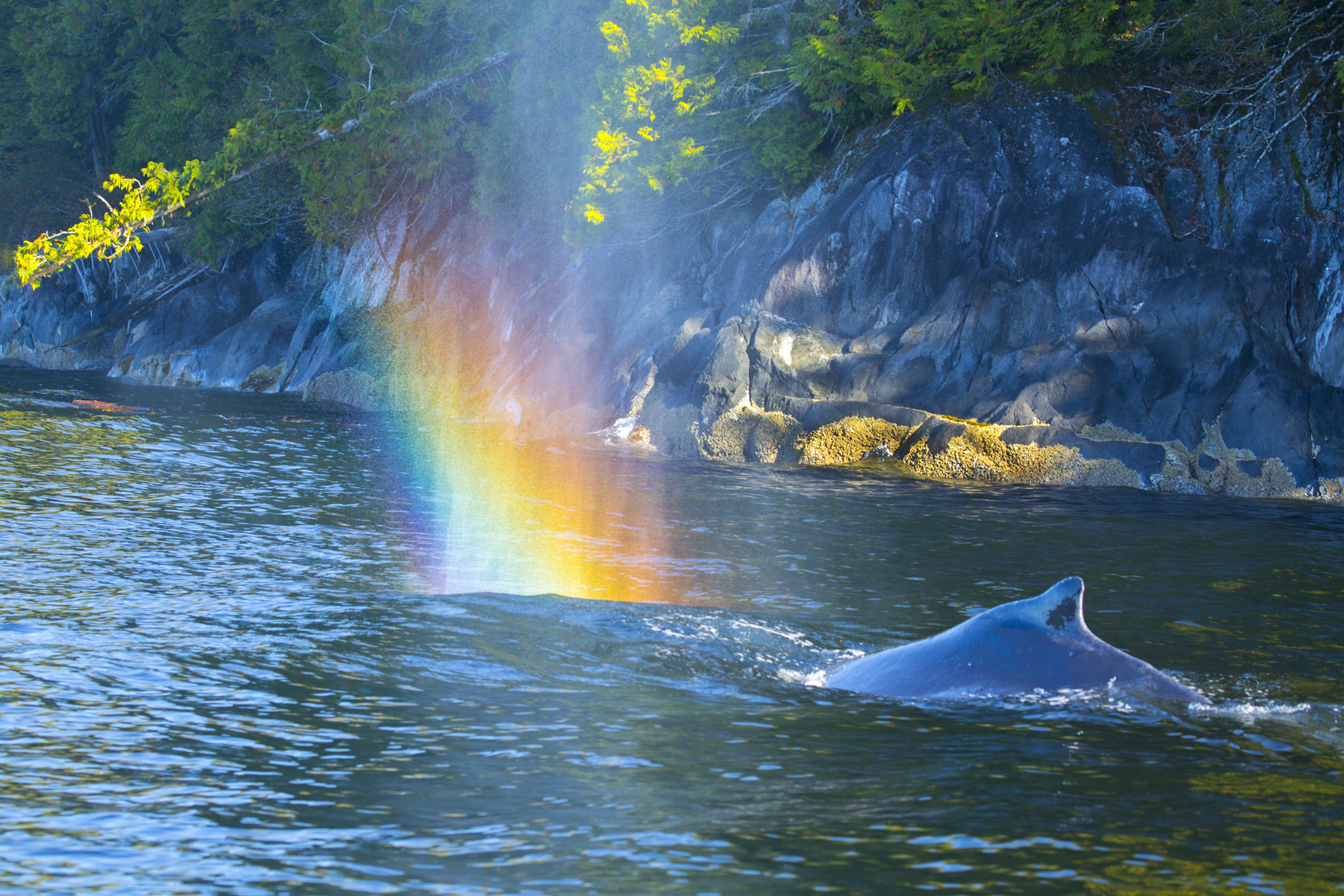

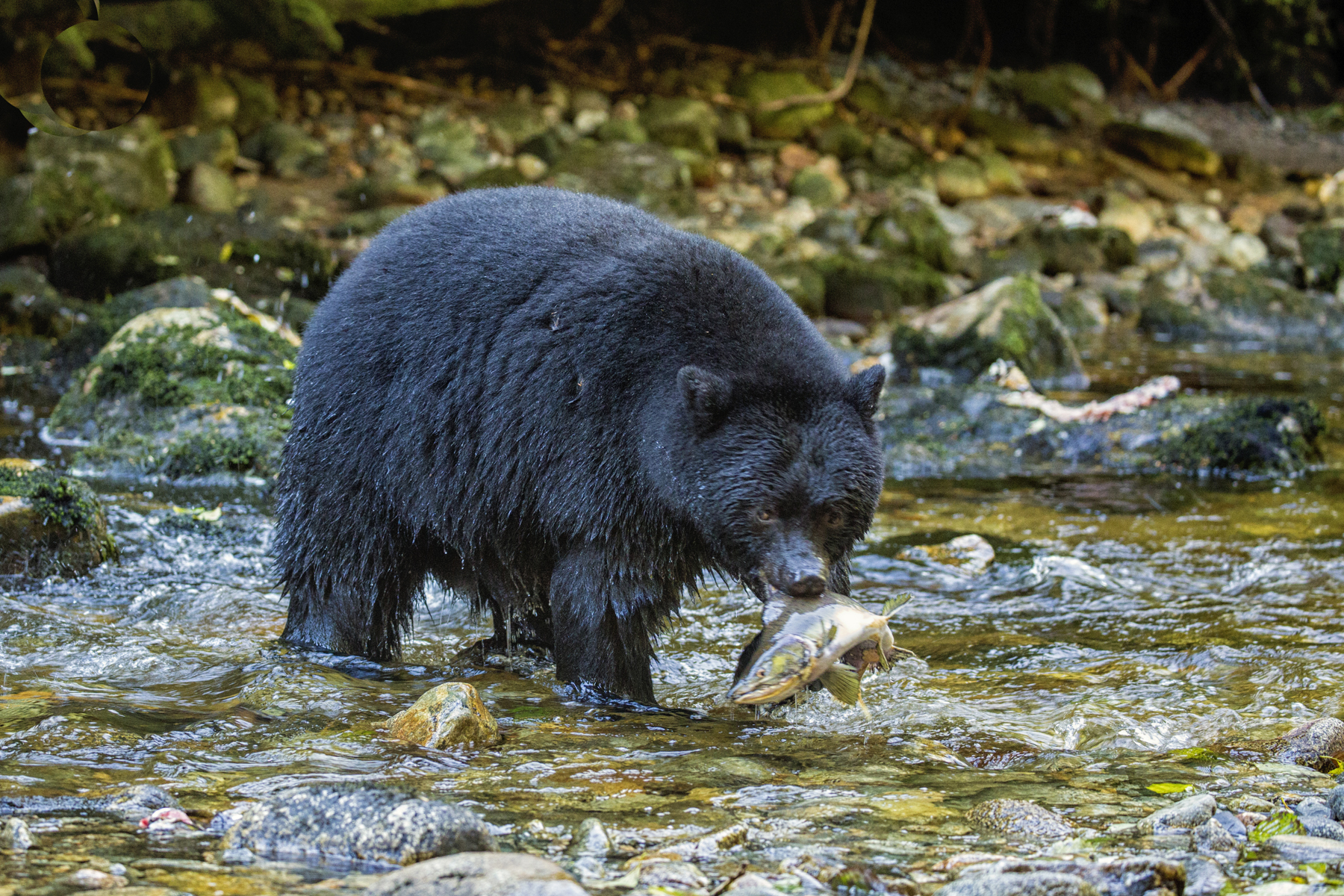

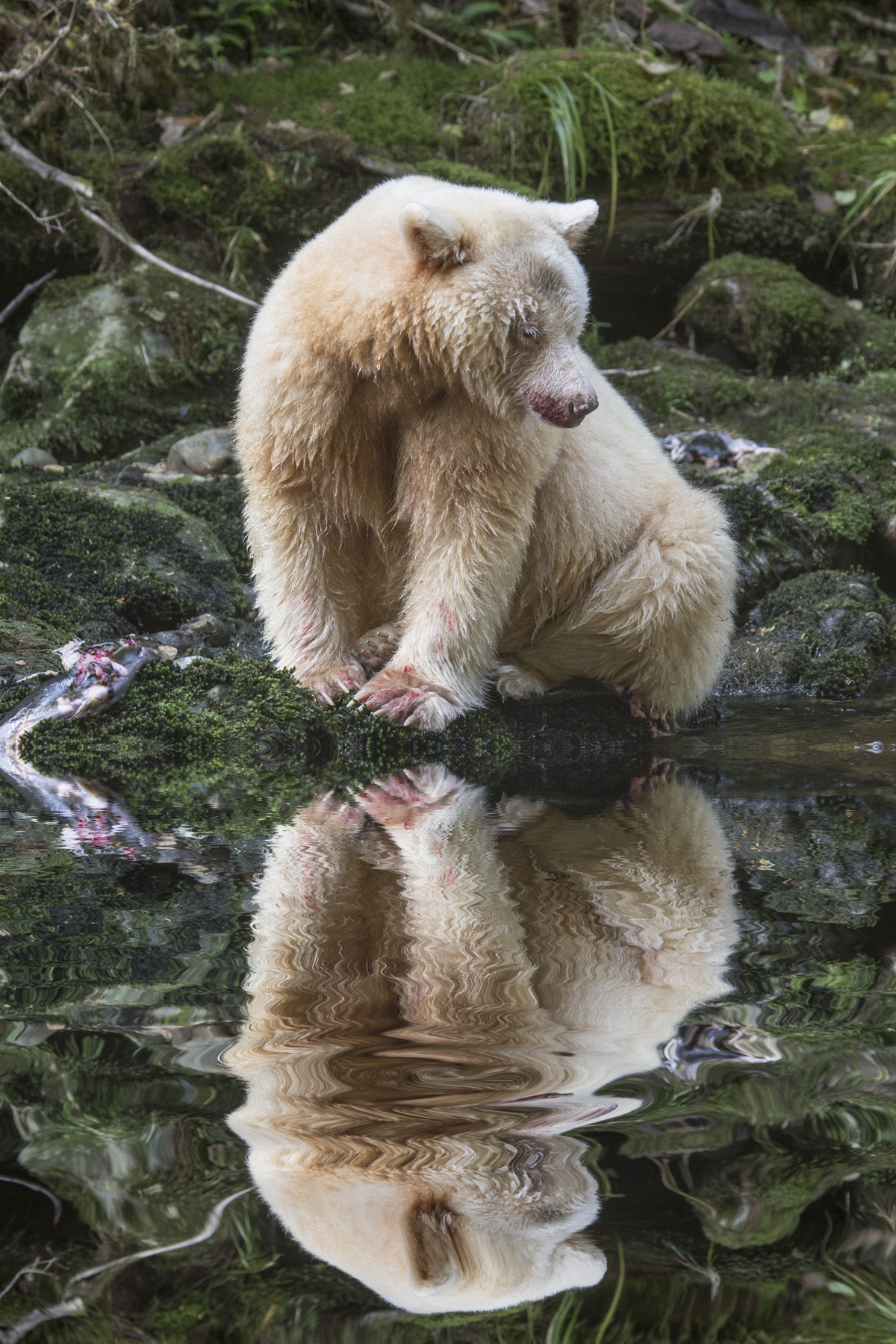


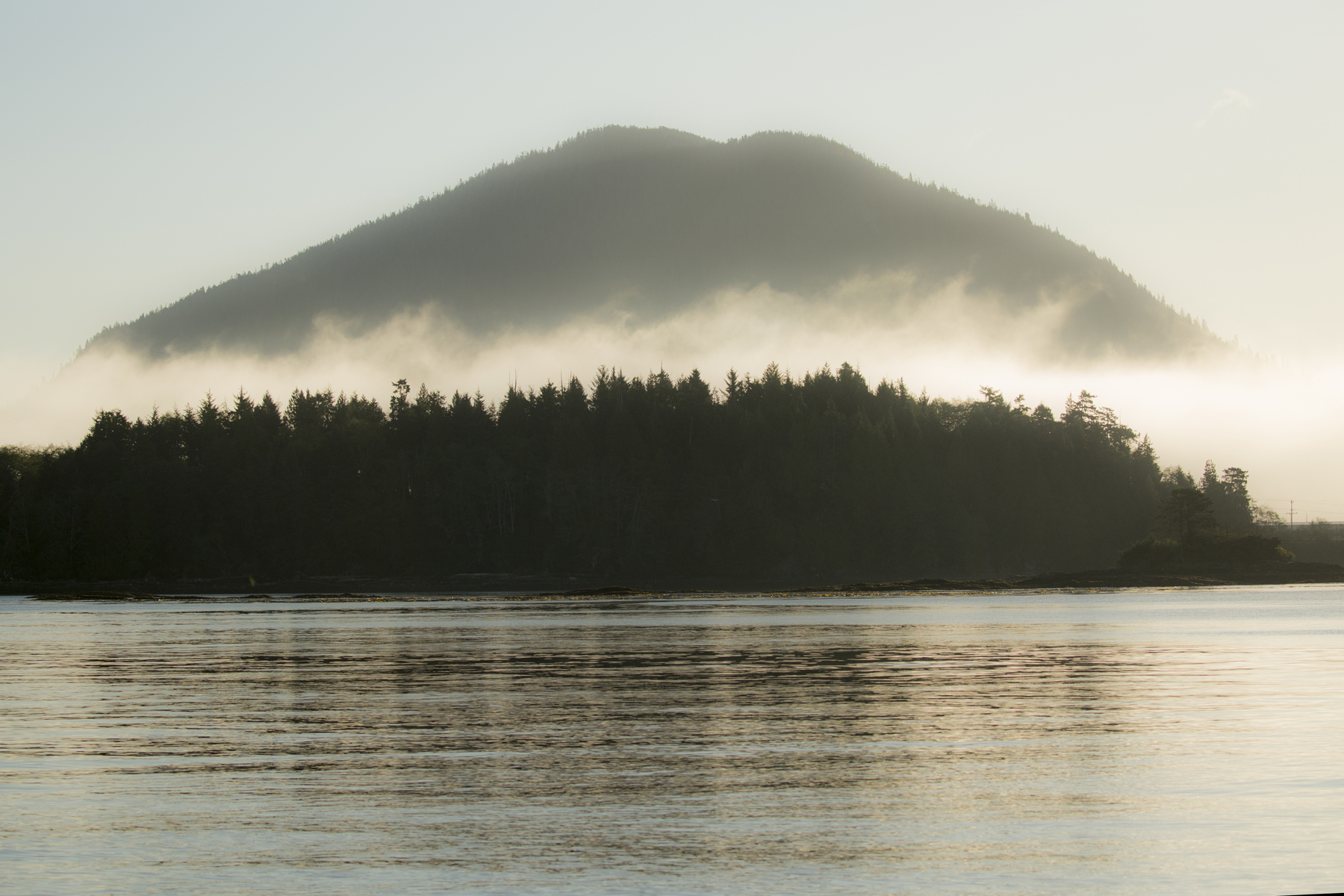
Hartley Bay can be reached only by ferry. It is a First Nation community of 180 people. It is also the launching port for the rocky shores of the Great Bear Rain Forest where Marvin, our guide, led us. He selected a spot on the edge of a river where we set up and before long a majestic white beast emerged into the clearing. More bears appeared unaffected by our presence. Spirit bears, a type of black bear, but white, are sacred to the tribe members. Marvin is a spirit bear whisperer.


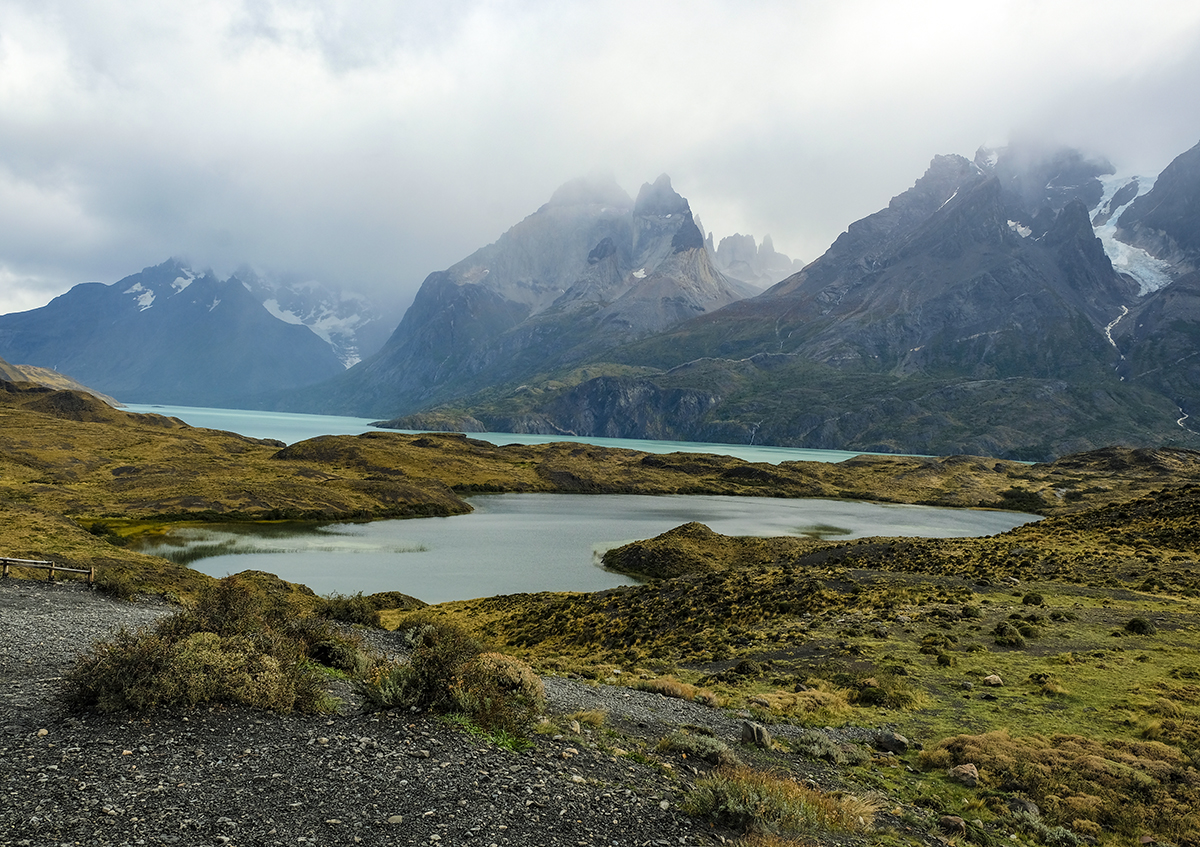
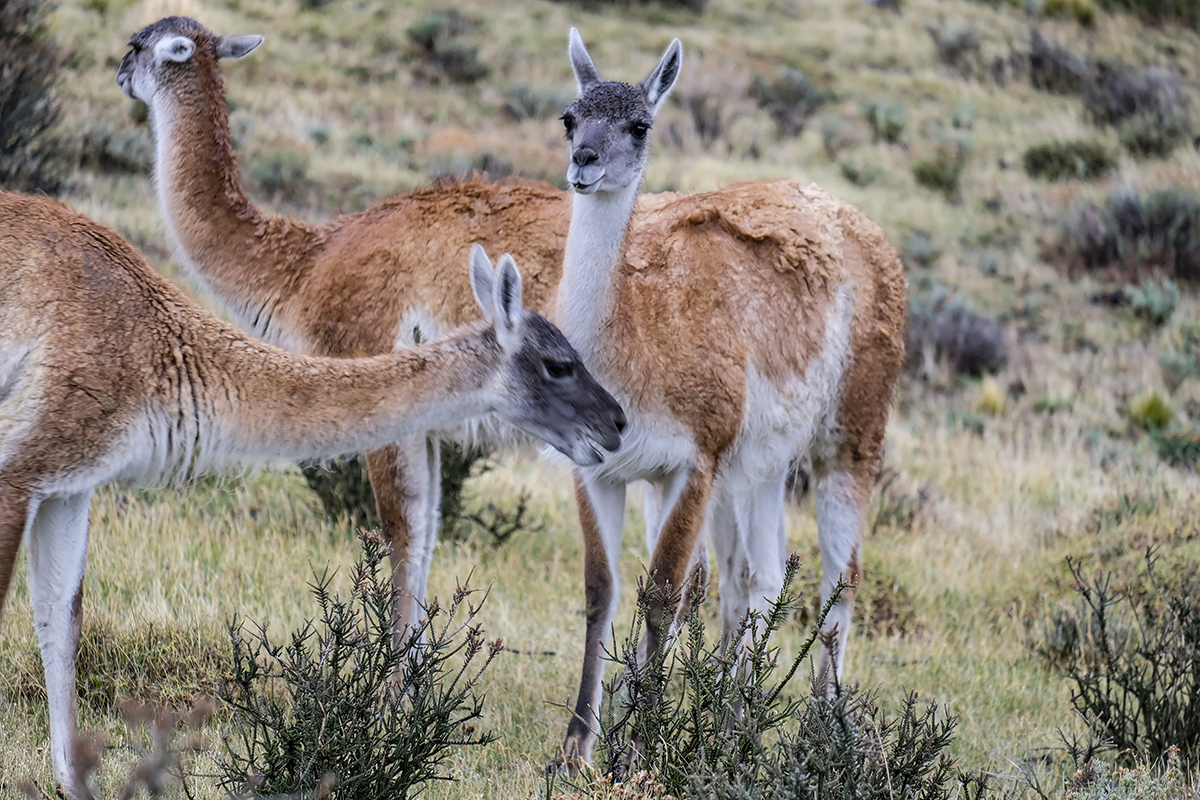


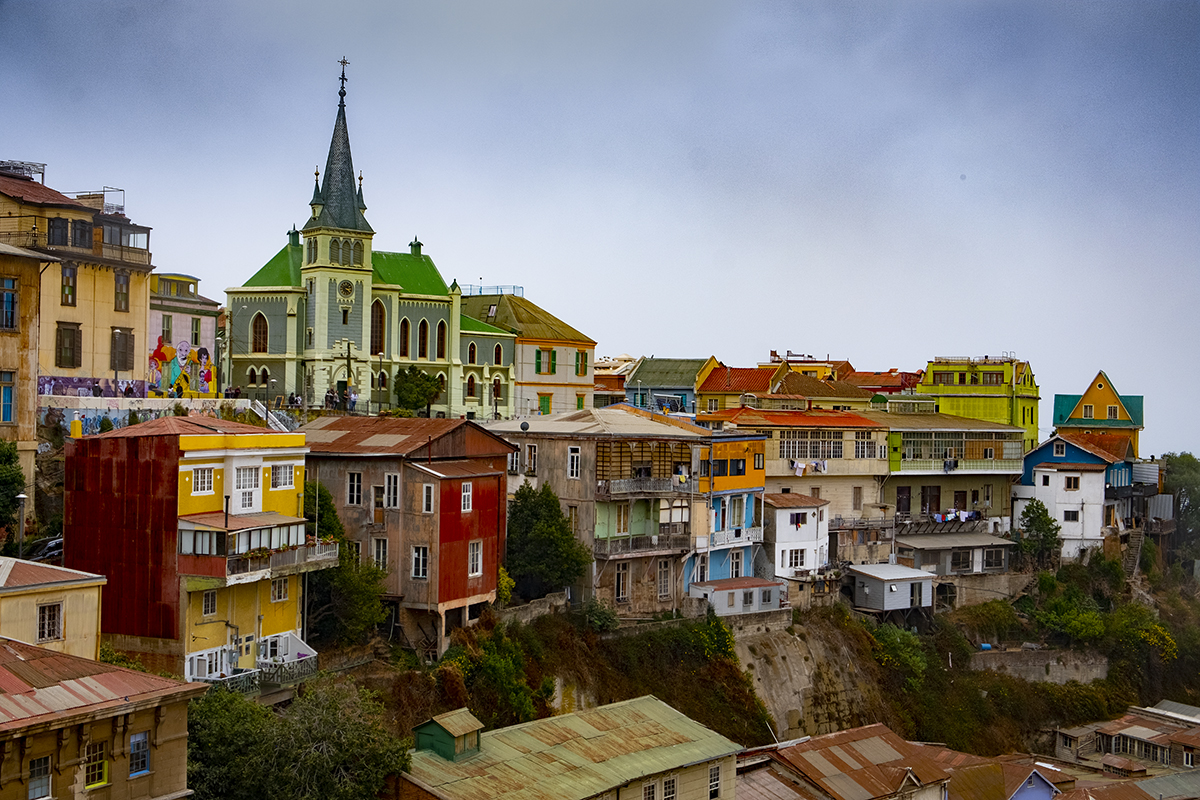


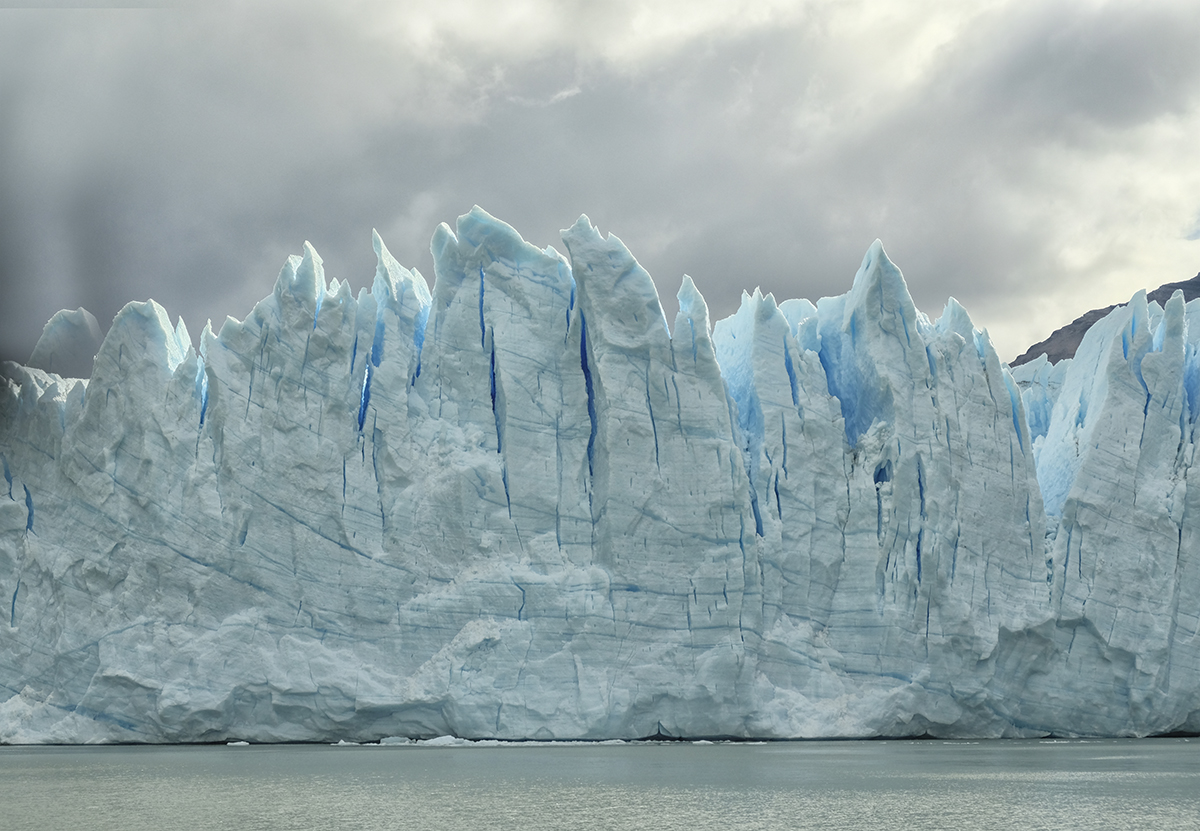
The Atacama Desert to the north, the Andes Mountains to the east, the Pacific Ocean to the west and the Patagonian Ice fields to the south are the borders of this diverse country. Santiago is a jump off point for several side trips—the Malpo Valley in the Central Valley is well- known for its wines. The artistic city of Valparaiso set on a hillside is a graffiti marvel, and to the south is the Moreno Glacier of Patagonia. Near the Strait of Magellan inhabits a colony of the Humboldt penguin.


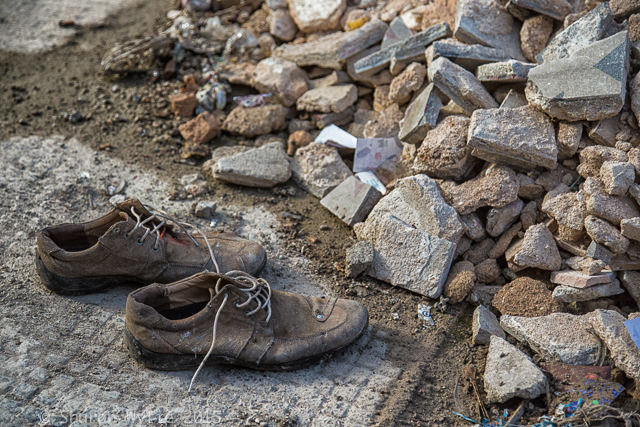


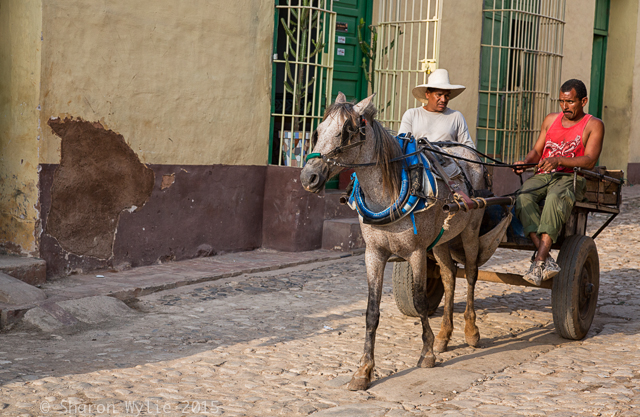


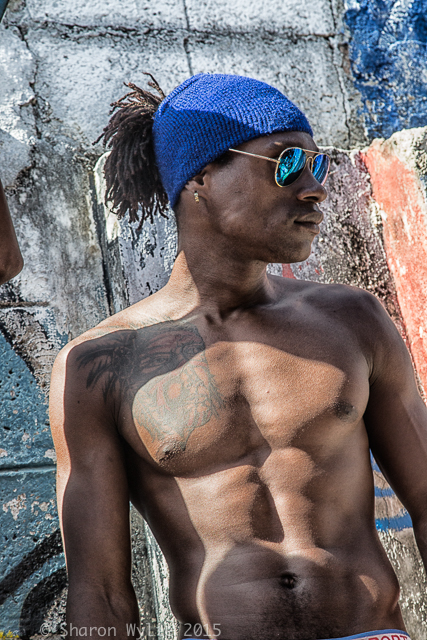


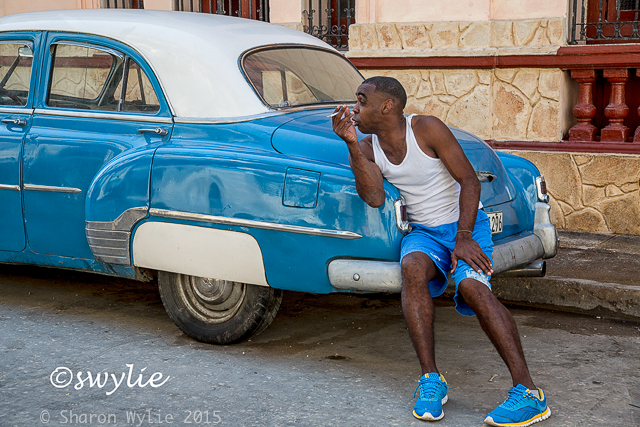

My first trip to Cuba was magical. Just ninety miles across the ocean, this country I had heard about so much, was bigger than life: the music, the color, the friendly people. One woman hugged and said, “Ah! The Americans are back.” We are their hope. We traveled from Santiago de Cuba across the island to Havana. We flew into Santiago de Cuba and drove west through Bayamo, Camaguey, Trindad, Santa Clara, Cienfuego to Havana staying at El Presidente.


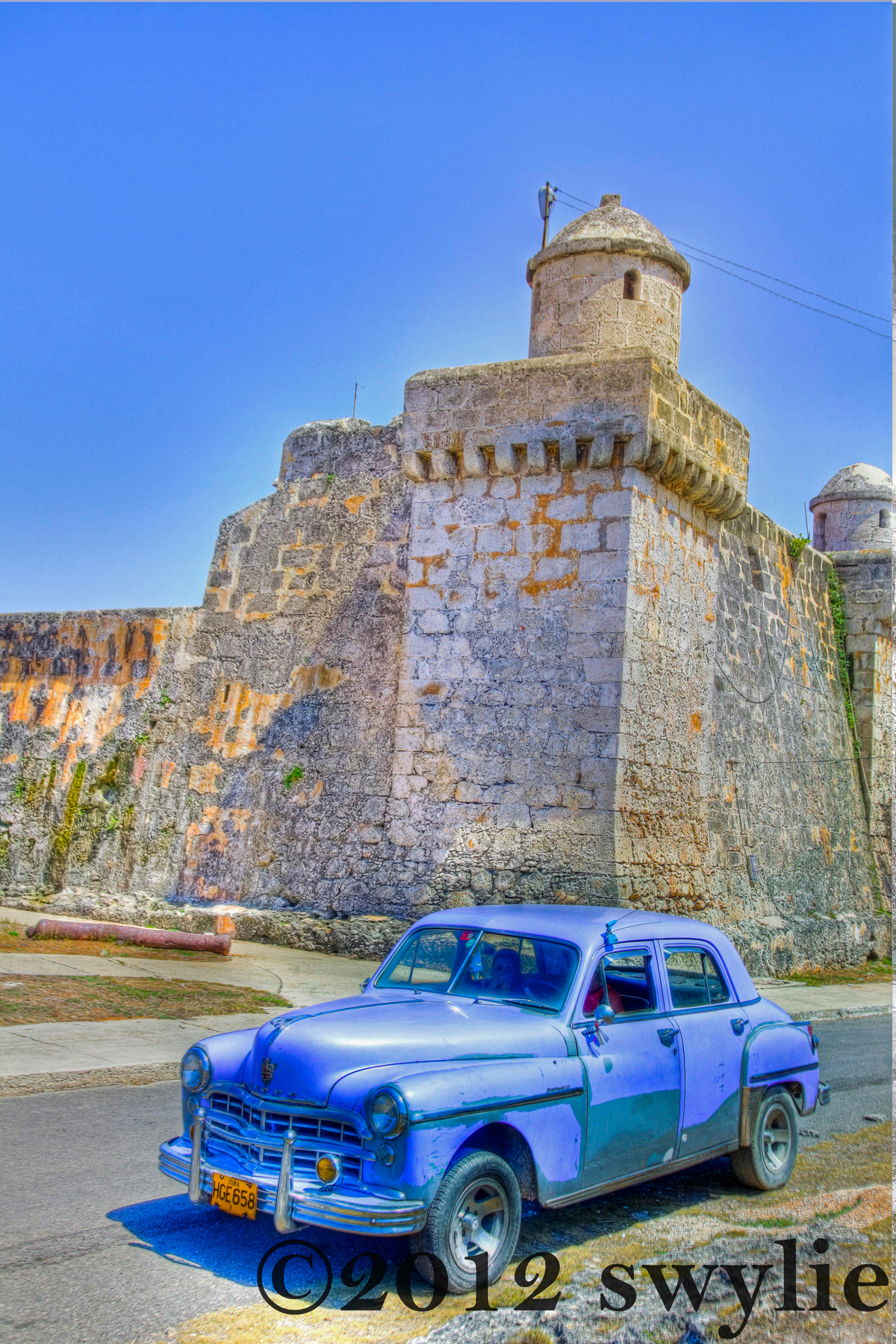


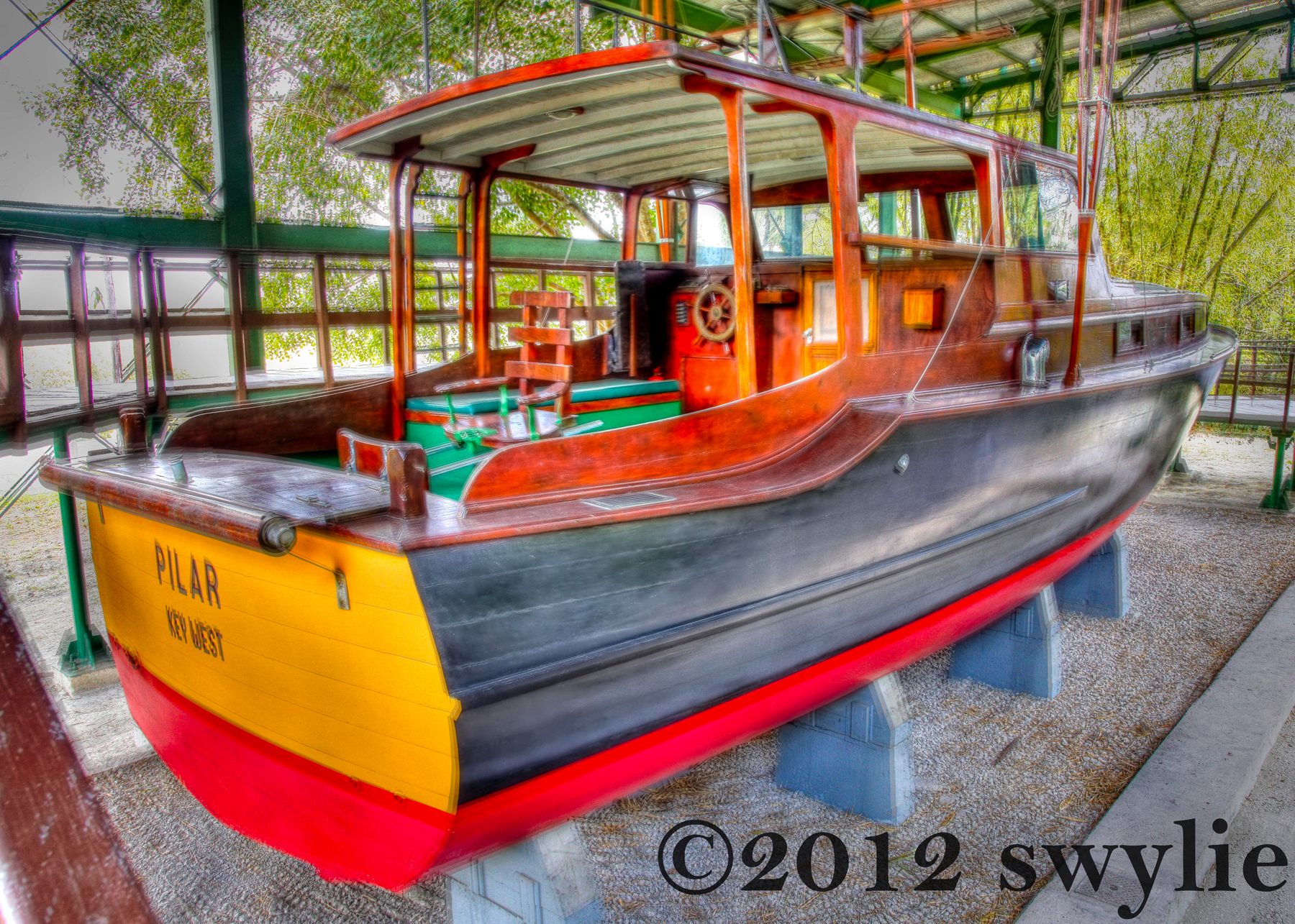


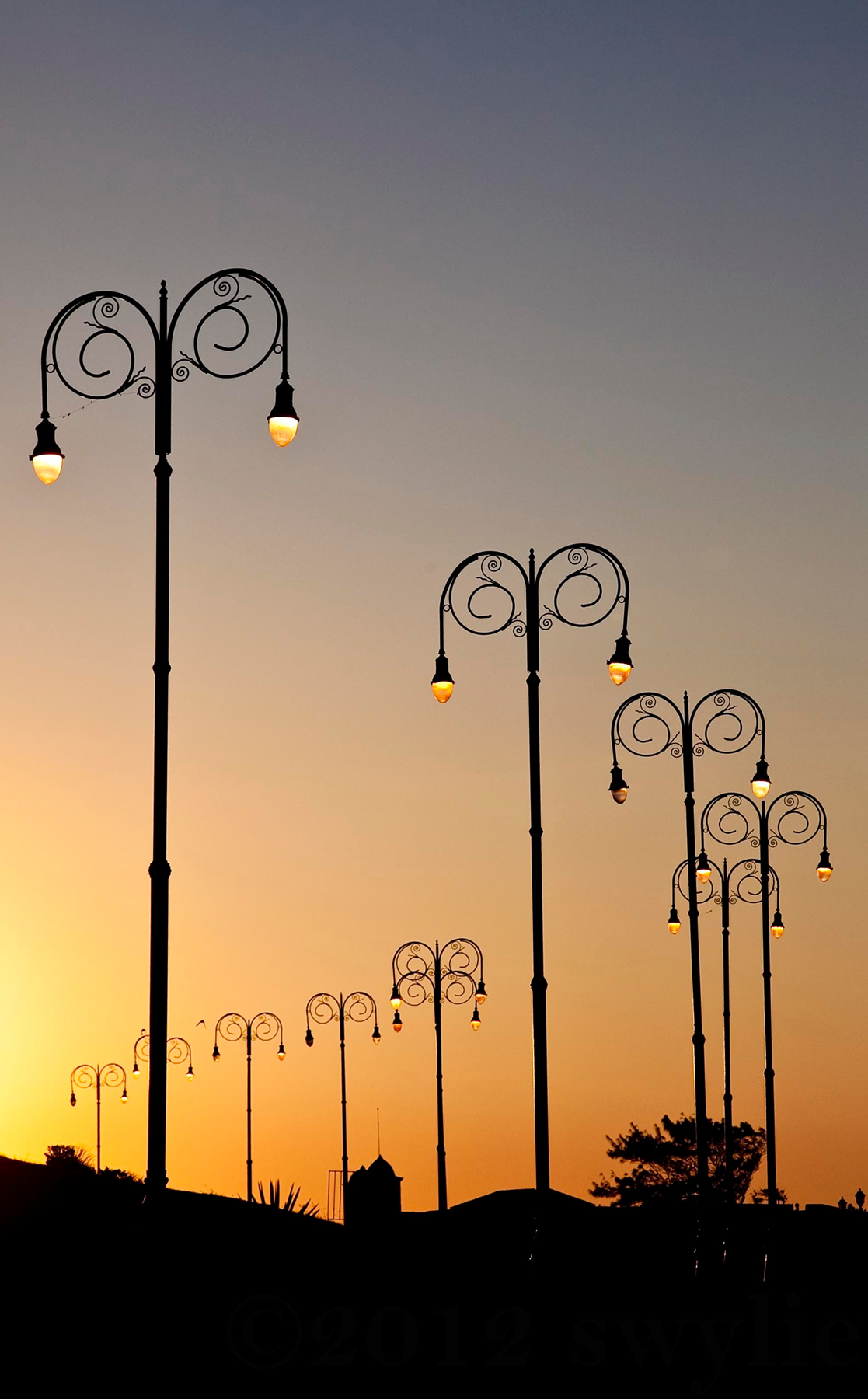


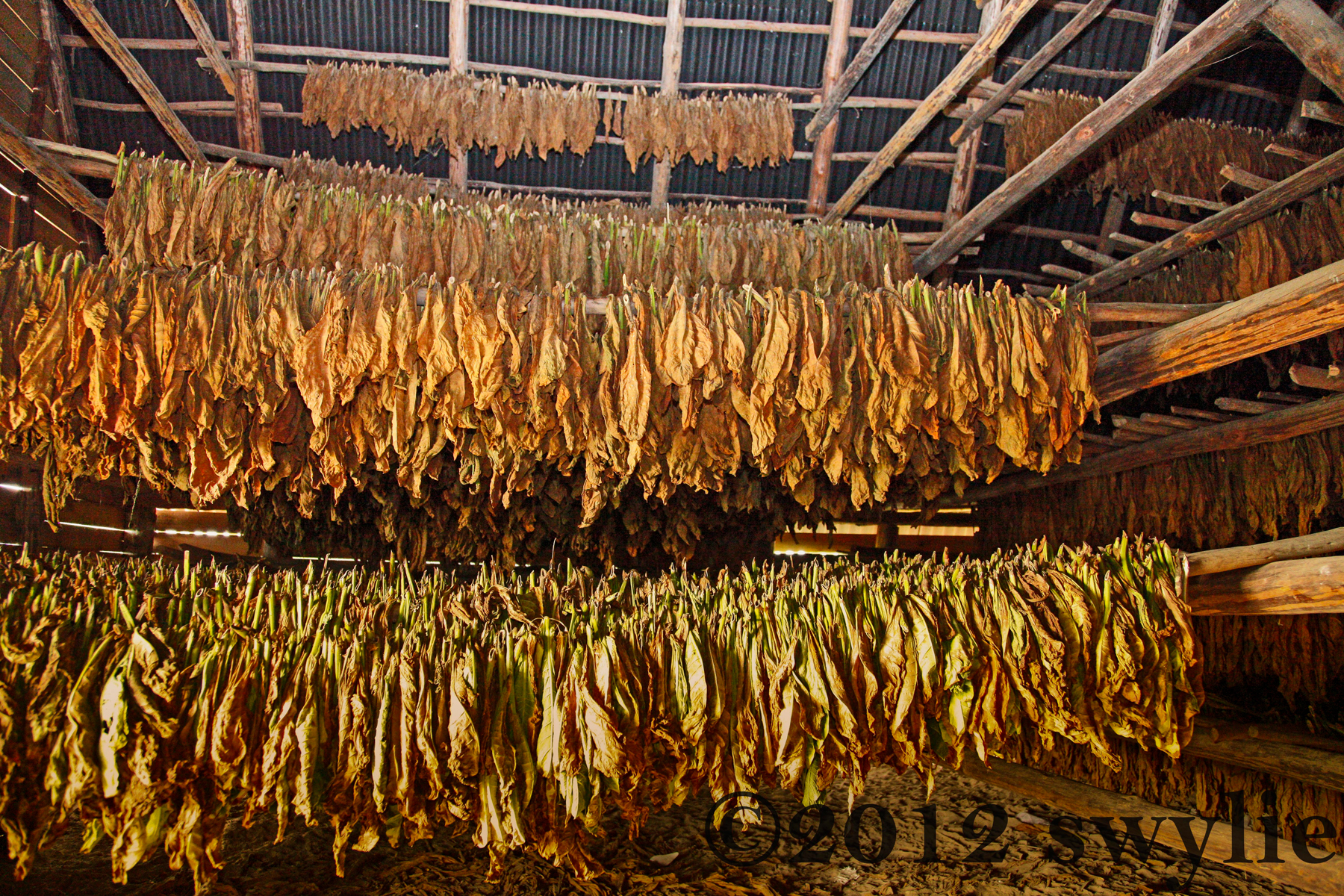


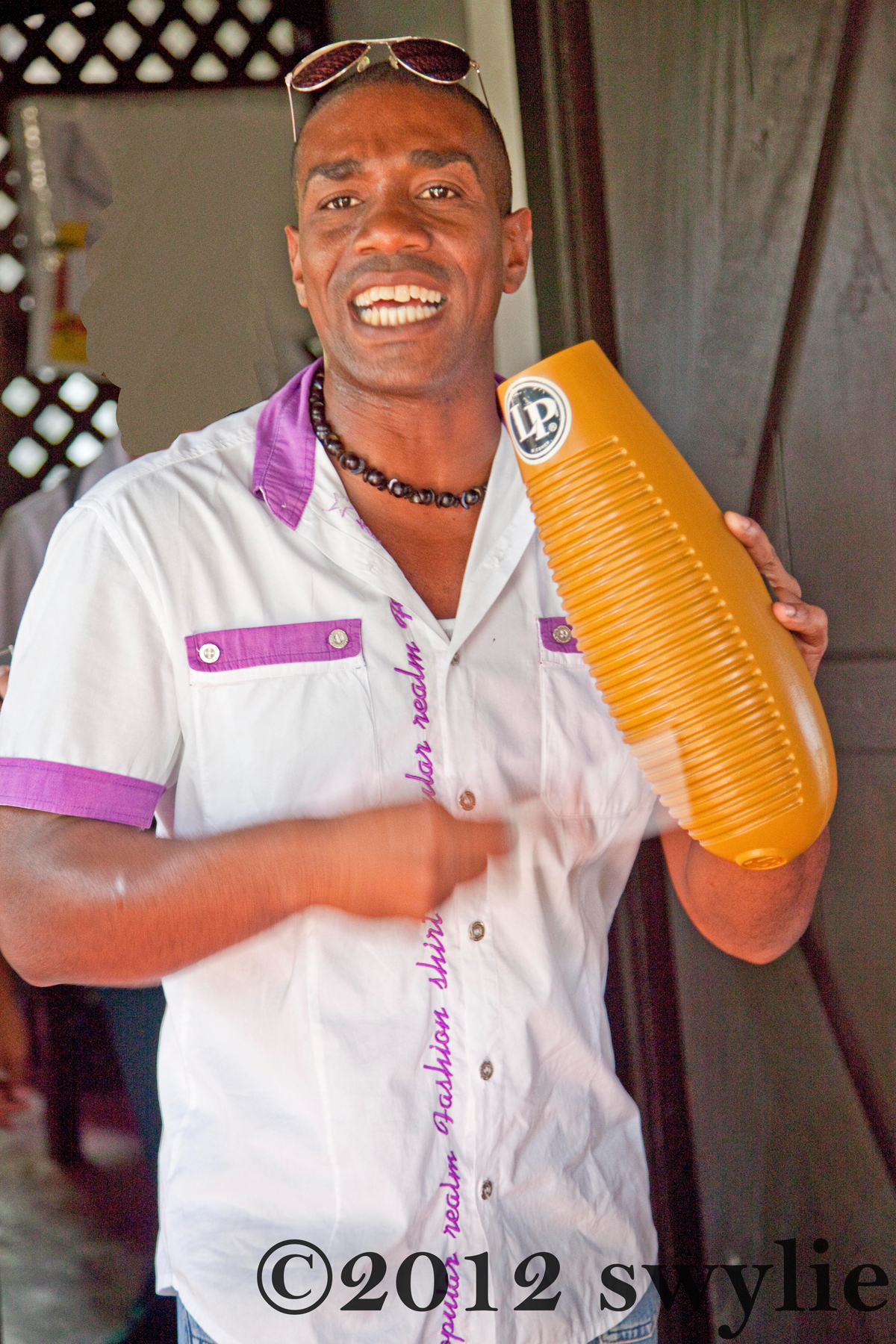

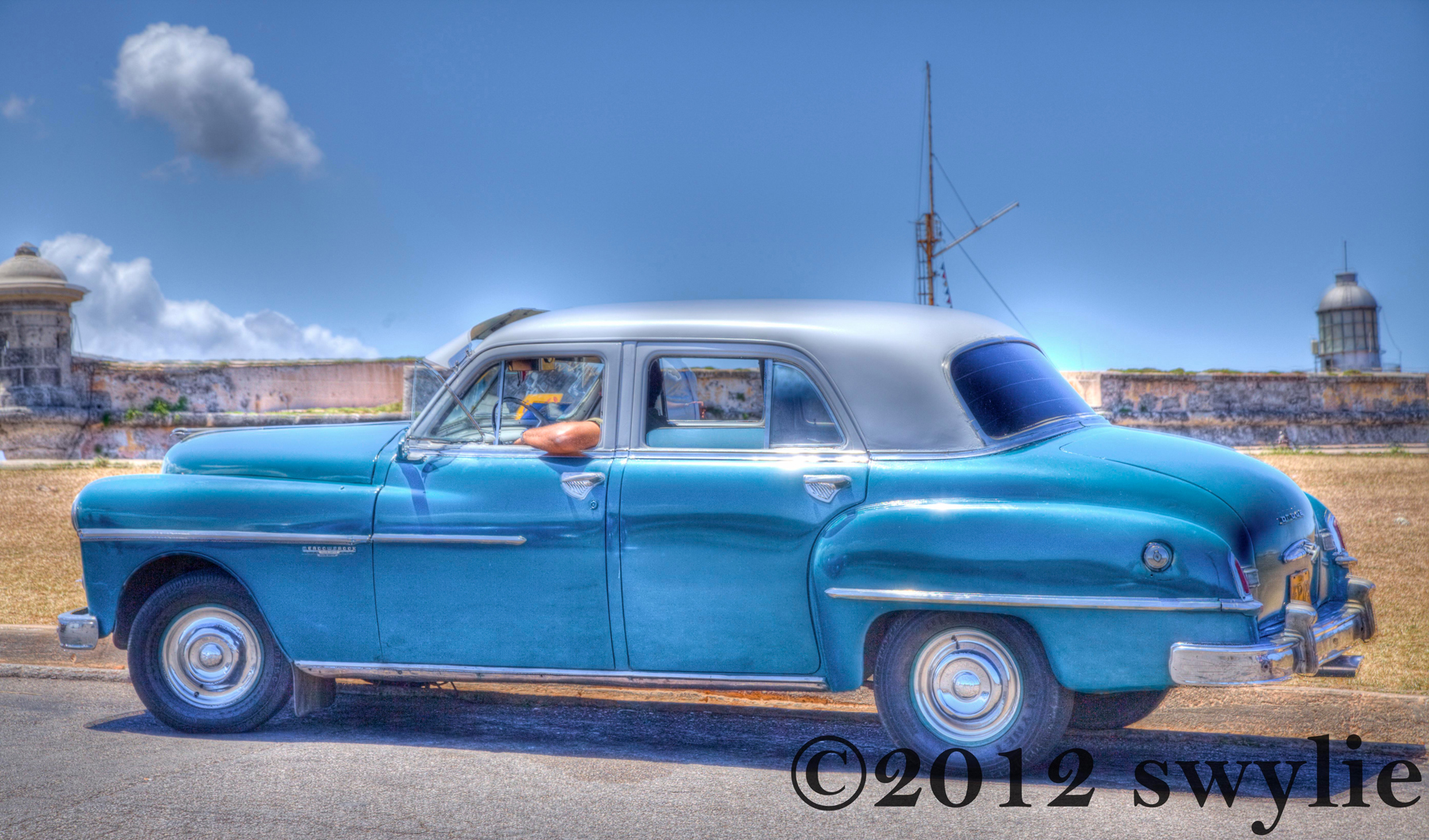

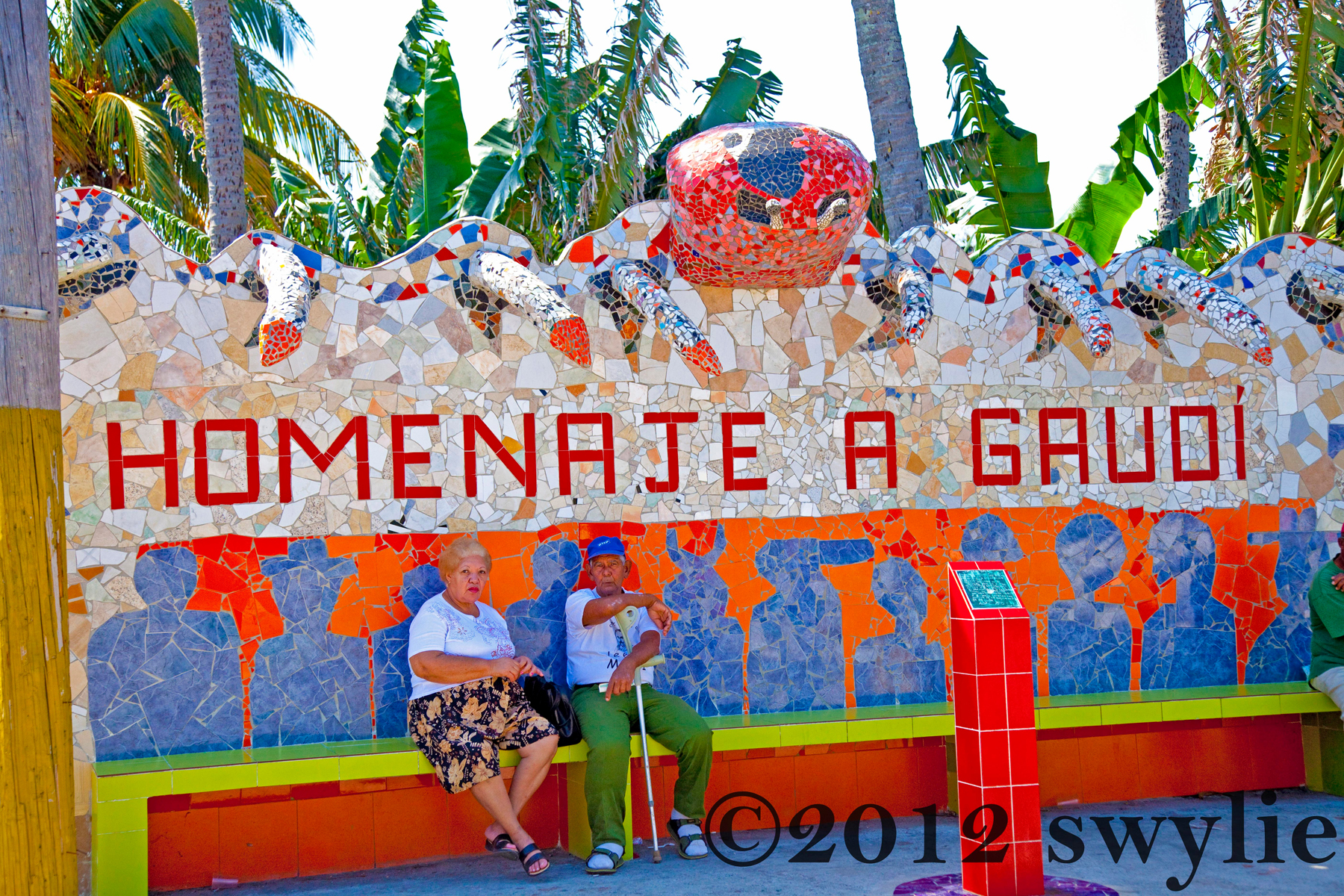
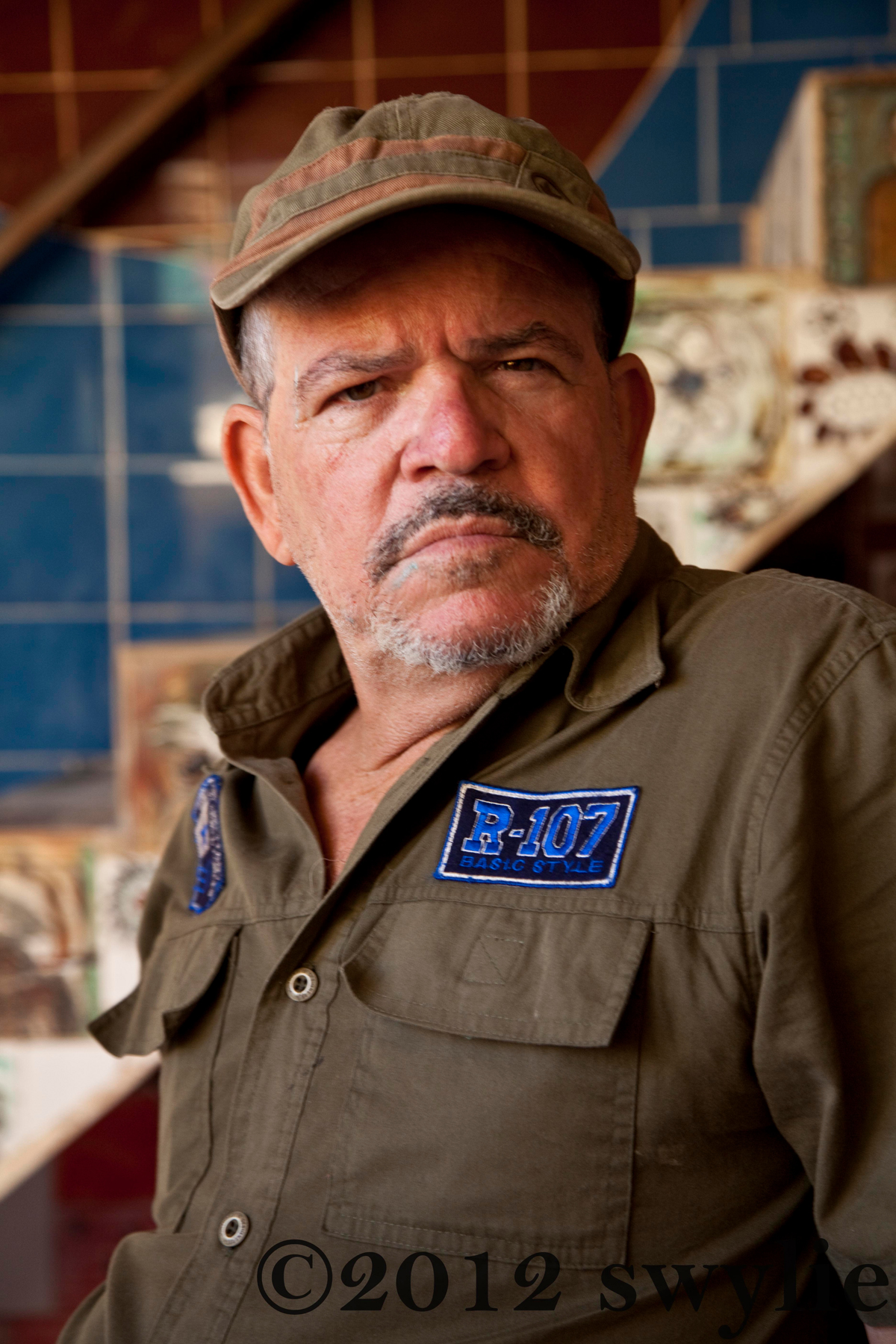
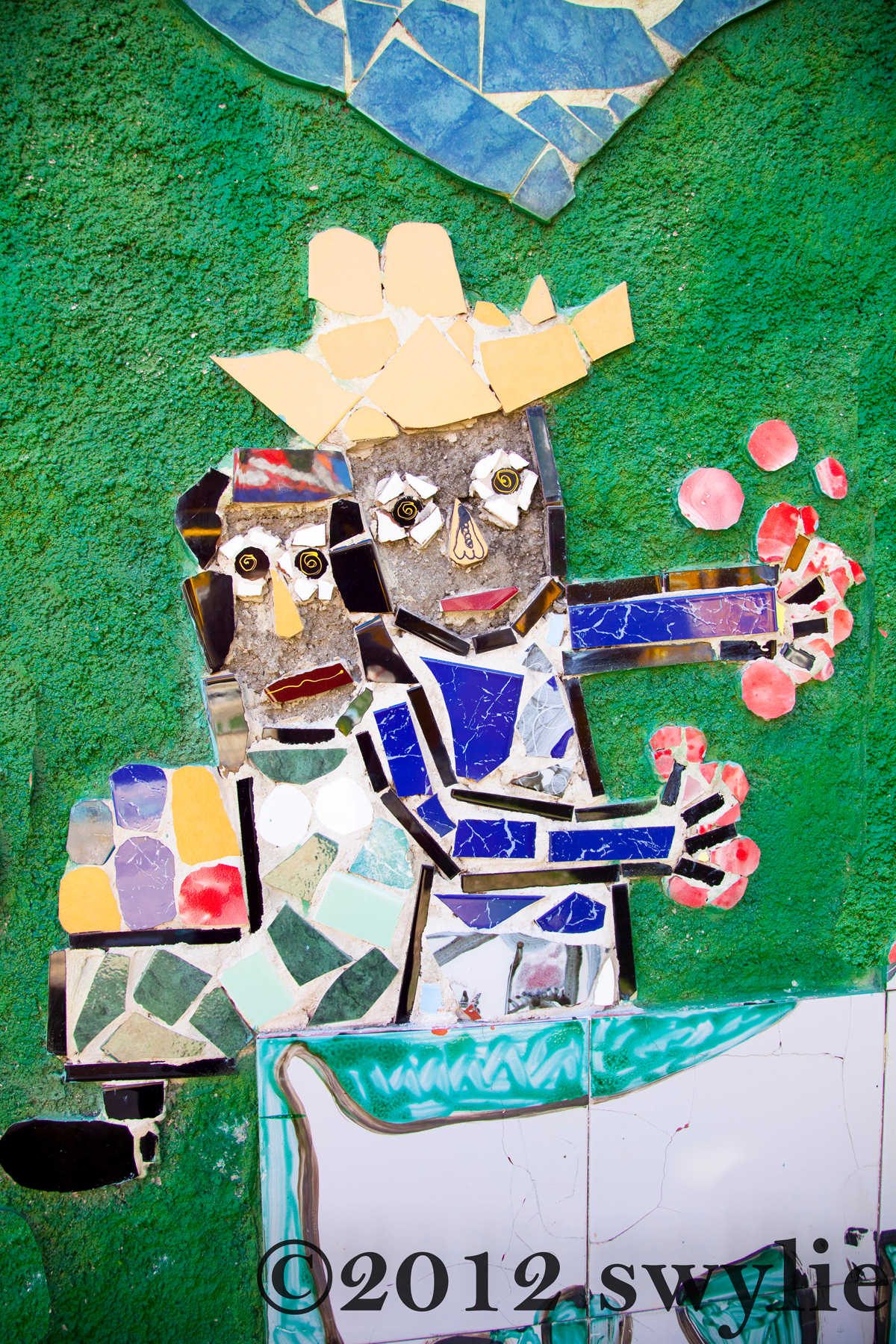


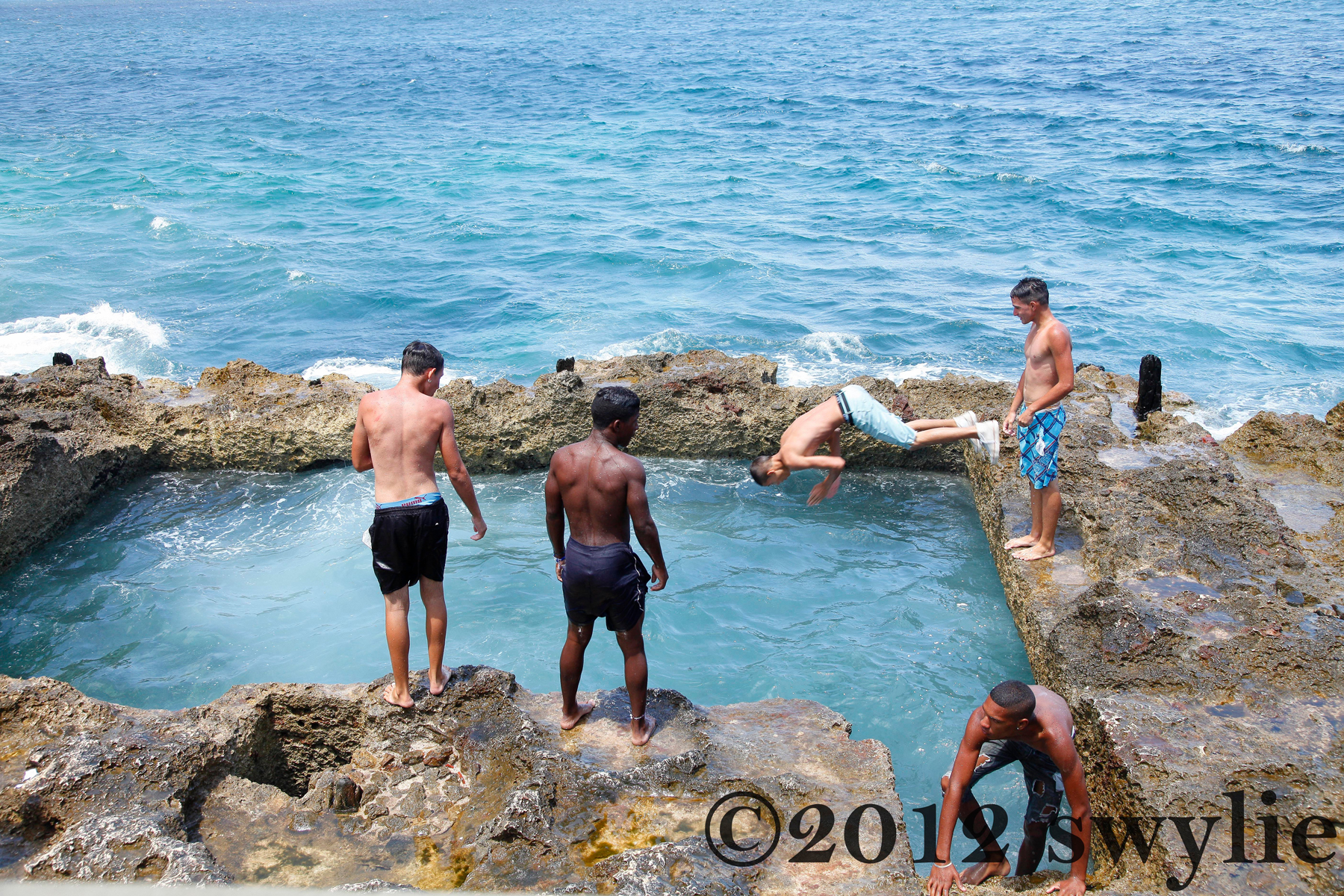
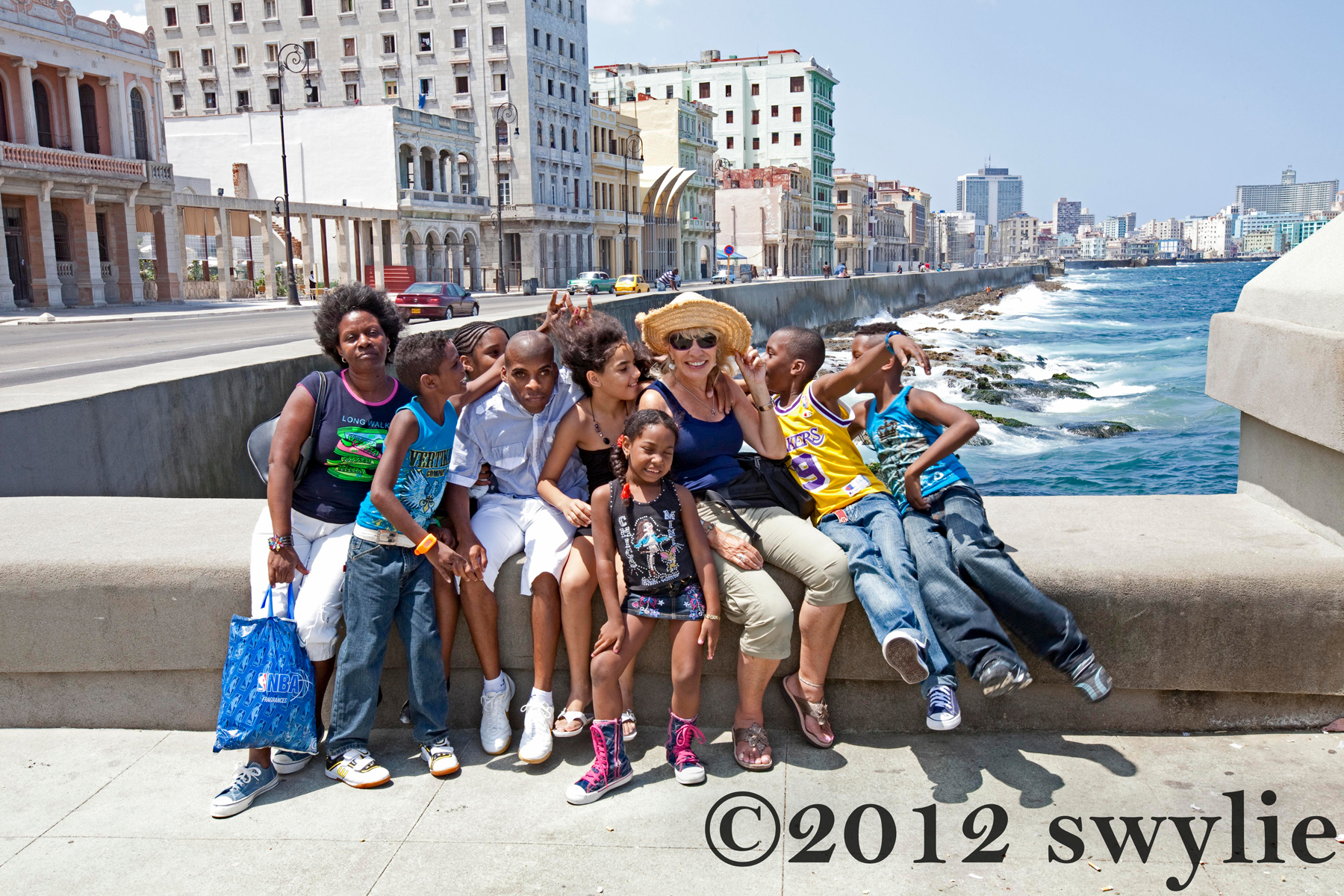
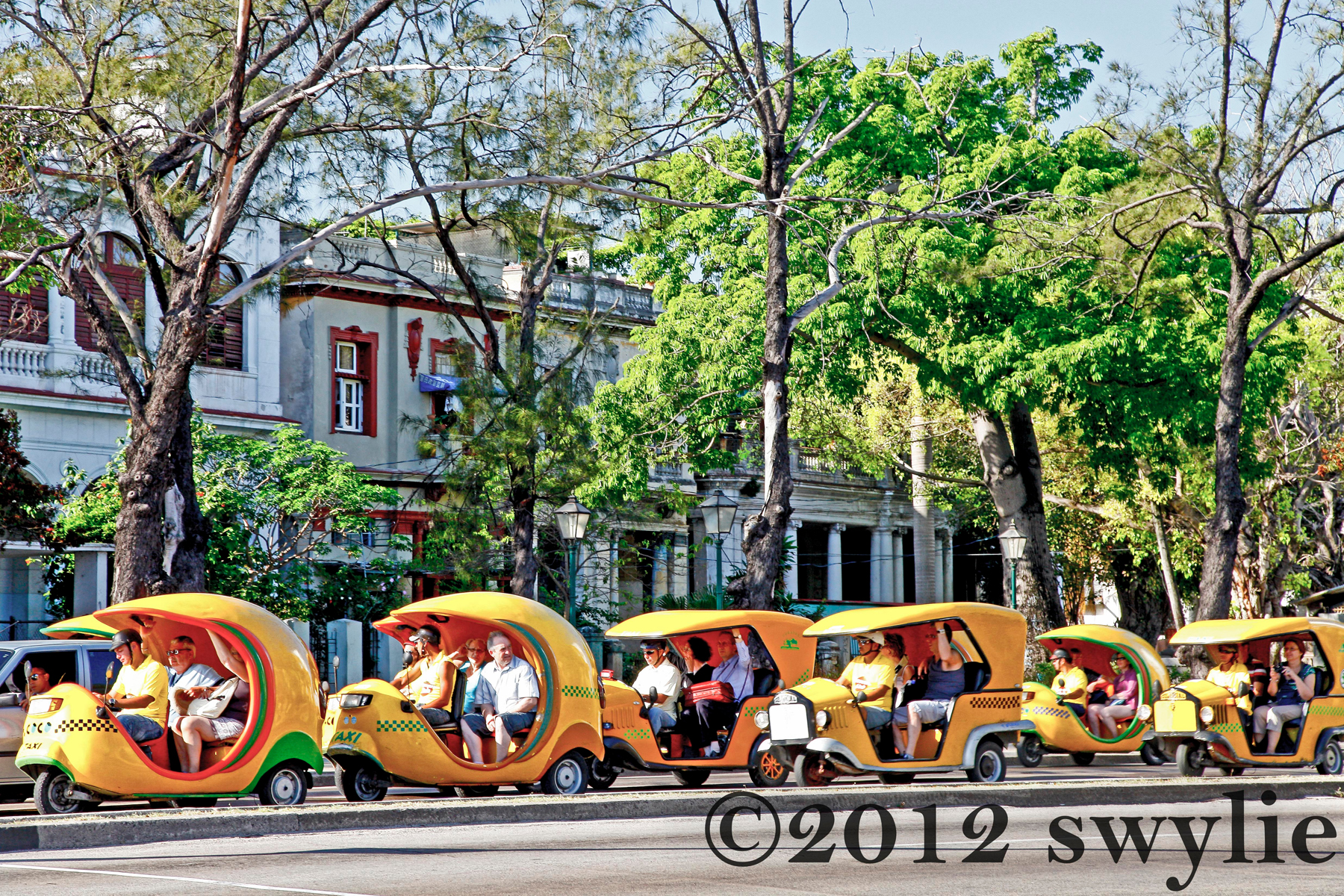


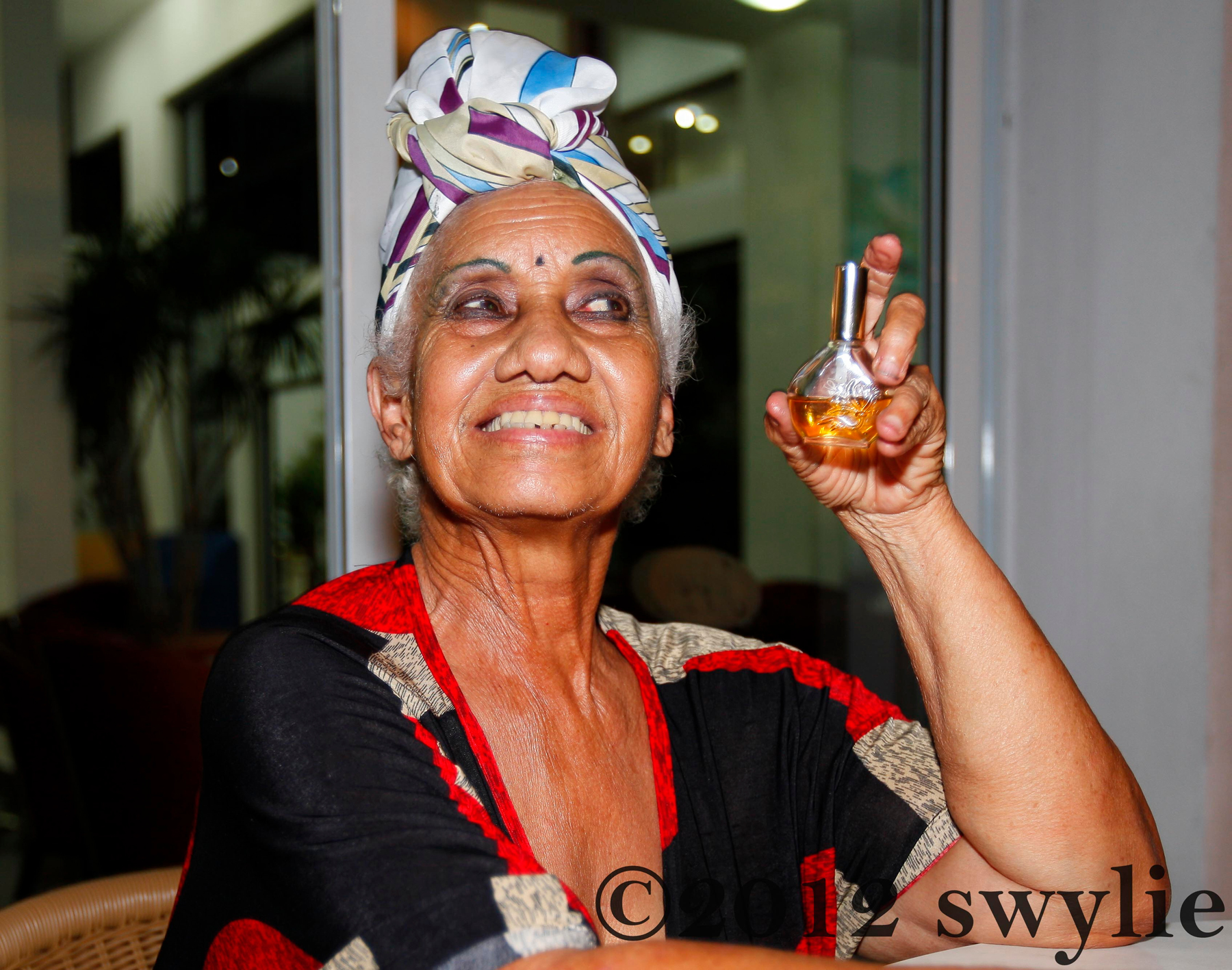
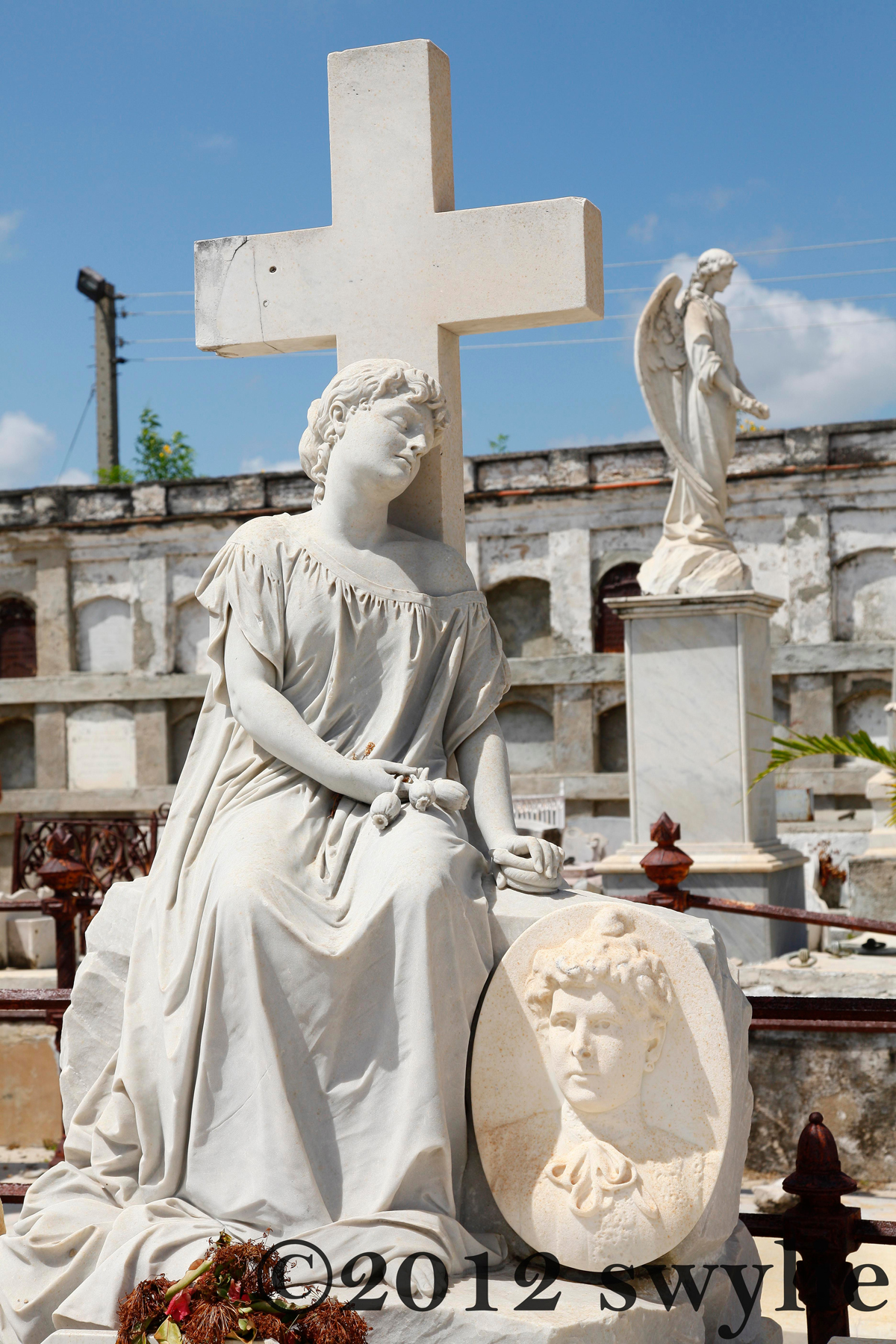

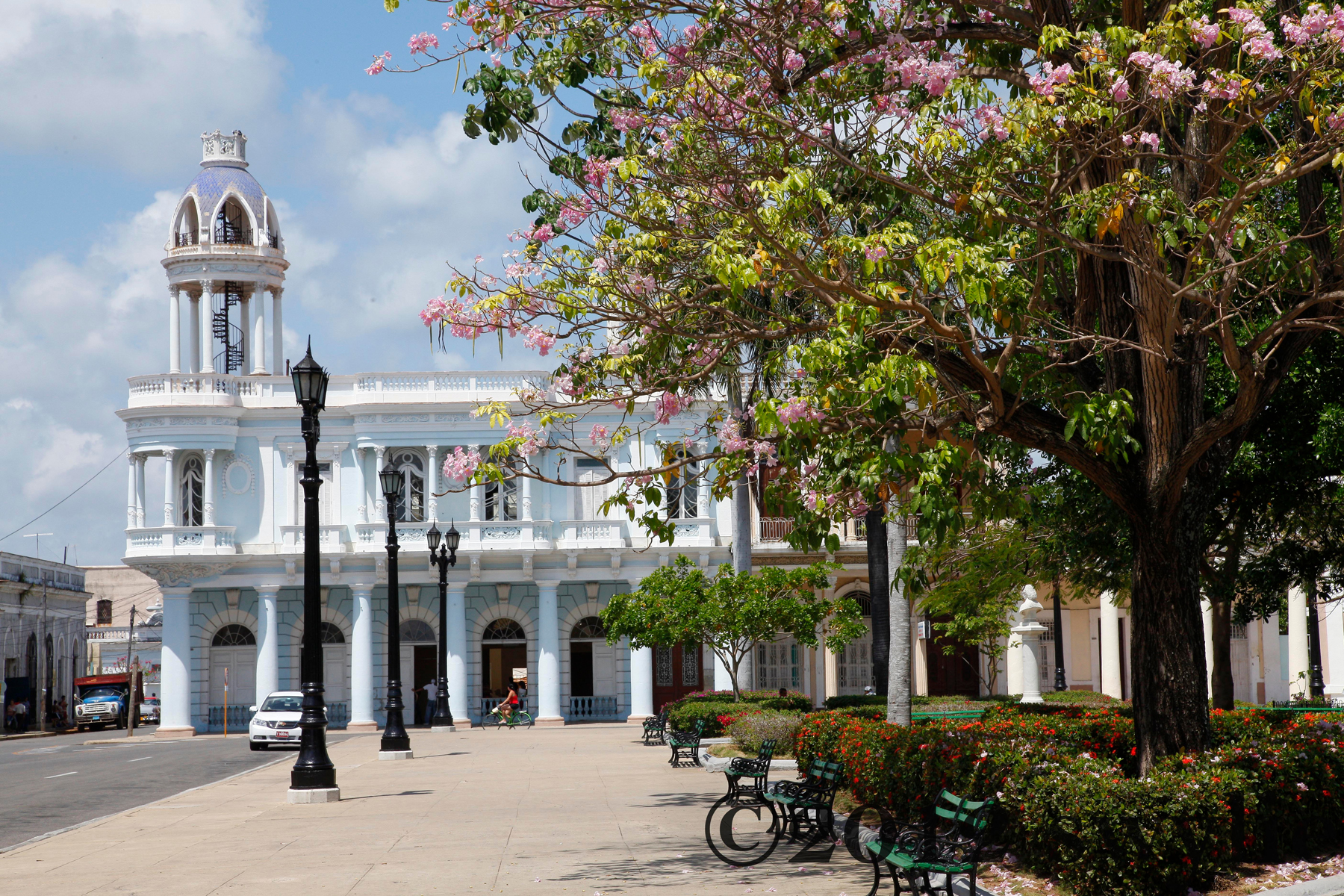

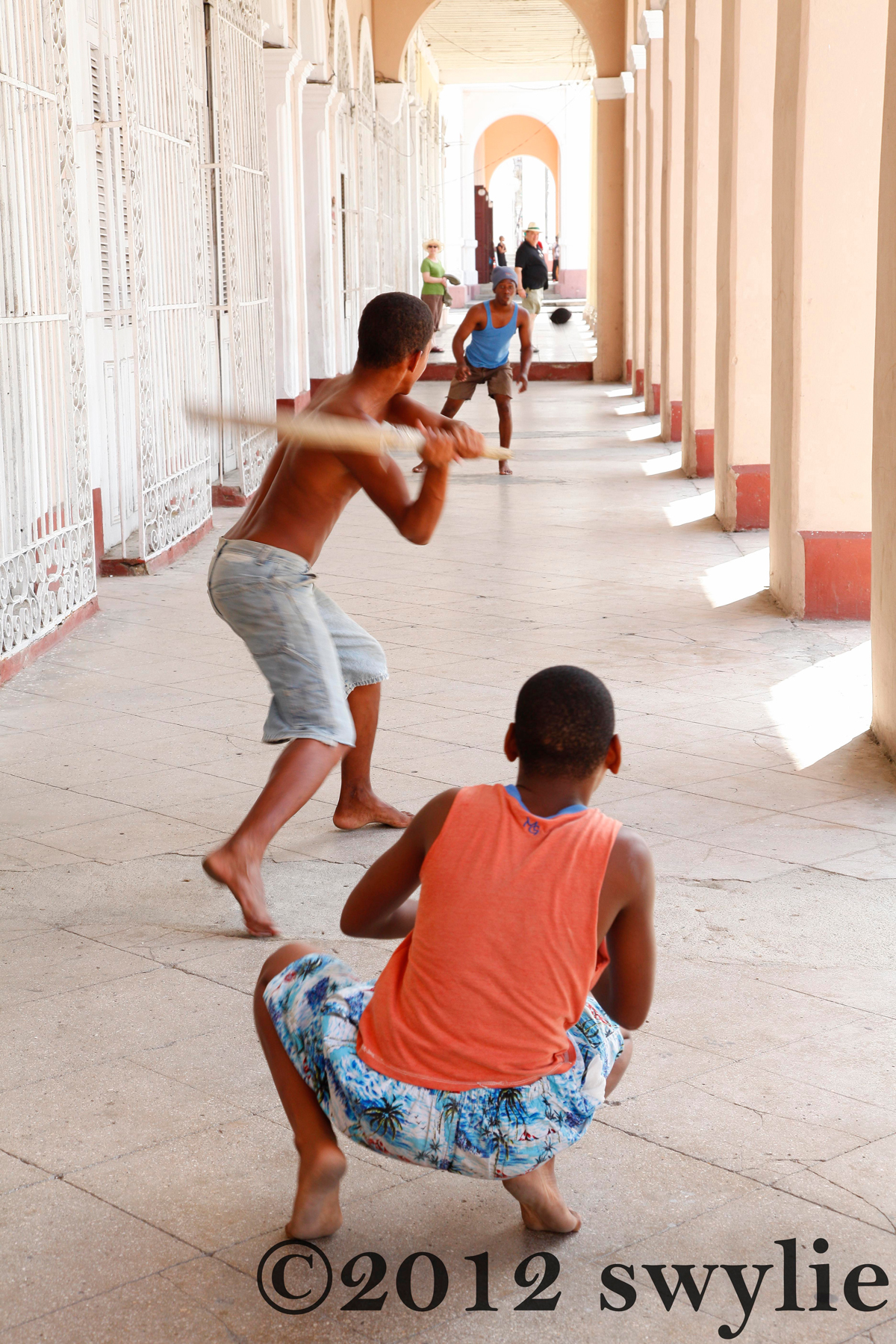


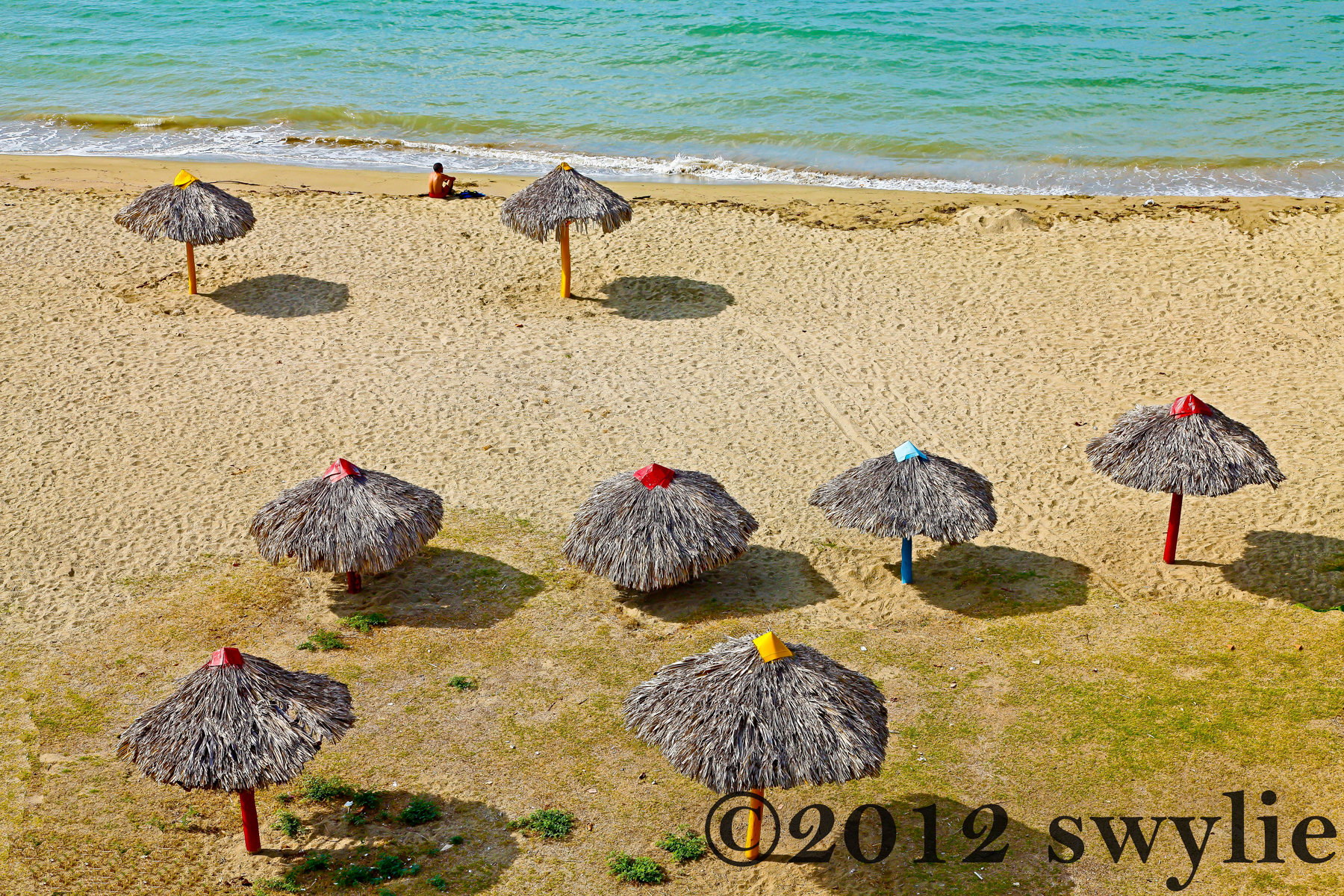


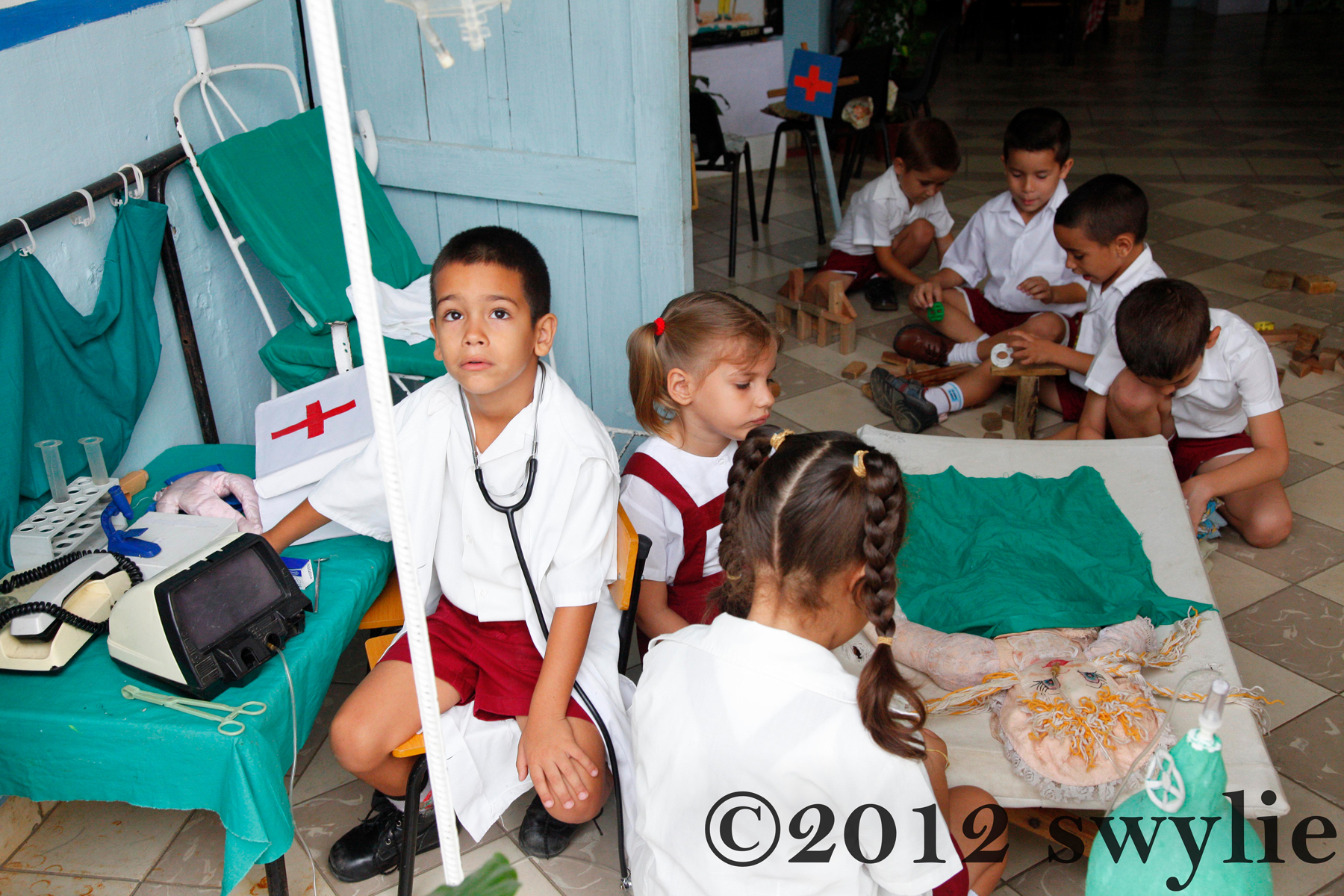


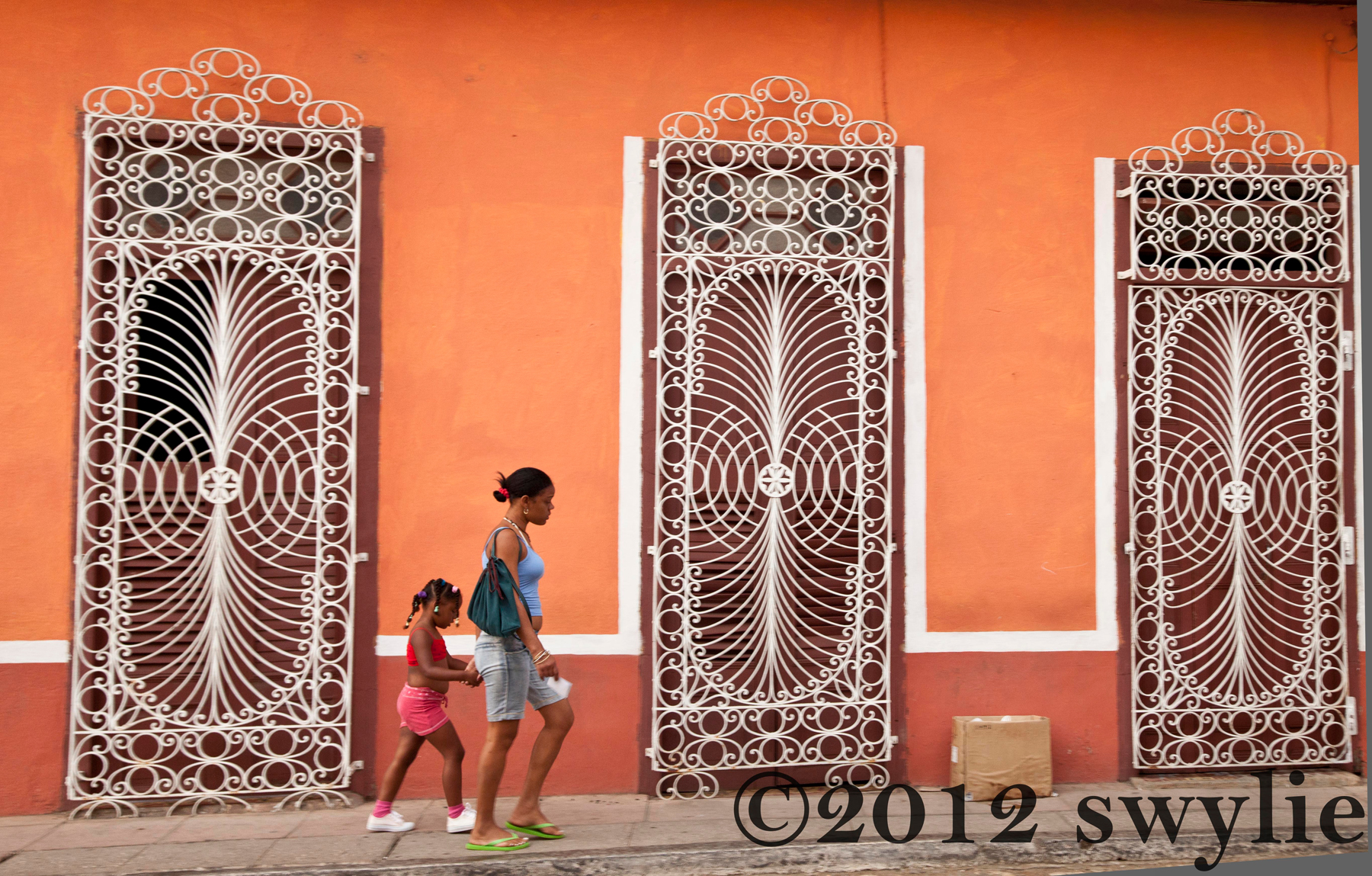

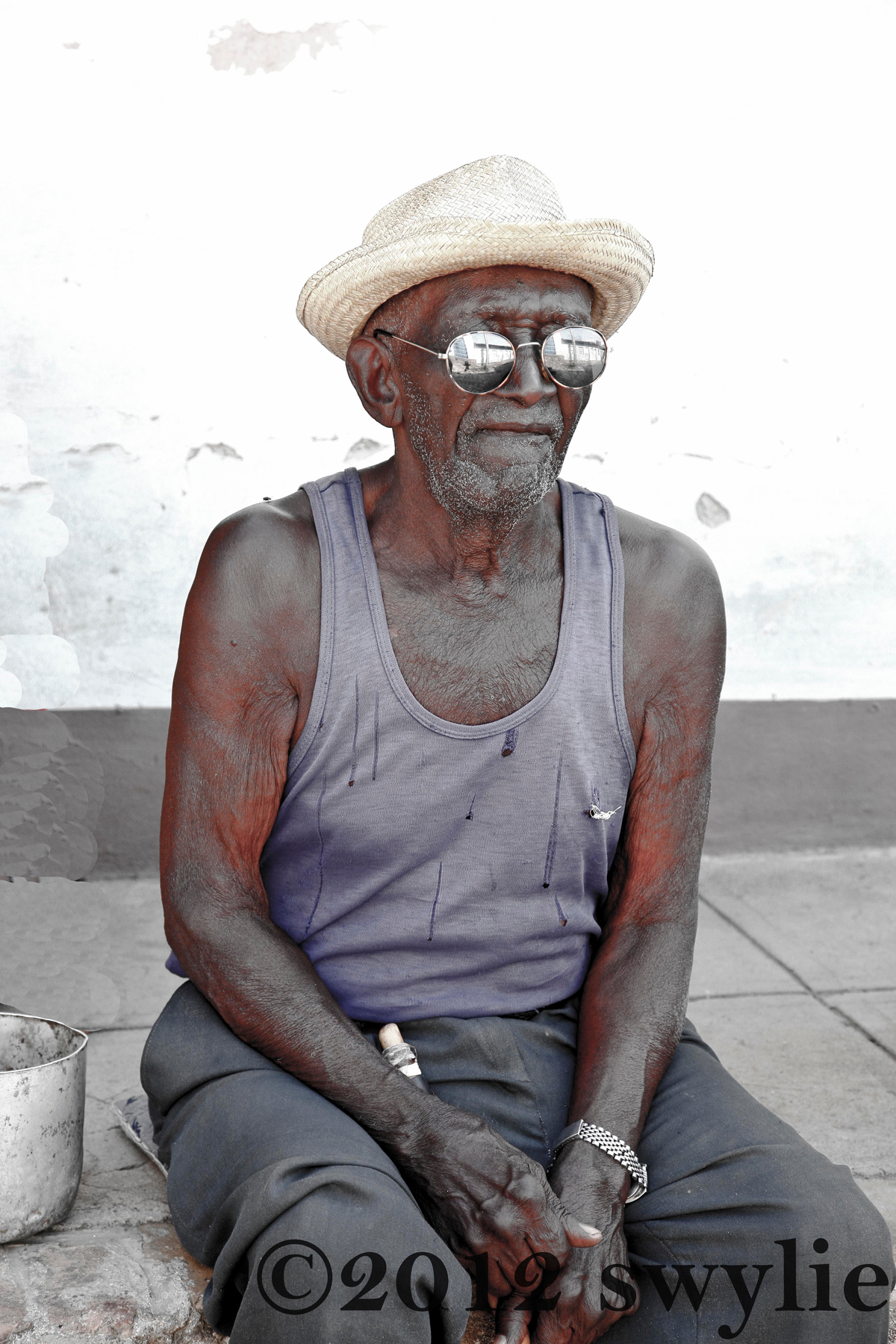
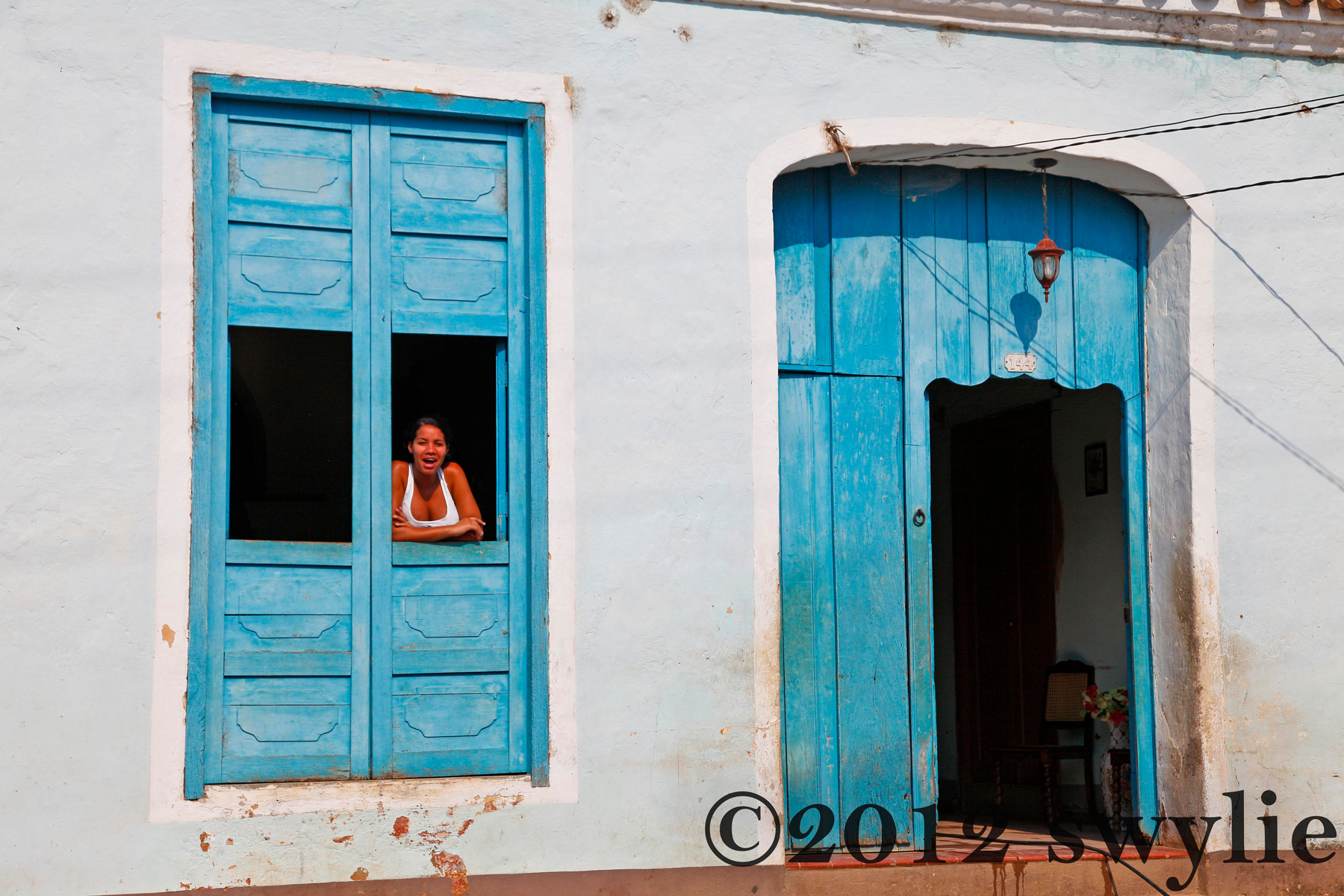
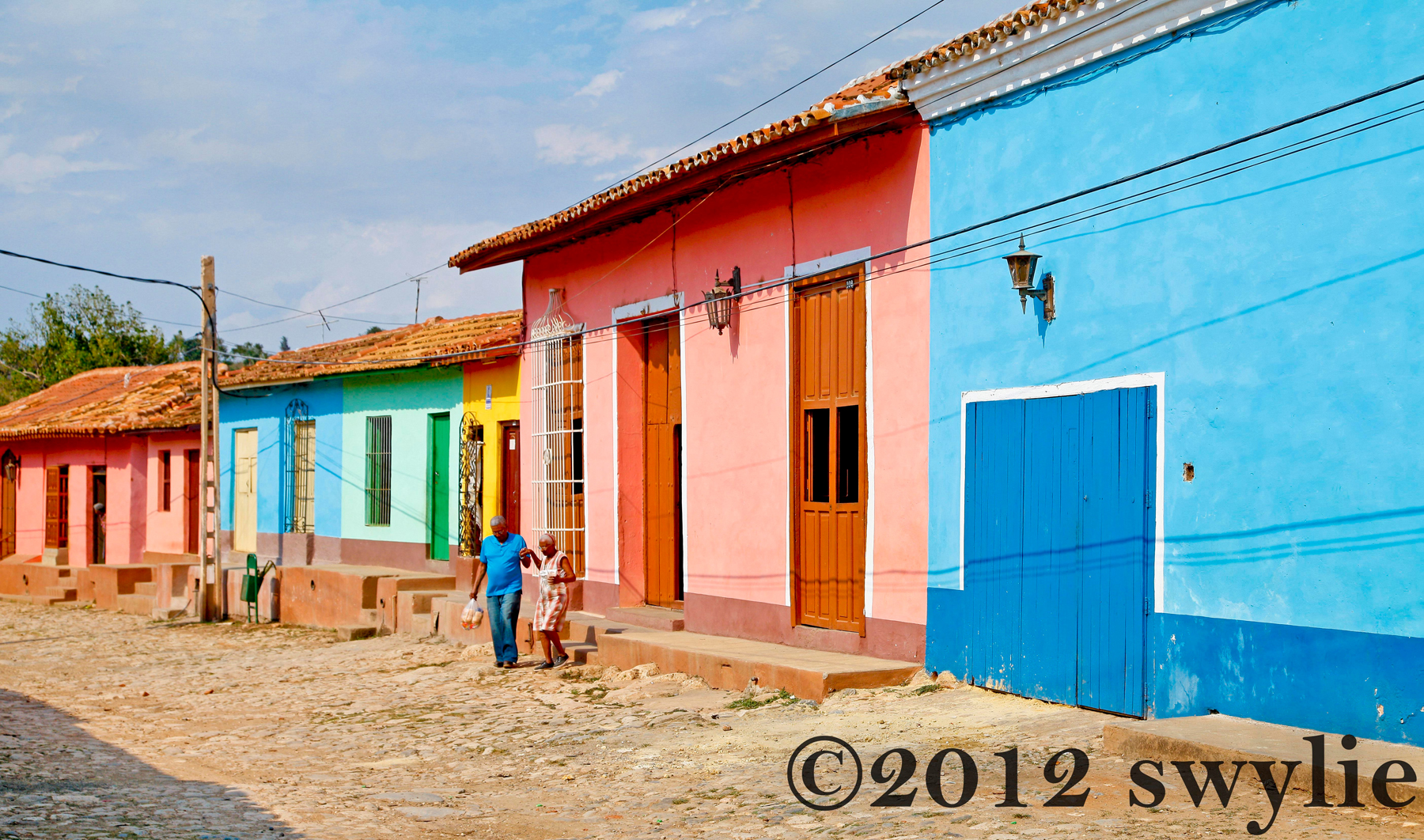
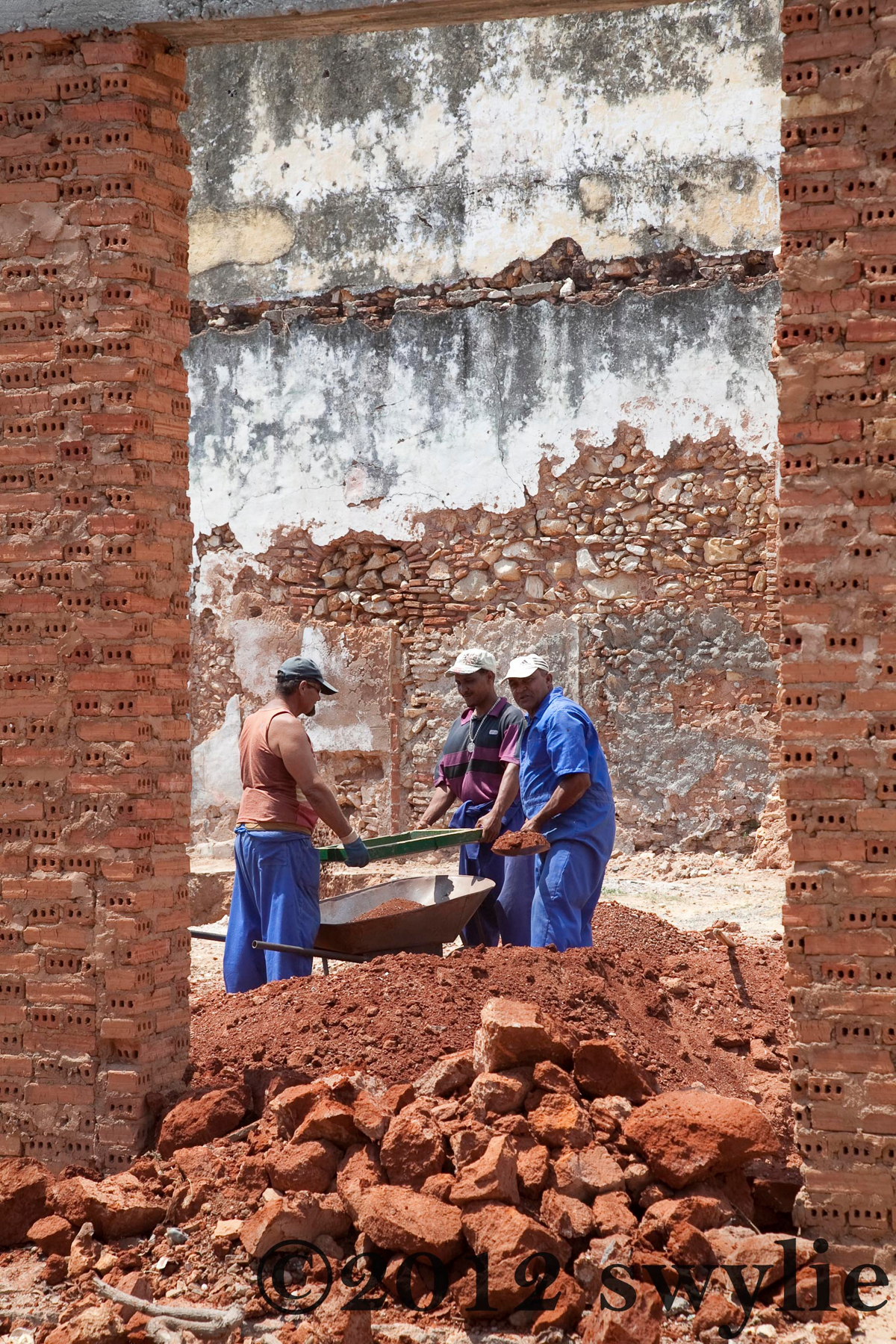

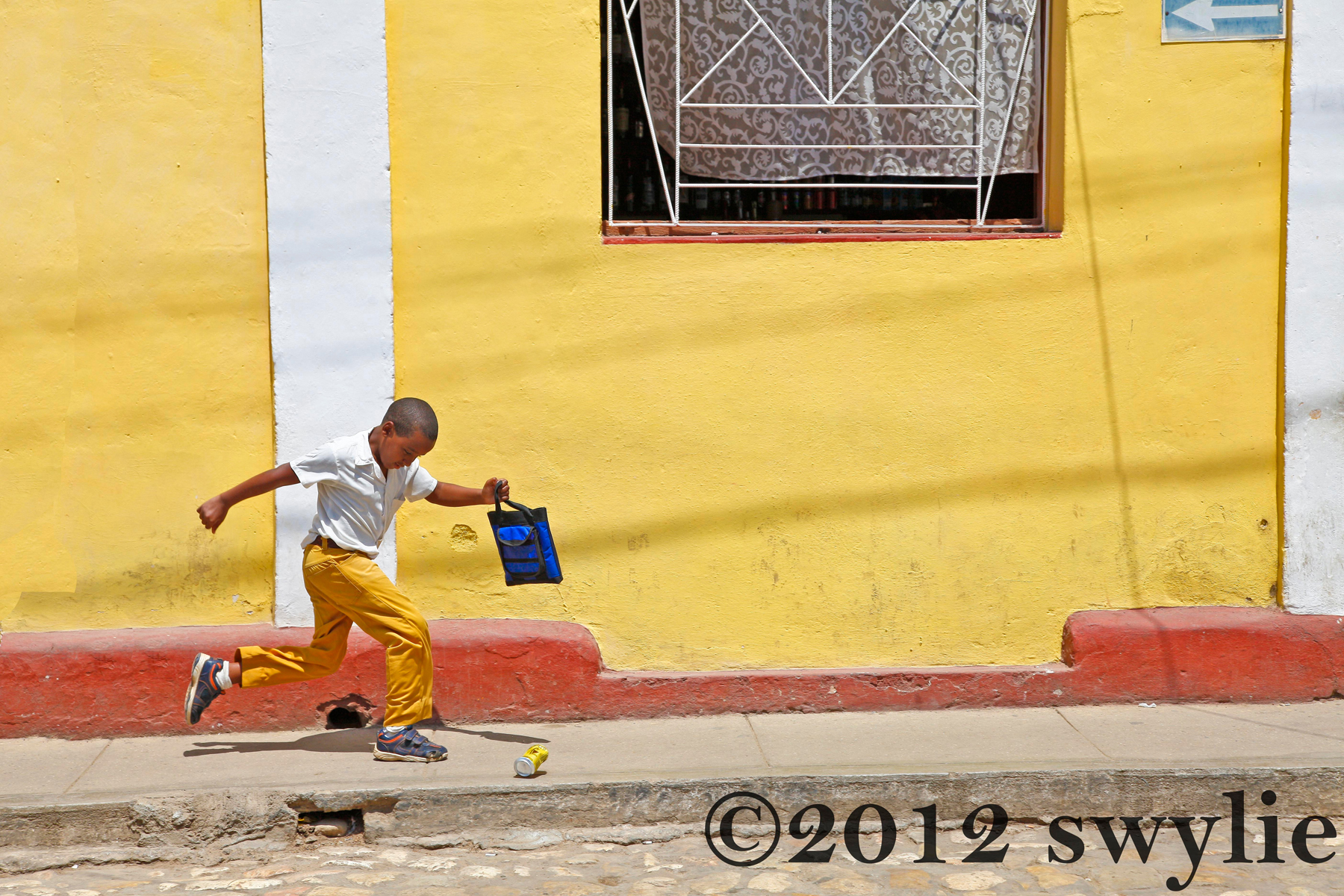
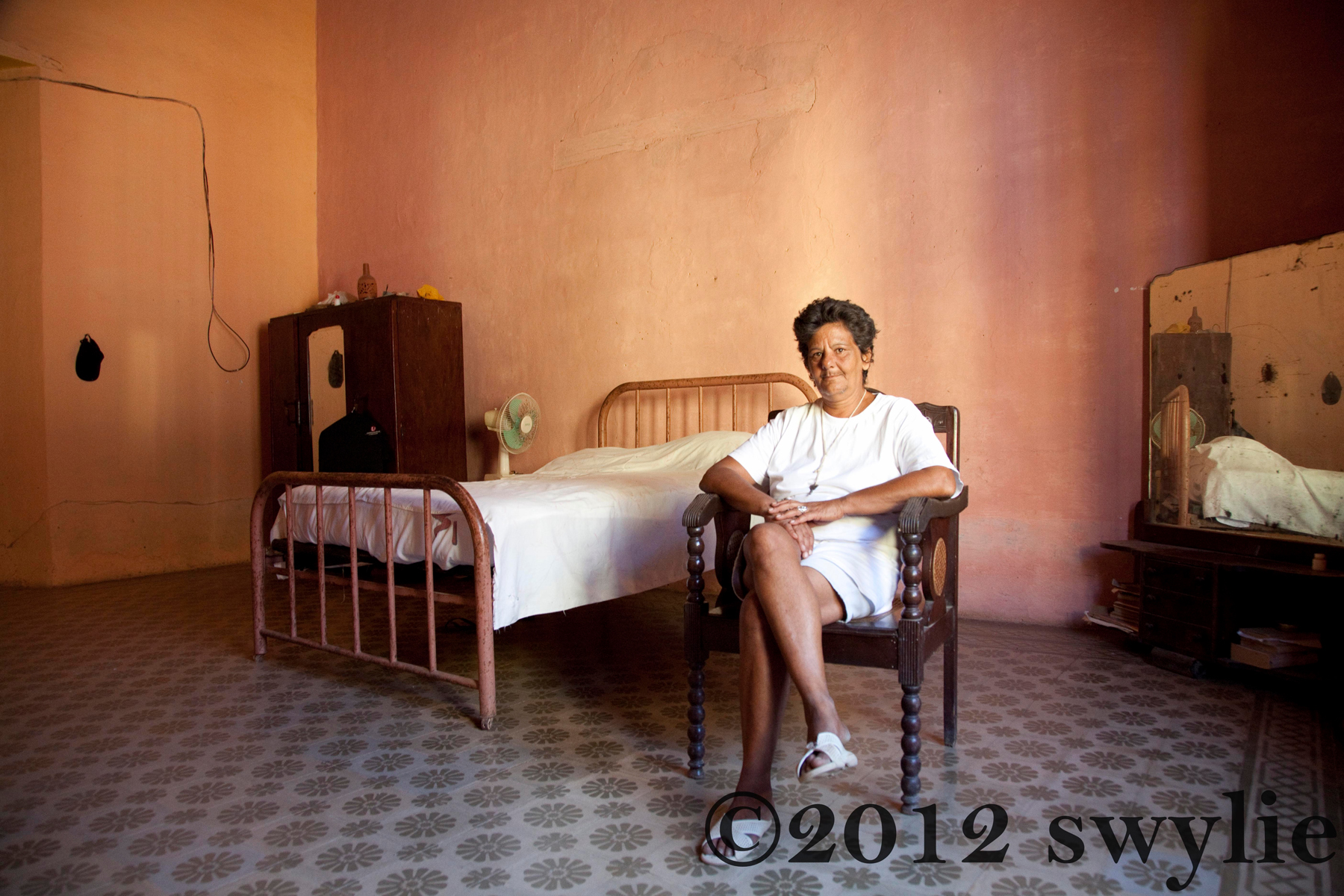


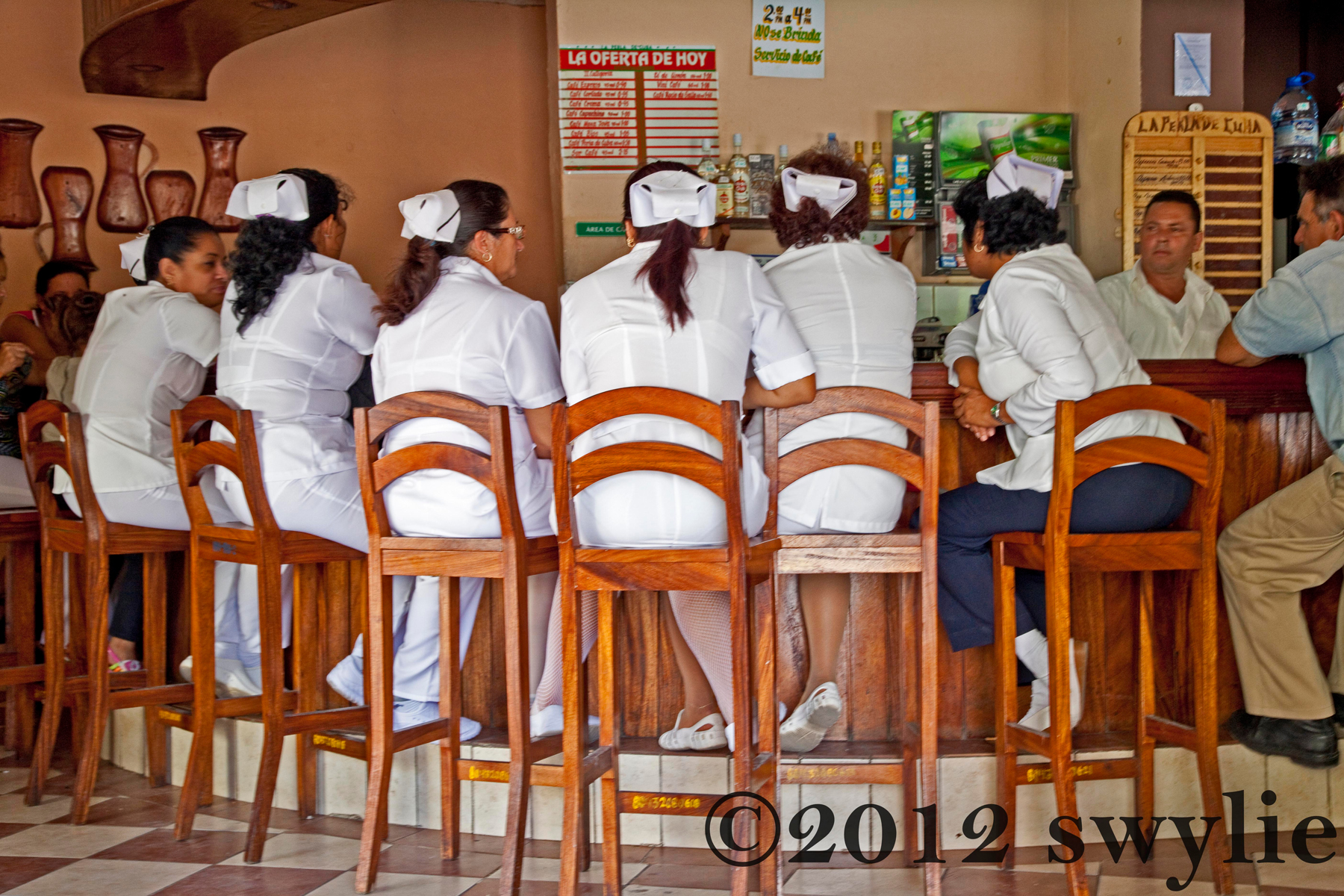


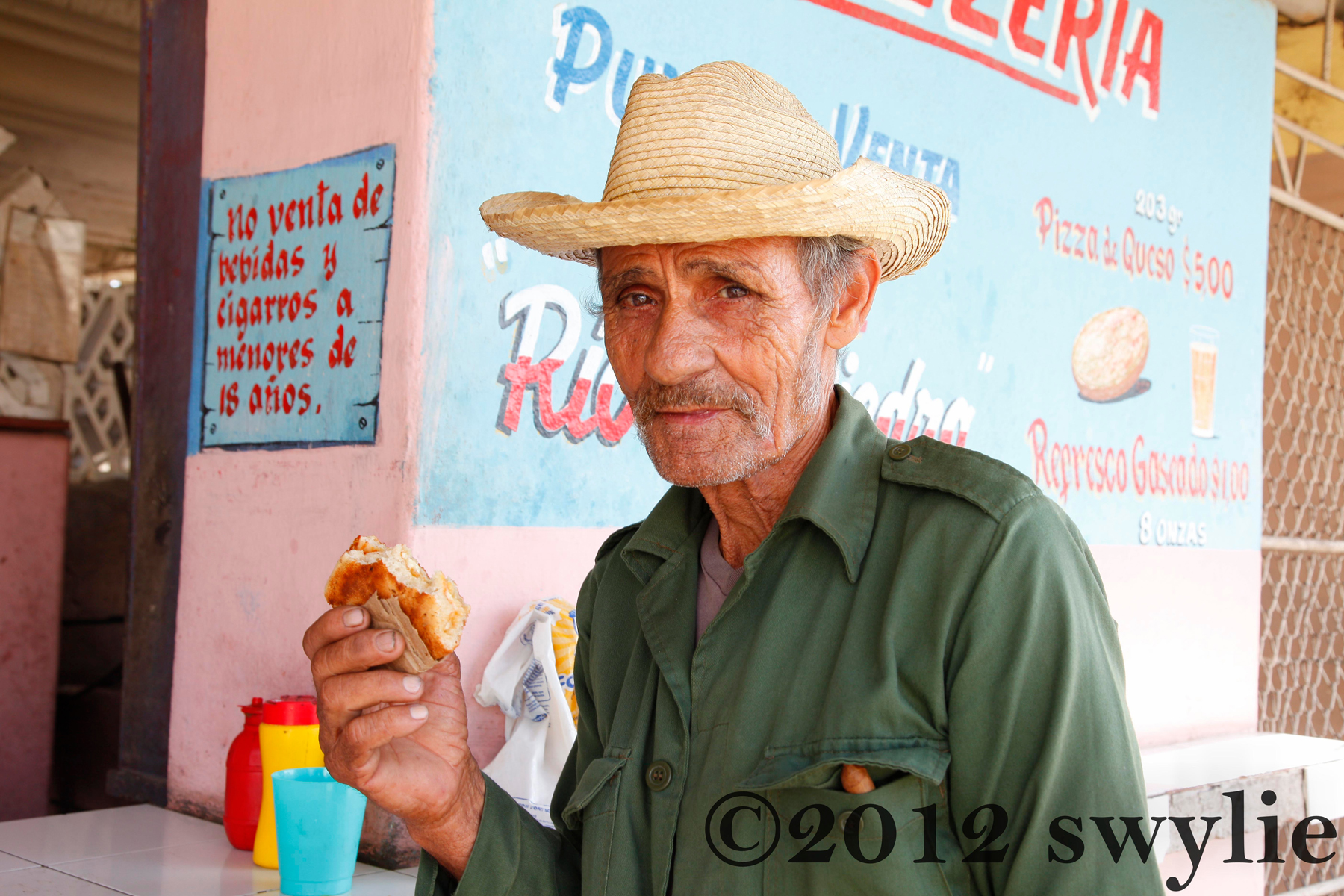


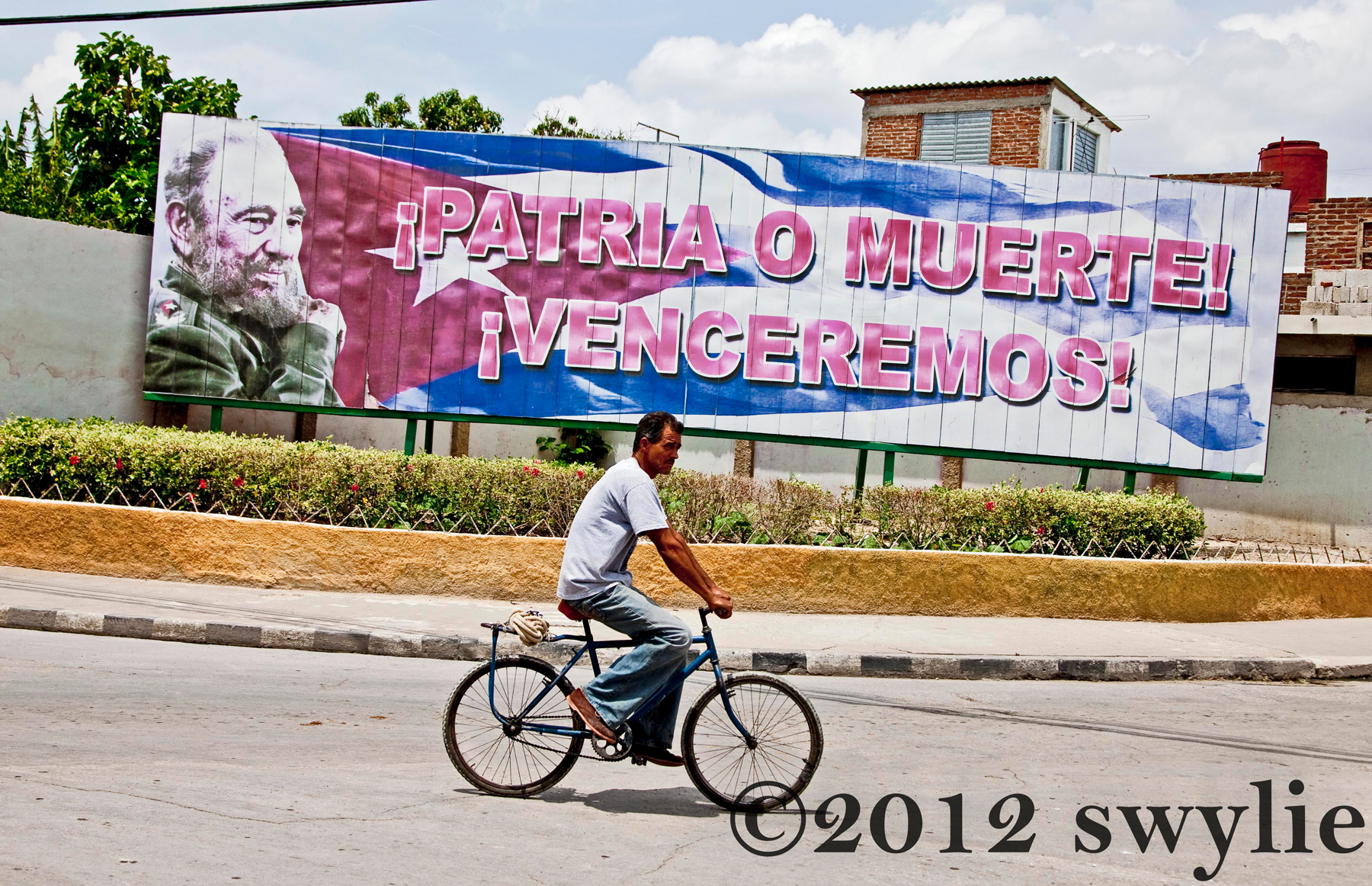


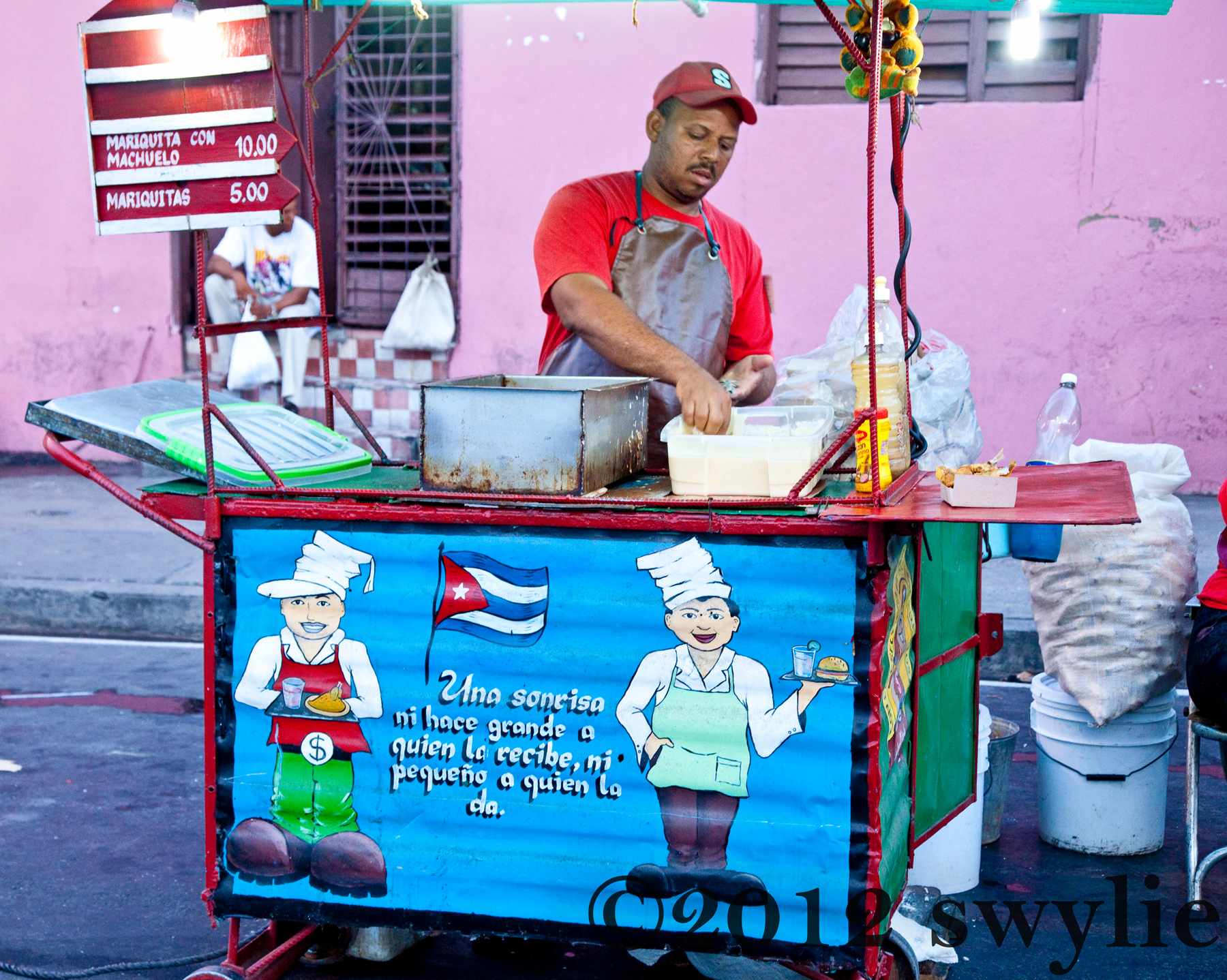


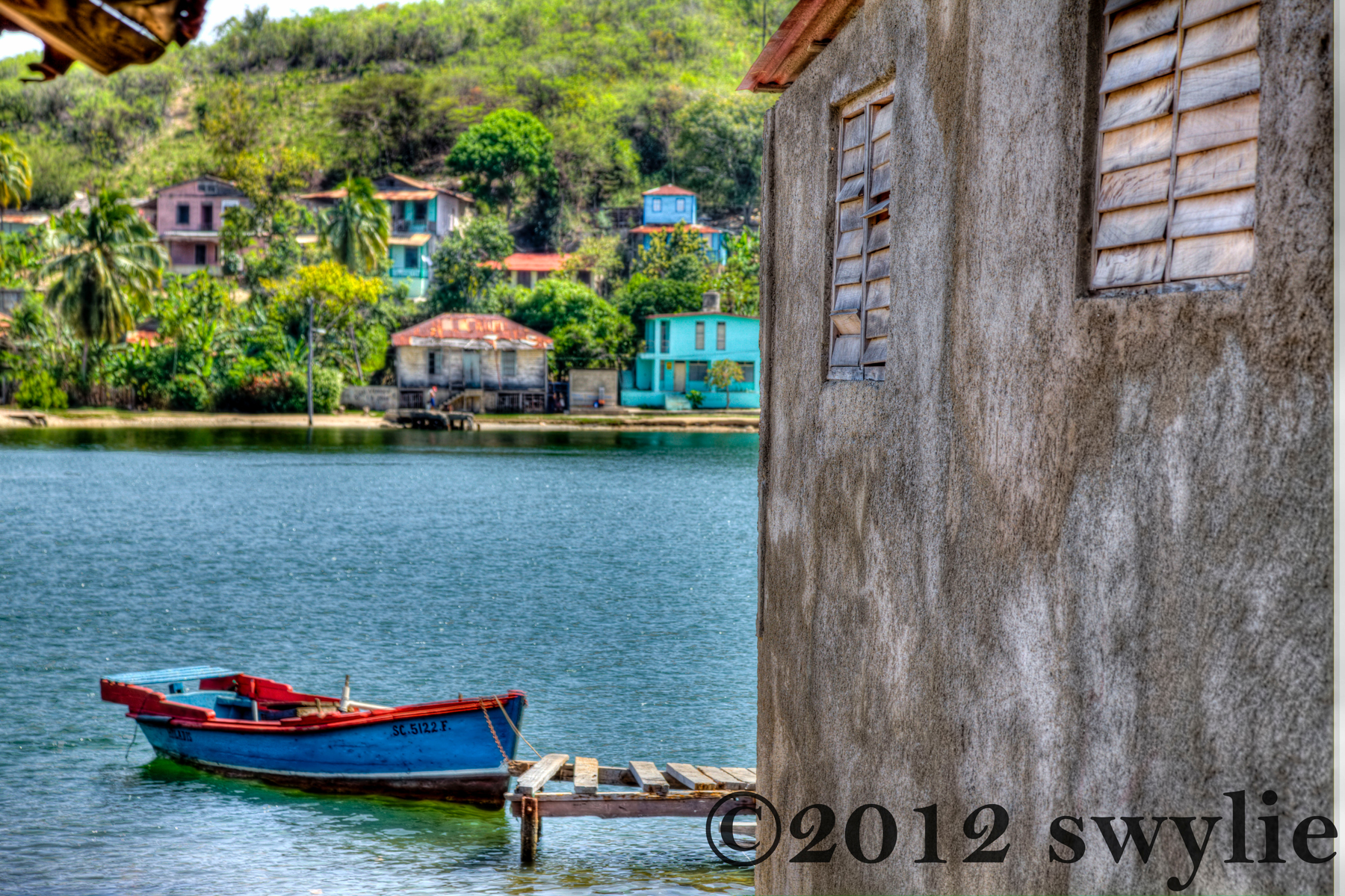

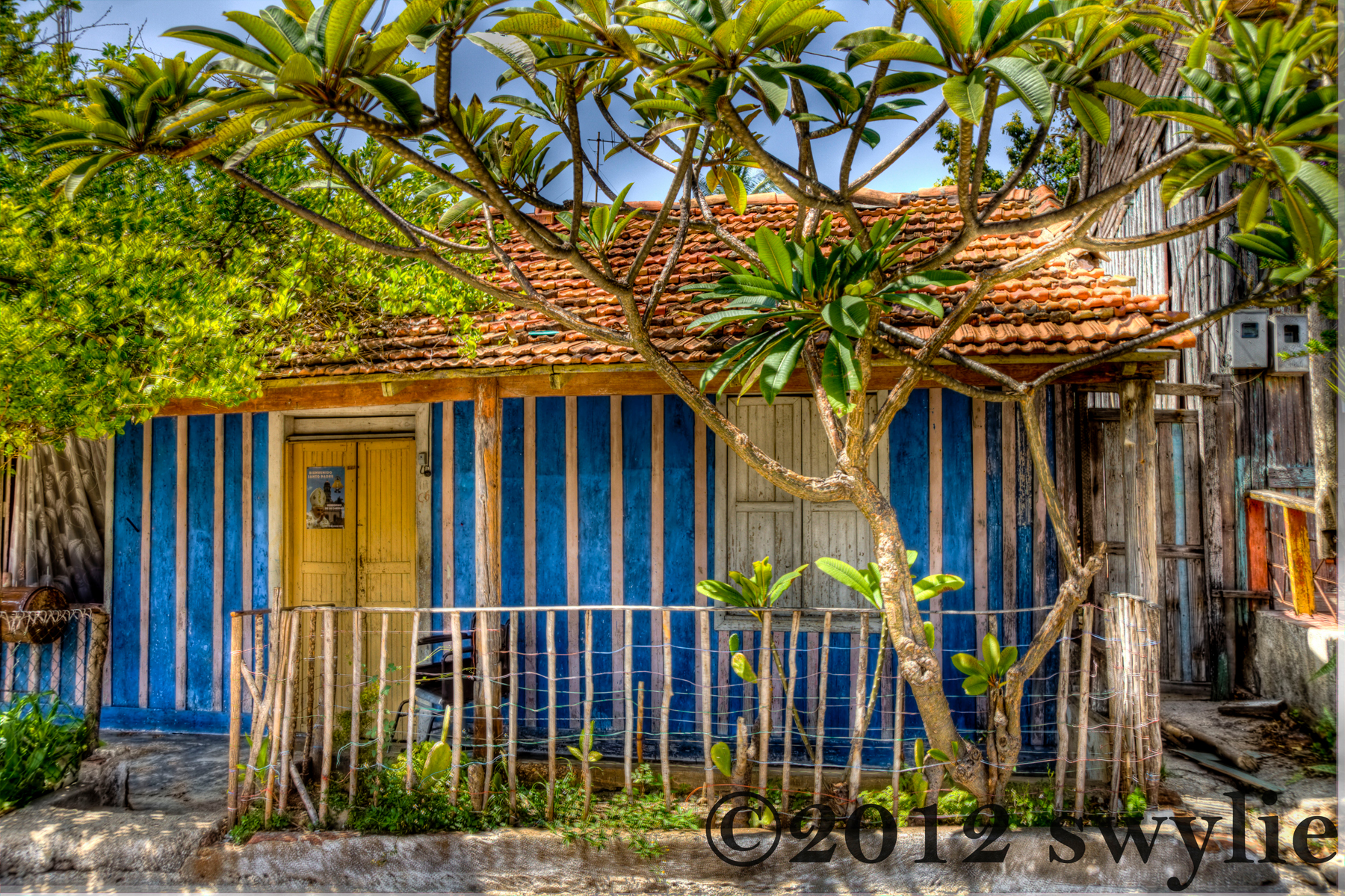

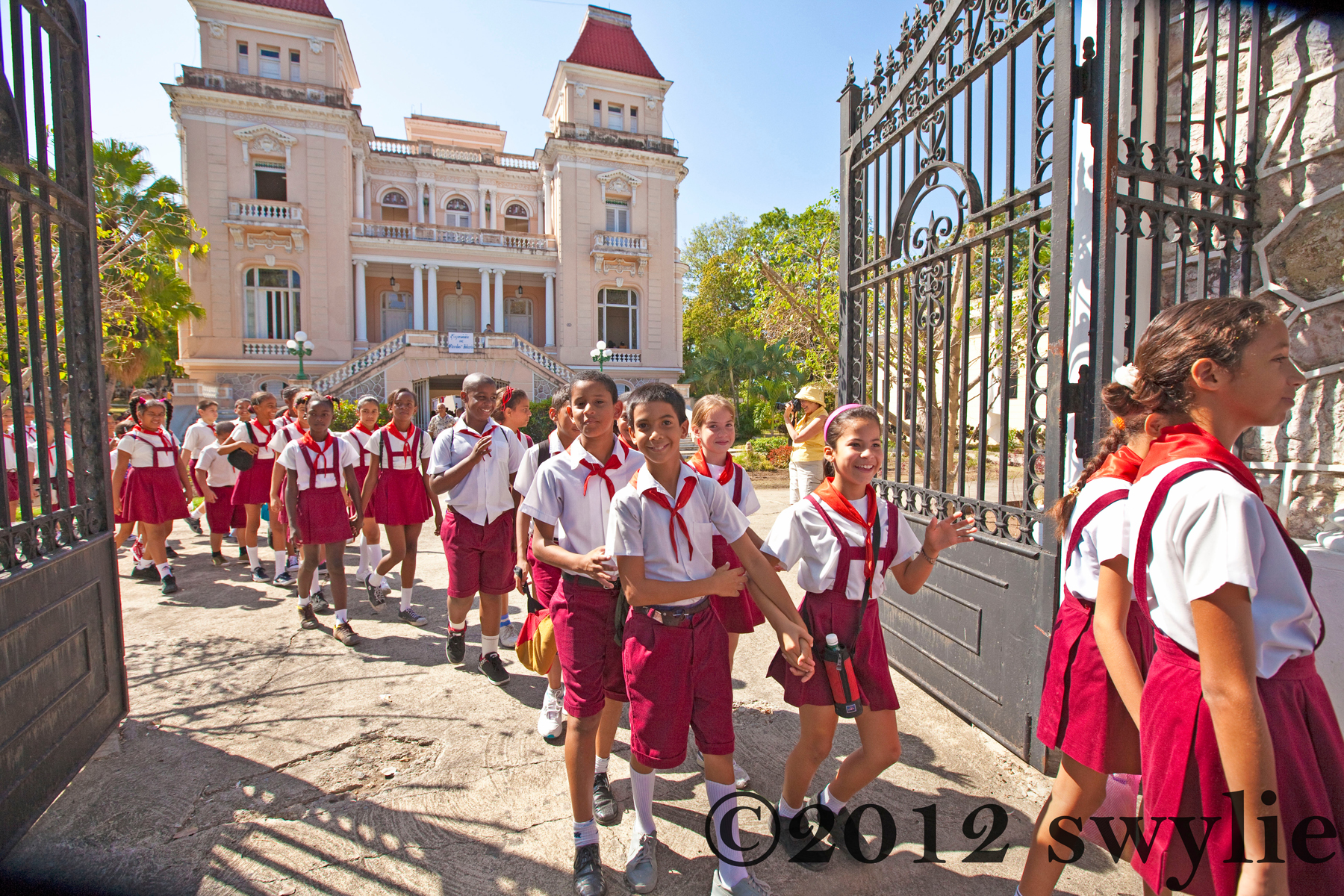


My second trip to Cuba was to revisit the cities of Havana and Trinidad. The embargo had been lifted and the country was getting stronger. People were opening small businesses on the bottom floors of their homes and the old American cars were still rolling down along the Malacon. Music, the lifeblood, was still everywhere. We visited the boxing stadium, the flamenco studio, and a cigar factory. Many buildings have fallen in ruin but a number are being restored.

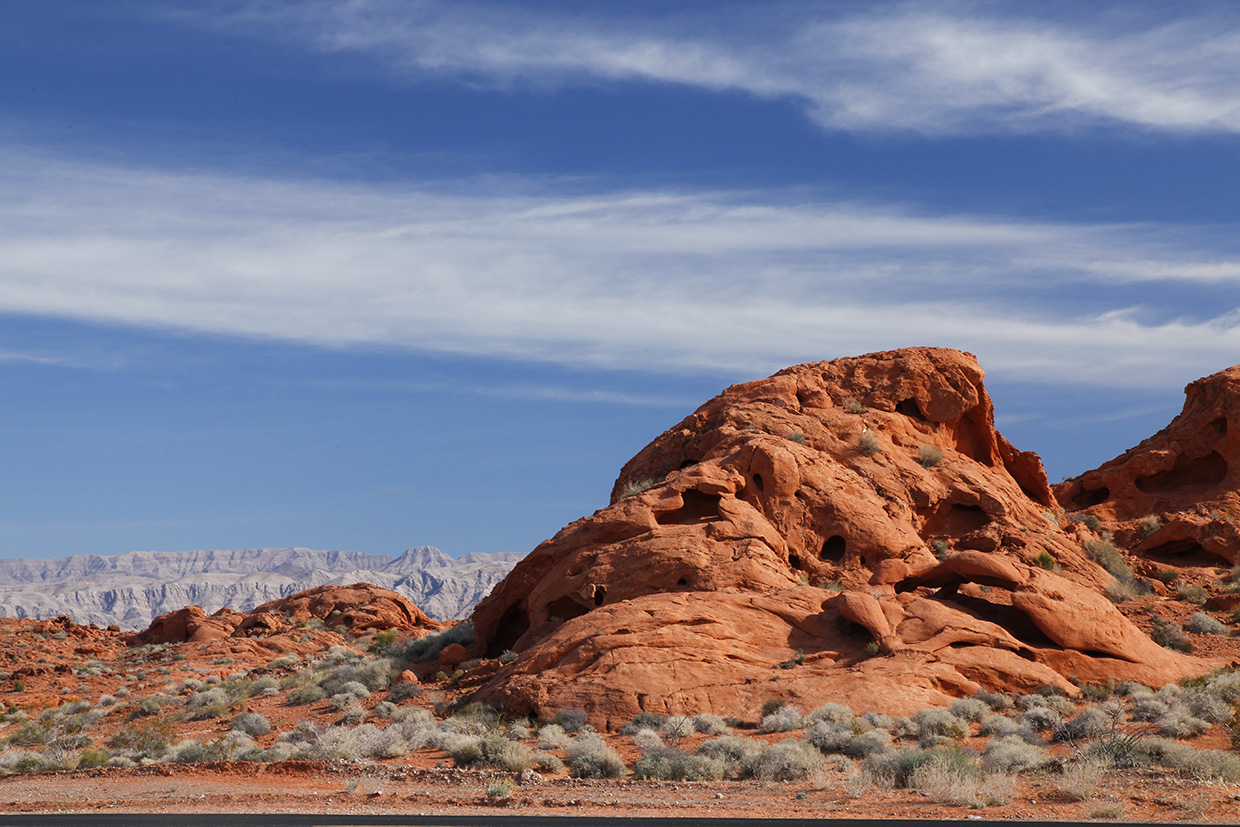


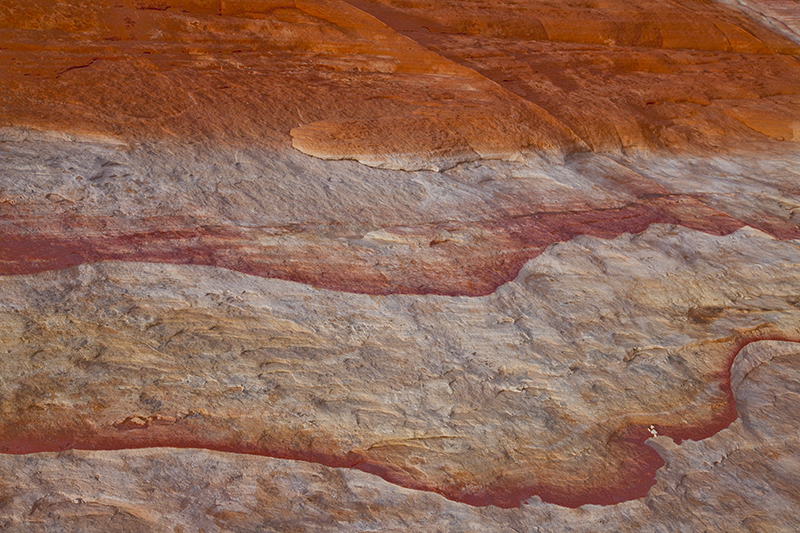
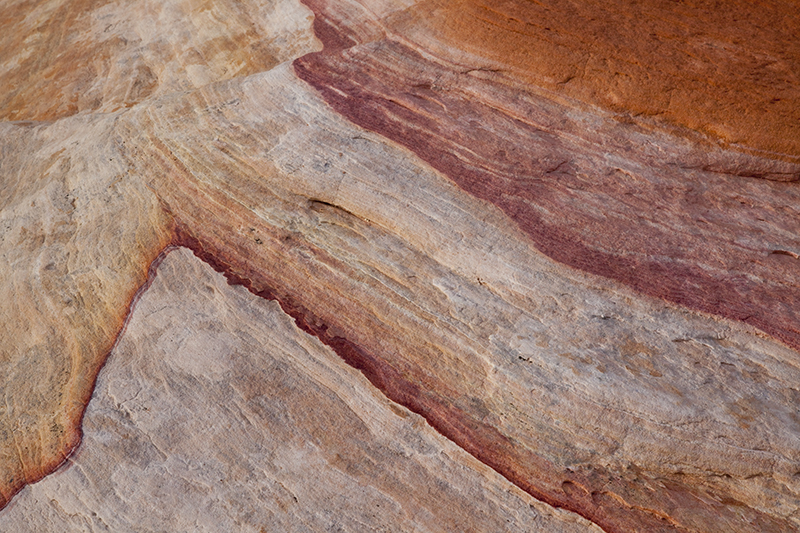


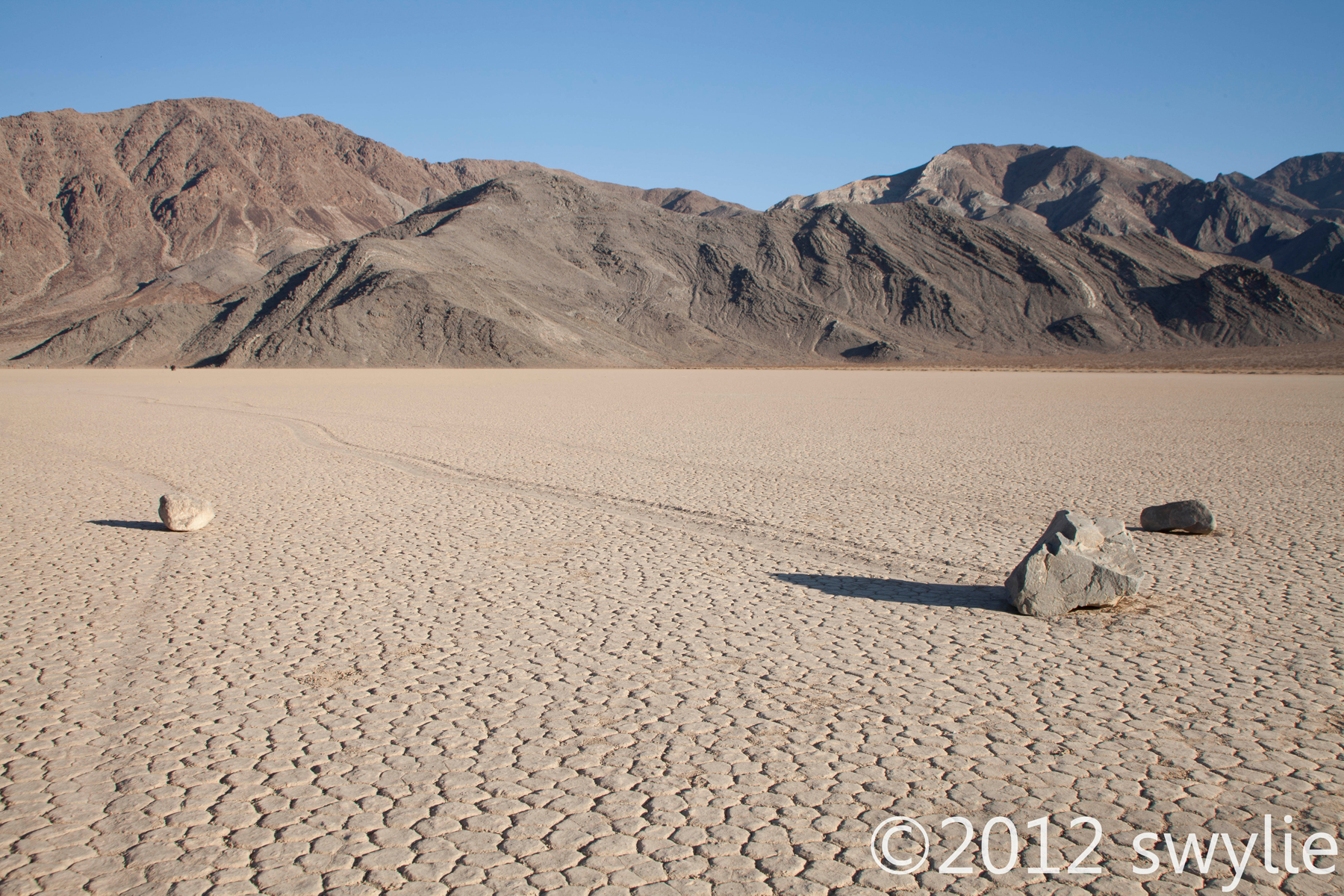

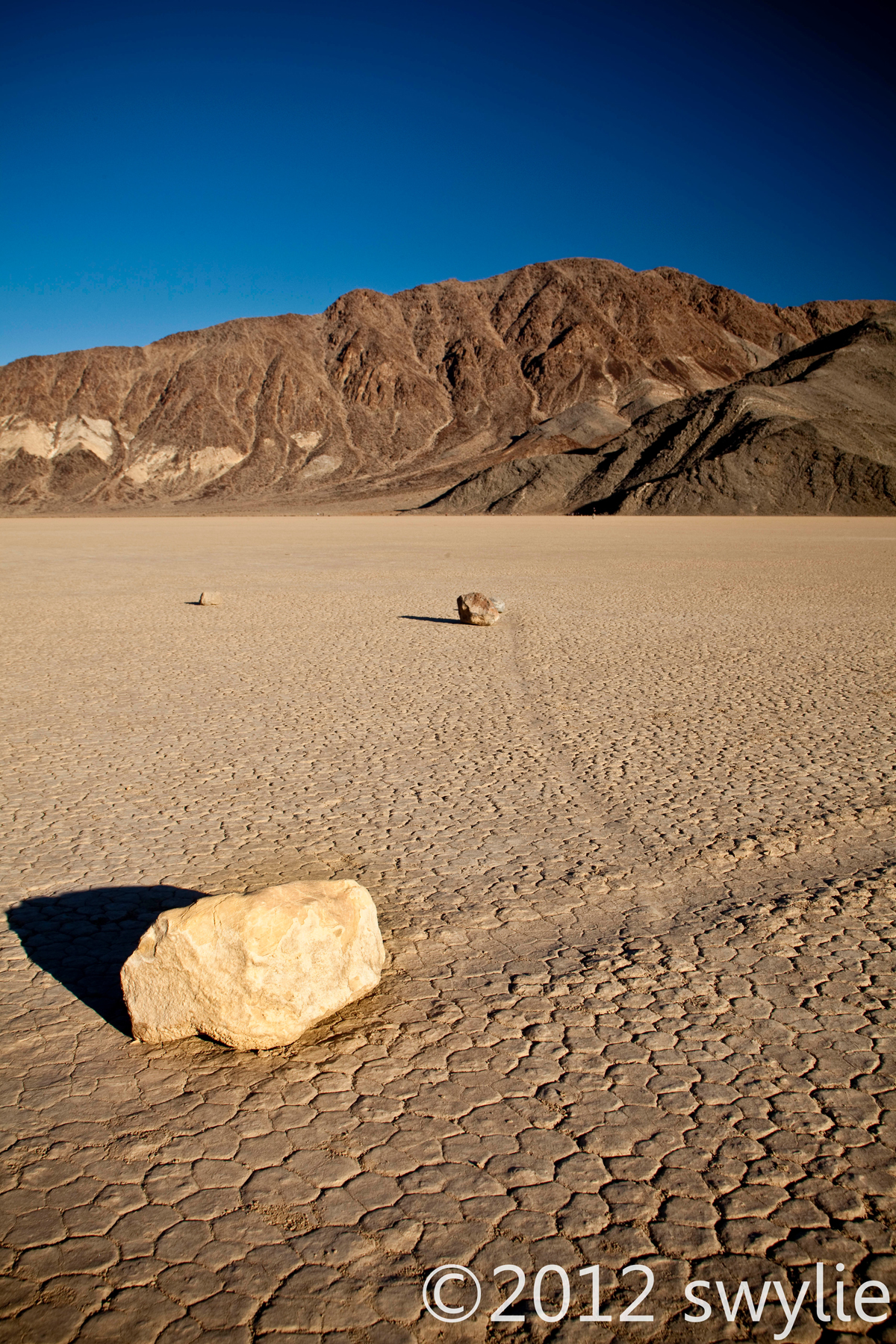


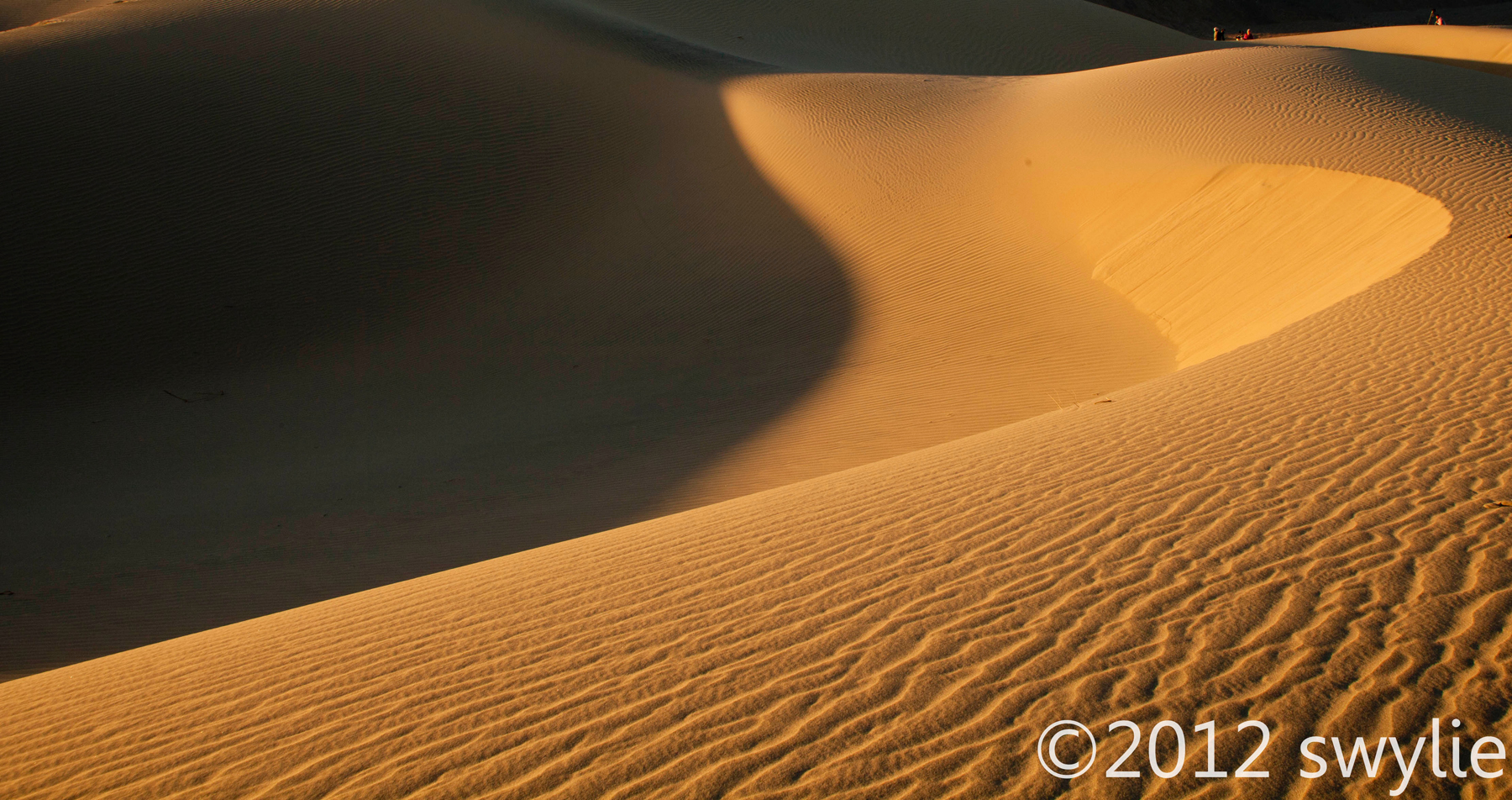


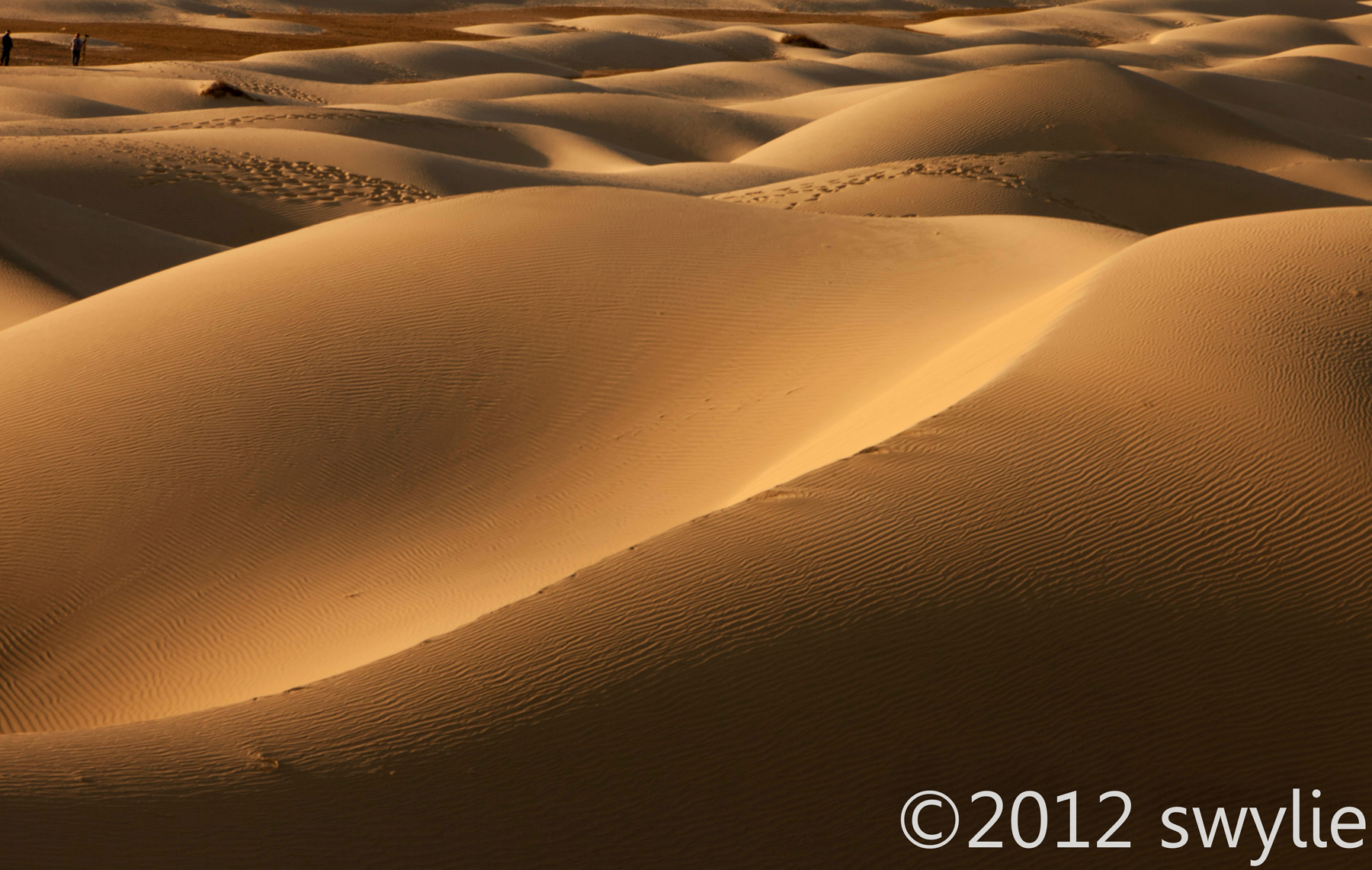


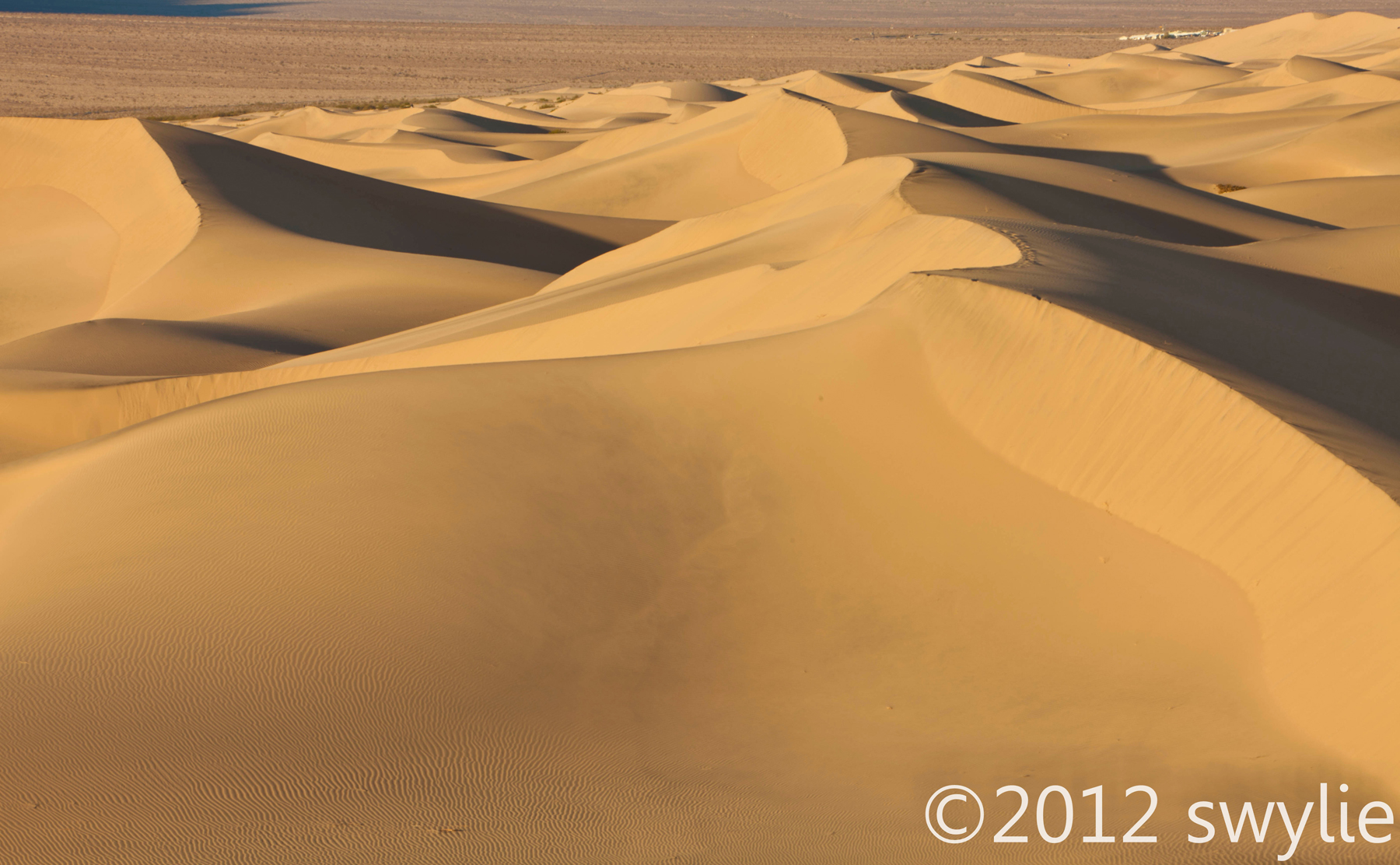


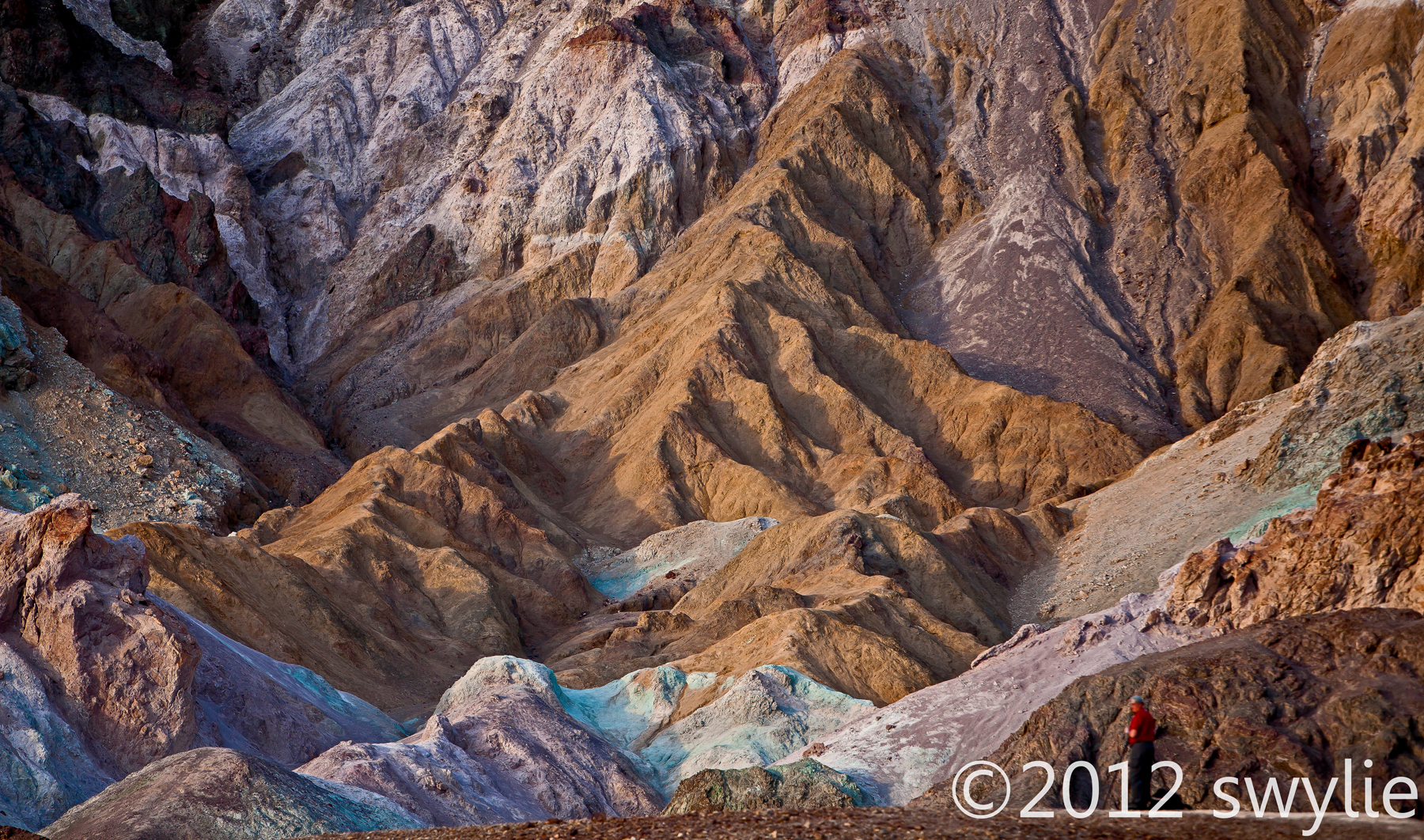
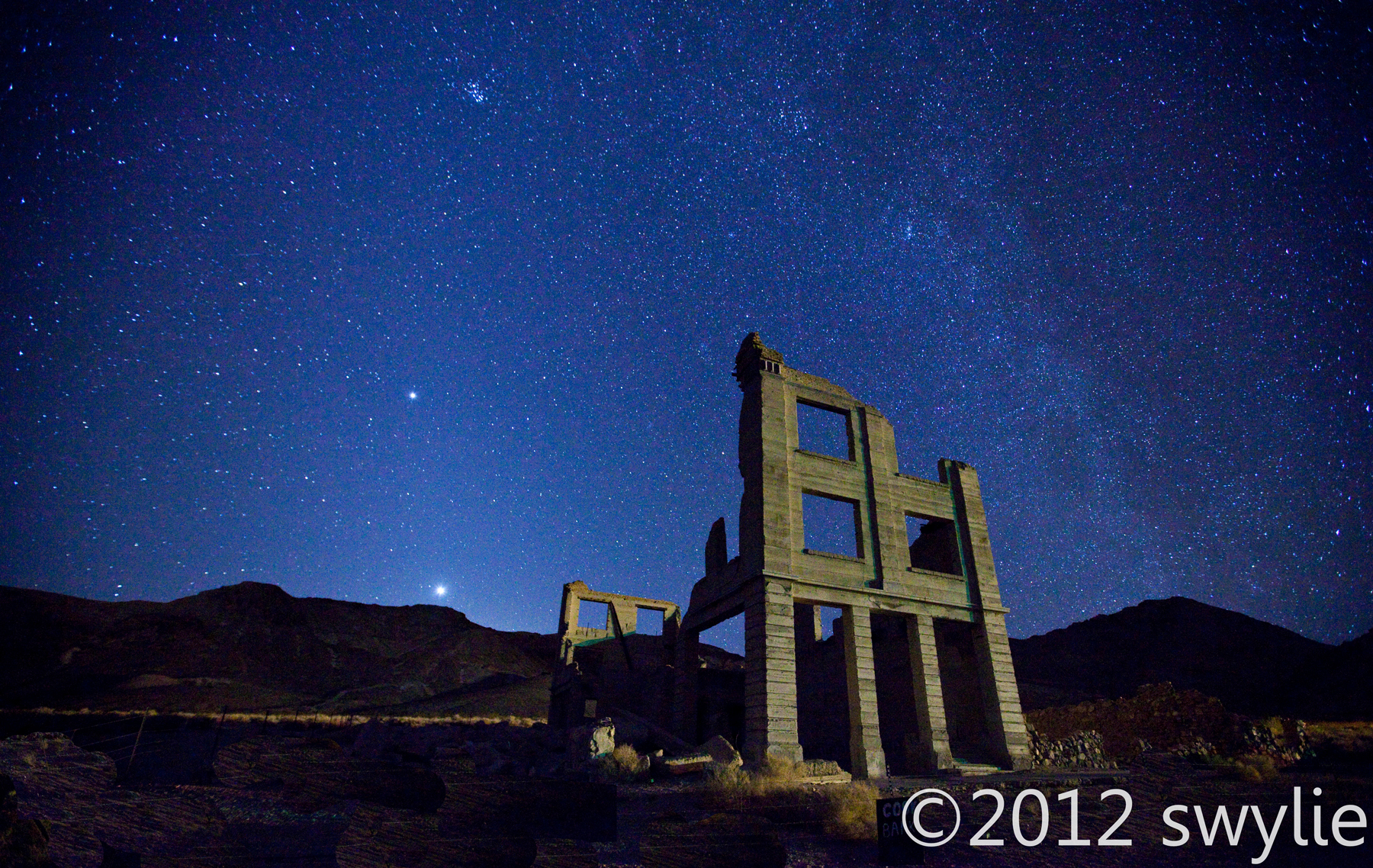
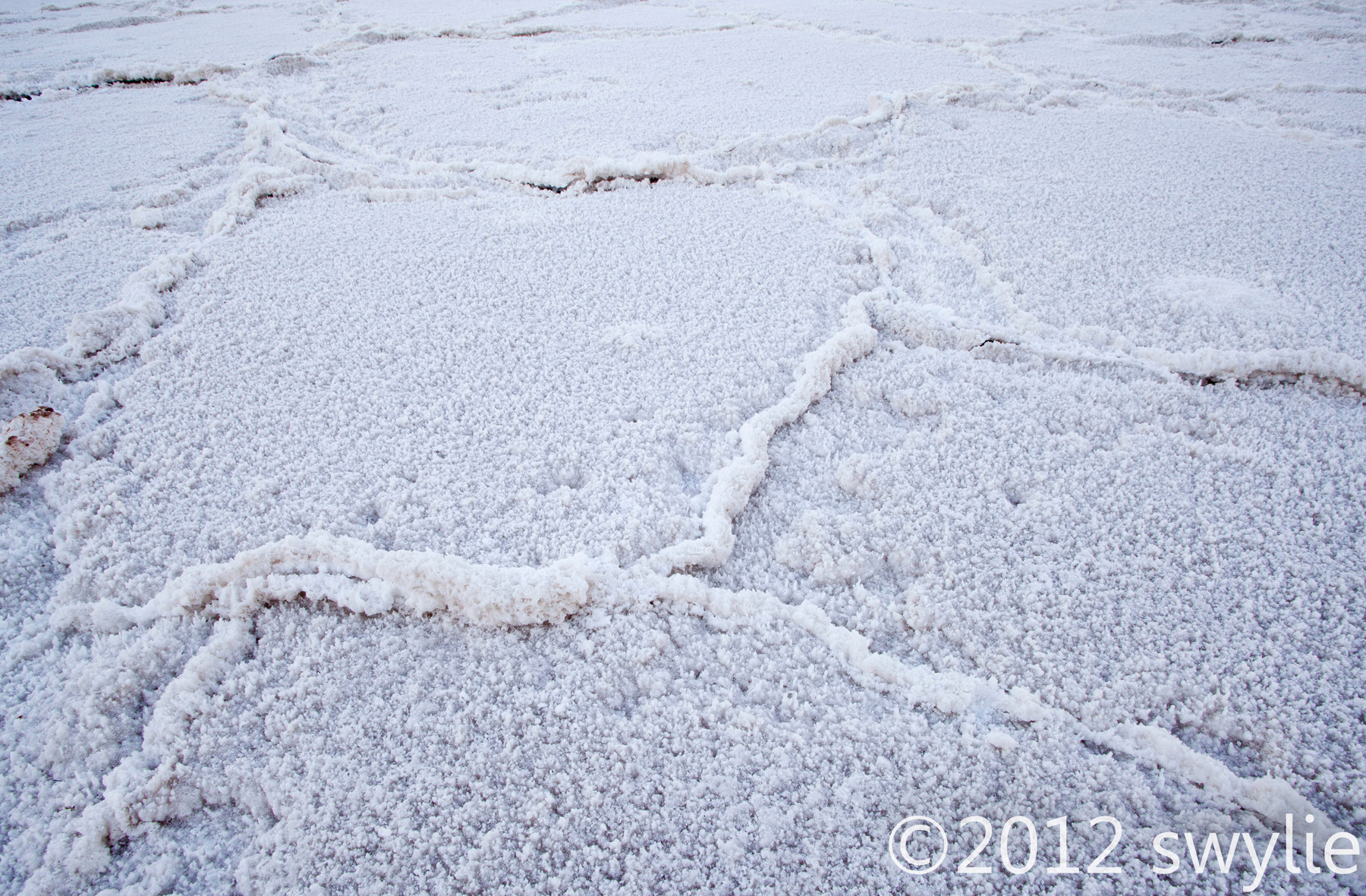
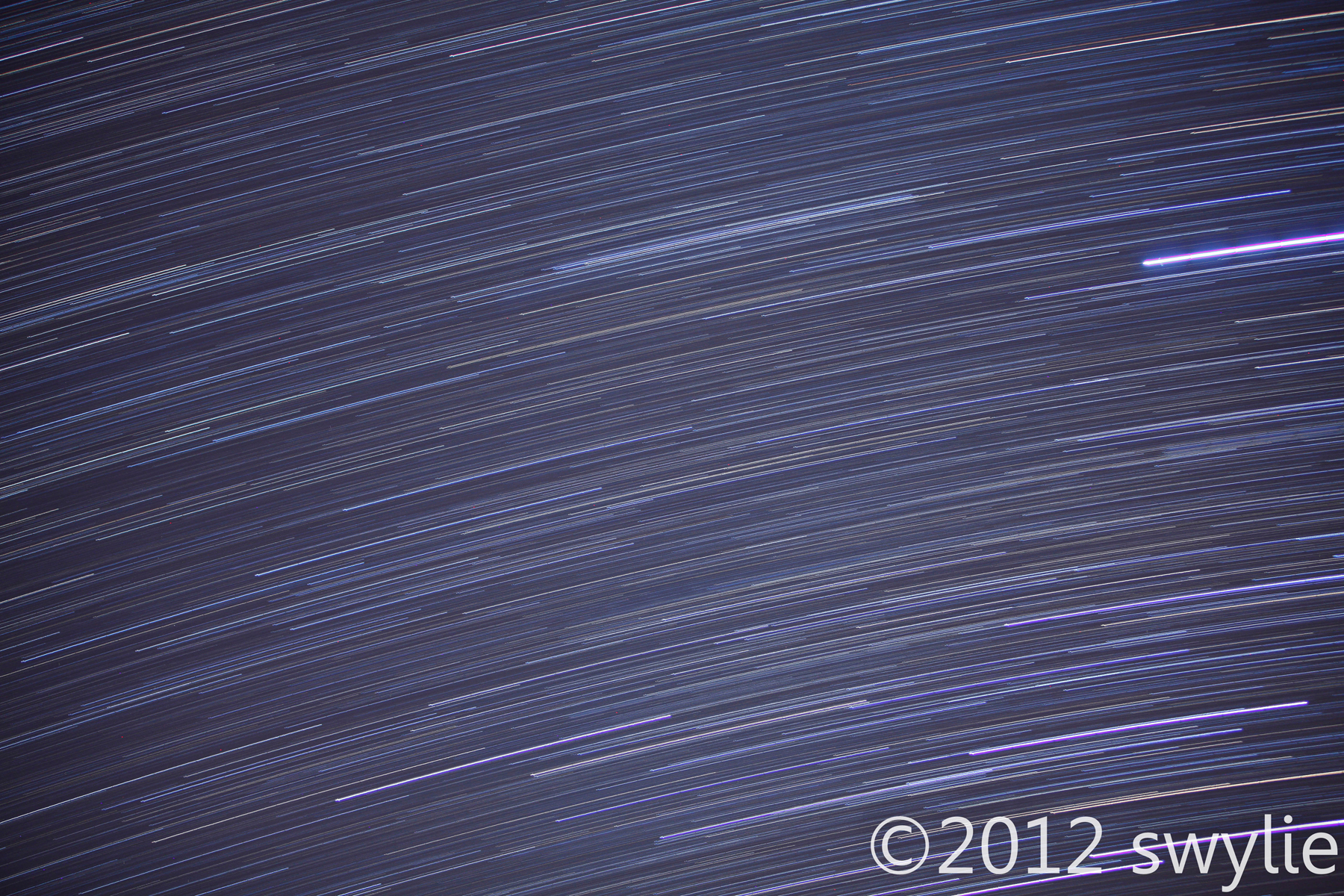
Death Valley is one of the hottest places in the world having reached temperatures of 134 degrees. We stayed at the Furnace Creek Inn, an apt description. Working with Jennifer Woo requires you to begin shooting at the crack of dawn and staying up to shoot the stars at night. We shot Artisi’s Drive, Zabriskie Point, and the Racetrack Playa. The Red Rock Canyon outside Las Vegas has a one-way loop road and showcases a set of sandstones peaks and walls.


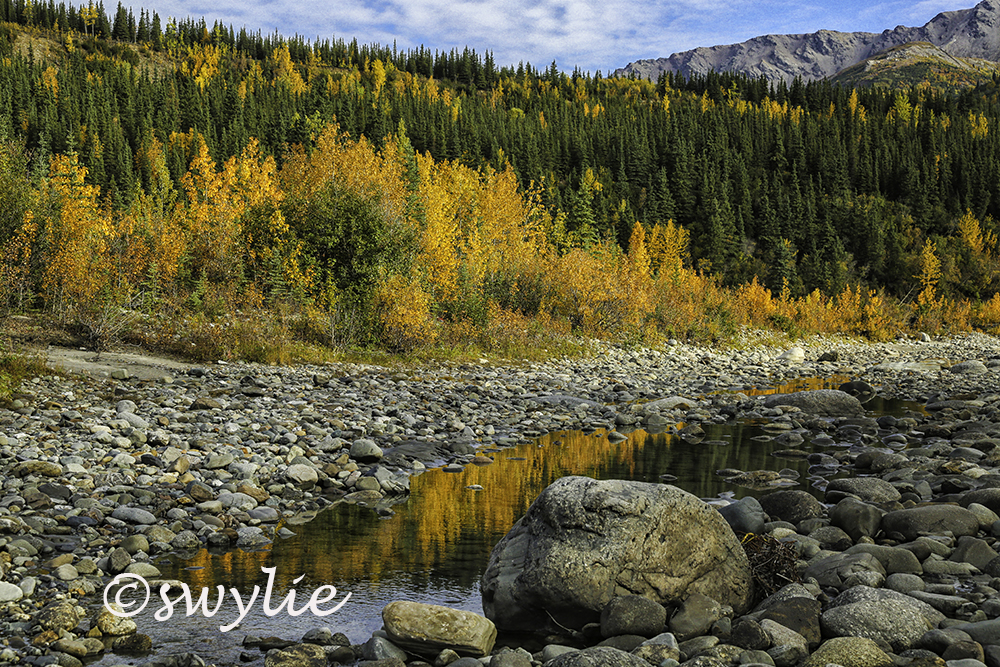
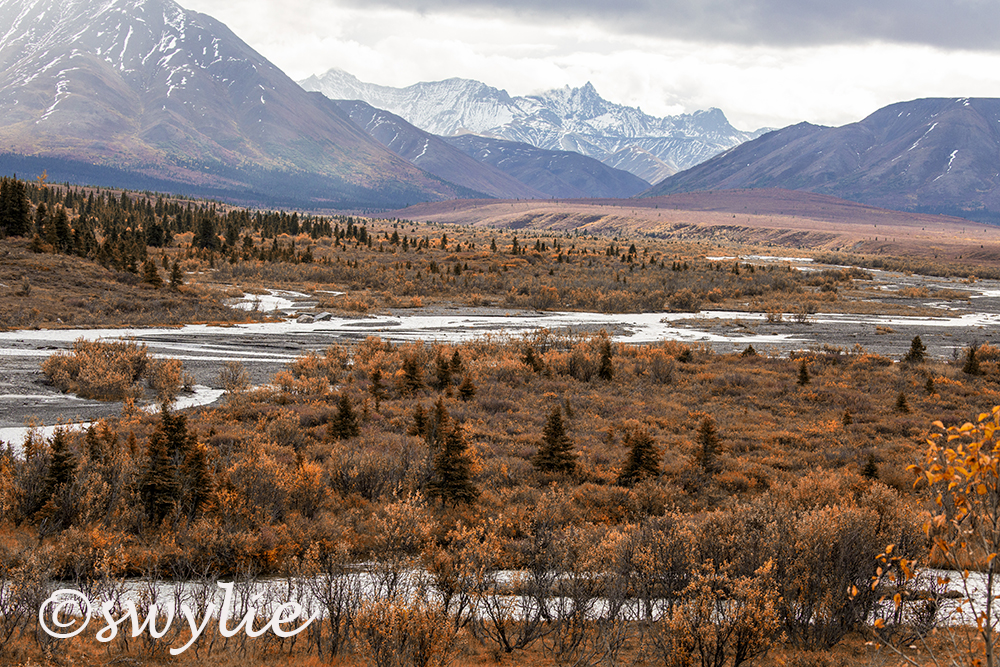


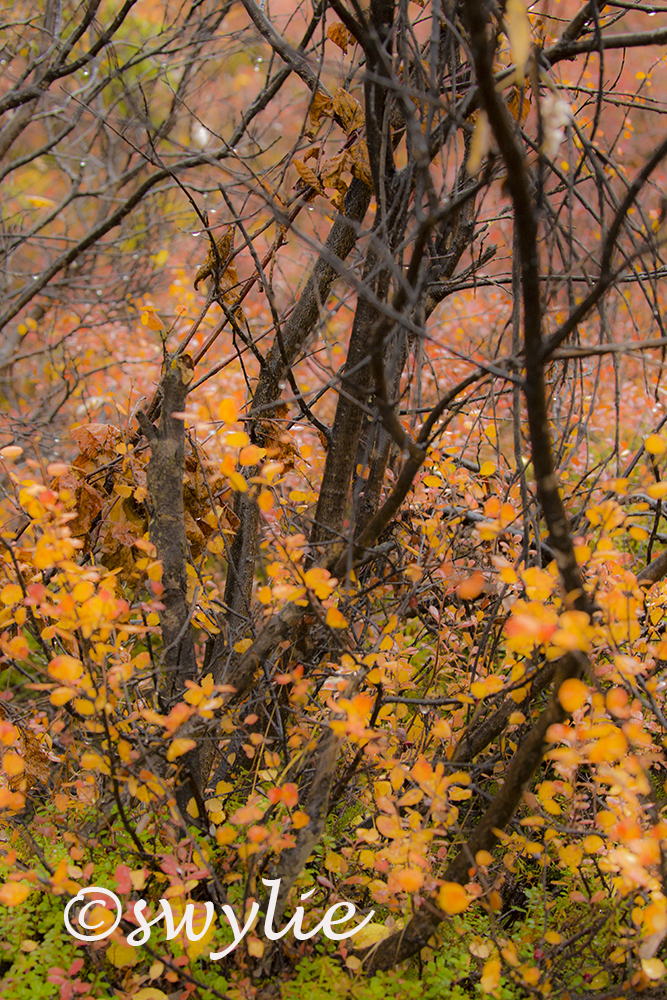


Denali is six million acres of wild land bisected by one ribbon of road. The land rises from a low–elevation forest to high alpine tundra culminating in North America’s highest peak, Denali. The fall season is especially spectacular with red and yellow land cover. Among the animals that roam the landscape are grizzly and black bears, wolves, caribou, moose, Dali sheep, squirrels, and foxes. Birds include eagles and their state bird the ptarmigan. We came upon two Caribou fighting.


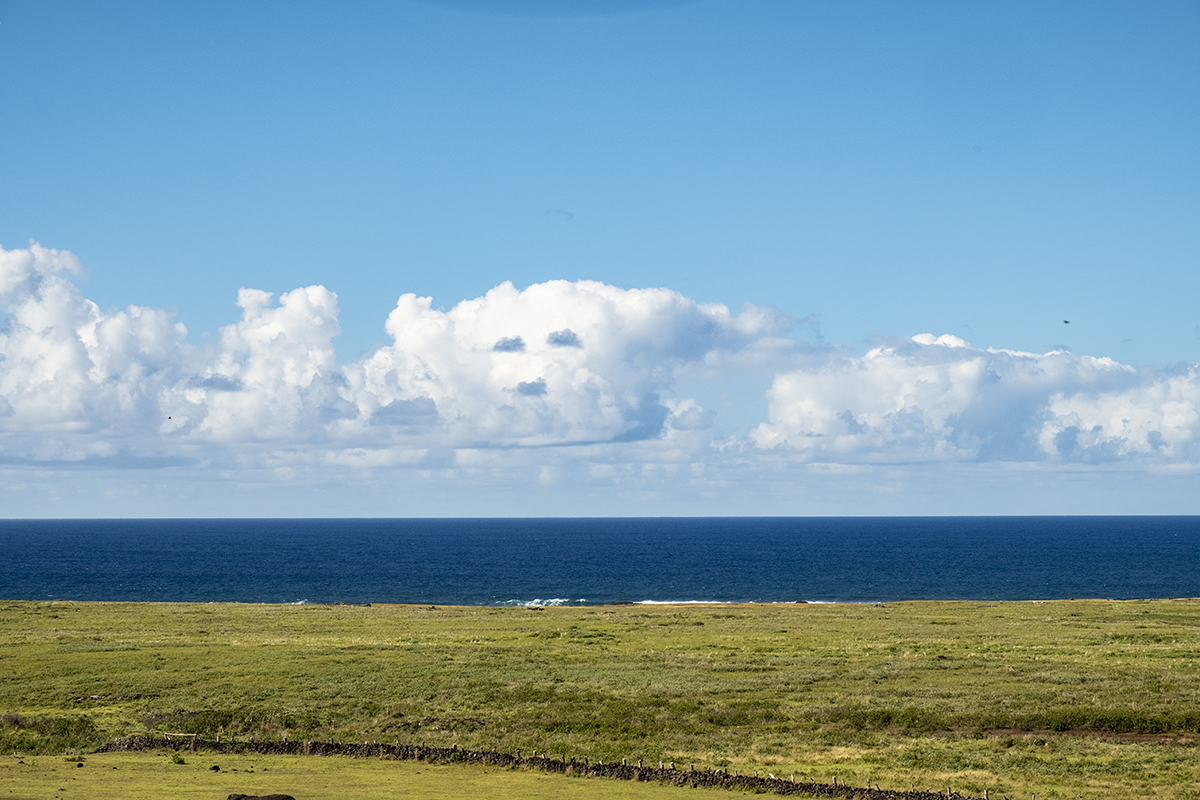

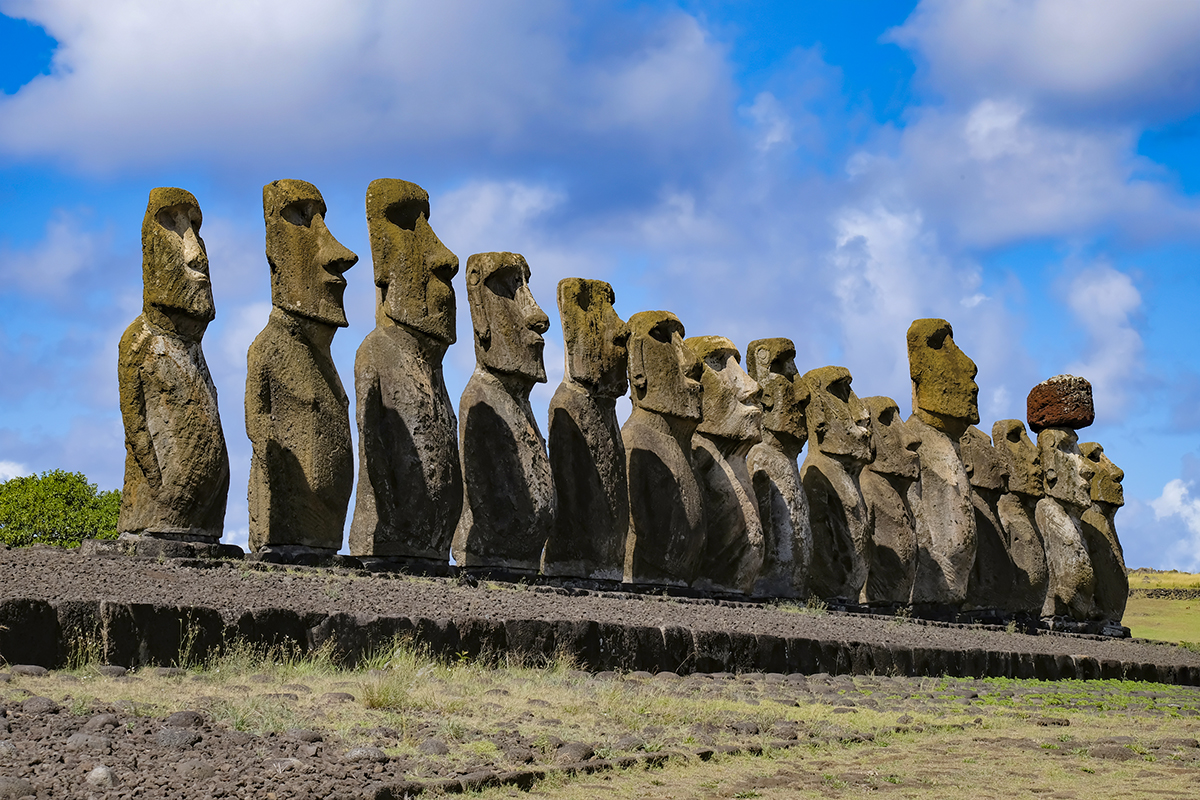

In the middle of the southeastern Pacific Ocean at the southeastern point of the Polynesian Triangle in Oceania lies Easter Island. It’s famous for nearly 1,000 extant statues called moai, created by the early Rapa Nui people to worship their ancestors. Made of tuff stone they are not resistant to weather. Hundreds remain buried. There are three extinct volcanoes. Each year the birdman cult has a ritual contest dating back to a time when the contest determined which tribe would rule the island.


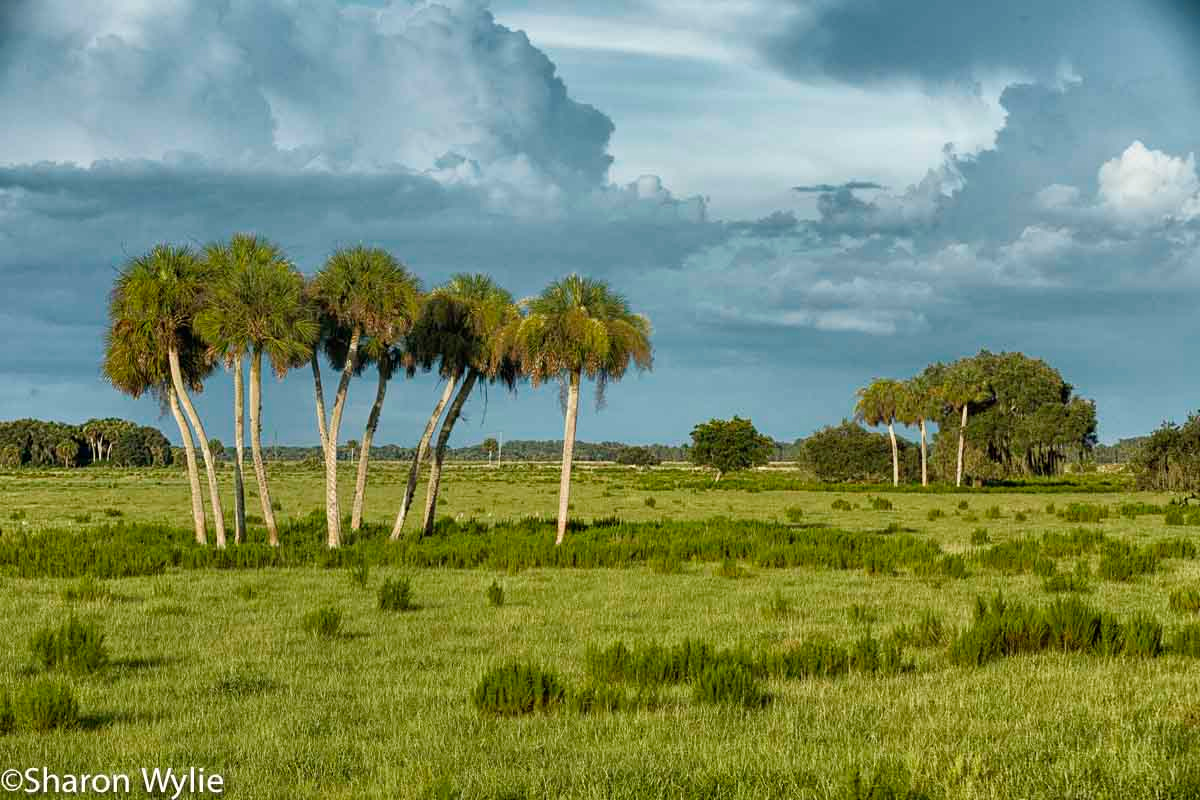
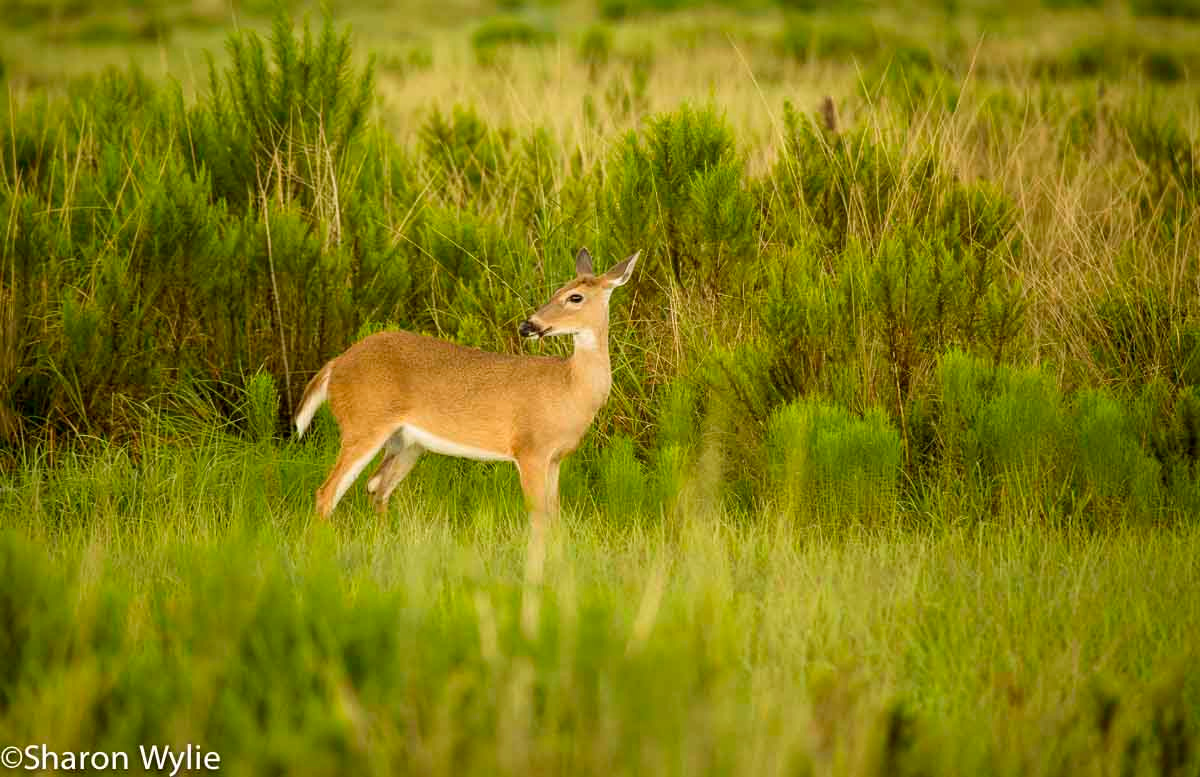
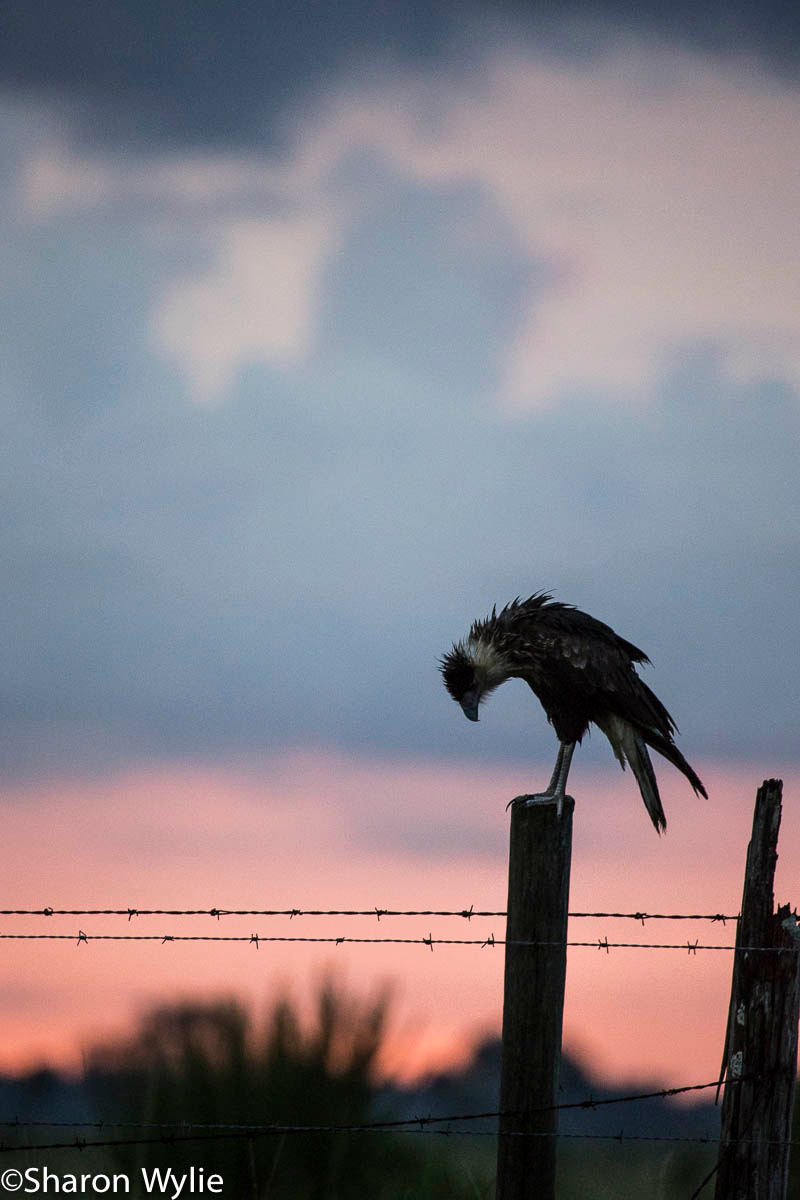
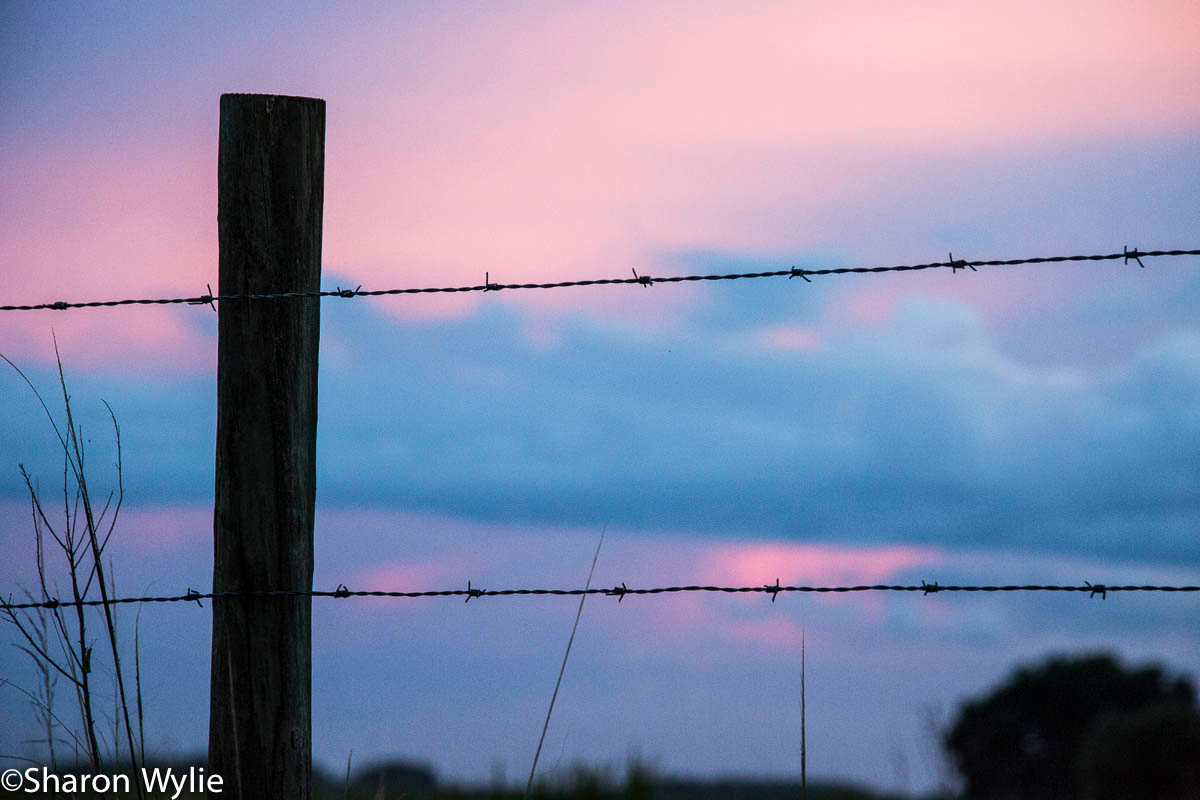
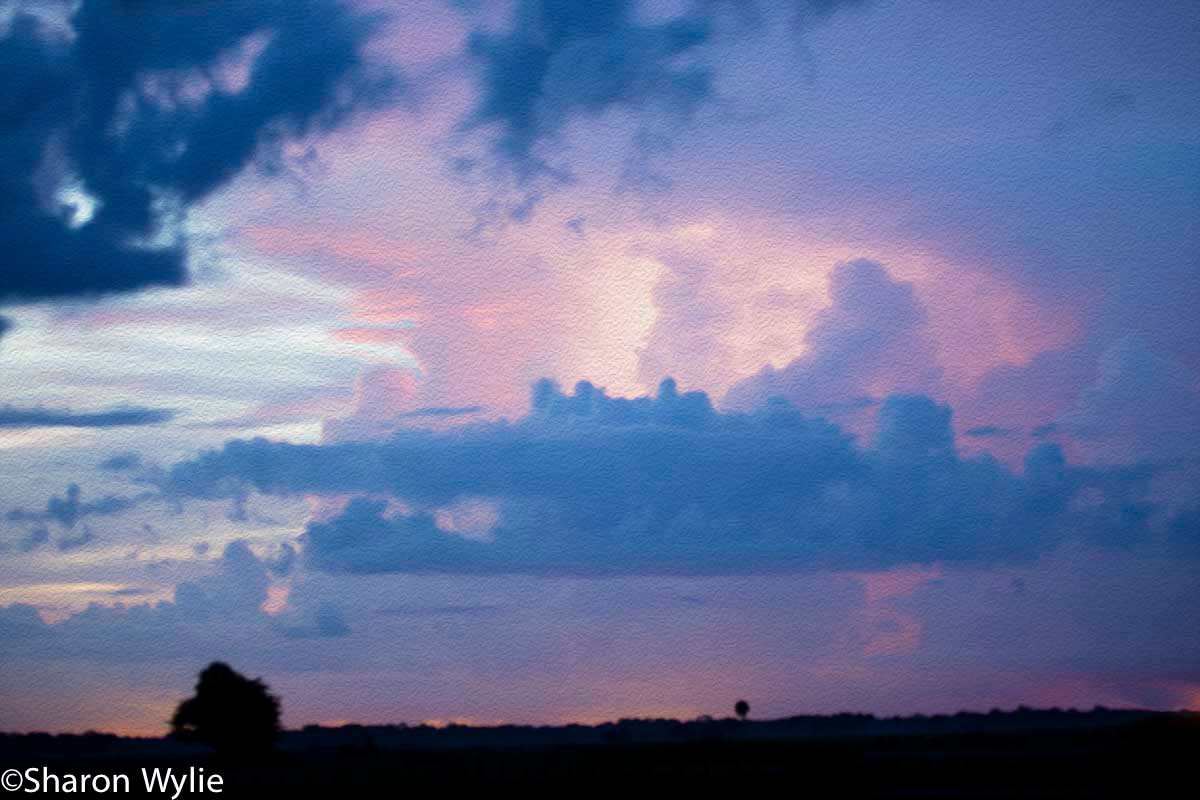
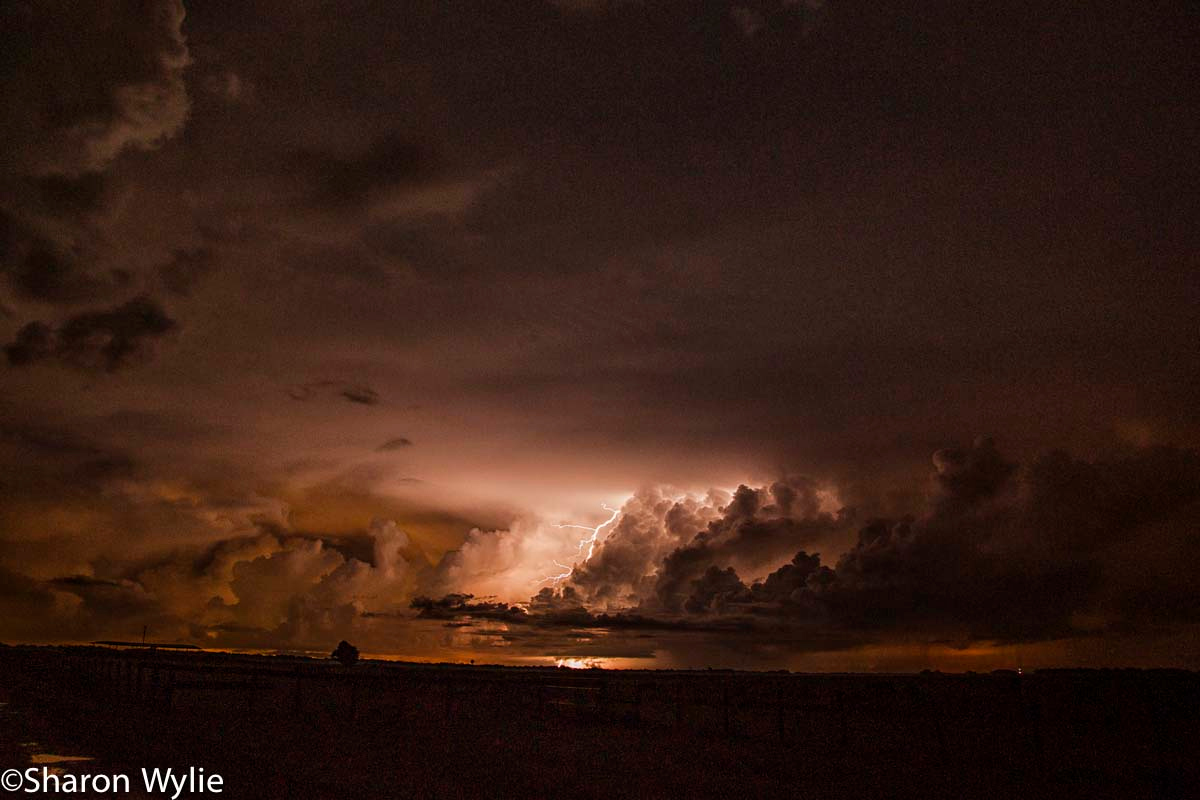


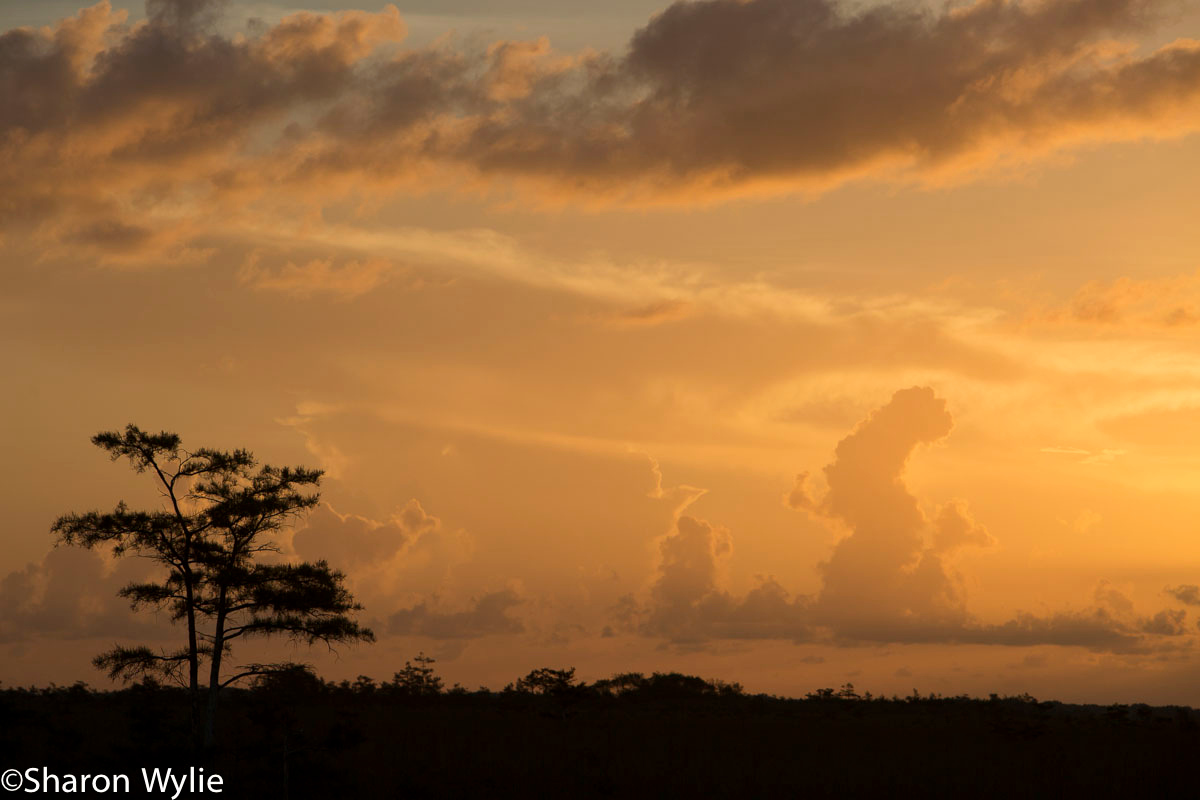

Everglades is the largest tropical wilderness in the U. S. It’s a network of wetlands and forests fed by a river flowing out of Lake Okeechobee, a “river of grass” as Marjory Stoneman Douglas once described the slowly moving water. It is an excellent location for wading birds and is especially known for its alligators. We went on a storm chase shooting the brilliant lightning. Sunrise, sunset, and storms are brought out in a dramatic landscape of pines and water. There is many subjects to shoot macro in the Everglades.

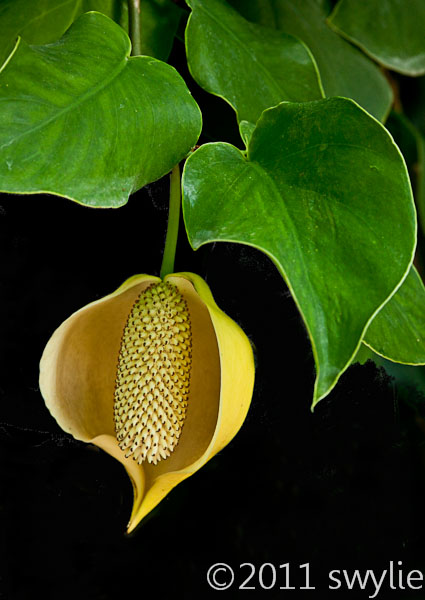


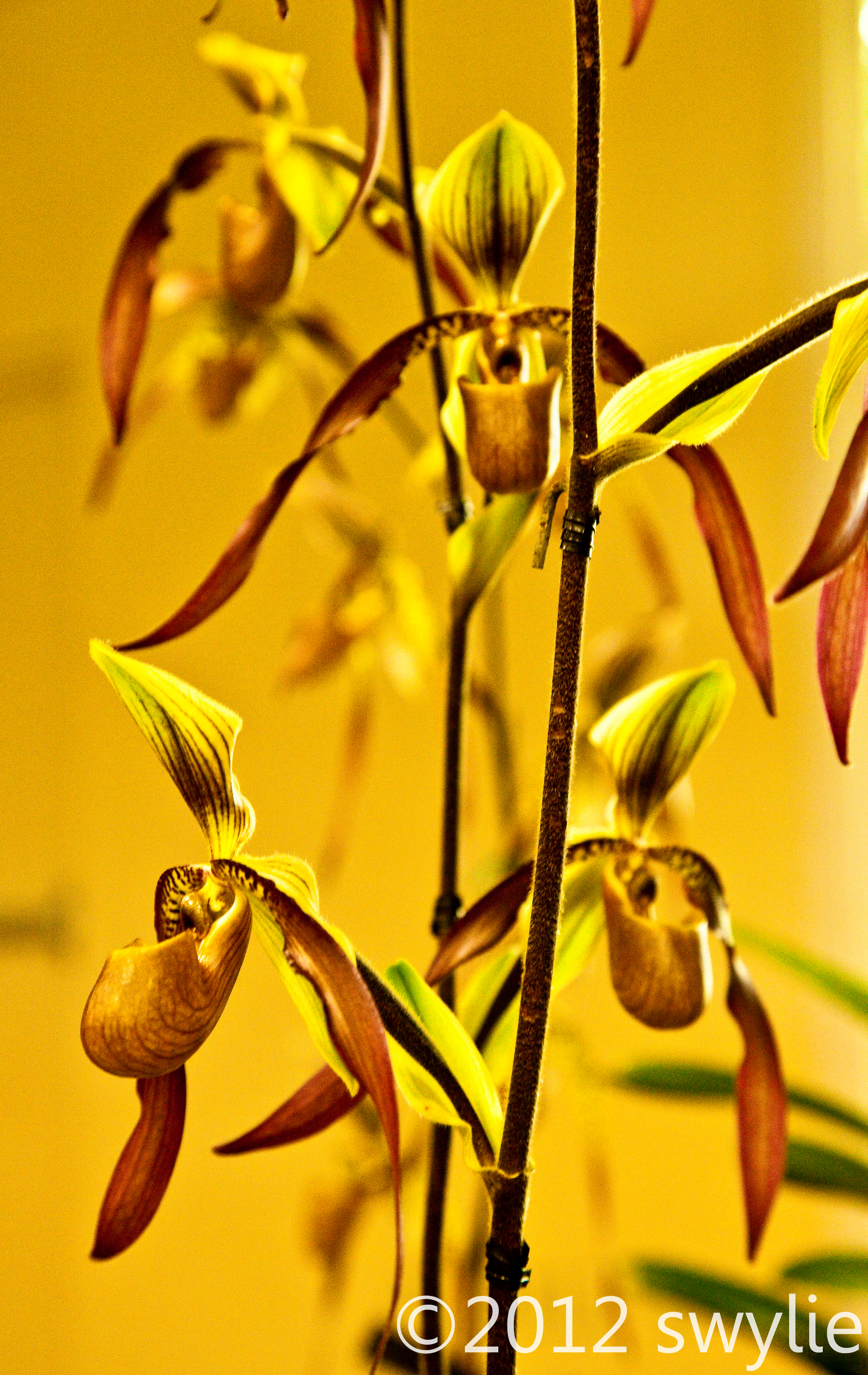
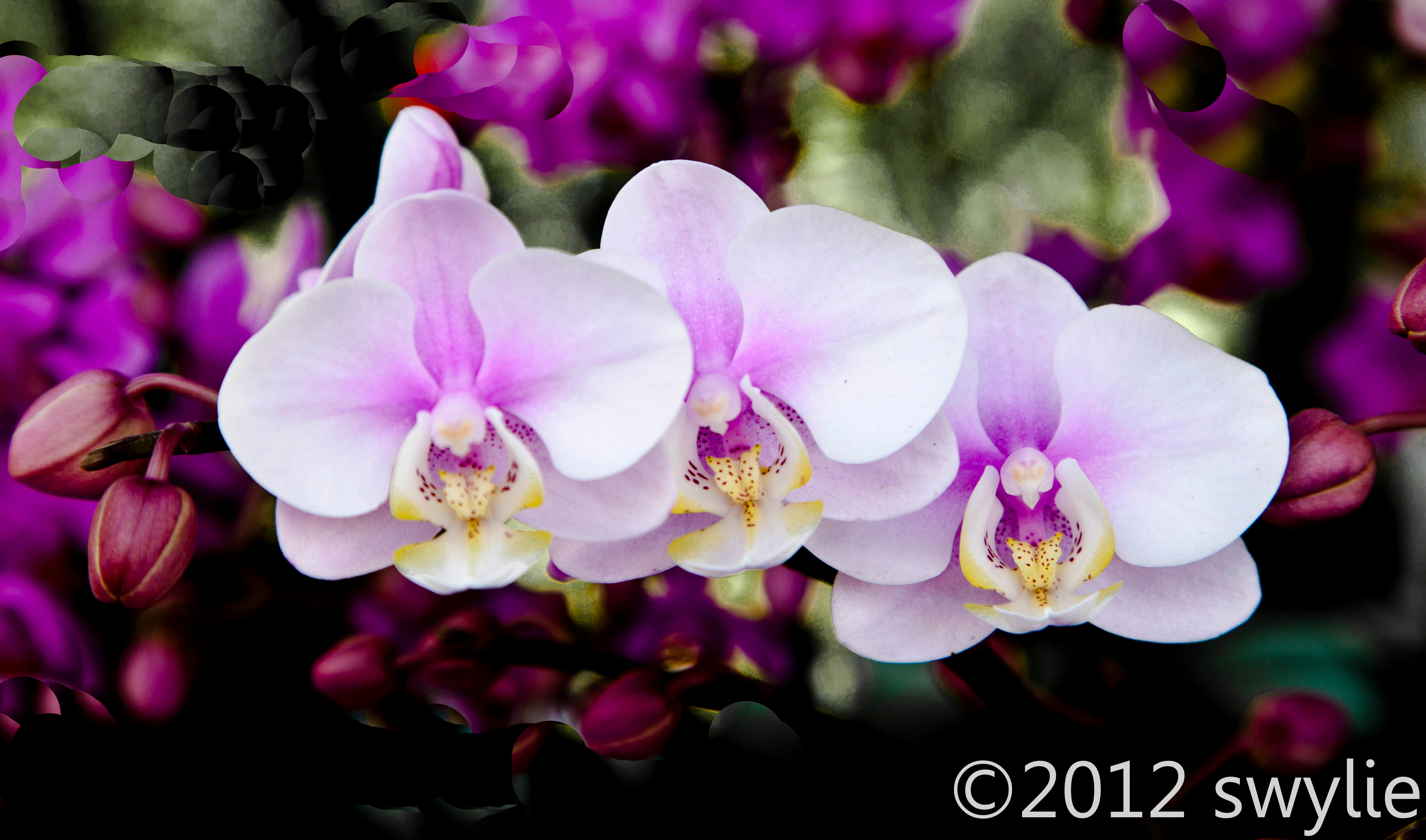
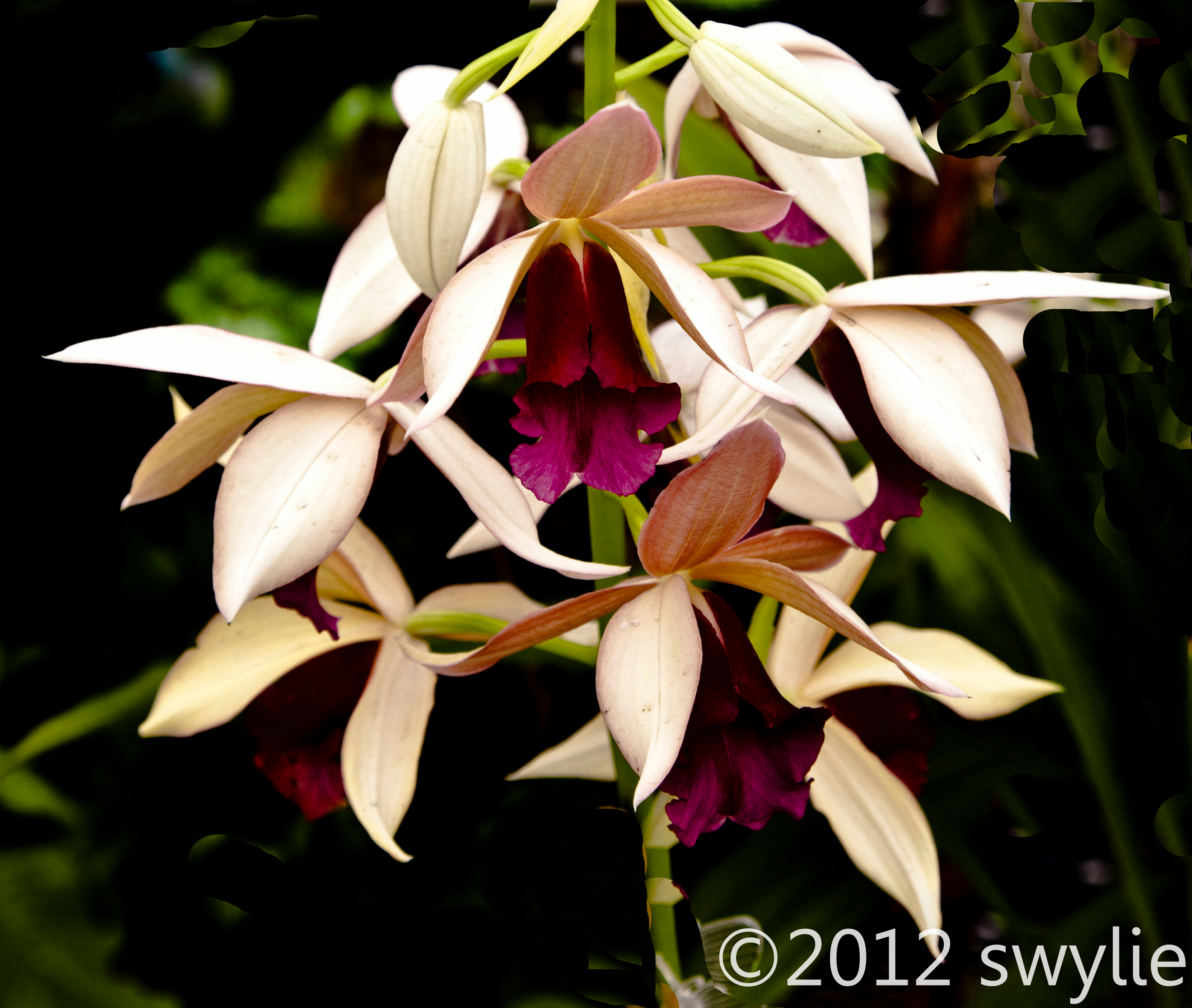

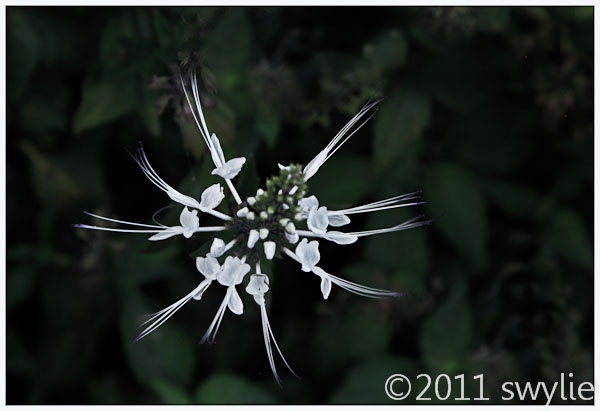
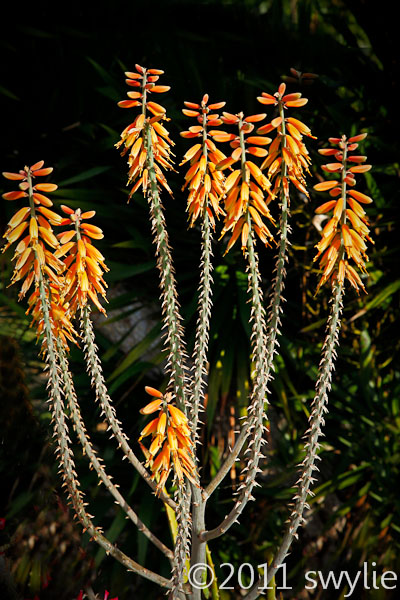
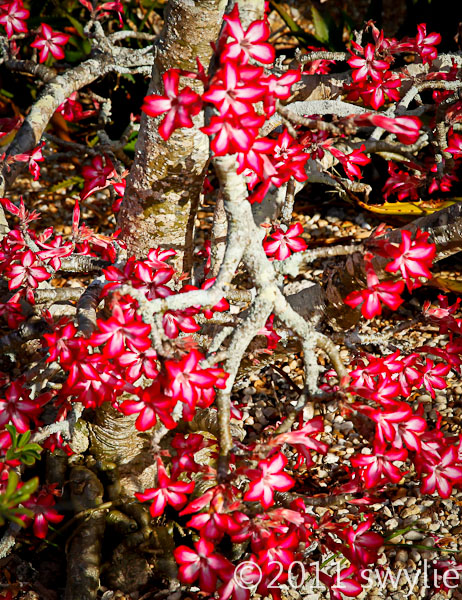
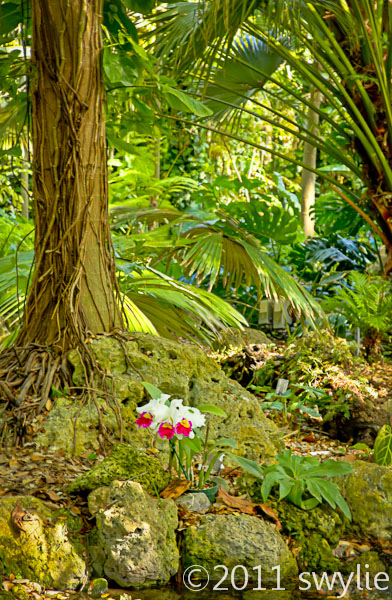
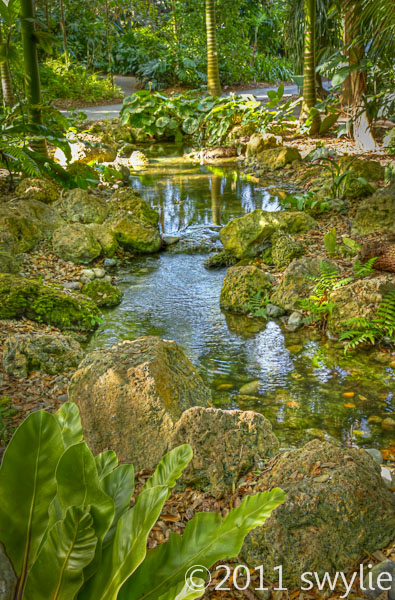


Fairchild is an 83-acre botanical garden with extensive rare tropical plants including palms, cycads, flowering trees, and vines. It has recently added a butterfly garden visible from the restaurant. They post a monthly publication listing which flowers are currently in bloom.
FTBG works with the community in growing one million orchids for the city and with NASA in developing a sustainable food source for space travel. Schools have found several new candidate plants for growing aboard spacecraft.
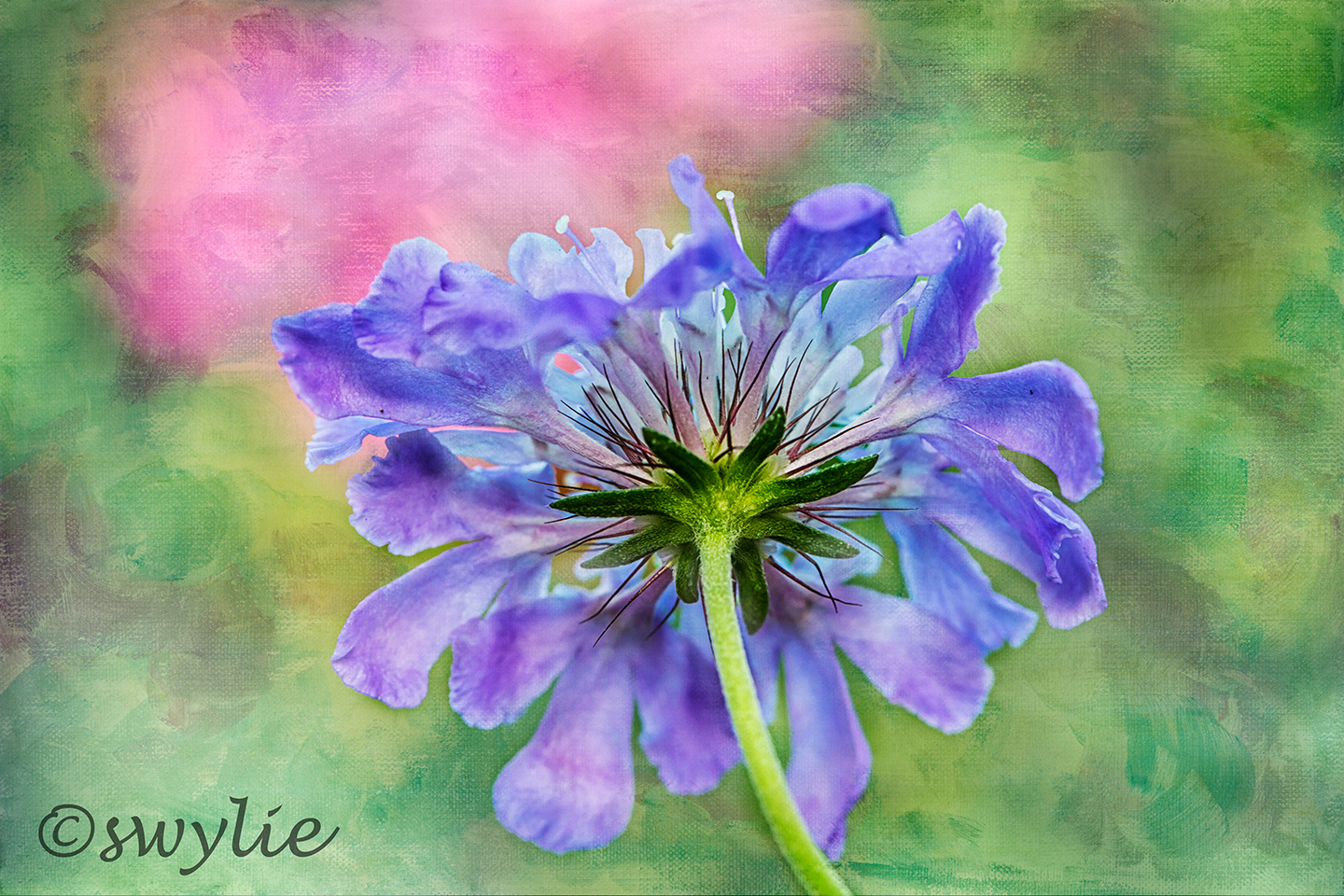

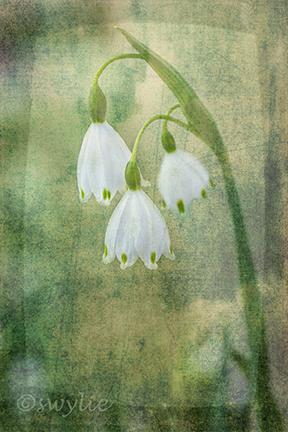
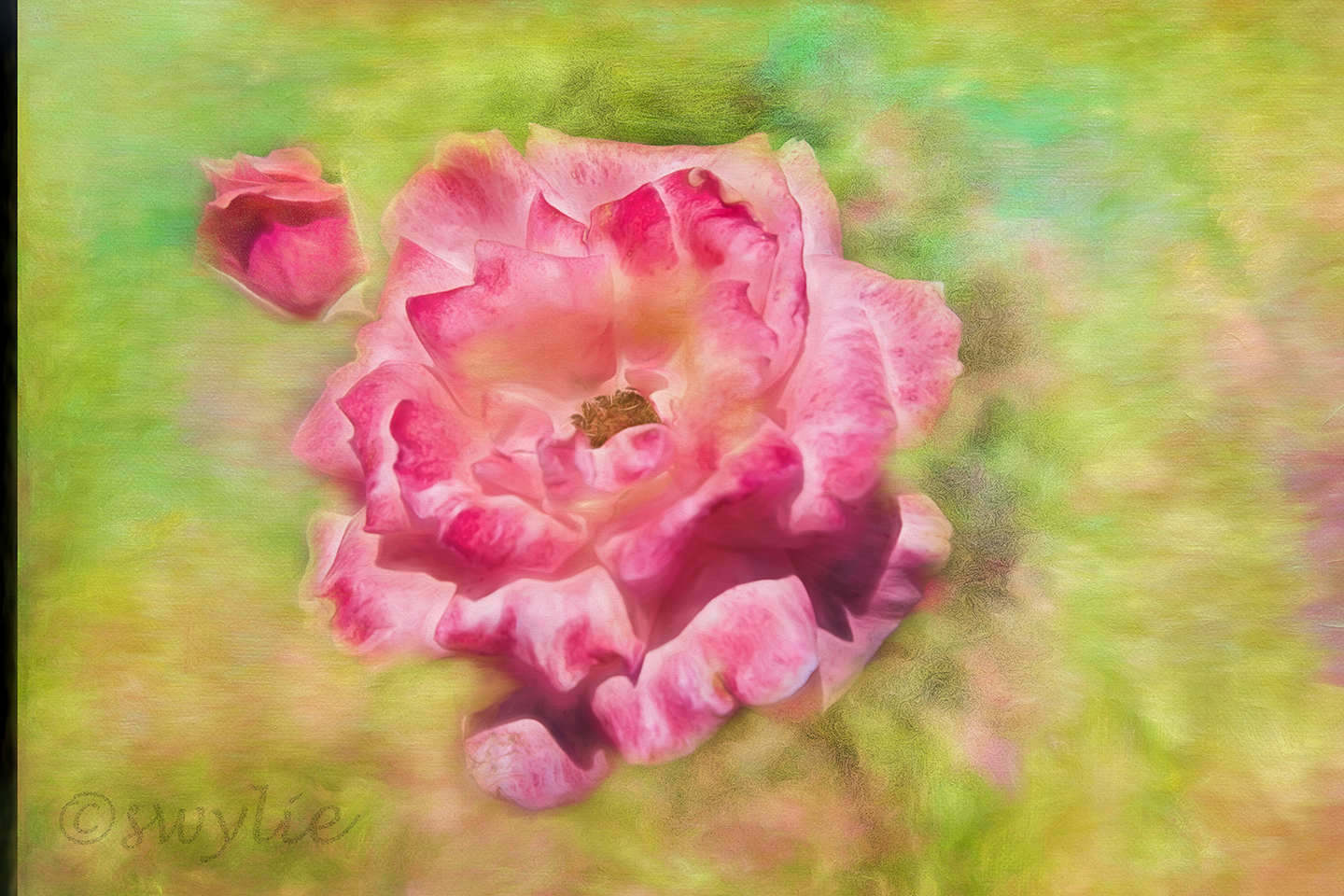
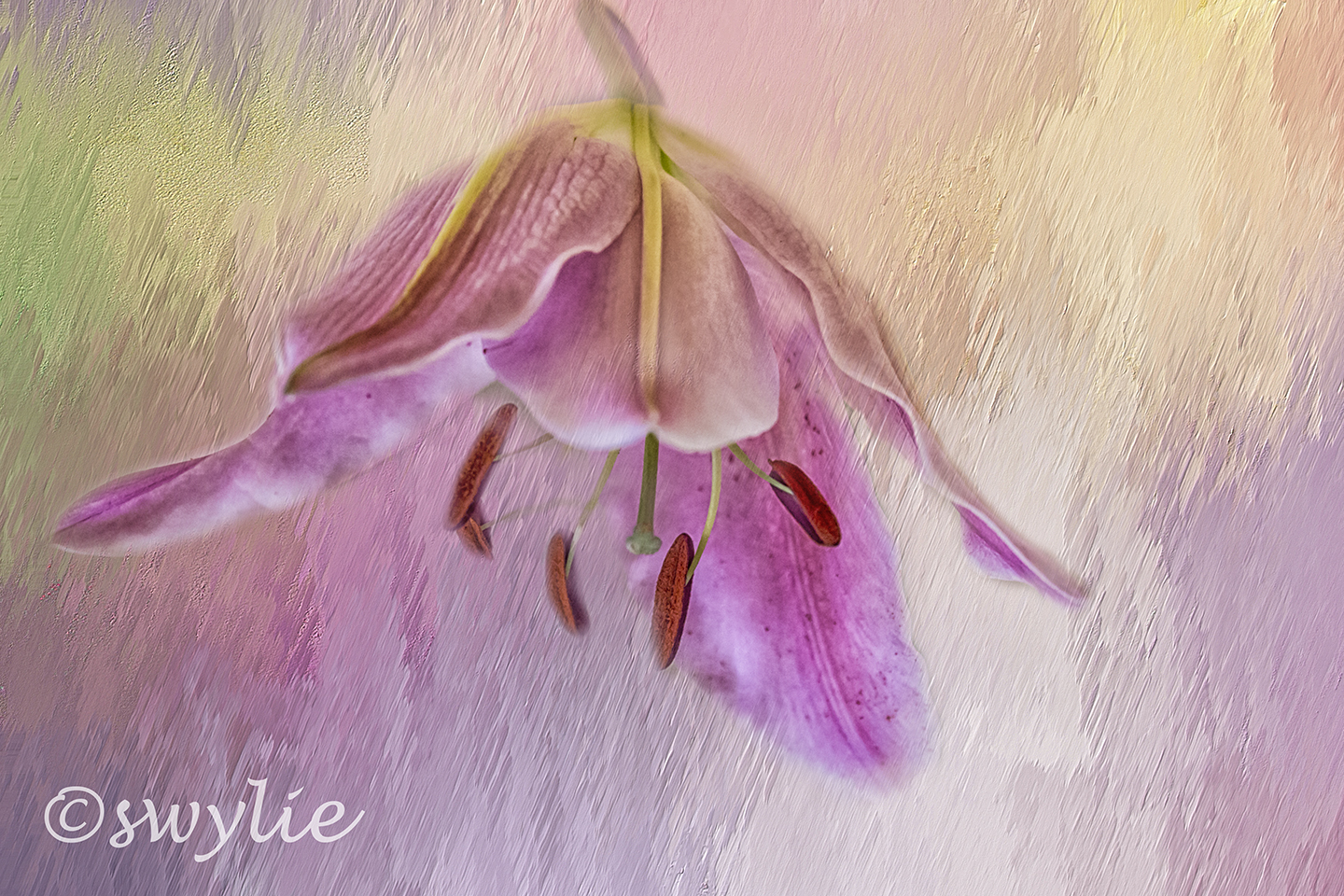
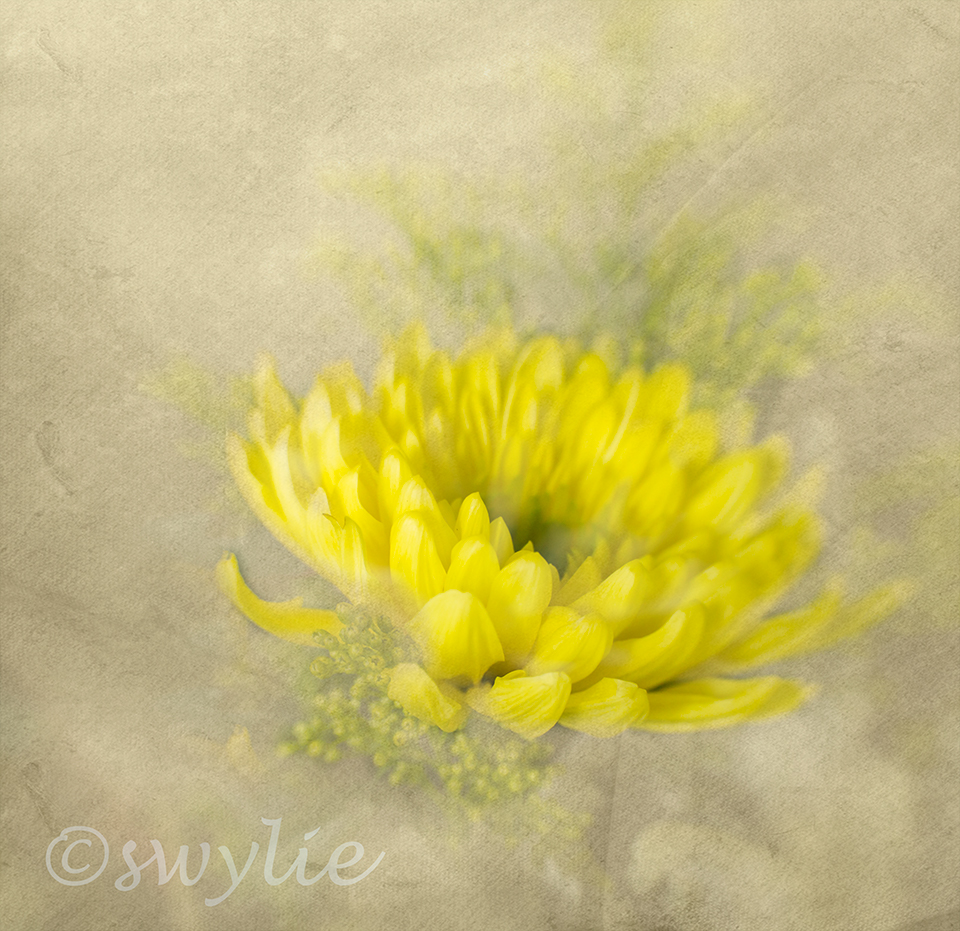
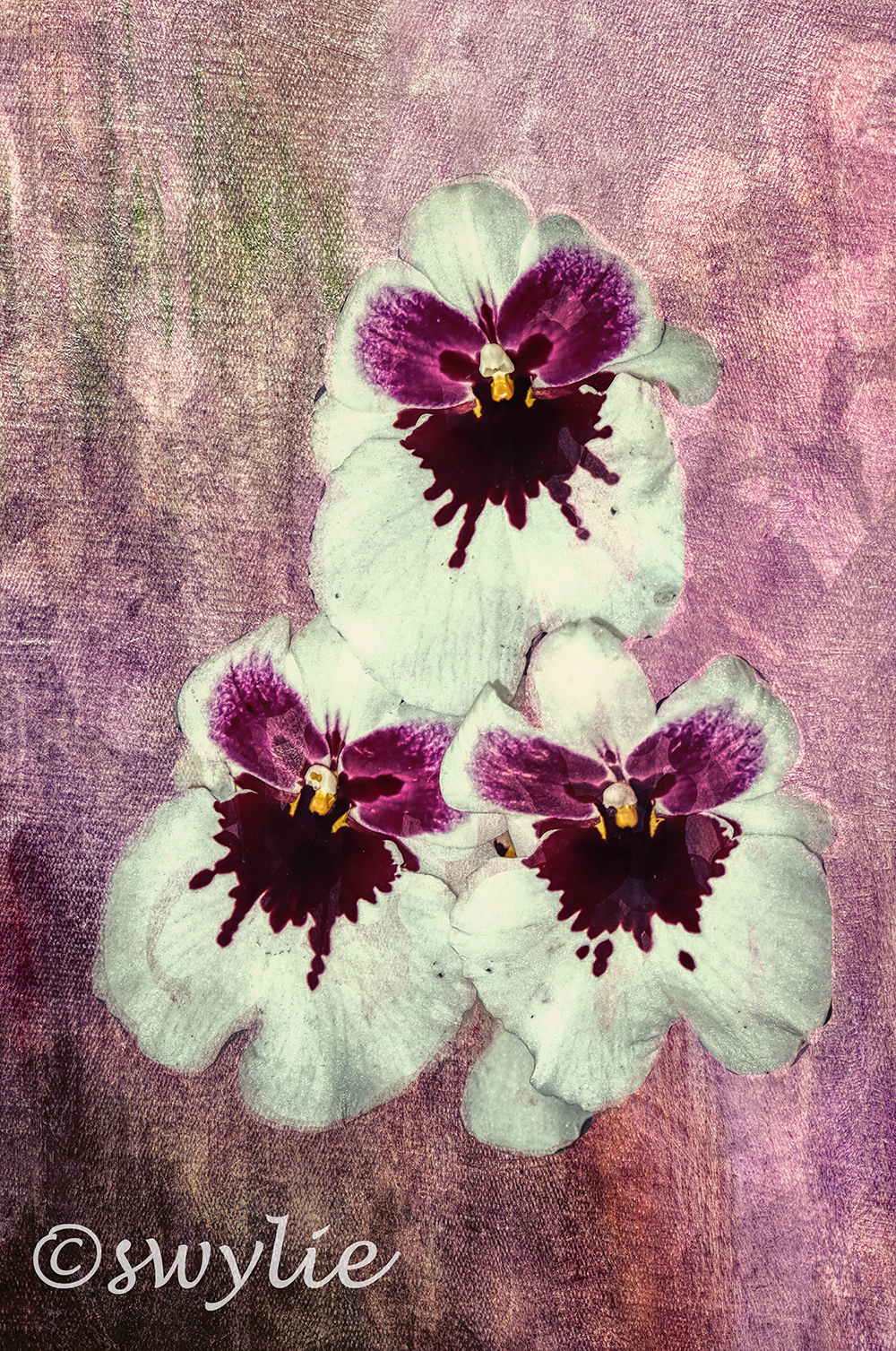
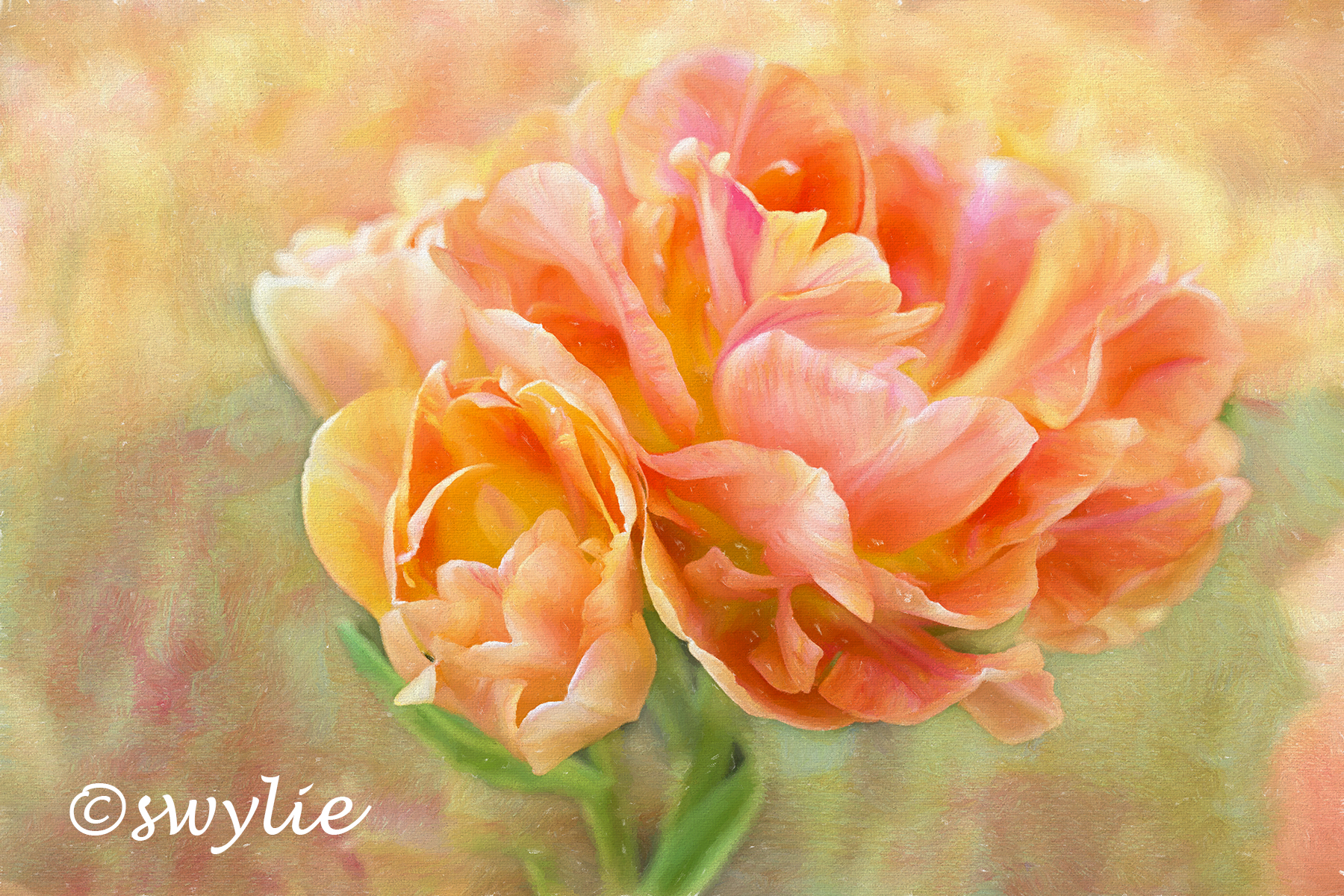
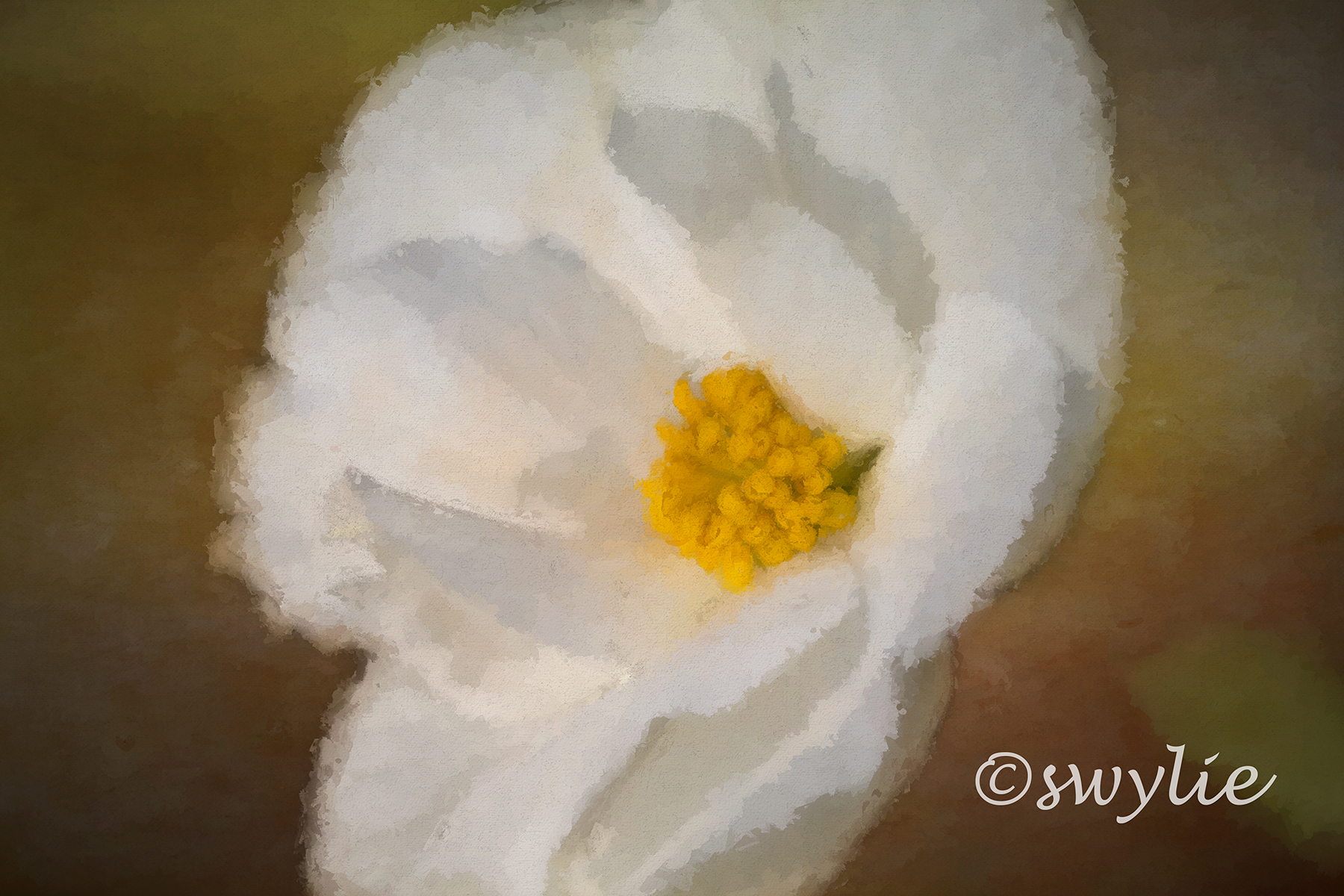


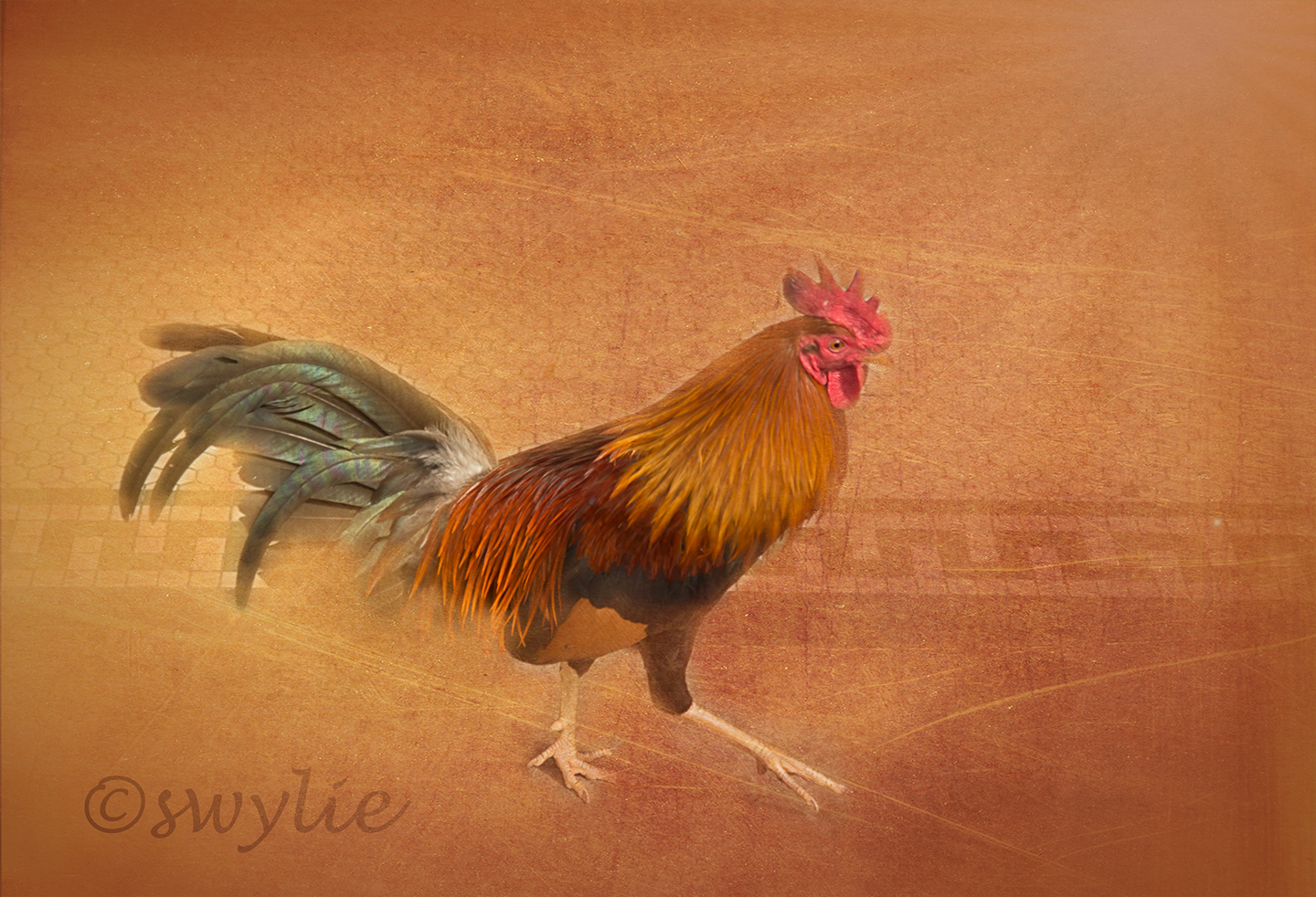
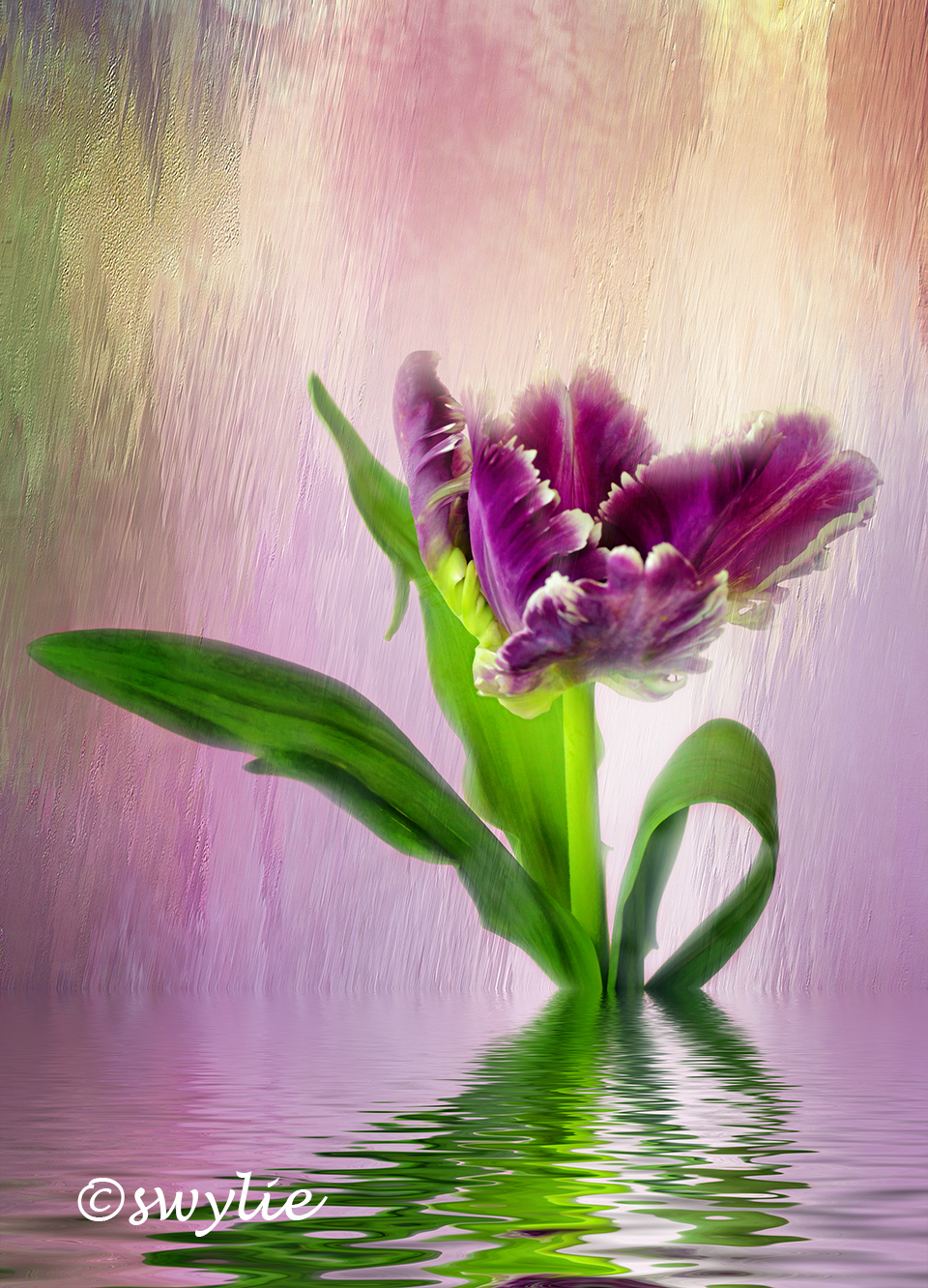

With textures and post-processing techniques it is possible to create evocative, artistic images. Various software and plug-ins such as Nik, Topaz, Flaming Pear, and Photoshop can produce the gossamer, vapory affect. Most photos were taken with a macro lens. Another lens that gives a soft, ephemeral look is the Lens Baby where only a small portion of the image is in focus.


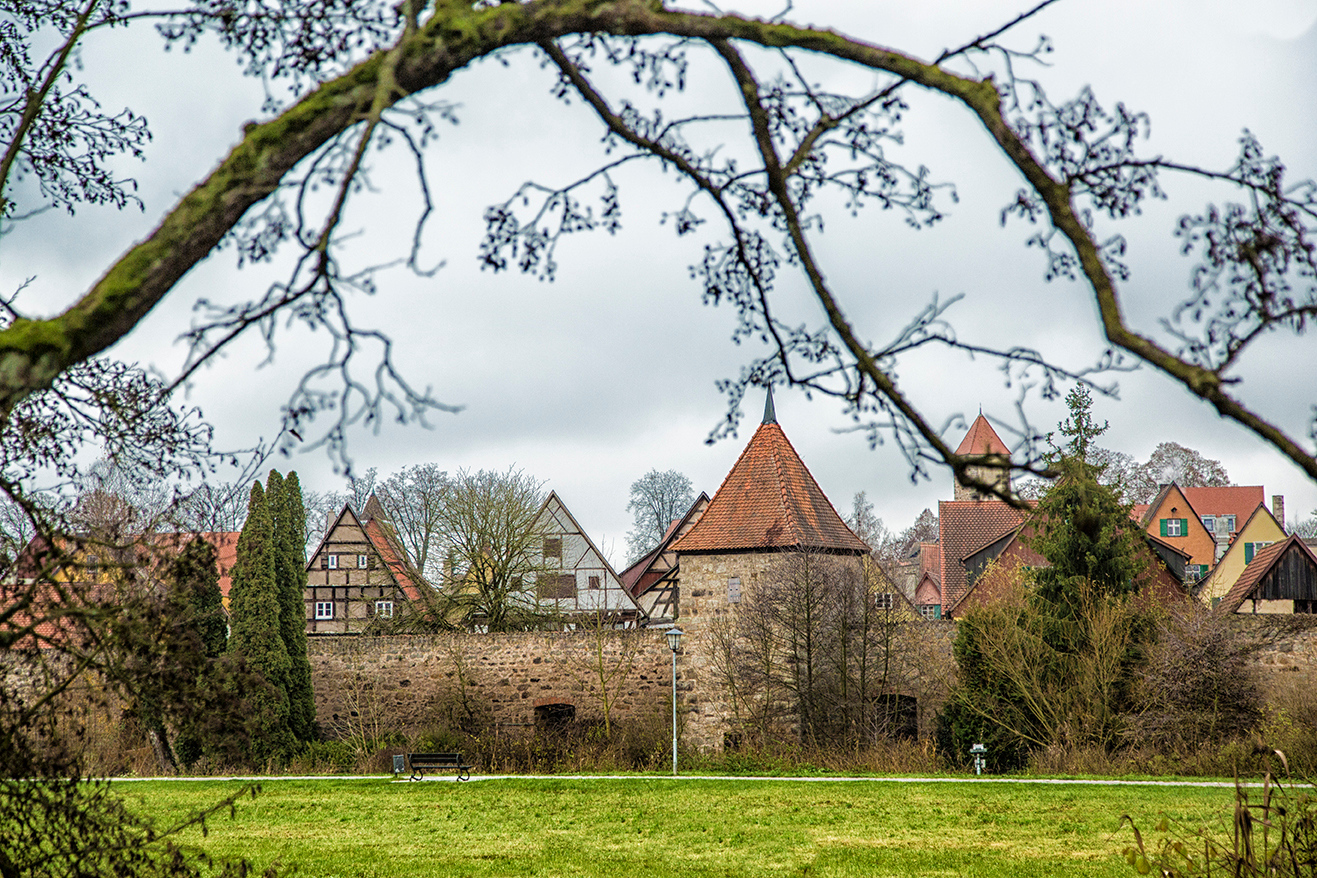
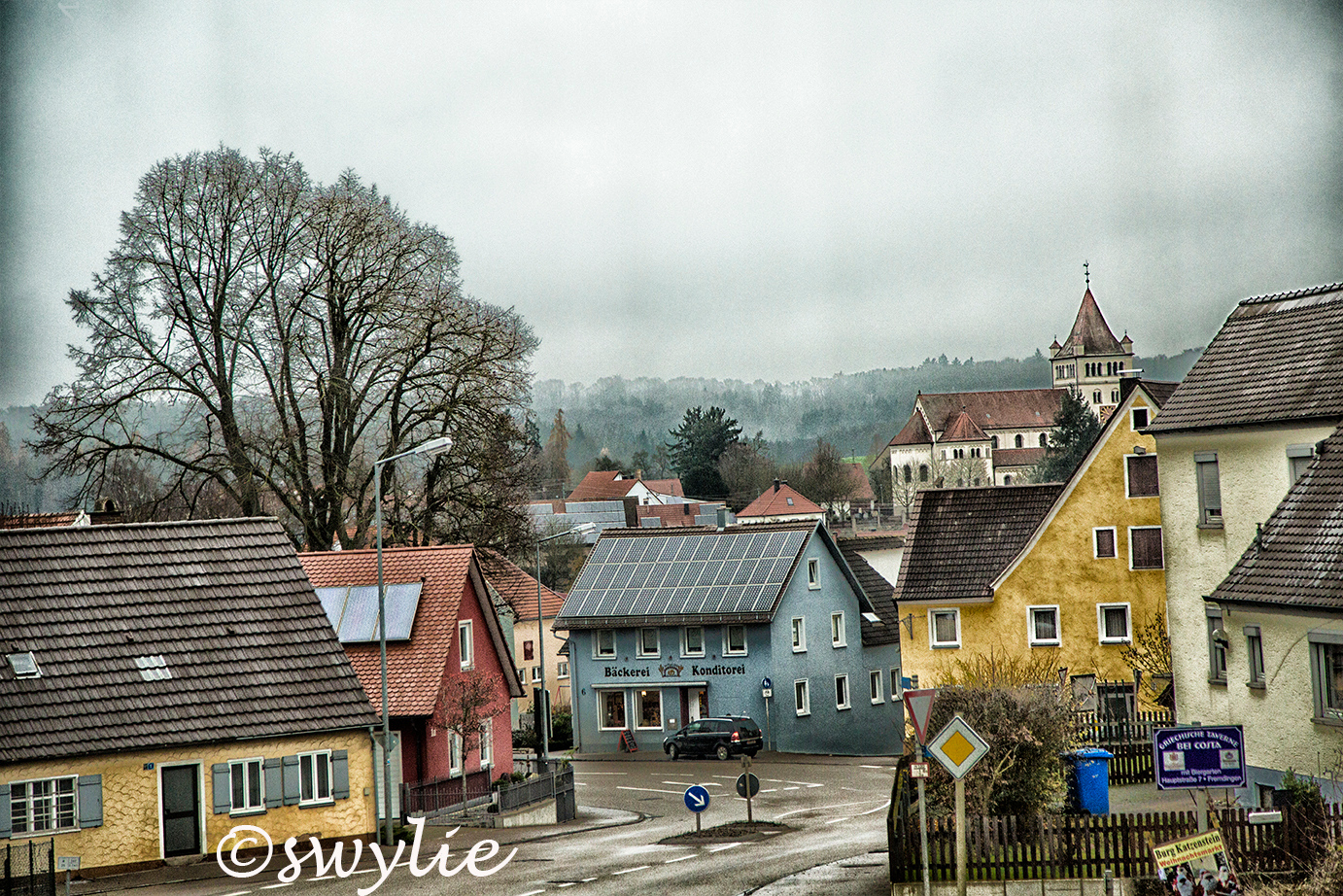
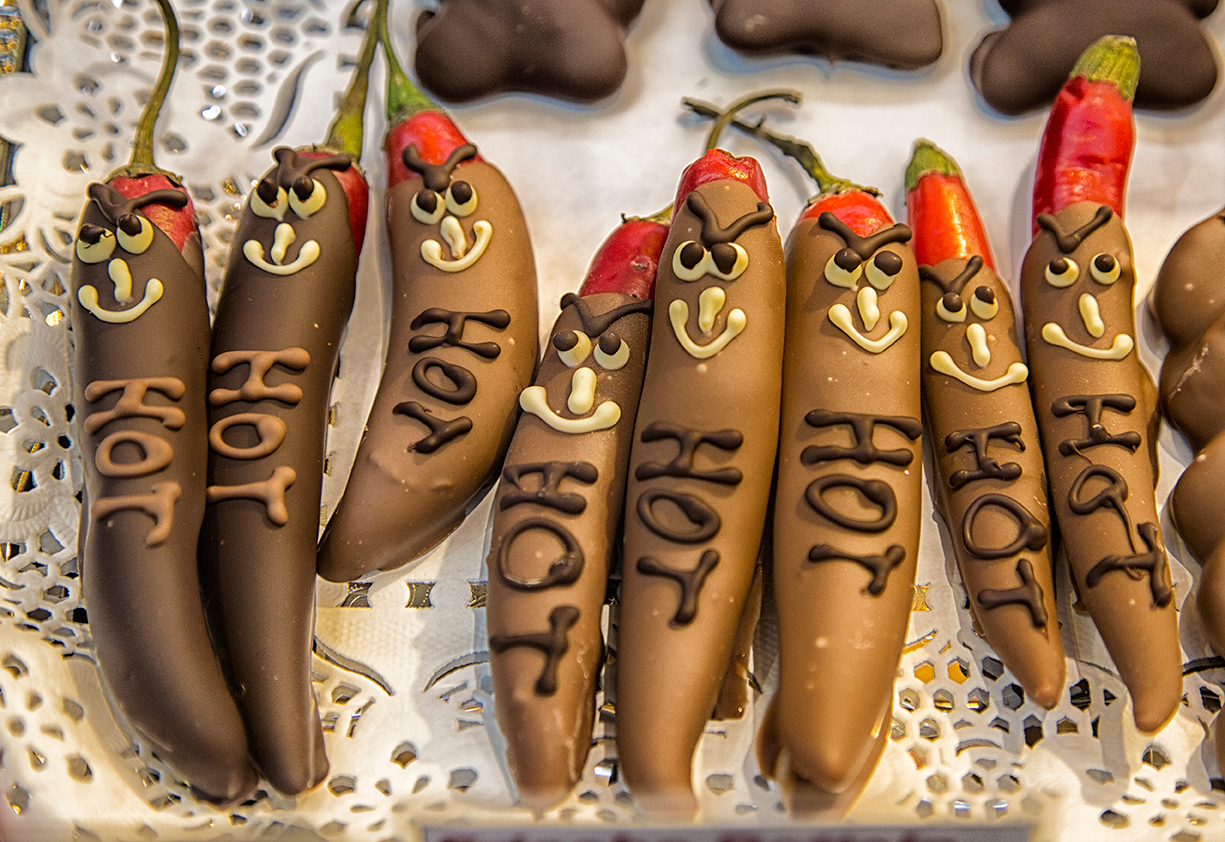

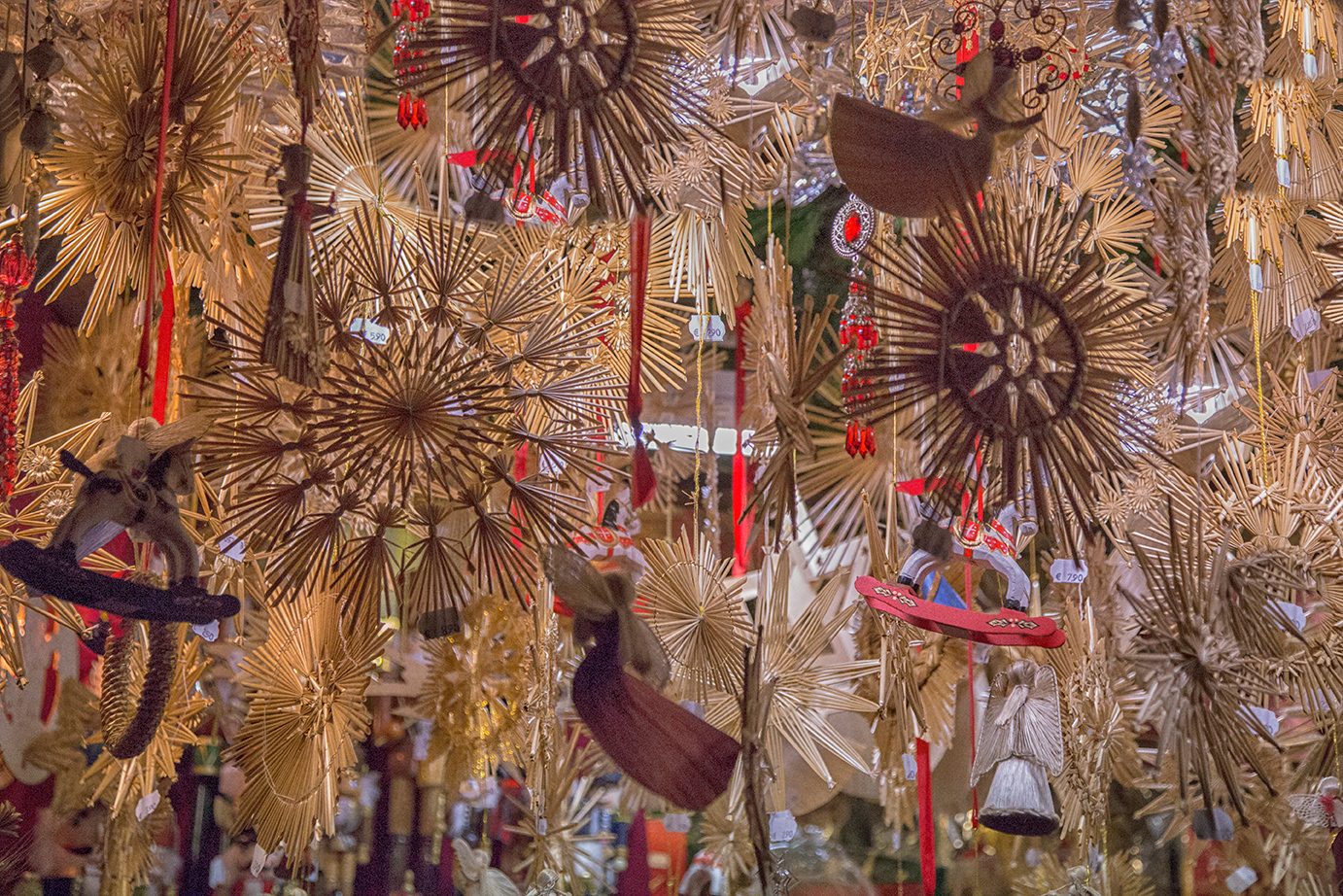
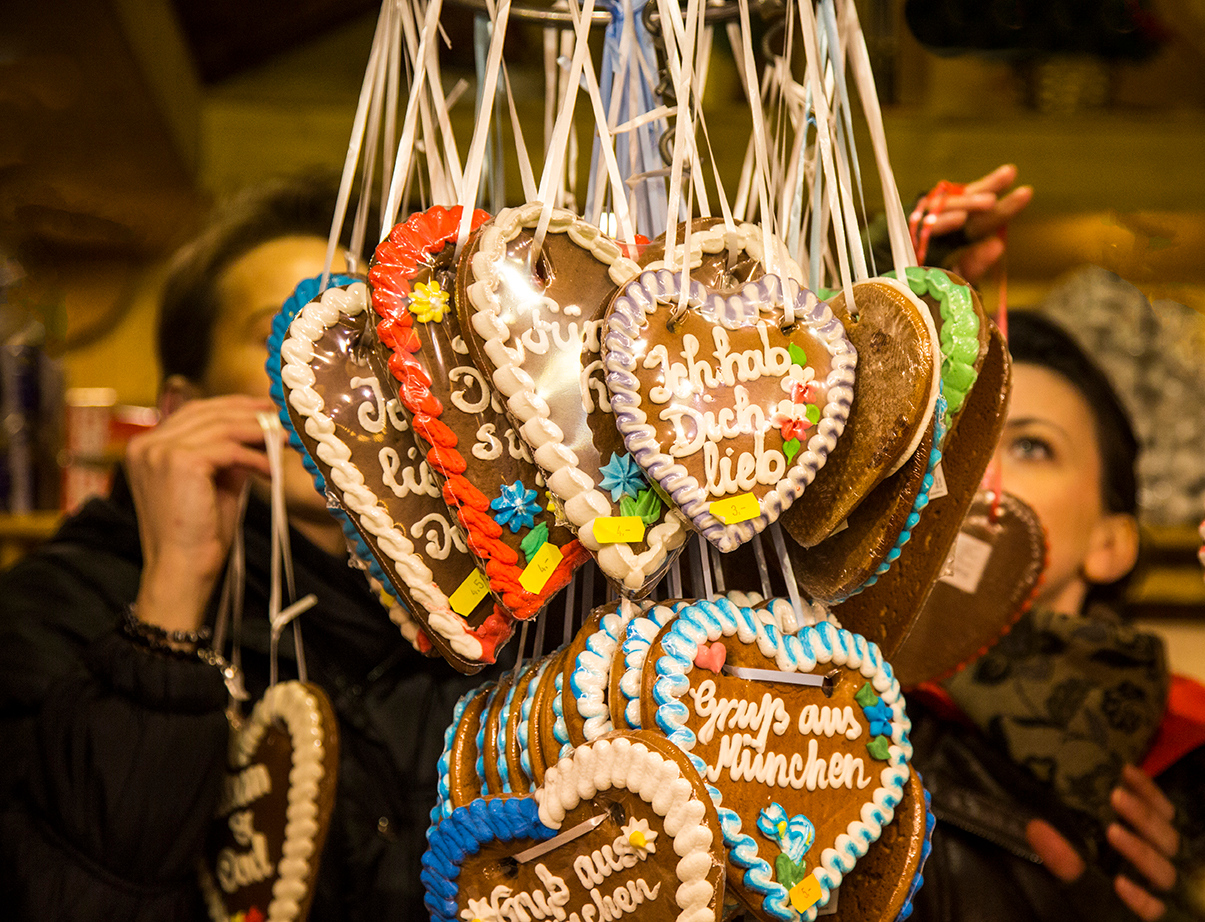
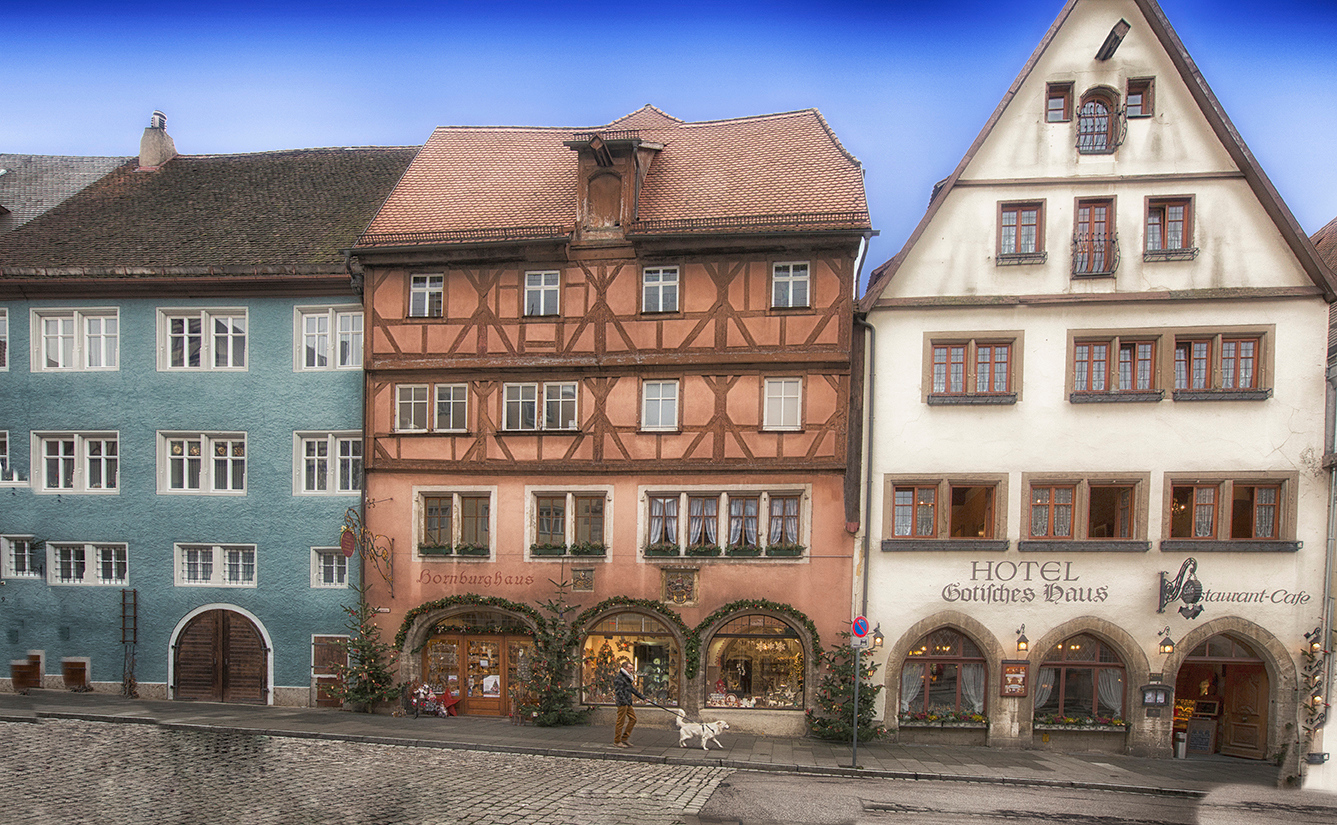


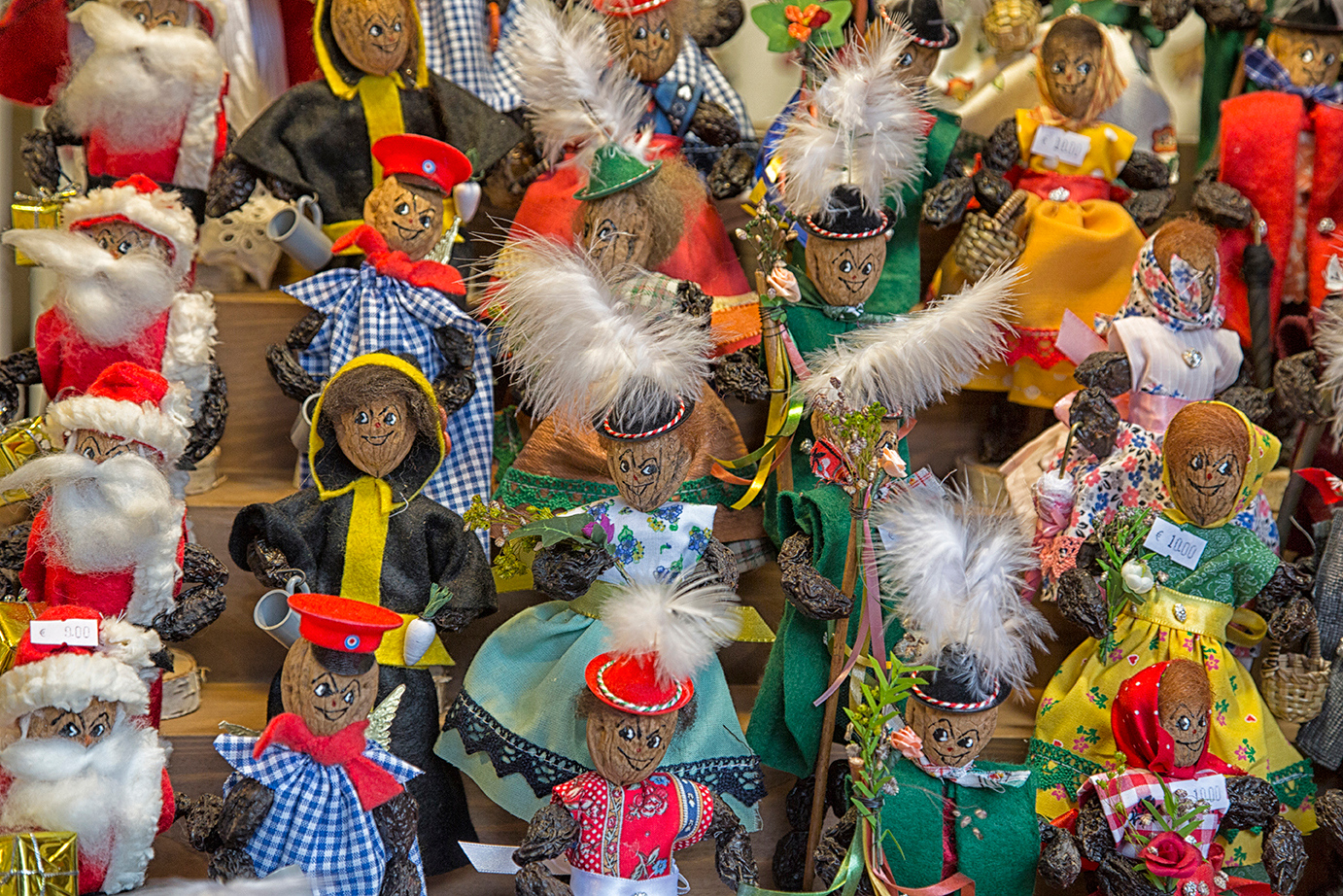


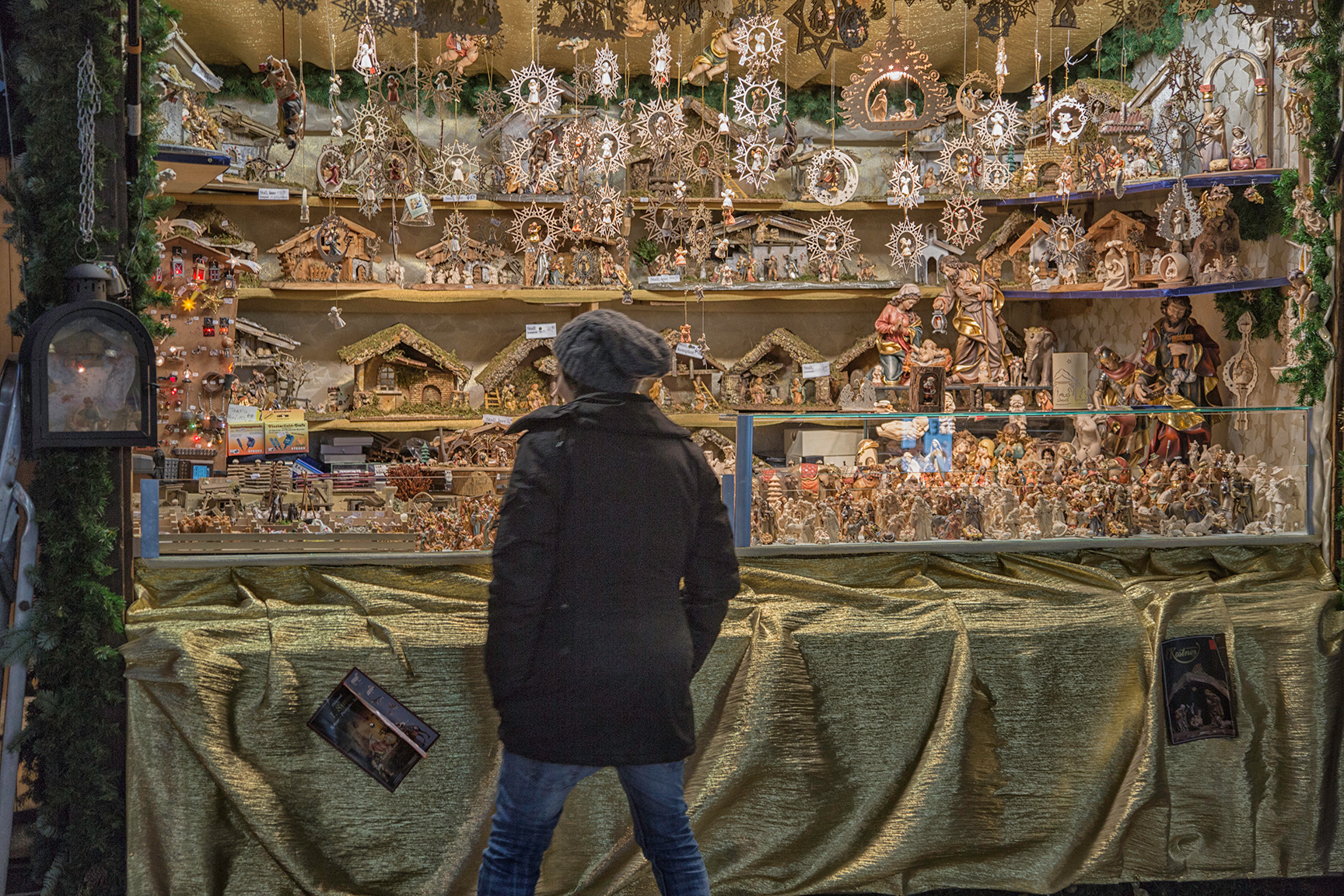


Munich’s Christmas Market’s roots go back to the 14th century. Town records first mention a “Nicholas Market” near the Church of our Lady in 1642. They still offer traditional Bavarian gifts, including woodcarvings, gingerbread, crib figurines, beeswax candles, and chimney sweeps made of plums and almonds. The largest Christmas market is Old Town in Nuremberg. Decorated in Christmas regalia and permeated with the aroma of mulled wine, roasted almonds, and gingerbread, shoppers hurry from stall to stall gathering unique gifts. Other fairytale villages along the meandering Romantic Road are Rothenburg and Dinkelsbuehl.


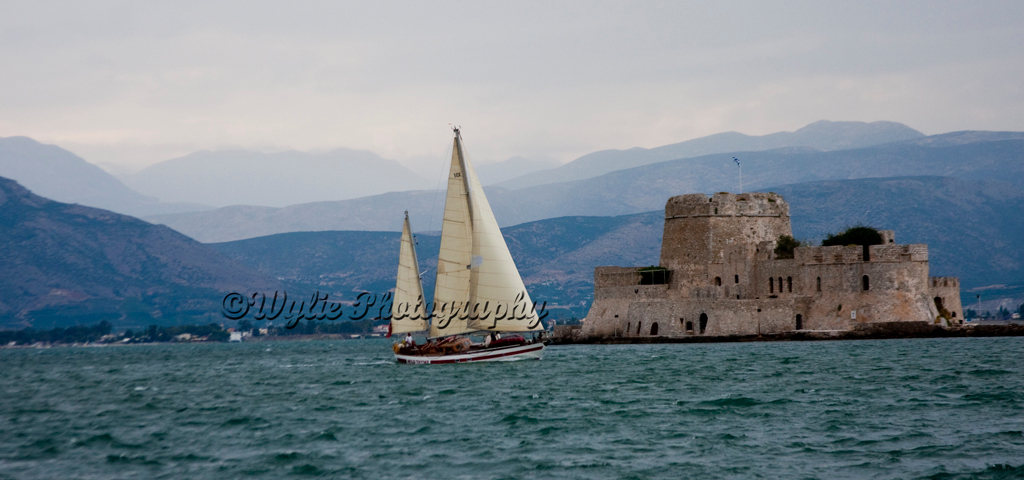


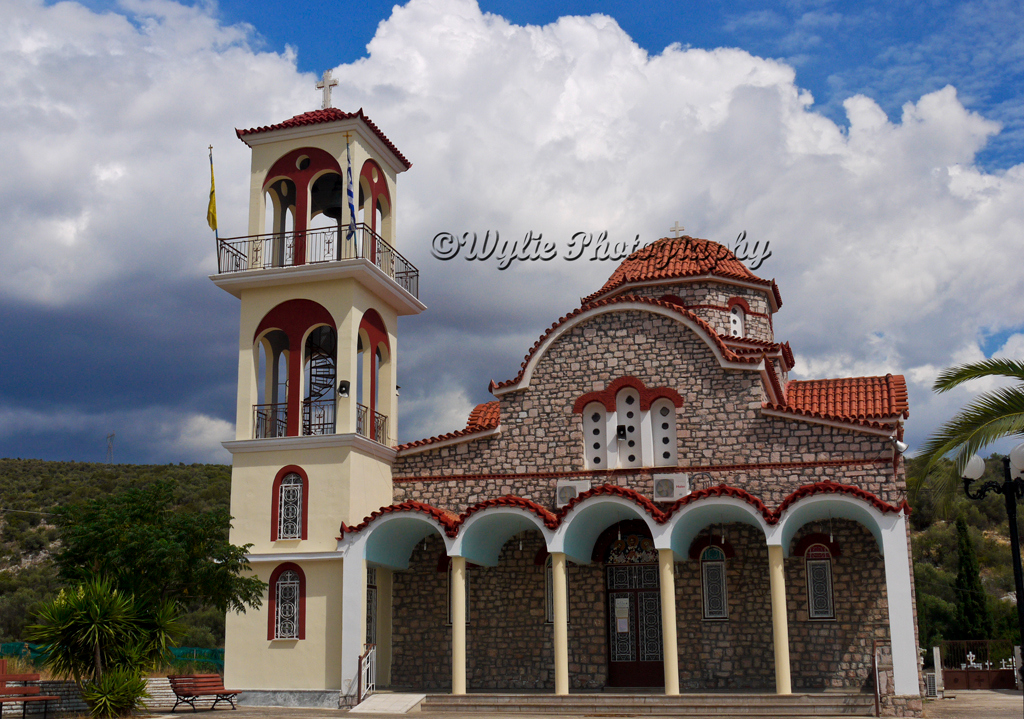
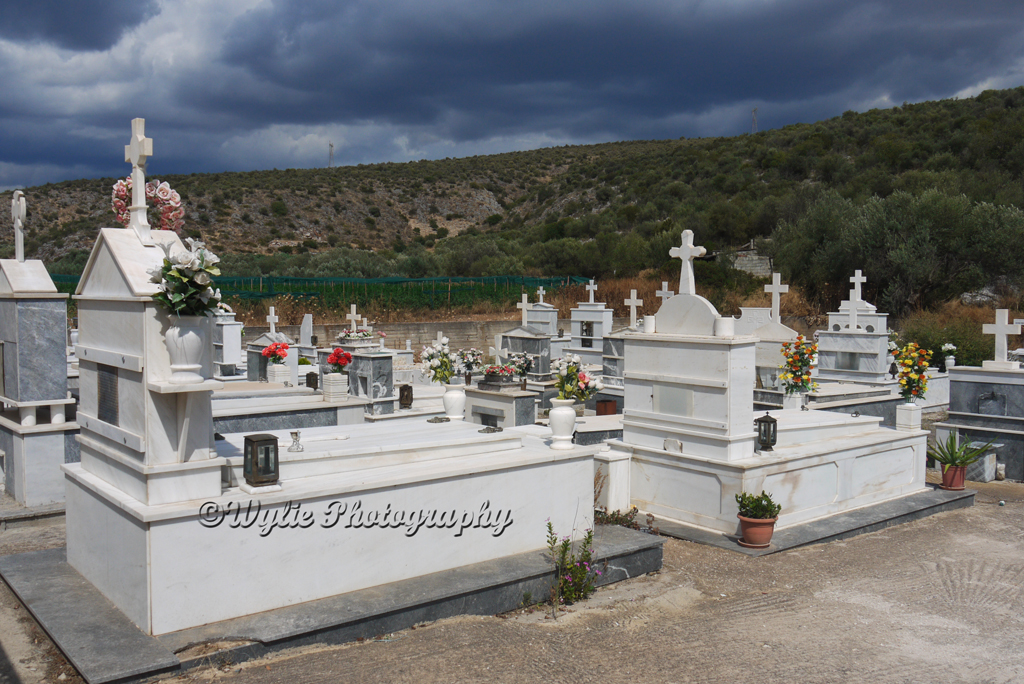
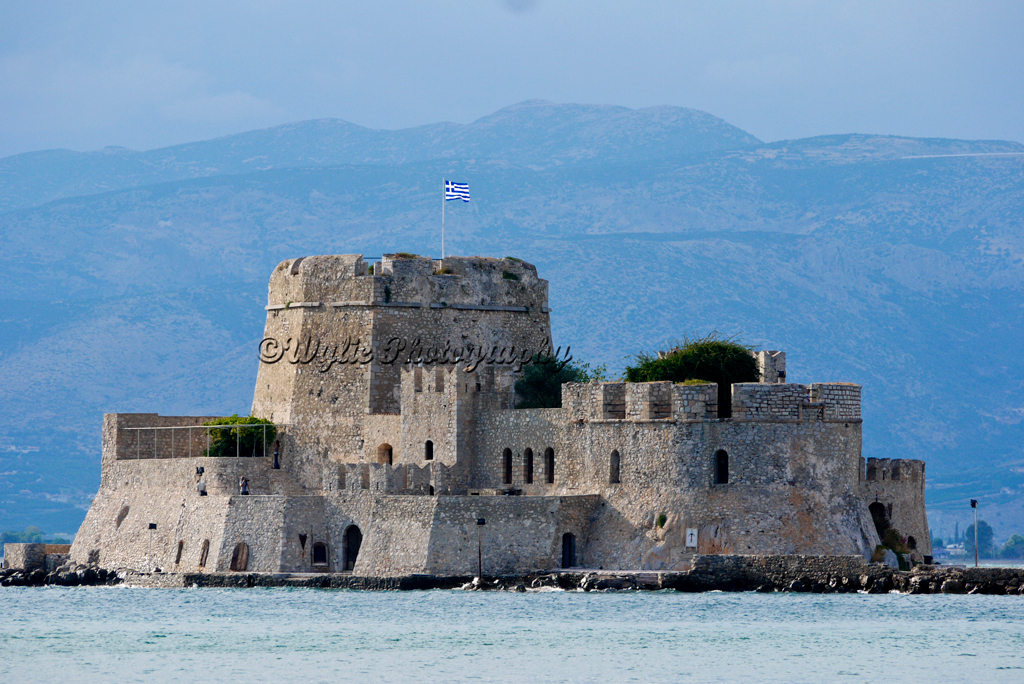


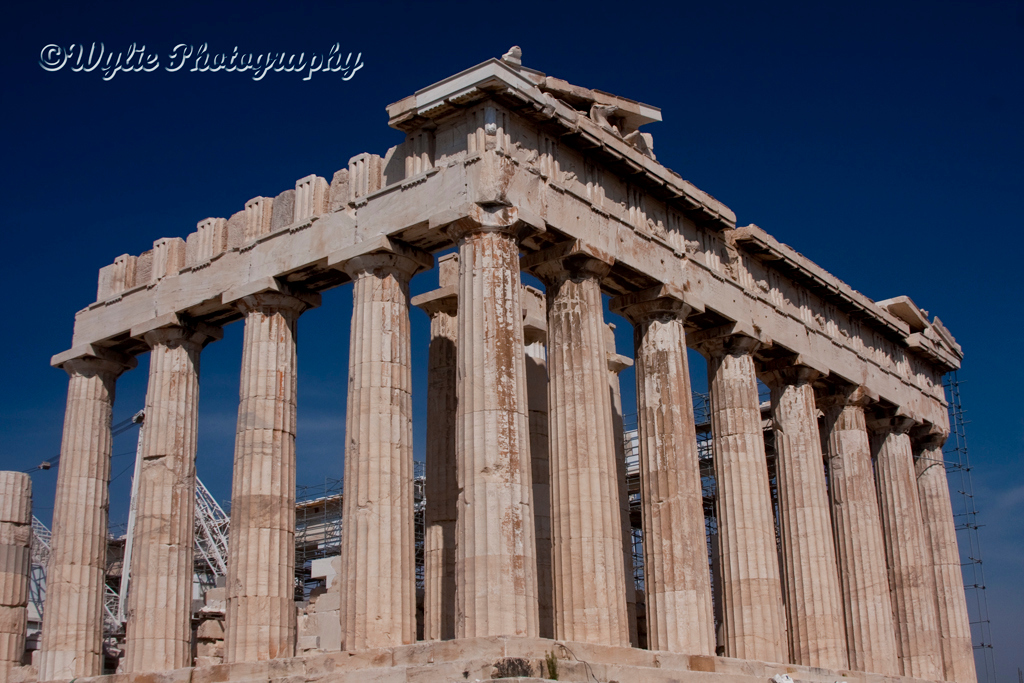

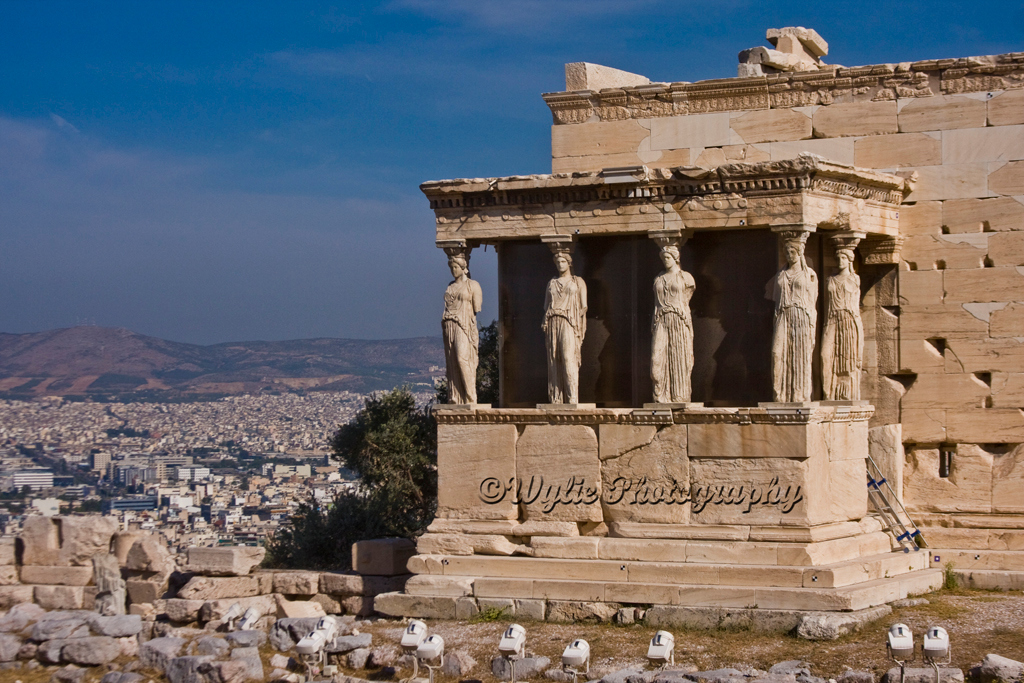


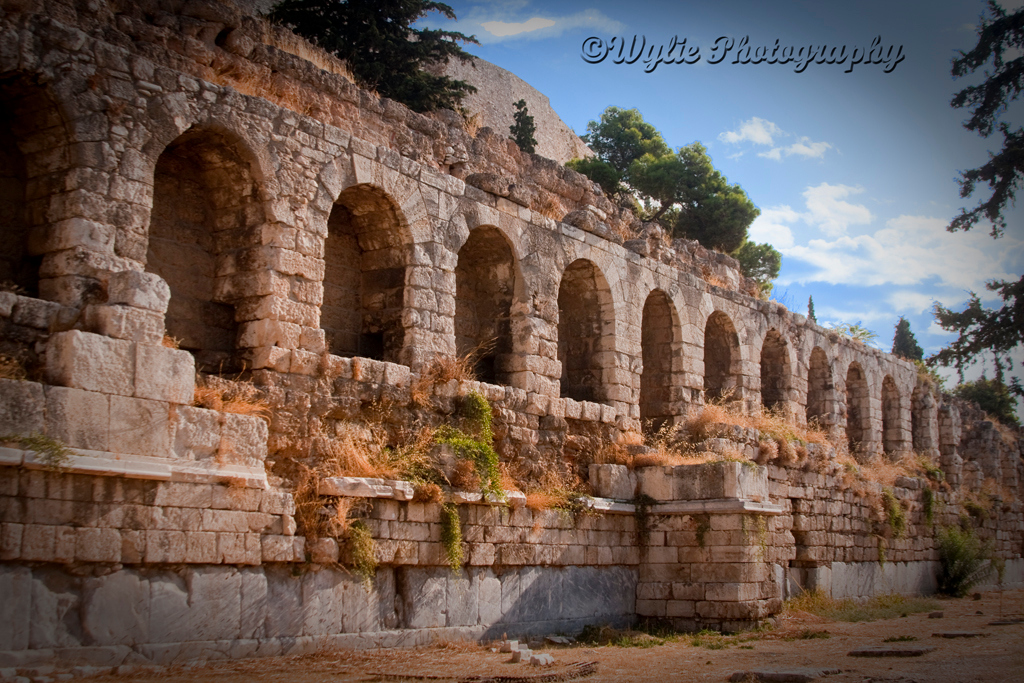

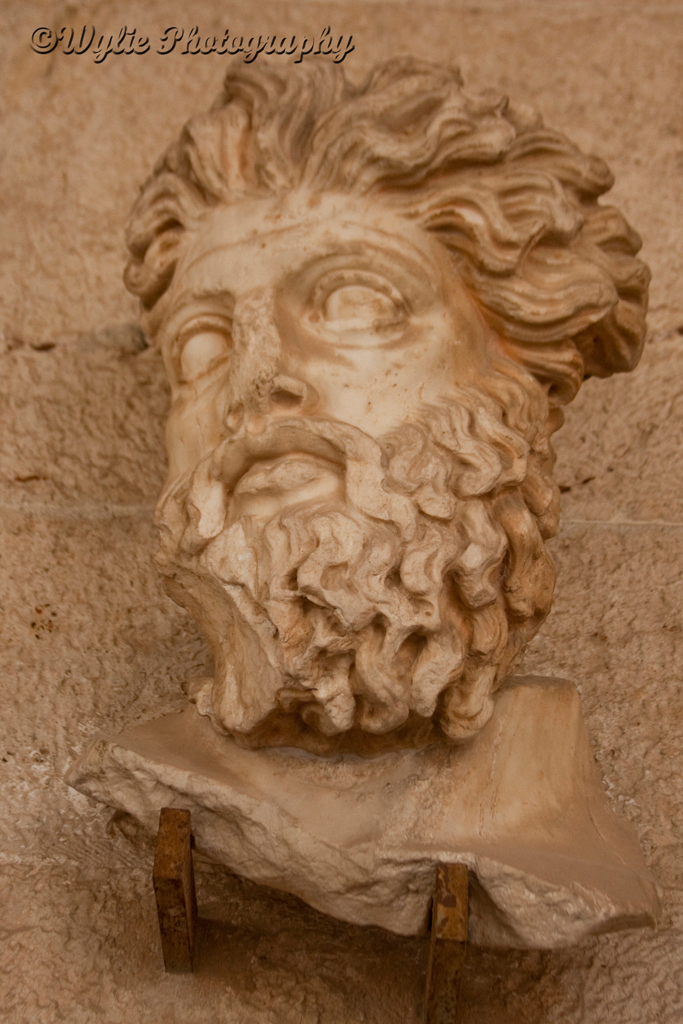
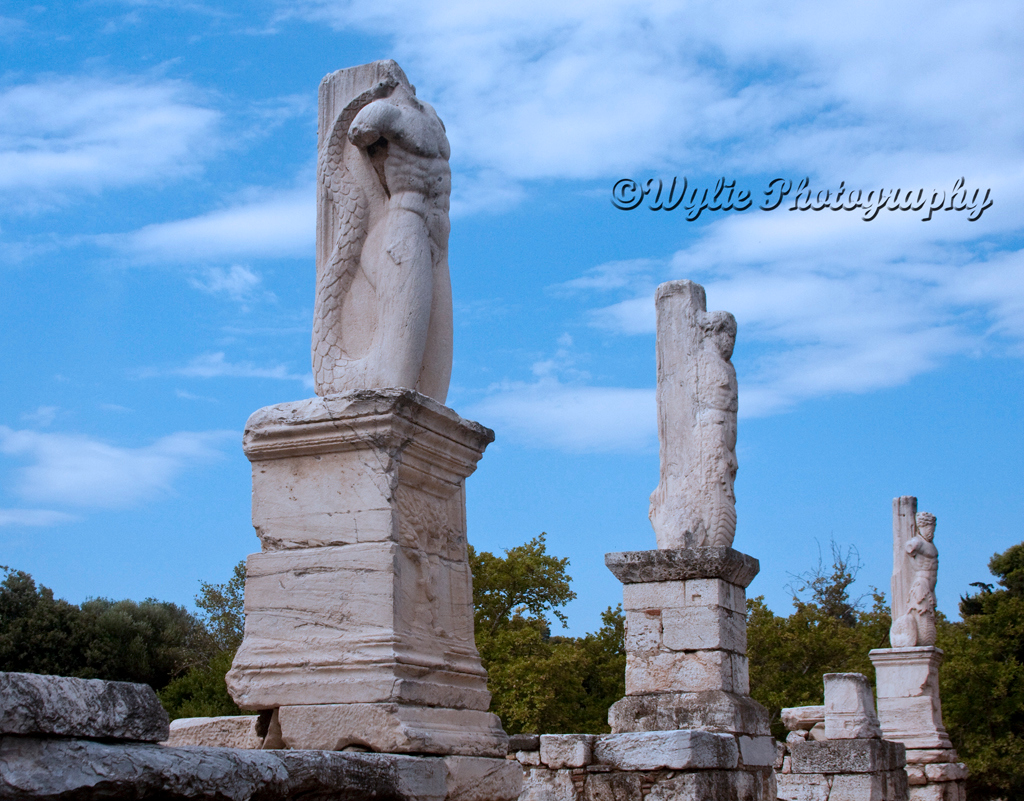

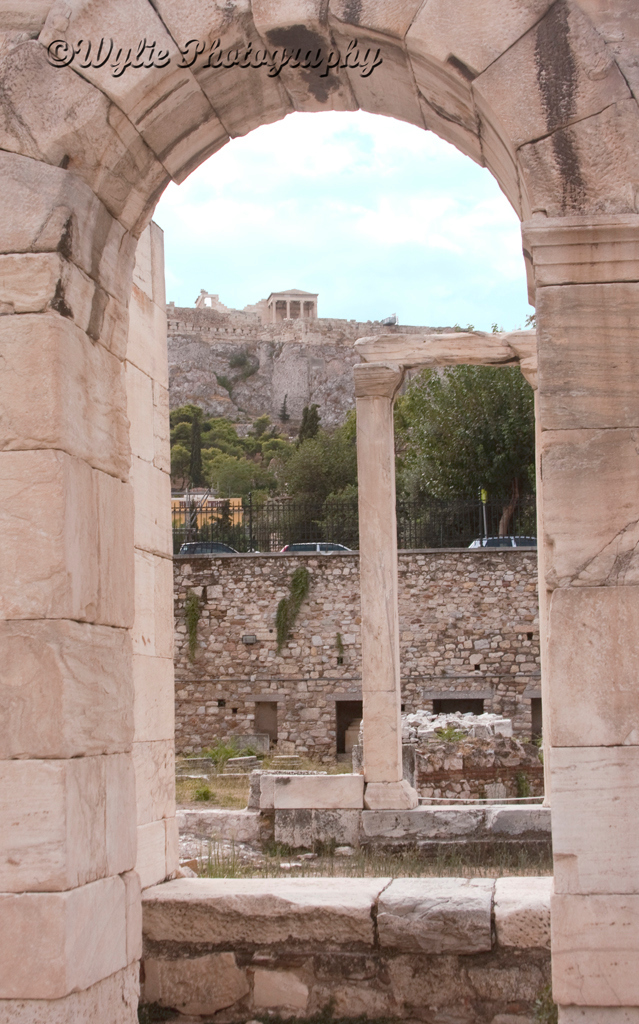
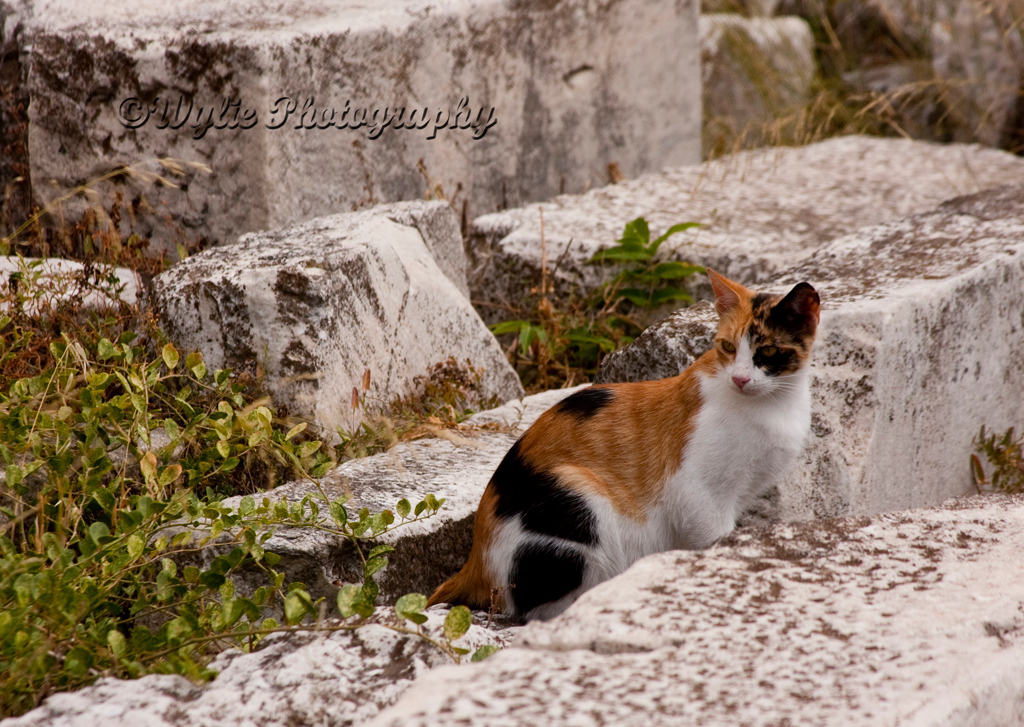
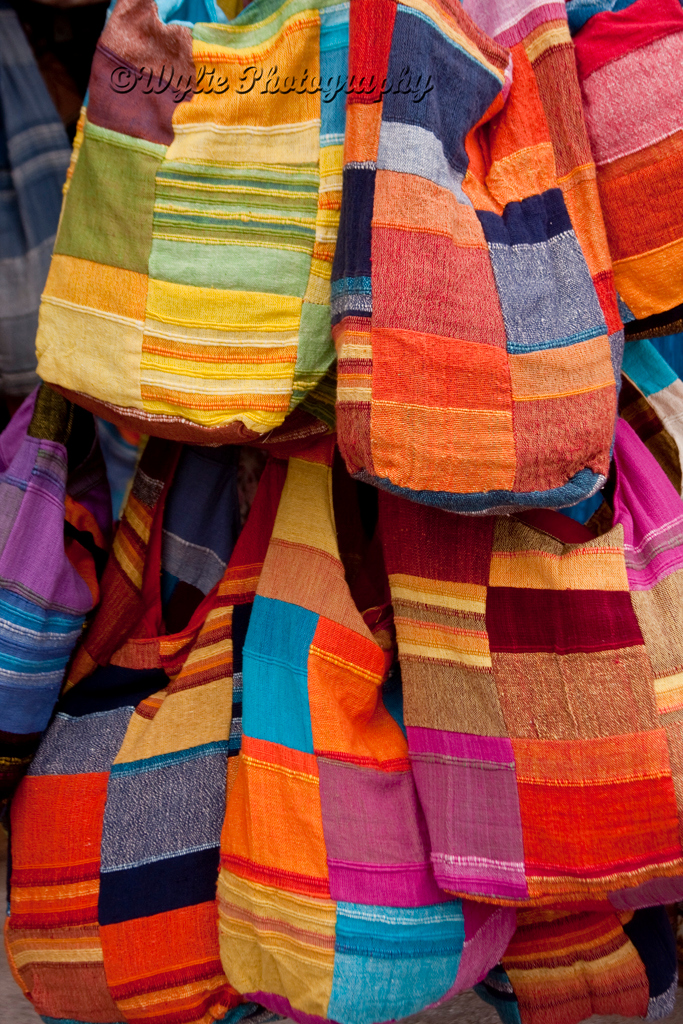


Epidarius in the Peloponnese was built in the 4th century BC. The theater is renowned for its perfect acoustics holding an audience of 14,000. Nafplio, charming with narrow streets, is punctuated with sidewalk cafes. A 15th century island fortress is the town’s centerpiece. Mycenae, built in the 13th century BC is an important site referred to in Greek mythology. On the slopes of the Parnassos Mountains, Delphi was the center of the Greek universe where resided the temple of Apollo. In Meteora means“ rocks in the air”, where monasteries perch on the sides of cliffs. Among the ruins In Athens are the ancient “agora” or marketplace and the Parthenon on the Acropolis.
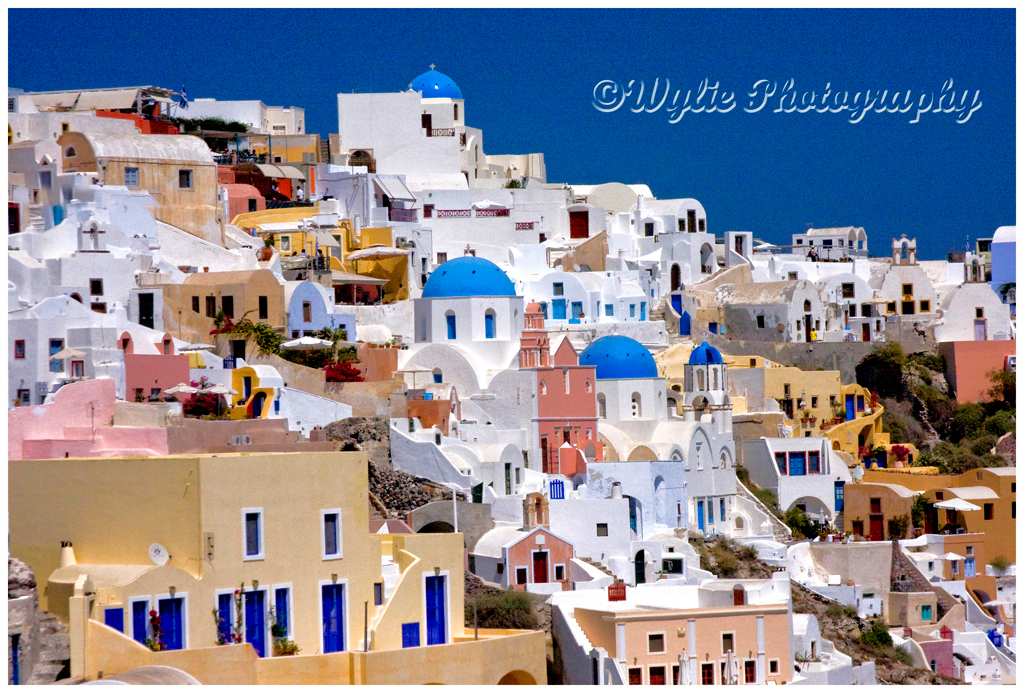

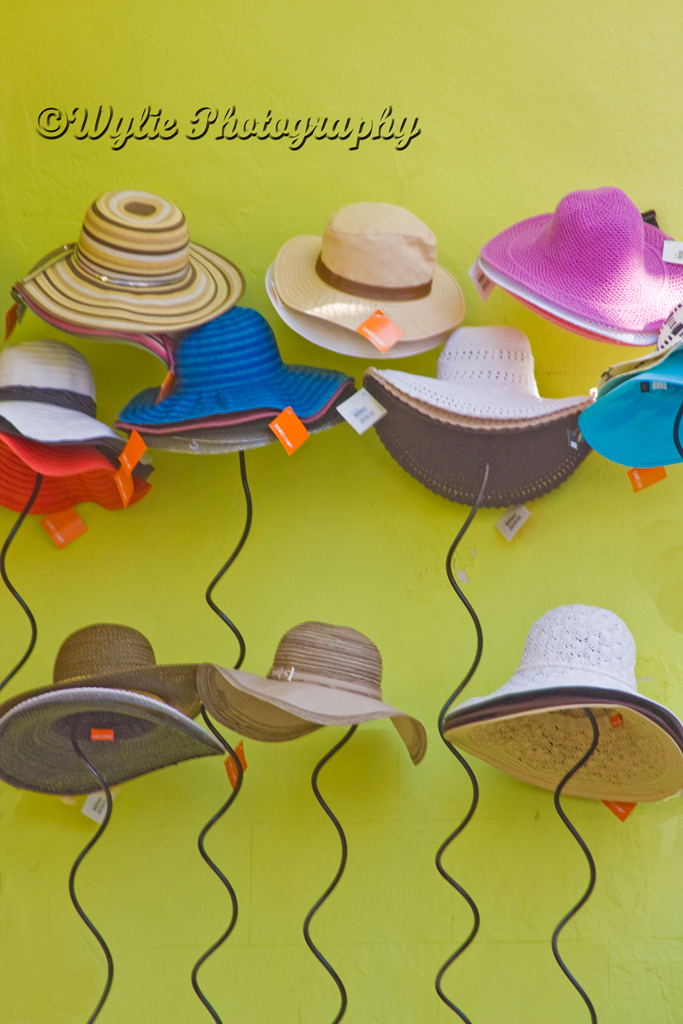
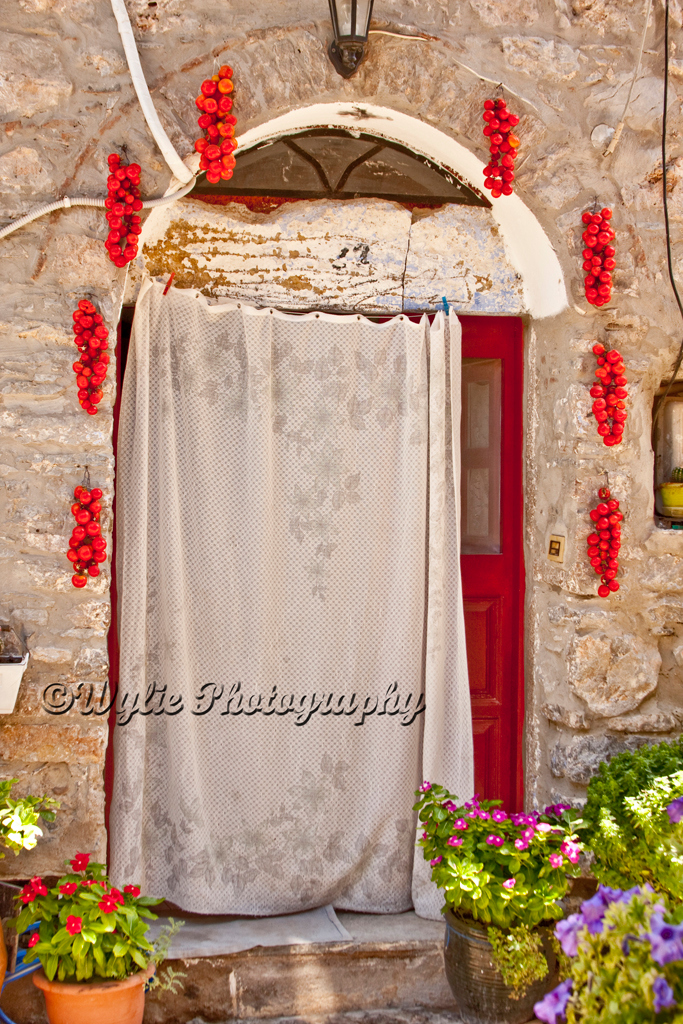
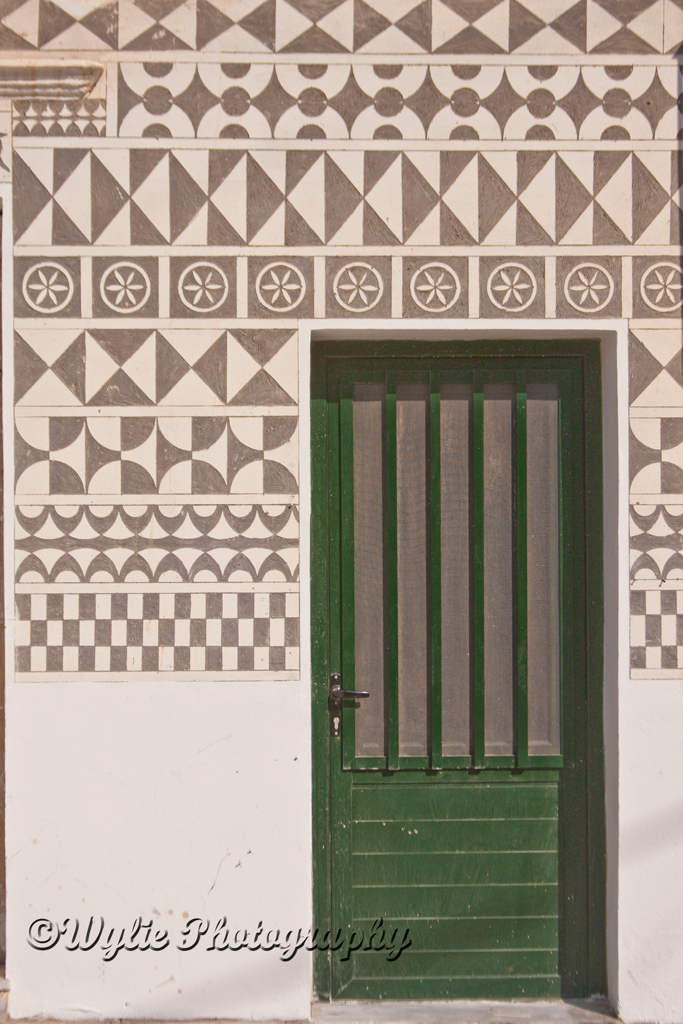


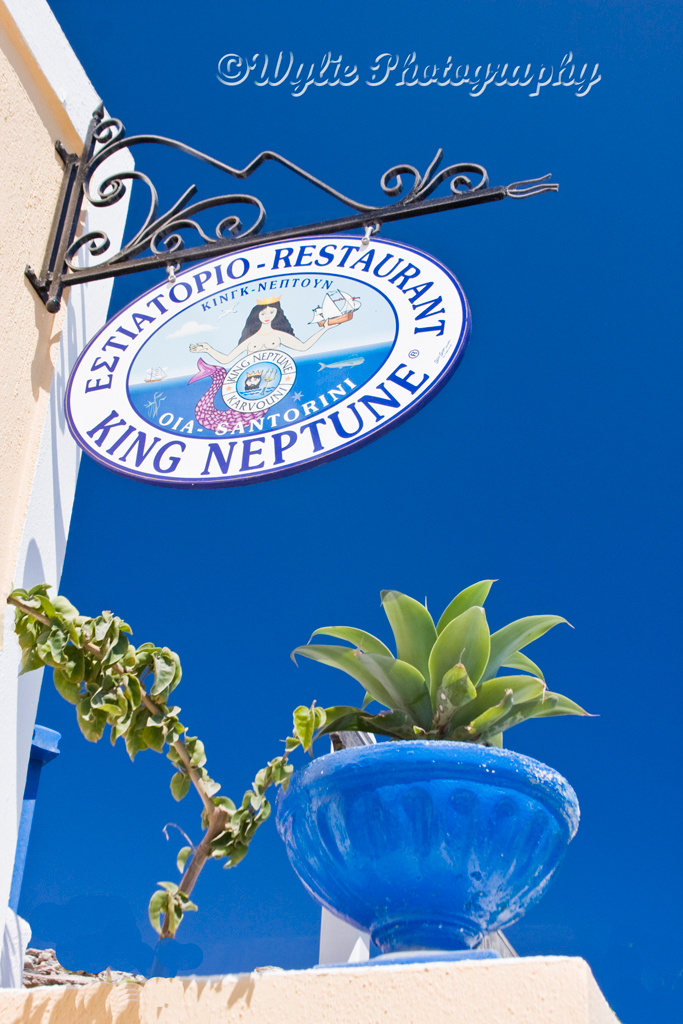


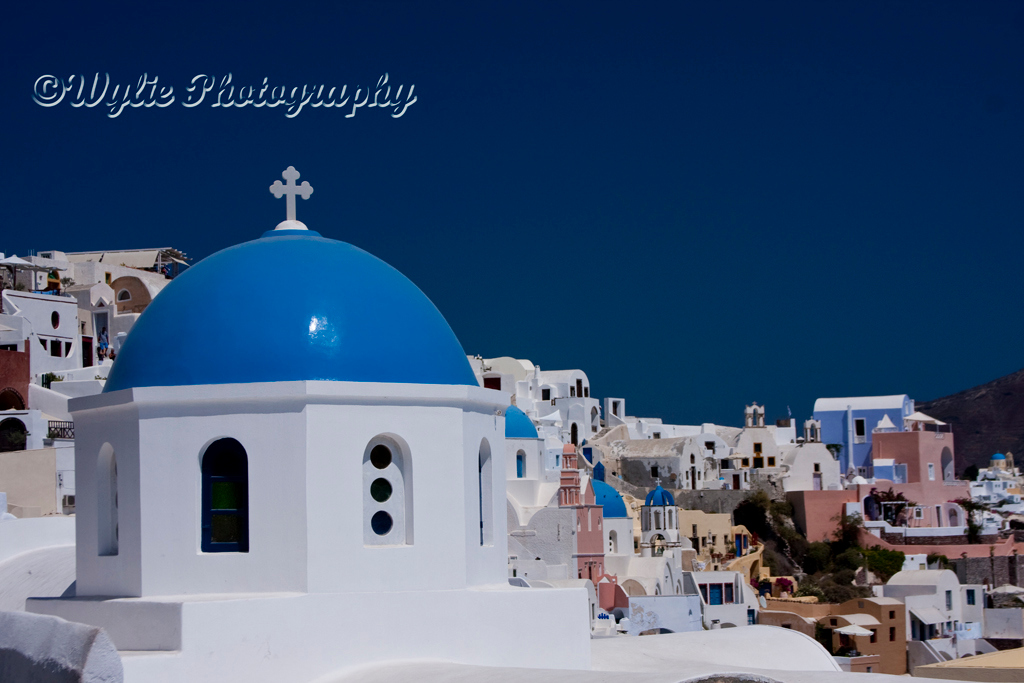


Aboard the Azamara cruise ship we stopped at the Greek islands of Chios and Santorini. Chio is not often visited because of its small port. Its buildings are painted with “xysta”, a decoration also known as graffiti. These geometric shapes adorn almost every building and residence.
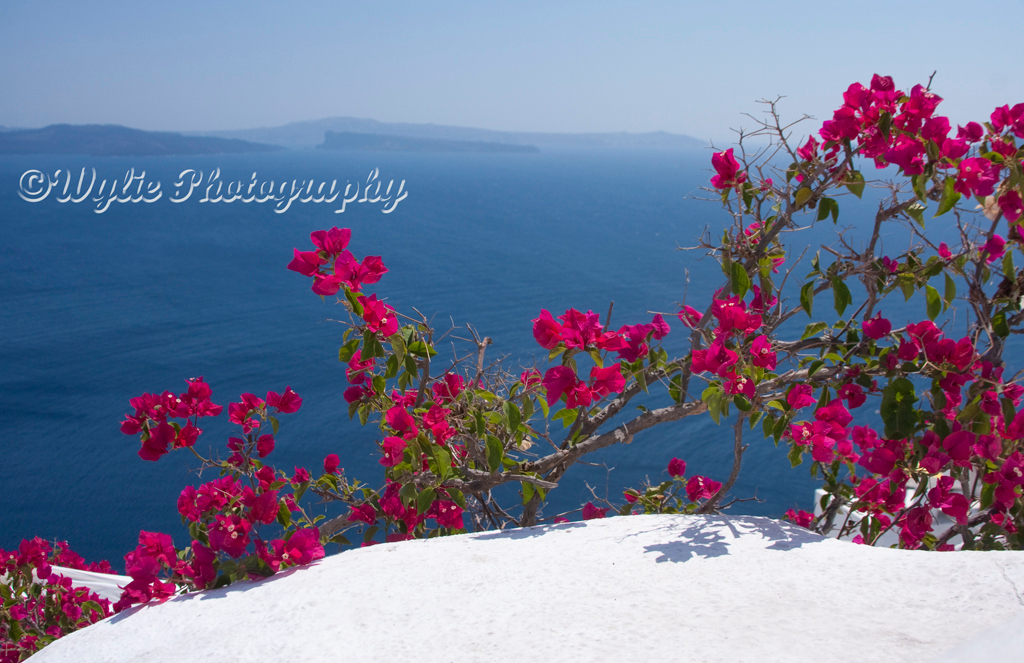
Santorini was formed from a geological upheaval, which gives the island its crescent shape. The port city of Oia is perched upon a craggy cliff overlooking the deep blue Aegean Sea. Blooming bougainvilla add to the beauty of the alabaster buildings. Donkeys carry visitors up and down the steep rock.

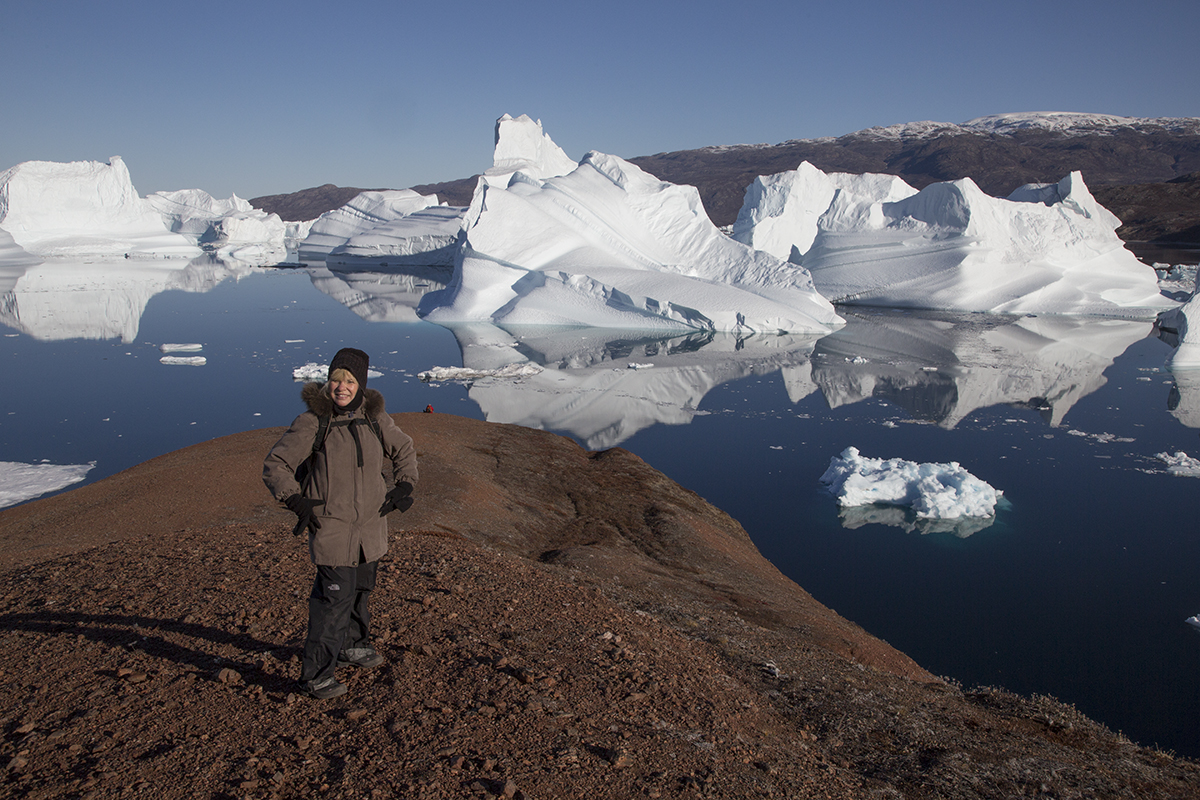
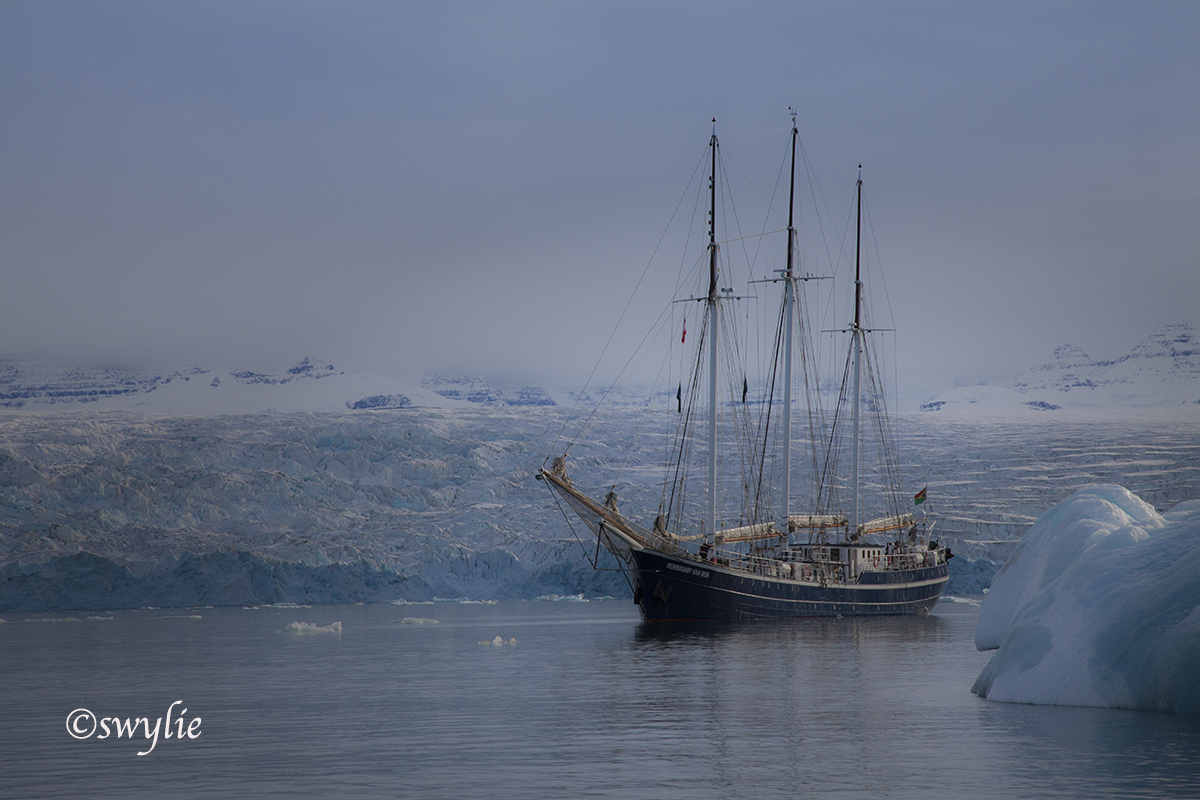


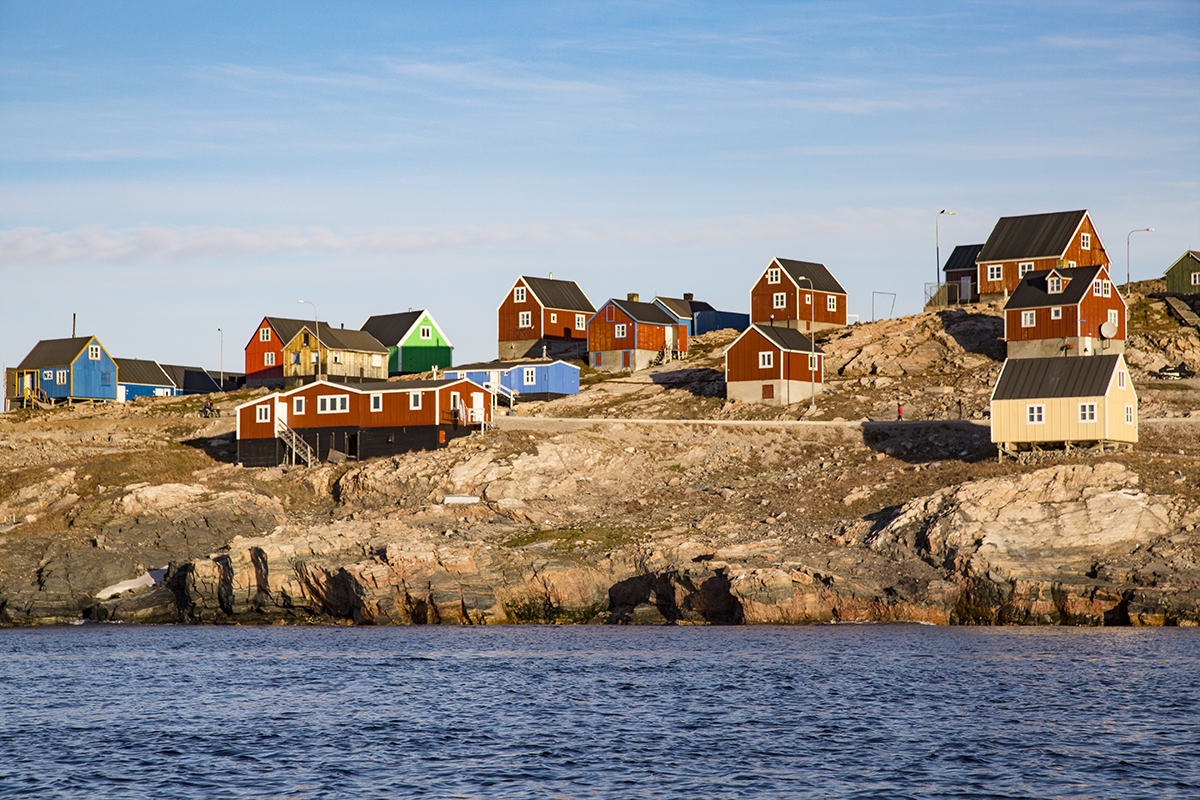
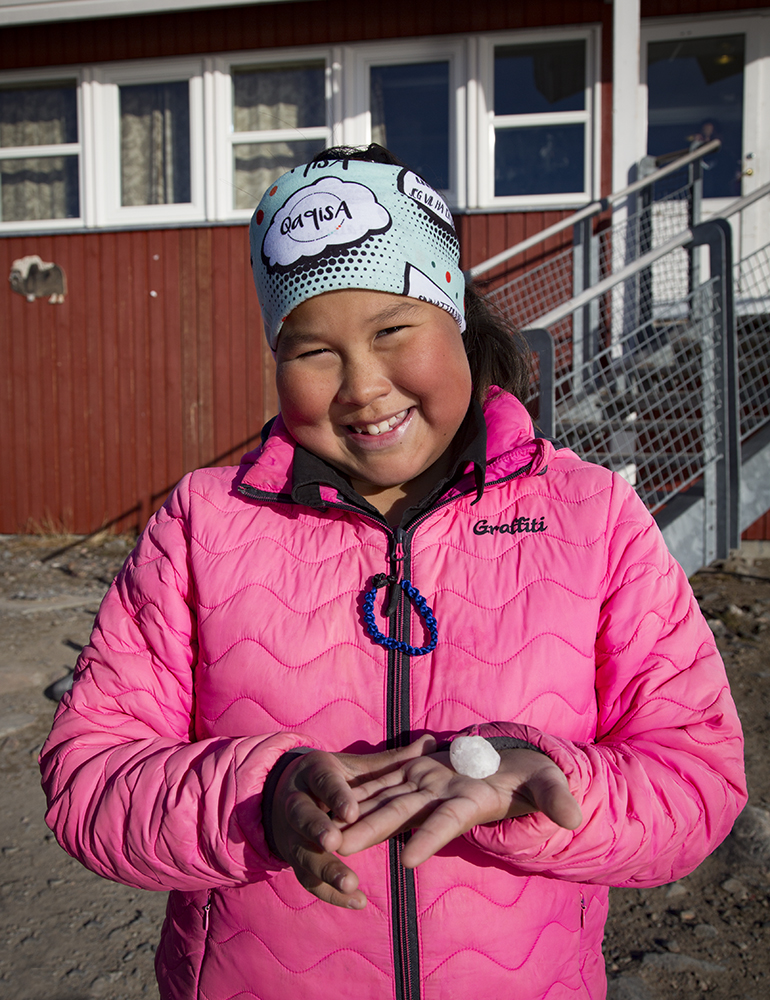

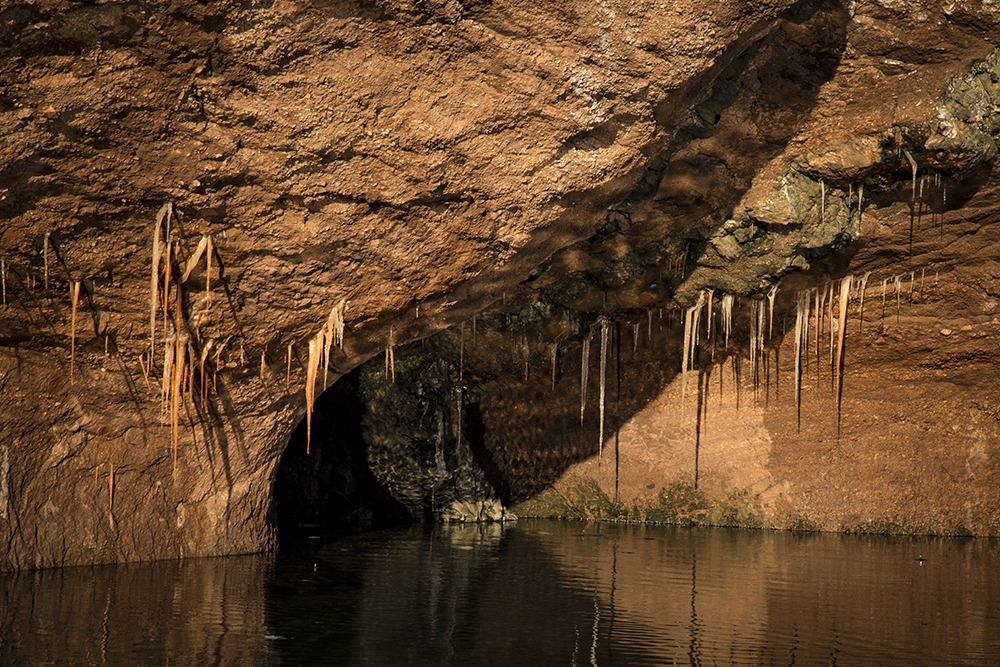

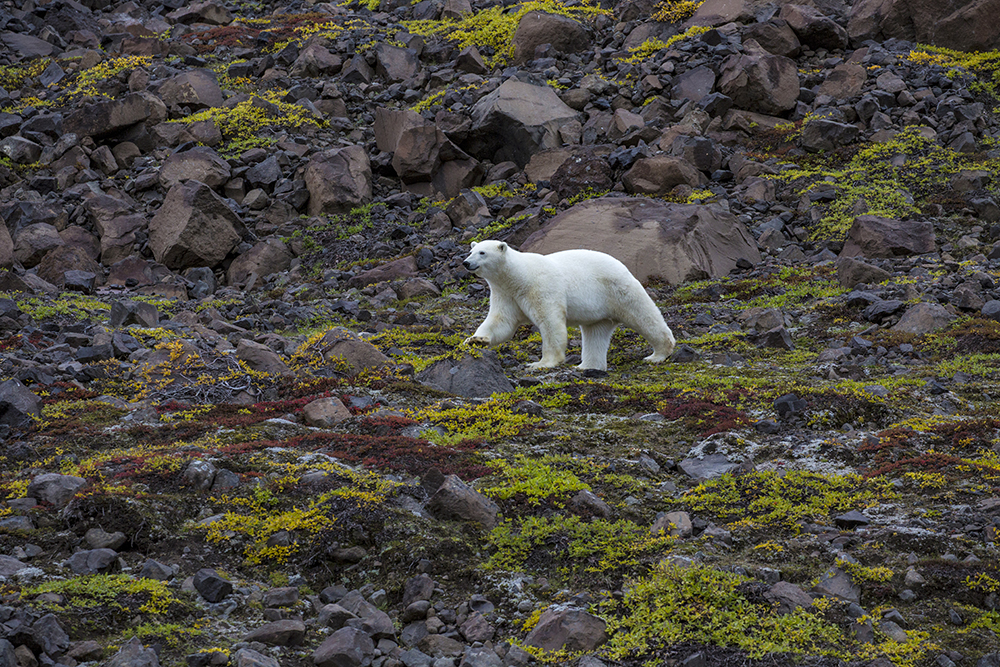
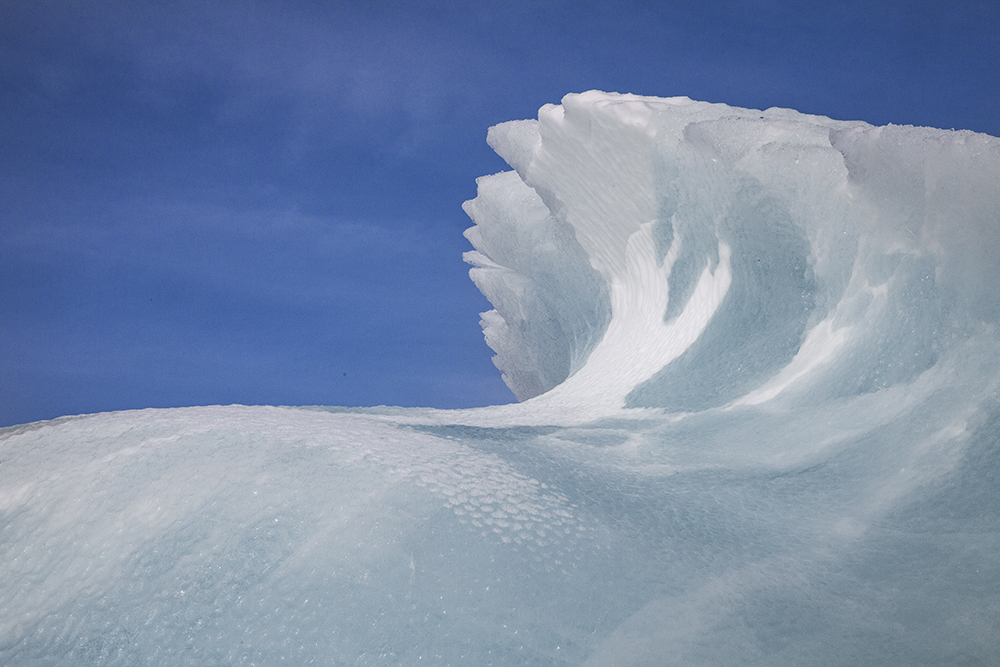
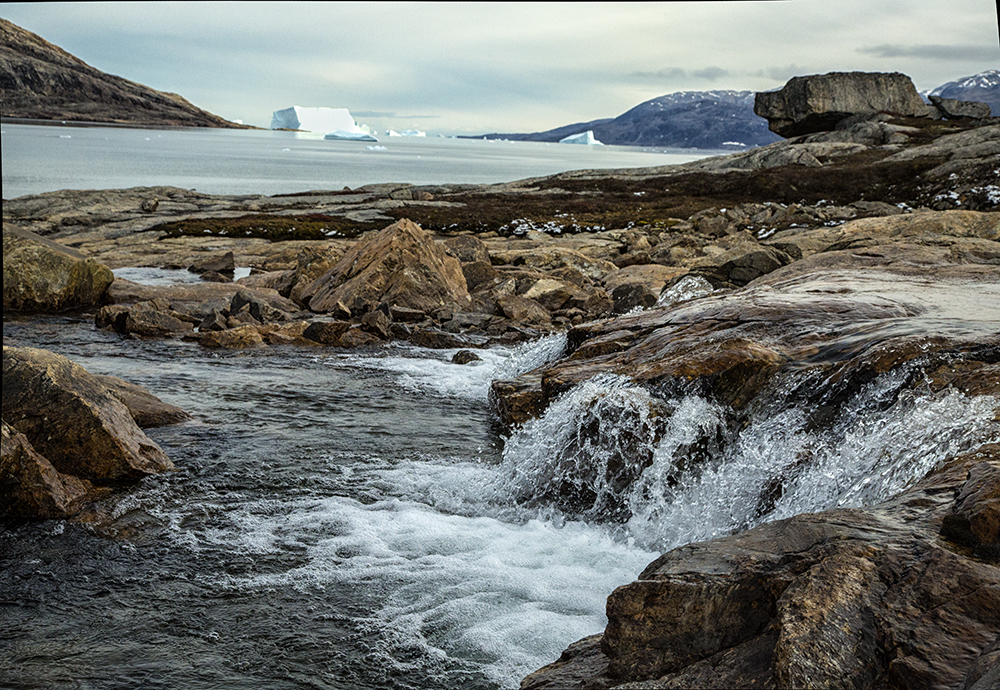

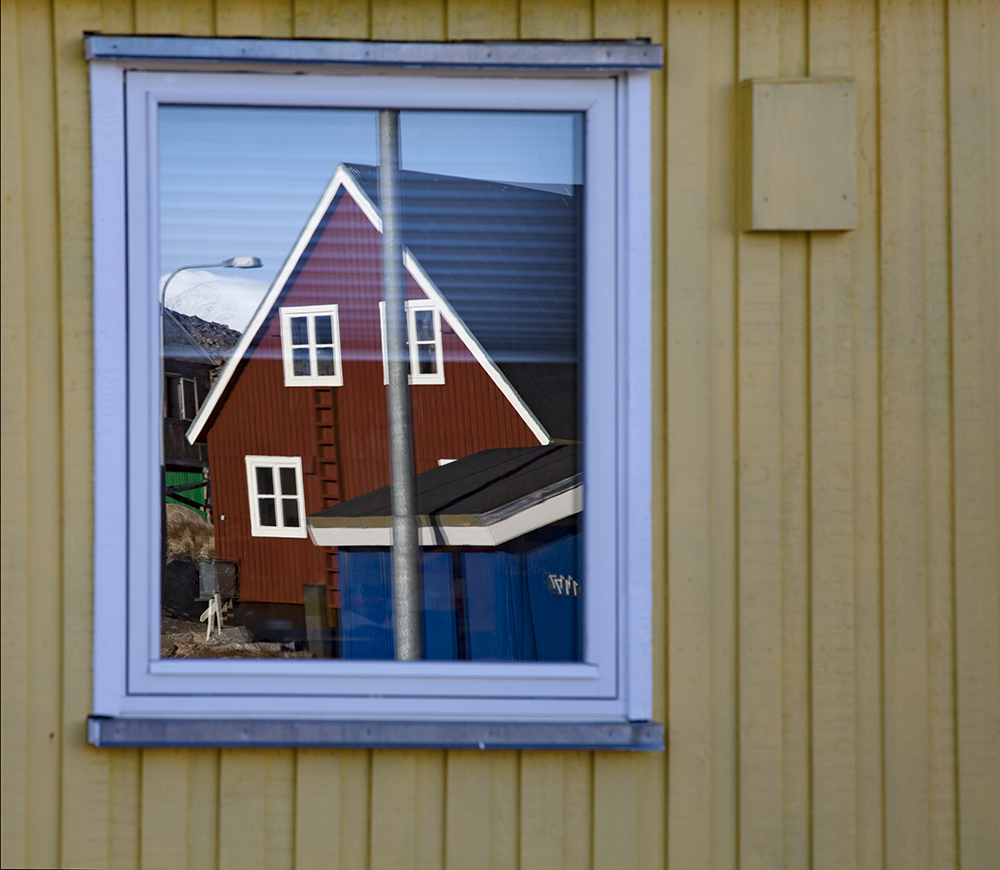
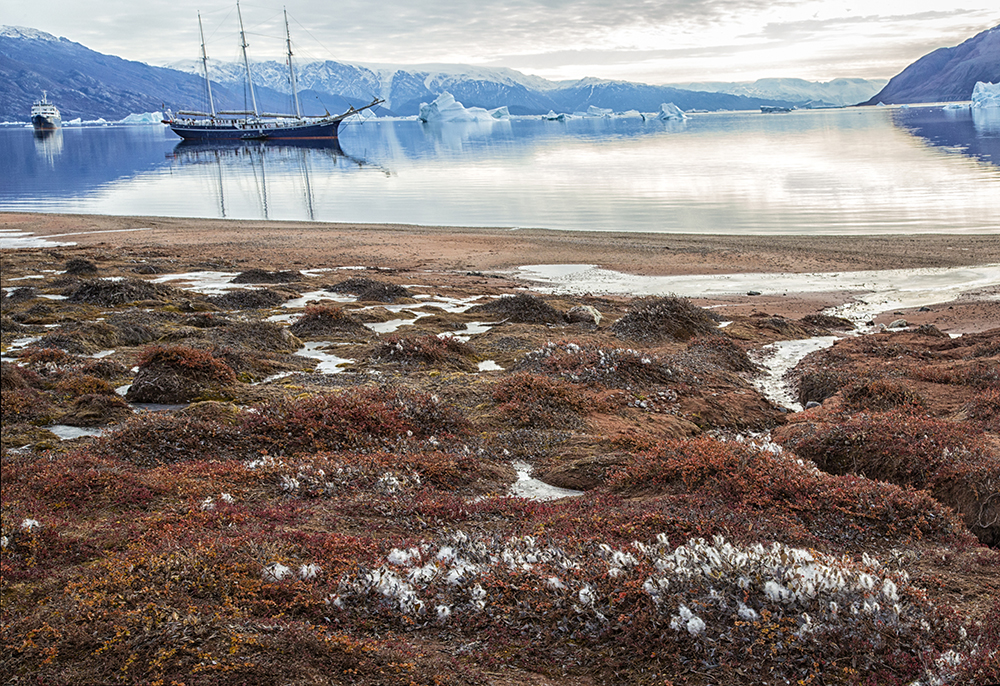
Greenland’s remote and little-visited ice fjords hold arctic grandeur. Towers, arches and walls of ancient blue ice reach upward. Steep-walled fjords, coastal mountains, tundra in autumn color, the vast Greenland Ice Sheet, and the Aurora Borealis combine to make an incomparable landscape. We used the three-masted schooner Rembrandt van Rijn as a home base. The town we visited with its colorful little houses on is called simply Ittoqqortoormiit. Ice losses continue at an alarming, unprecedented rate.
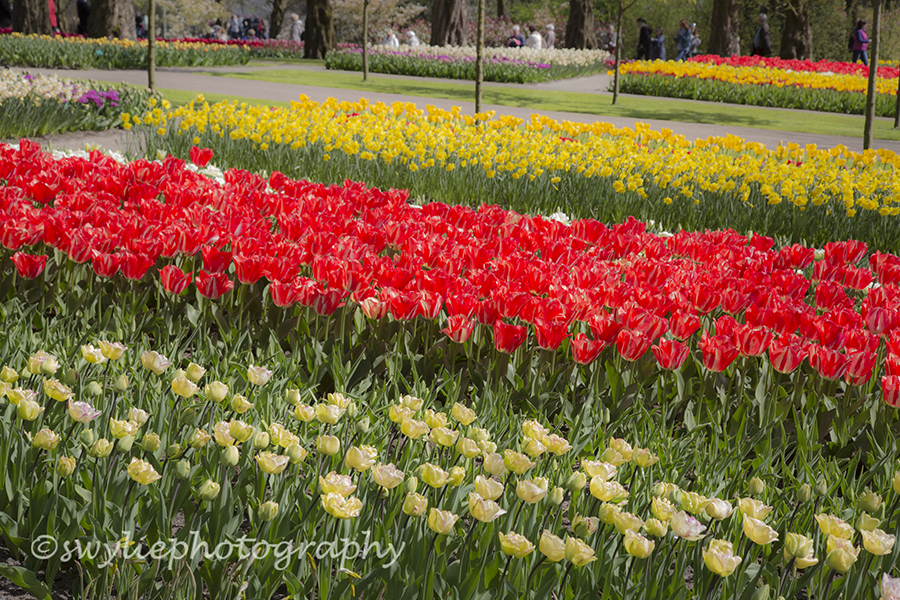

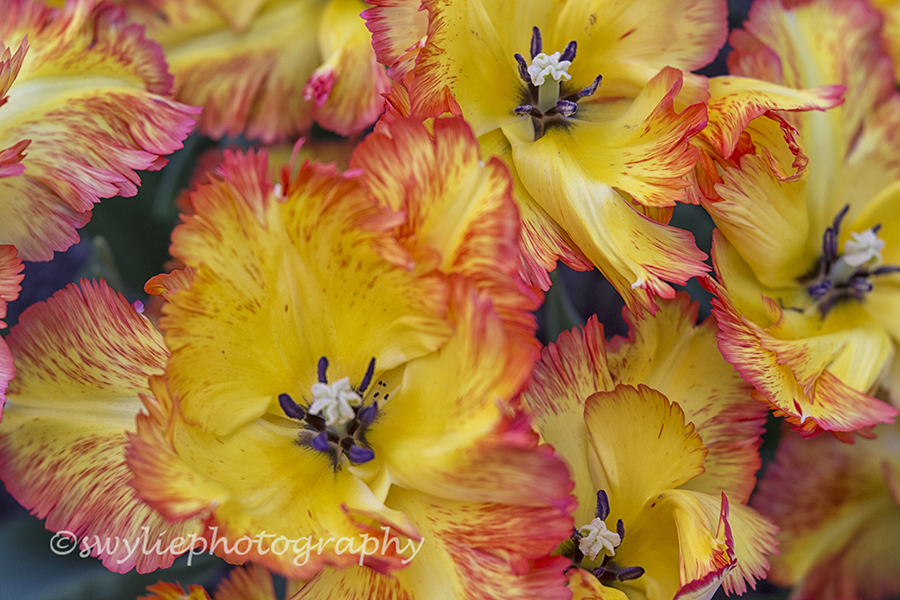

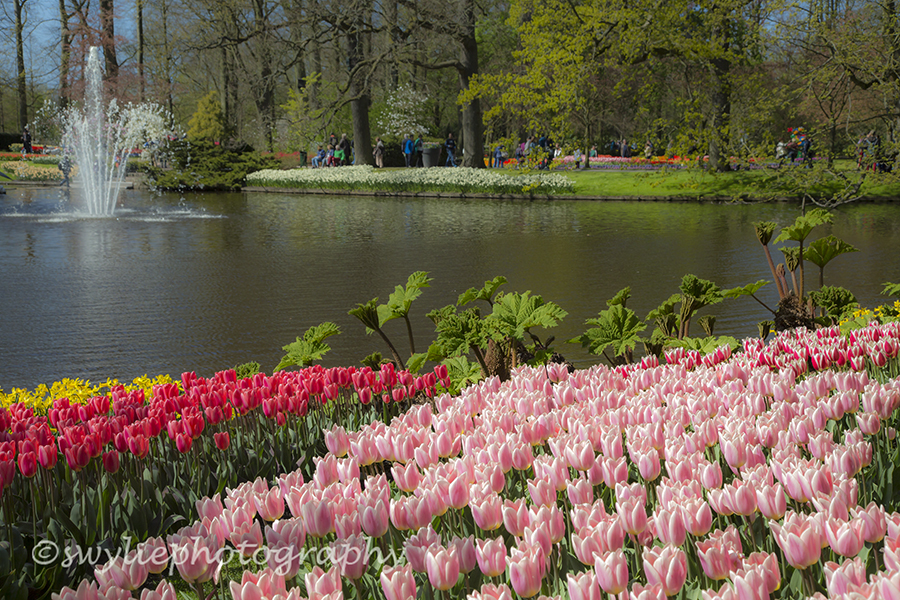
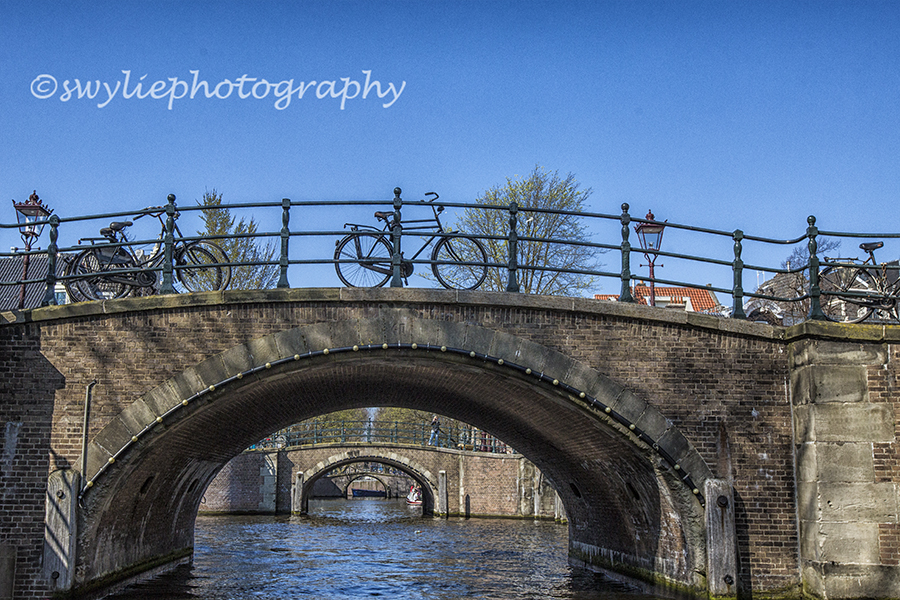
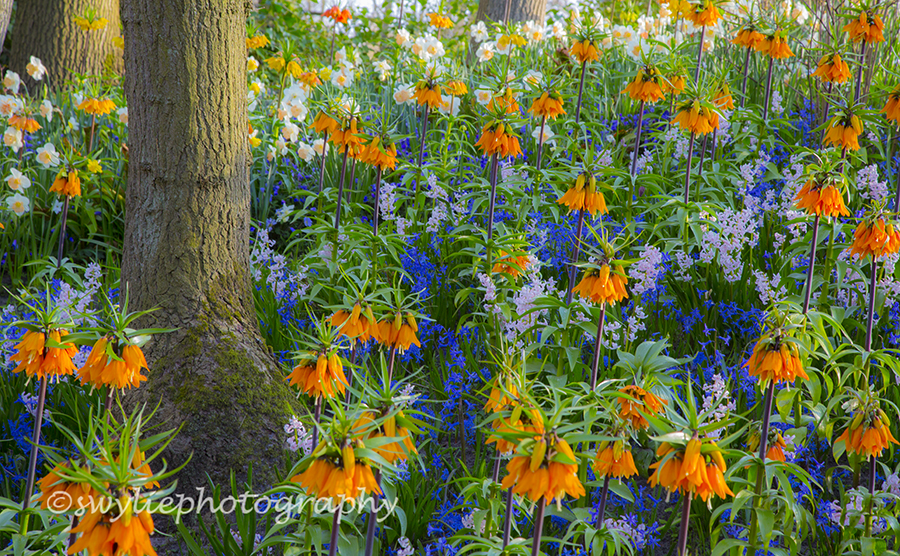
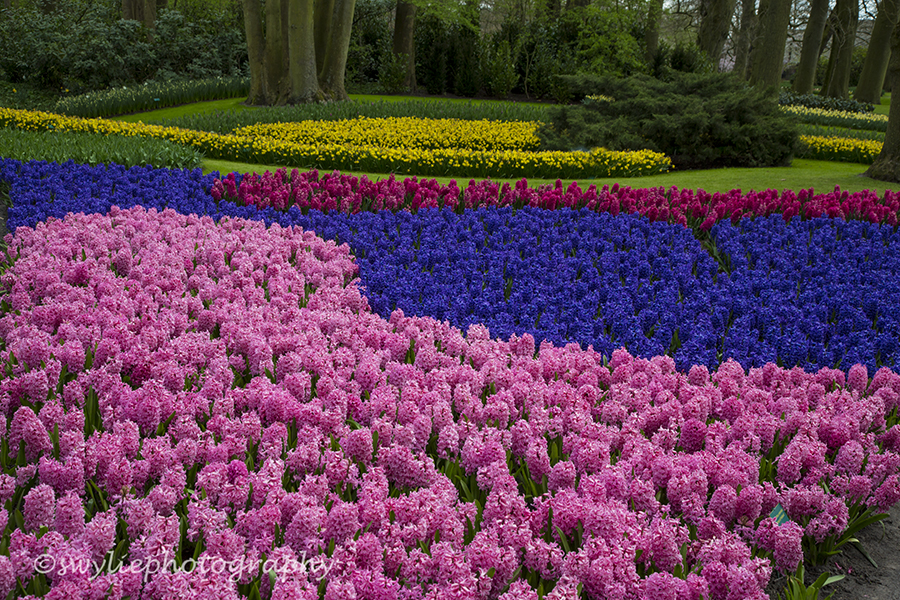
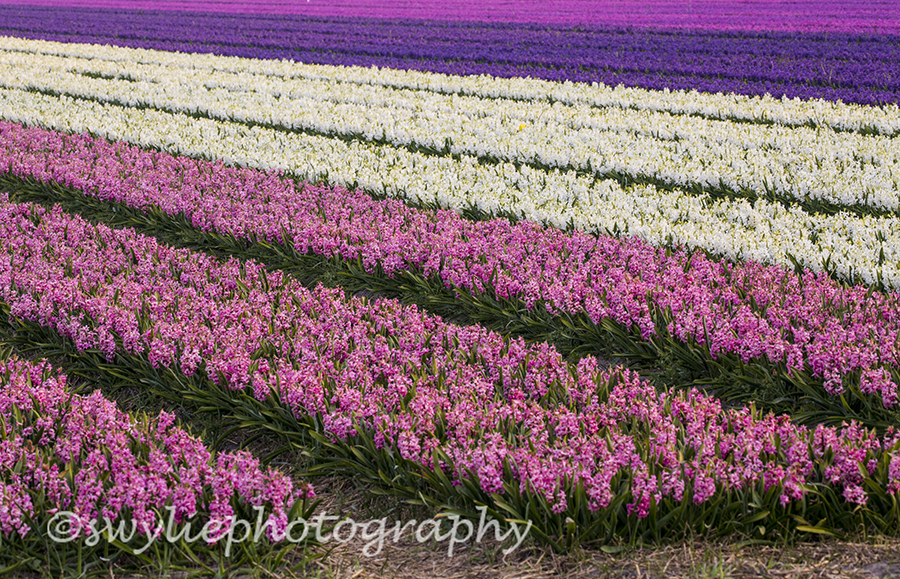


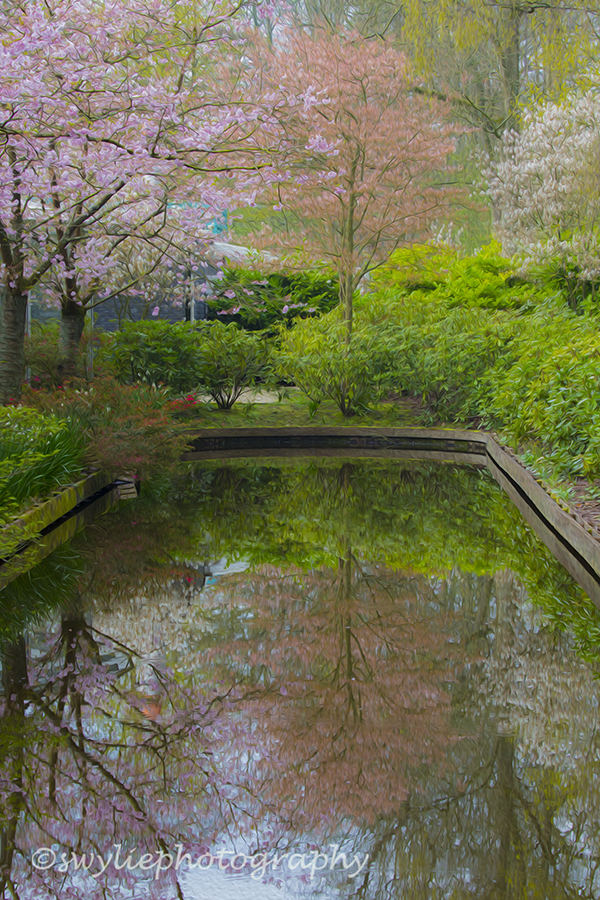

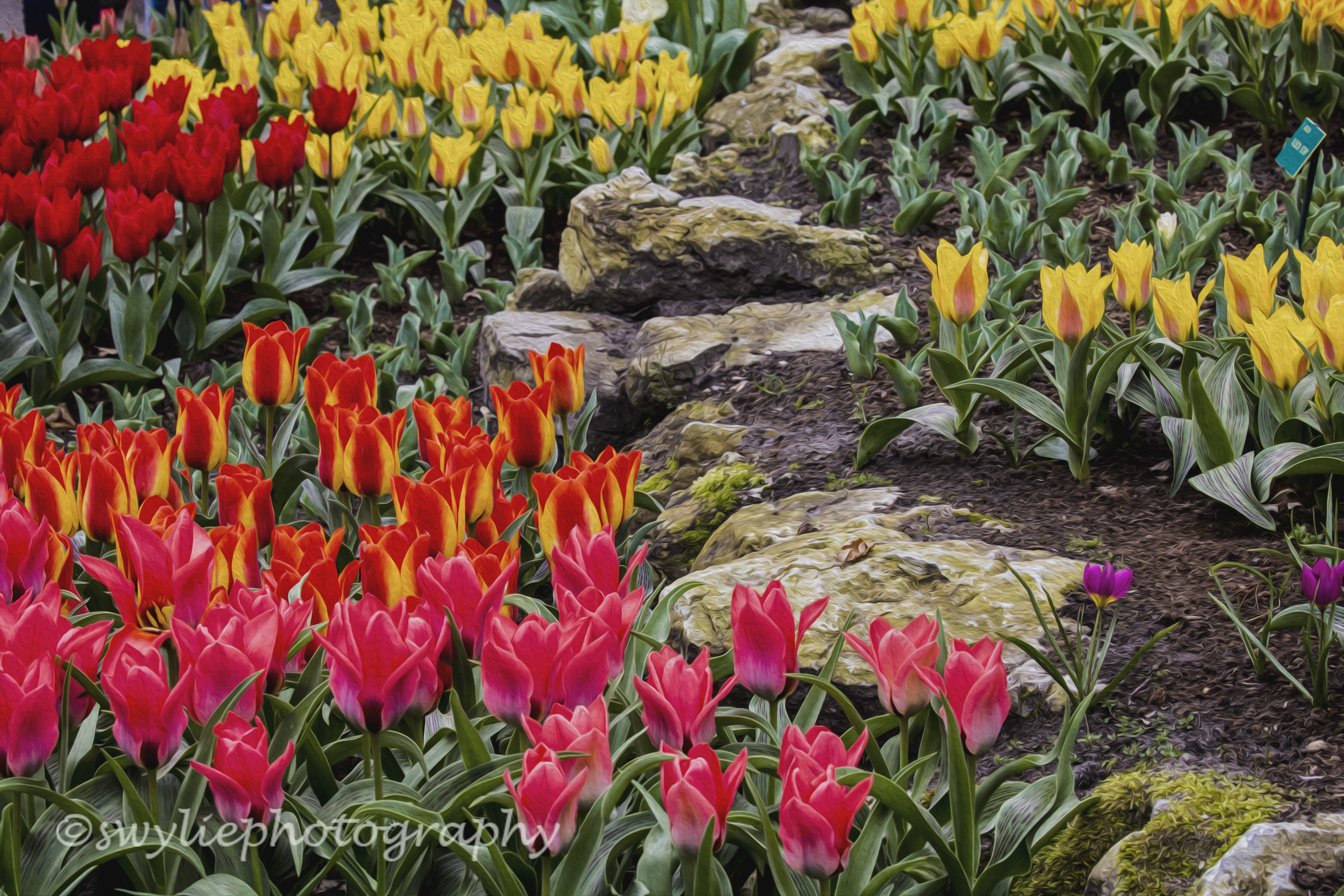
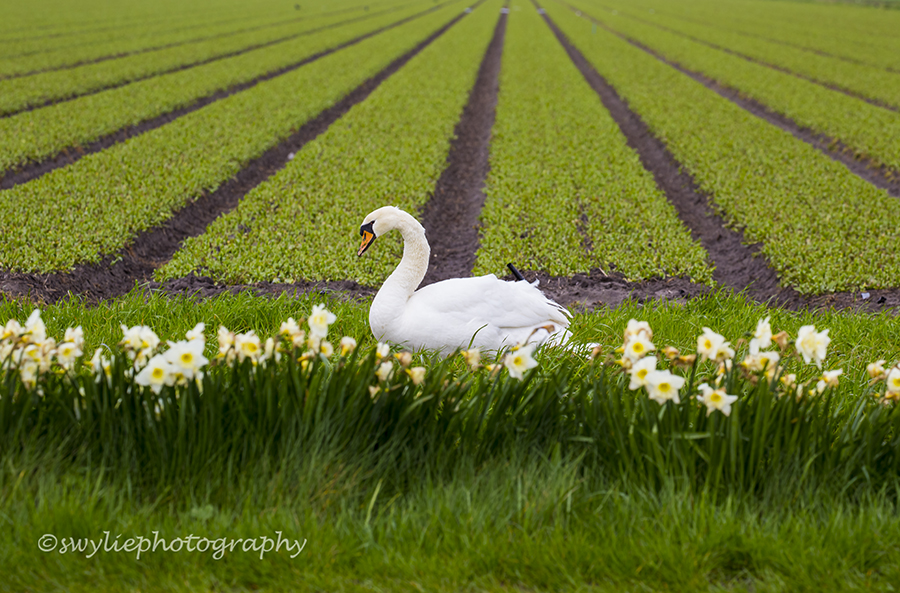


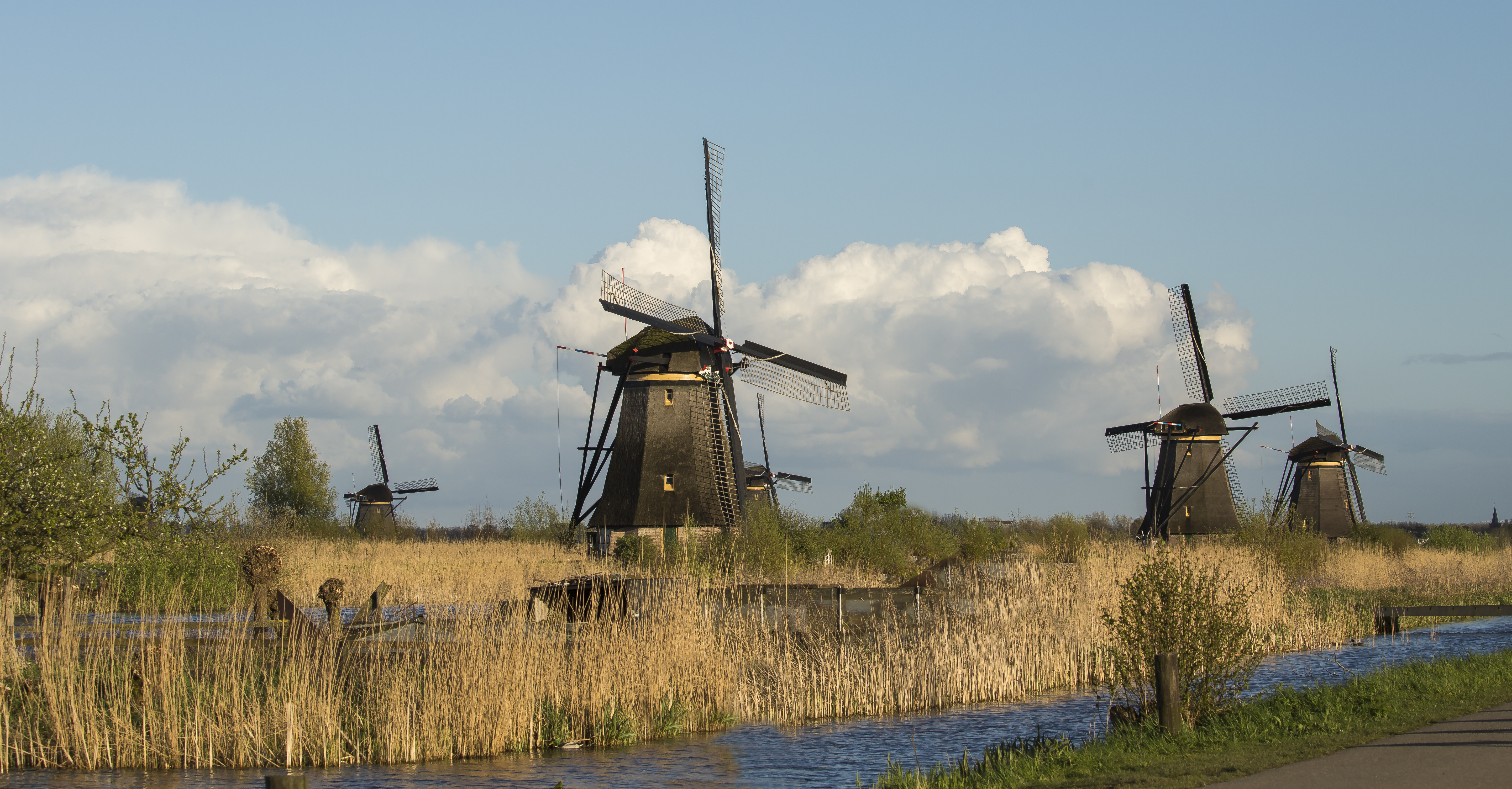
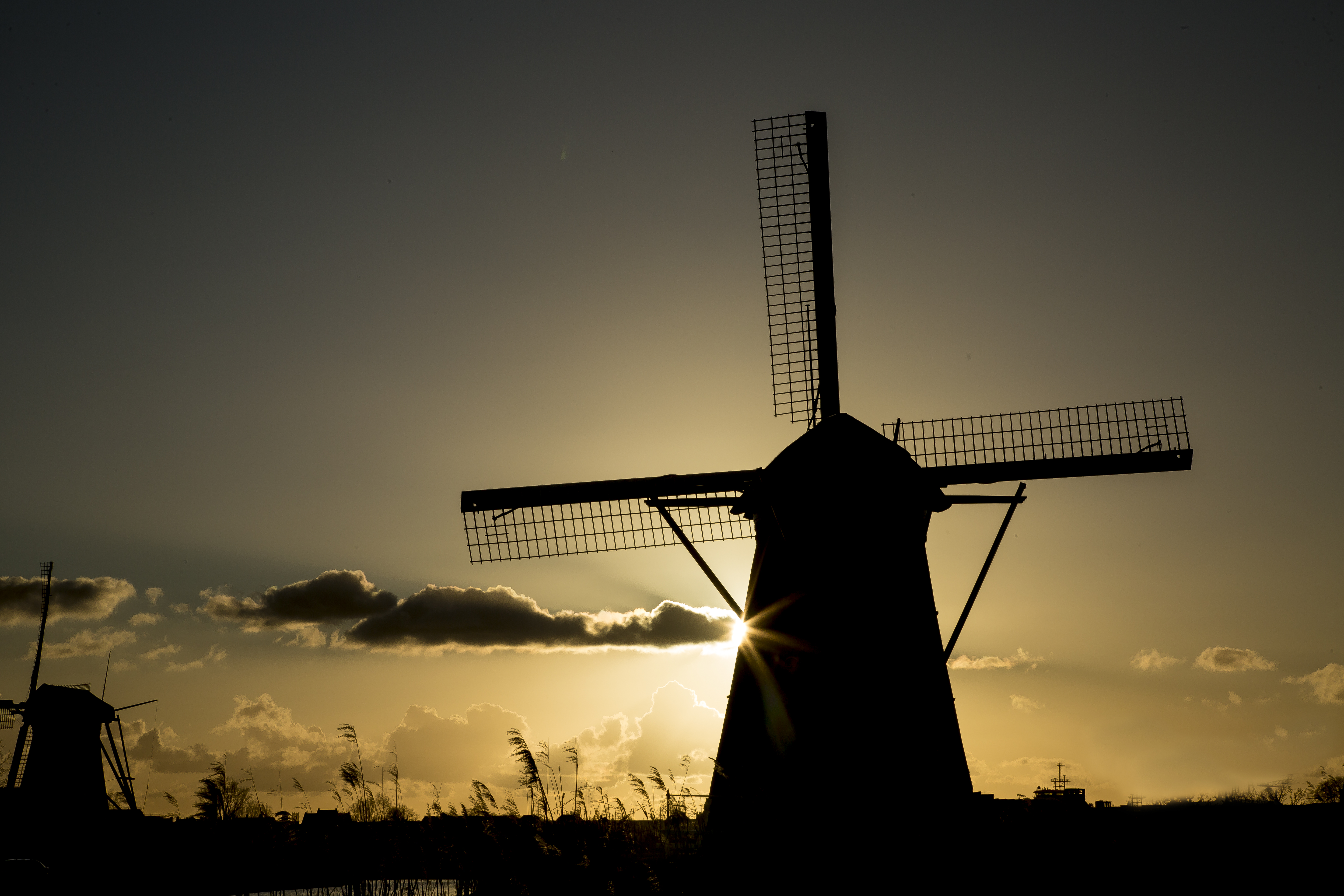
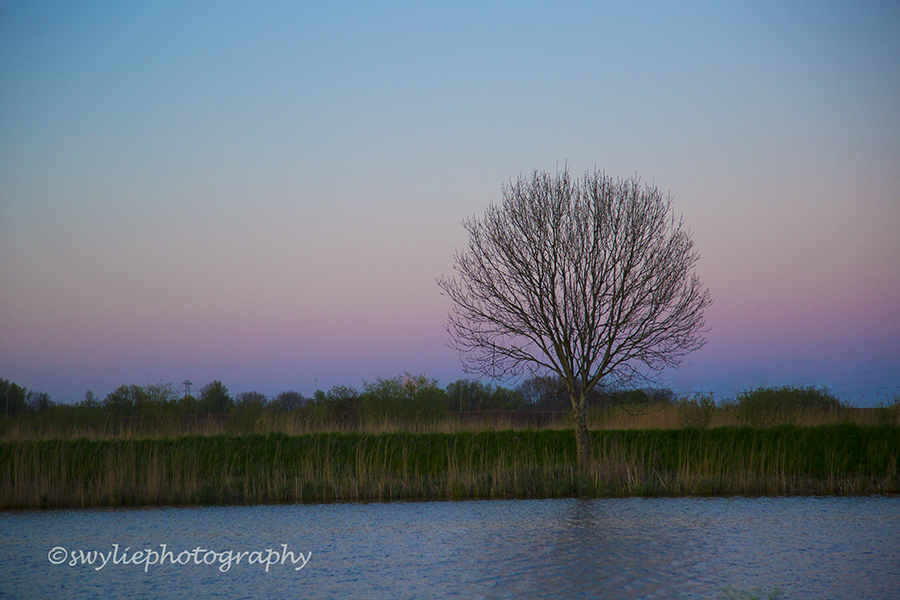
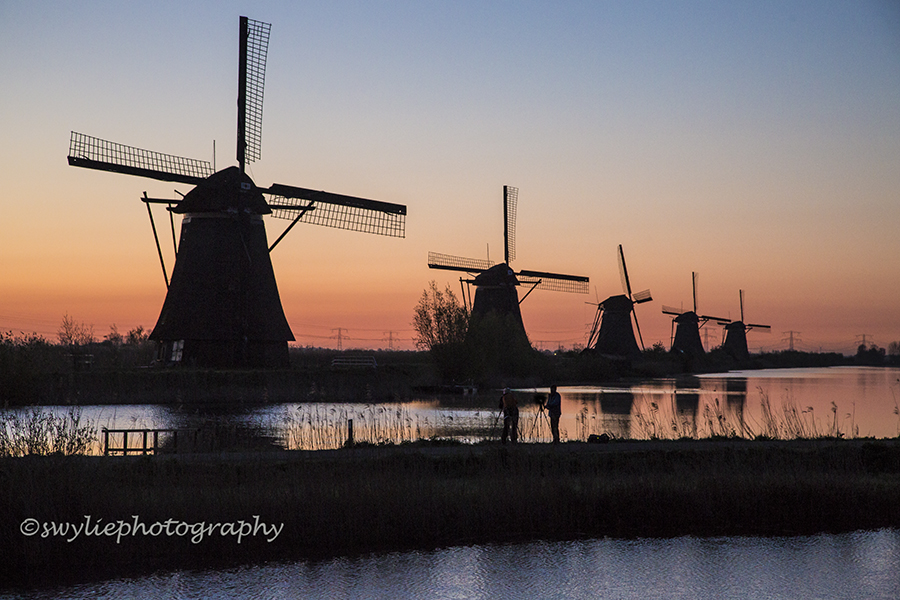


The Netherlands is a country of canals, tulip fields, windmills, bicycles, and narrow houses reflected in the paintings of Rembrandt and Vermeer. Amsterdam is the usual launching spot. The railroad station is the heart of the city. Acres and acres of bicycles are parked in every available space. Follow the canals as they divide the city, and houseboats of all shapes and sizes are parked along the shore.
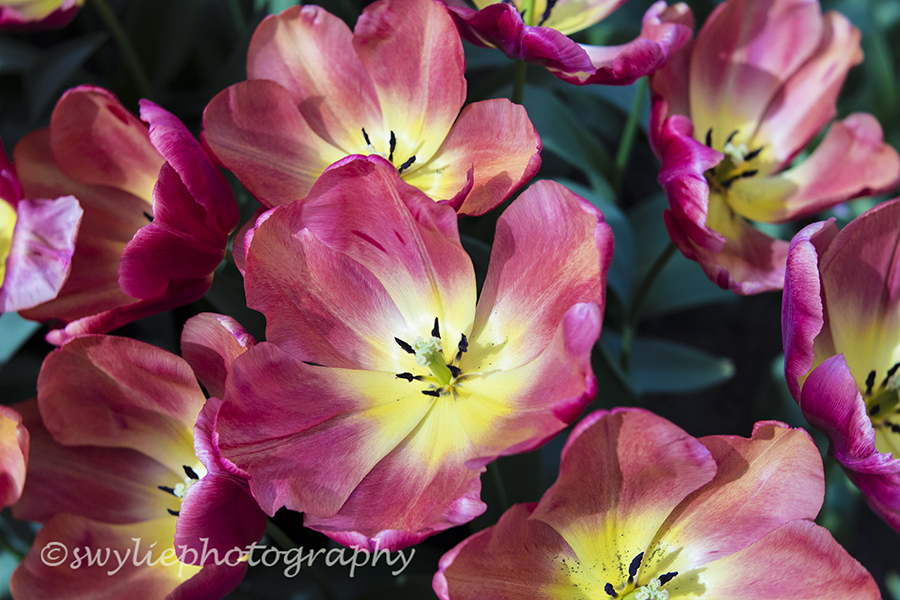
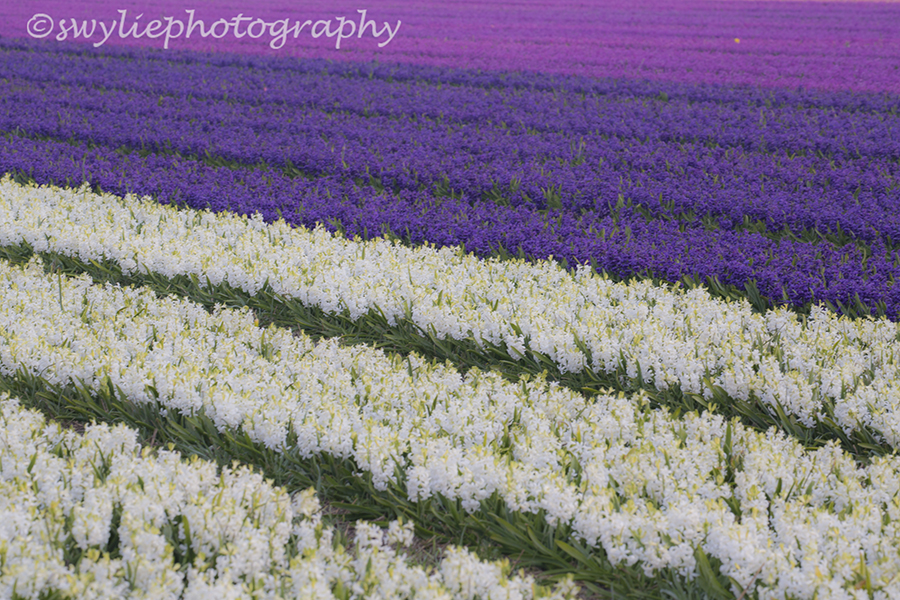
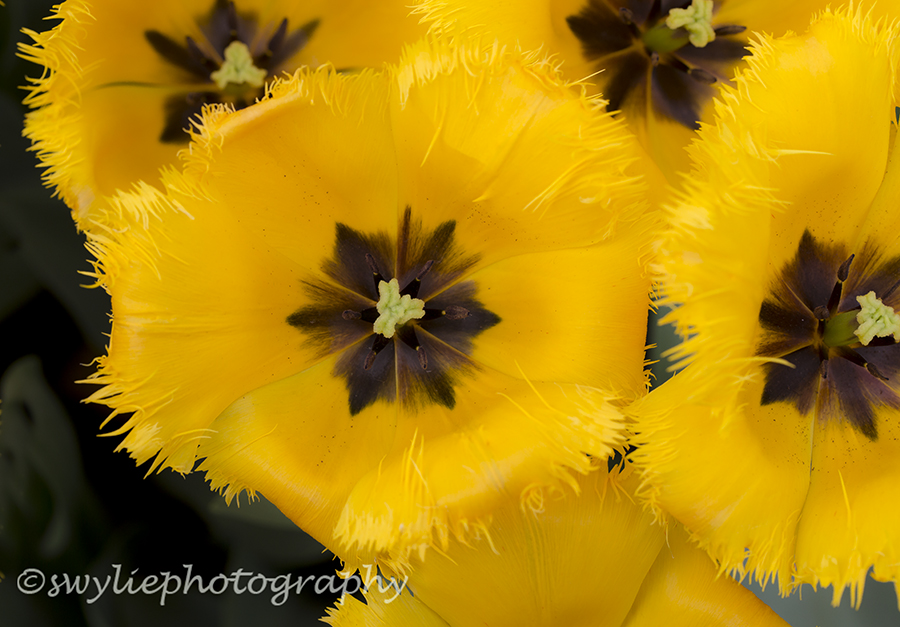
Visit Keukenhof in spring where seven million tulips, daffodils, and hyacinths are arranged in gardens and displayed in pavilions. Whimsical windmills flank the canals in Kinderdijk, some of which are still occupied.


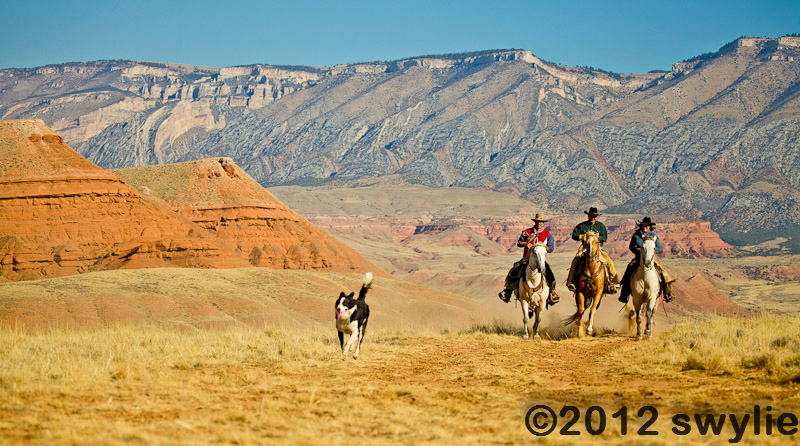
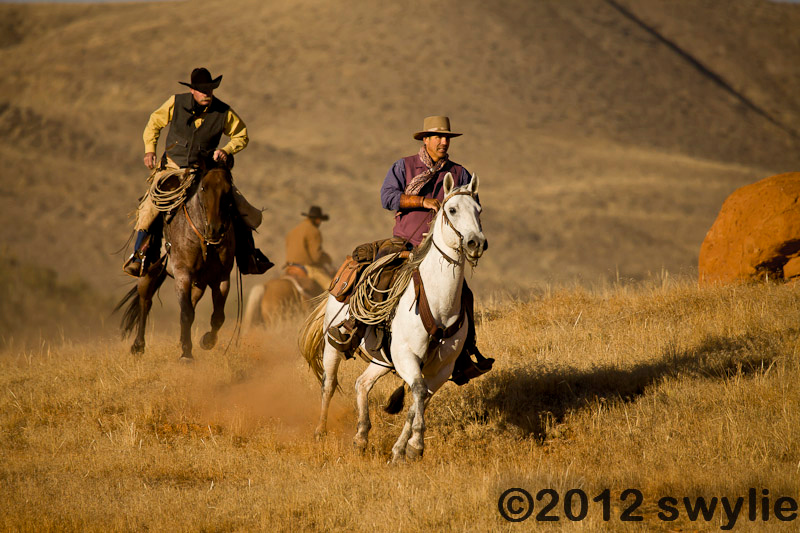
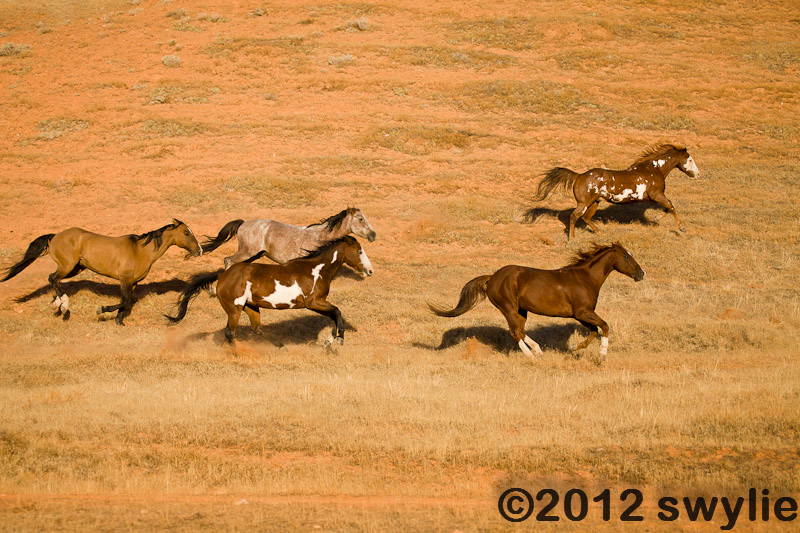

The Hideout is a ranch in Wyoming east of Yellowstone National Park nestled in the foot of the Bighorn Mountains. The nearest town is Shell, Wyoming, population 83 according to the 2010 census. I flew into Billings.
The Hideout is a working cattle and riding ranch. In the morning at 7:30 after breakfast in the ranch house, we headed out. The horses were taken in trailers to the shooting location. We had stunning mountain backdrops often with models. The last day it snowed, which made for a happy finale.


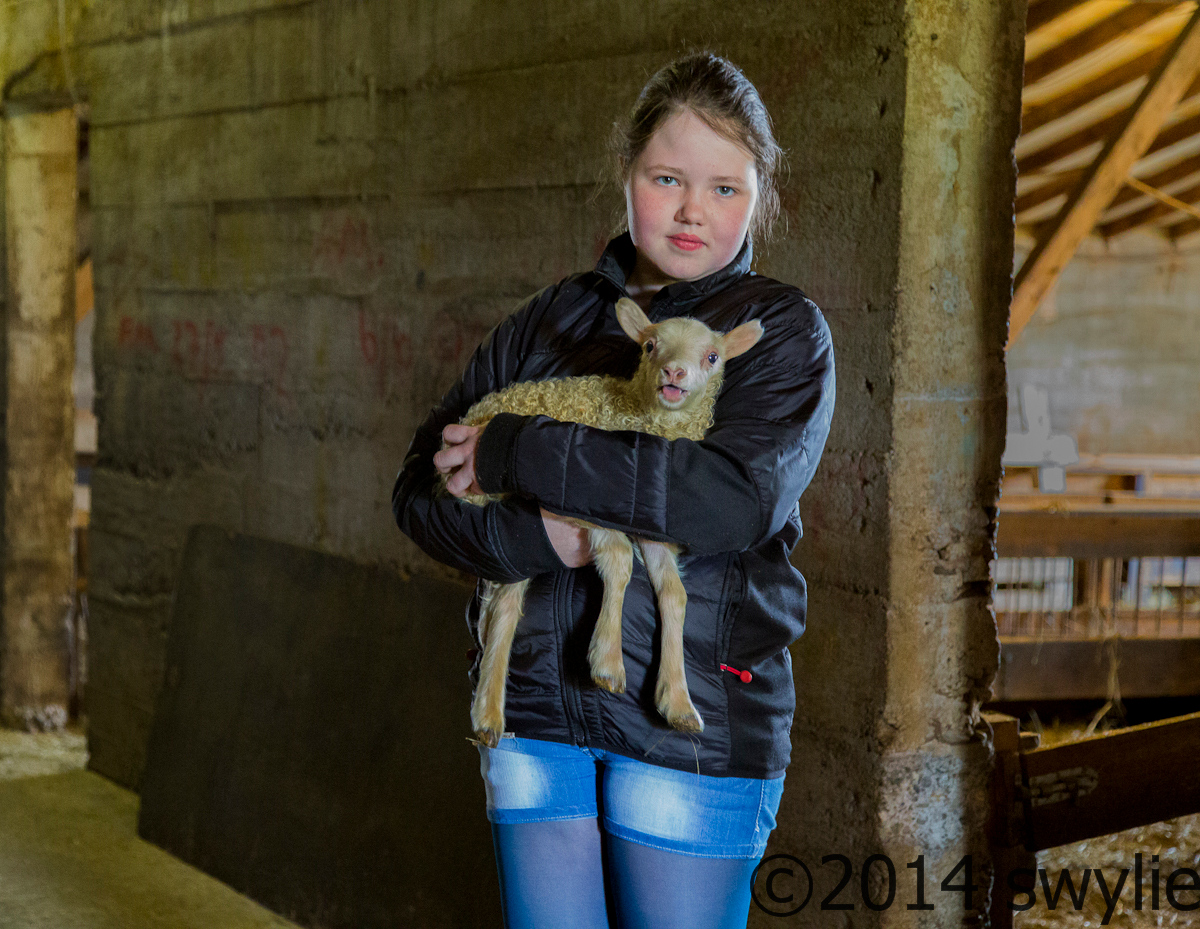


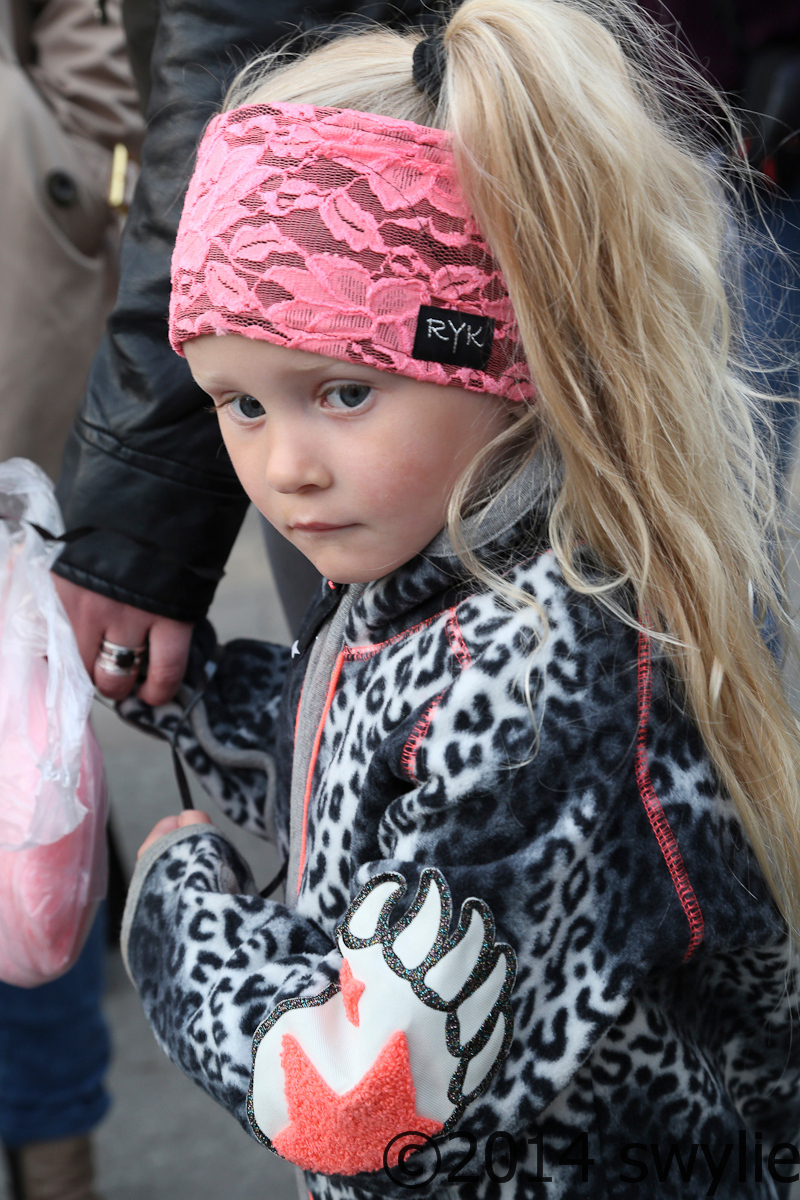


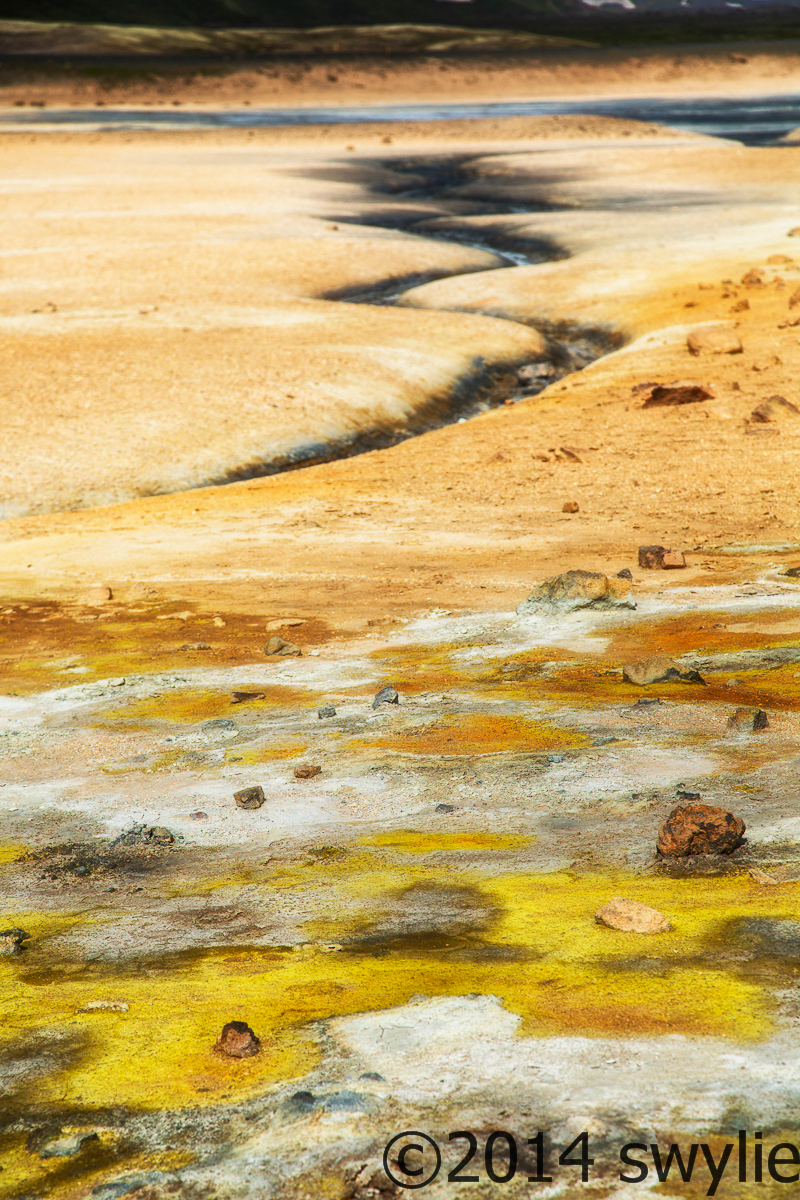

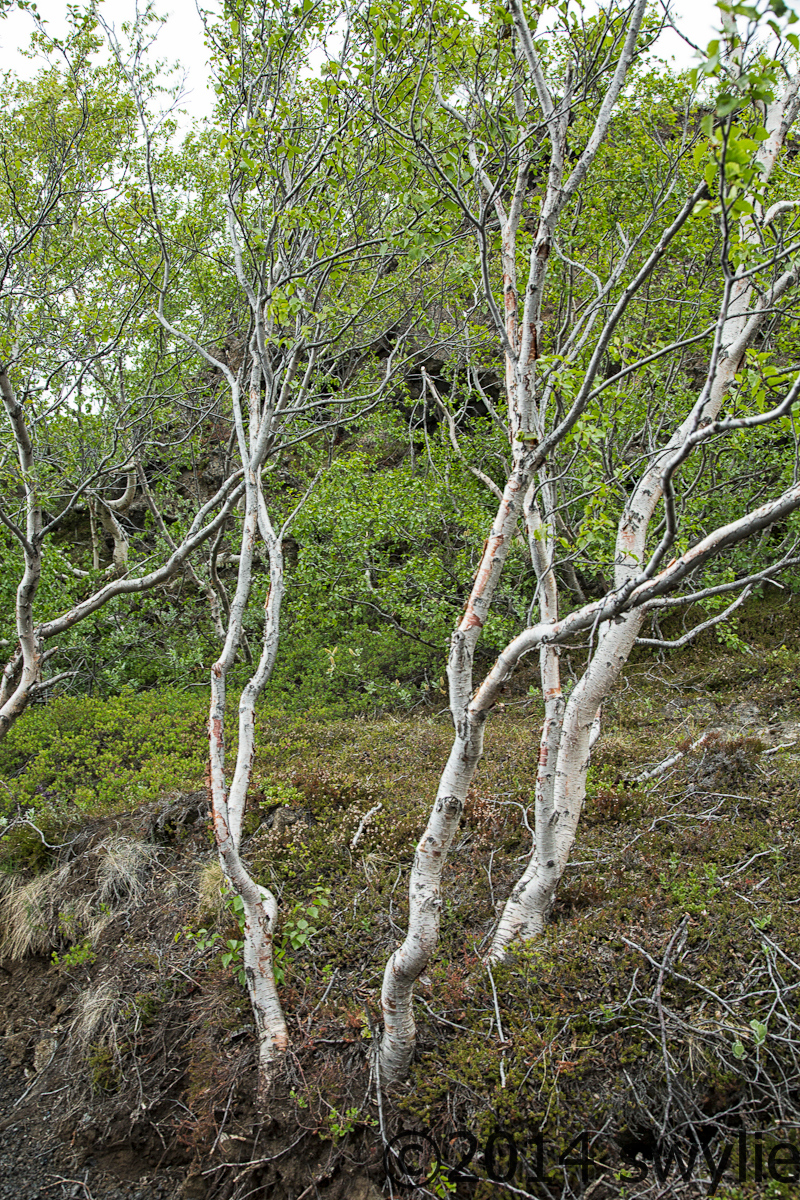


The gateway to Iceland is the capital Reykjavik. Because it has been relatively isolated, the Icelandic language has been preserved from external influence and remains the closest to Old Norse of all the related languages.
Waterfalls are everywhere. Icelandic horses are island bound forever. No imports. Most Icelanders believe in the hidden world of elves. They can influence luck both good and bad, so it’s important to please them and respect their locations. They live mostly in the volcanic ash and in hillsides.


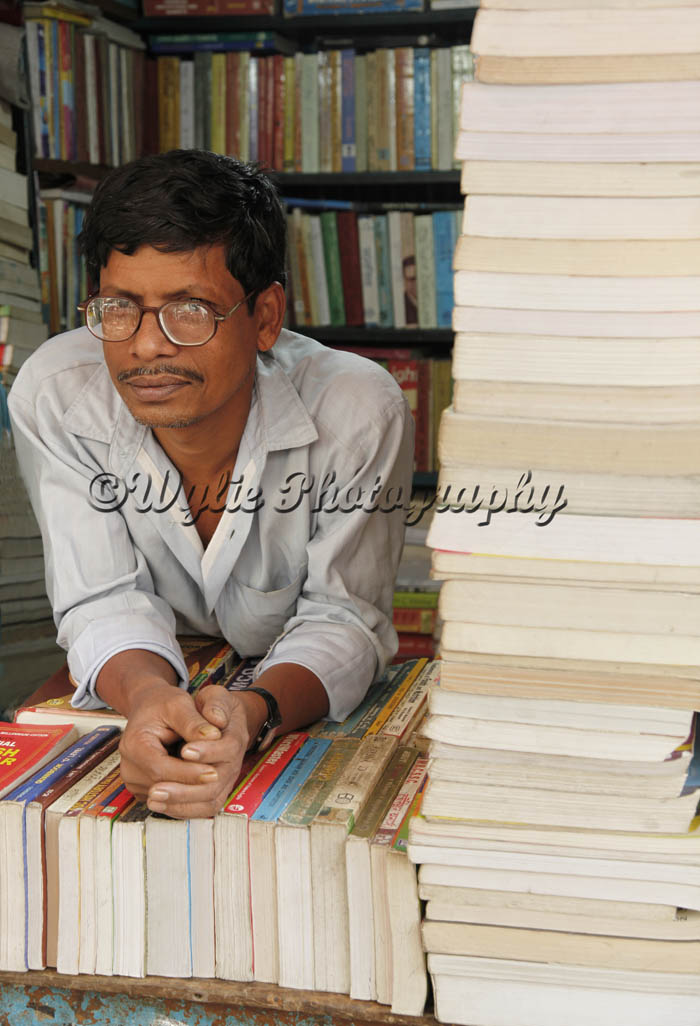
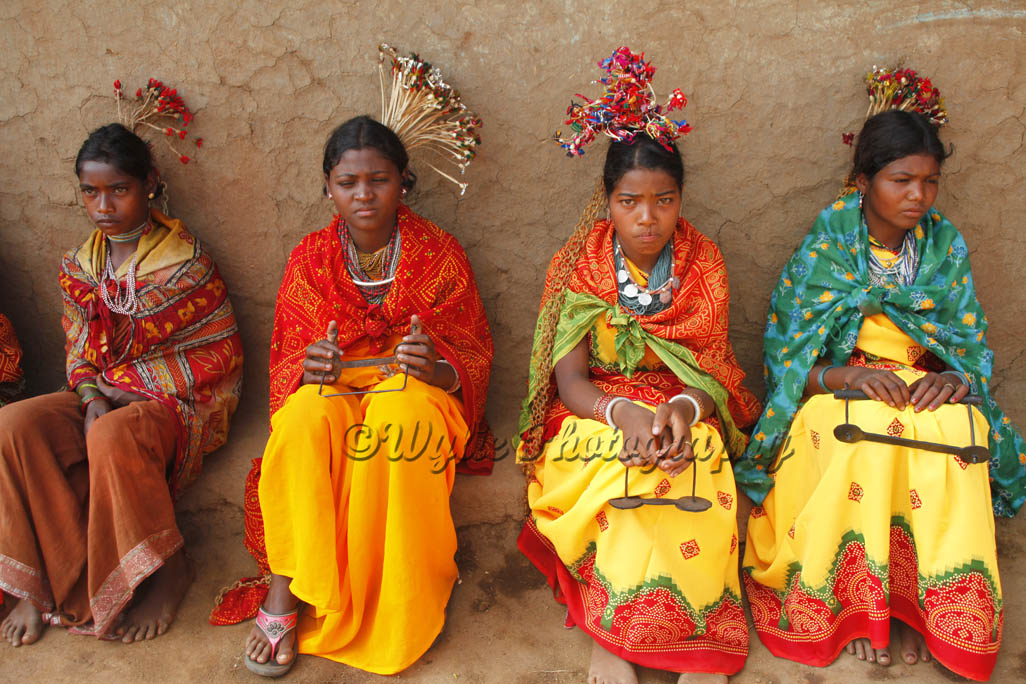

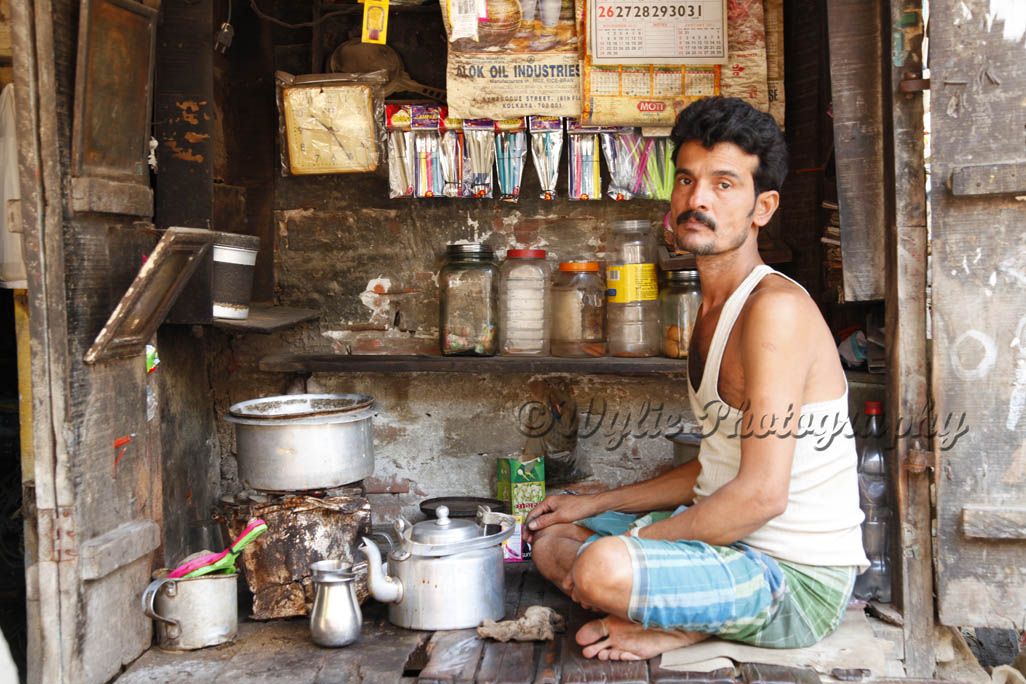


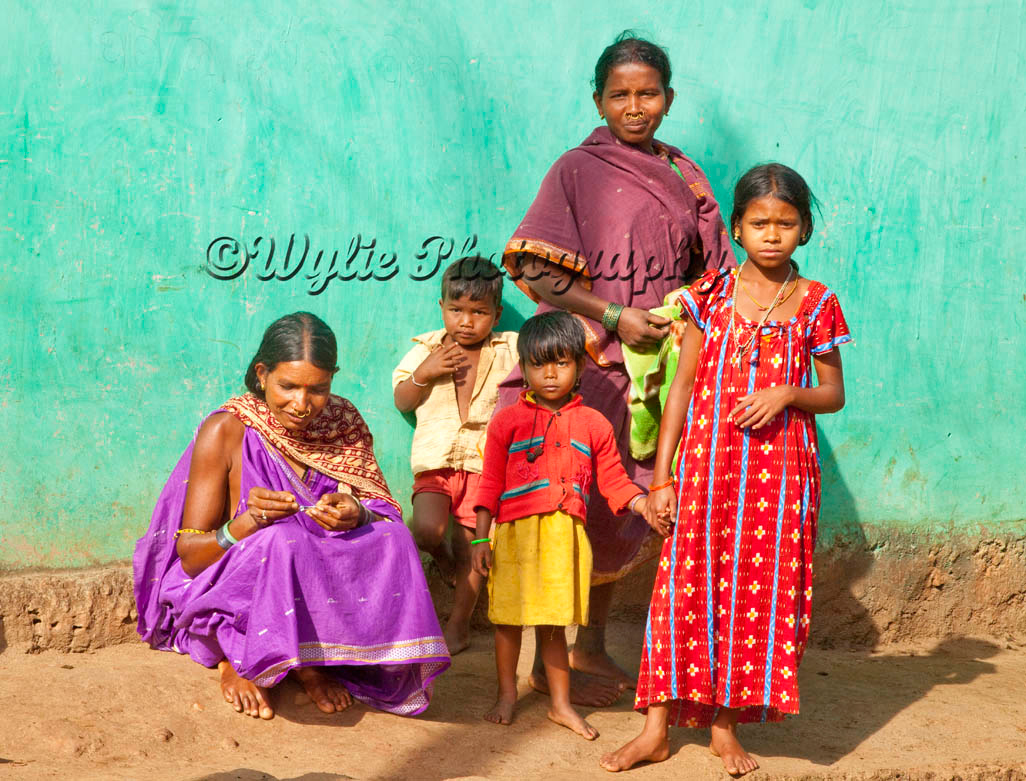


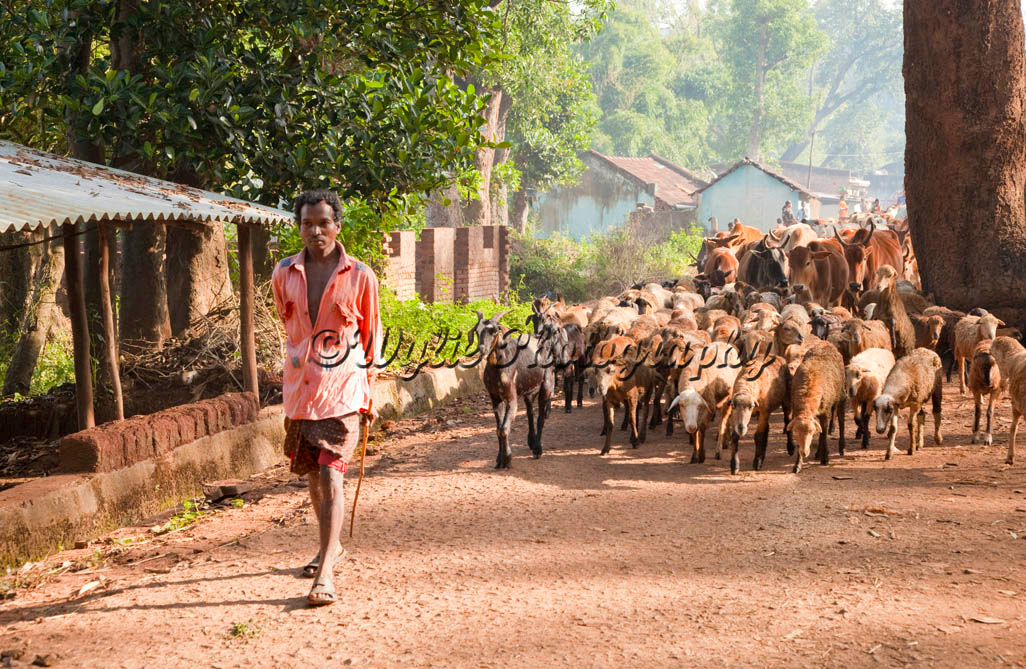
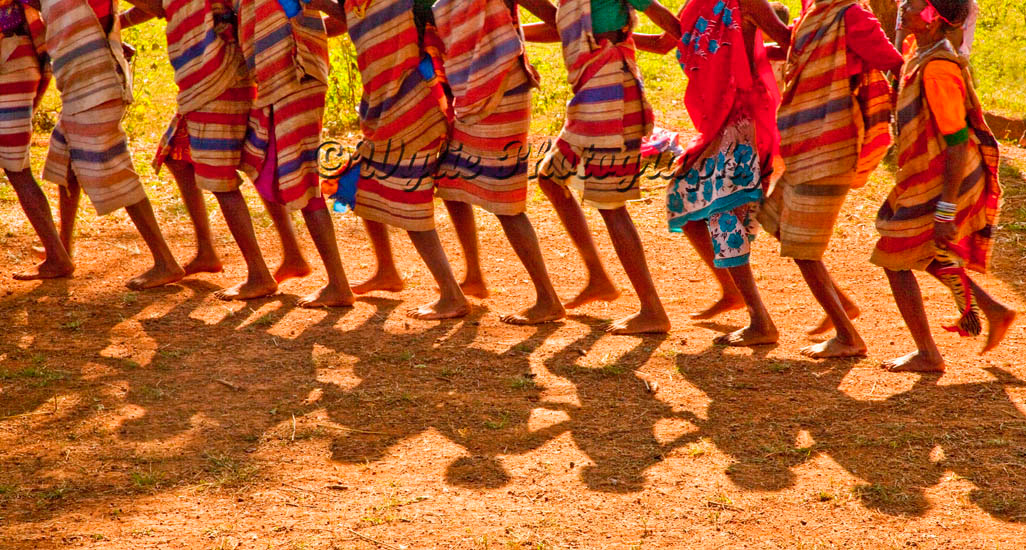
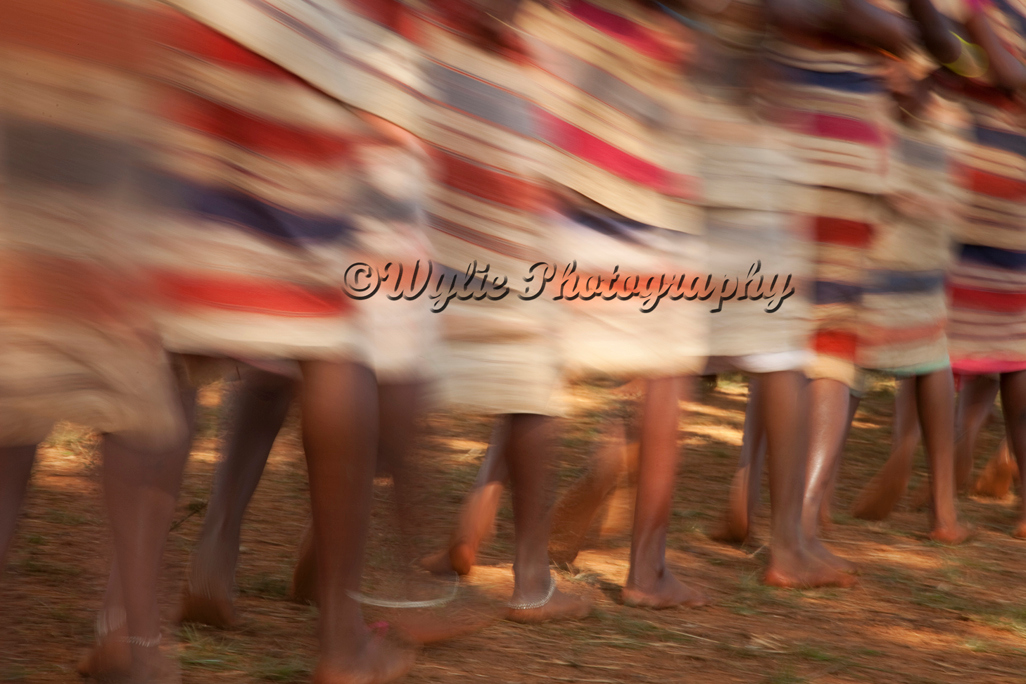


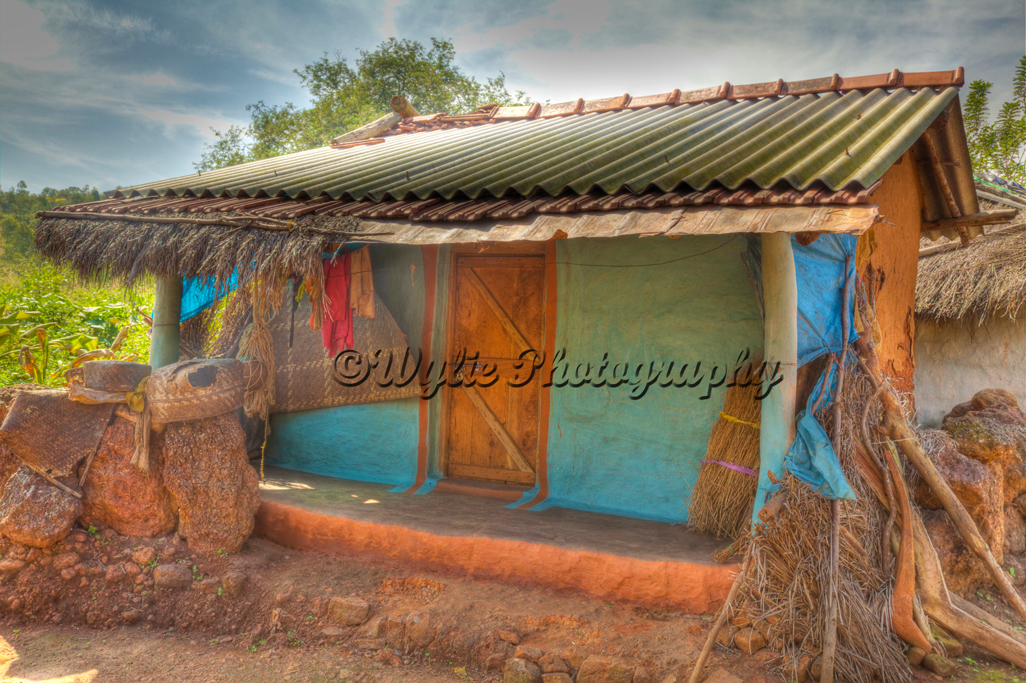

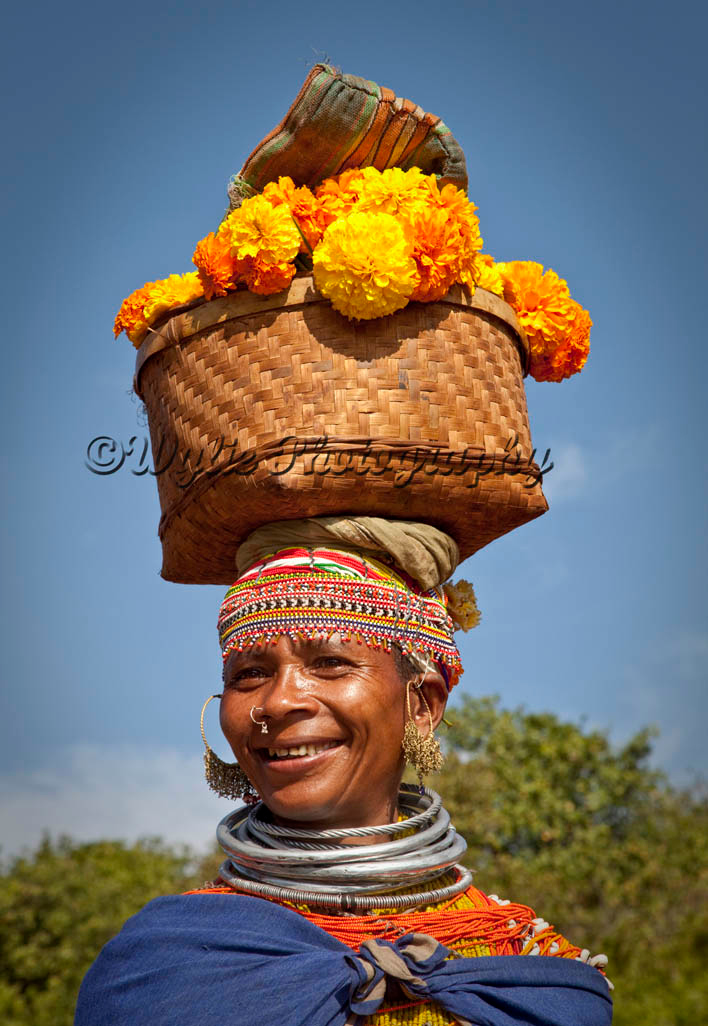
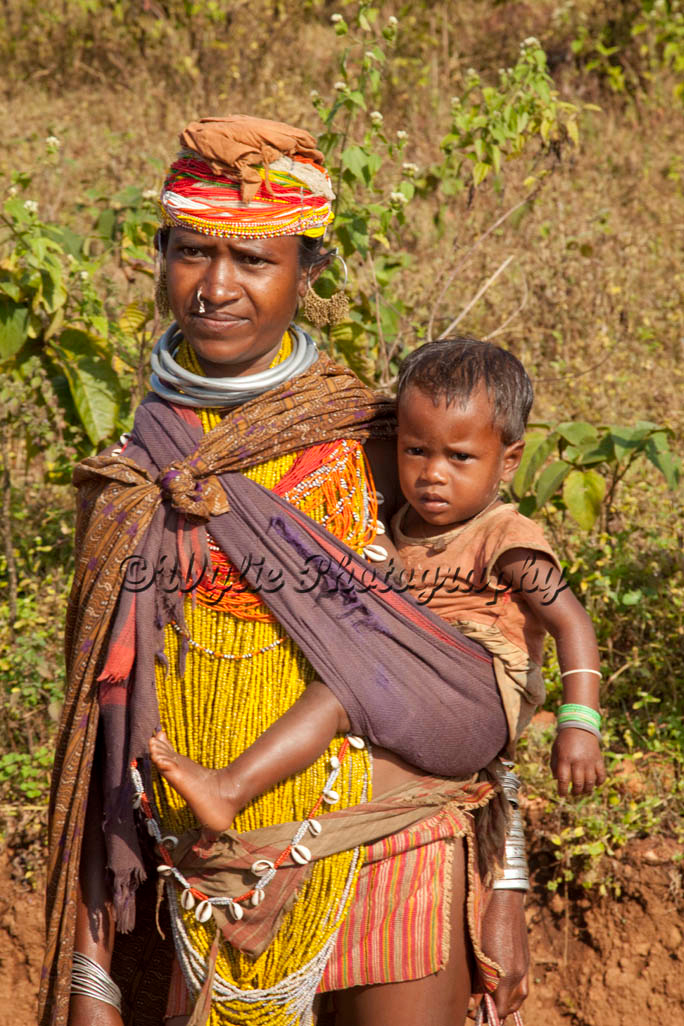


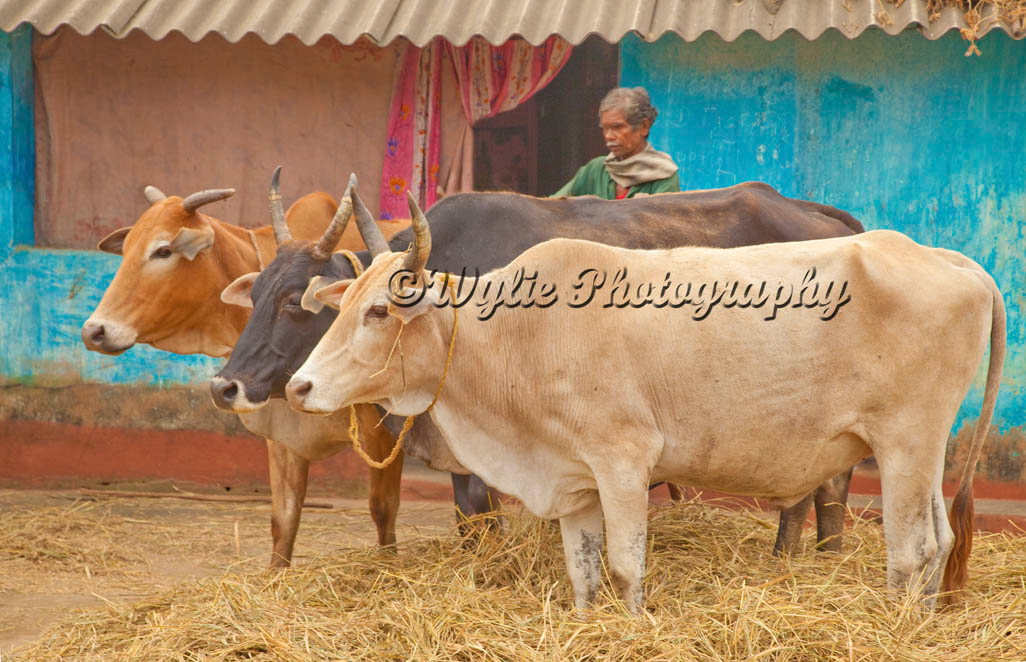

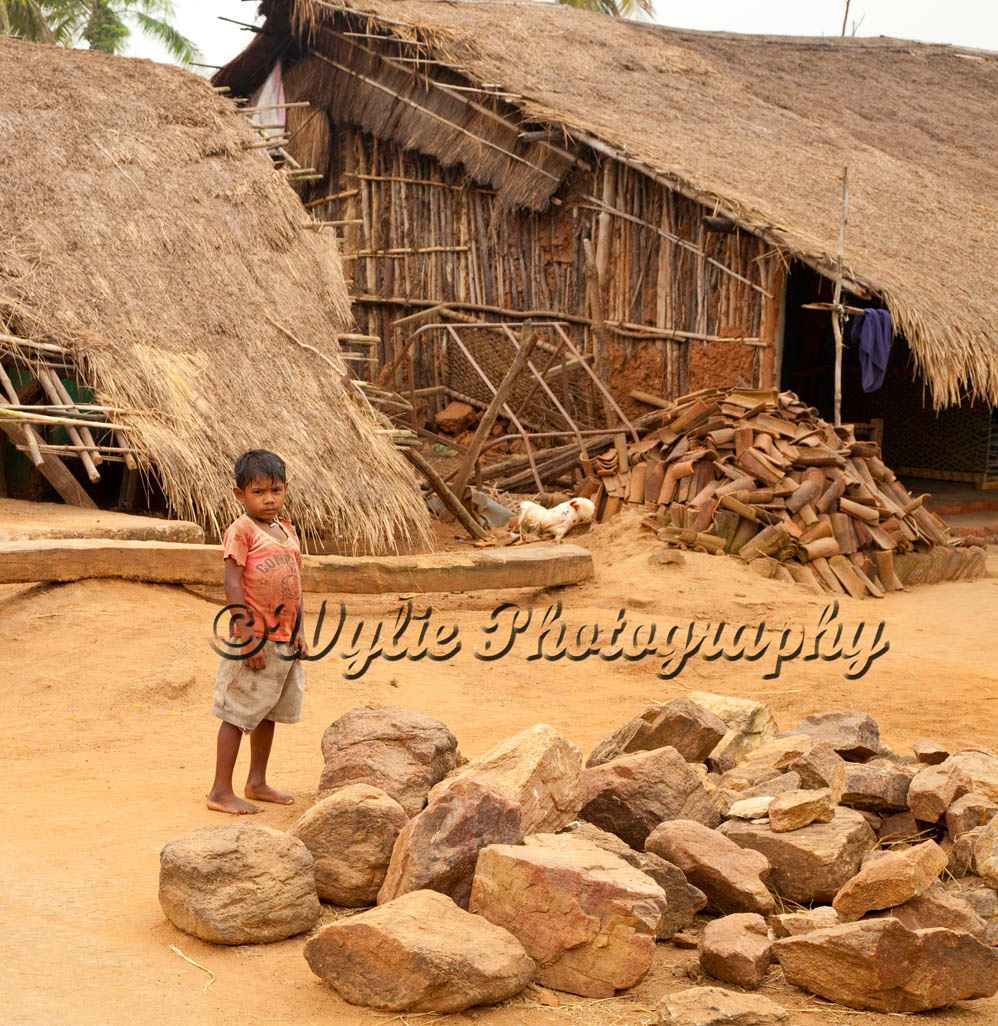

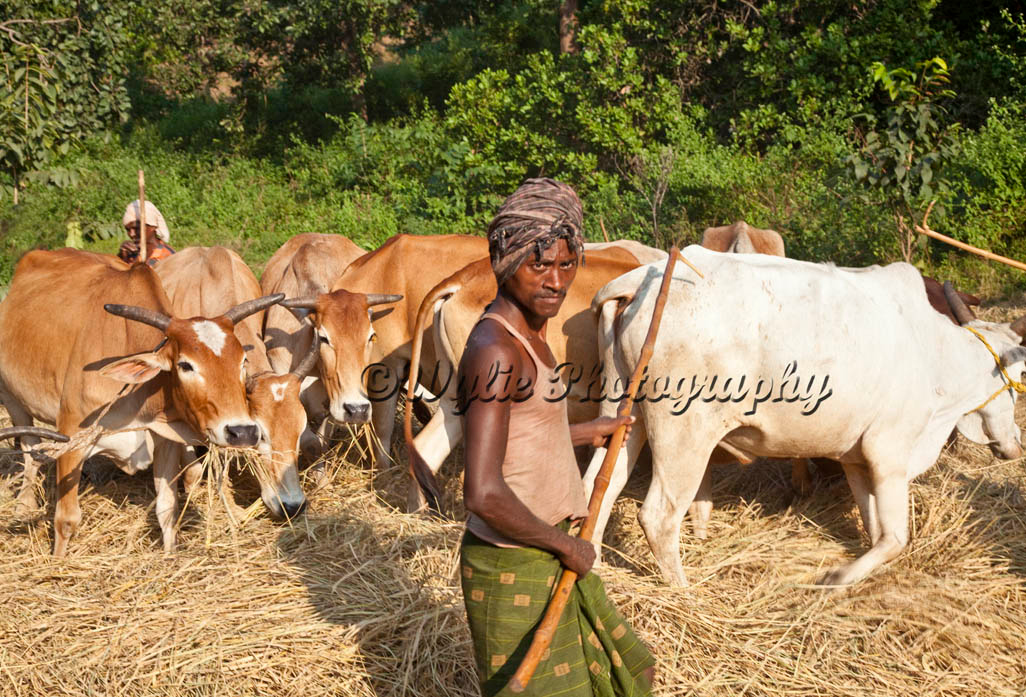

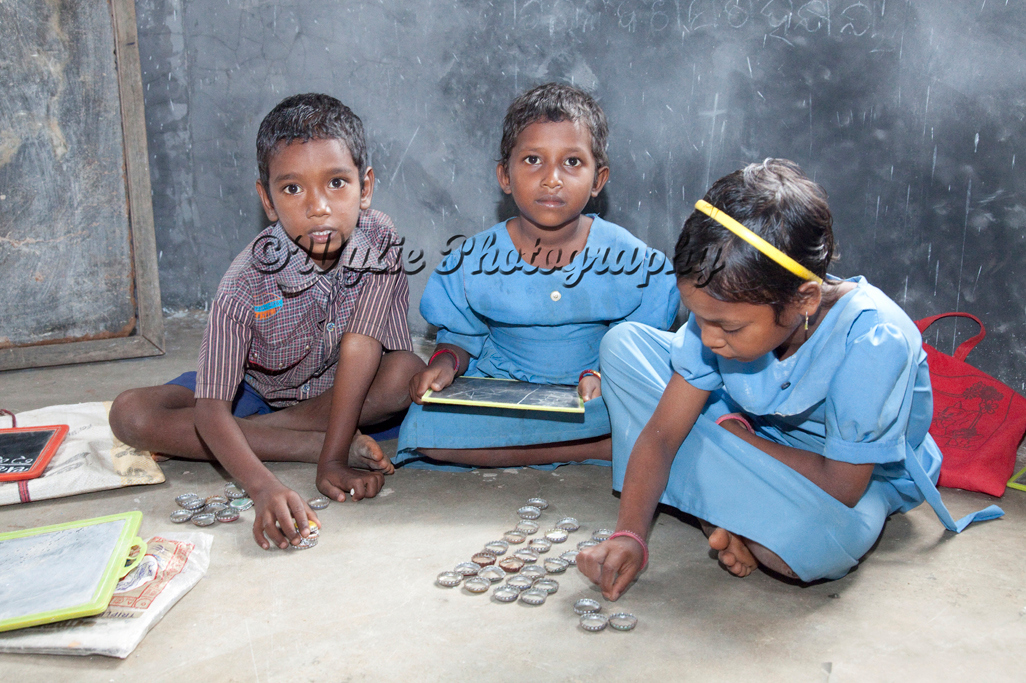


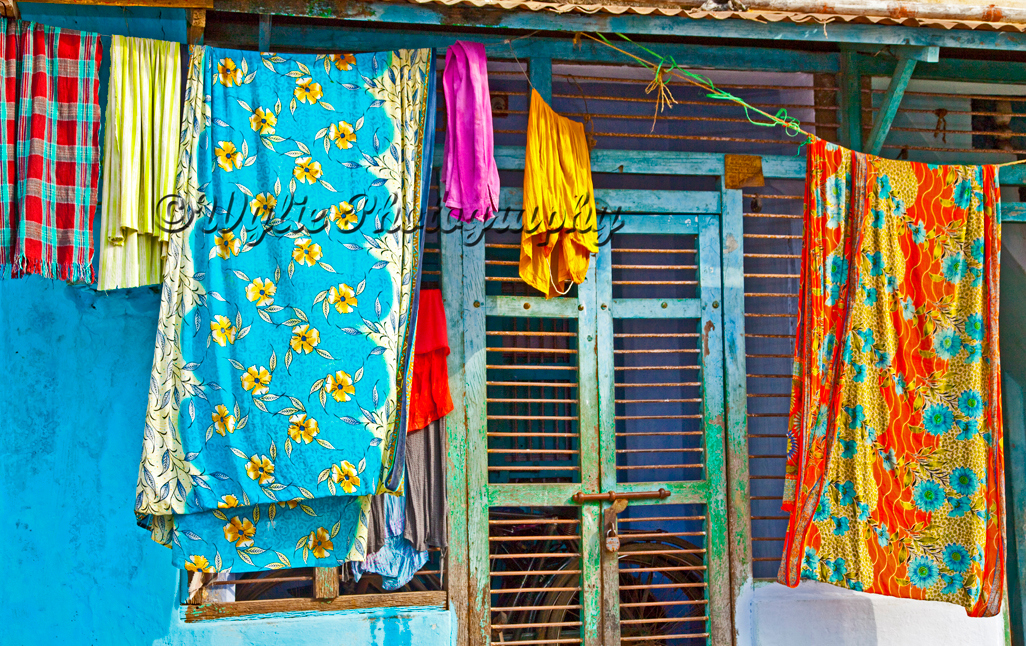
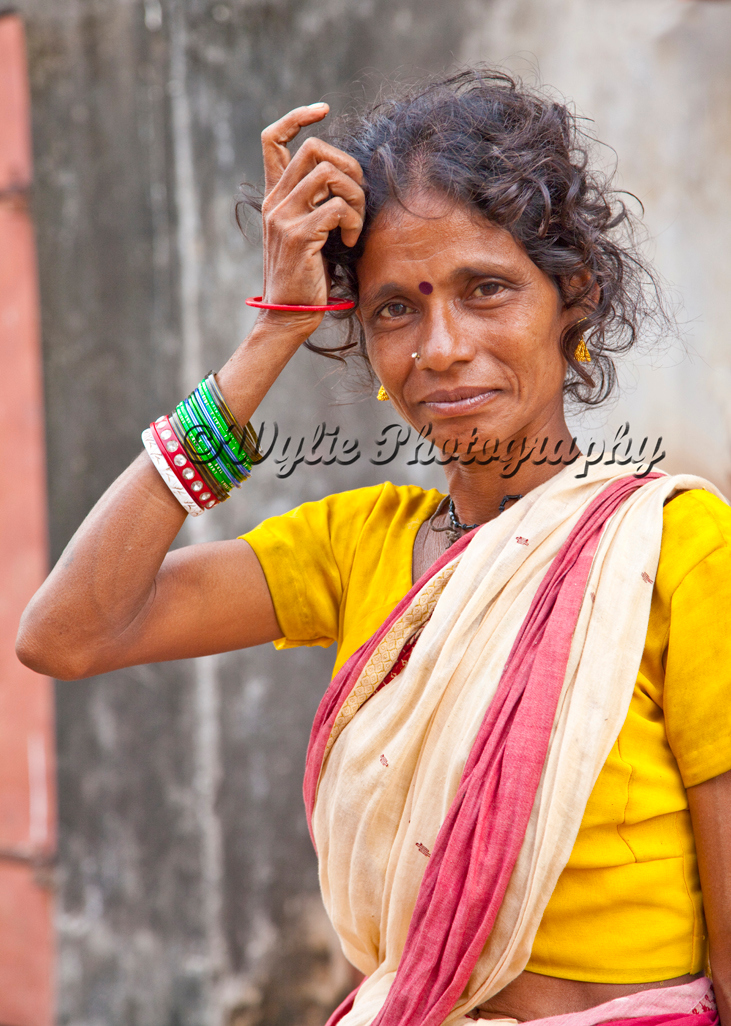


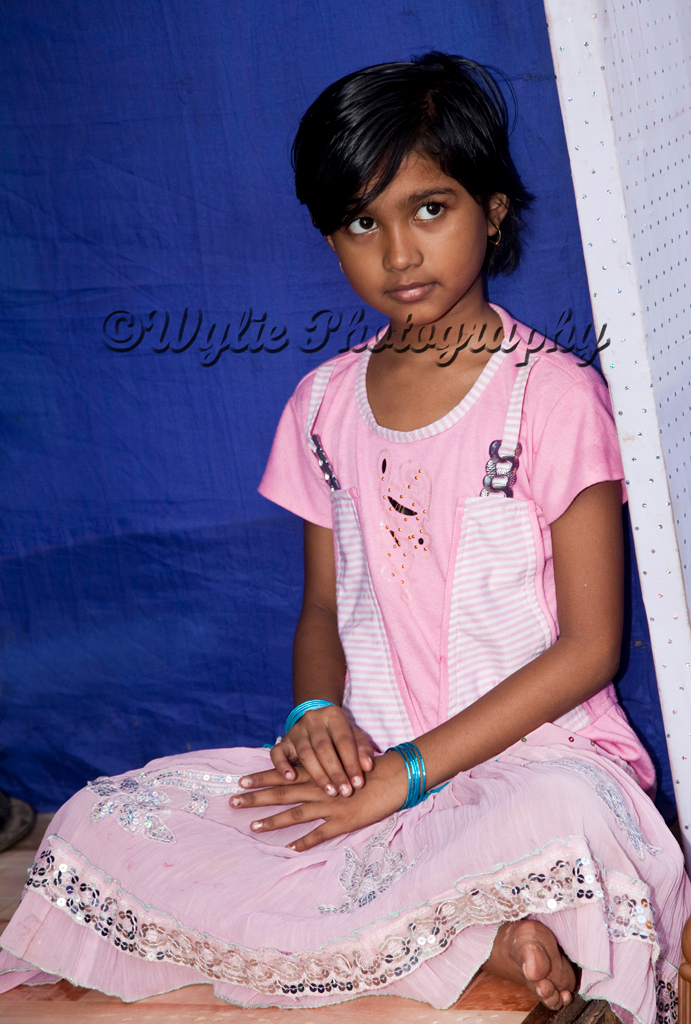
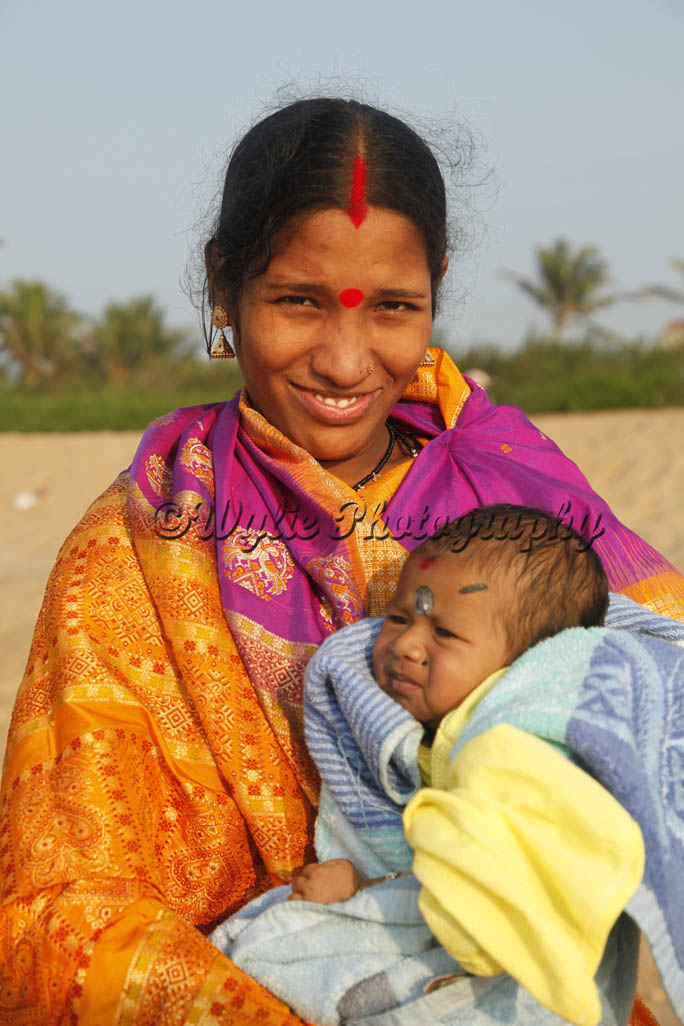


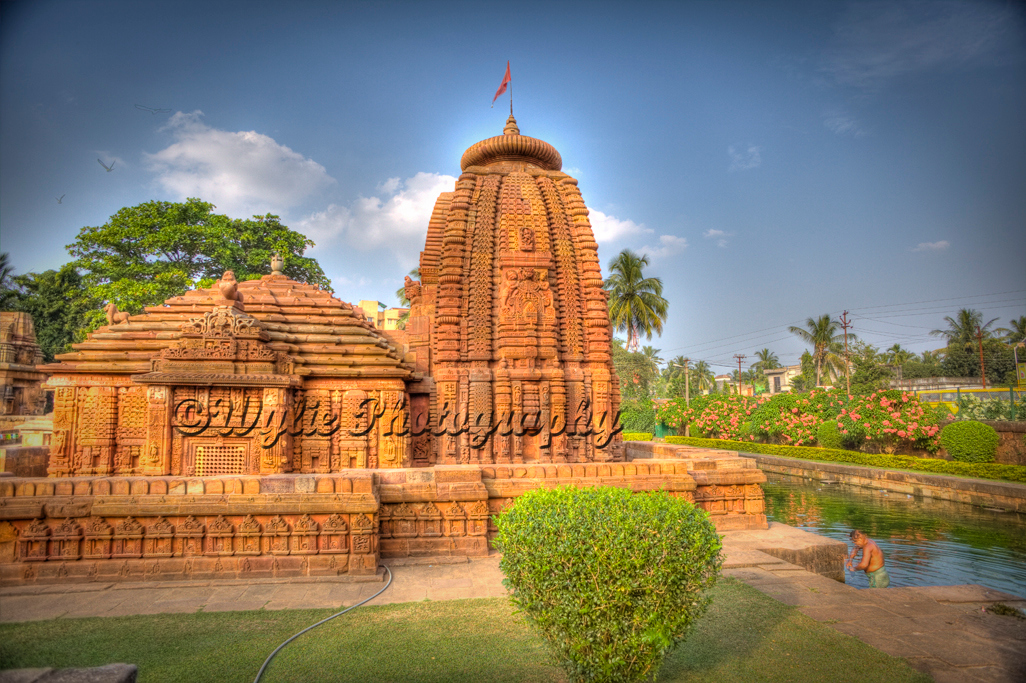
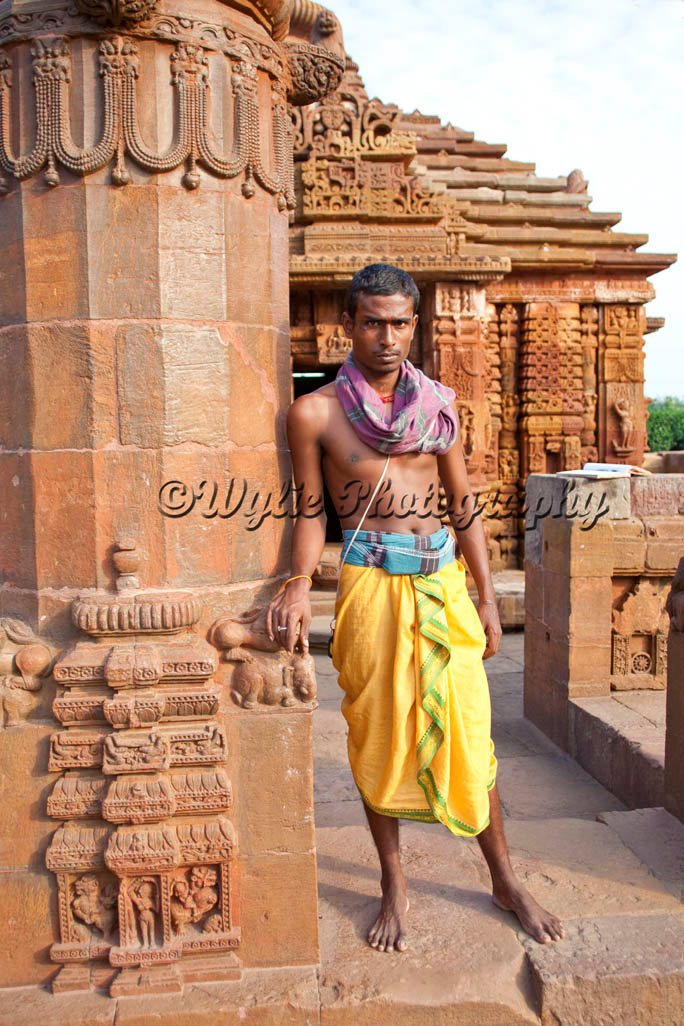

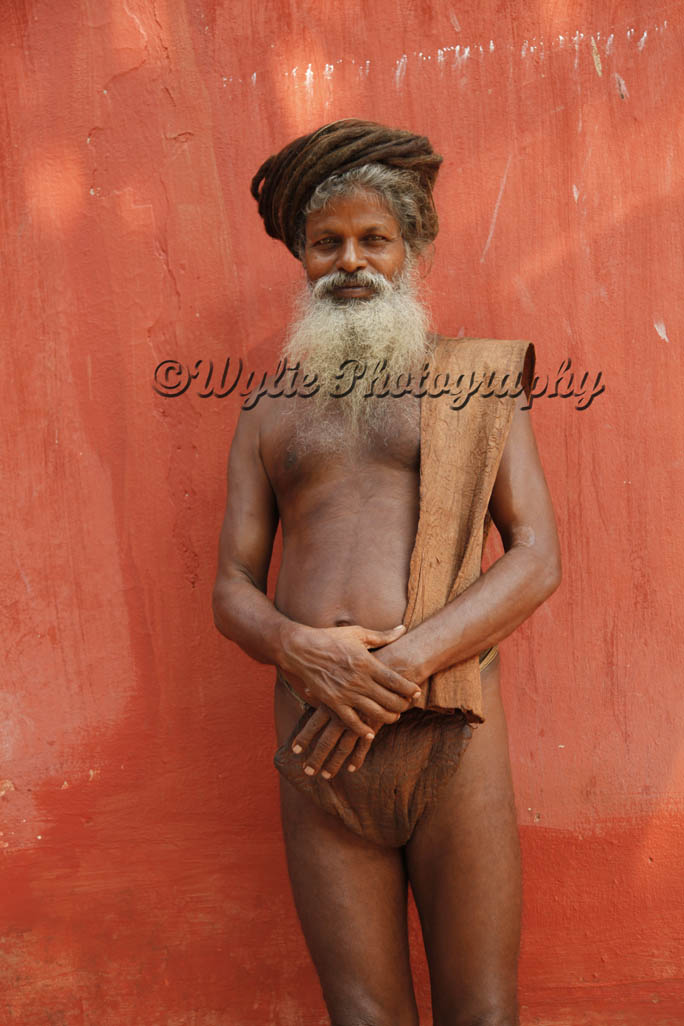

India is a land of the mystical and the mundane, a kaleidoscope of colors against raw images. Besides the radiance of saris gracing the rice fields, the scenes are filled with aromas and flavors of spices. We photographed the regions of Chhattisgarh and Orissa.
Flying into Kolkata, we visited the tomb of Mother Teresa. Markets were ubiquitous adorned with a sea of marigolds. Artisans made clay Hindu gods for upcoming celebrations. Bhubaneswar has more than 700 ancient temples. The Hari Crisnas pay tribute to cows hoping for good luck. Cows are most holy. We watched a harrowing cock fight.
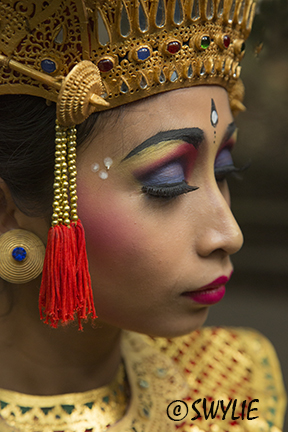
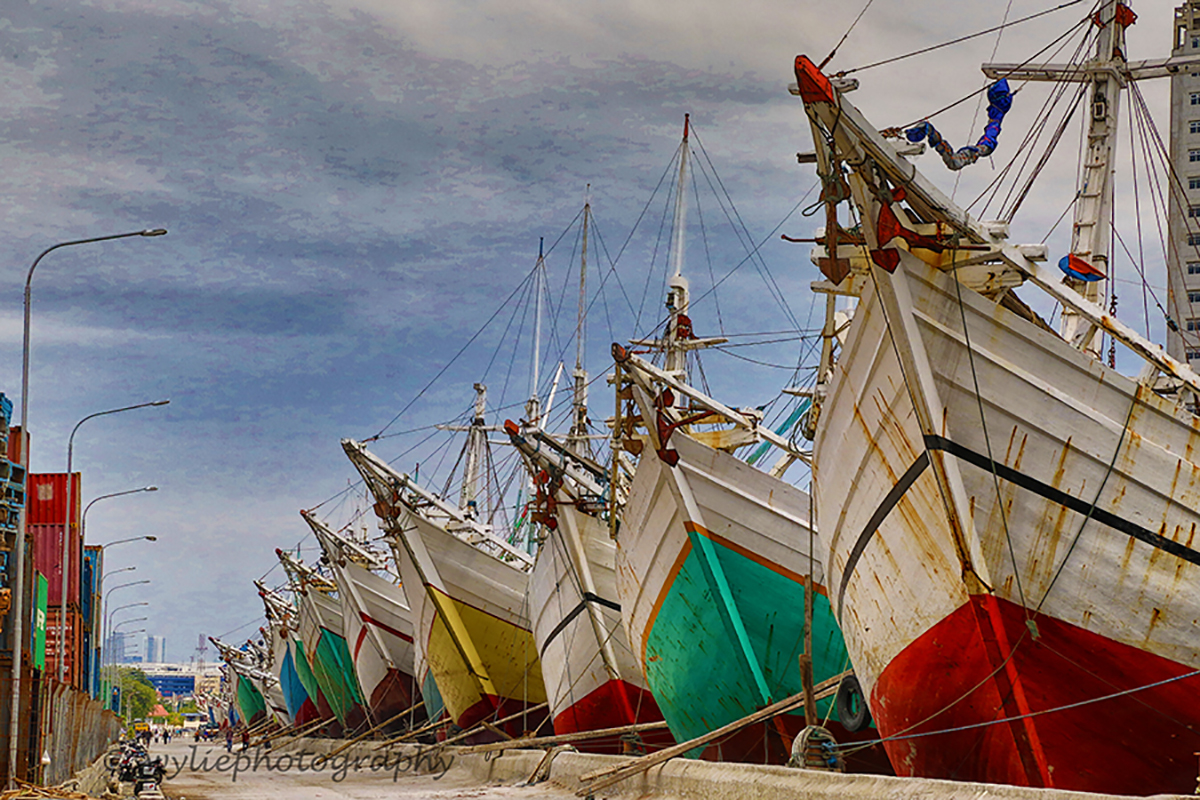


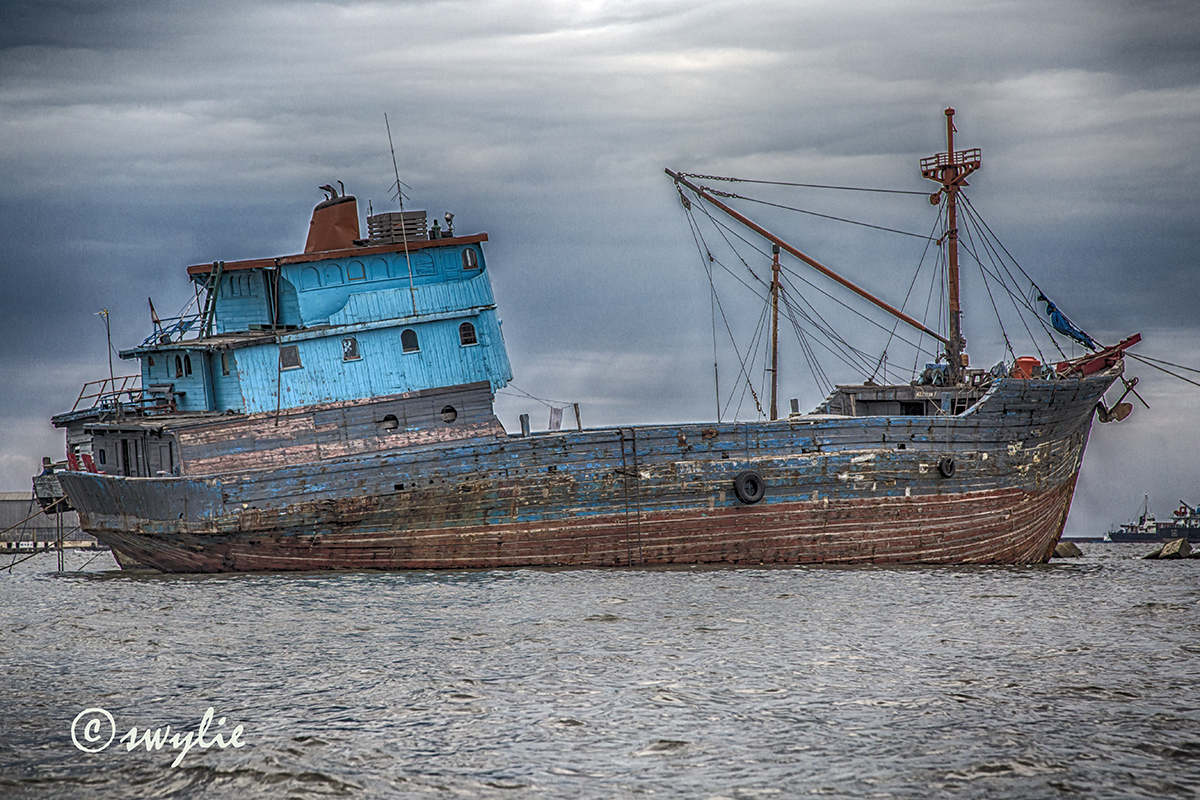
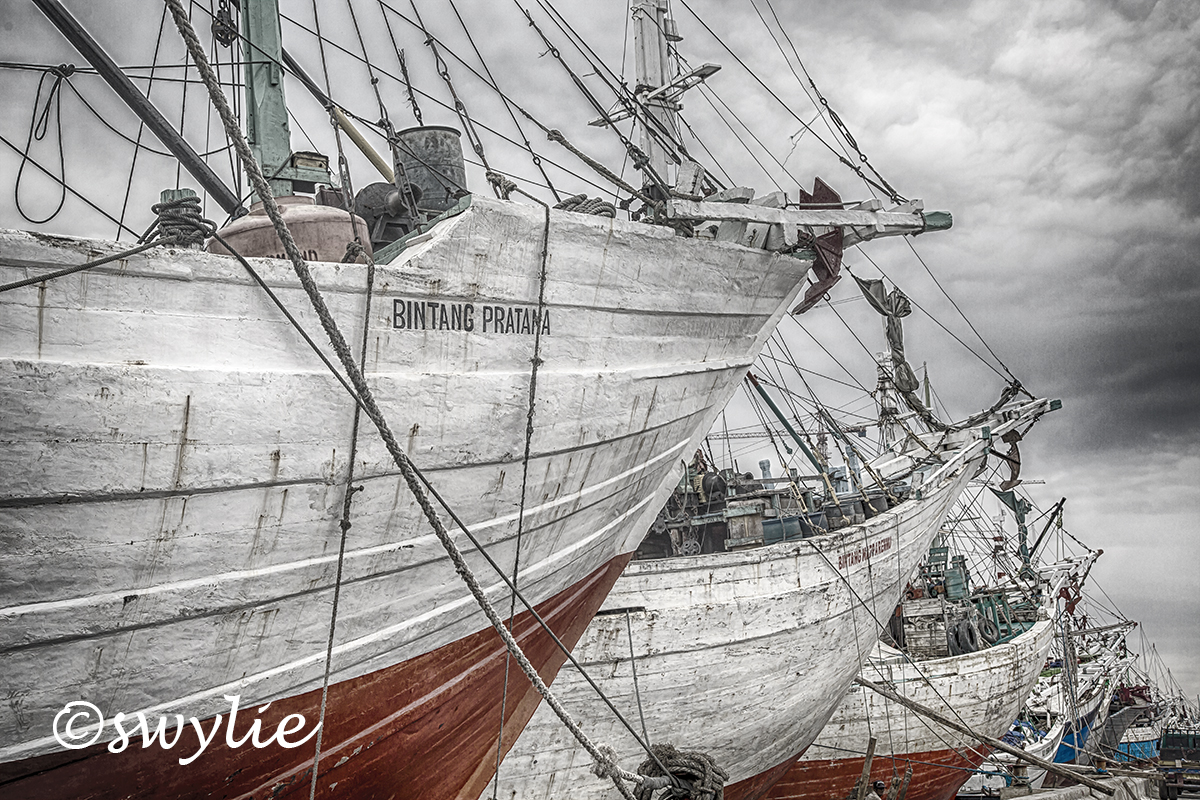


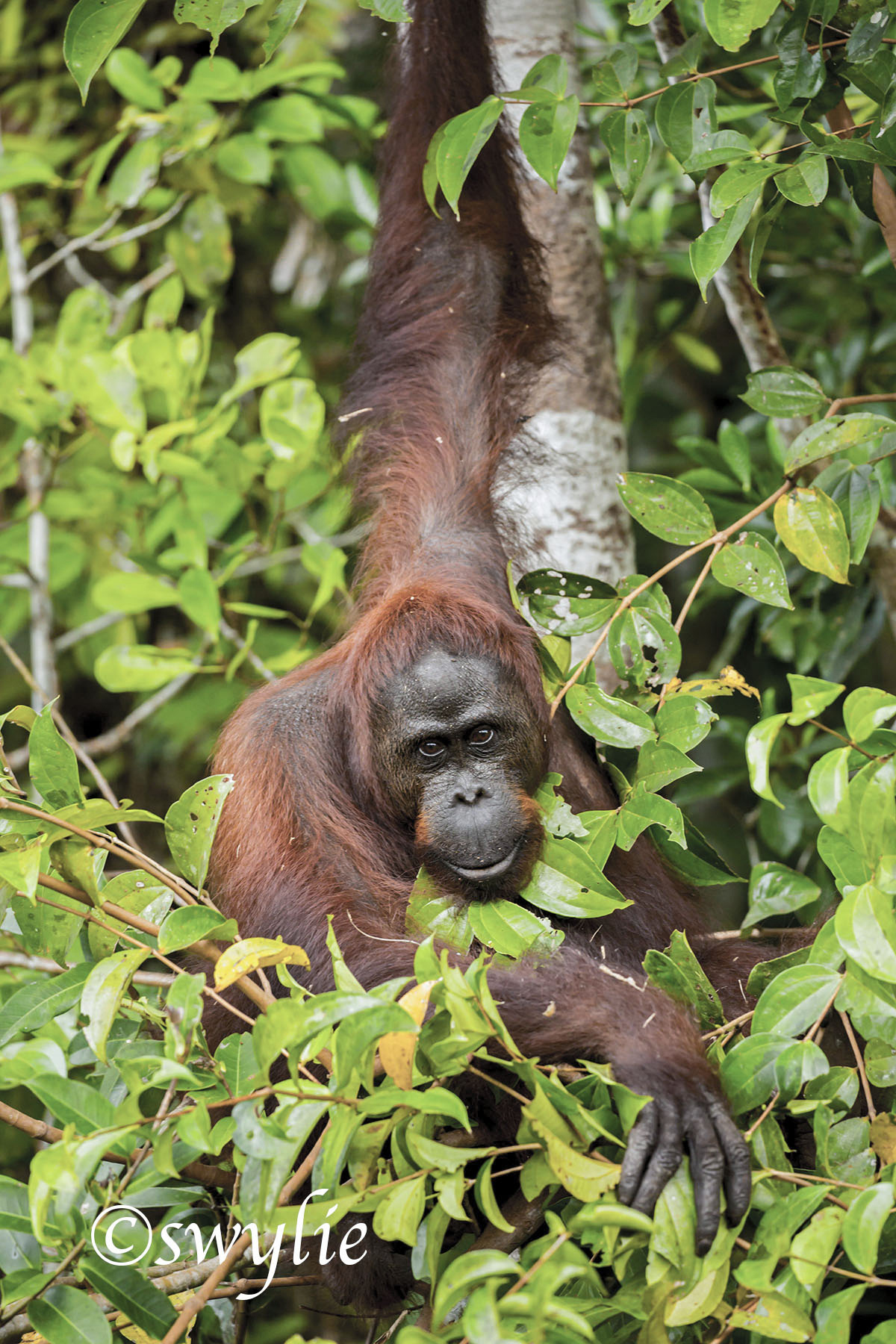
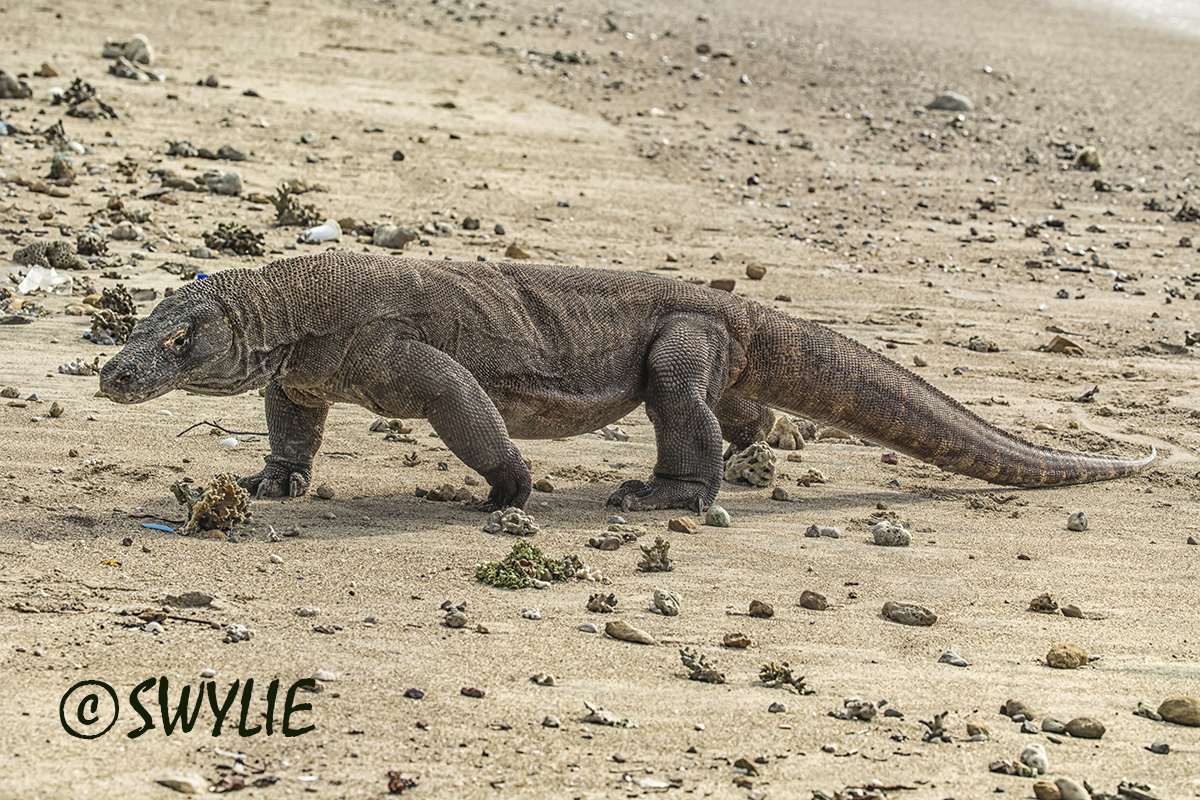


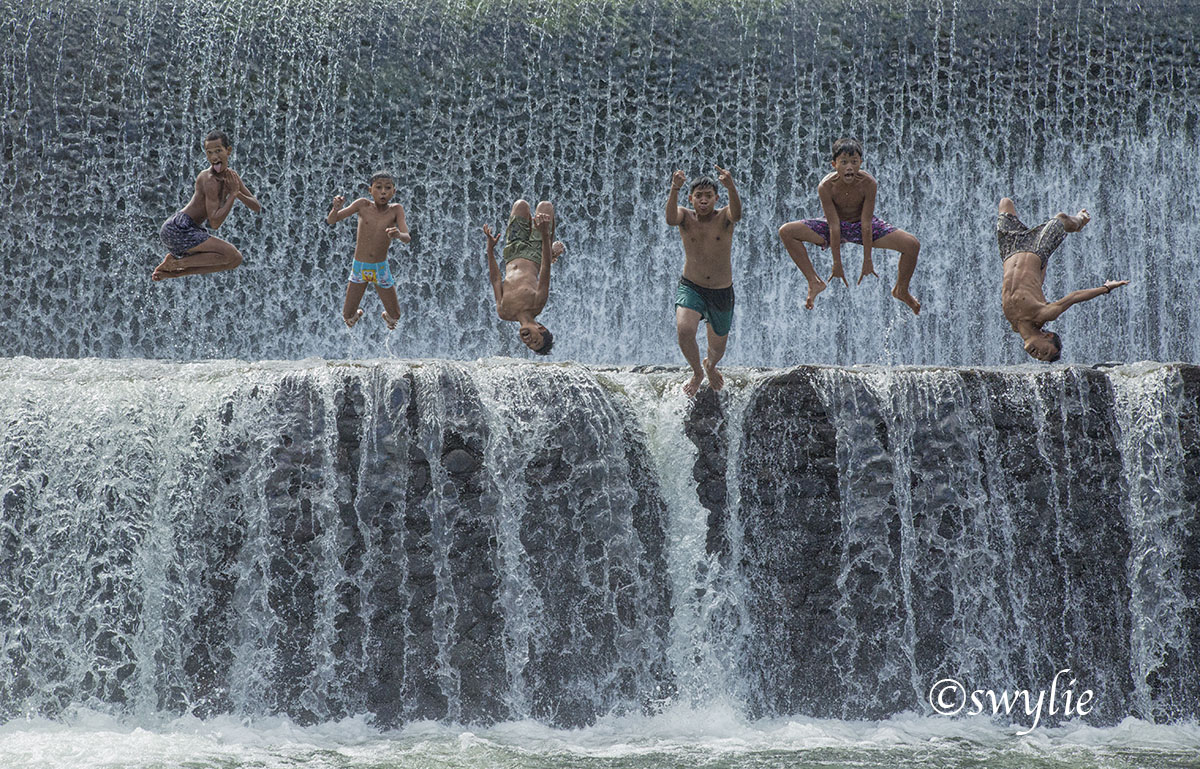


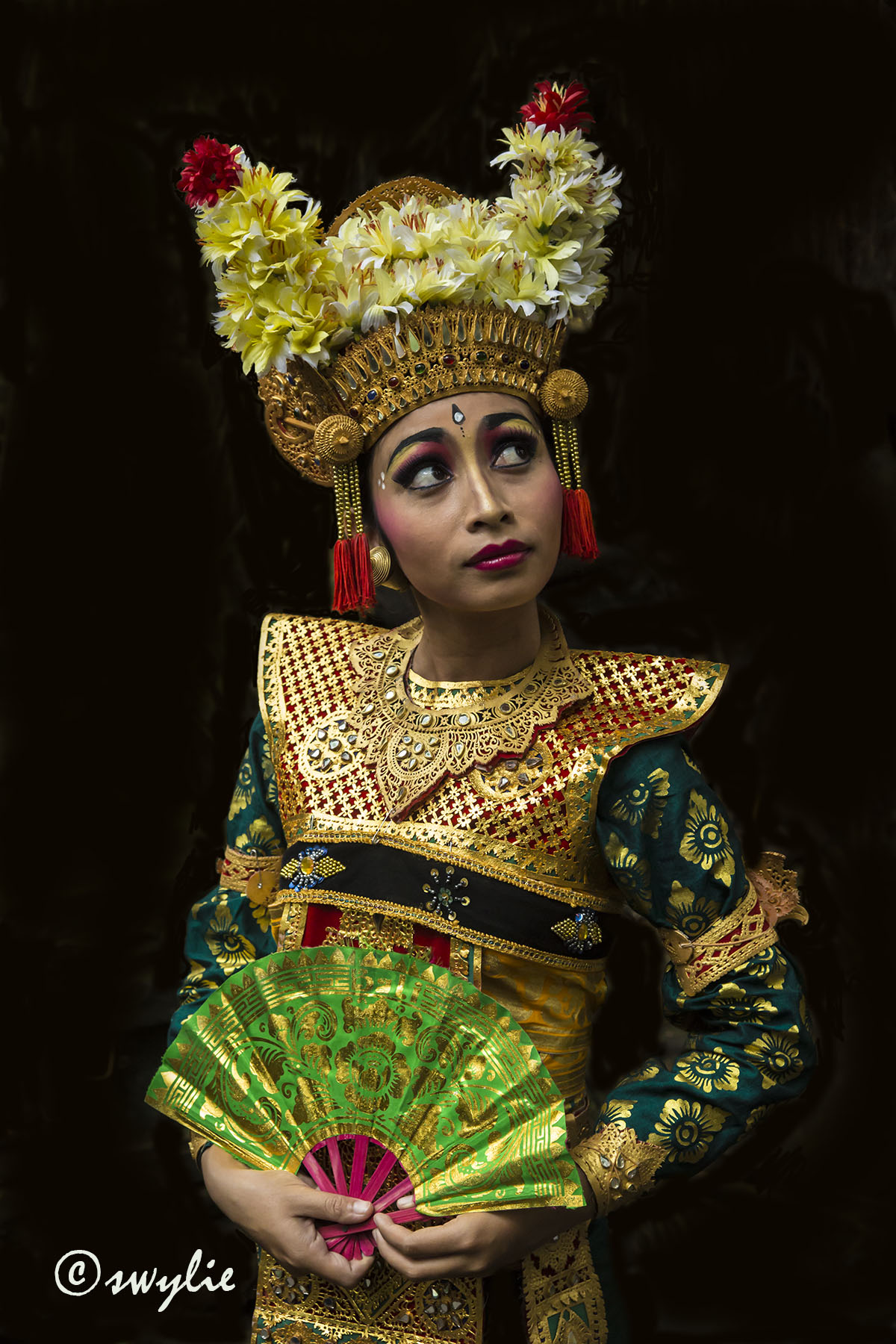
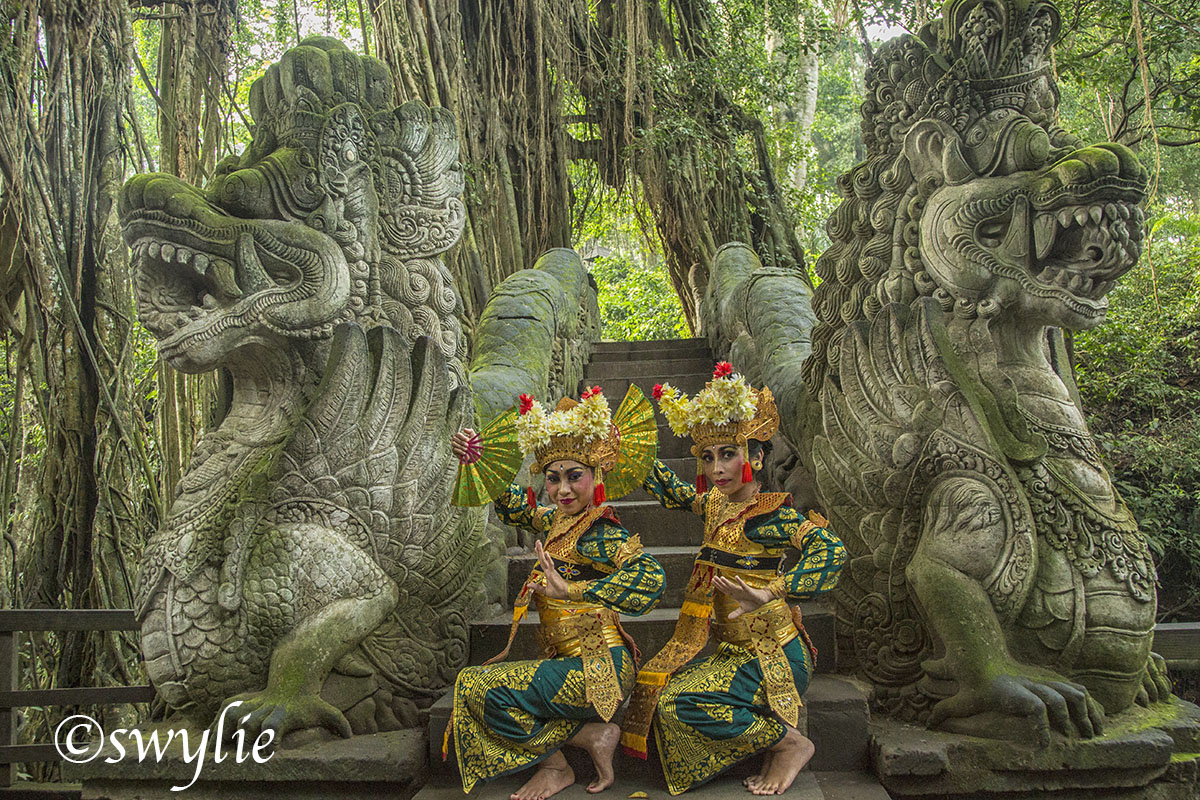


We met in Jakarta and flew on to Borneo where we transferred to our boat. Traveling up river for two hours we reached Tanjung Putting National Park, the home to wild orangutans. The Kacek Fire Dancers performed for our group and two Balinese dancers posed in the Monkey Temple. Macaques were everywhere. We stayed in a magnificent villa Dedari Kriyamaha in Ubud, Bali. Each villa had a private swimming pool. On Komodo Island komodo dragons roamed like giant dinosaurs flickering their tongues for scent. Rangers walked beside them with forked sticks to stop any potential attack.


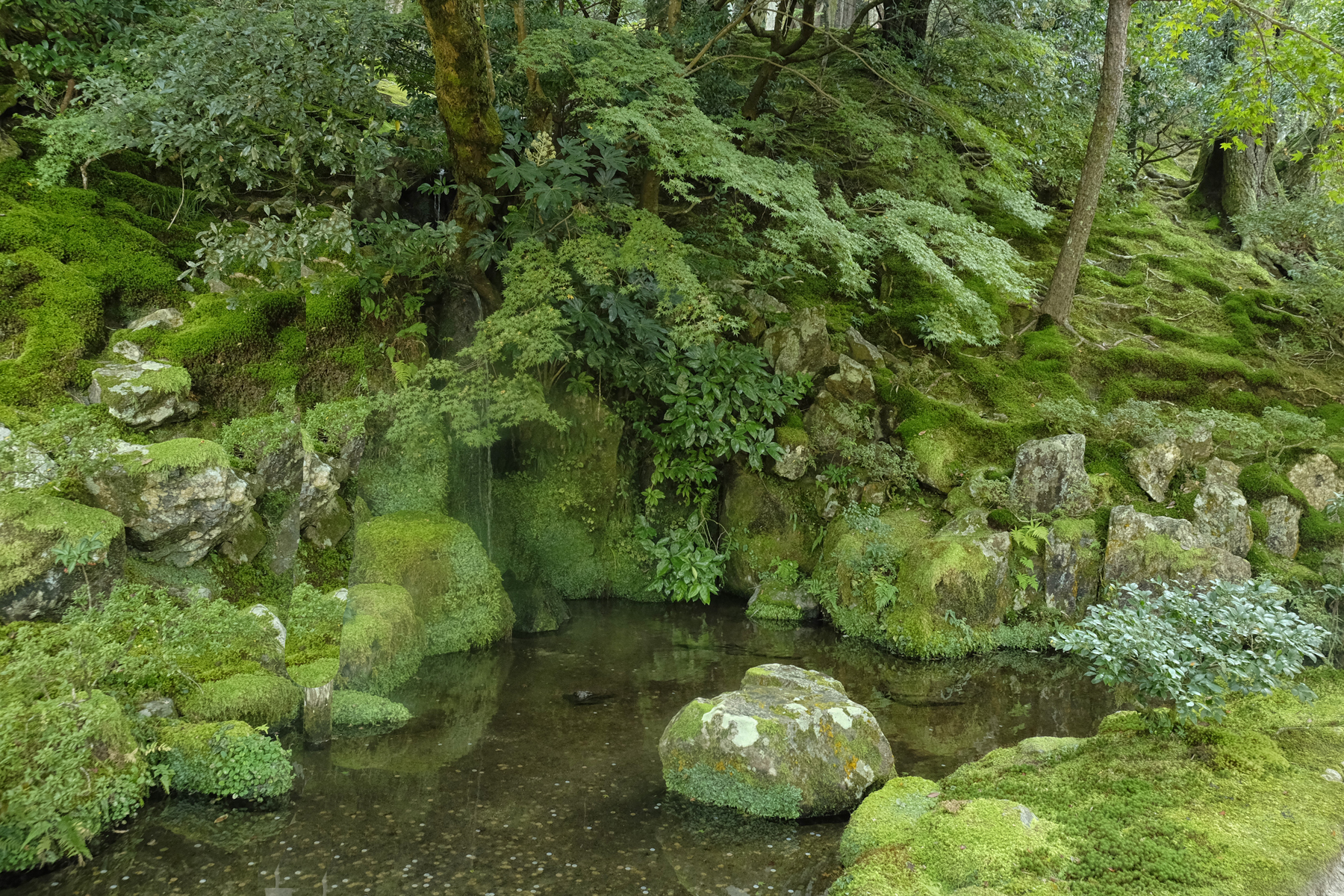
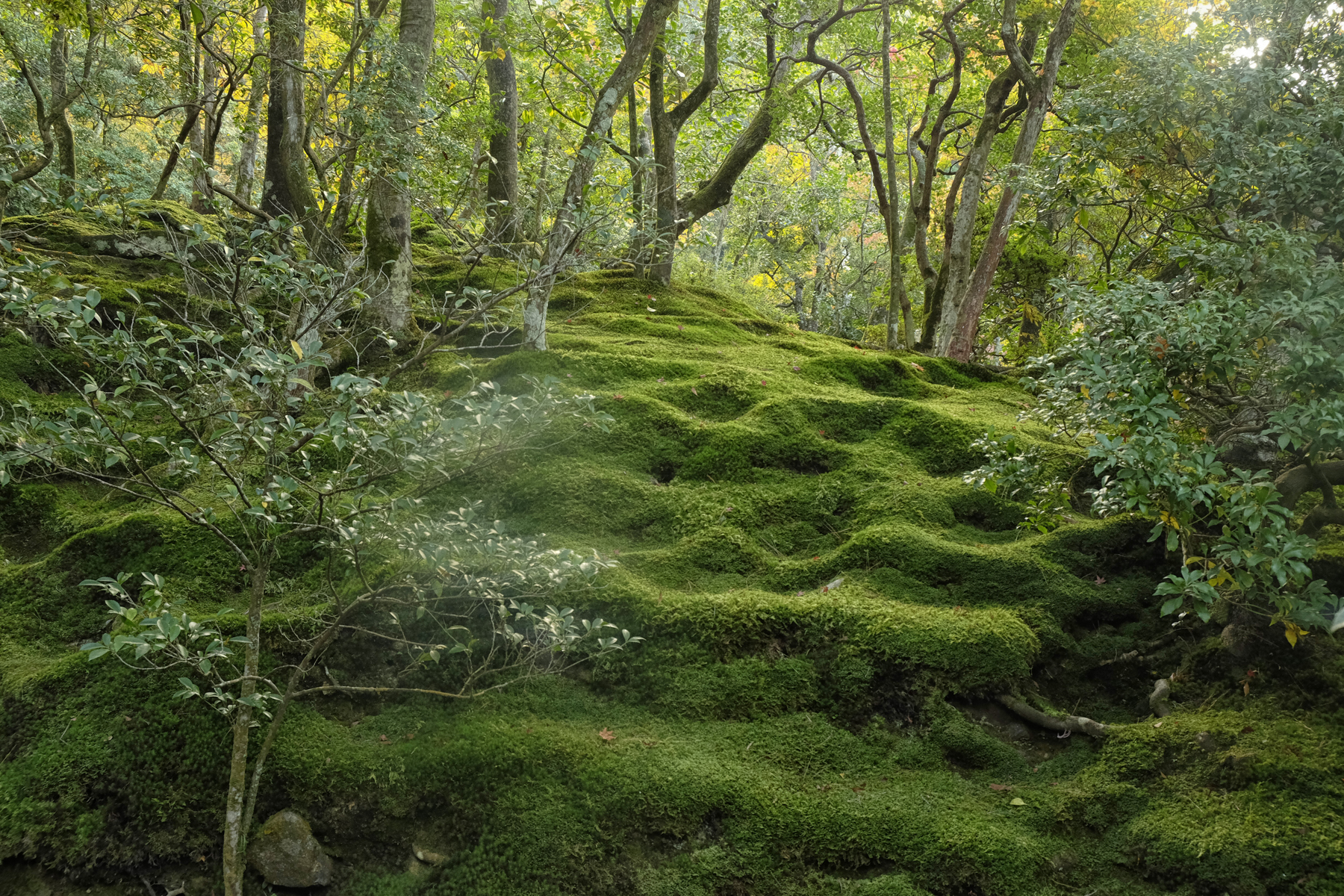
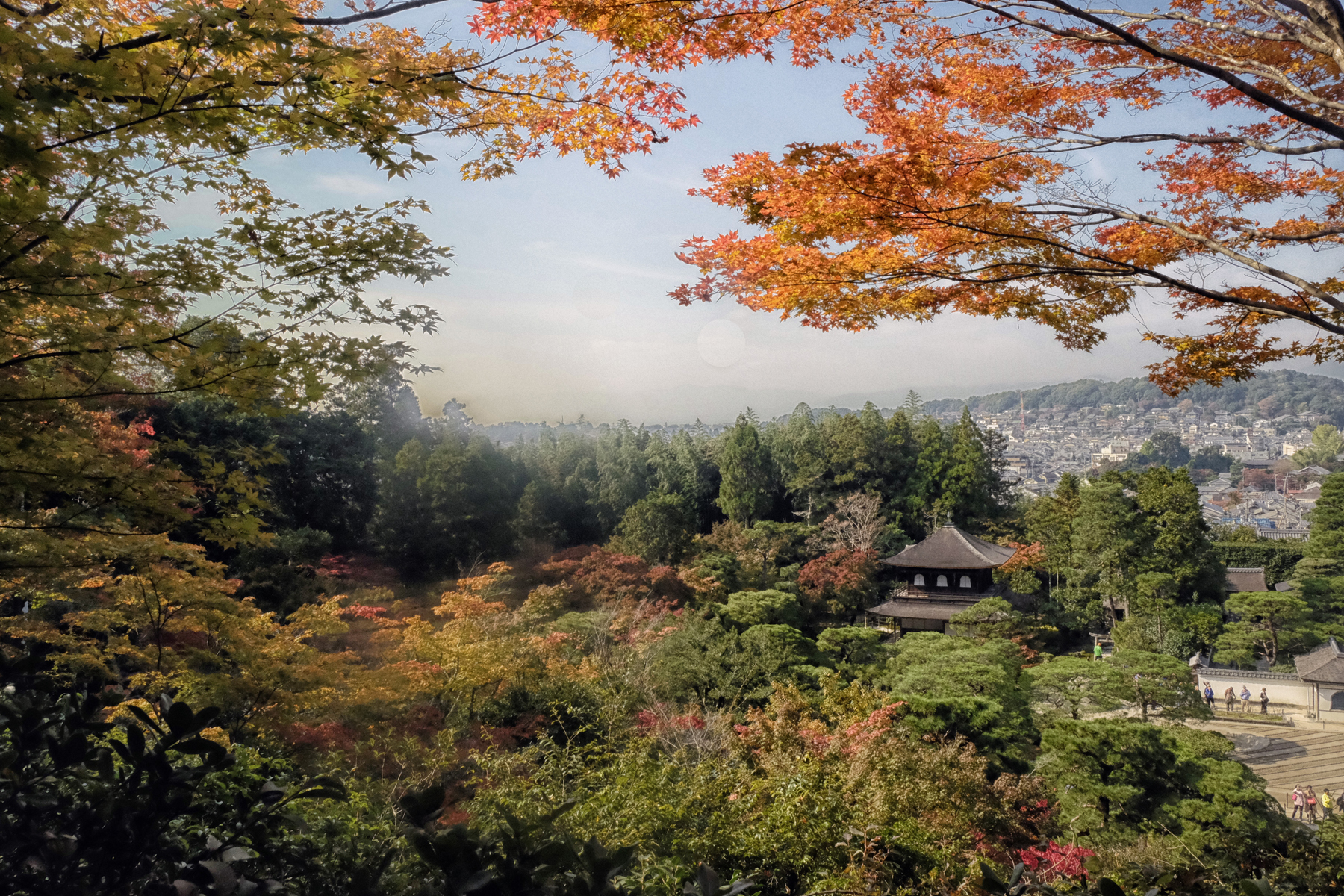
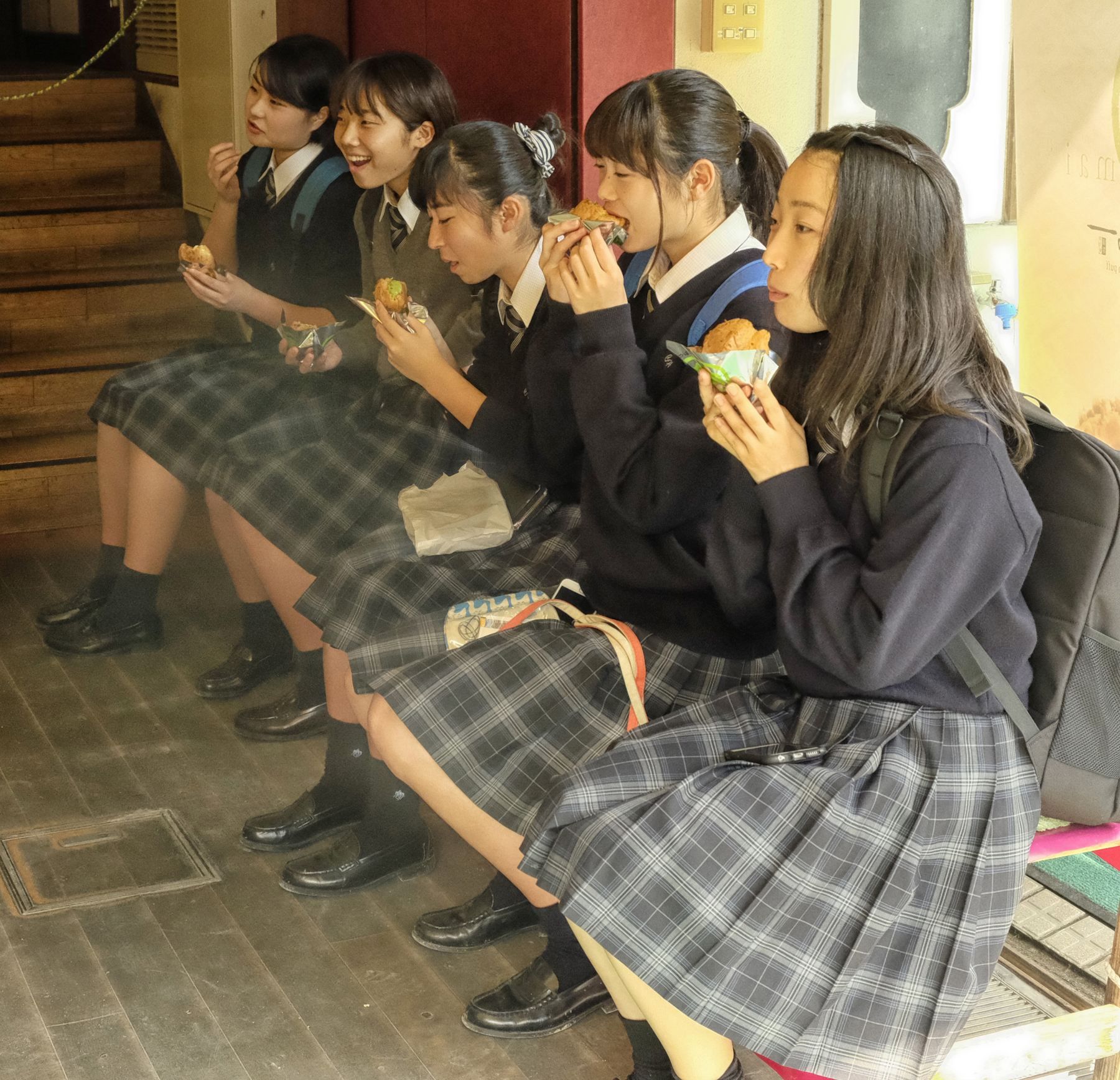

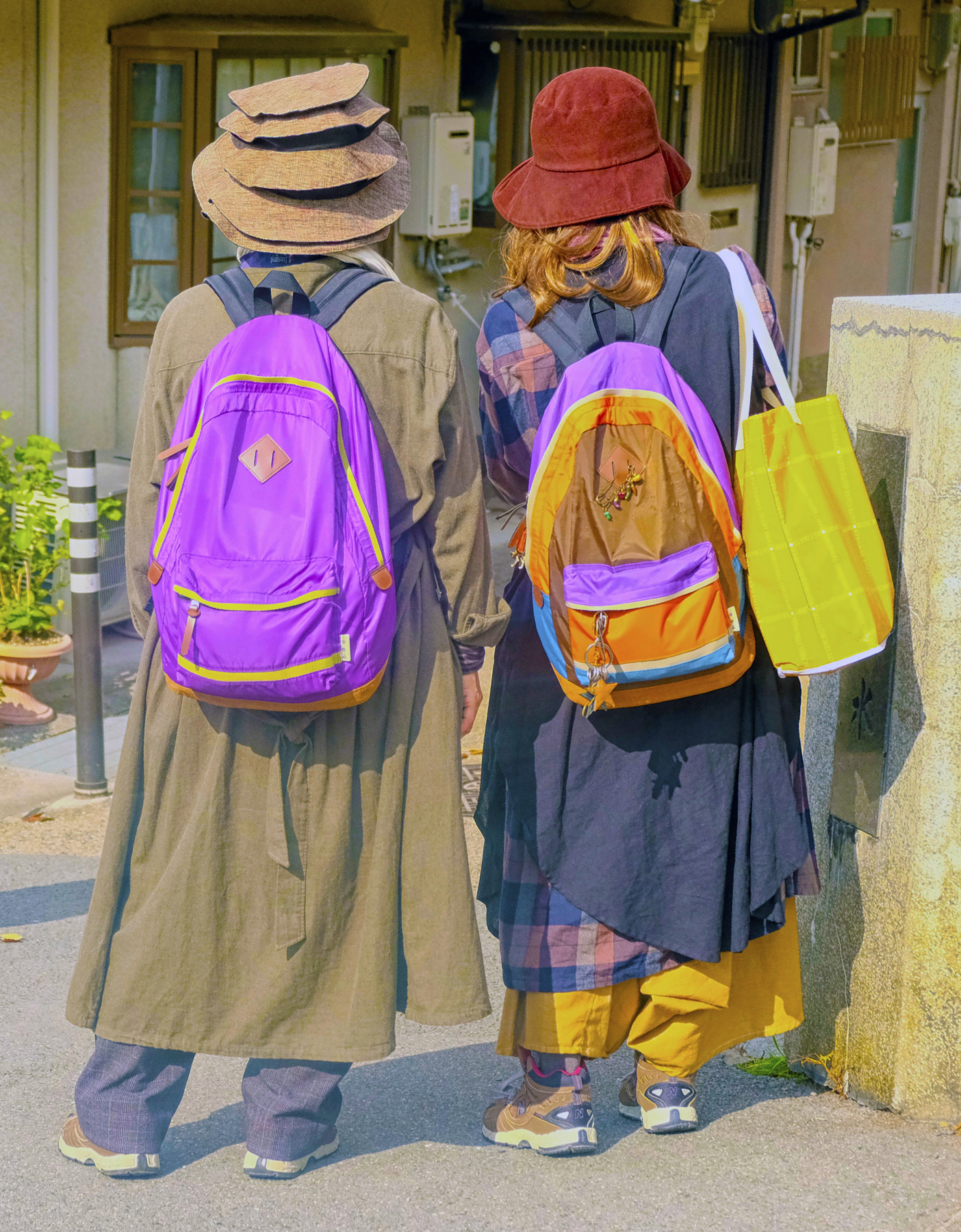
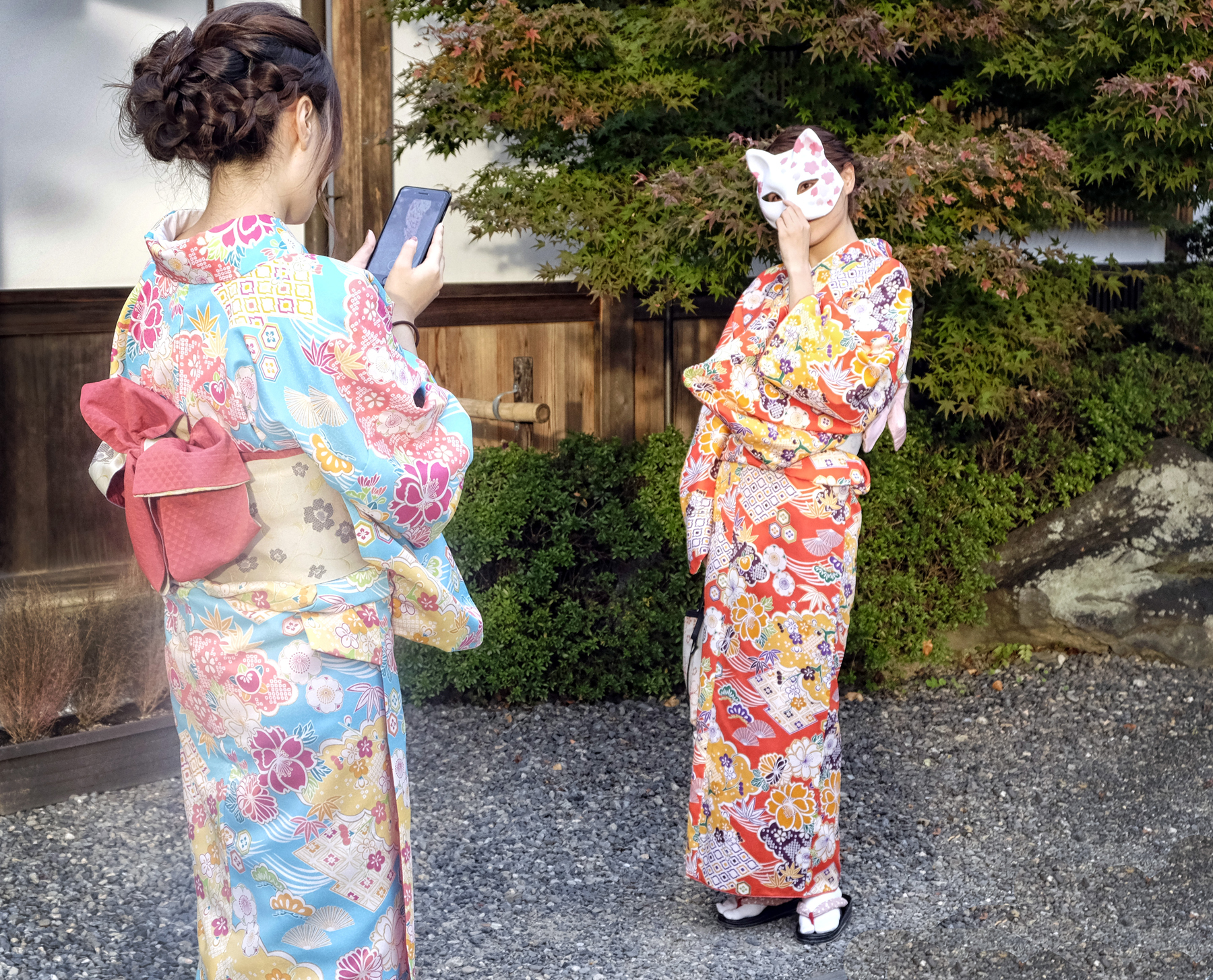
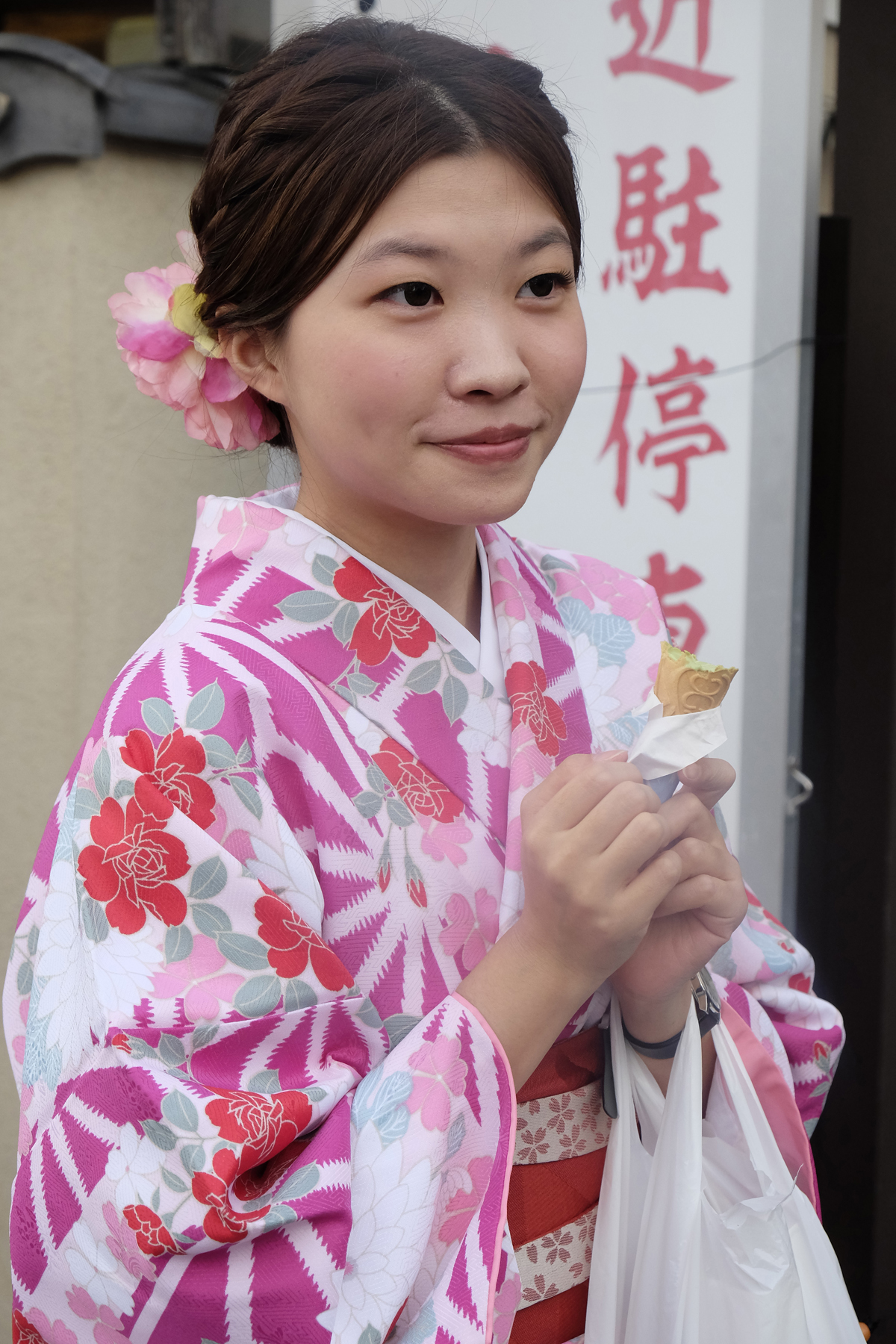


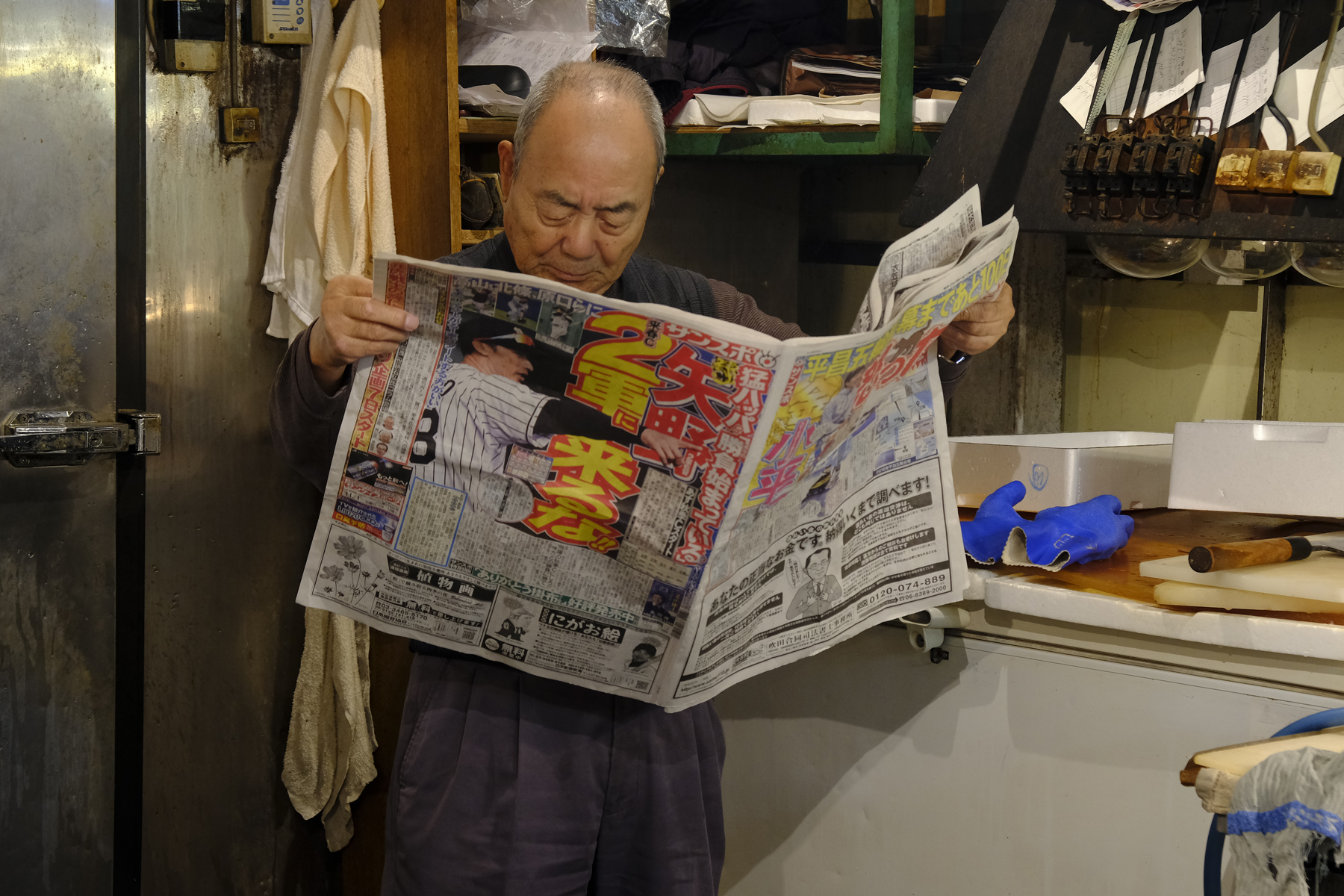


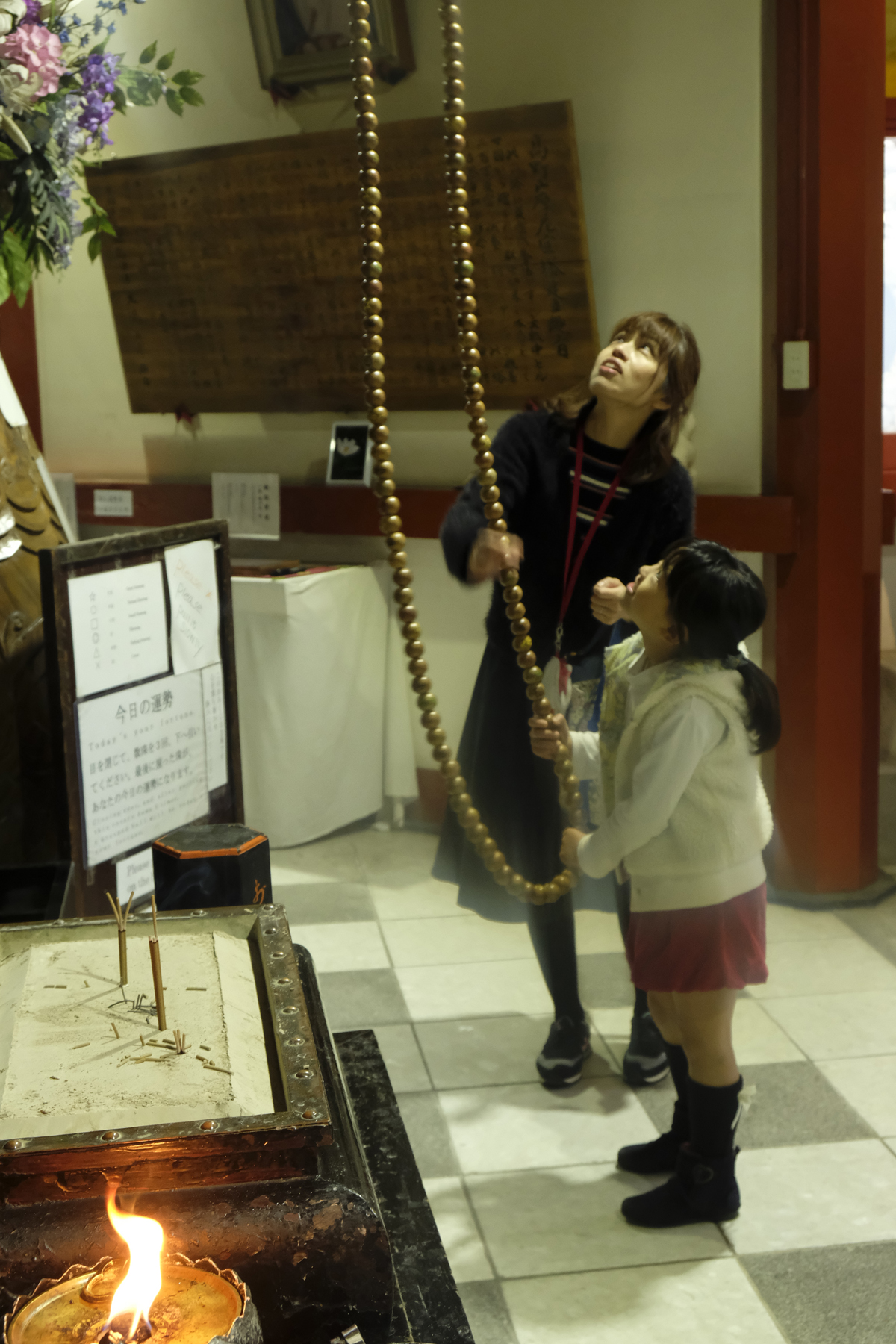

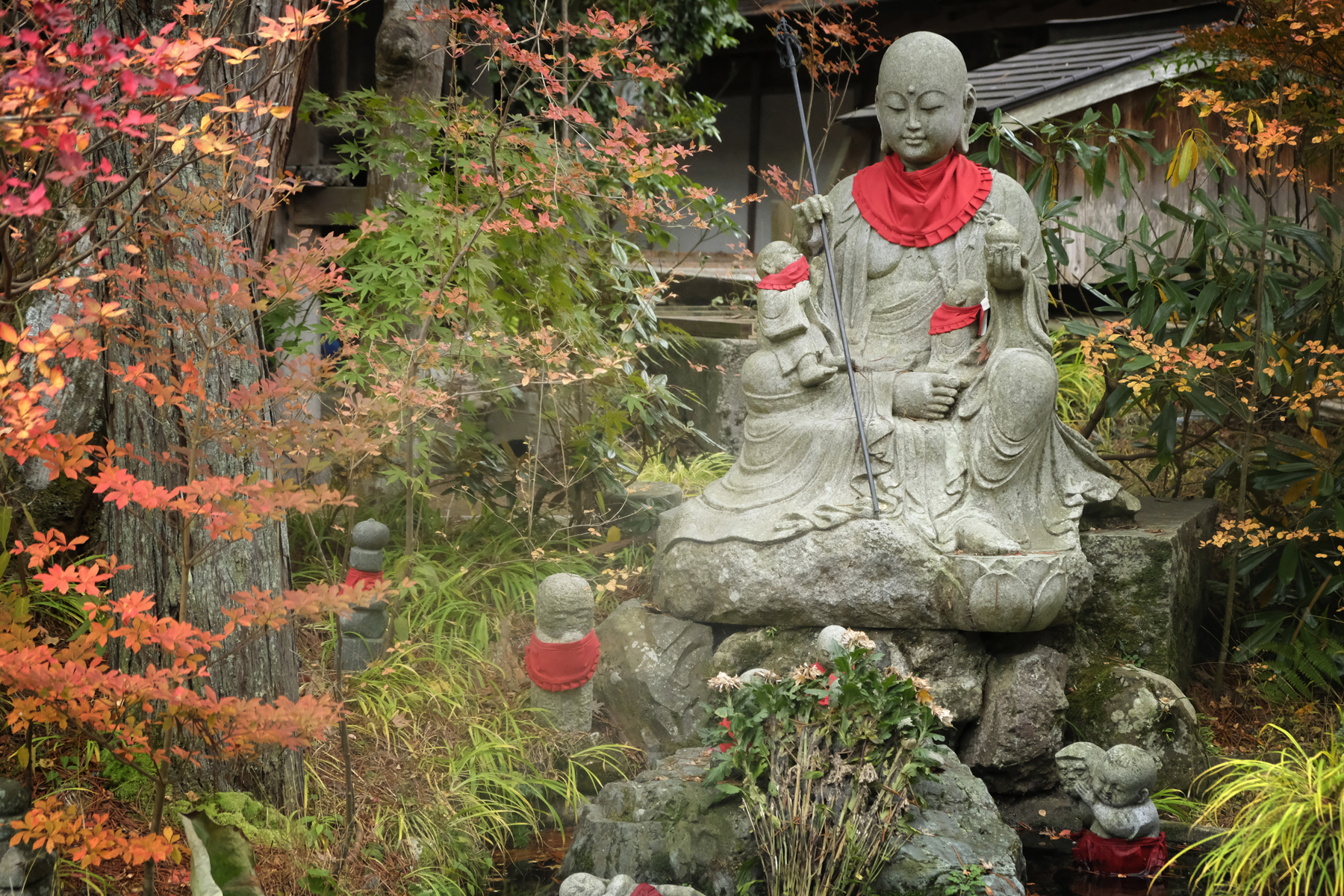


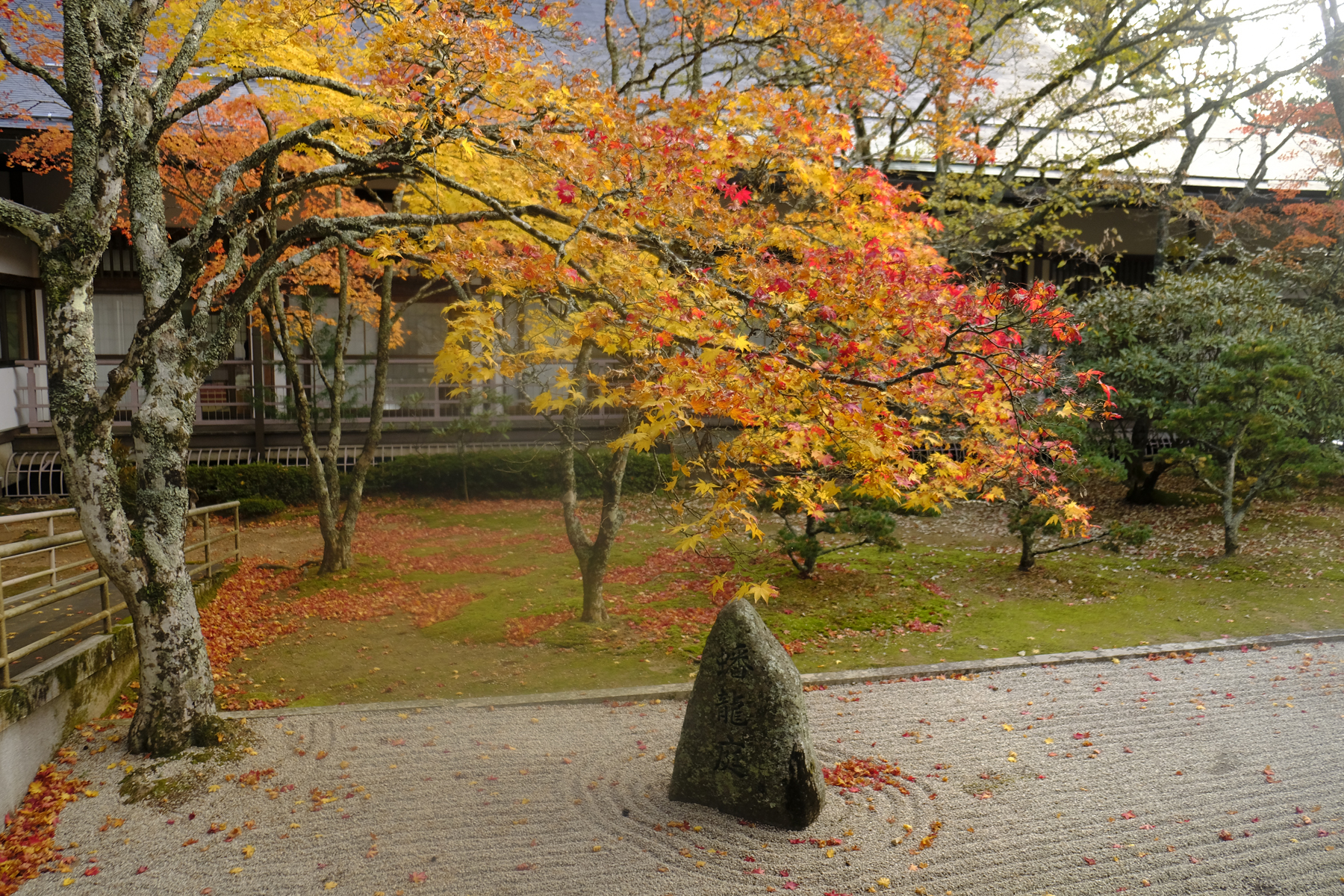
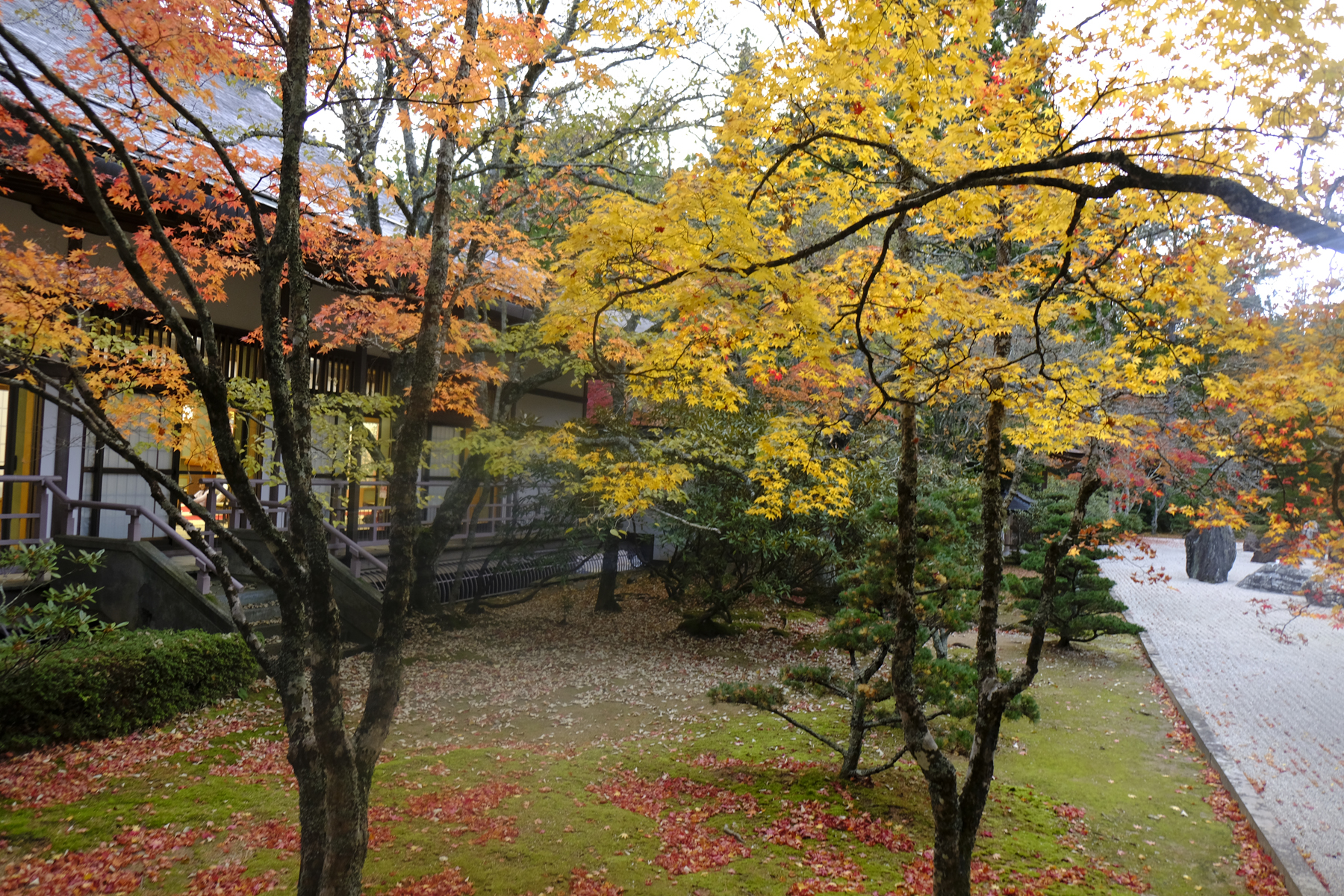


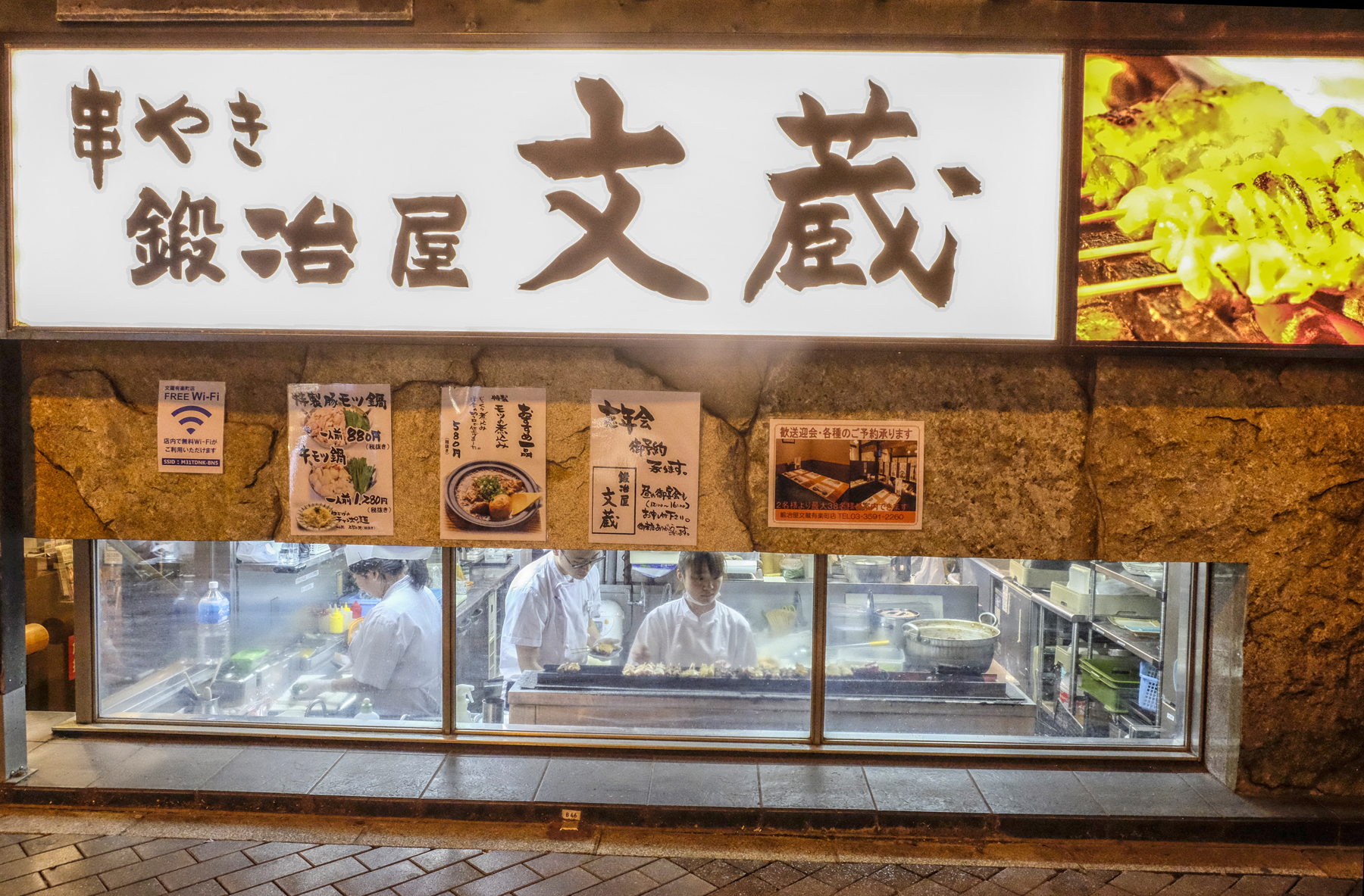
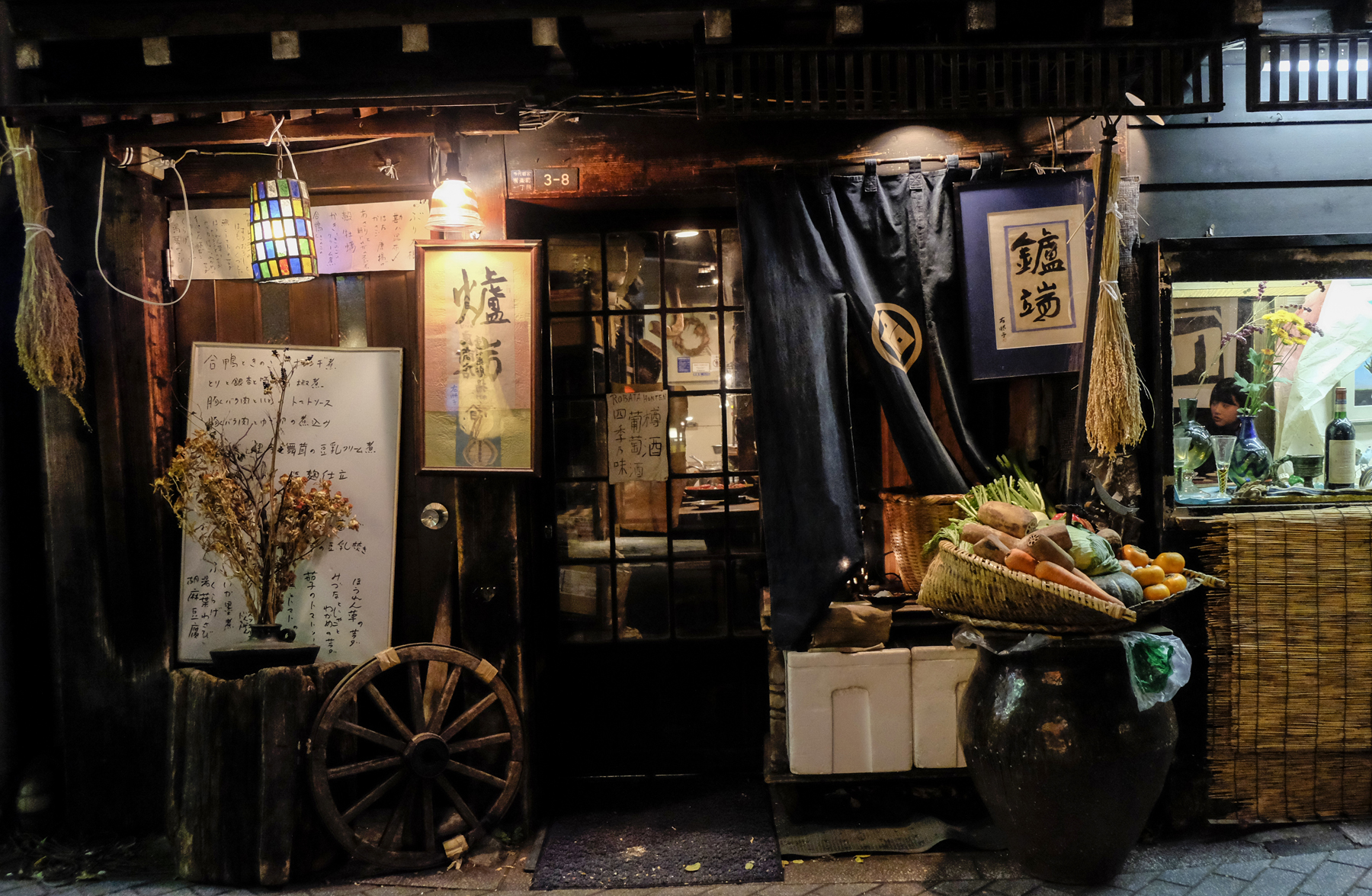

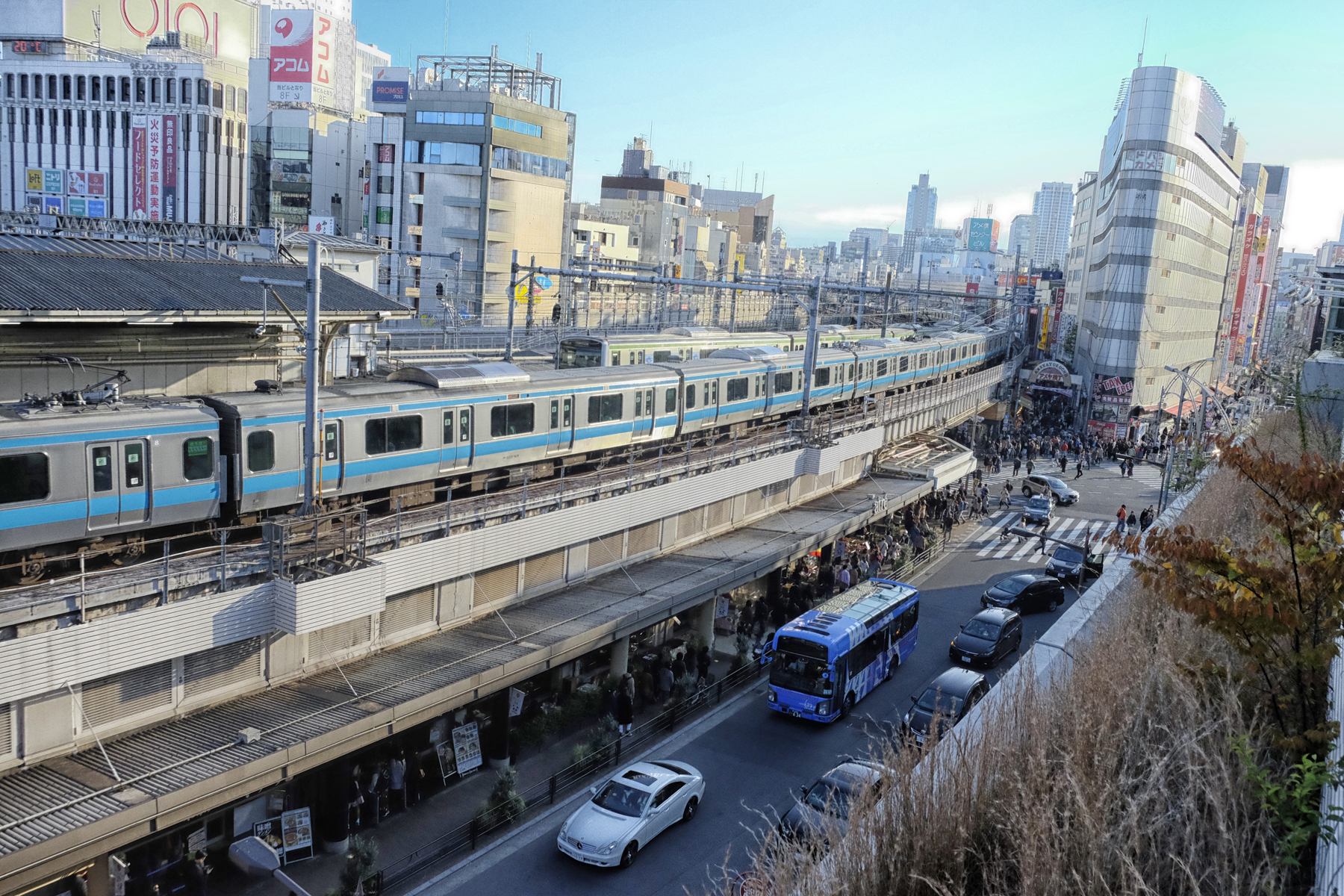

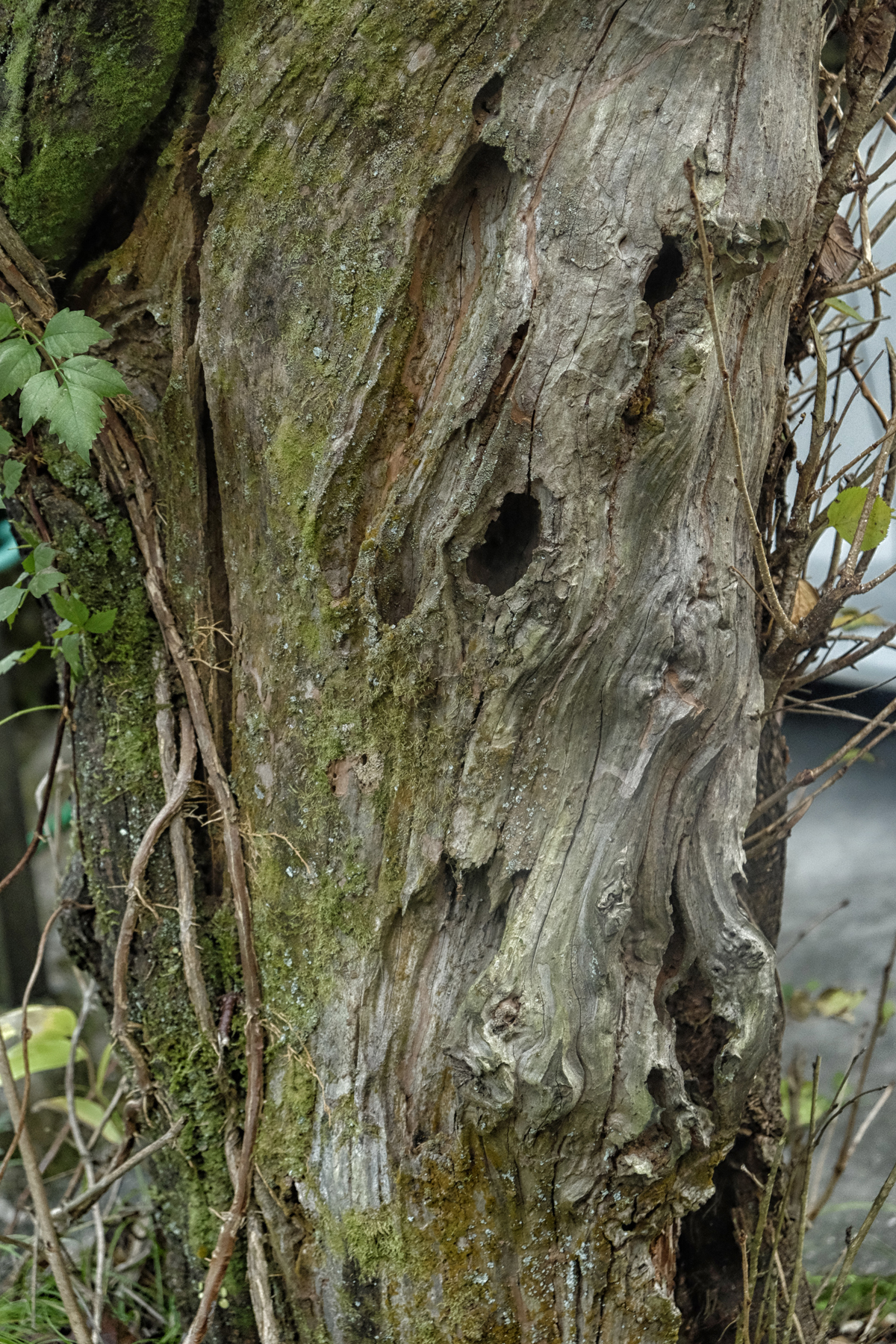

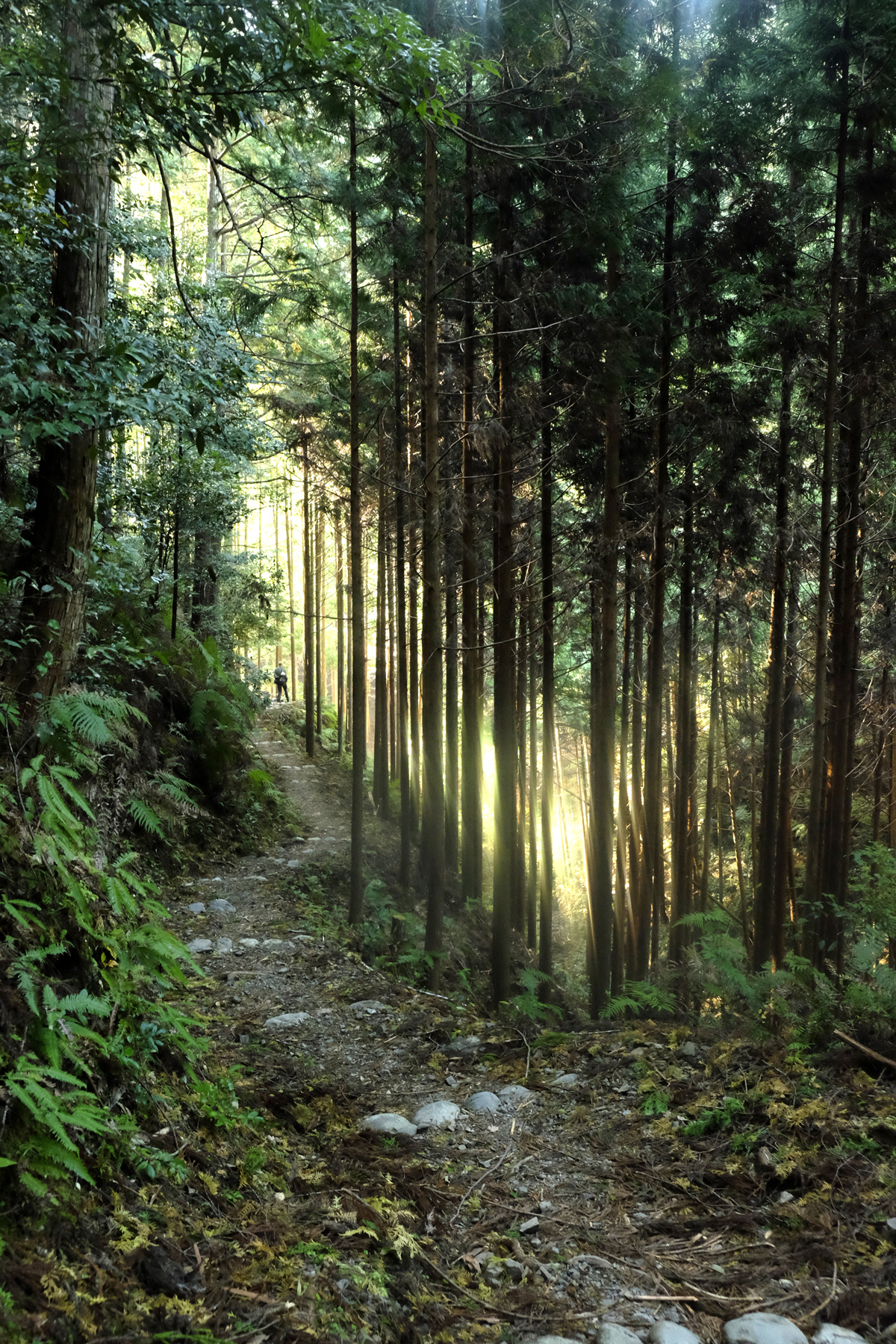

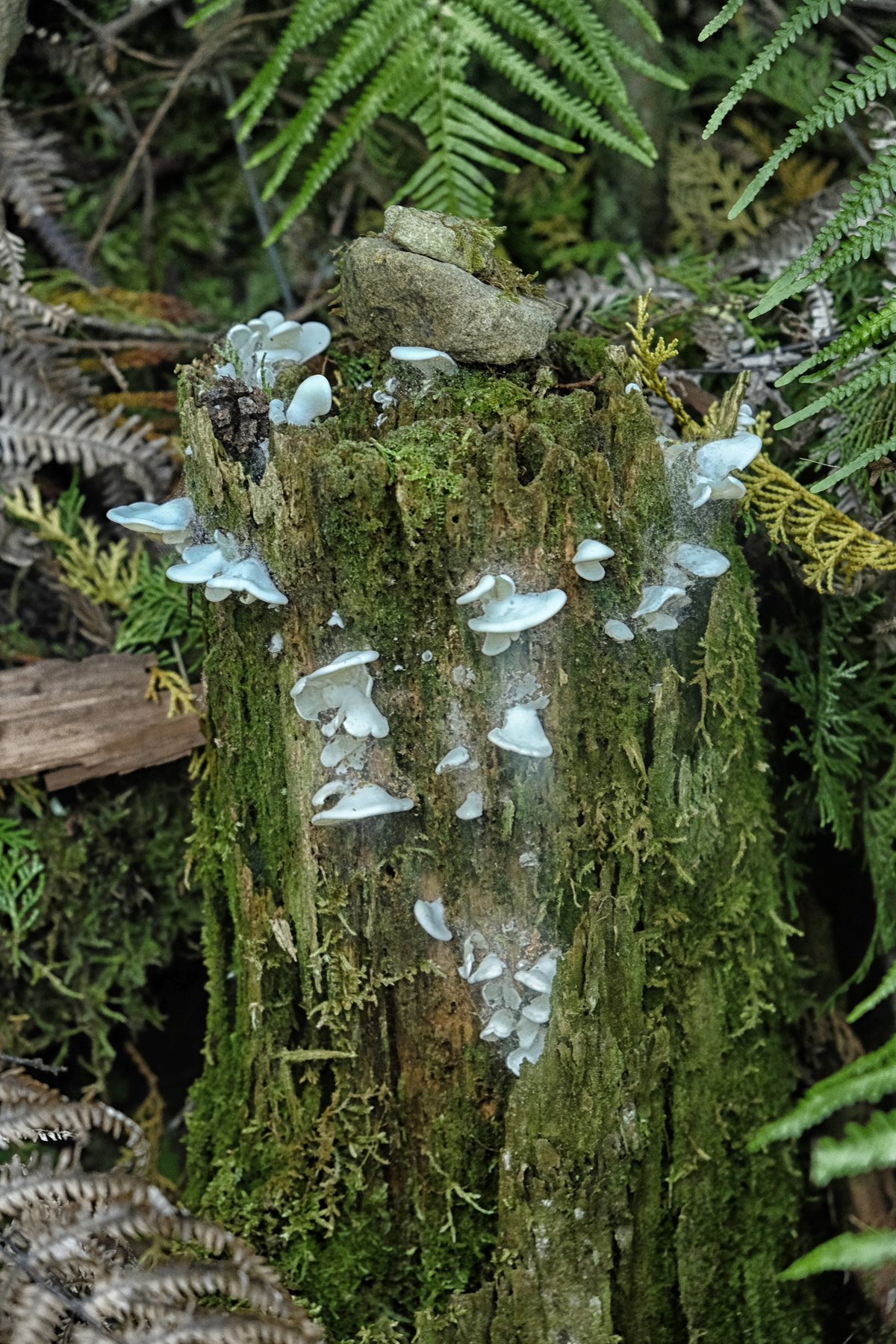
Japan is a country of diversity and contradiction—temples vs modern architecture, rickshaws vs shinkansen or bullet trains. Arriving in Osaka on Halloween, we experienced ghouls and bloody goblins. We stayed in jimyo-in monastery which served only vegetarian—a relief from all the weird meat and fish parts, and later a ryokan, a traditional Japanese residence. We hiked a pilgrimage route on Mt. Koya and visited several onsens—community baths.
Kyoto has many remarkable sights, such as the Kyoto temple and gardens, the Red Gates, and the bamboo forest. We hired a maiko, an apprenticed geisha, to photograph.


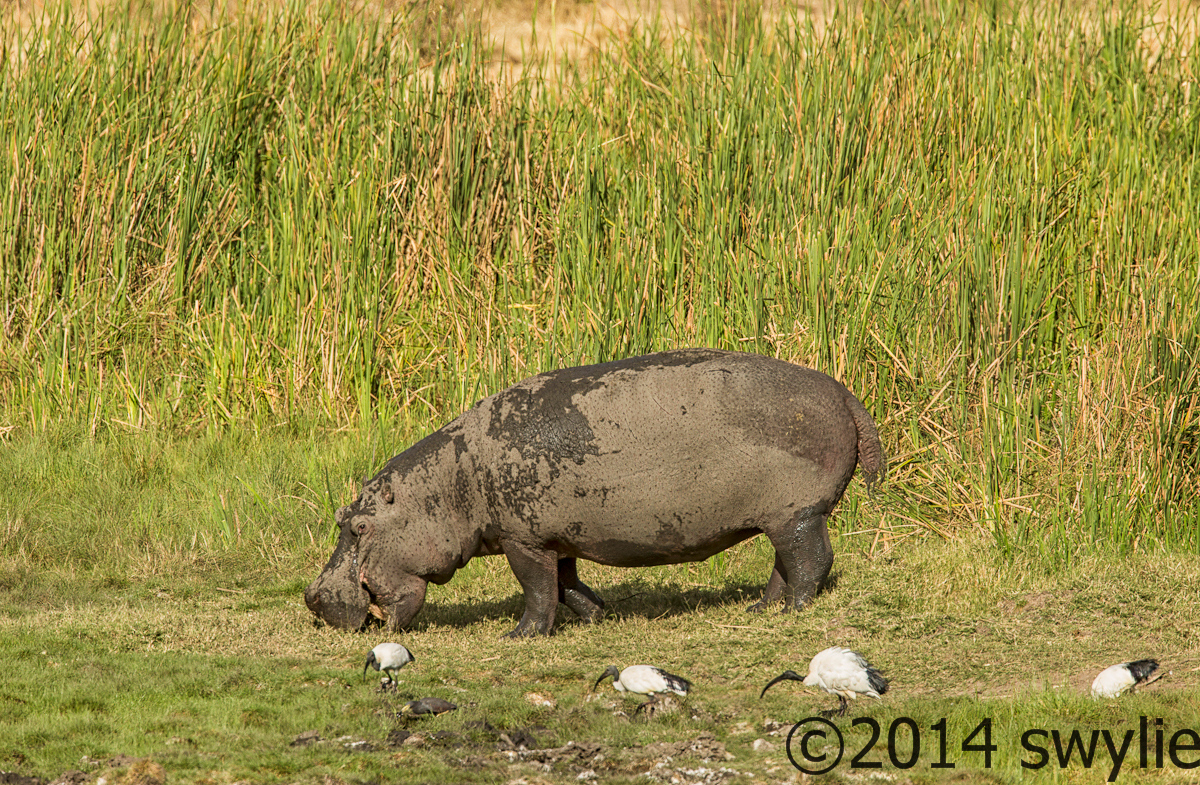
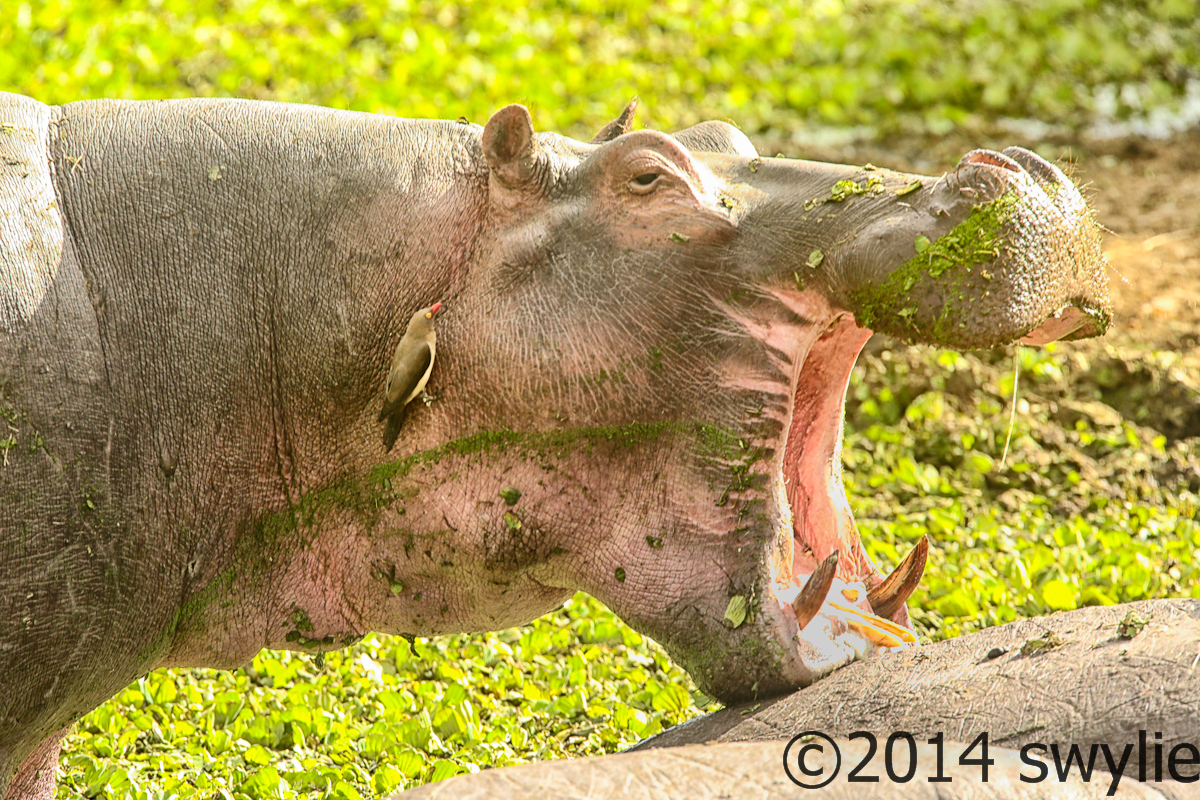
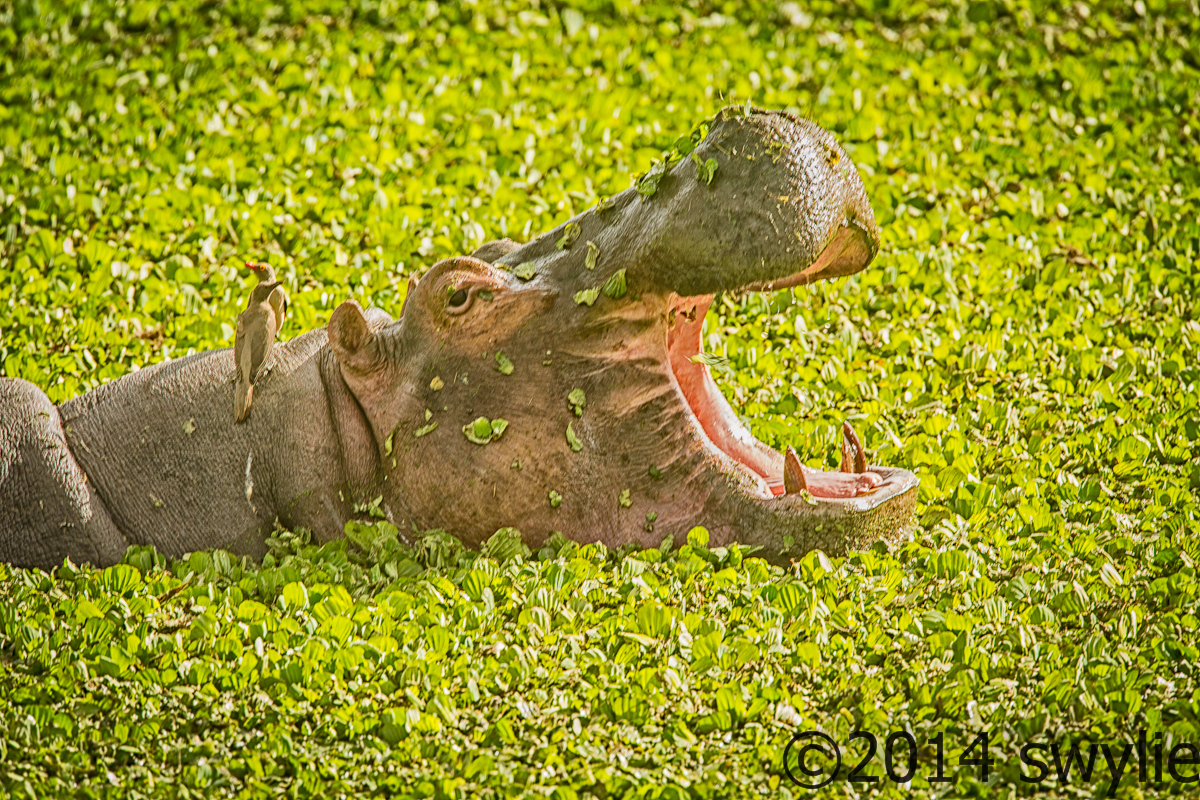


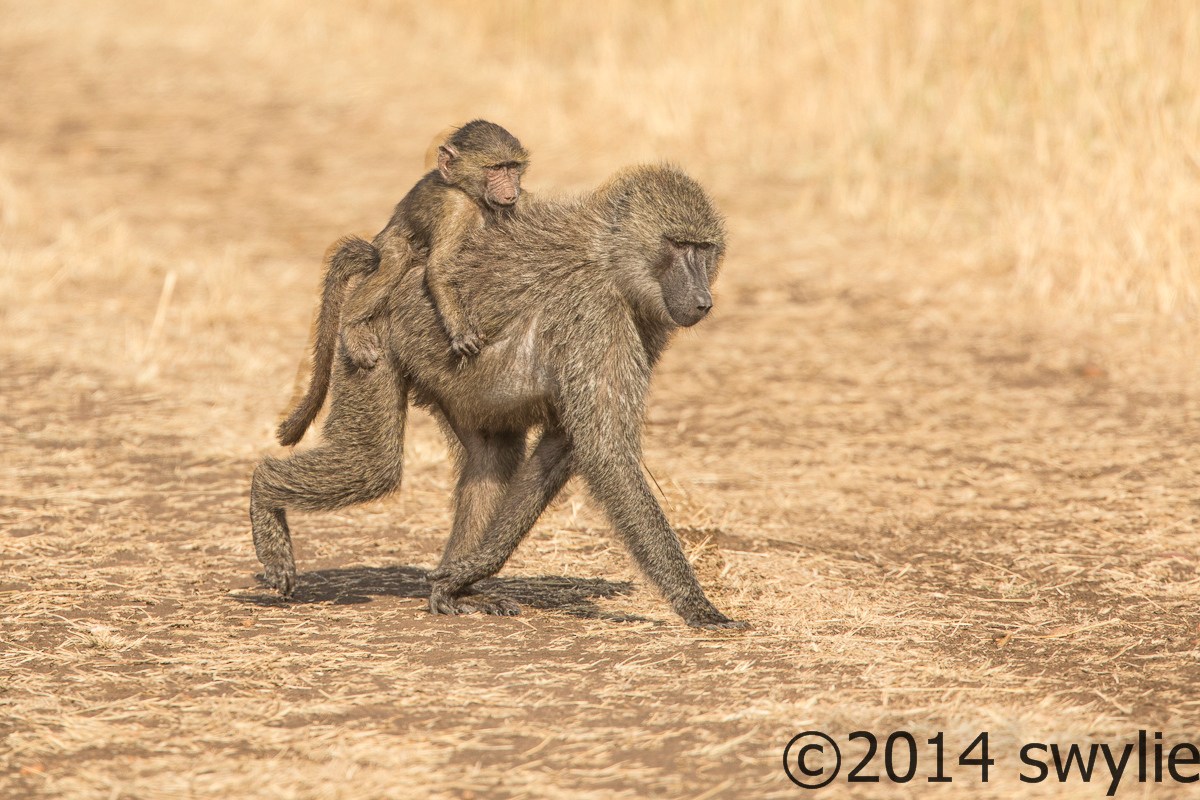


At the airport in Nairobi it was “Jambo” and welcome to magical Kenya, one of the premier wildlife destinations in the world. The safari was scheduled in the Masai Mara, the northern most extension of the Serengeti ecosystem. The Massai is a tribe who wears red and lives in earth huts built by the women. They are runners and jumpers. The vast plains and scattered acacia trees are home to lions, giraffes, elephants, hyenas, cheetahs, rhinos, hippos, leopards, antelope, buffalo, and warthogs. We witnessed the migration of the wildebeest and a fight between two male lions both wanting dominance.


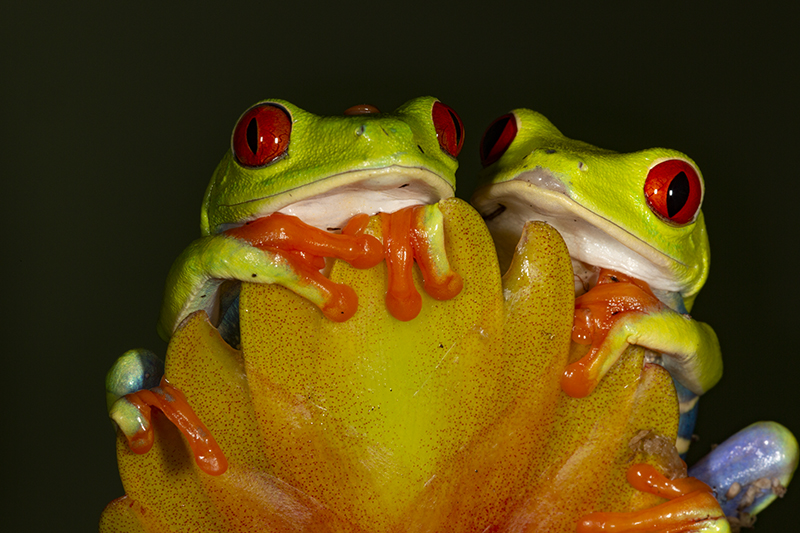


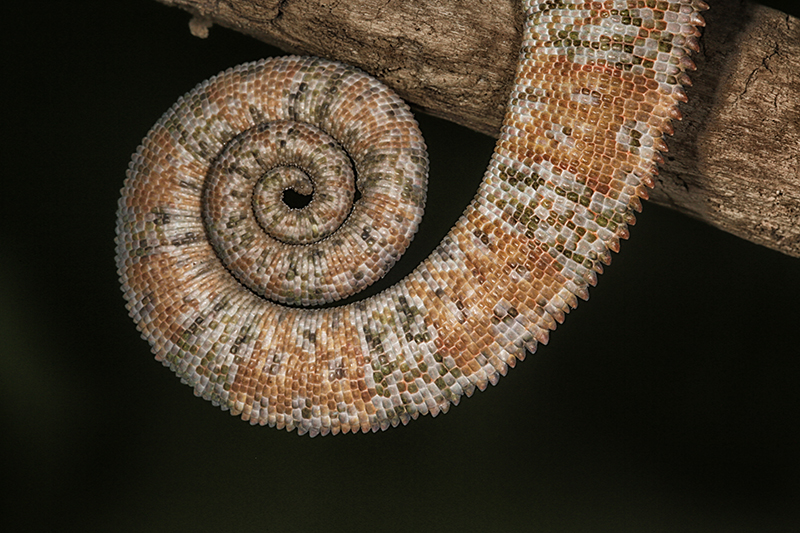


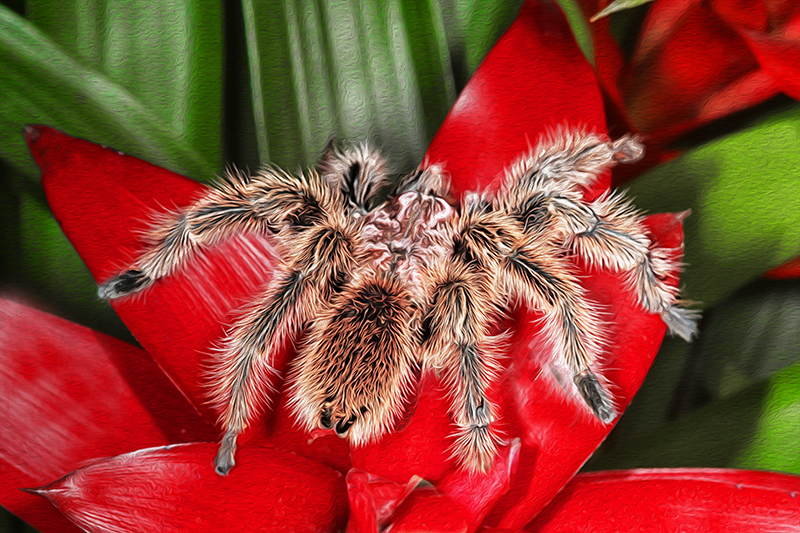


The red-eyed treefrog is an arboreal native to rainforests from Mexico through Central America. They are excellent jumpers. They aren’t poisonous but rely on camouflage for protection. During the day they remain motionless, cover their blue sides with their back legs, tuck their bright feet under their bellies, and shut their red eyes. They appear completely green and hidden among the foliage. When it detects an approaching predator, it abruptly opens its eyes hoping to startle the predator getting a chance to flee. The American tree frog is small and easily frightened. They are usually green with large toe pads. They are native to the Southwest.


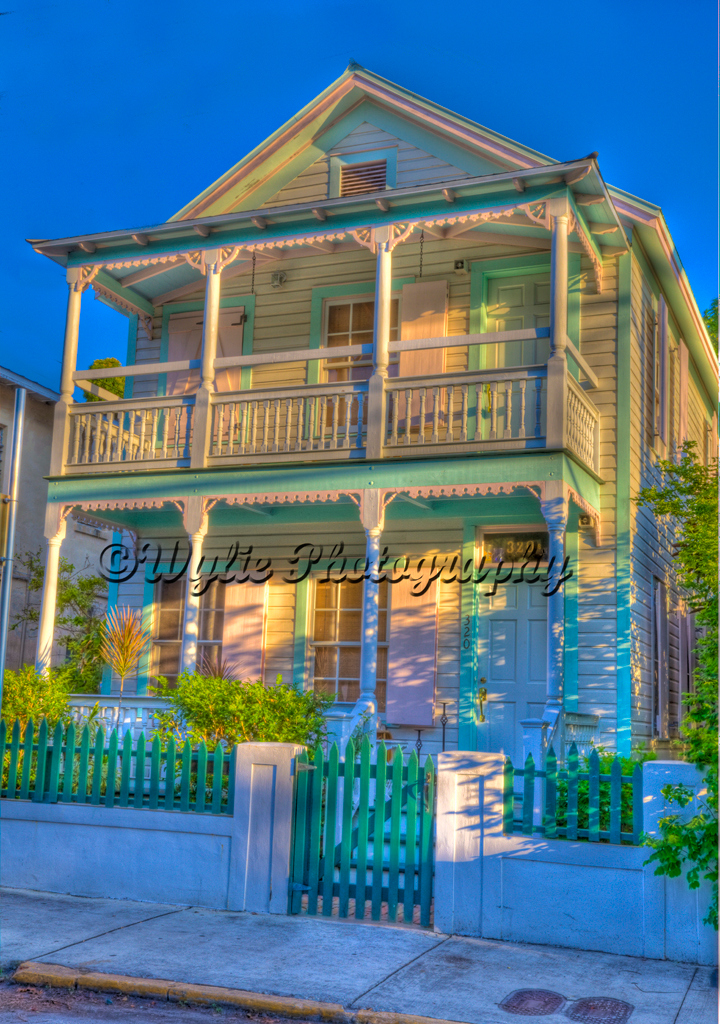


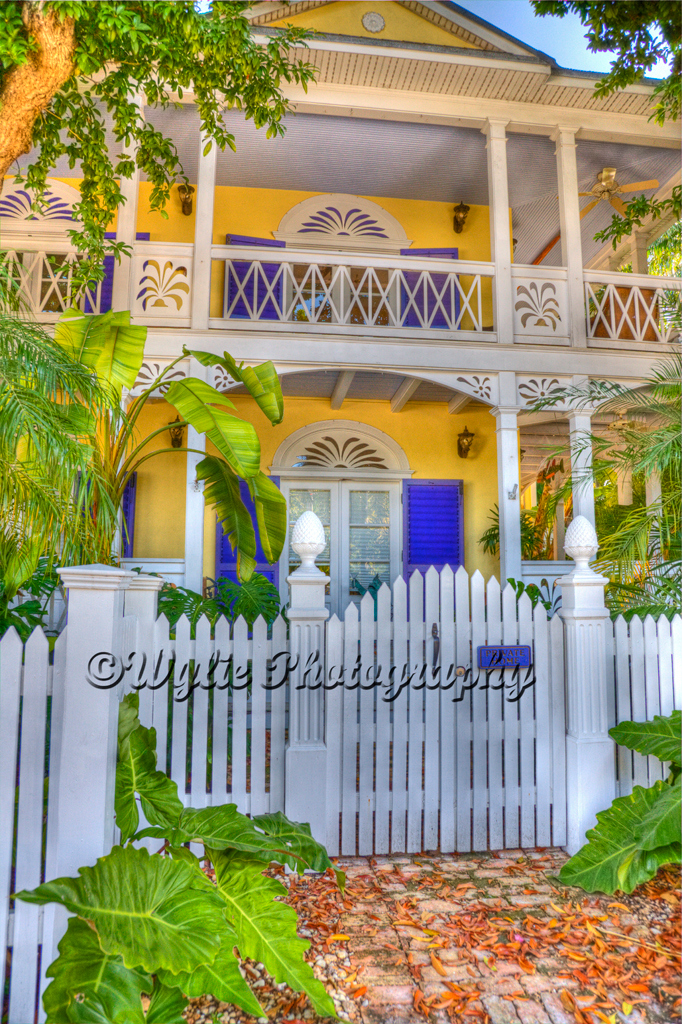

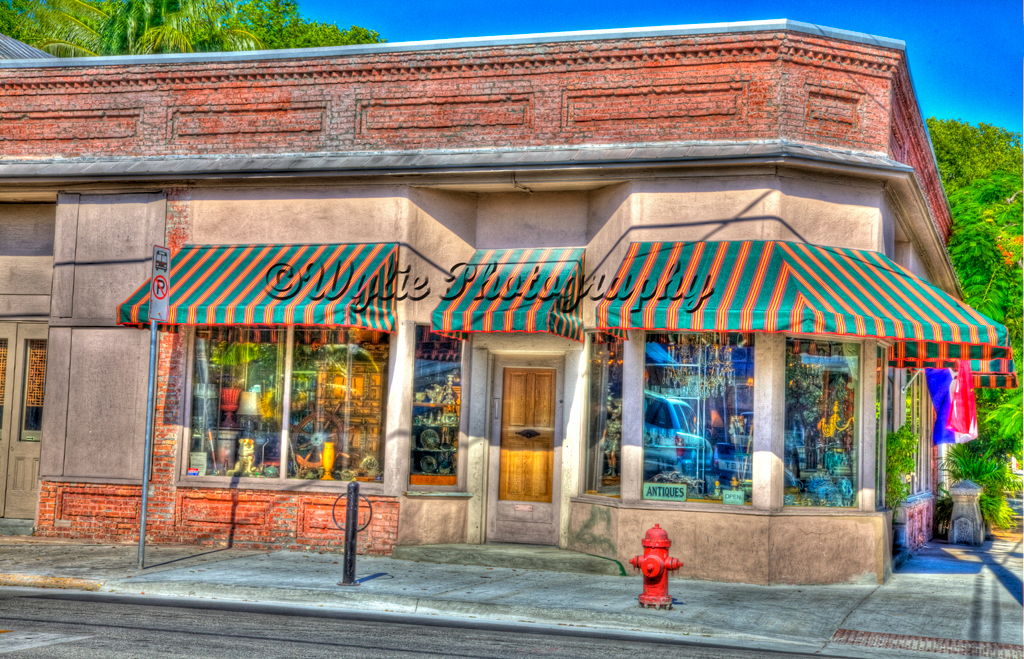


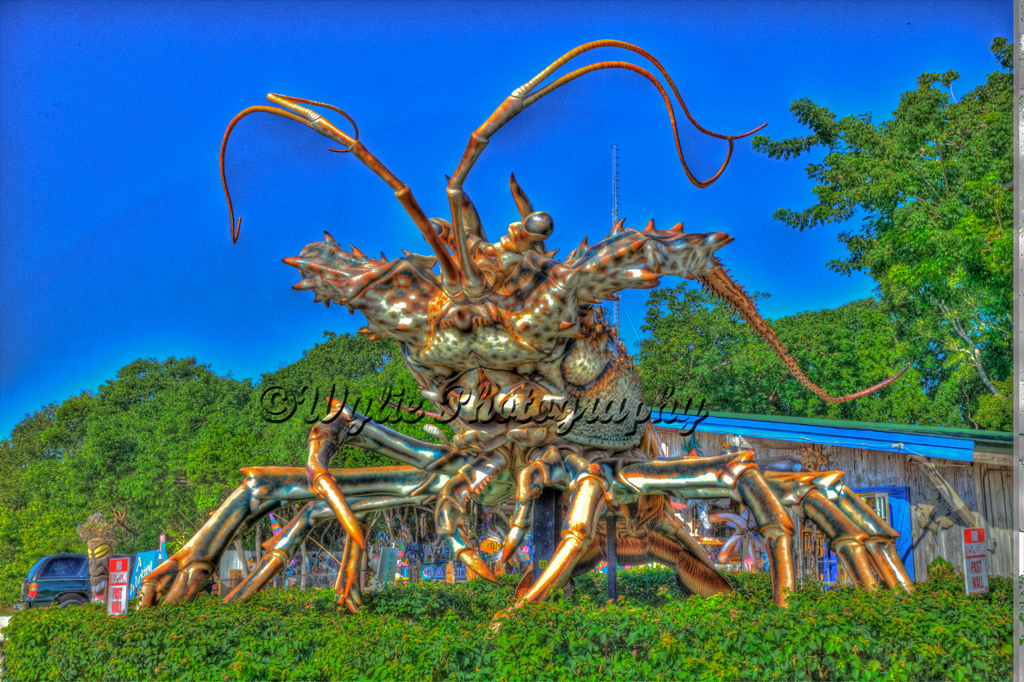
The tropical island of Key West lies at the end of U. S. 1, the longest north-south road in the United States. Key West is about 95 miles north of Cuba.
Key West architecture reflects the cultural heritage and natural environment. The facades are marked with large open porches painted in pastel colors. Large-leafed greenery flocks the peripheries nestling the two-story wooden homes. Gingerbread designs skirt the edges of roofs and porches as a reminder of seafaring days when during long hours at sea carving was a way of passing the time.

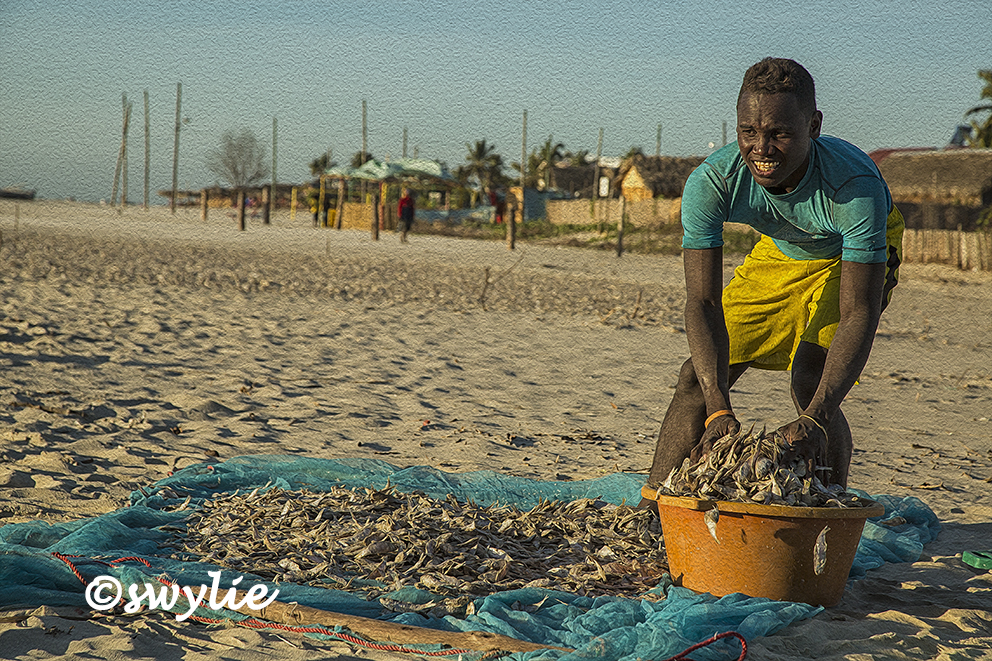


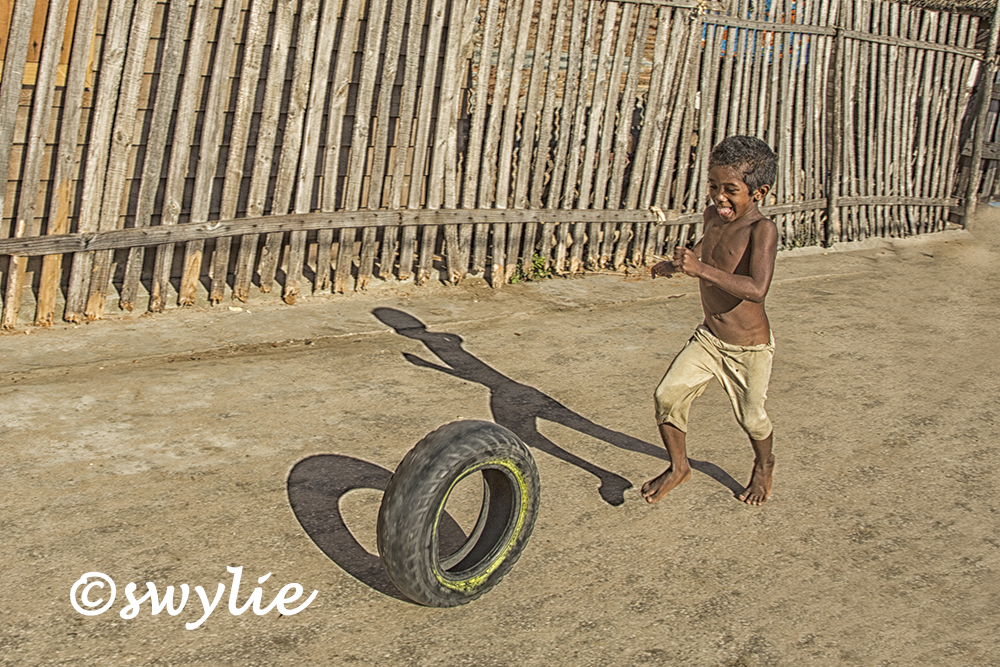


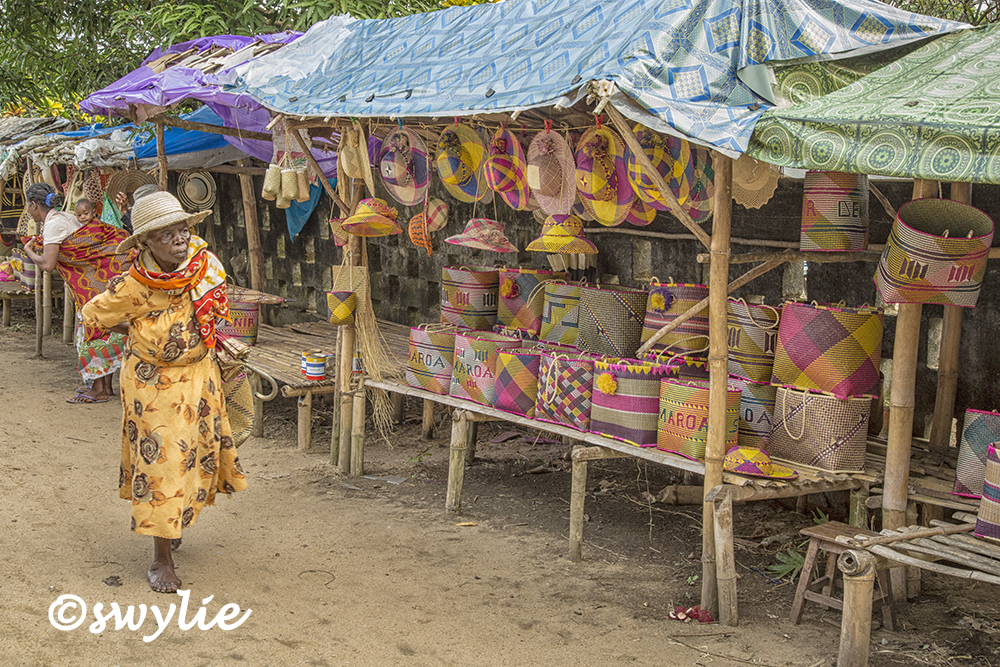
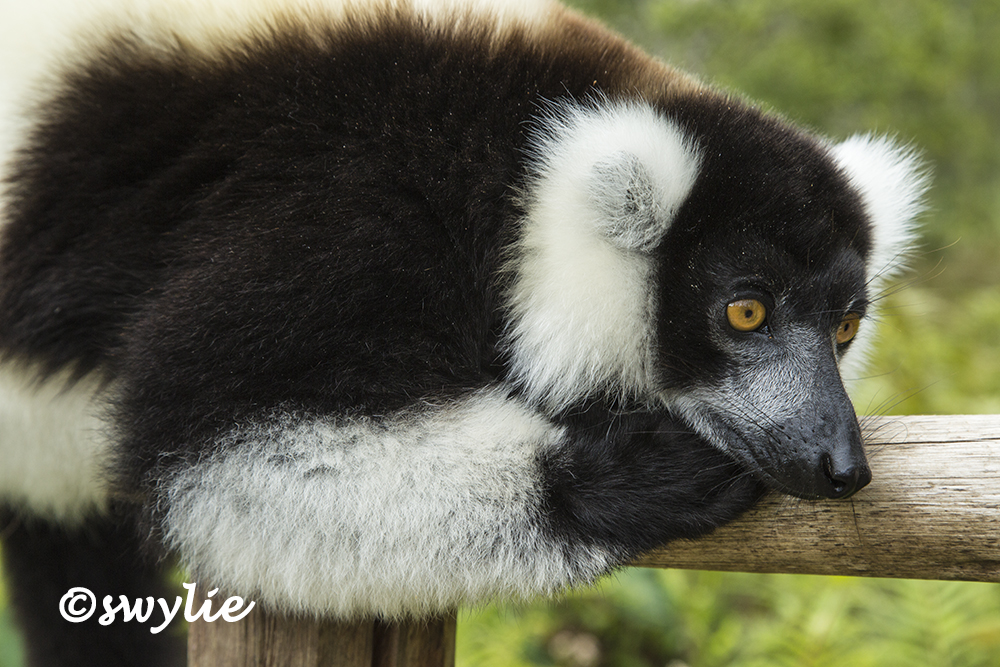


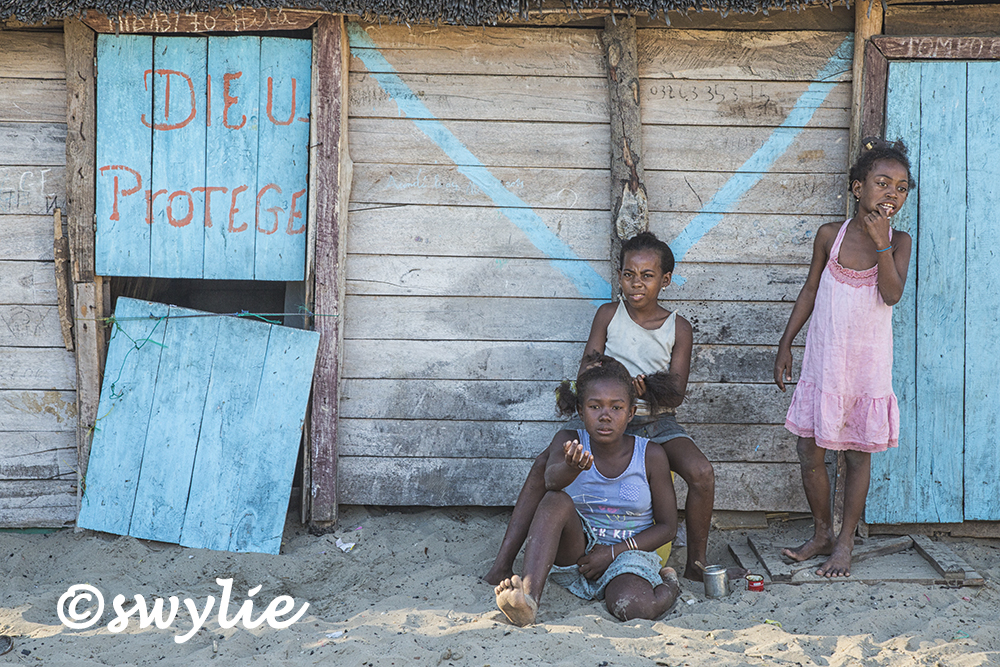


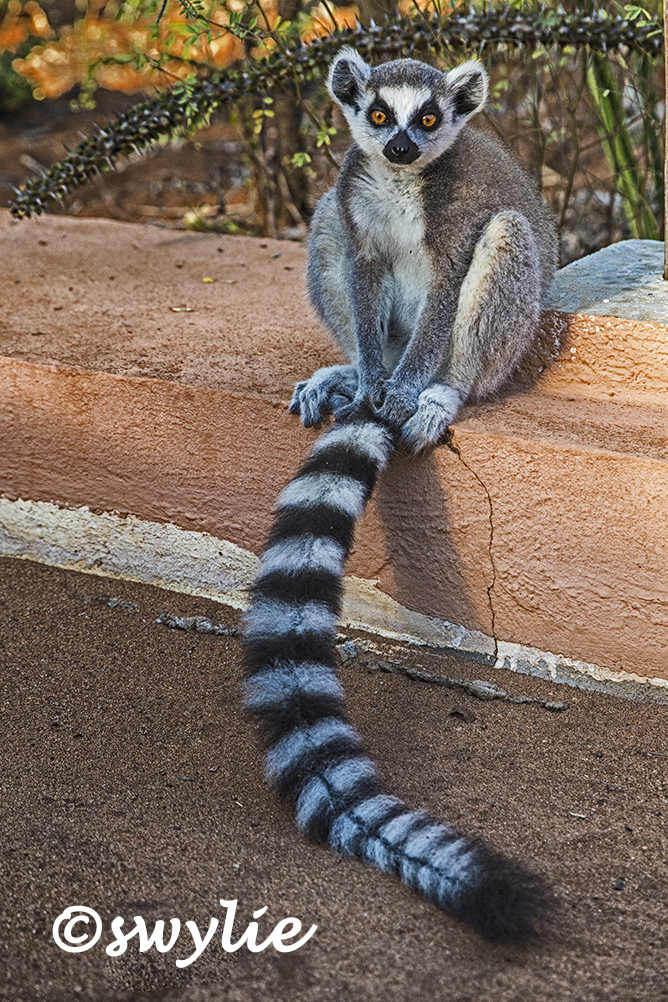
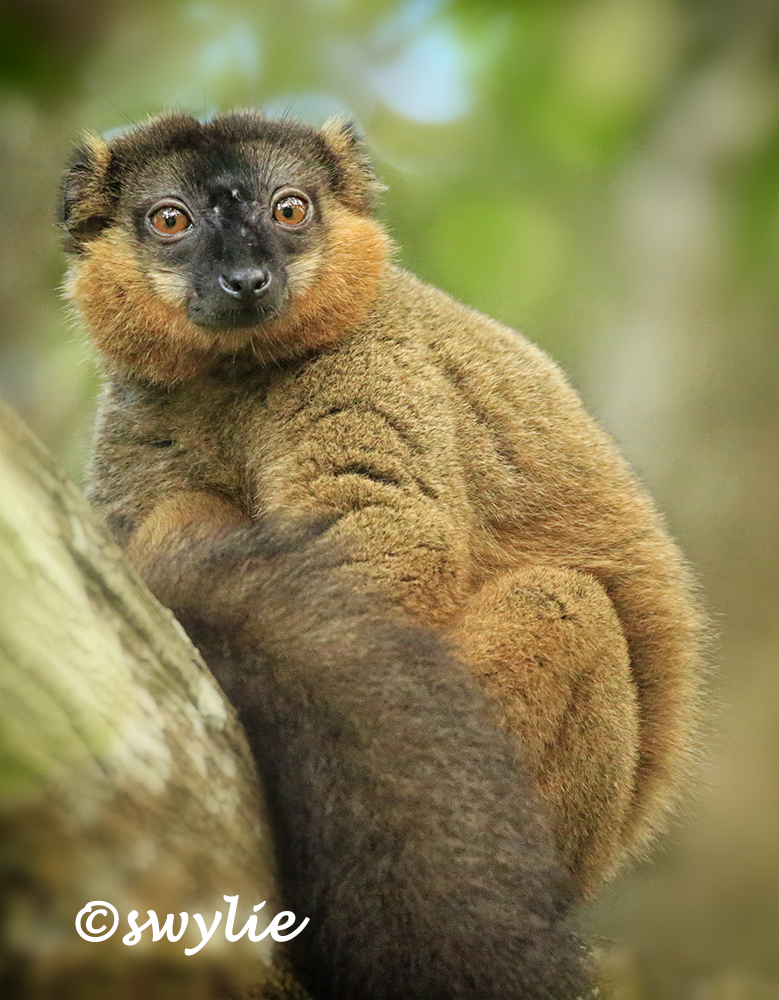


Madagascar, surrounded by the Indian Ocean, is the fourth largest island in the world. It drifted apart from India and, because of its isolation, over 80% of plant and animal species are endemic to the country being found nowhere else in the world. They include the lemur, the carnivorous fossa, three bird families, and six baobab species. The regions are varied and encompass a range from the desert composed of spiny thickets, the rainforest of which 90% has been deforested, and a marine region. The people speak Malagasy and French.

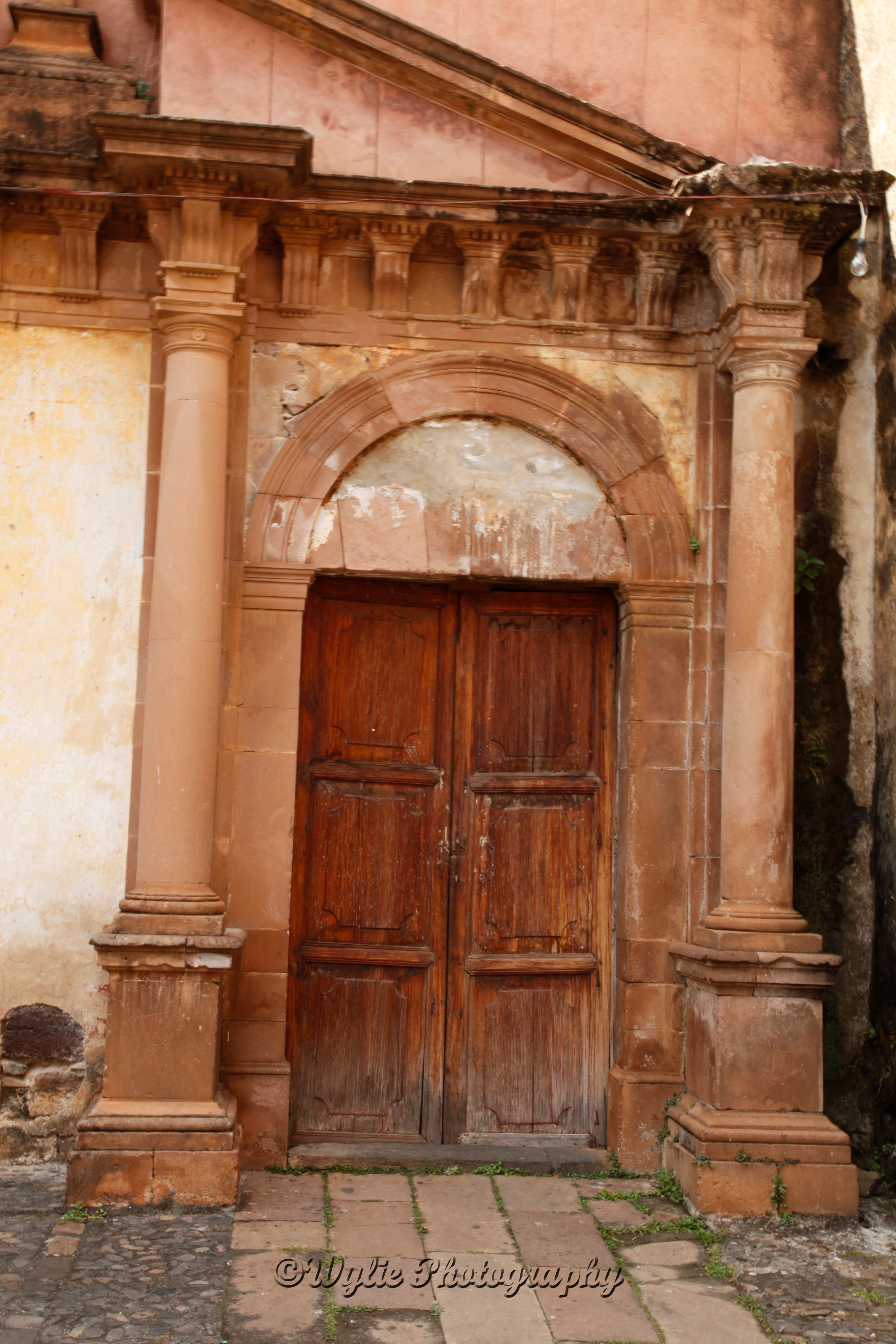


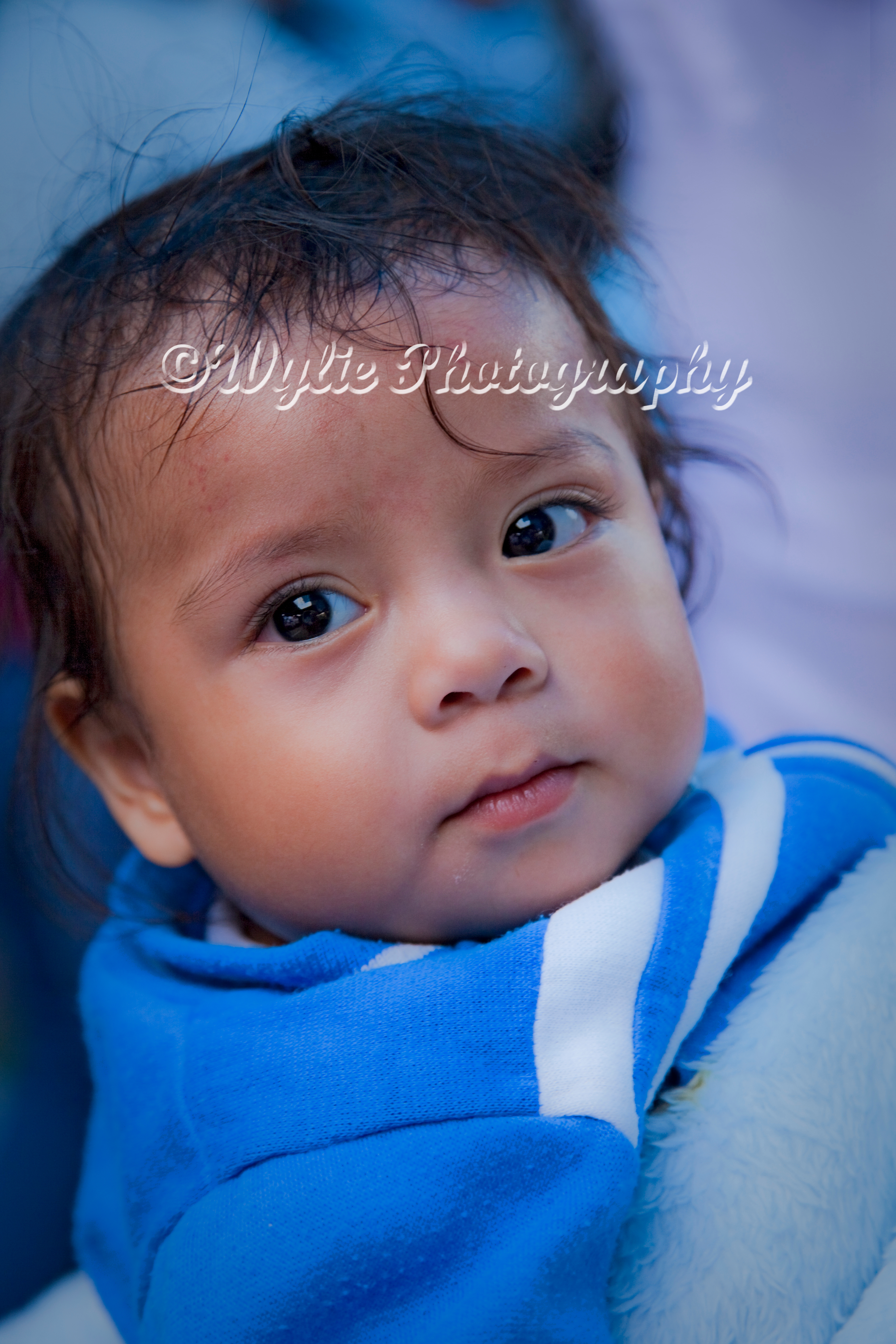

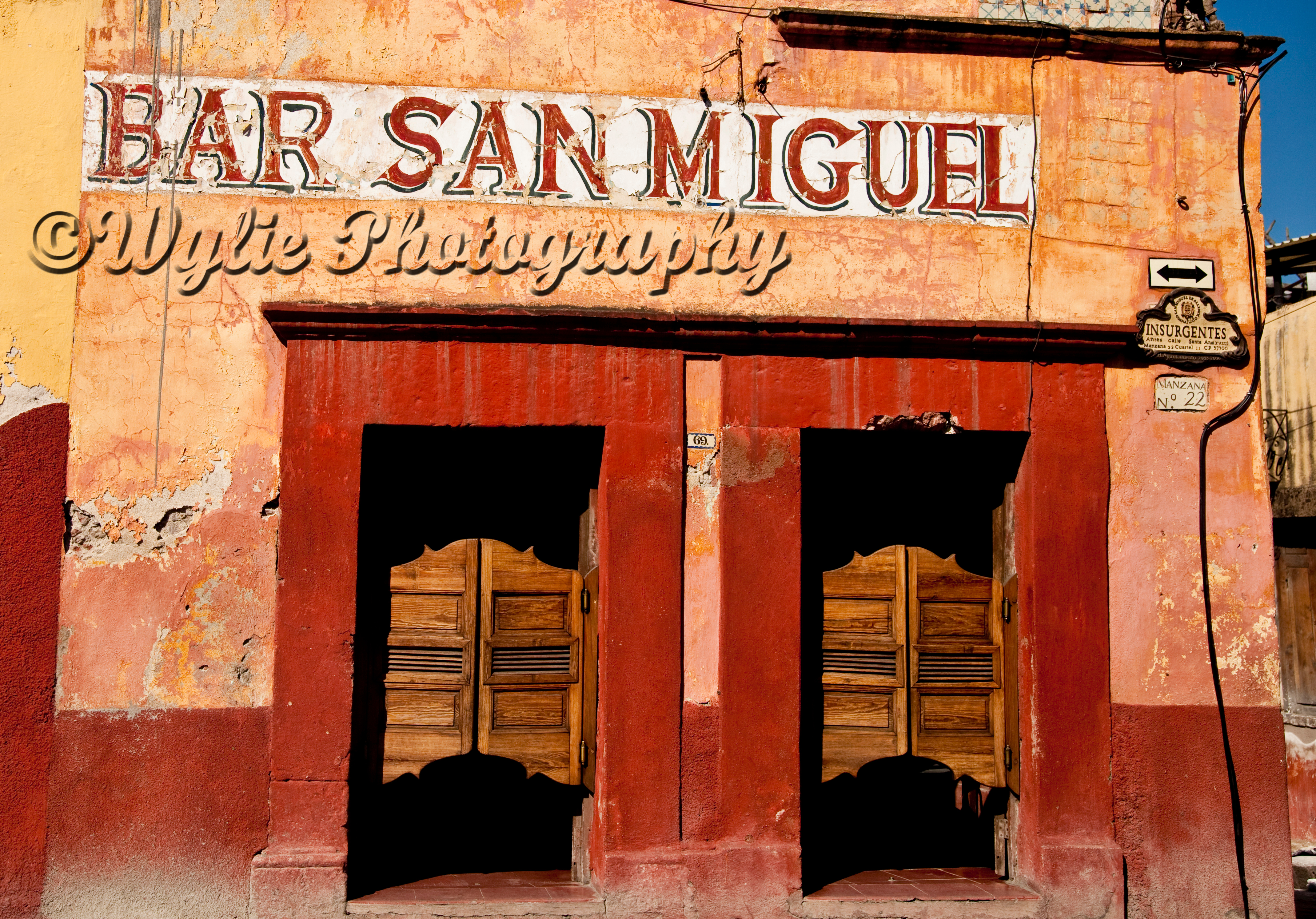
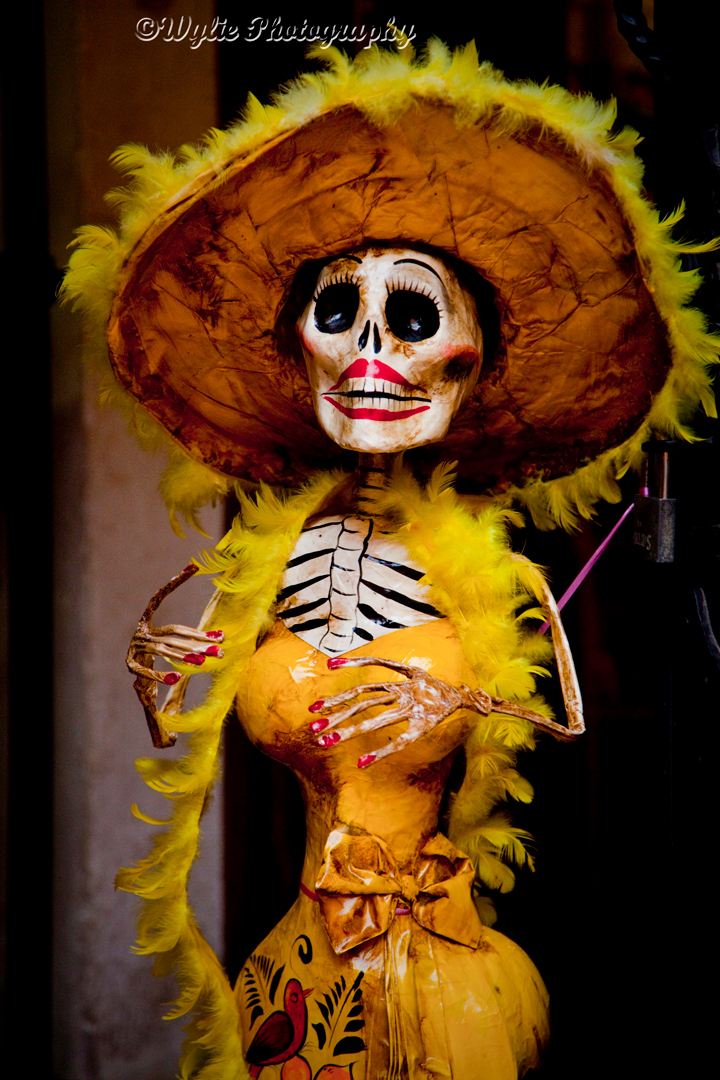

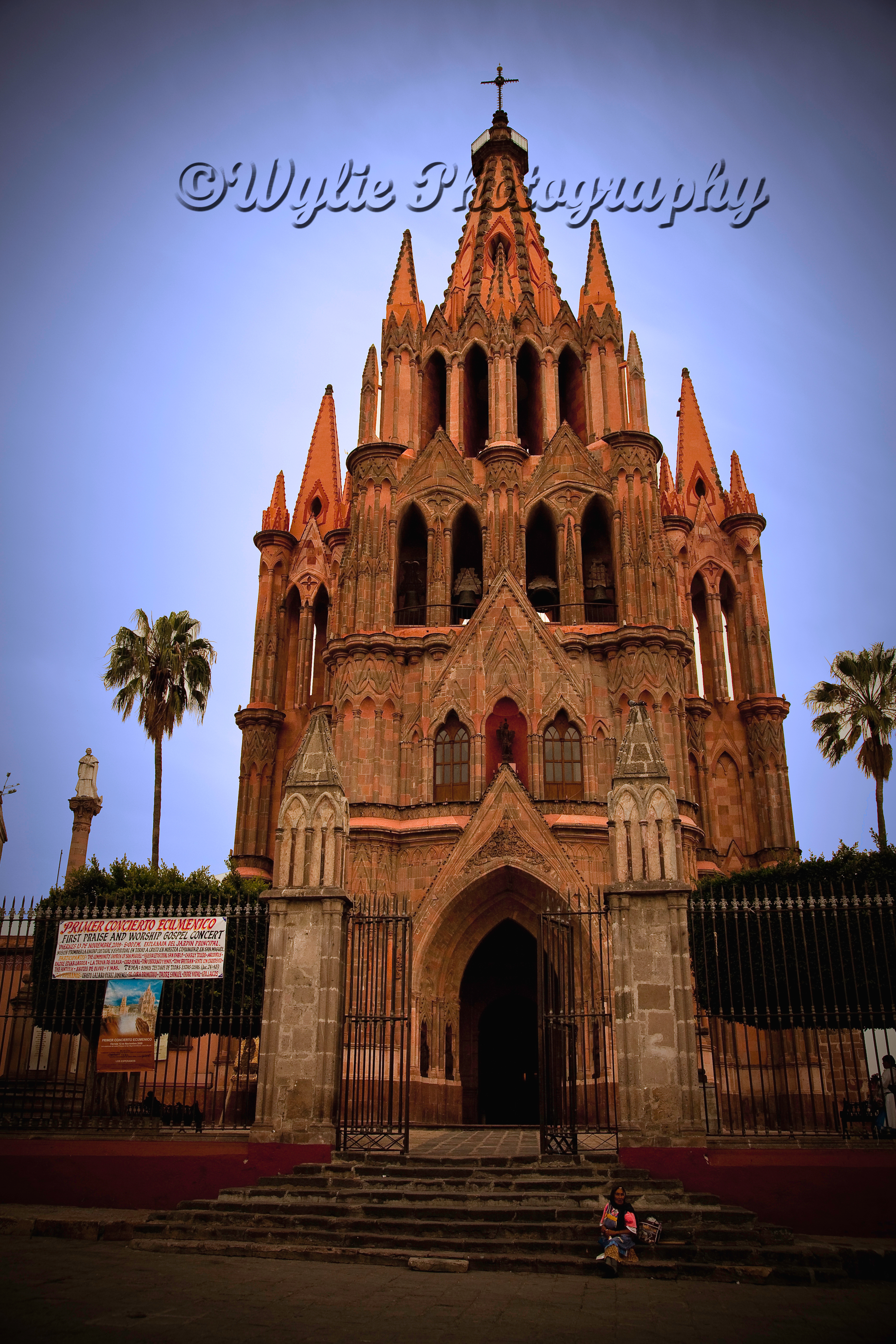
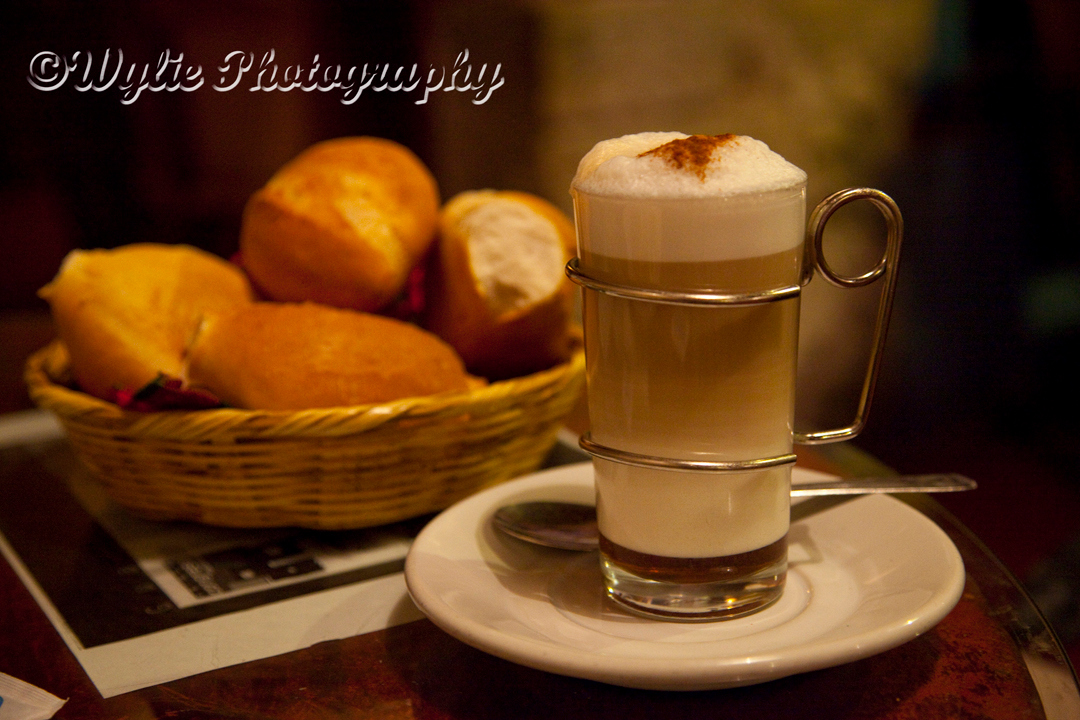


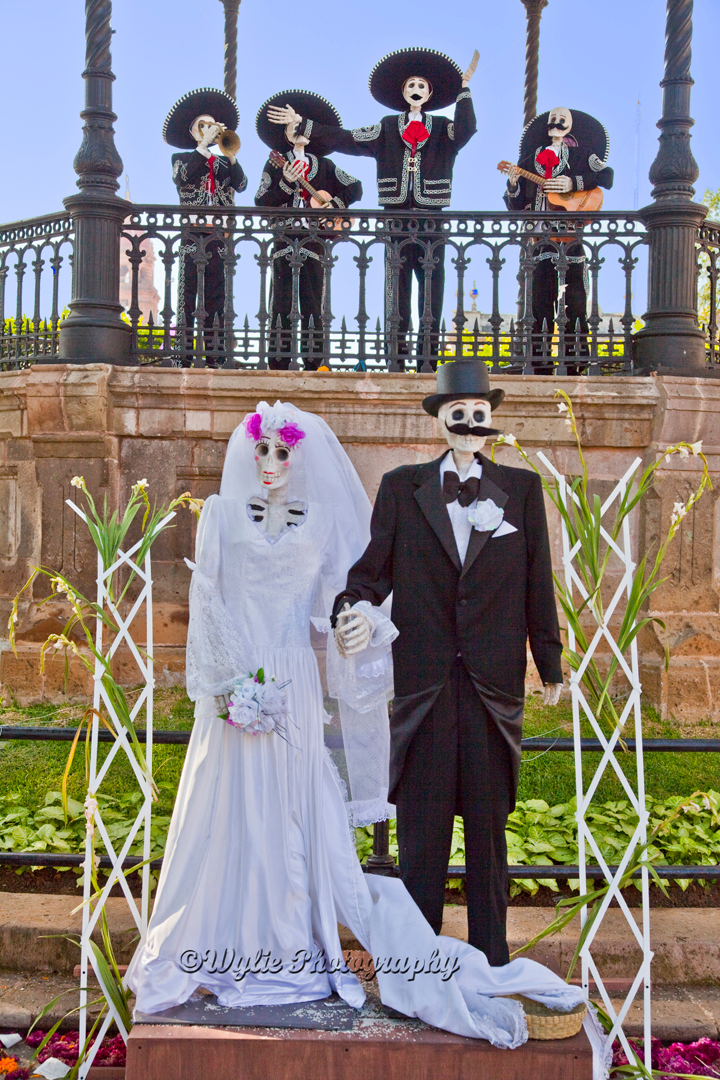


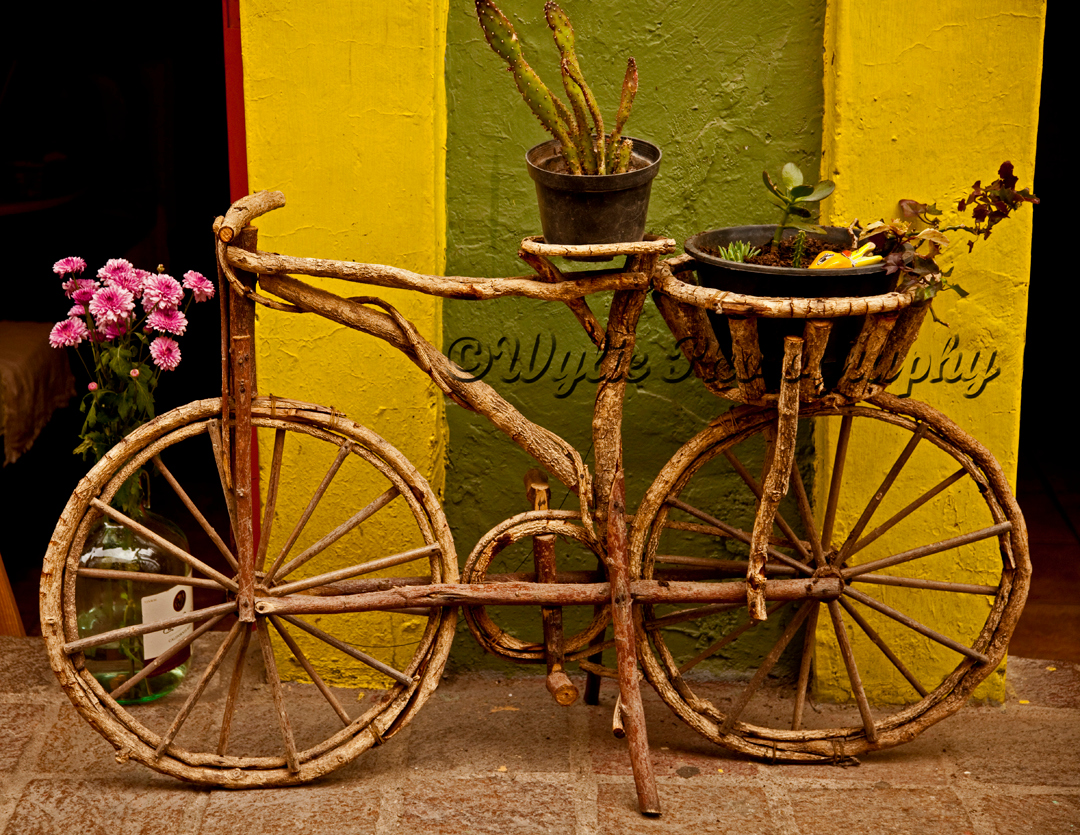
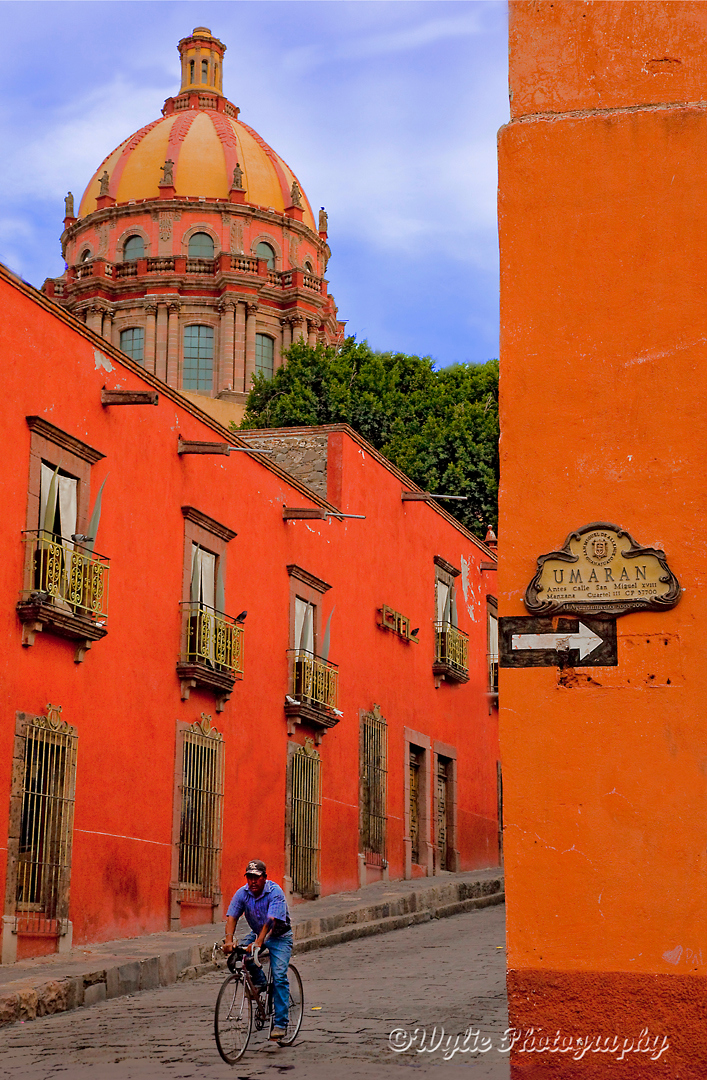


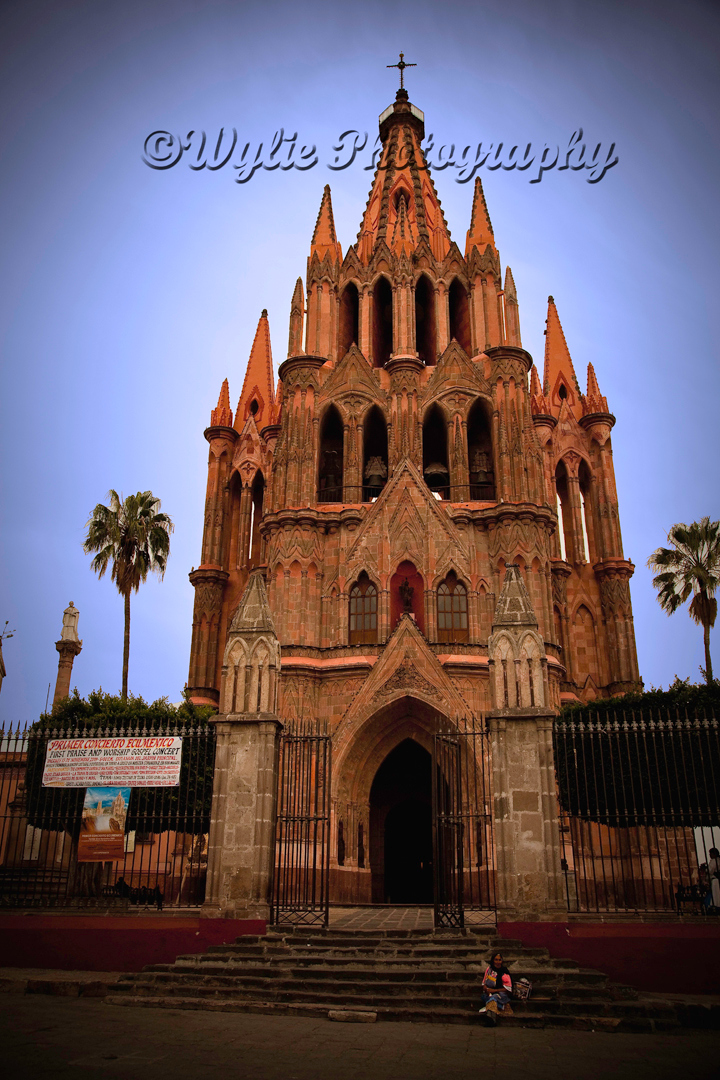


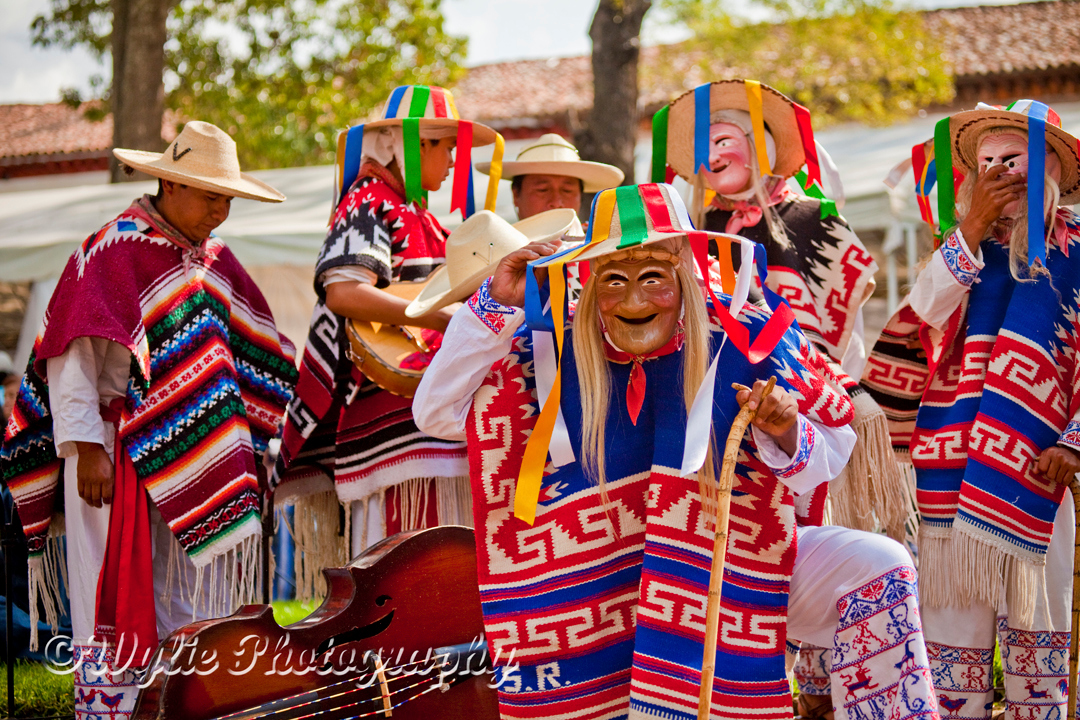
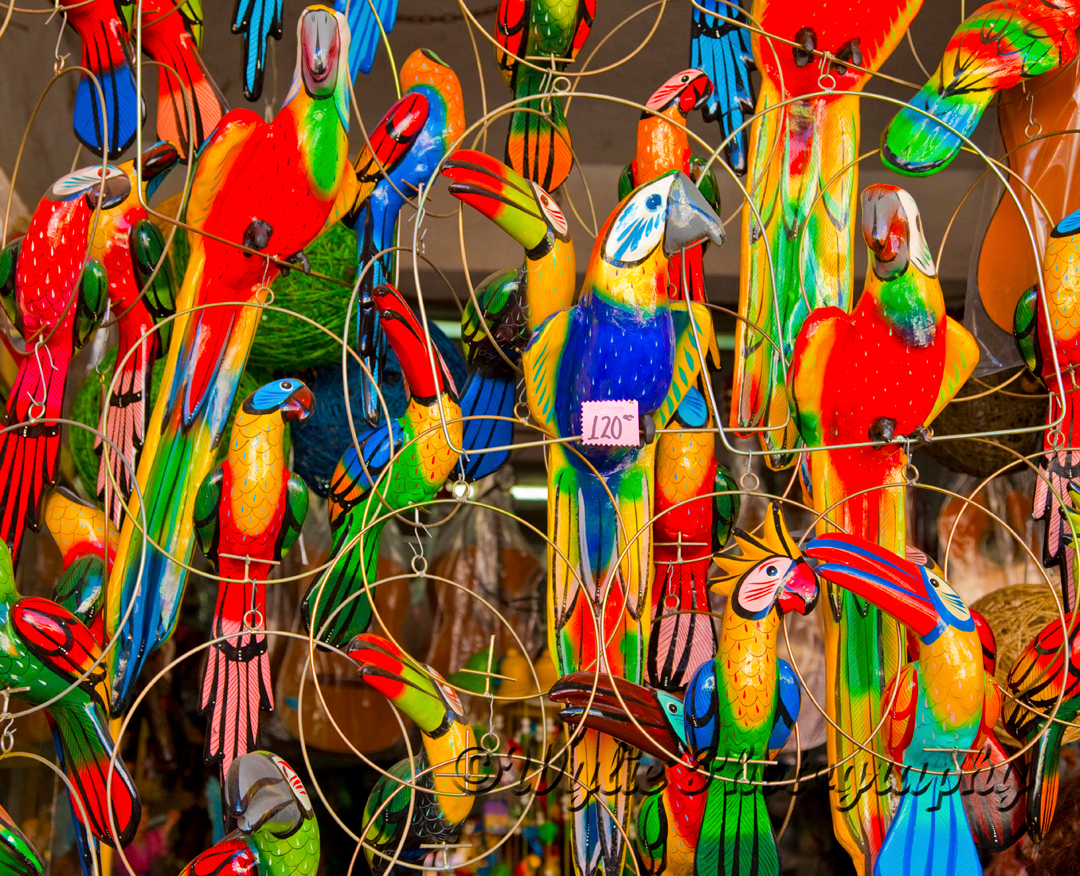




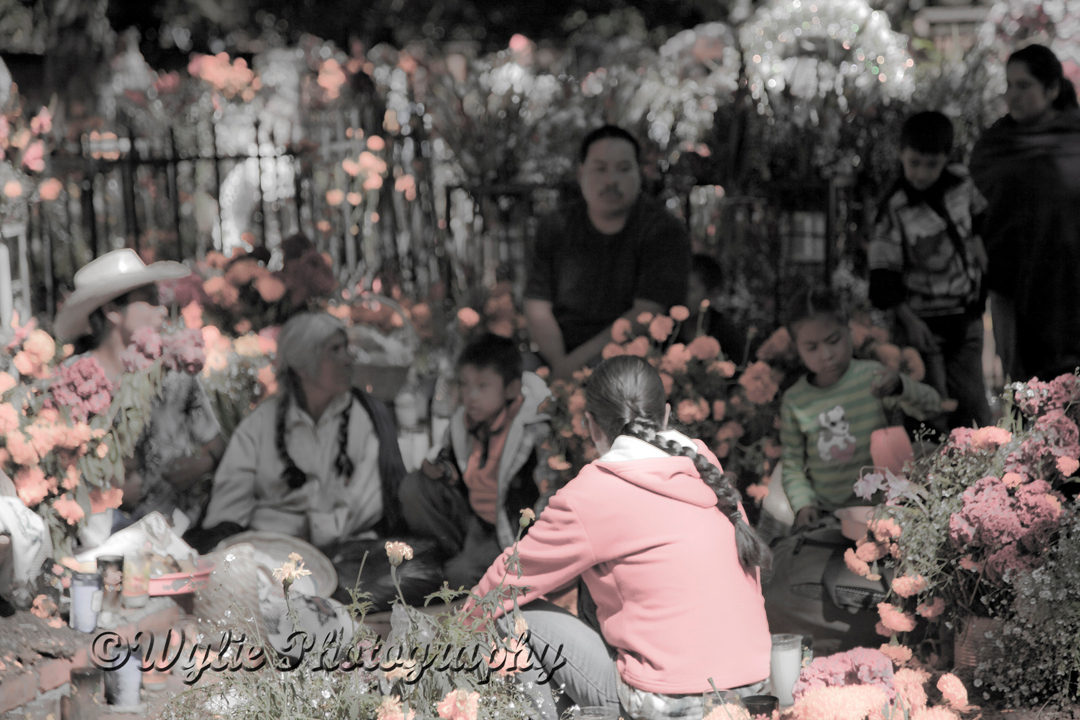
Mexicans believe that the thin wall between the living and the world of the spirits is at its most permeable on the night of November 1 as All Saints Day slips silently to All Souls Day. This is the one time a year when the dead can visit the relatives they left behind who4 strive to make them welcome on their return. Dedicated to the departed, shrines are set up featuring all the deceased’s favorites. When 11:00 PM approaches, the family appears at the gravesite with candles, Incense, and marigolds where they keep an all-night vigil.

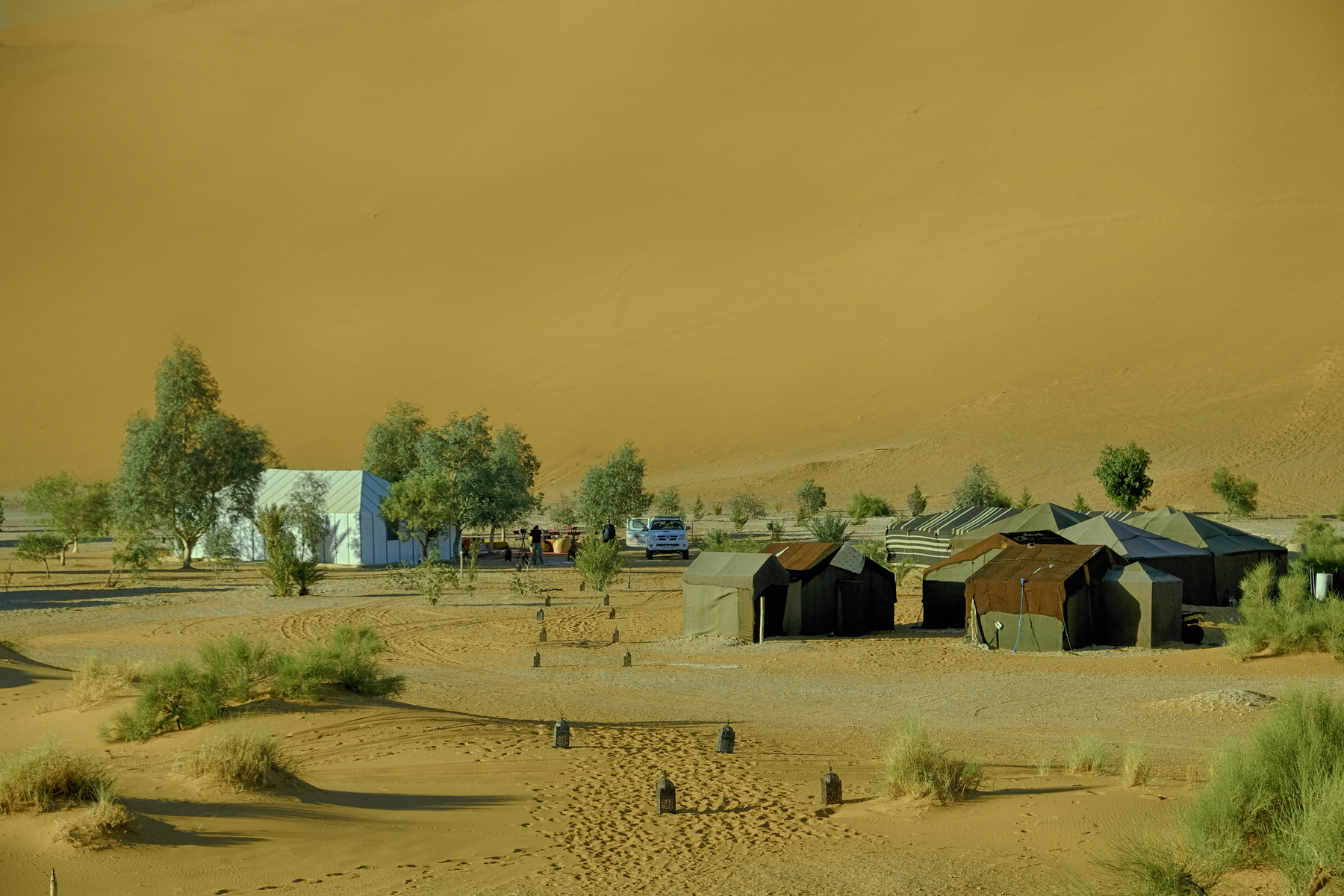


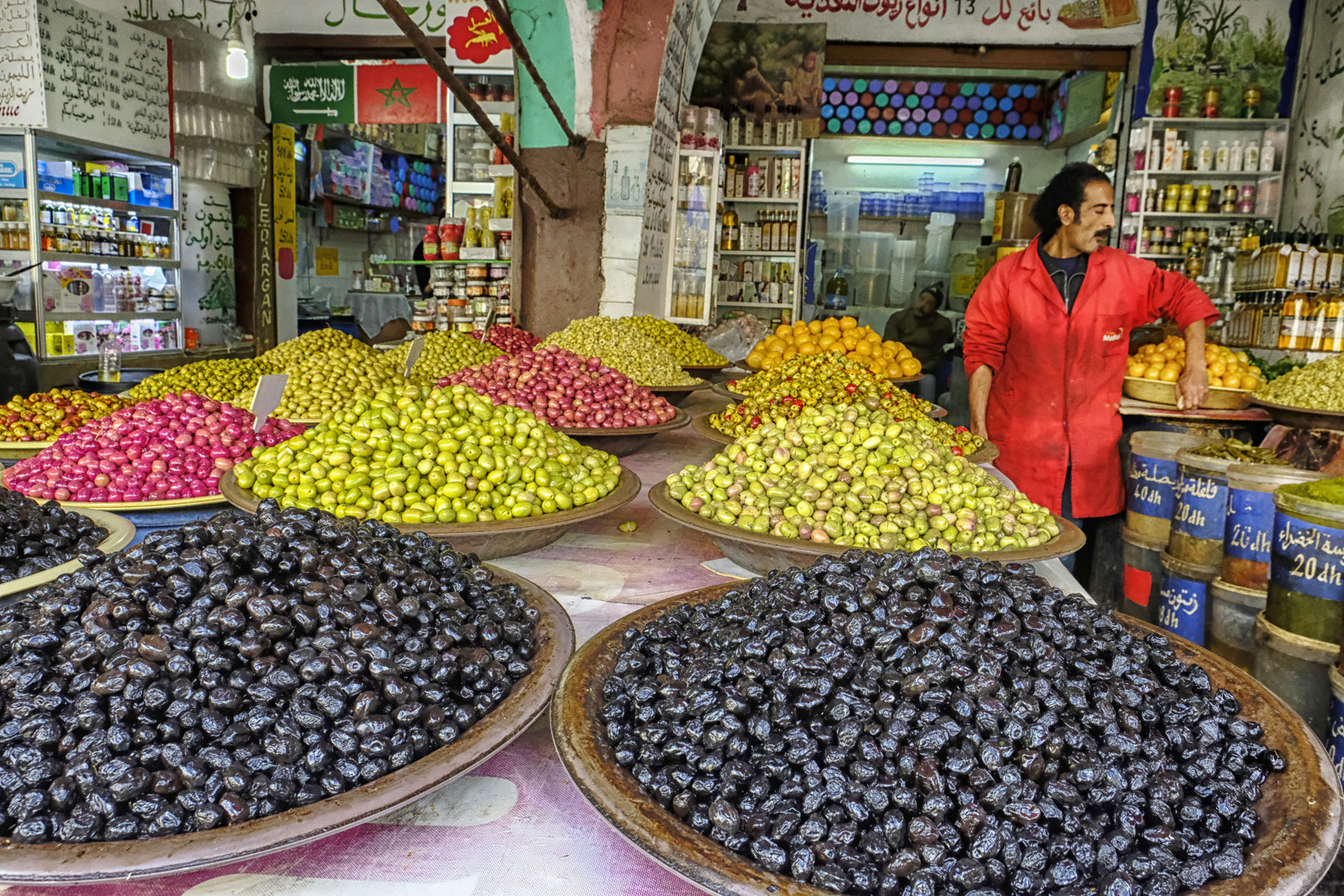


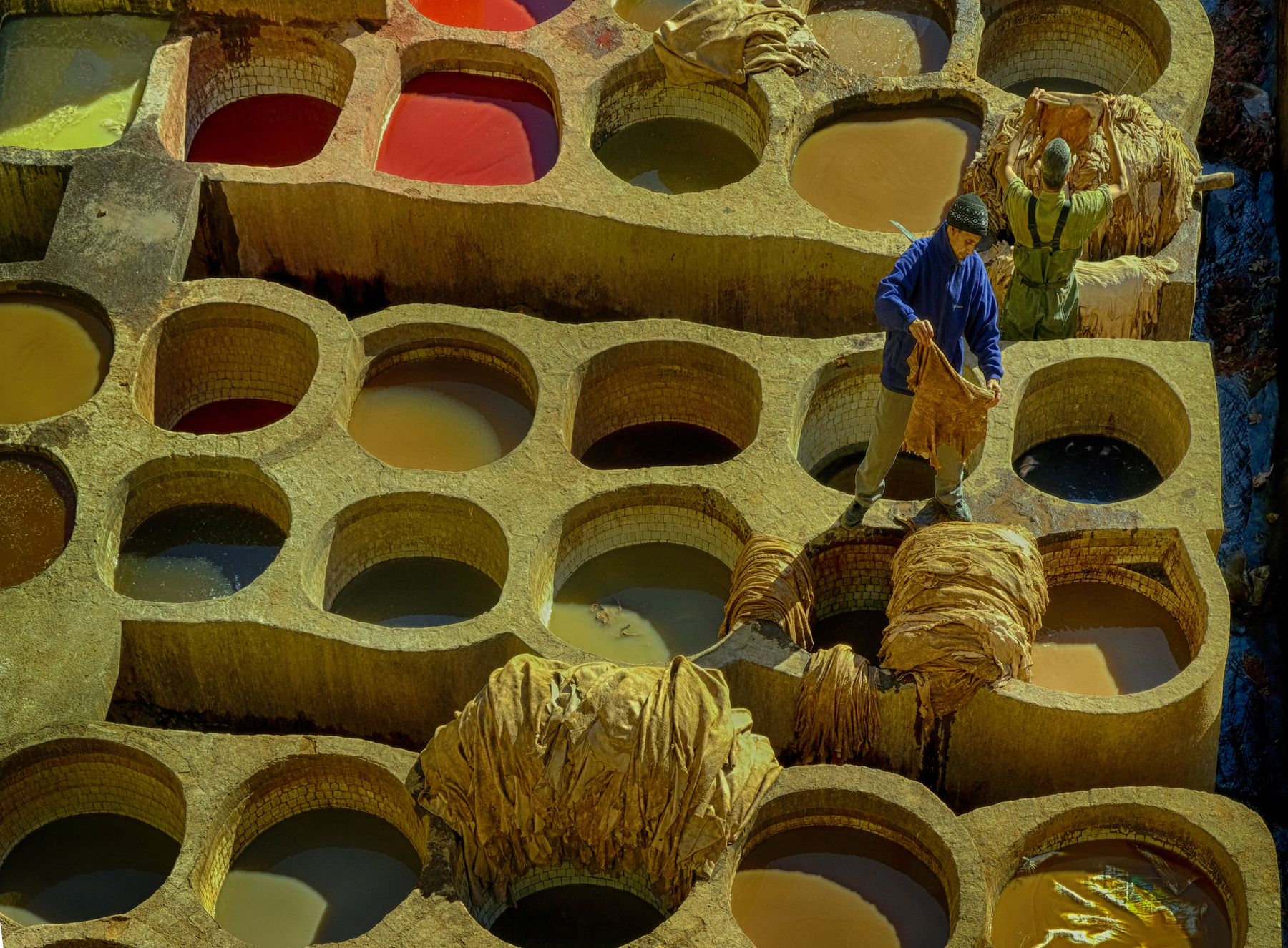

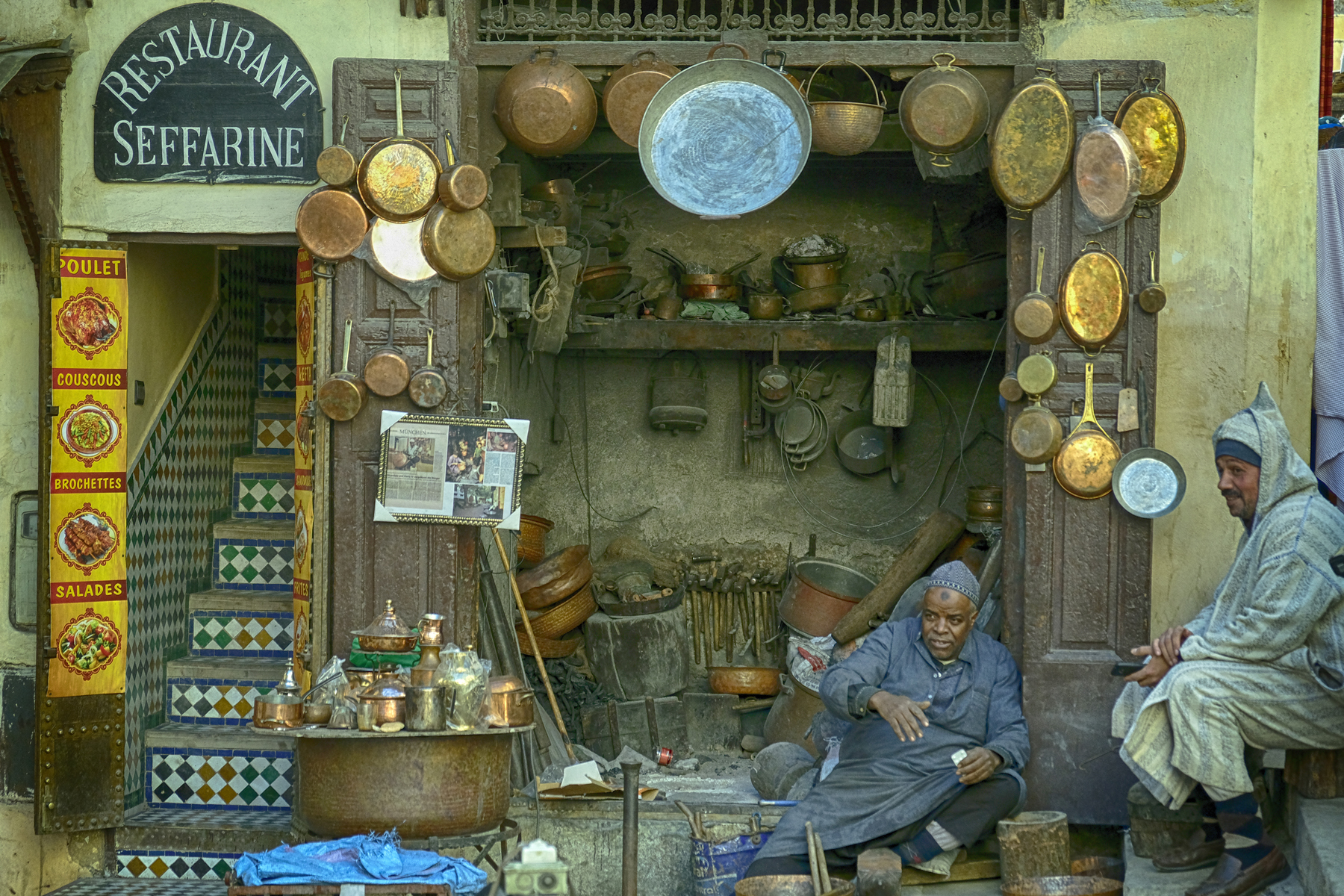


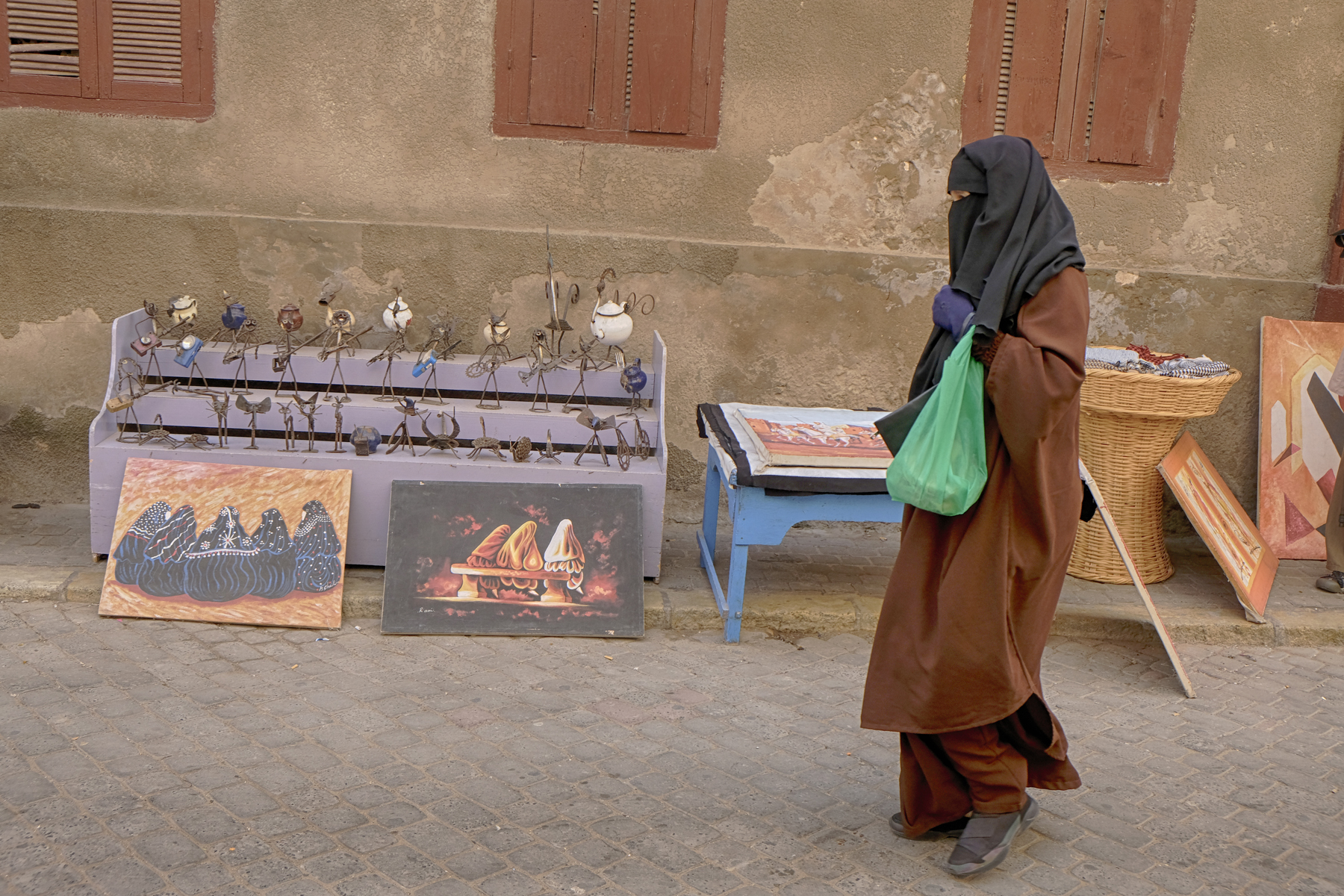
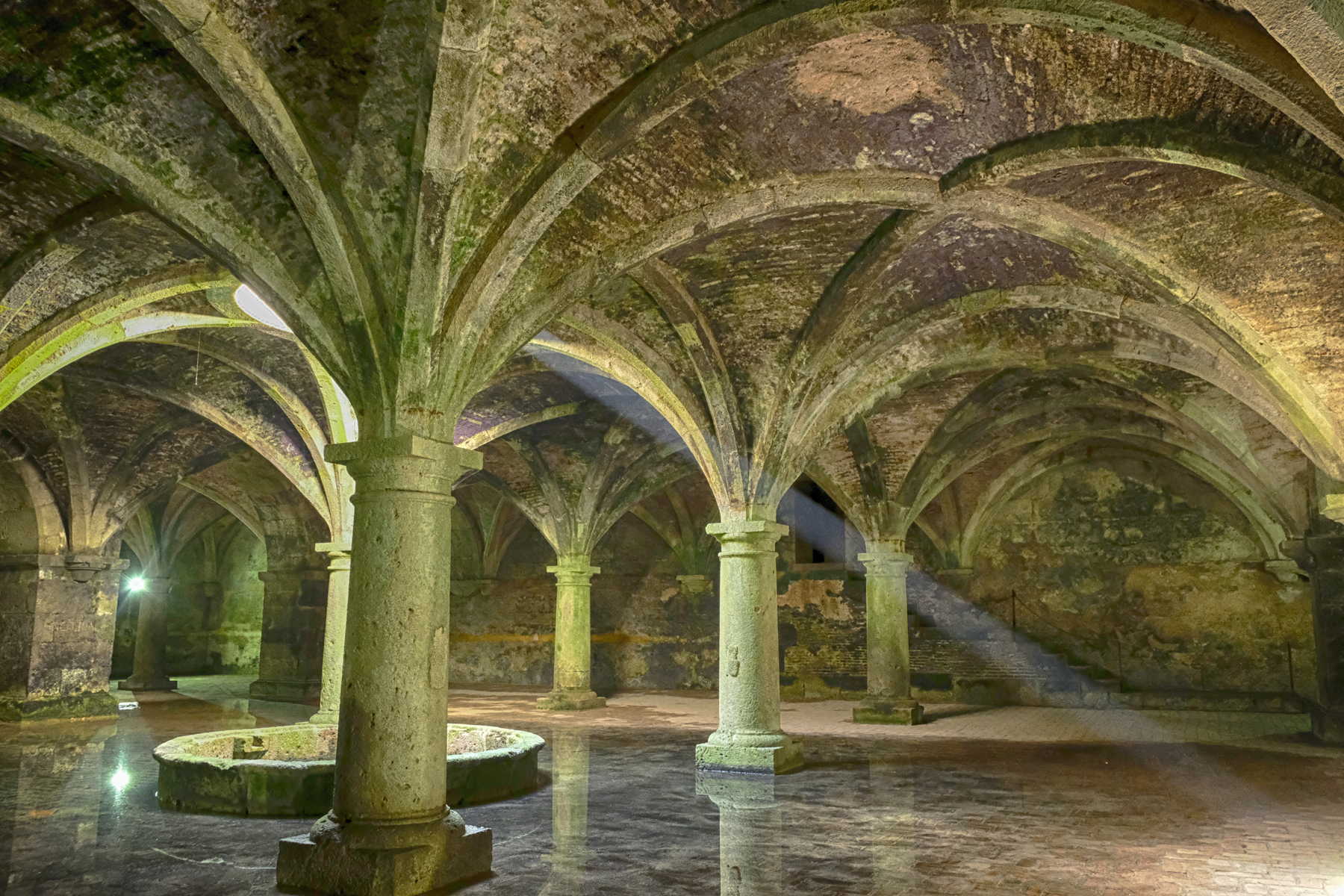
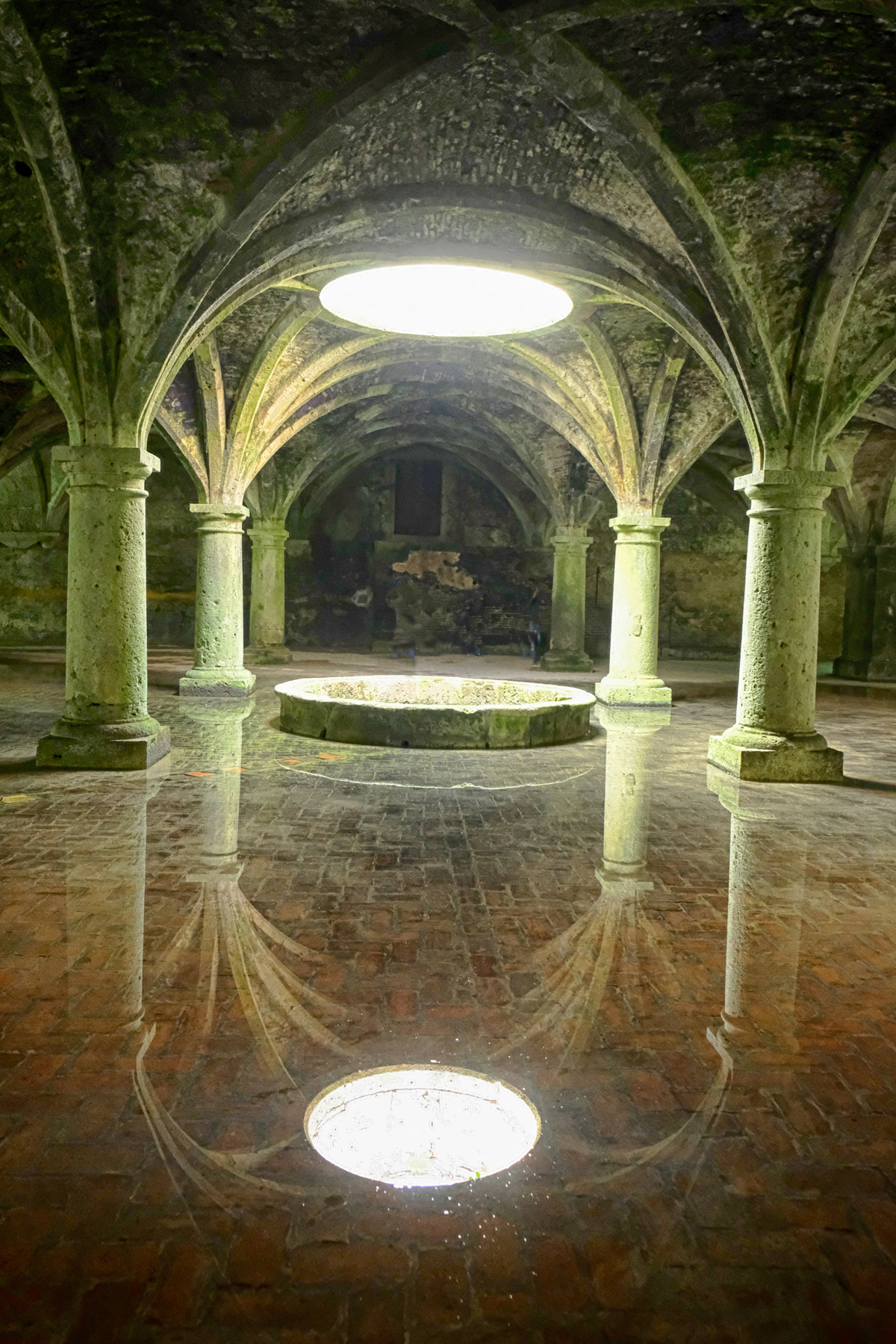


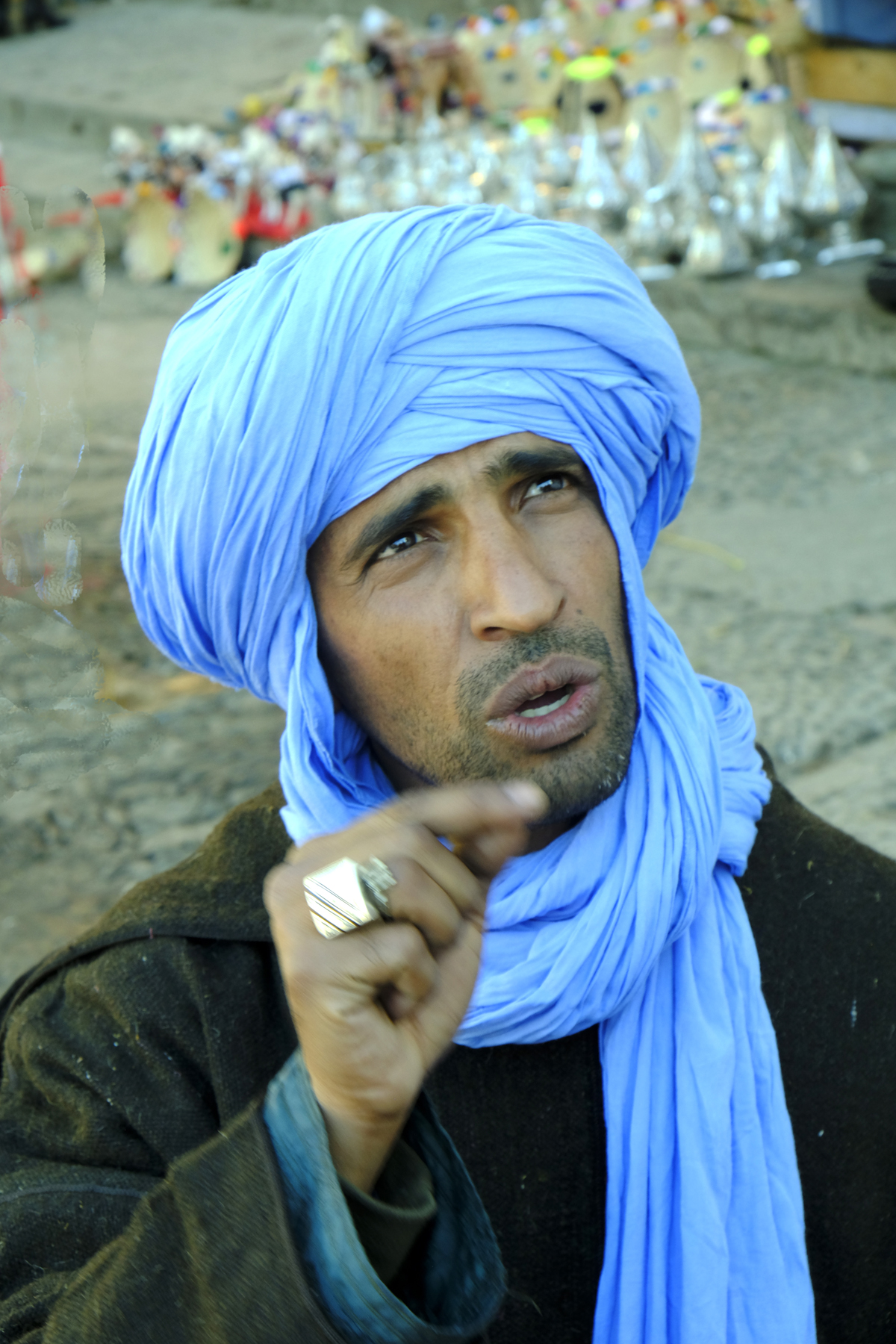
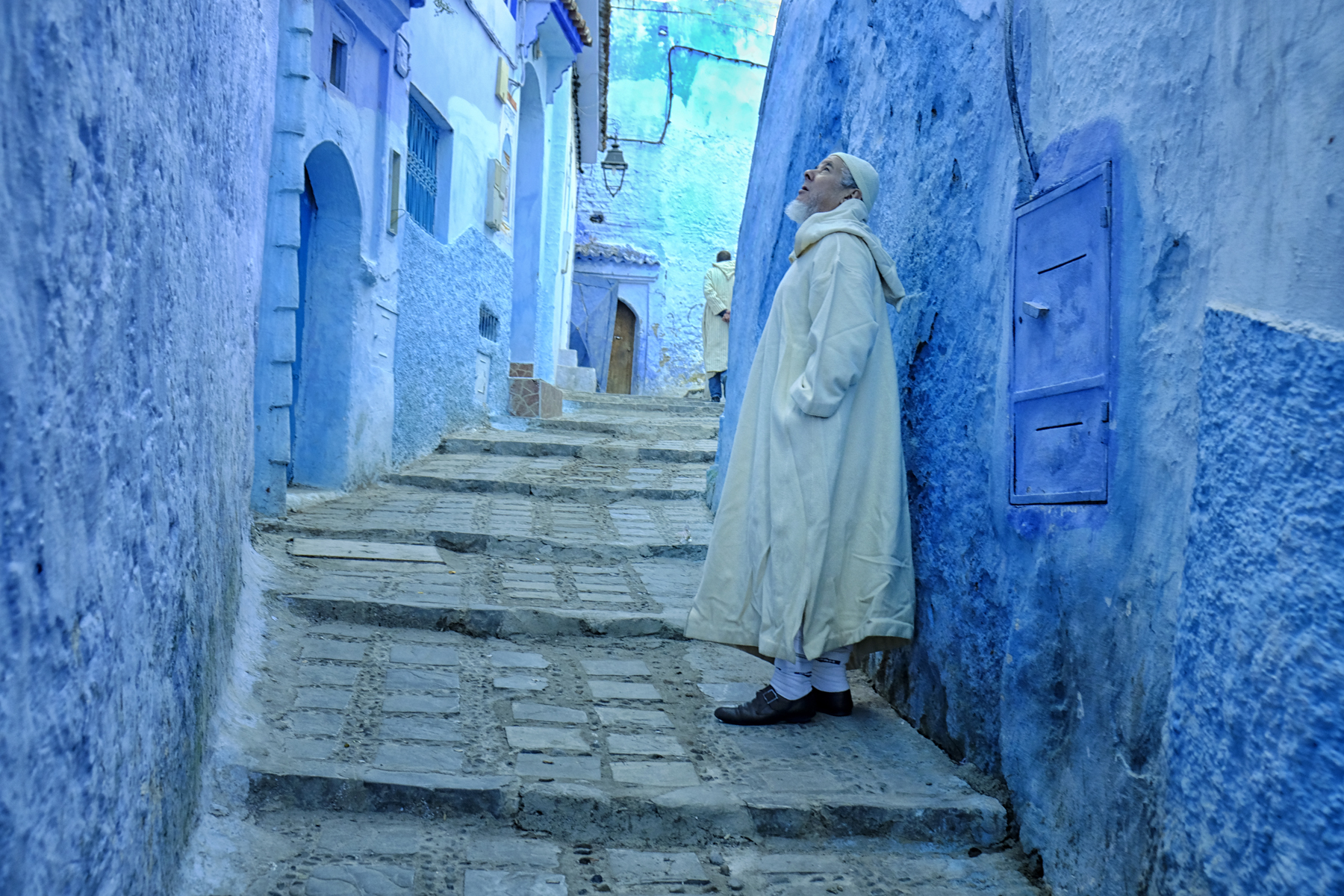

Morocco is a melting pot of cultures, especially the Berber and Arabic. The cities, Essaouira, Marrakesh, and Fez are a labyrinth of souqs where the sounds of tradespeople at work, smell the aroma of incense and witness the kaleidoscope rugs, scarves, and babouche shoes permeate the streets. The people are not always willing to be photographed, but most can be persuaded.
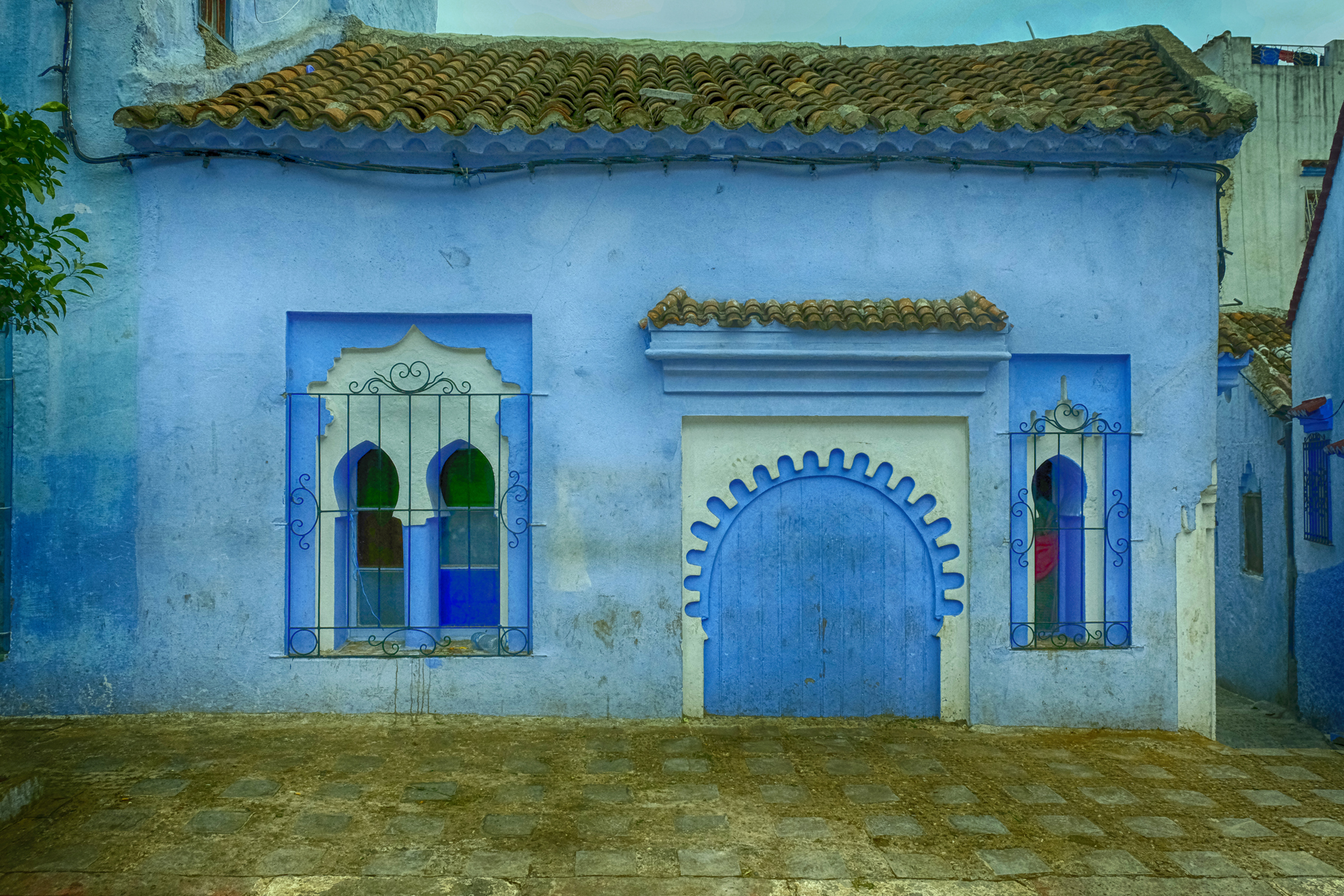
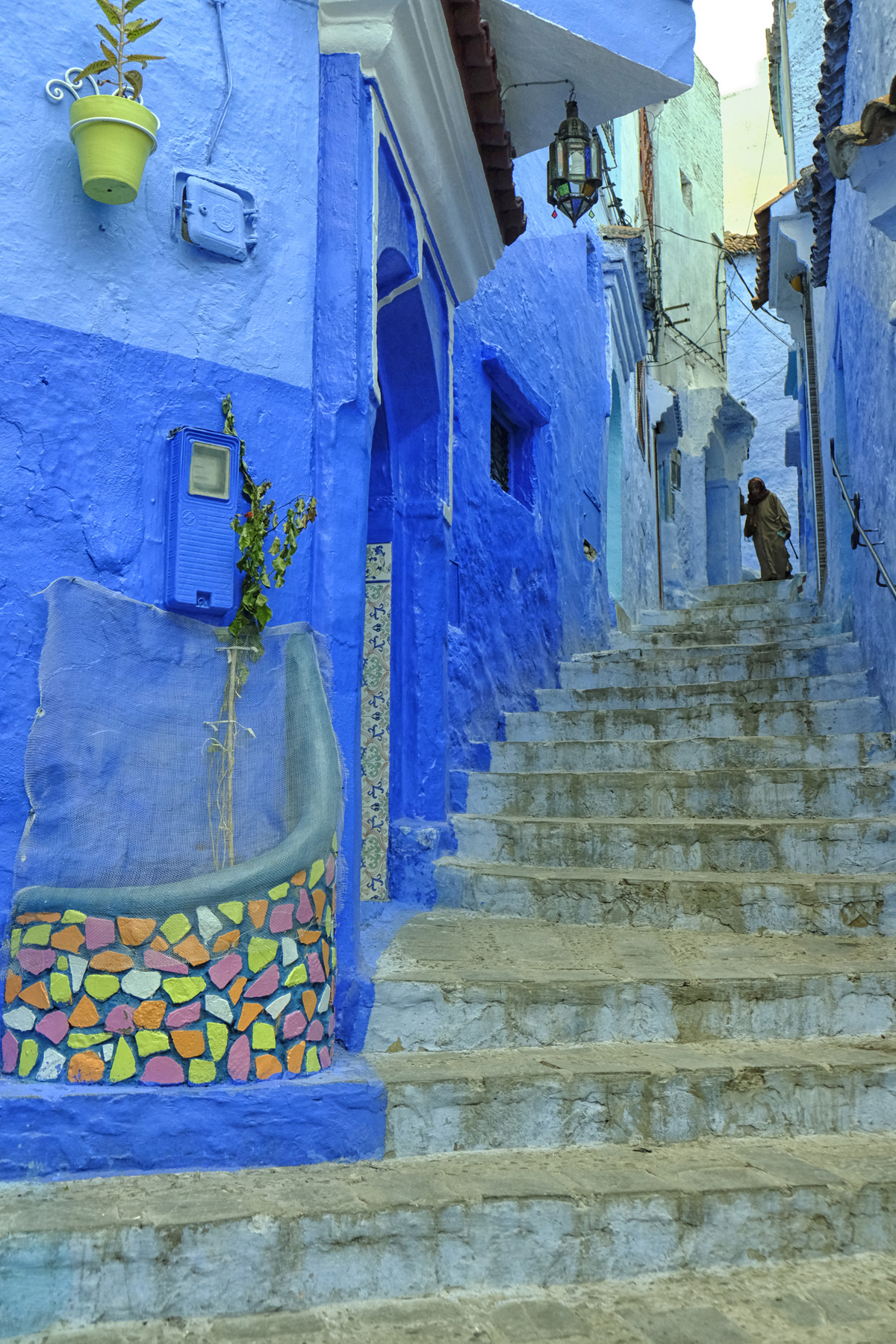
The Atlas Mountains are dotted with tiny villages beyond which is the Sahara where Berber men conduct camel rides to the desert camps. Also notable is the city of Chefchaouen where every house, doorway, and staircase is painted blue.


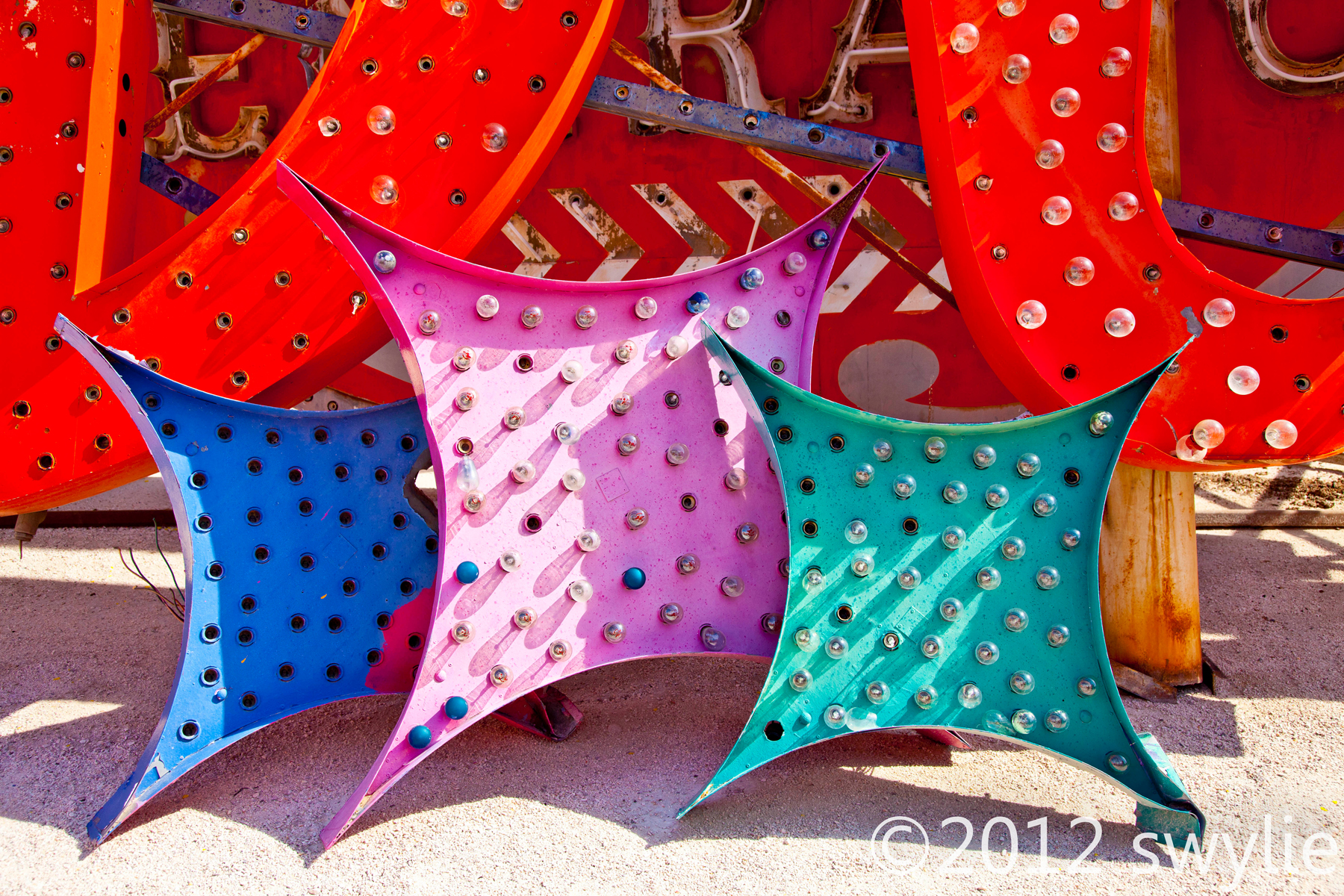

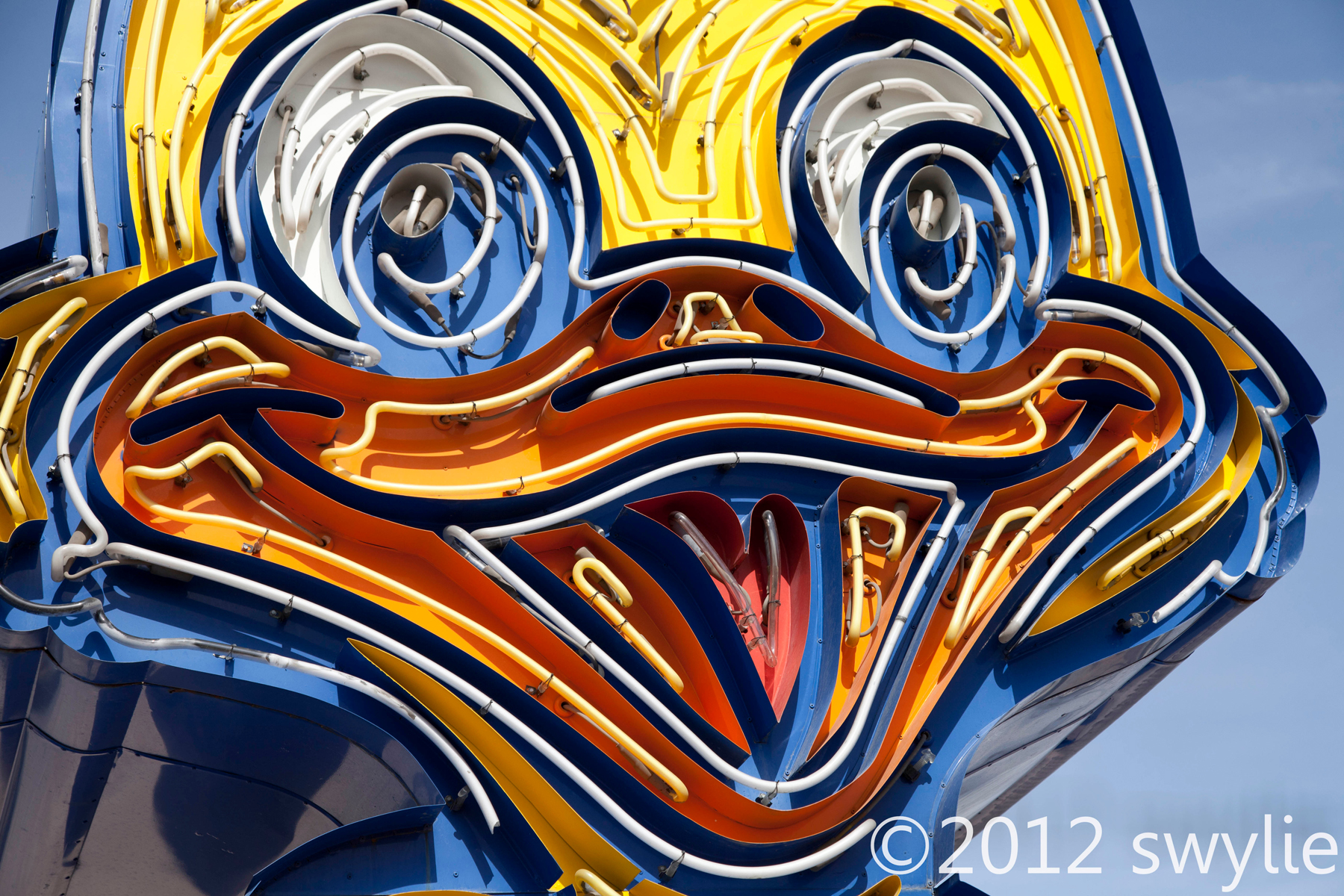

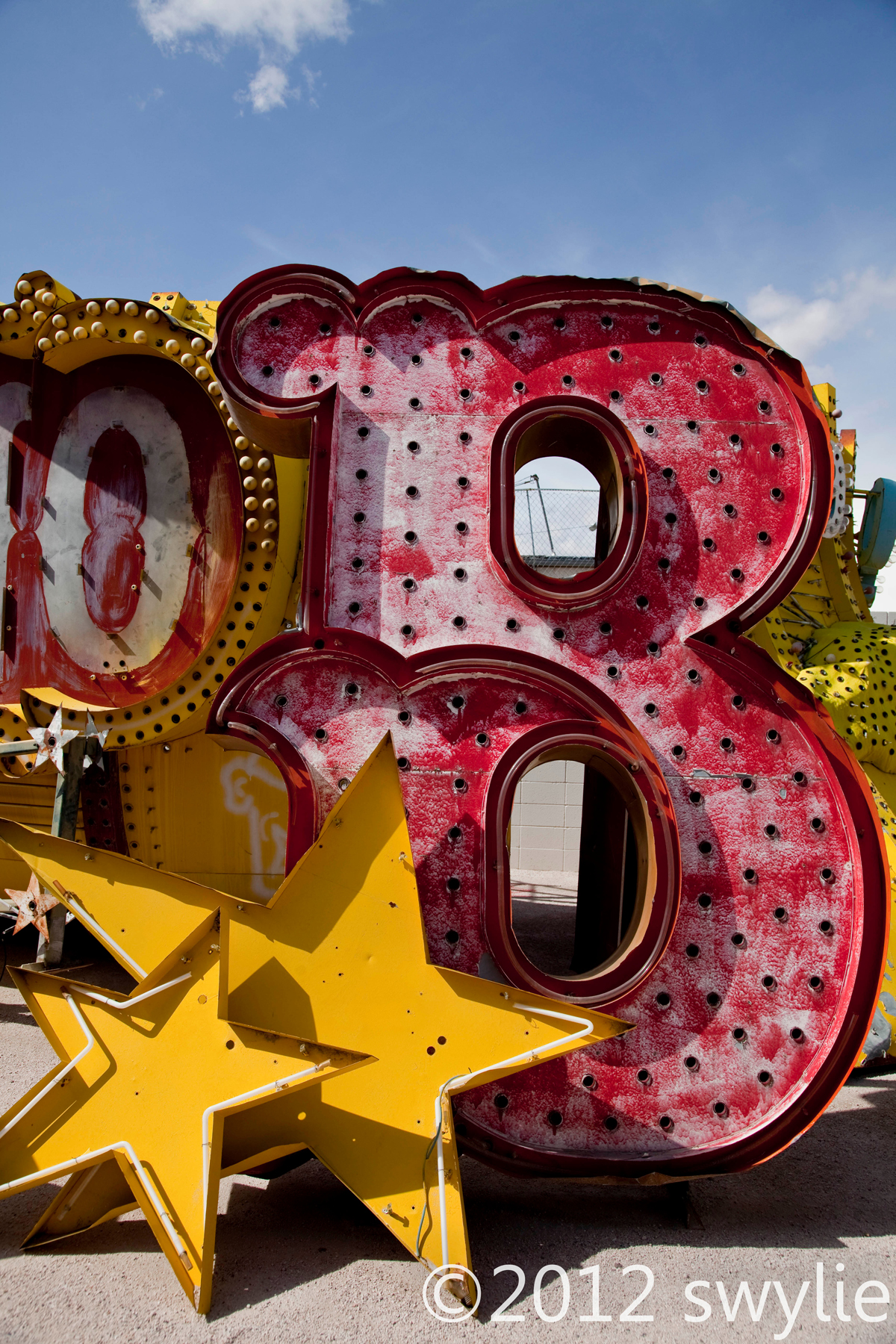
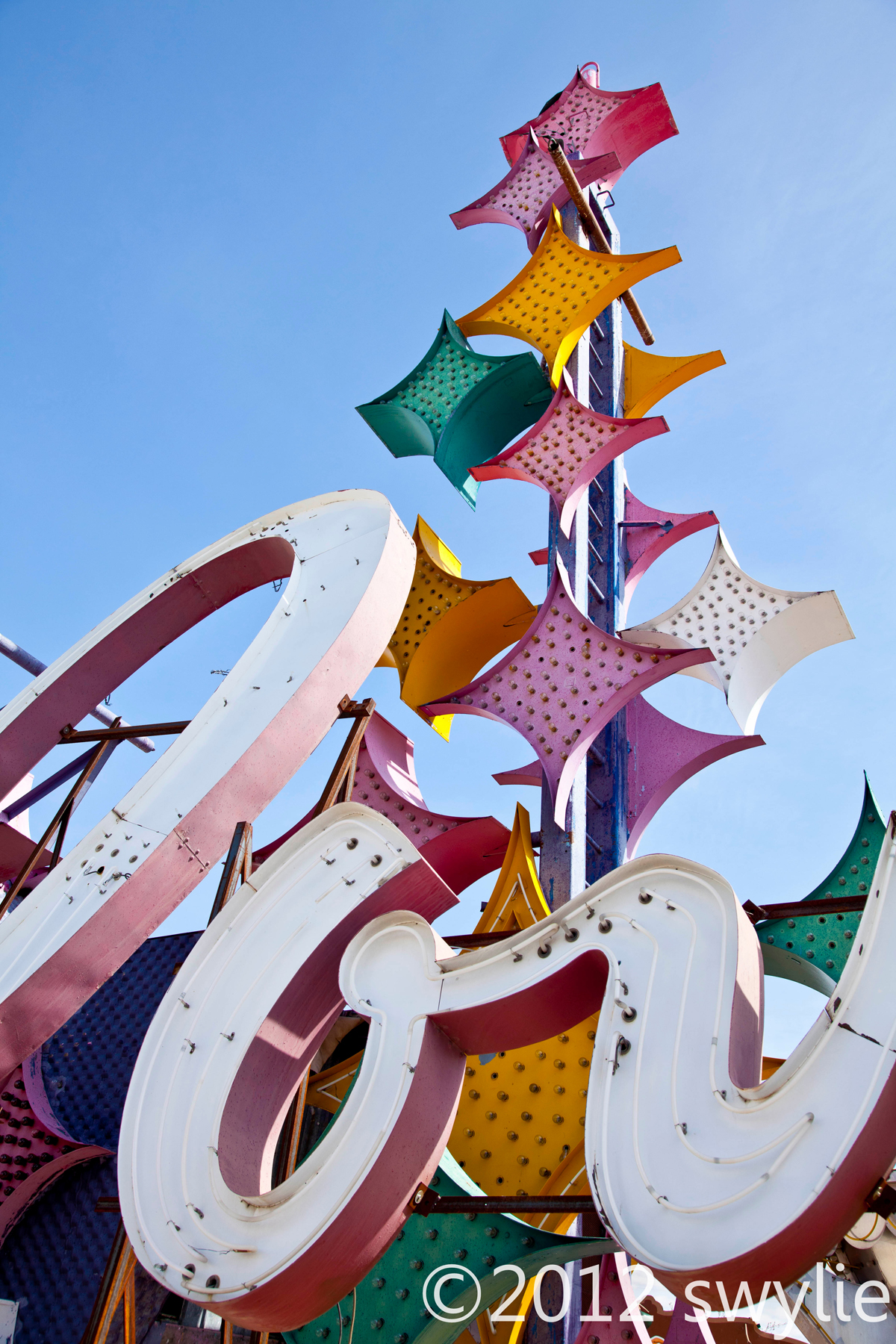

The Neon Museum in Las Vegas is a museum of a different kind. It features signs from old casinos and other businesses that have graced the famous buildings of Las Vegas’ past. They are displayed outdoors almost like piles of rubble. As you wander through the now defunct signs one is reminded of the famous glitz of yesteryear. Colorful and random it is like a graveyard for neon displays. The guide relates stories of the history and people behind the discarded signs. It’s a veritable walk down nostalgia lane.
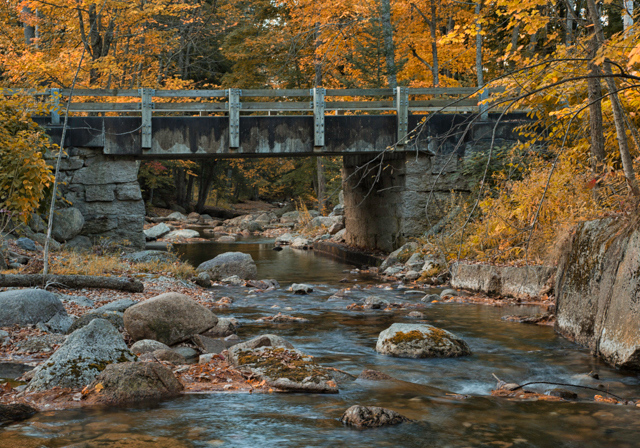
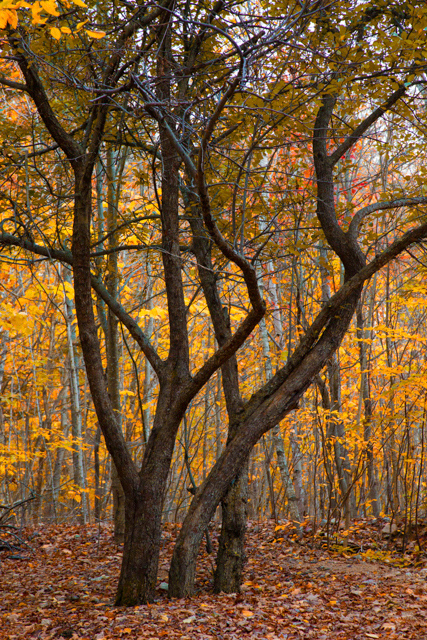
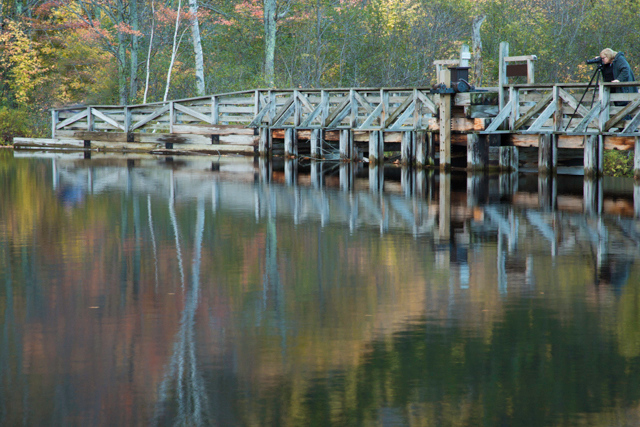
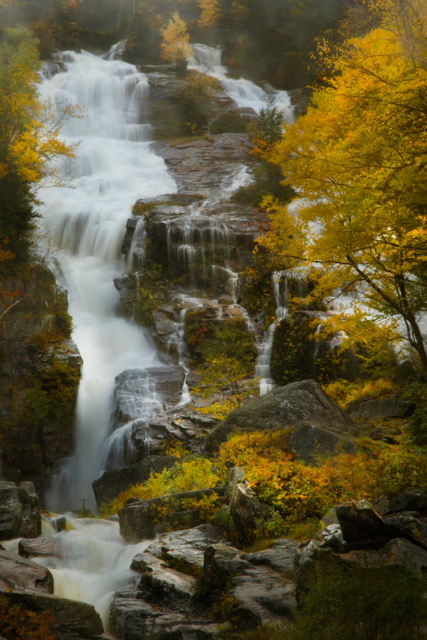
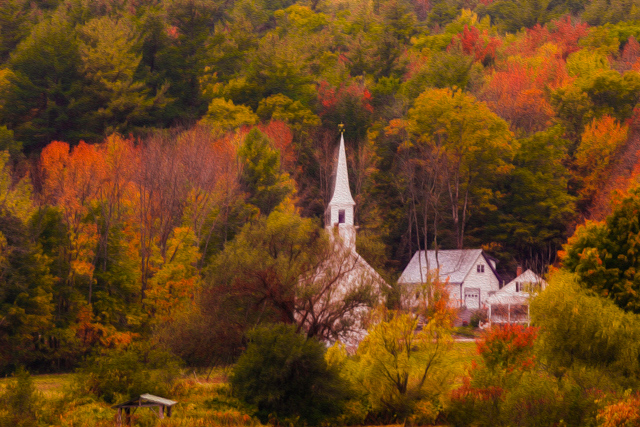


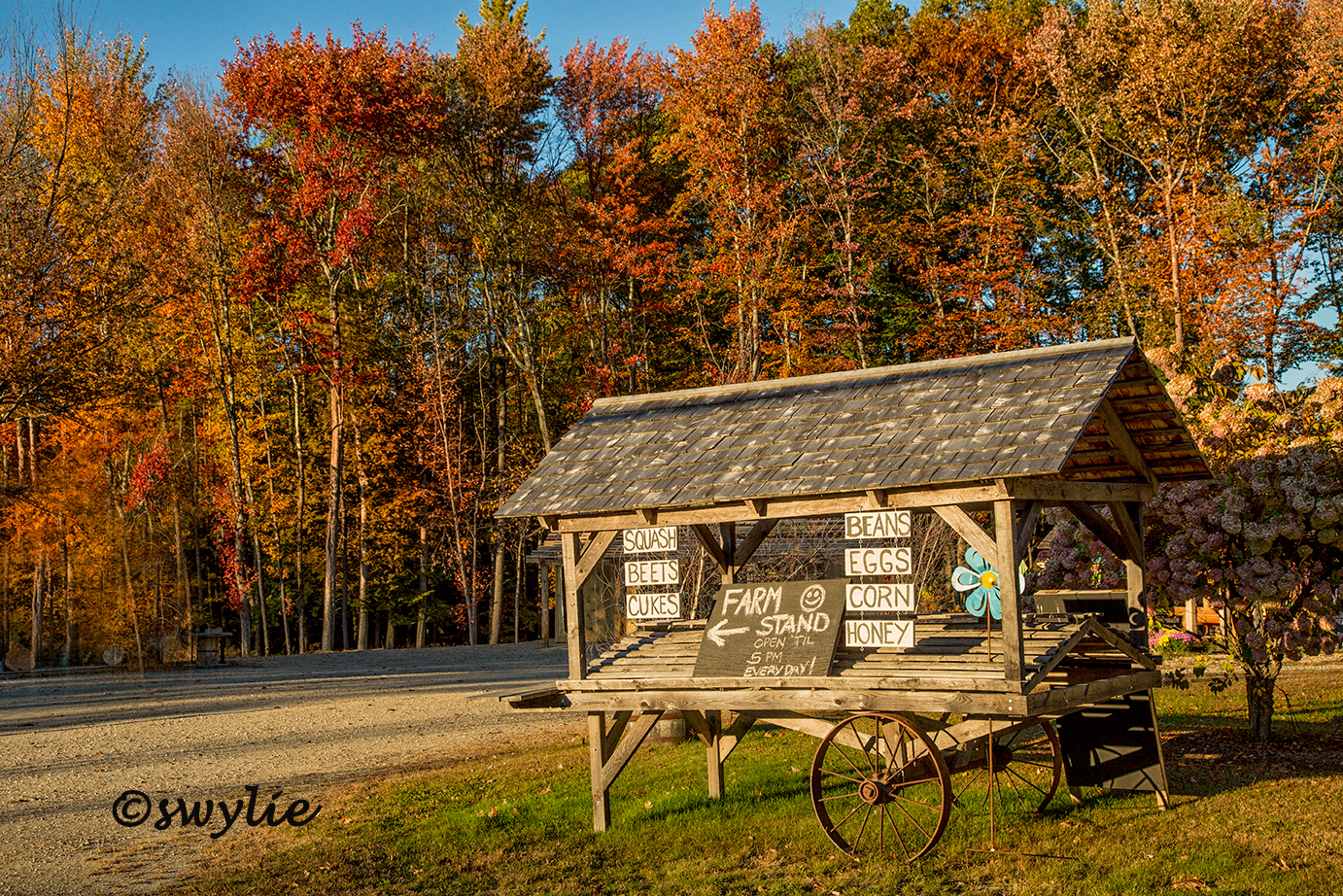

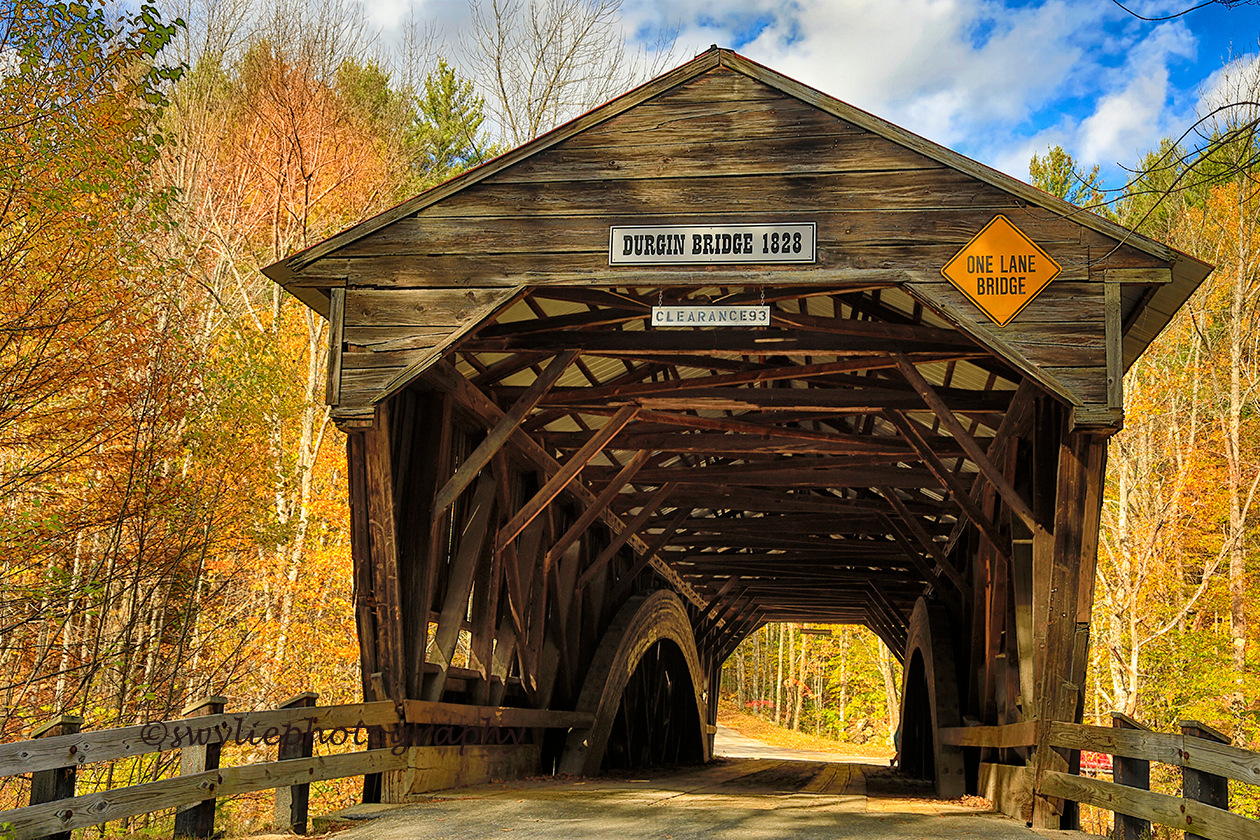
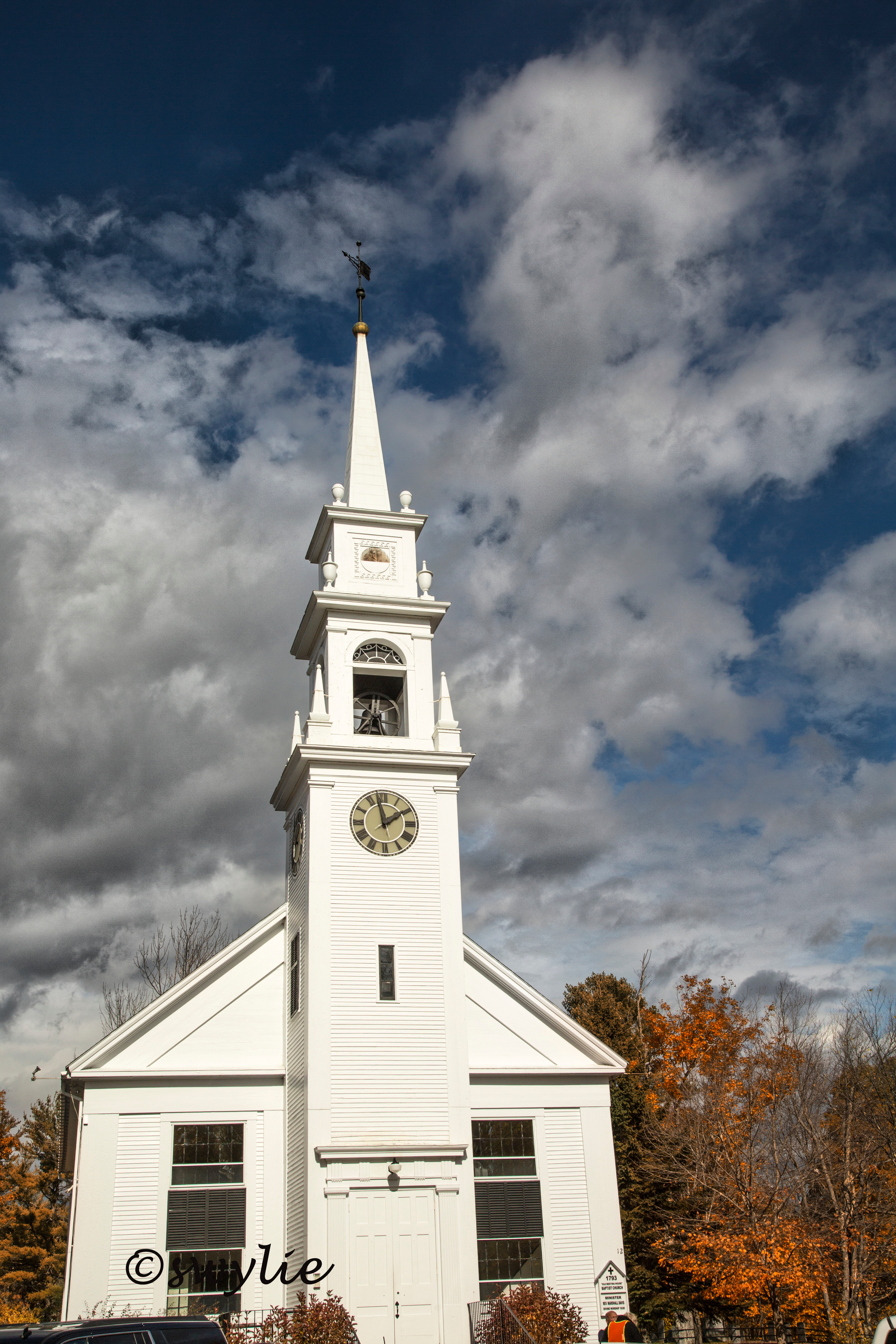


Using the Cranmore Mountain Lodge in North Conway as a base, we photographed the October landscape. New Hampshire delivers colorful fall foliage at the earlier end of September-to- October range. It’s difficul to predict exactly when. Views are breathtaking in the White Mountains along the many routes. The small, white New England churches make an impressive focal point. Reflections are a bonus. The season doesn’t last long and rain and wind can bring the party to an abrupt halt.


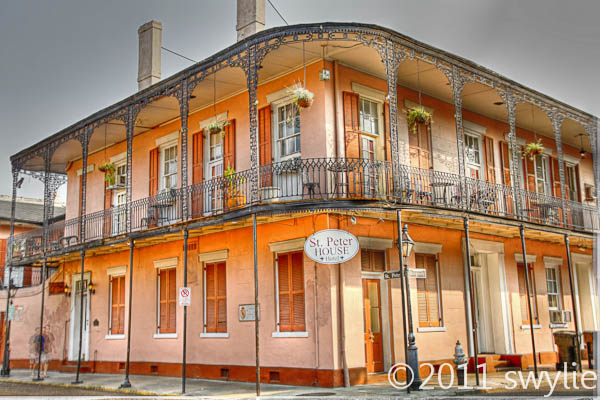


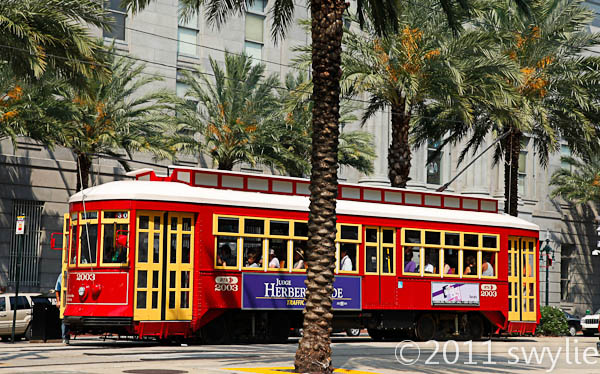


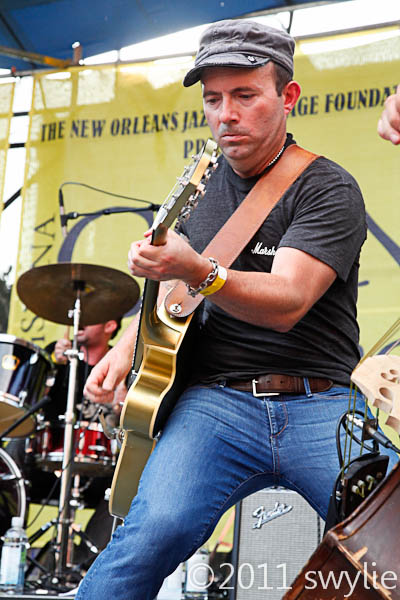

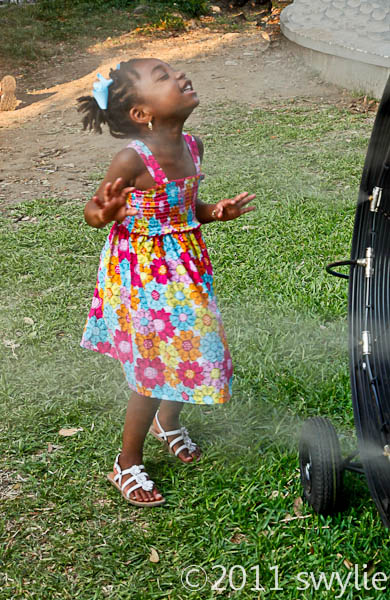


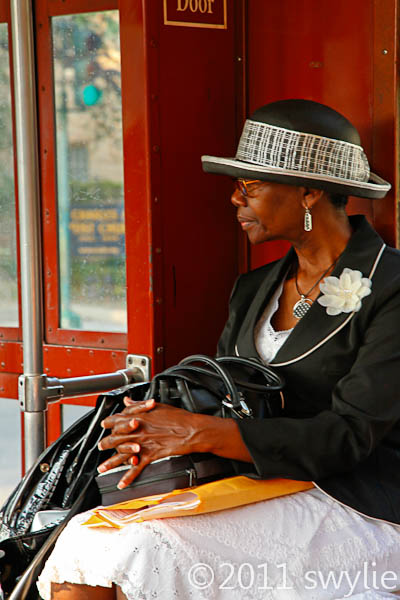


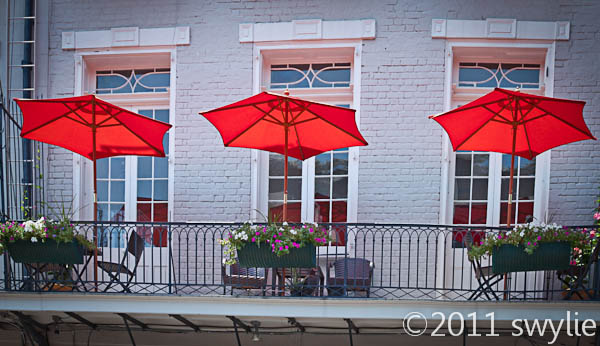





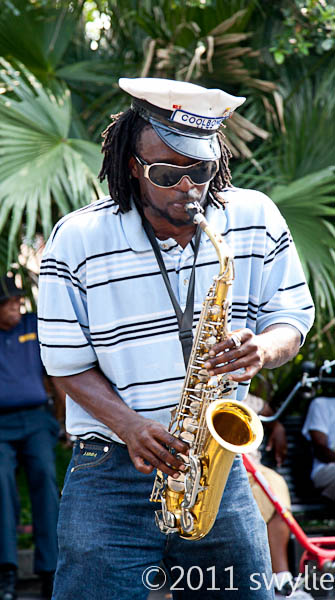
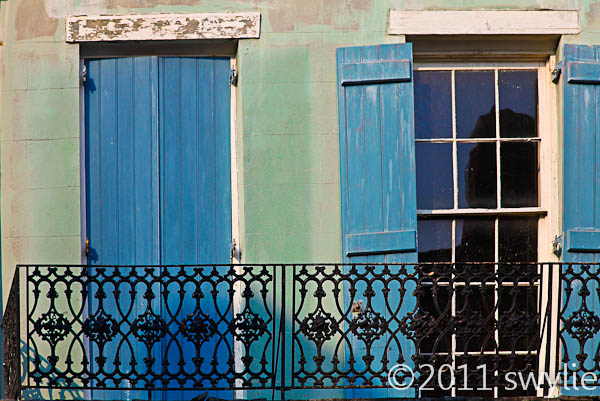

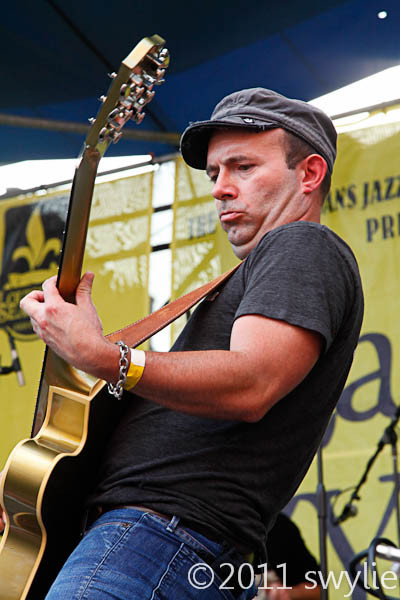
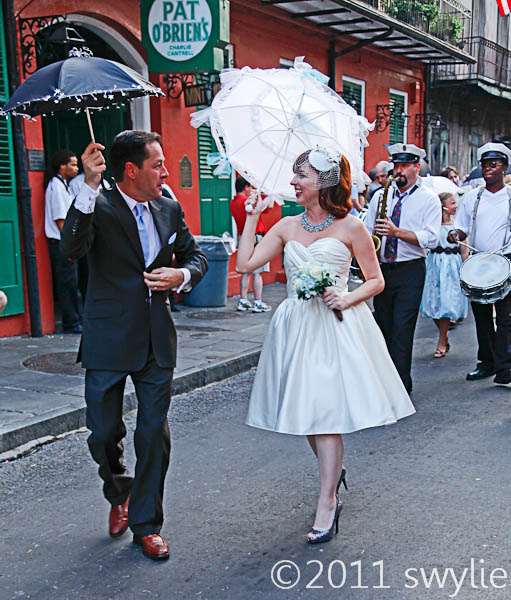


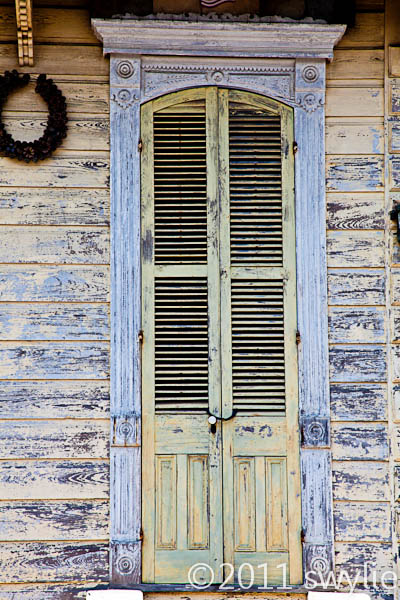
New Orleans is world-renowned for its distinct music, Creole cuisine, unusual dialect, and its annual celebrations and festivals, most notably the Mardi Gras. The historic center of the city is the French Quarter known for its French and Spanish Creole architecture and vibrant nightlife along Bourbon Street.
Louisiana Voodoo is widely practiced; Marie Laveau known as the Voodoo Queen is buried in the cemetery, another spot worth visiting. The Cajun-Zydeco Festival is a yearly event held in Armstrong Park.
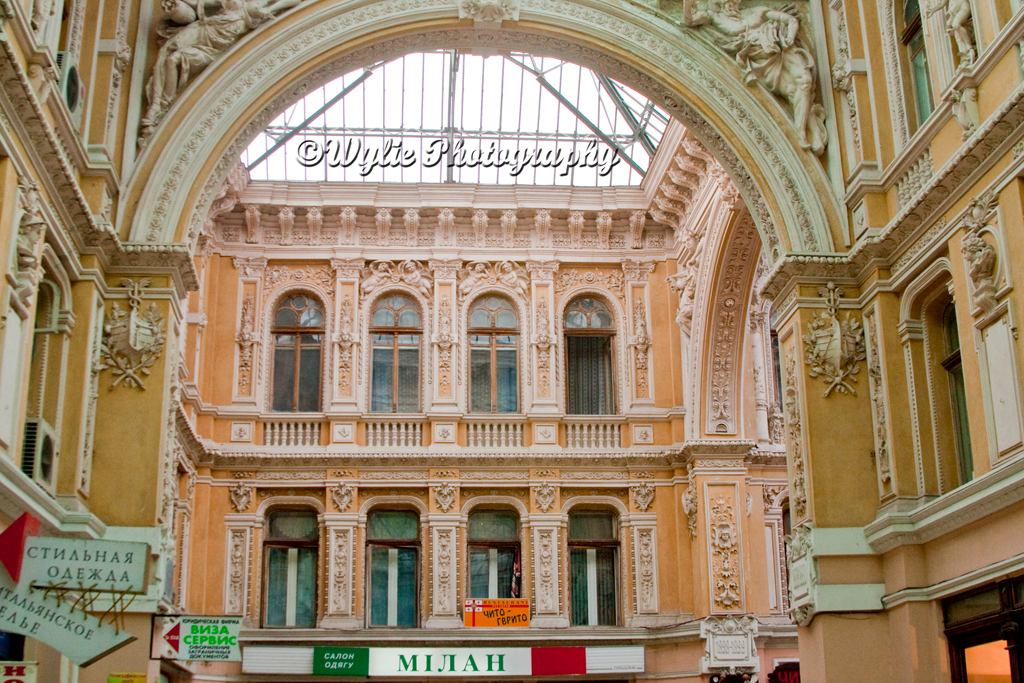


Known as “Pearl of the Black Sea”, the city was founded by the Russian Empress Catherine the Great. It was named for the Greek city. It is unique for a Ukraine city. Its historical architecture has a style more Mediterranean than Russia. Odessa has some of the most notable buildings and statues. A statue of Catherine the Great is one of the city’s central landmarks. The theater is considered one of the world’s finest opera houses, having acoustics that allow even a whisper from the stage to be heard. The residents have traditionally been wealthy.
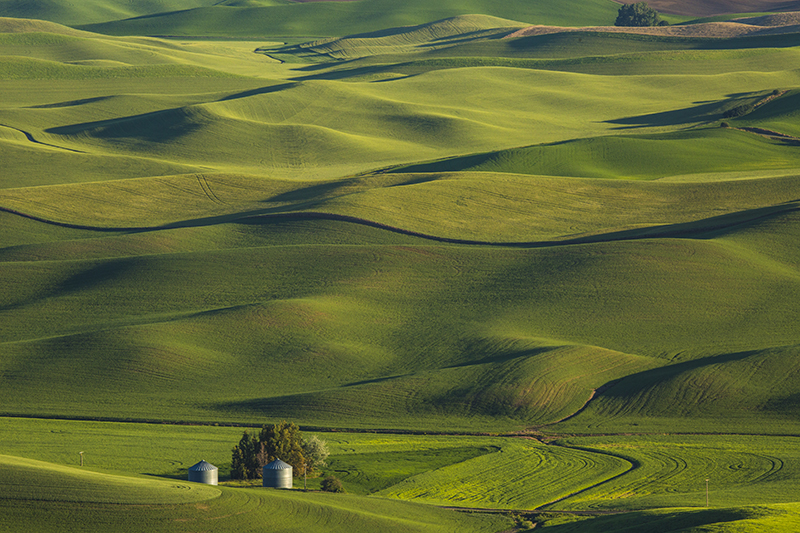


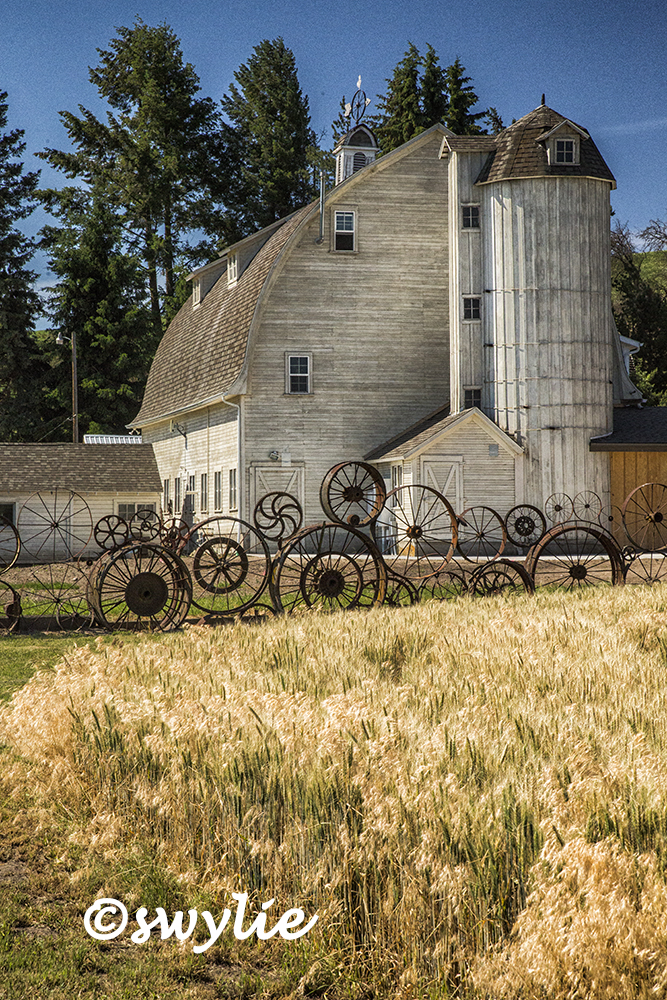
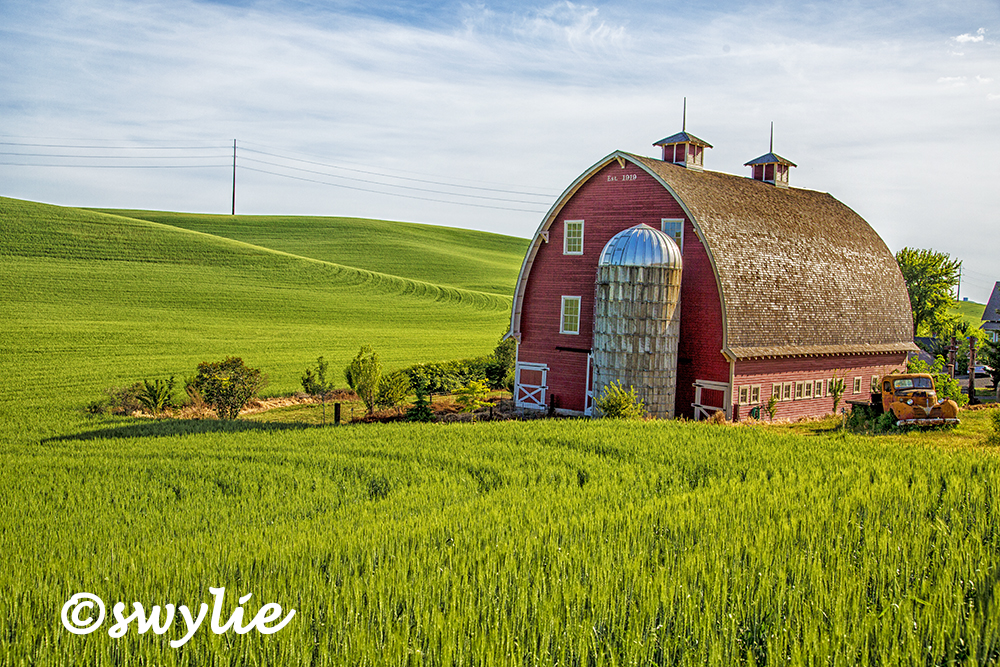


Palouse not only offers great photographic landscape opportunities with its rolling hills, but it is adorned with barns and other farm buildings dotting the fields—many structures are abandoned and on the verge of decay. The time had come for me to make that a destination when I learned that the old barns were rapidly disappearing. I wanted to witness and photograph this place before it was transformed.
Unlike so much of agricultural America, this 4,000 square-mile Palouse rolls, undulates, and presents a textured patch-work quilt of greens, browns, and yellows. The little town of Colfax absorbs most of the overnight guests.


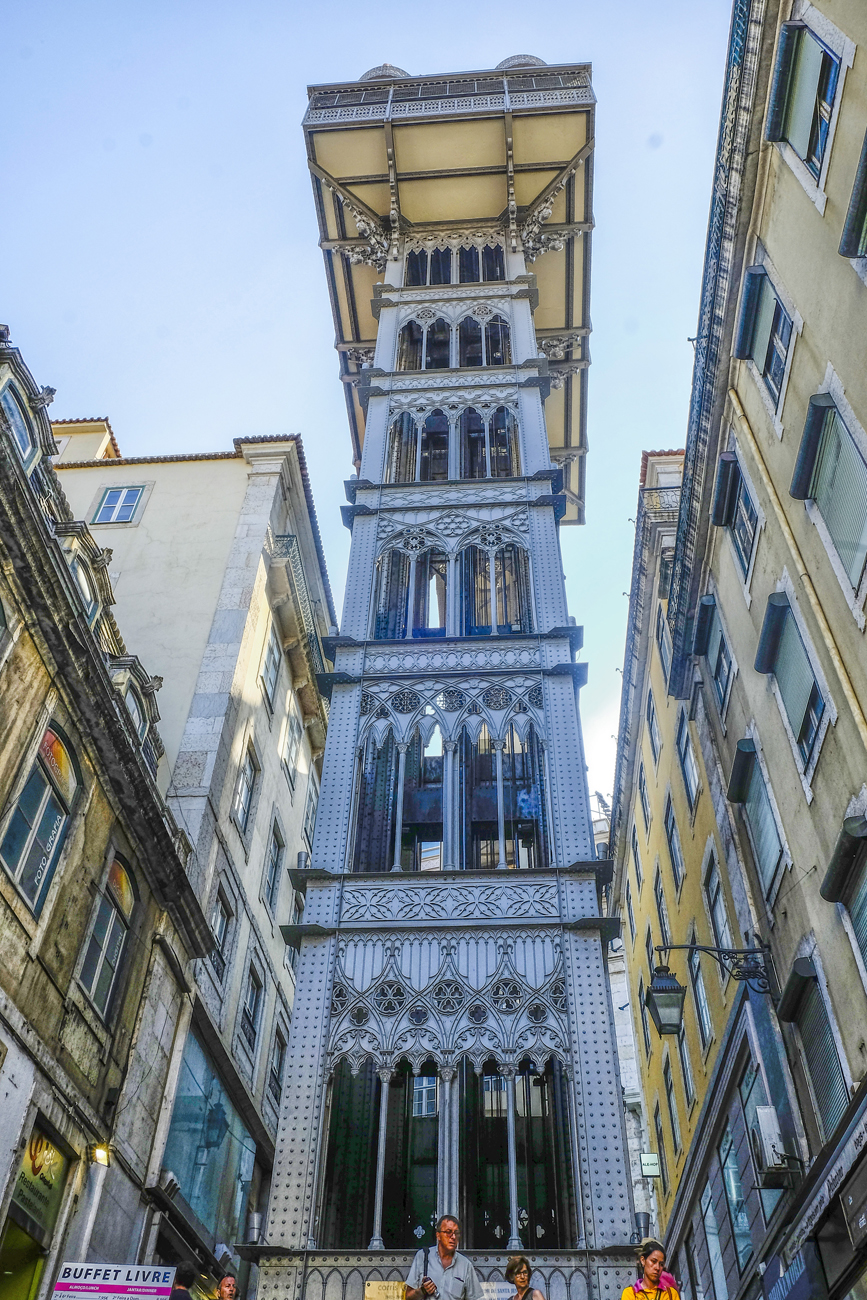


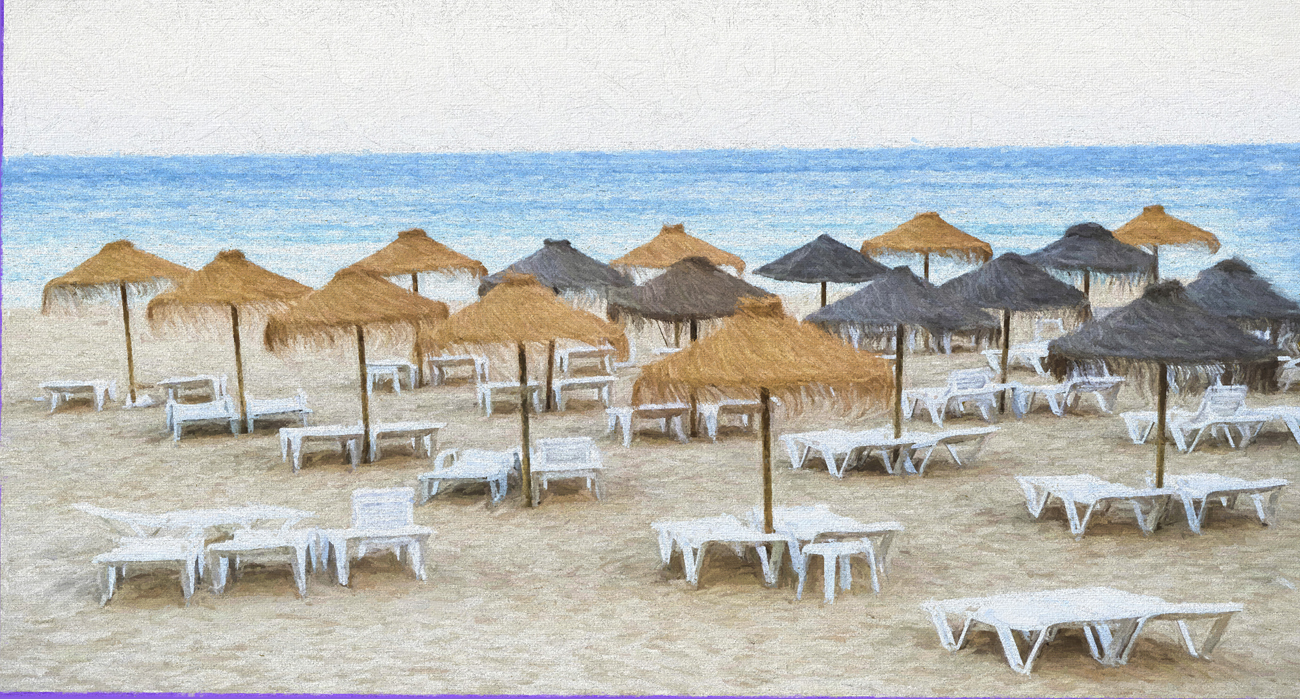

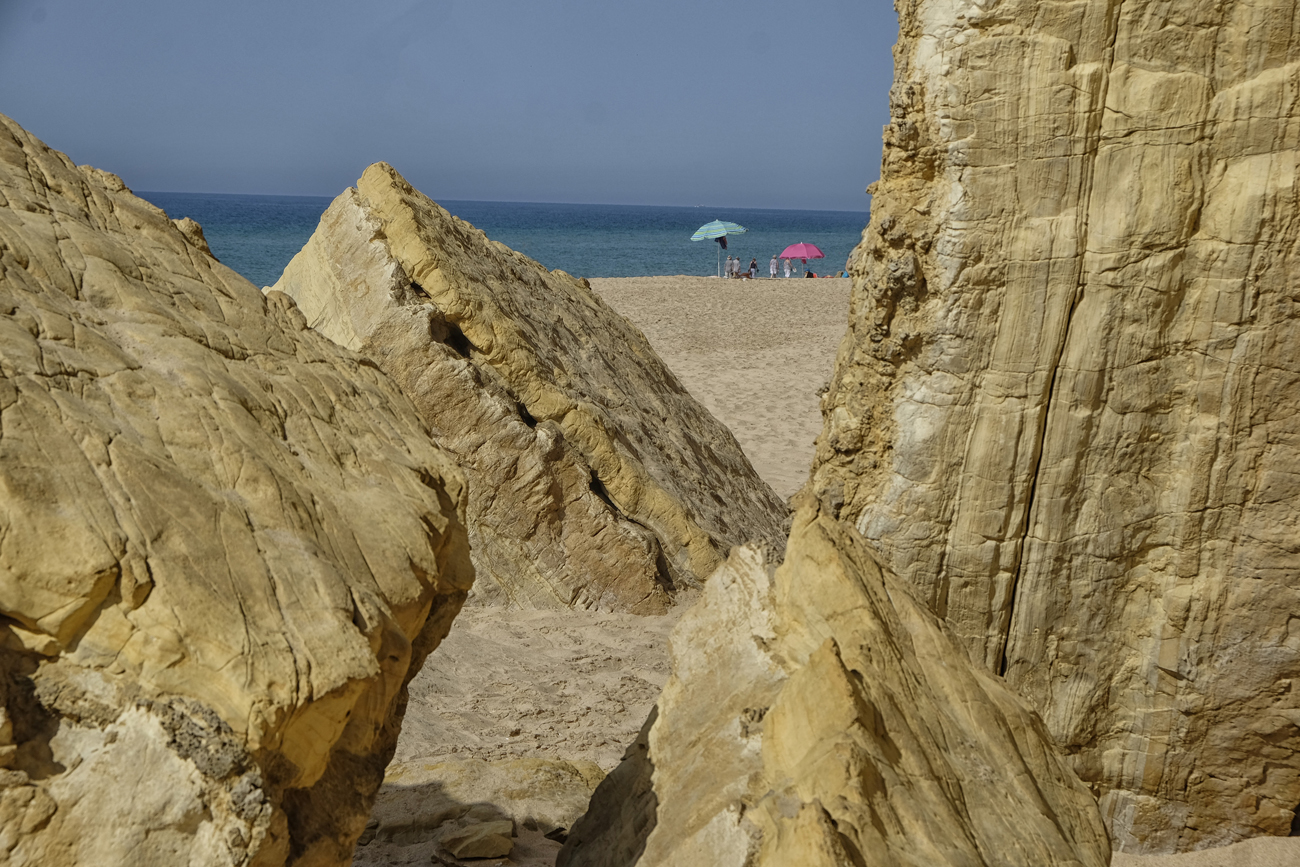




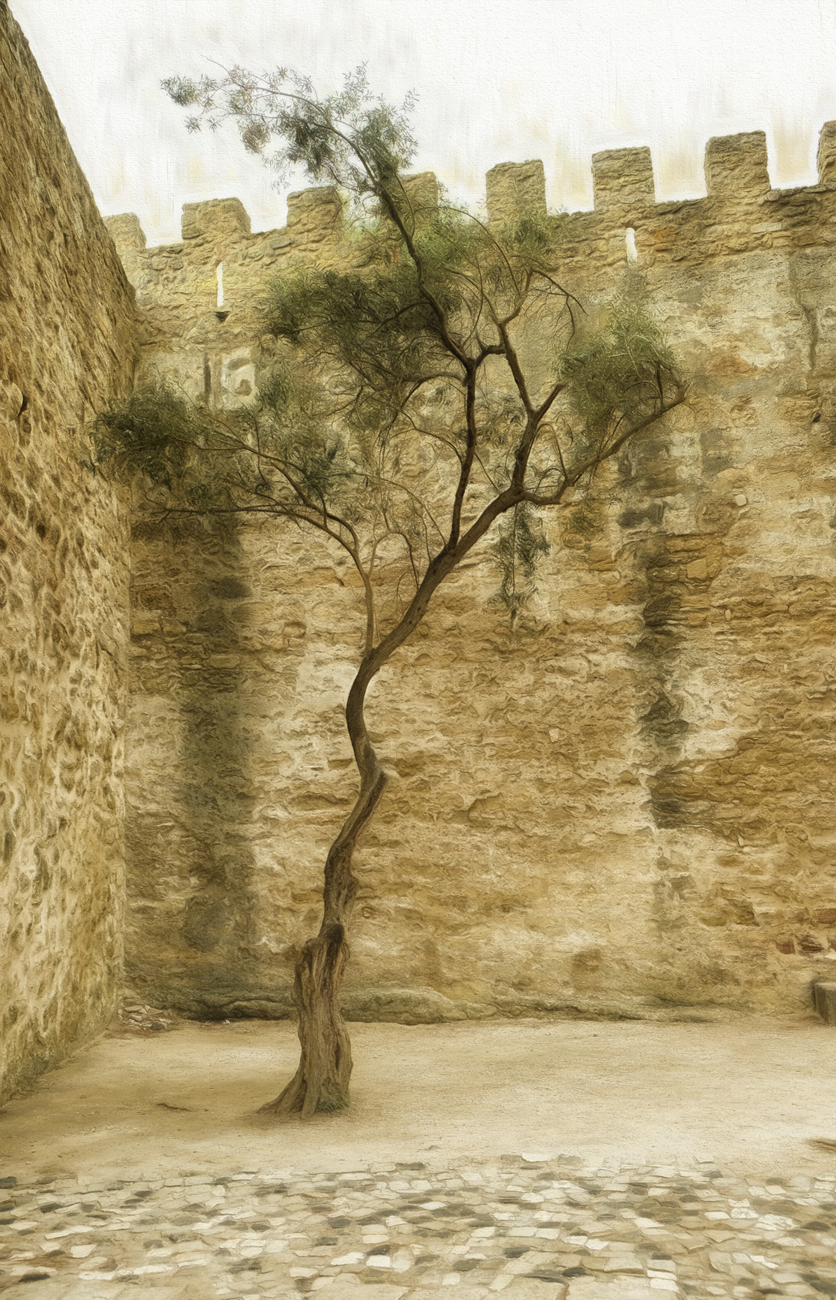


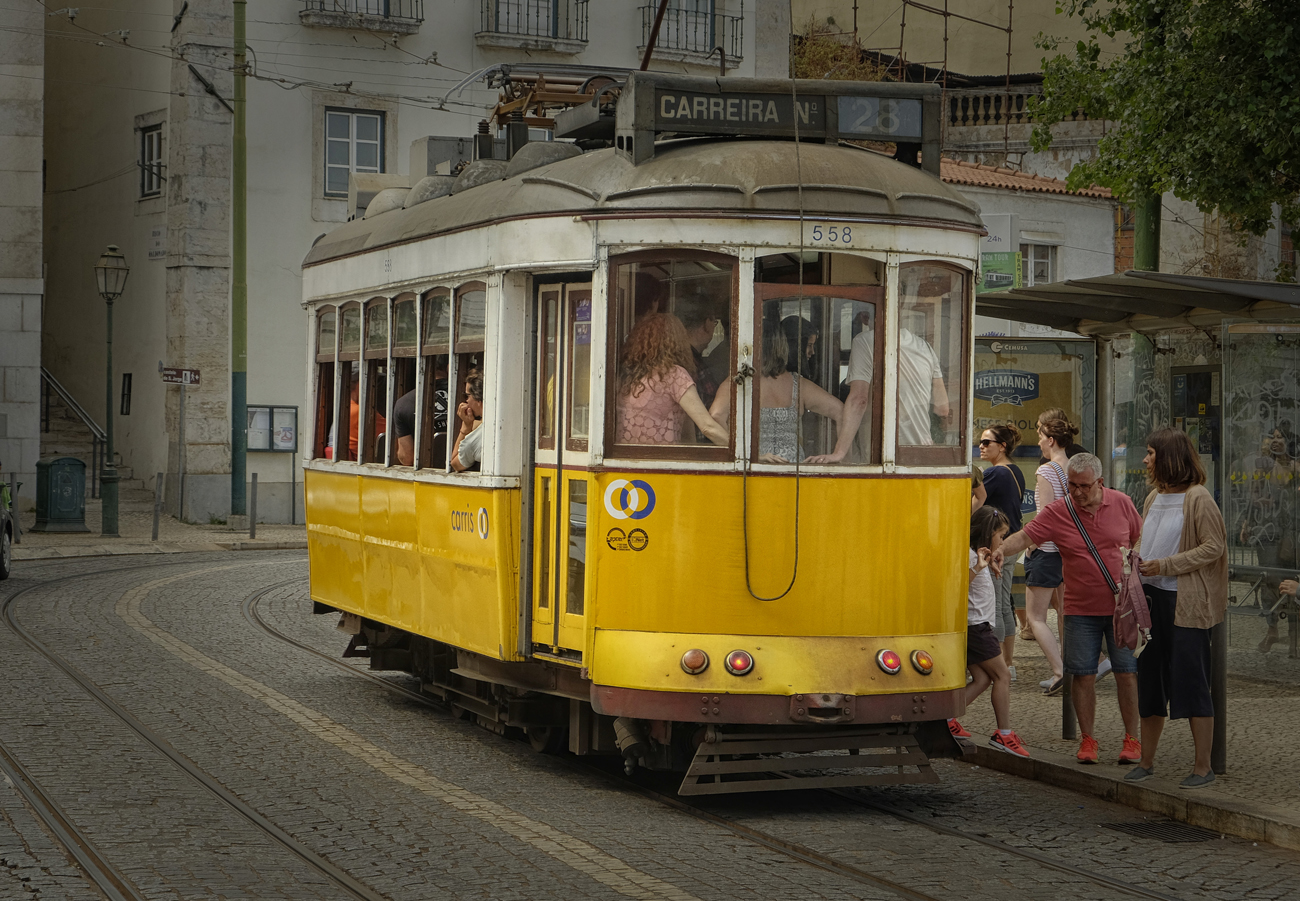


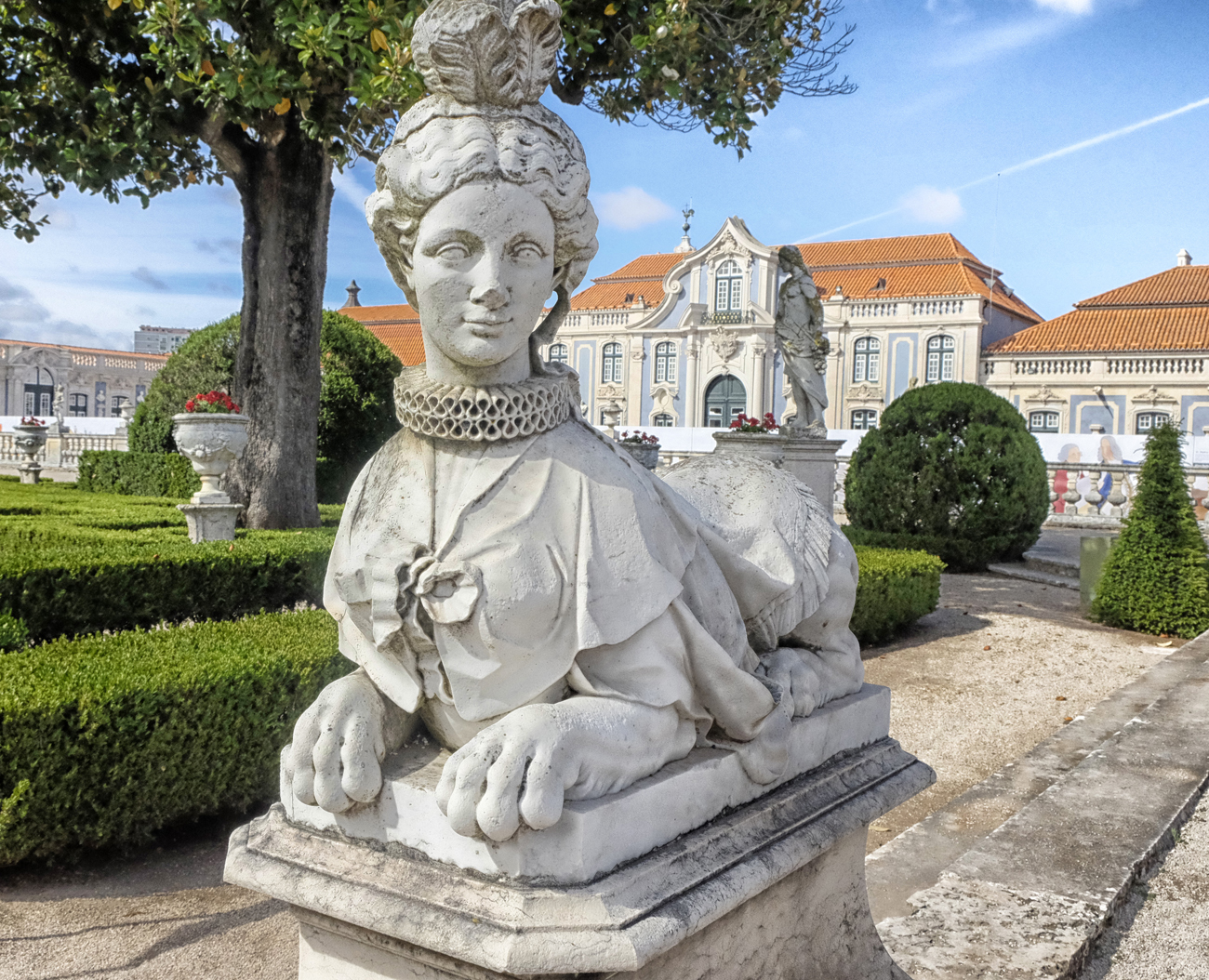


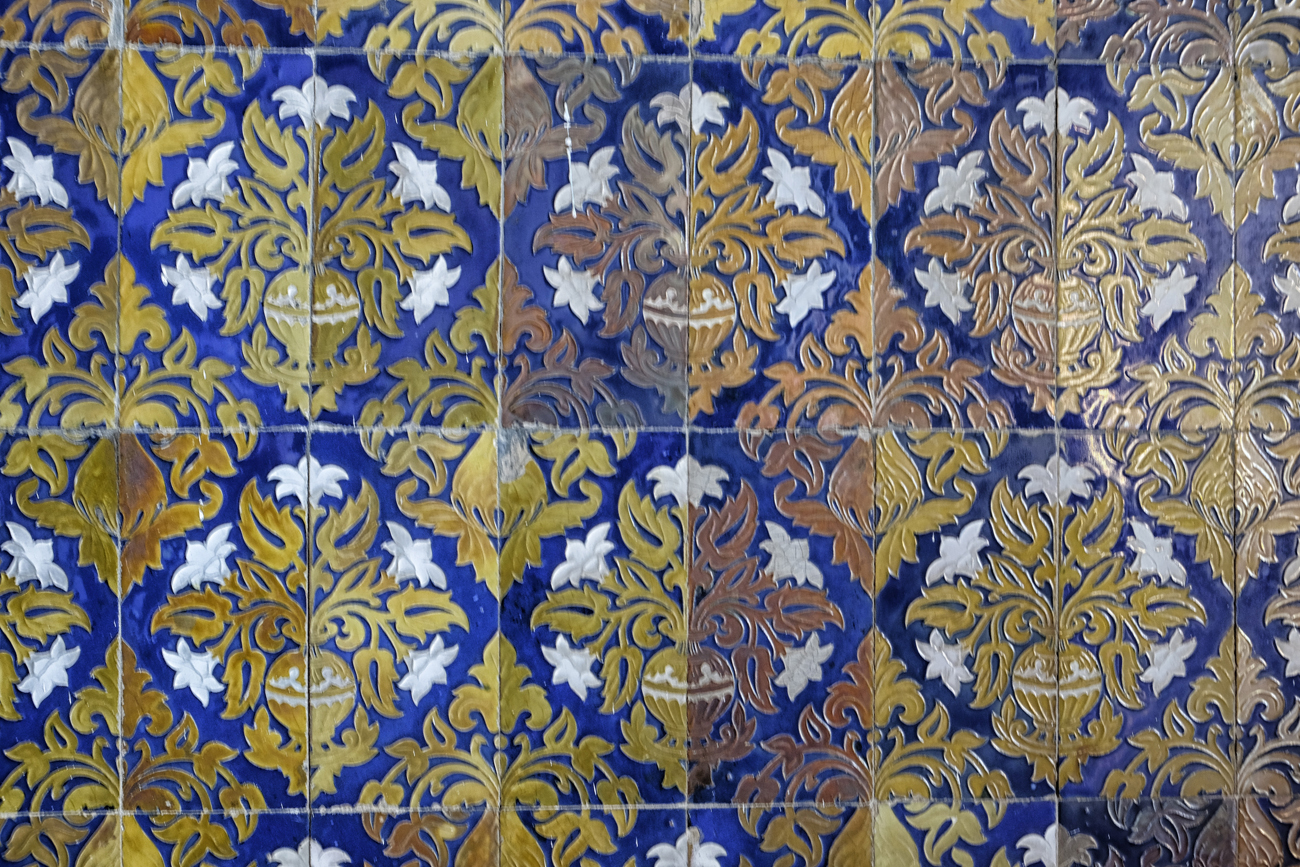


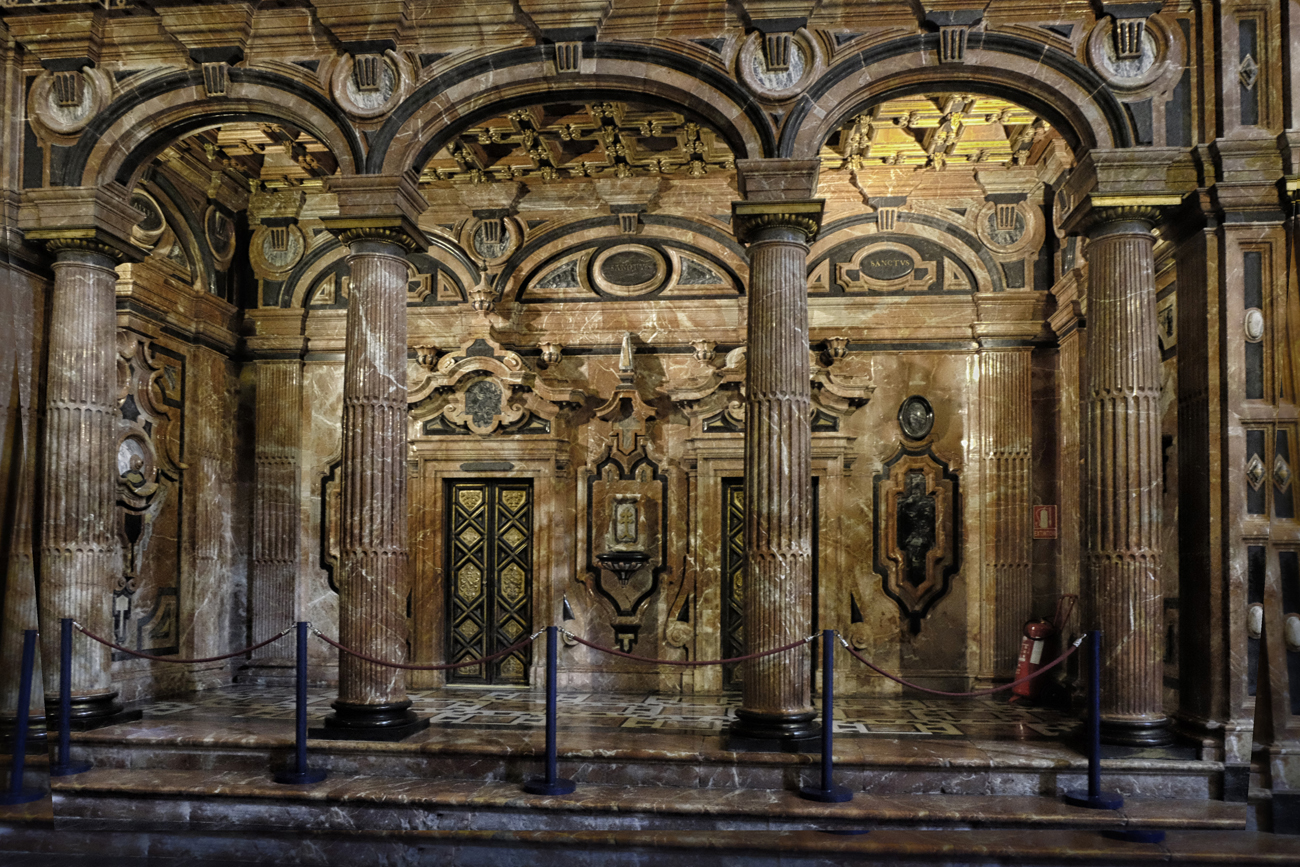








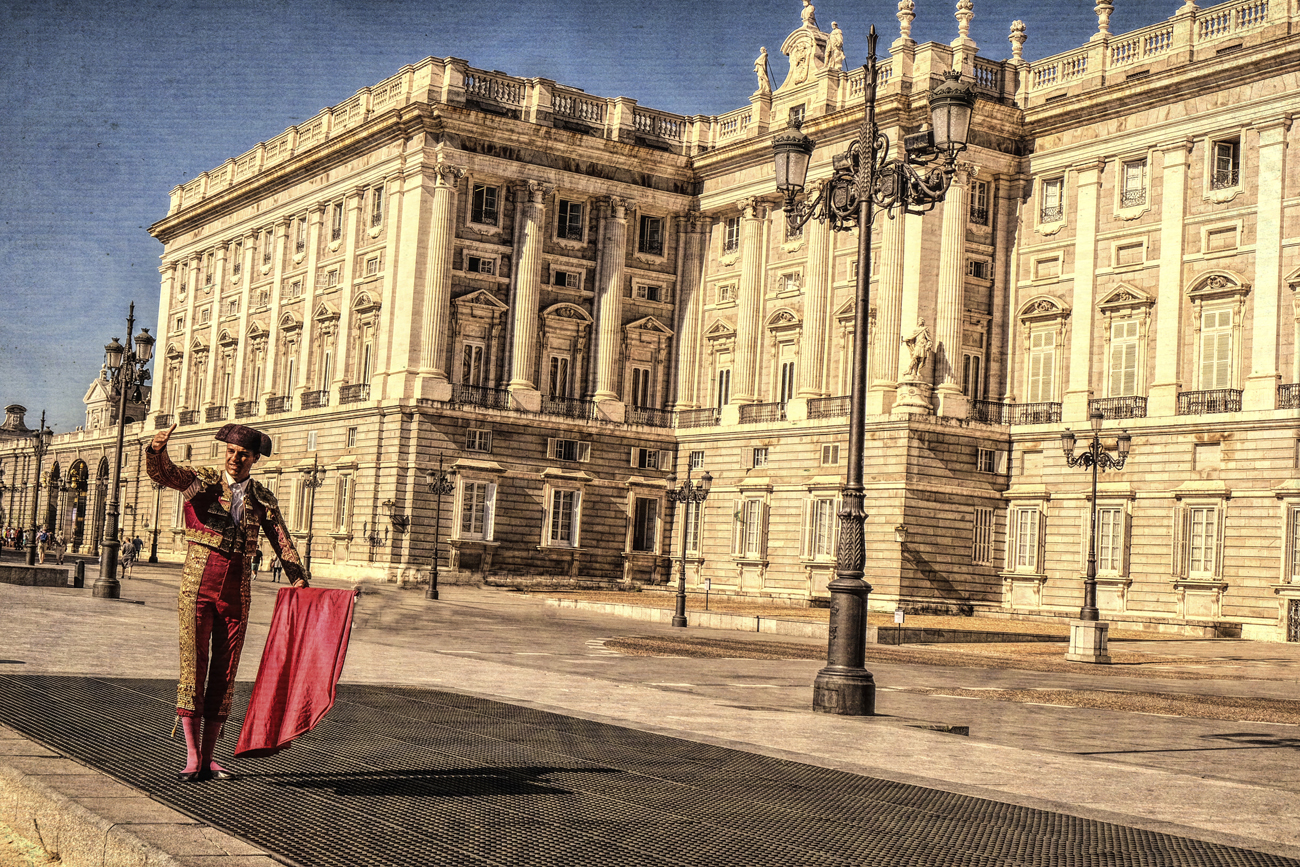


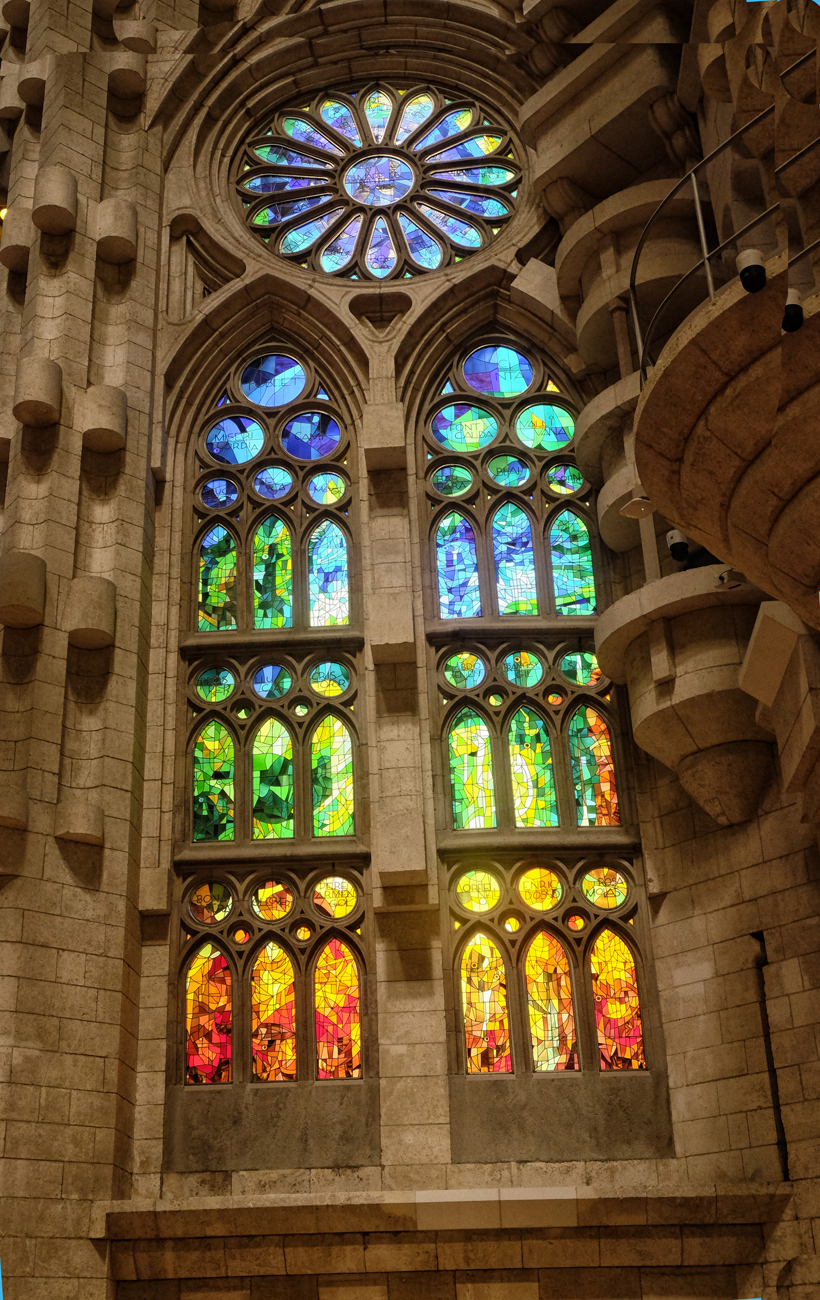


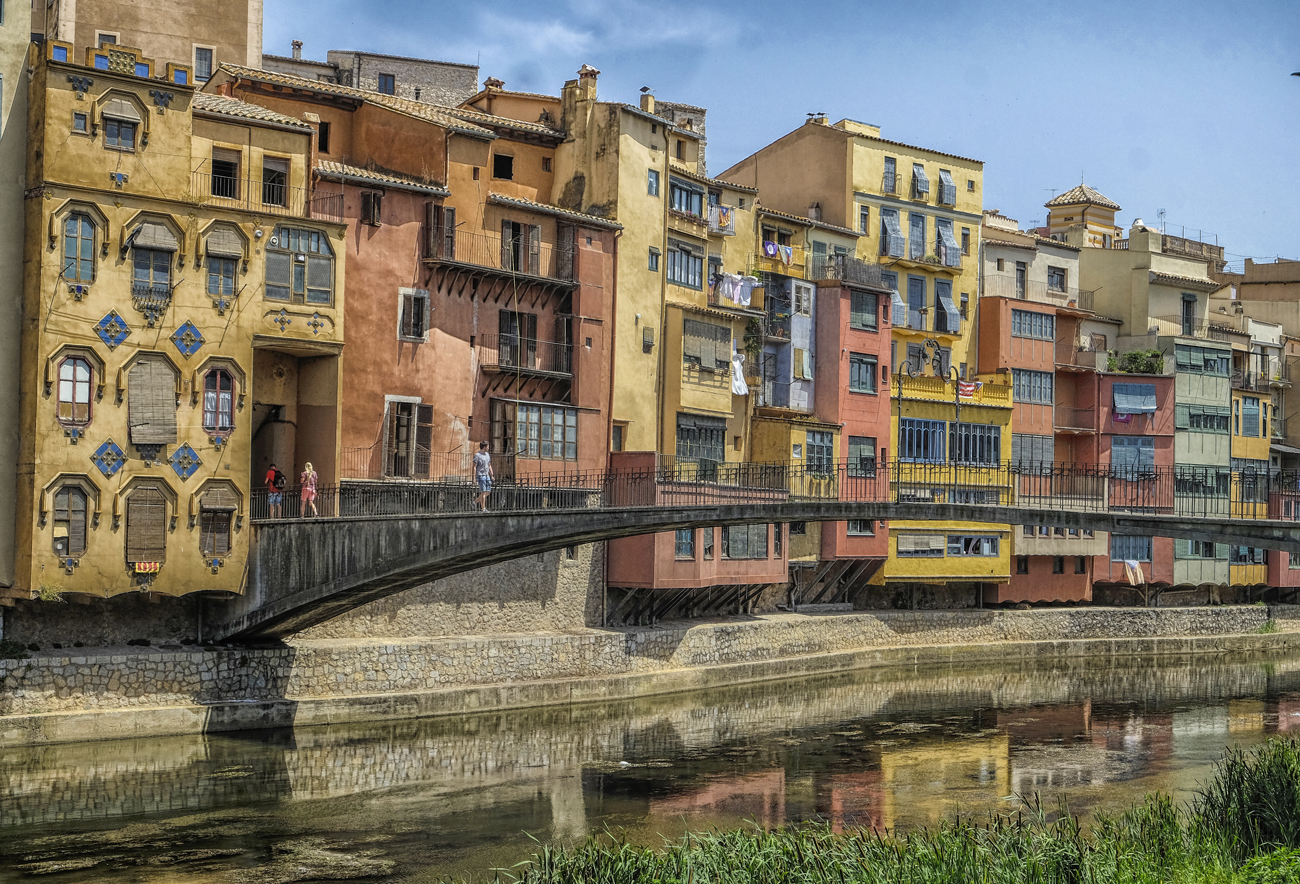


Lisbon, a city of history and mouments, is one of the oldest cities in Europe founded in the 12th century. The Castelo de St. Jorge, a citadel sitting atop a medieval fortification, can be viewed throughout the city. Cable cars glide from the lower to the upper part of the city. We visited Sintra, the ancient summer retreat of the royals.
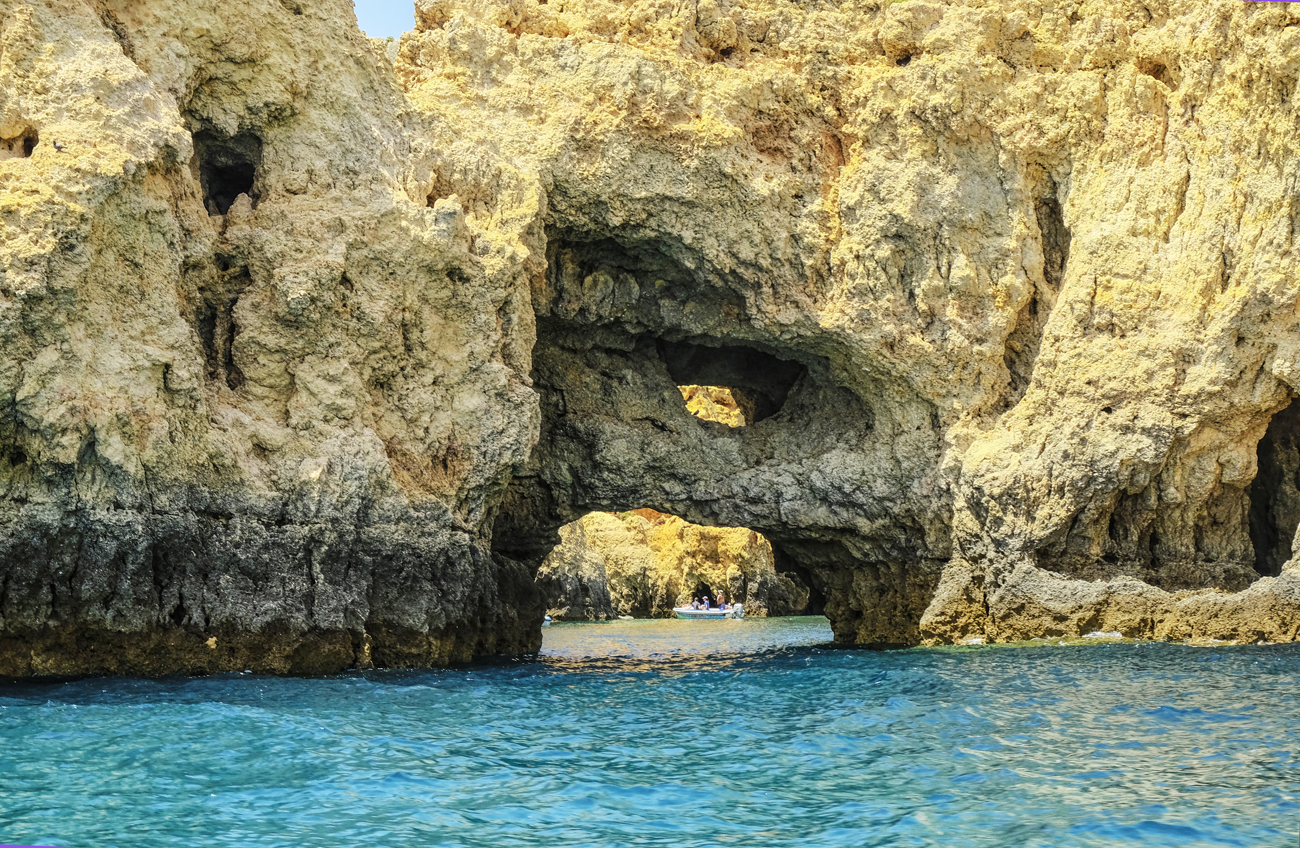
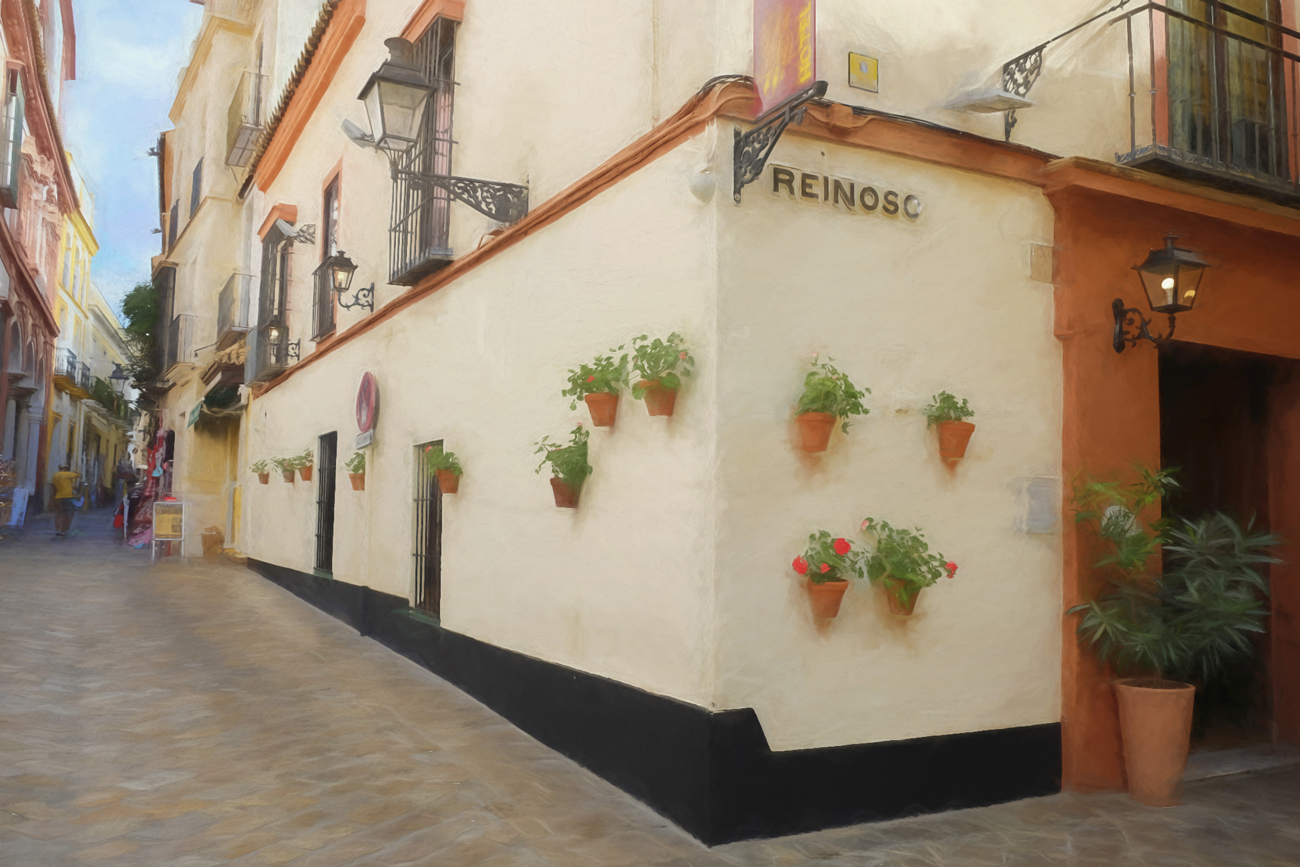
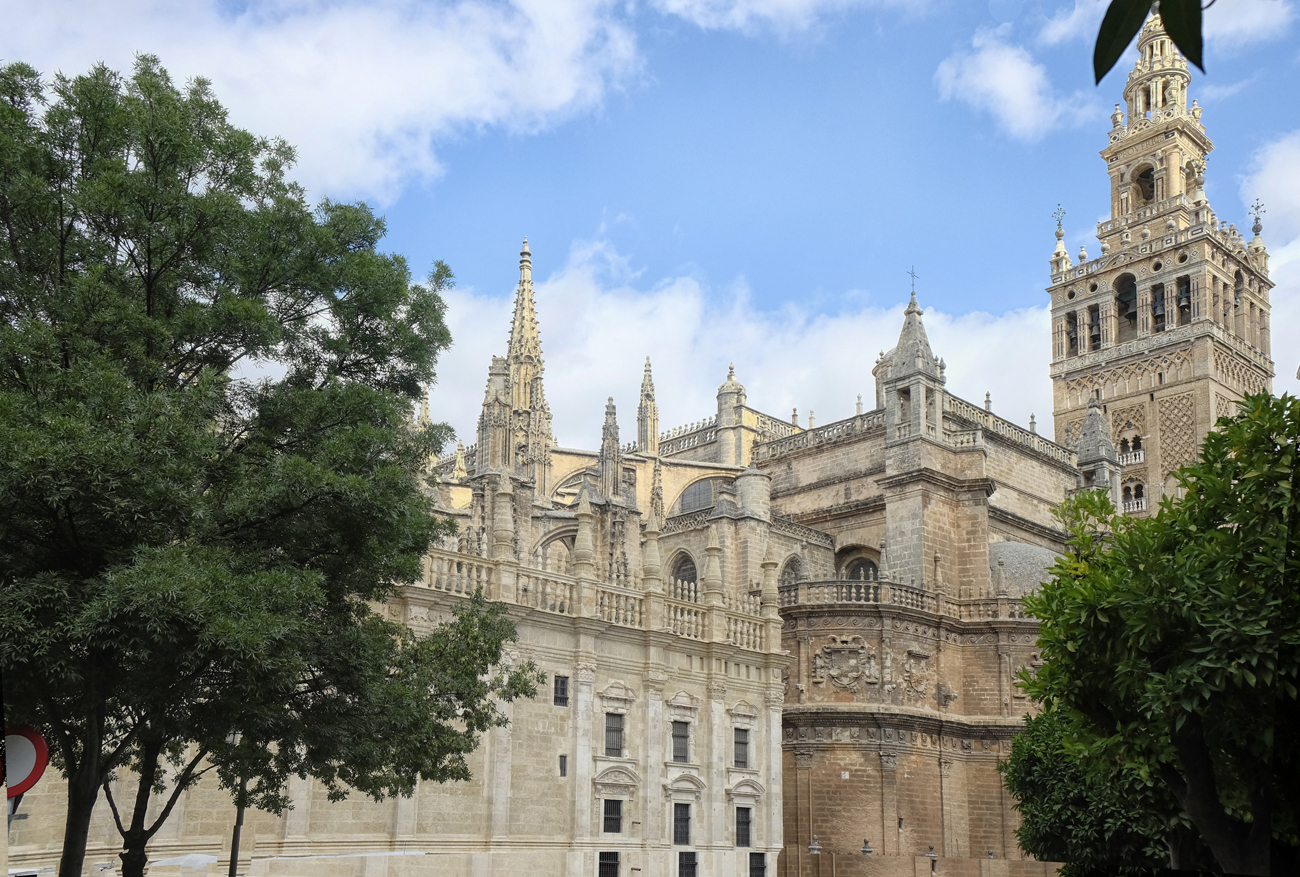
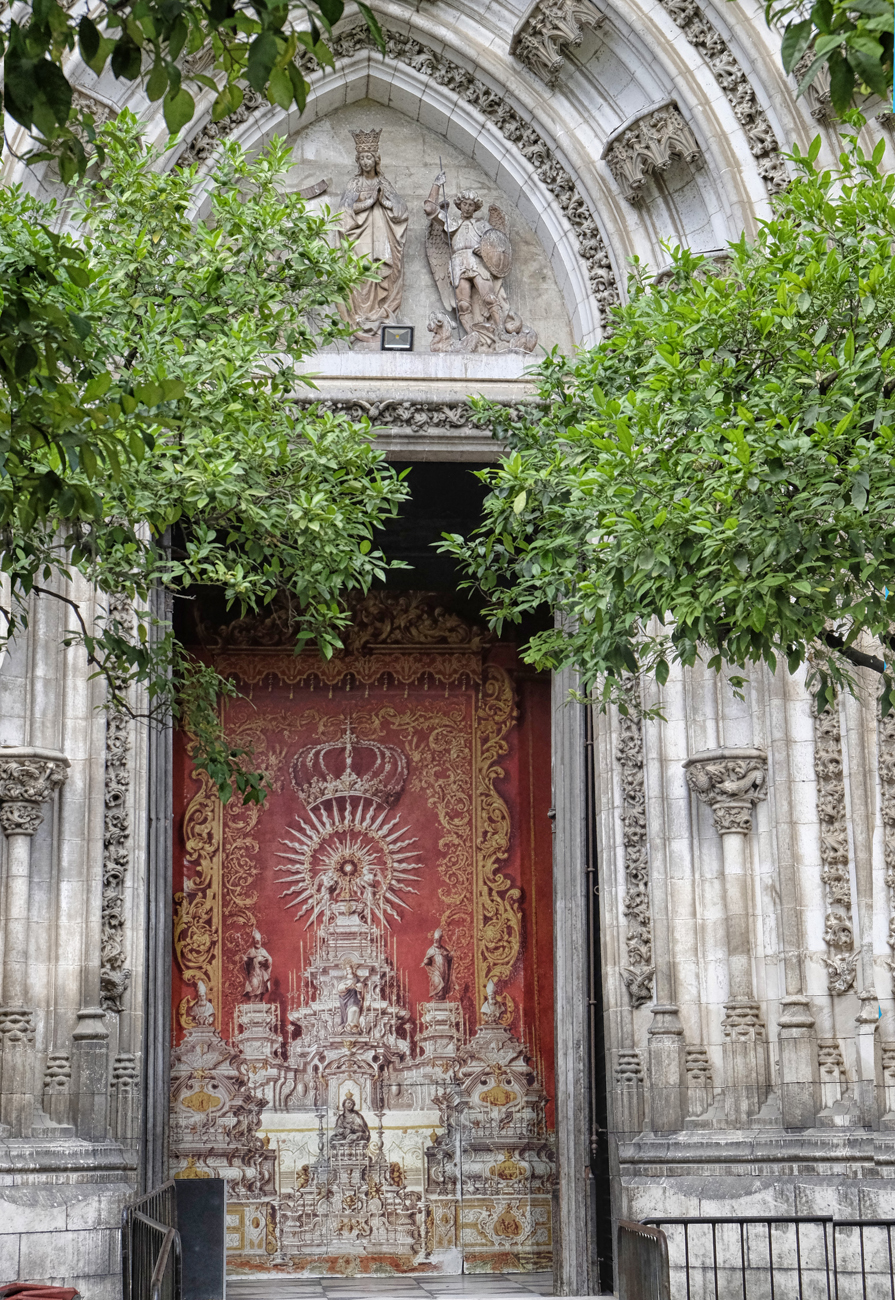
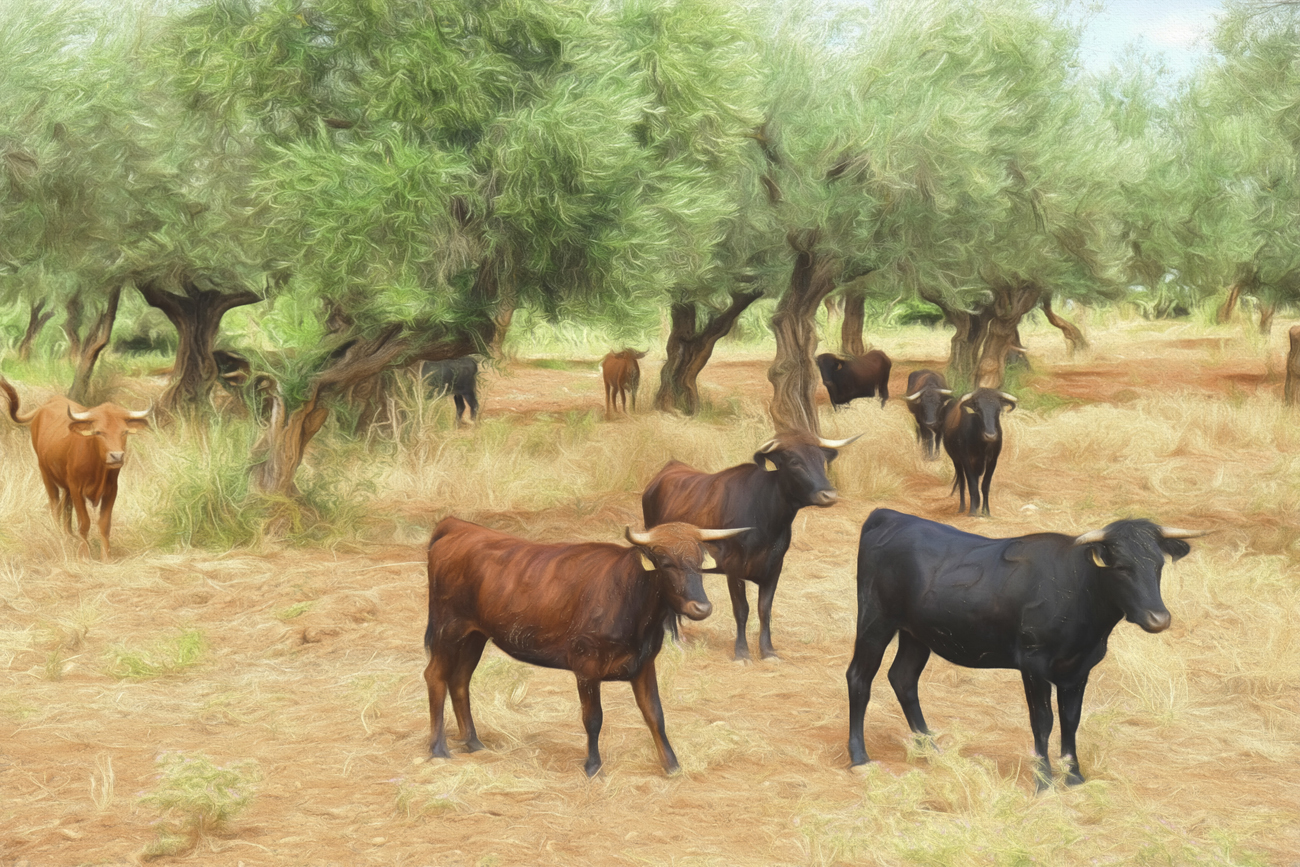
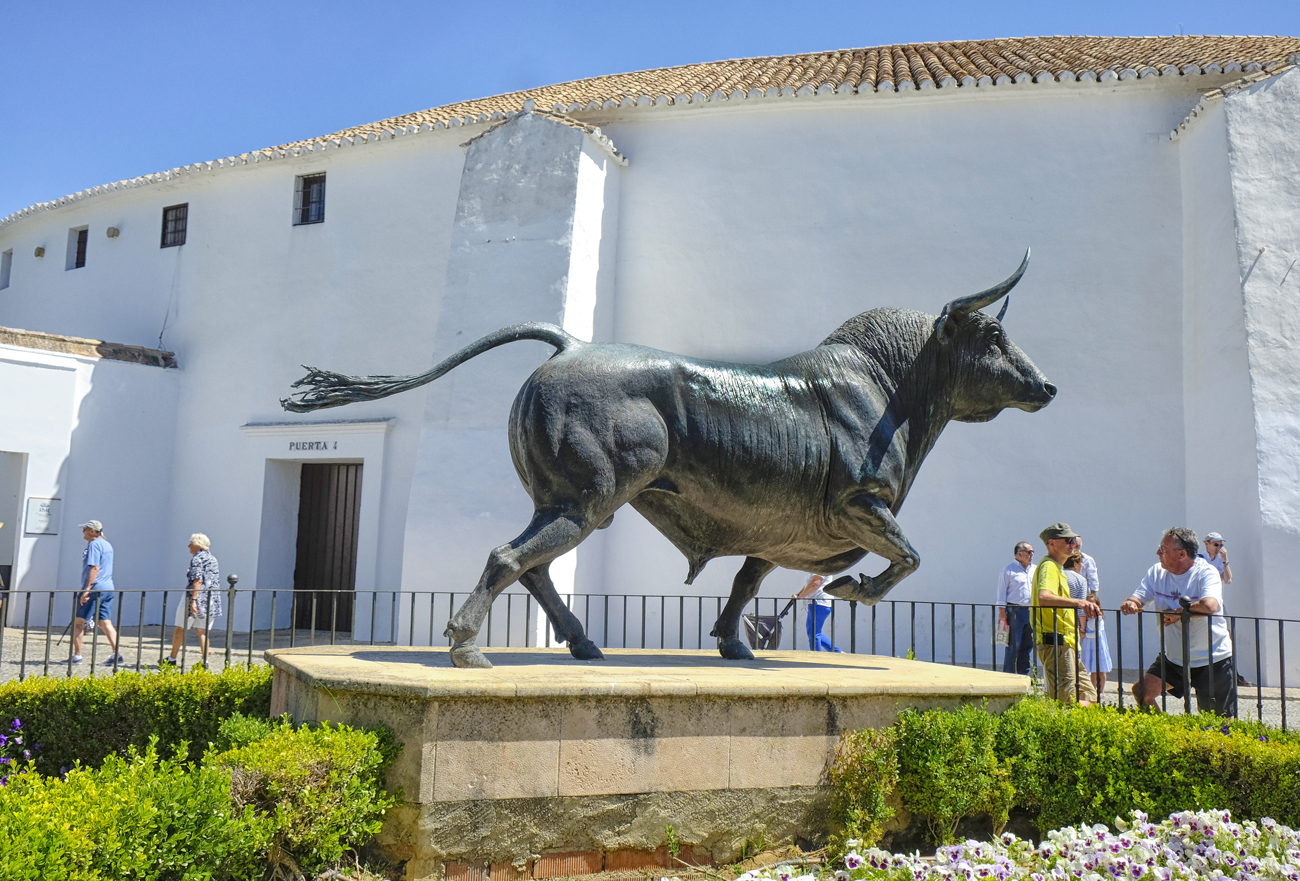
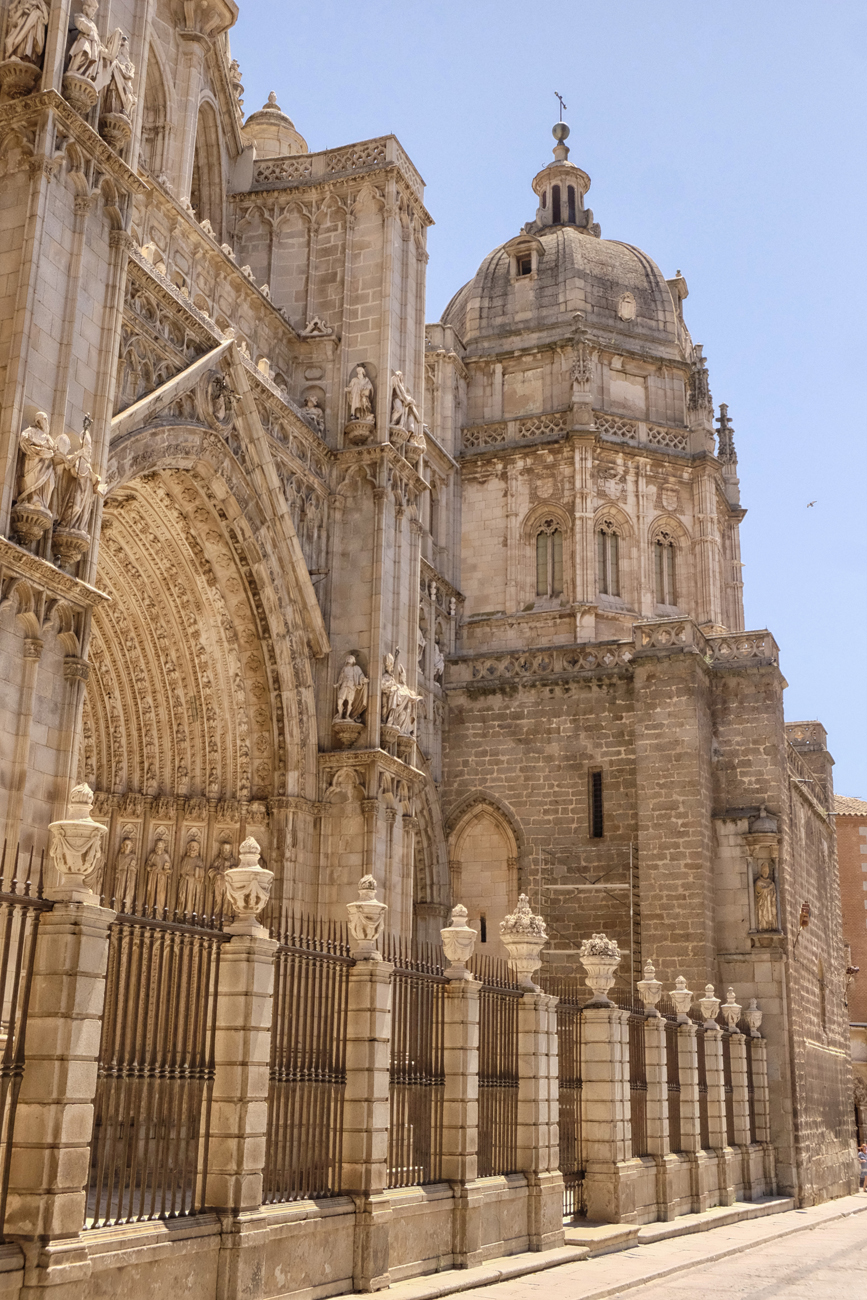
A side trip took us to Salema on the Algarve coast then on to Seville for a flamenco lesson. Further stops included Ronda (first bull fight ring), La Alhambra (gardens), Ubeda (olive oil), Toledo (gold), Madrid (Royal Palace), and Barcelona (Gaudi), Figueres (Dali), and Girona (Roman walls).


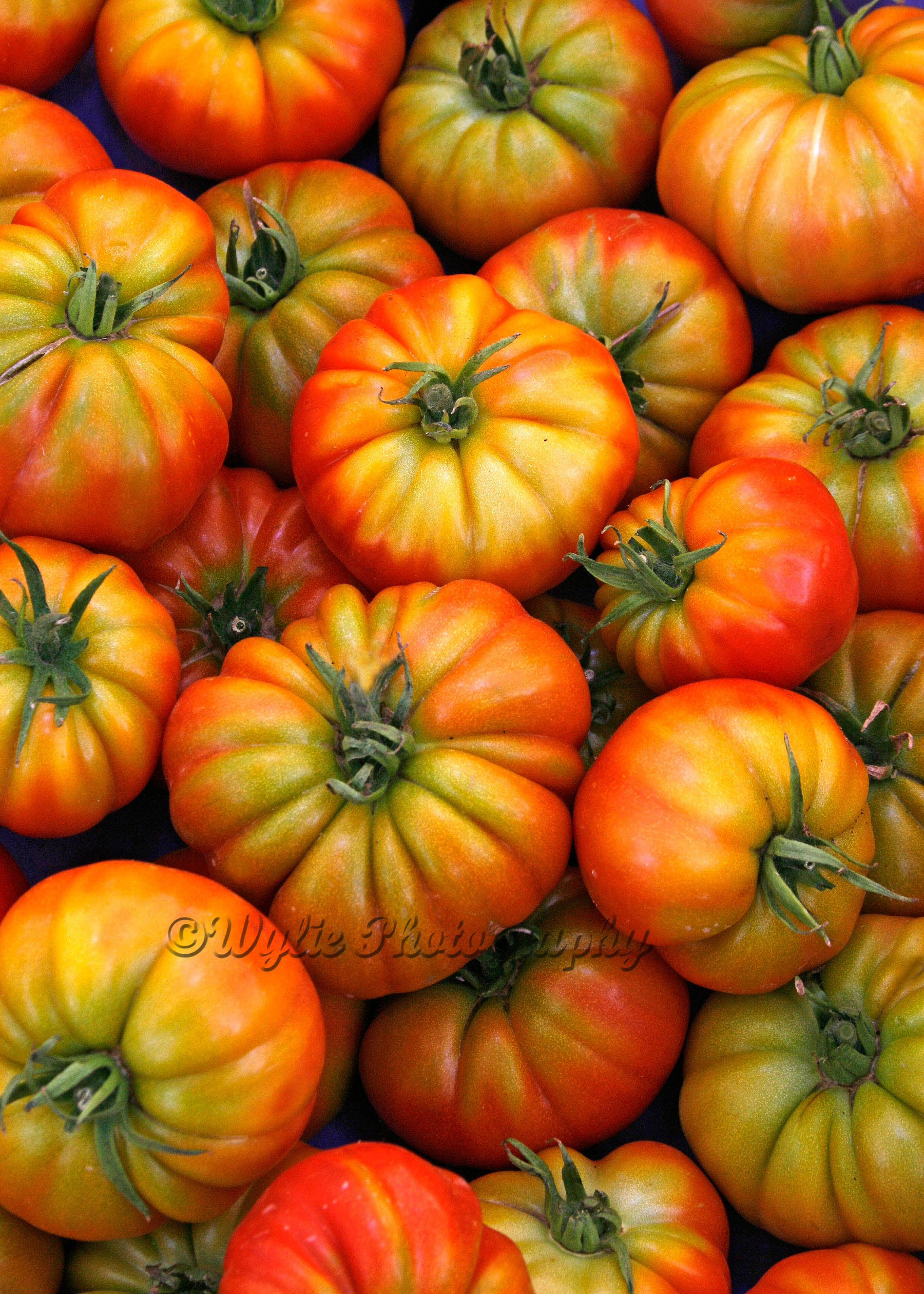
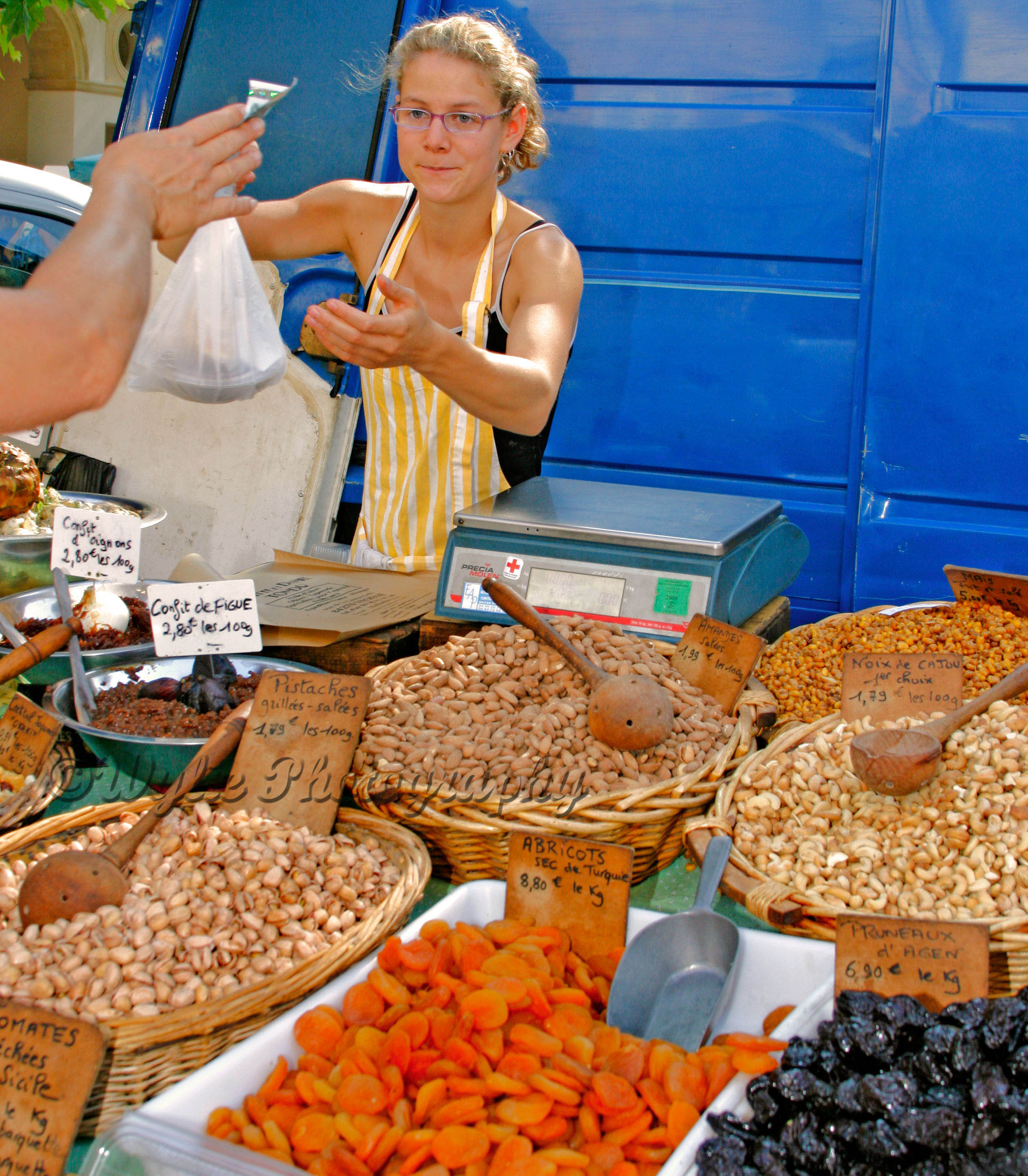
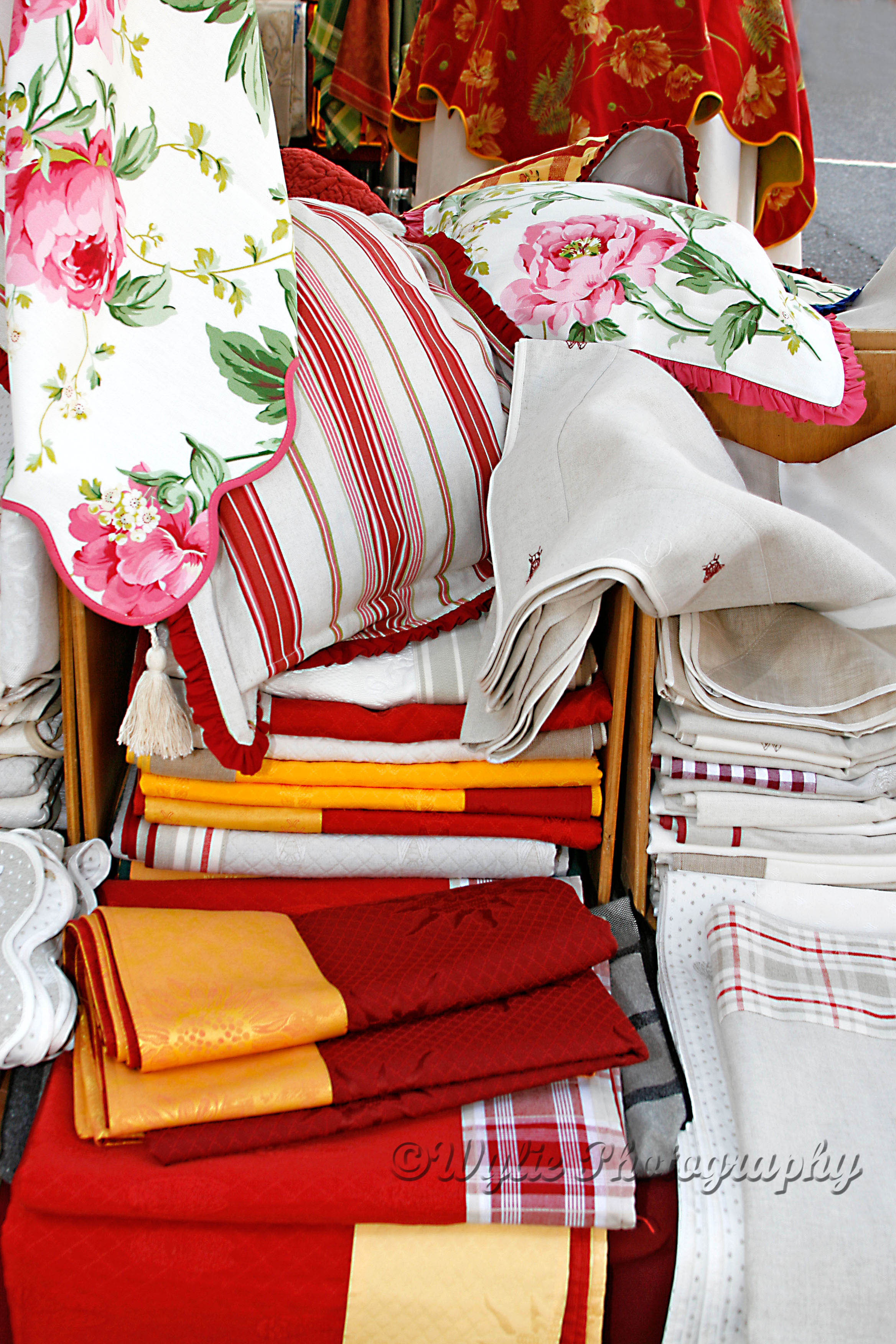

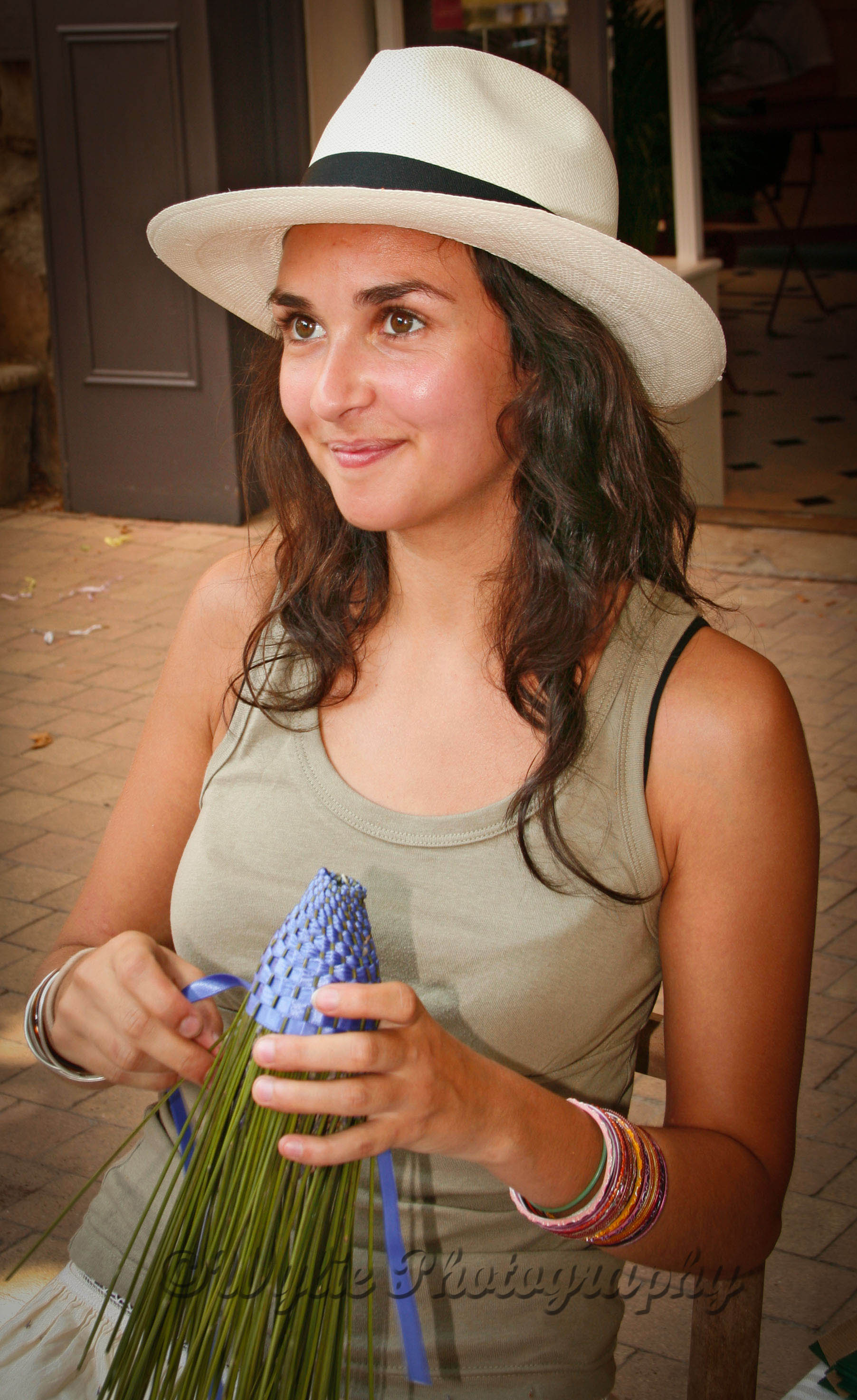

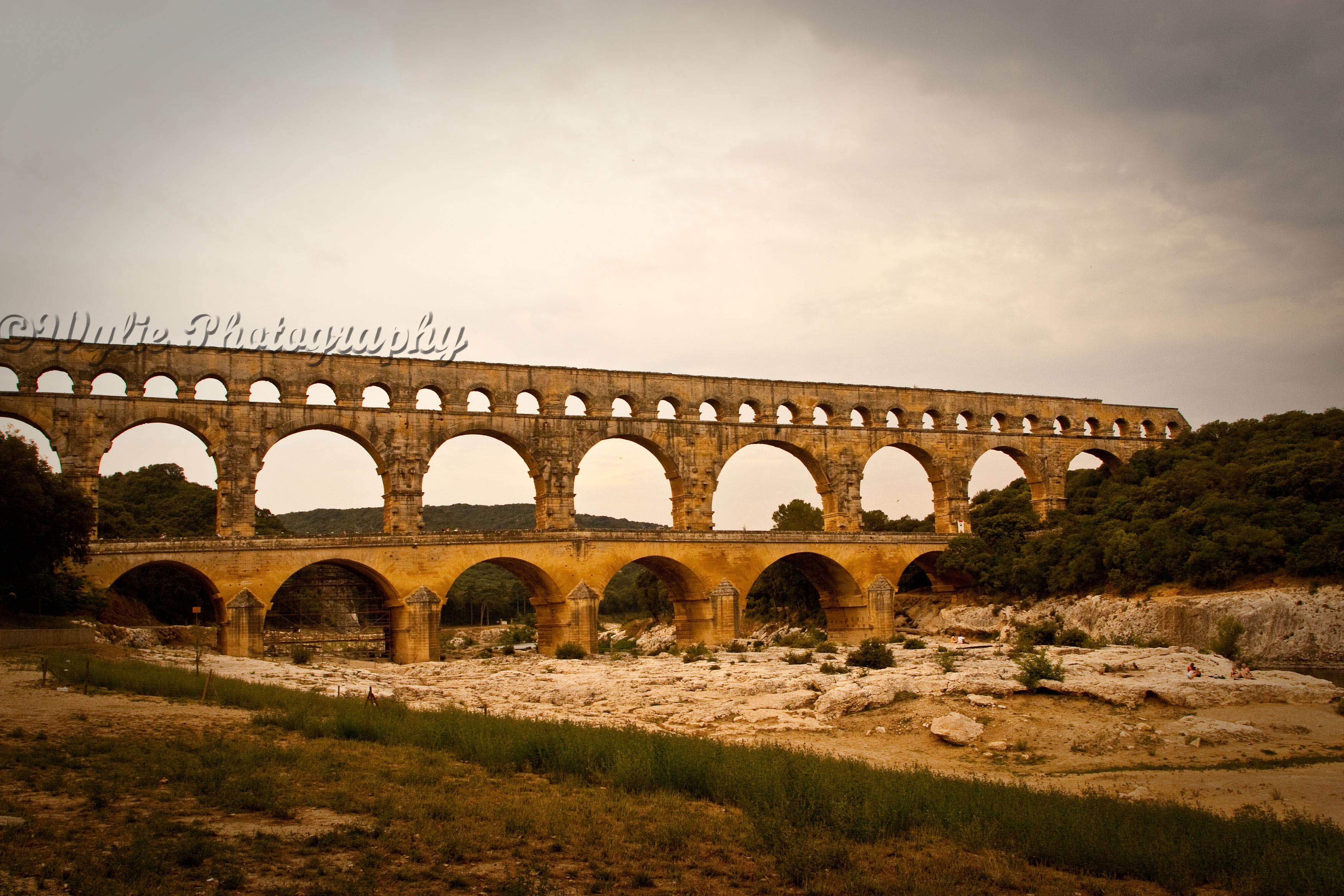


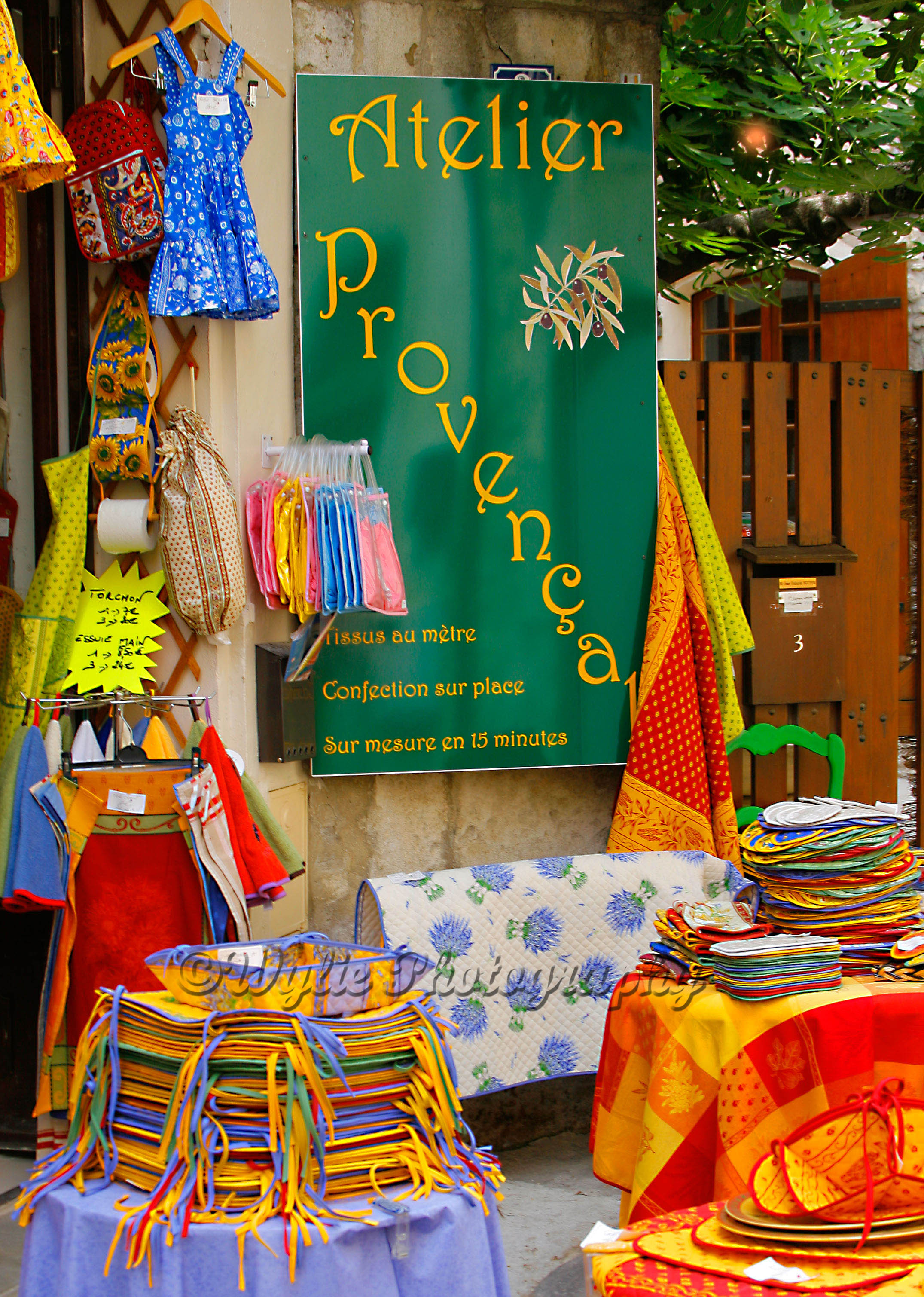
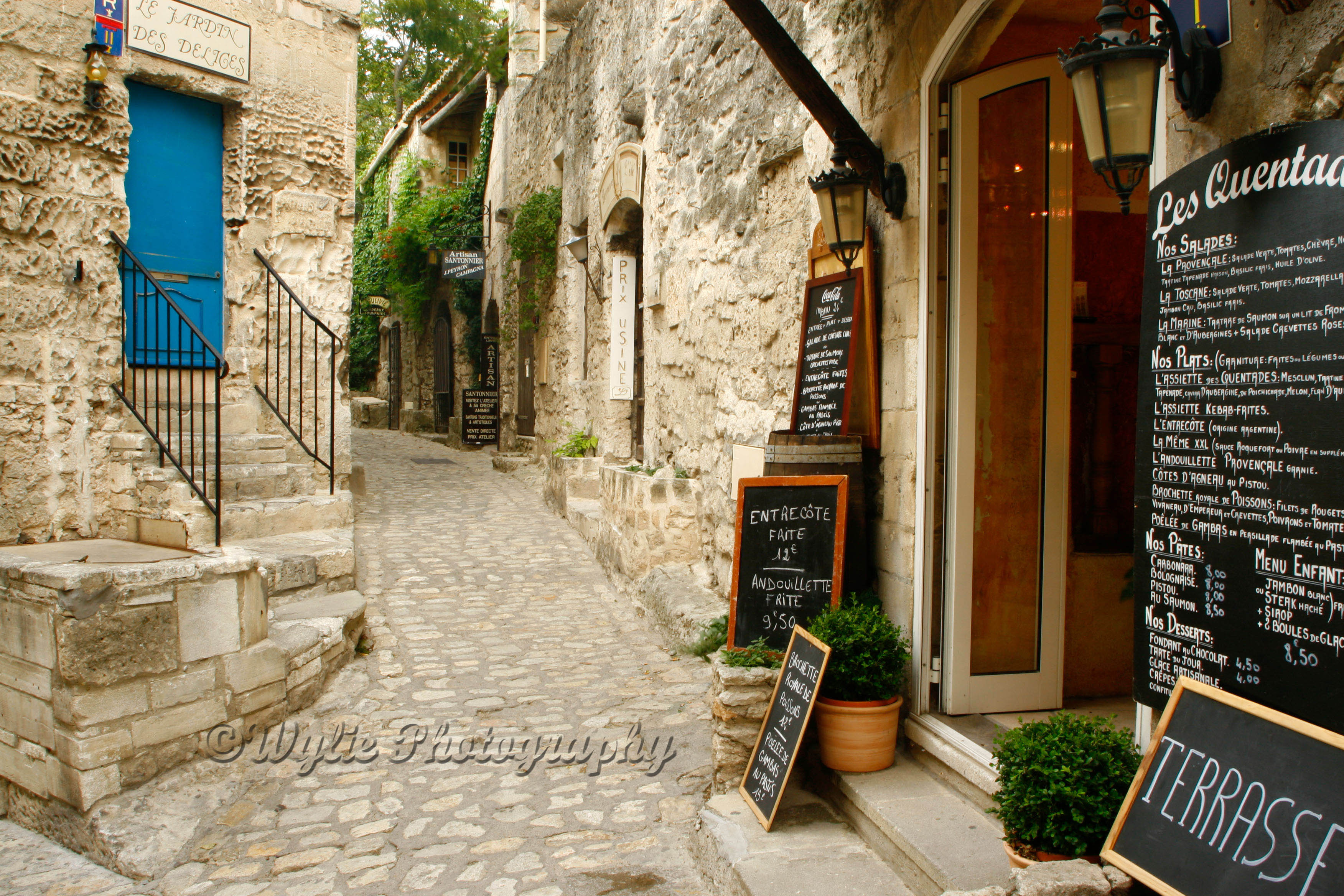
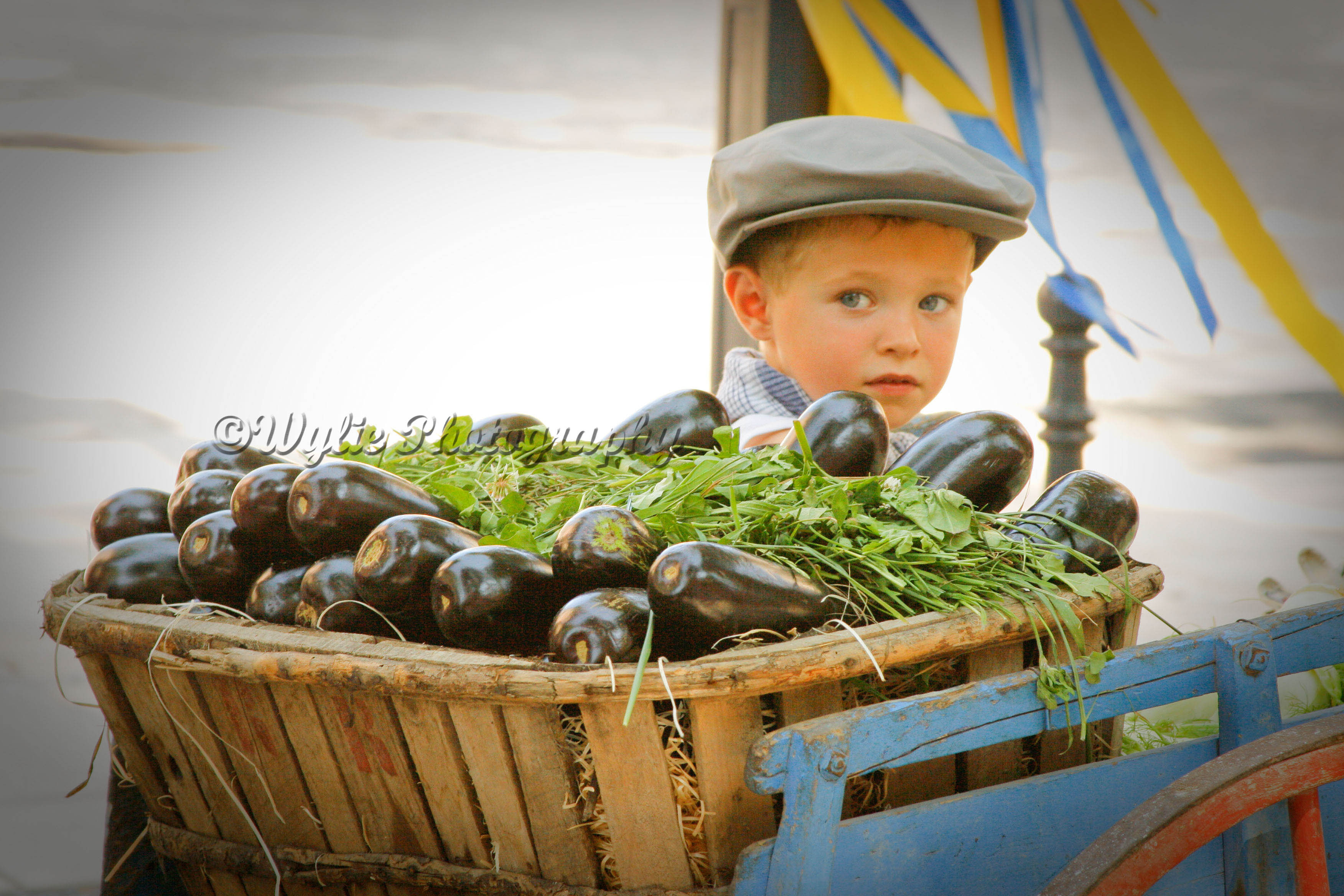
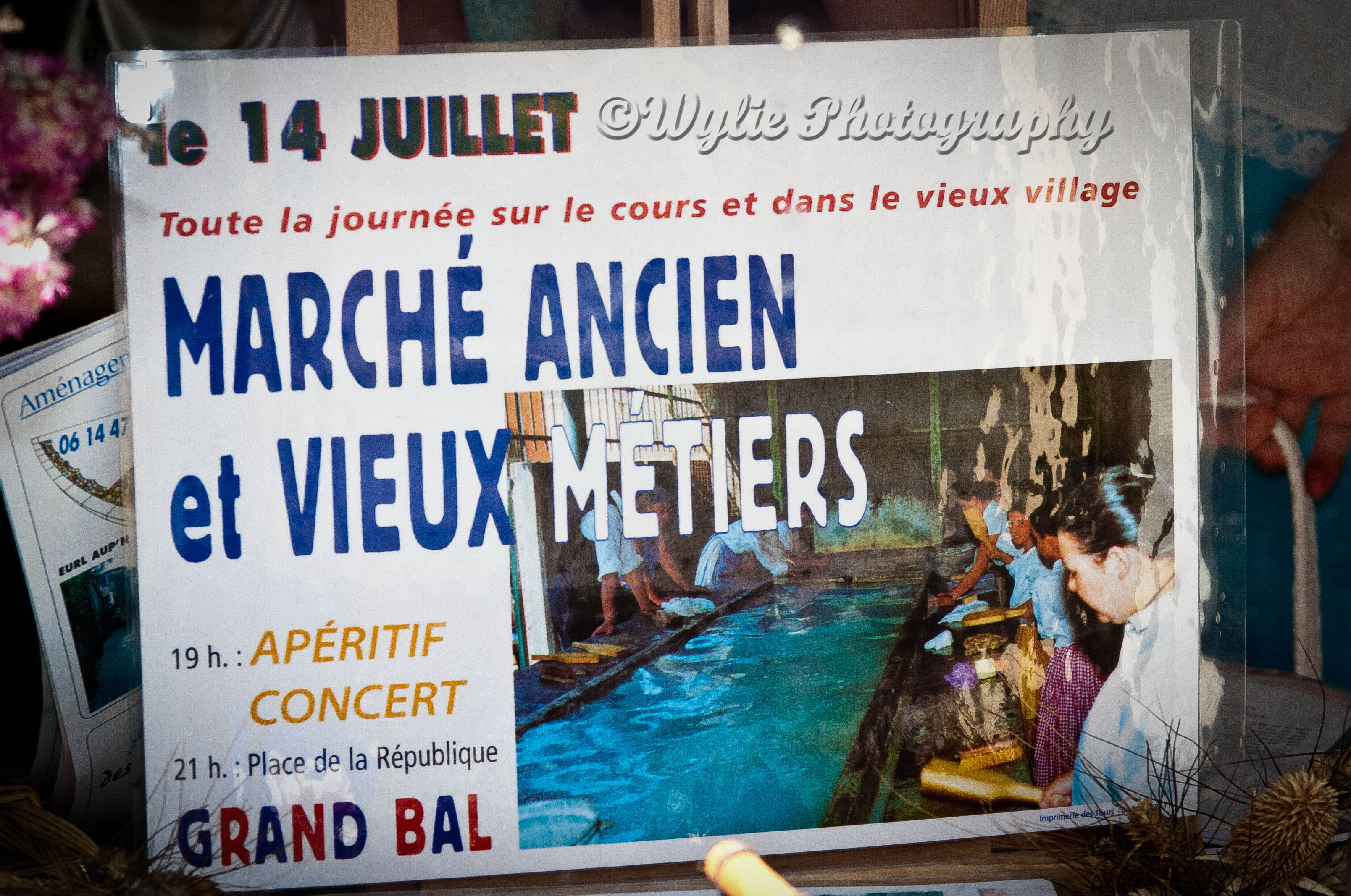





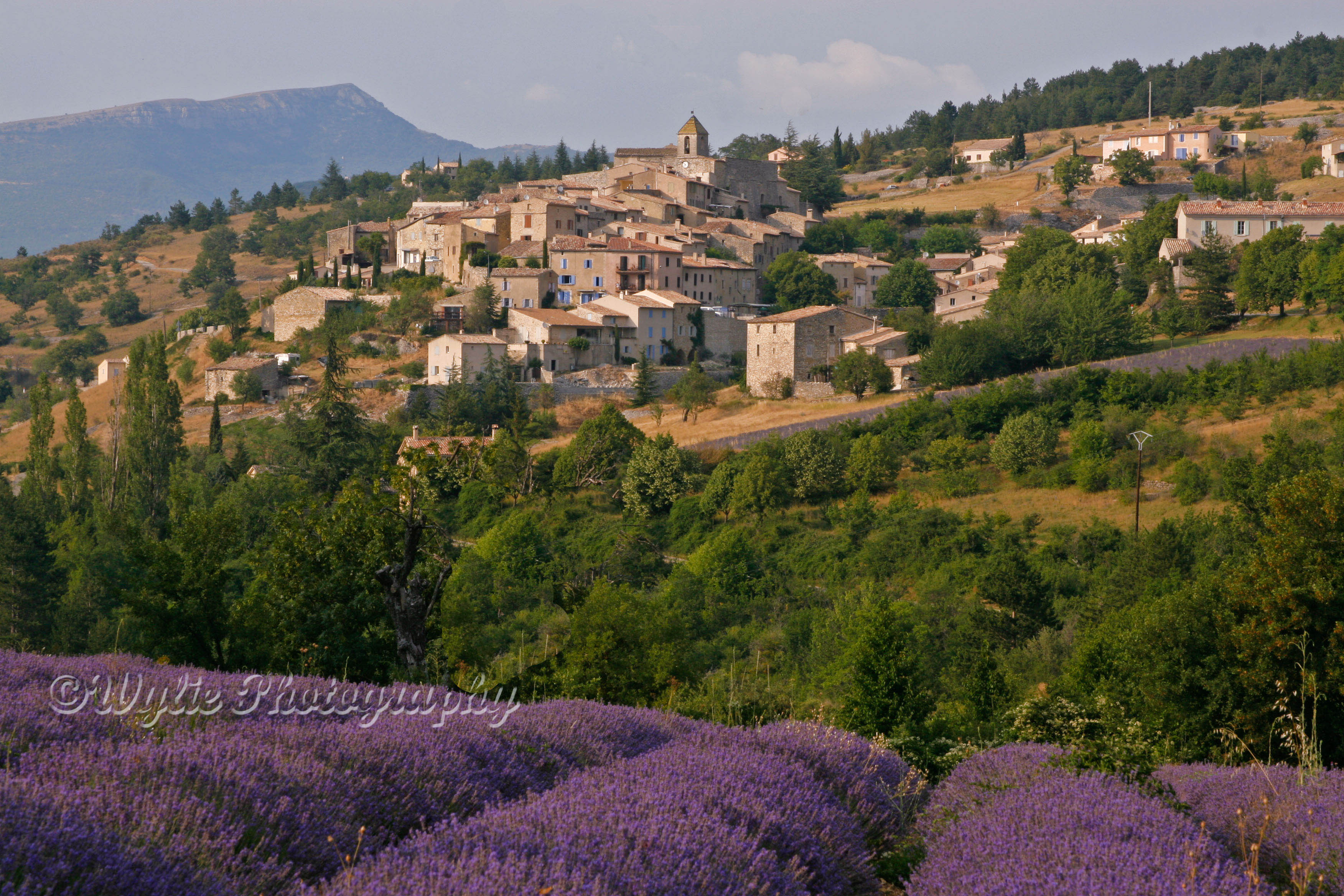
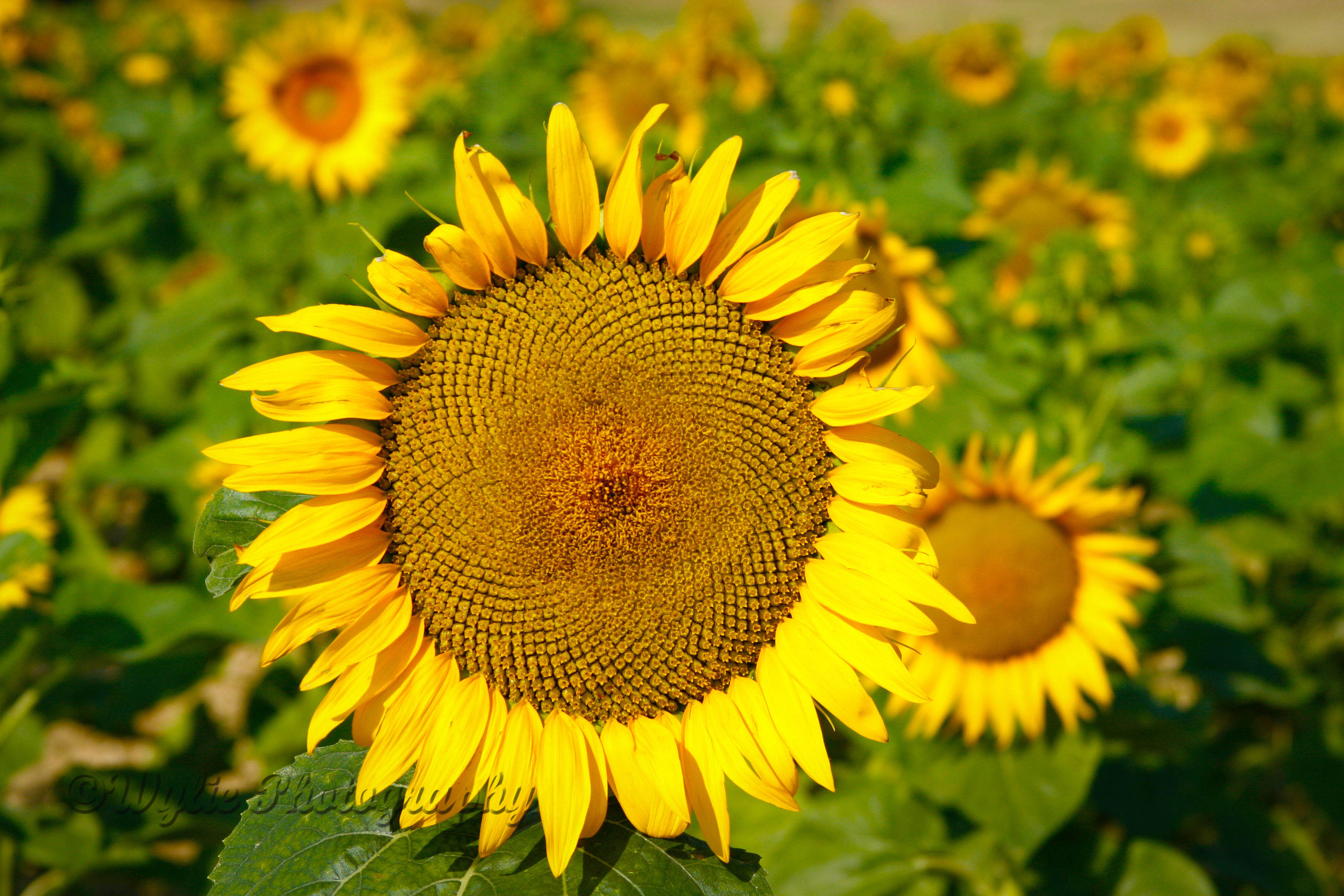


Painters have used Province as a source of inspiration since prehistoric times, Van Gogh, for example. There is something special about the light-defused landscapes. Other draws are the Roman ruins, arches, aquaducts, and columns; the French villages, with their shop windows and markets; the abbeys, the sunflowers, and the never-ending fragrant lavender fields.
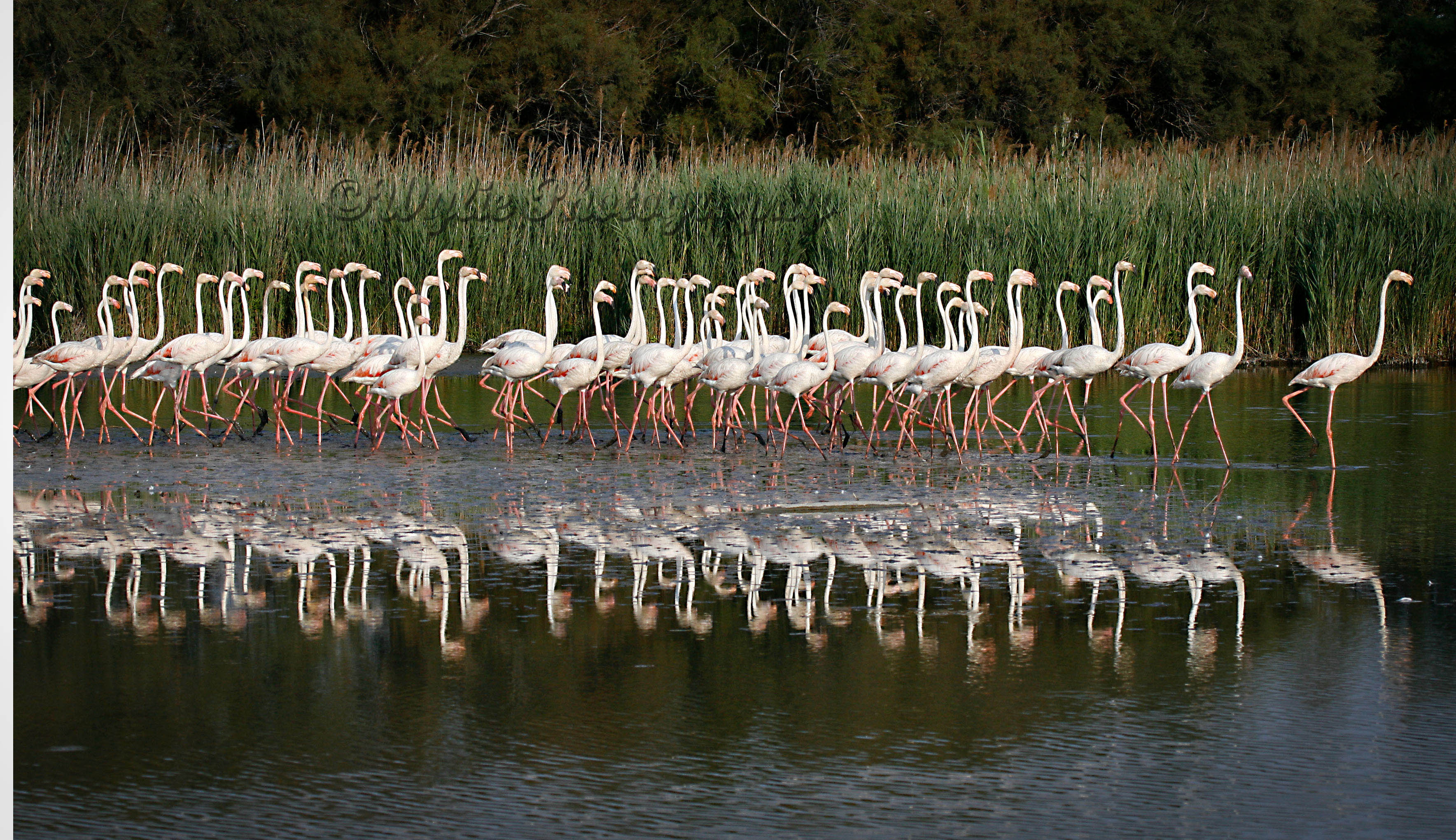
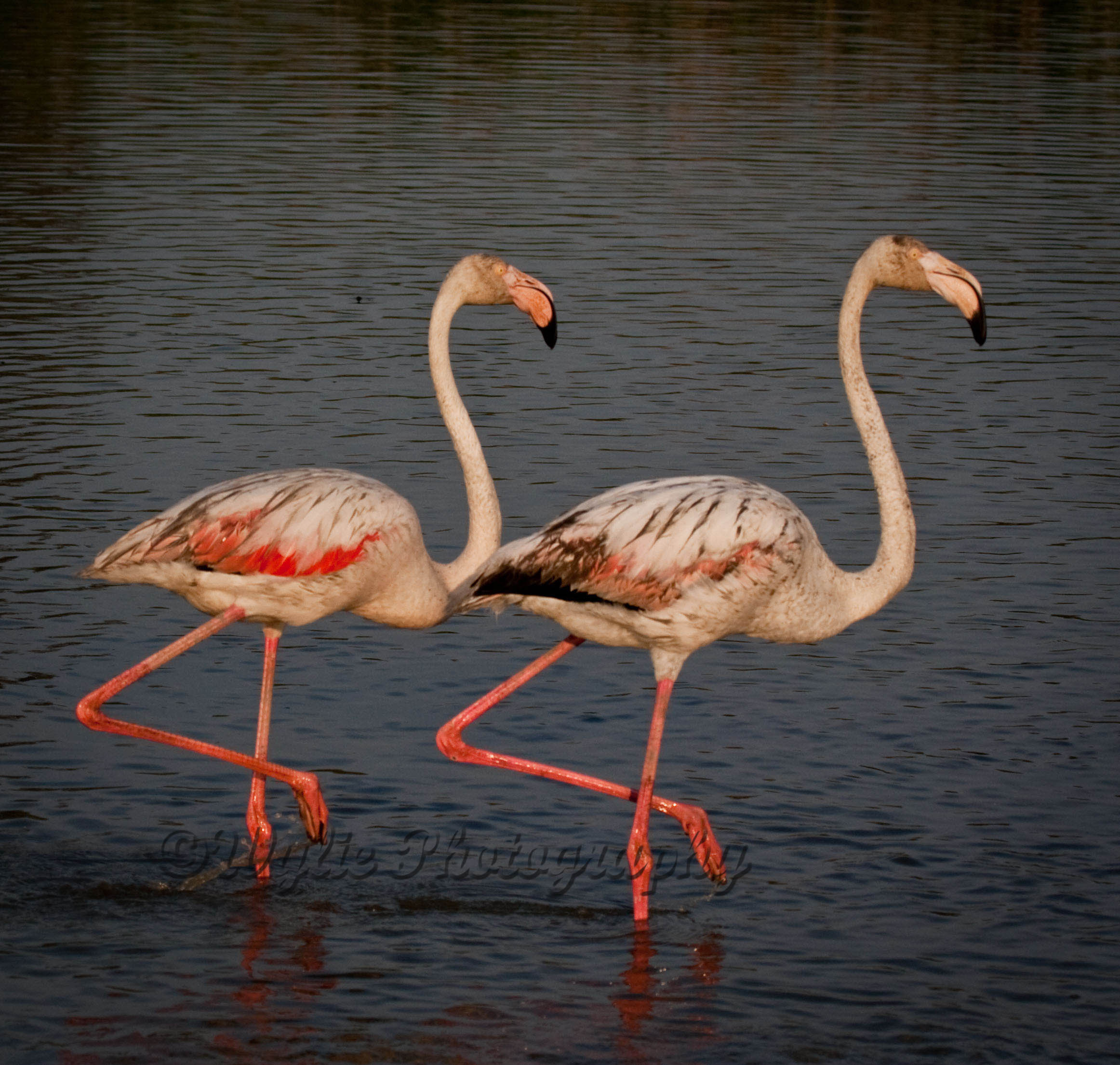
The Camargue is a region of wetland and wildlife bordering the Mediterranean, which supports a large flamingo population. The white Camargue horses are sometimes used in the bullfight. Arriving at Chateaureynard on July 14th Bastille Day, we participated in the celebration.


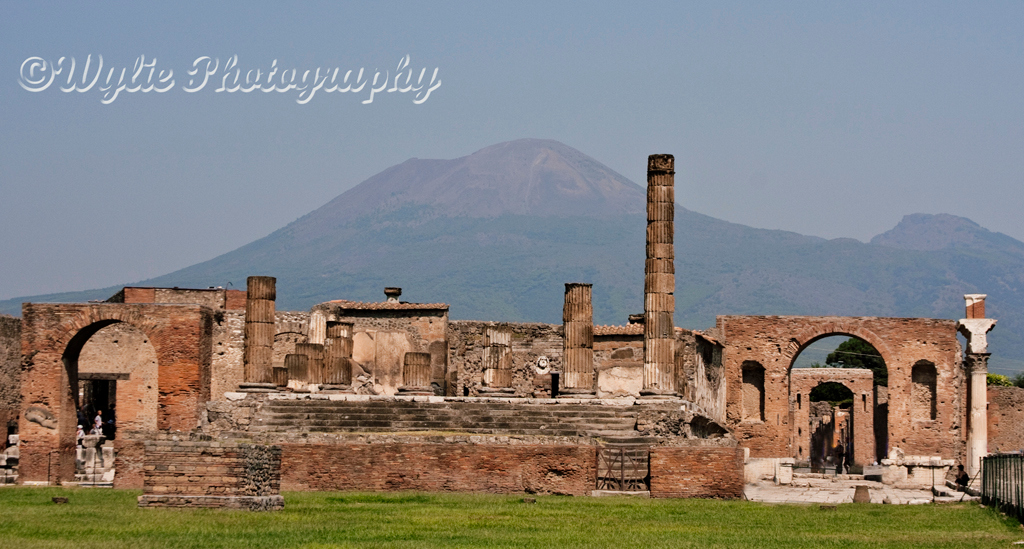

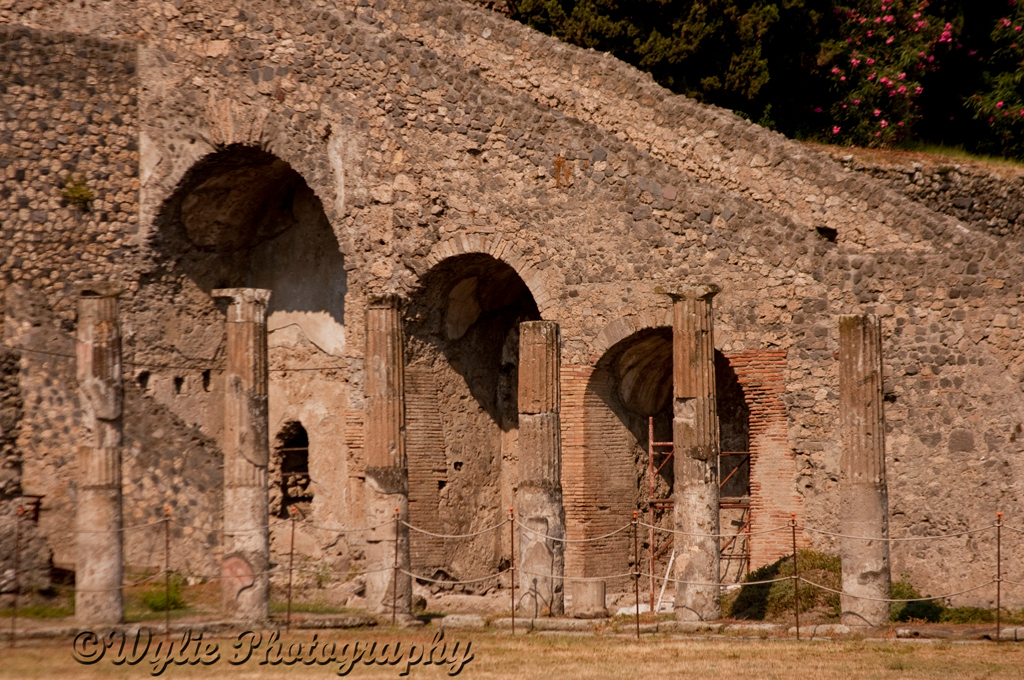


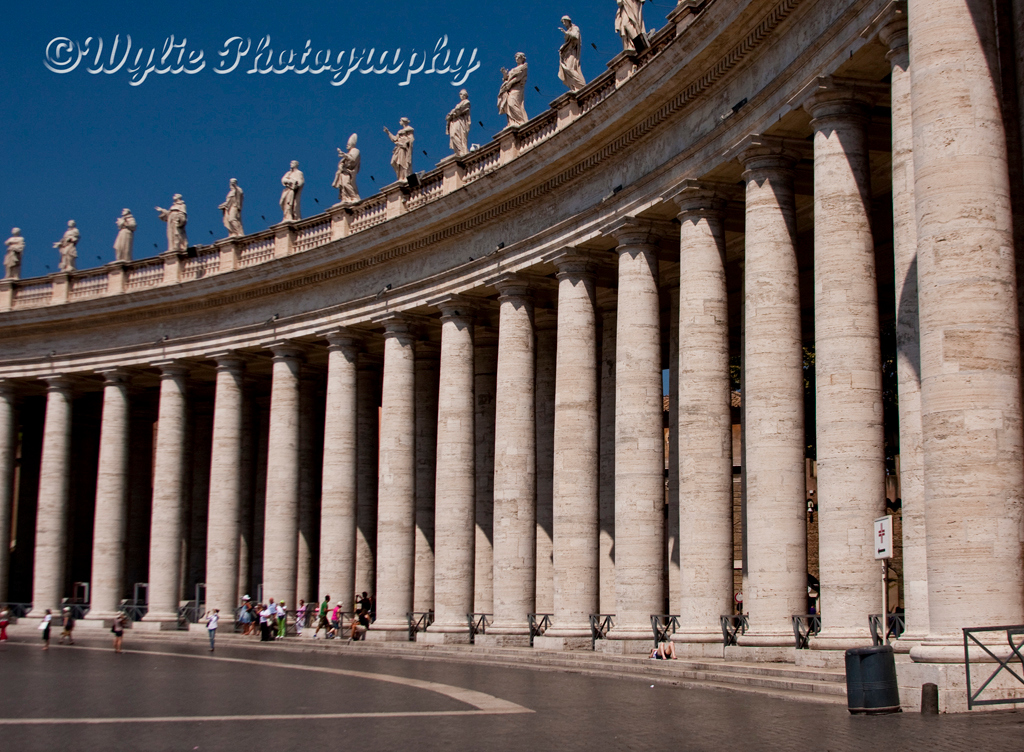


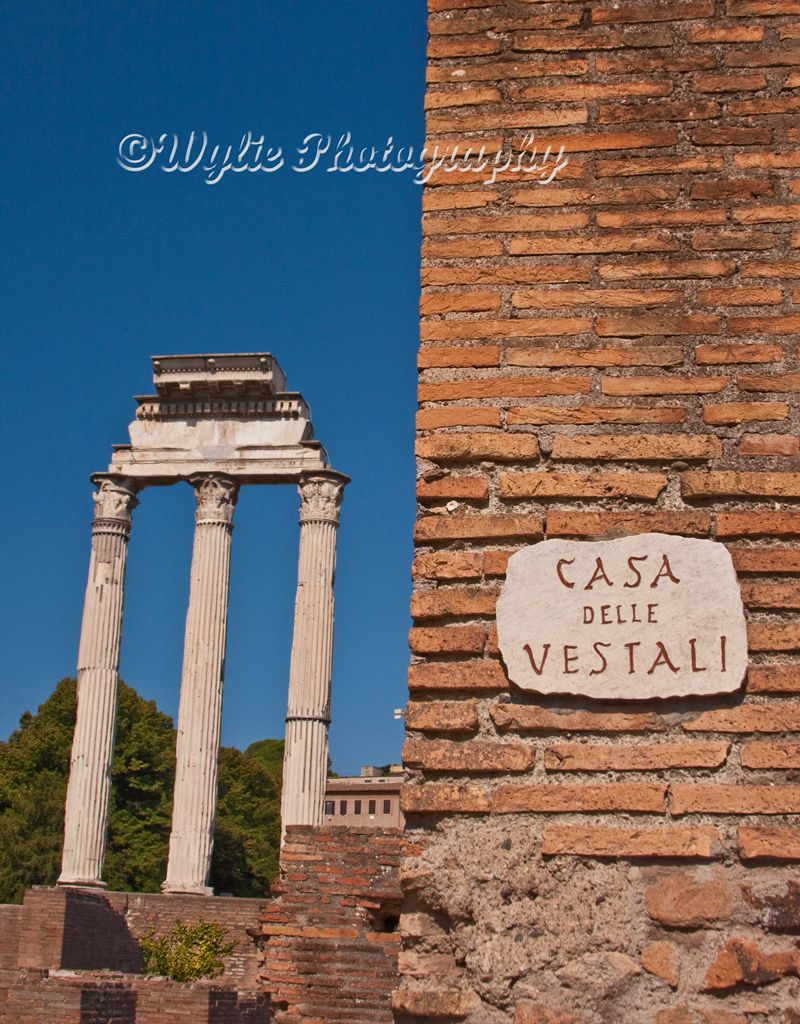


Rome’s history pans 28 centuries while Roman mythology dates the founding of Rome at around 753 BC. Famous artists, painters, sculptors, and architects made Rome the center of their activity, creating enduring masterpieces throughout the city, the Colosseum, the Pantheon, the Forum, and Vatican City.
In 76 AD Mt. Vesuvius erupted killing approximately 2000 people. It buried the city of Pompeii in eight to nine feet of volcanic ash. Toxic gases were expelled. Bodies were encased in hardened ash in the exact position they were in at the moment. Mt. Vesuvius continues to be an active volcano.


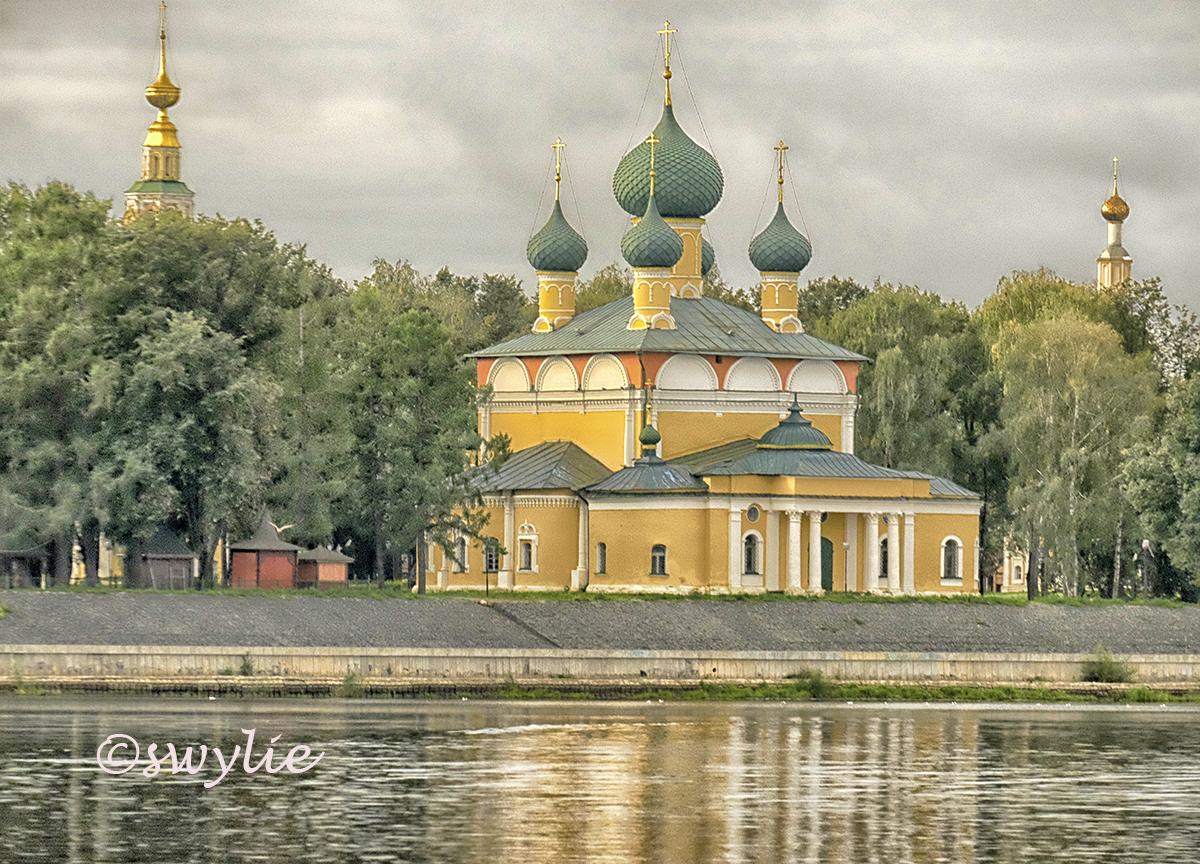
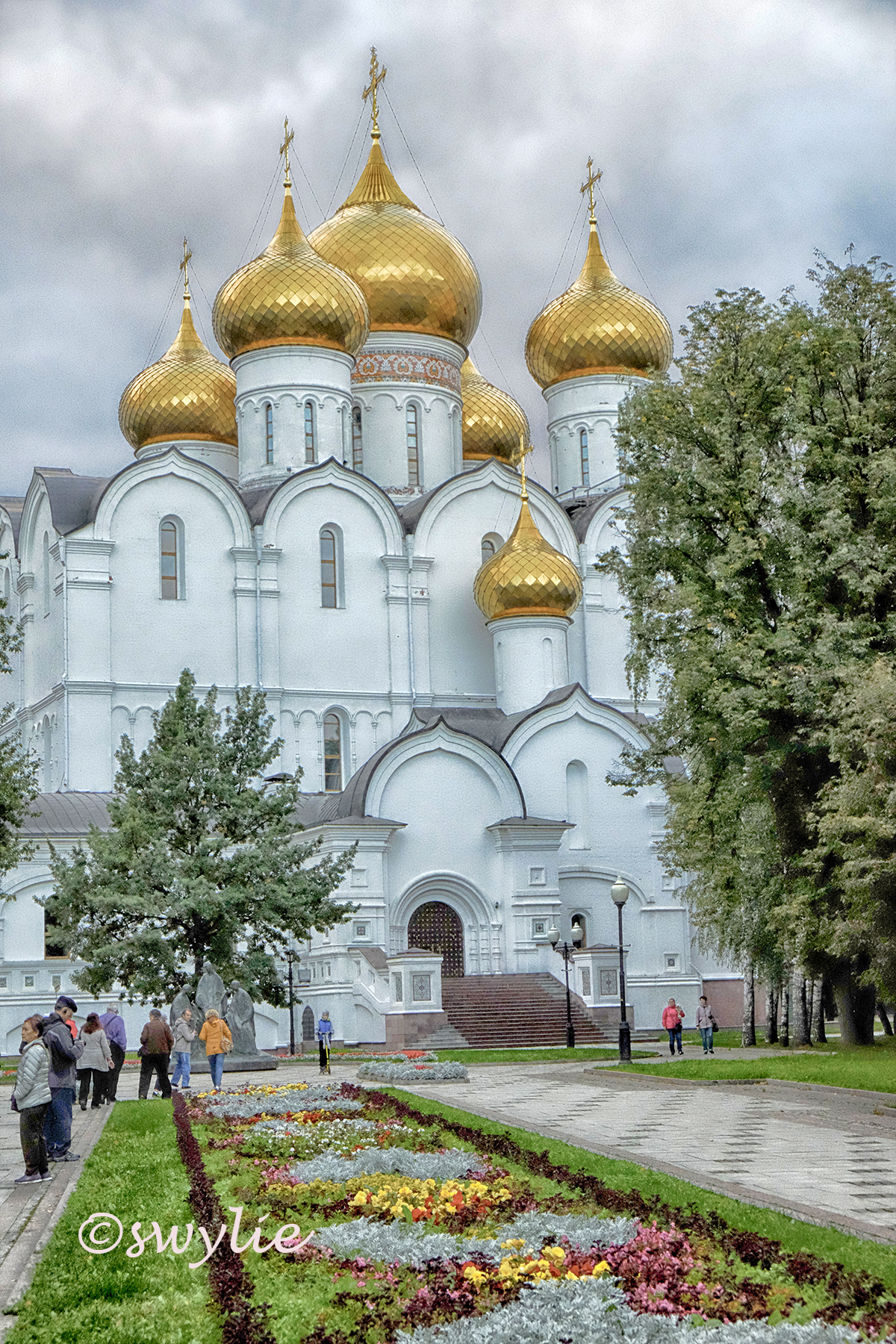

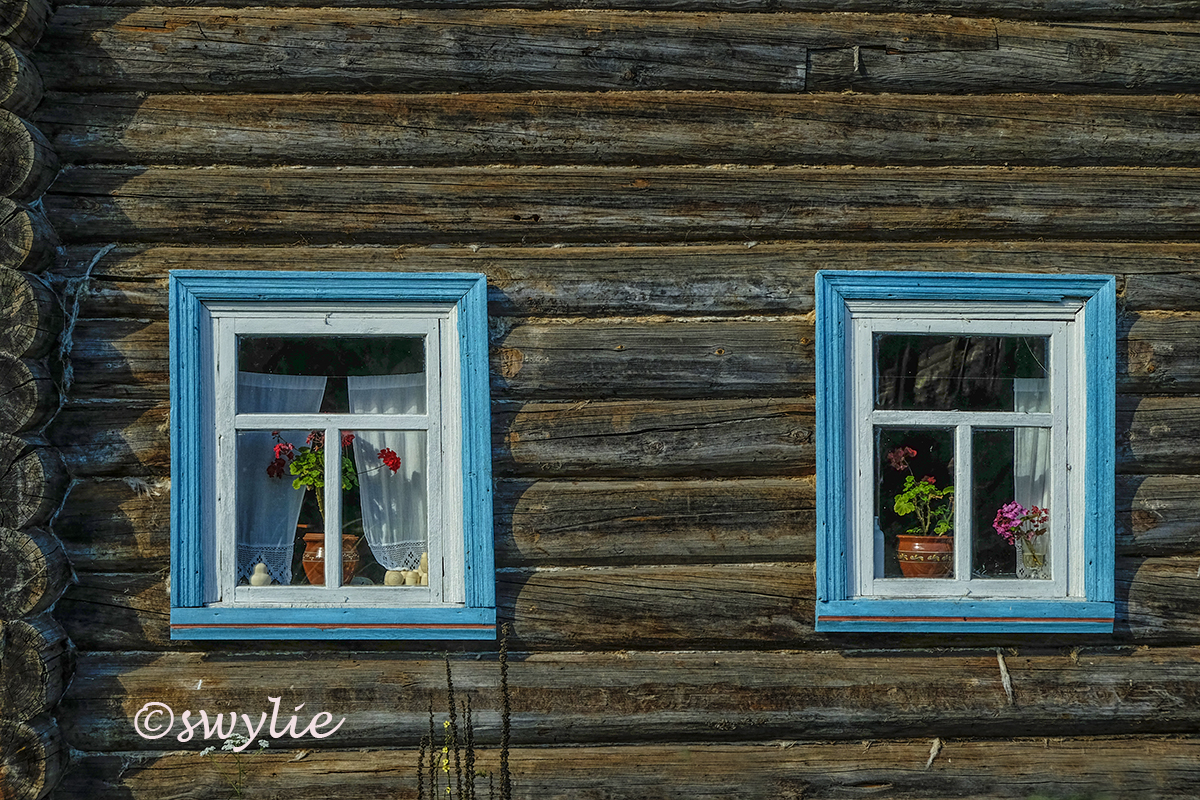


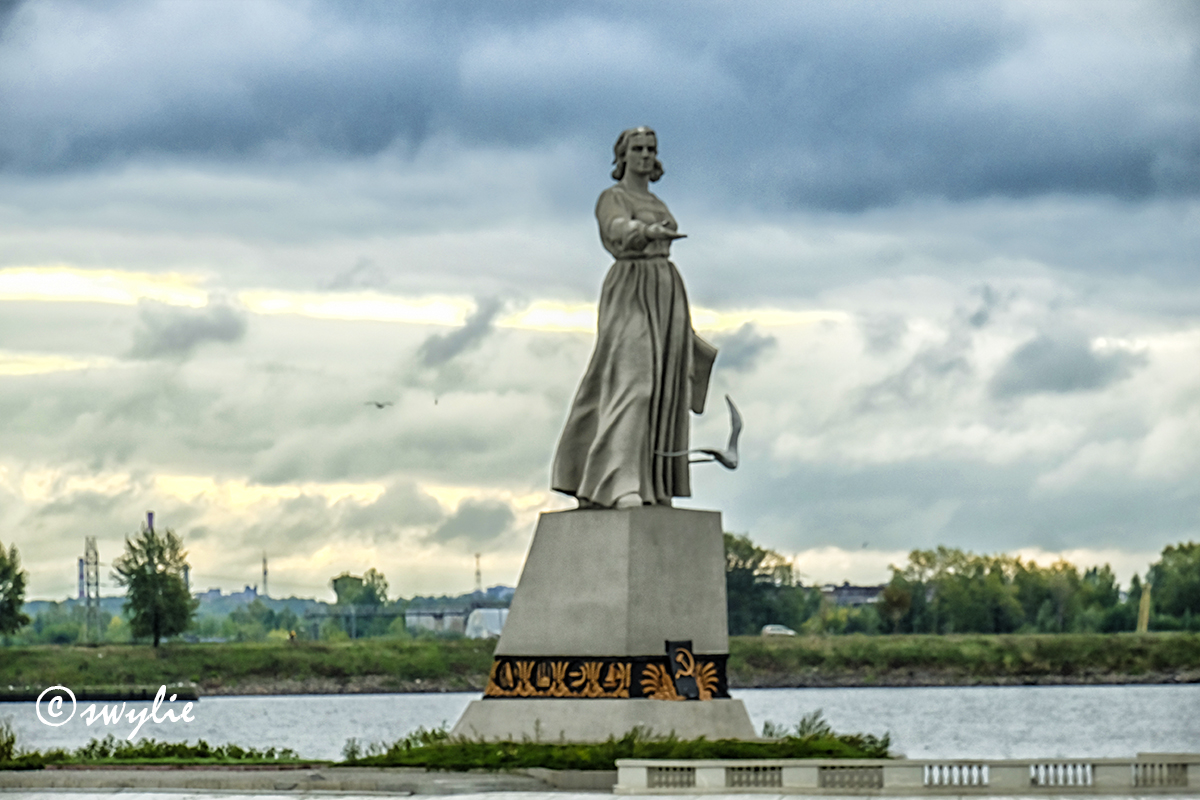


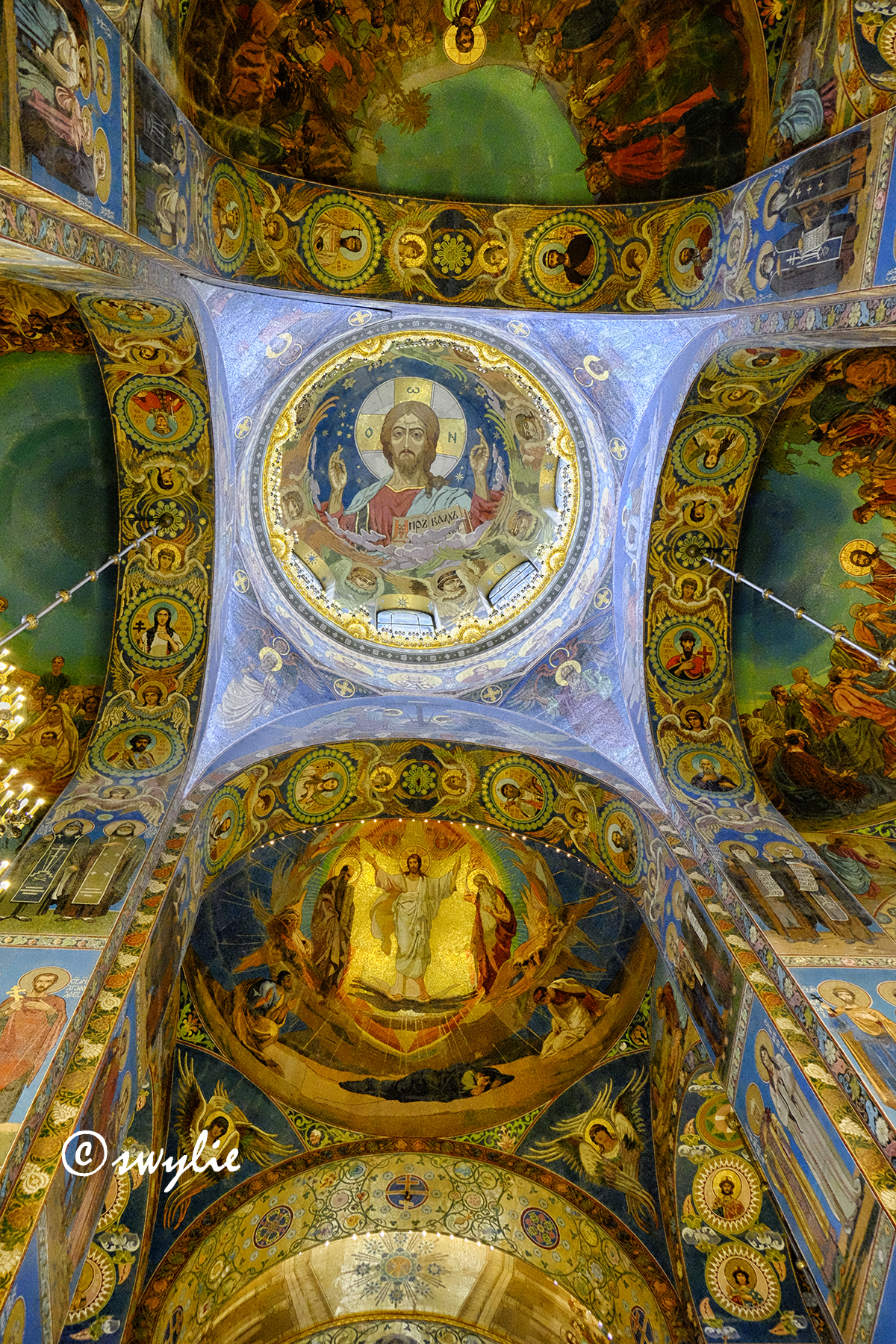
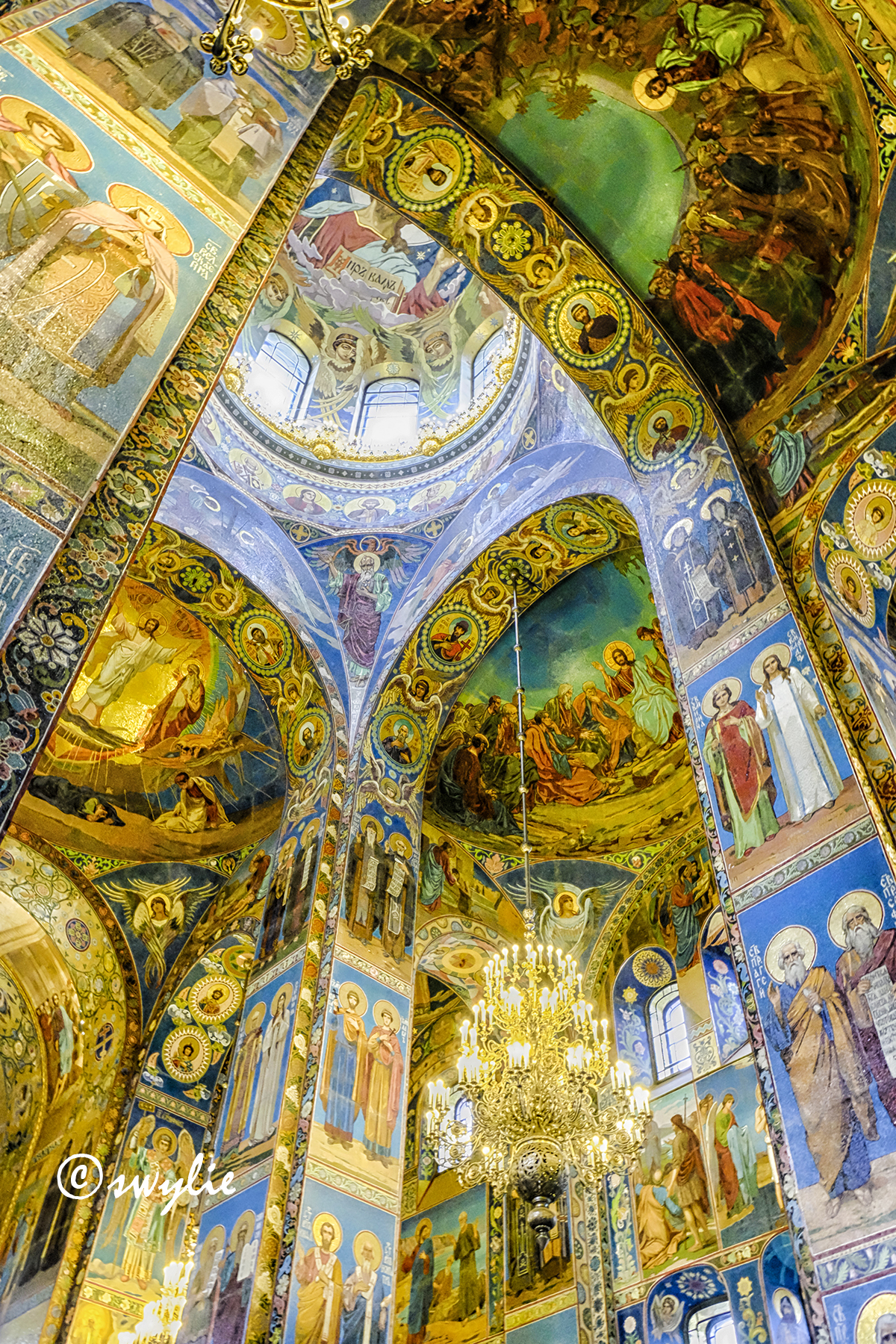


St. Petersburg, a magnificent imperial capital, is a city of 101 islands. It is bright, sunny, and surrounded by water on the Gulf of Finland. It is home of the Hermitage, the Summer Palace of Peter the Great, St. Issac’s cathedral, and the Church of Resurrection Of Jesus Christ. Along the river were the villages of Yaroslavl, Kizhi, Goritsy, Mandrogui, and Uglich finally arriving in Moscow from the Neva to the Volga.
In Moscow’s core is the Kremlin, home to the president and tsarist treasures in the Armoury. Outside its walls is Red Square, the home to Lenin’s Mausoleum and St. Basil’s Cathedral, with its colorful, onion-shaped domes.


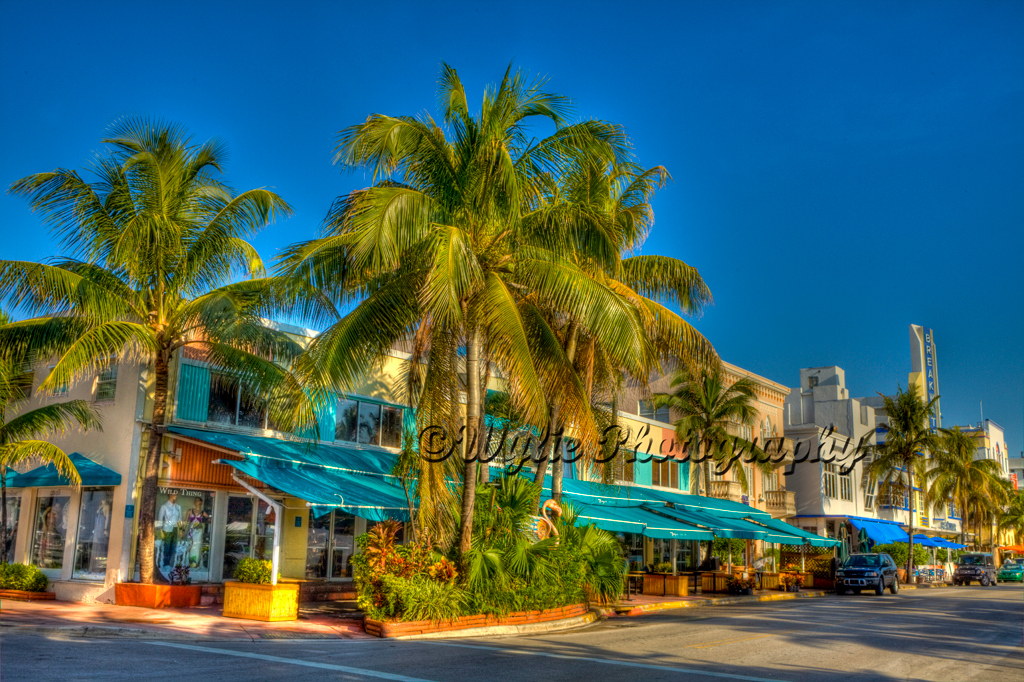


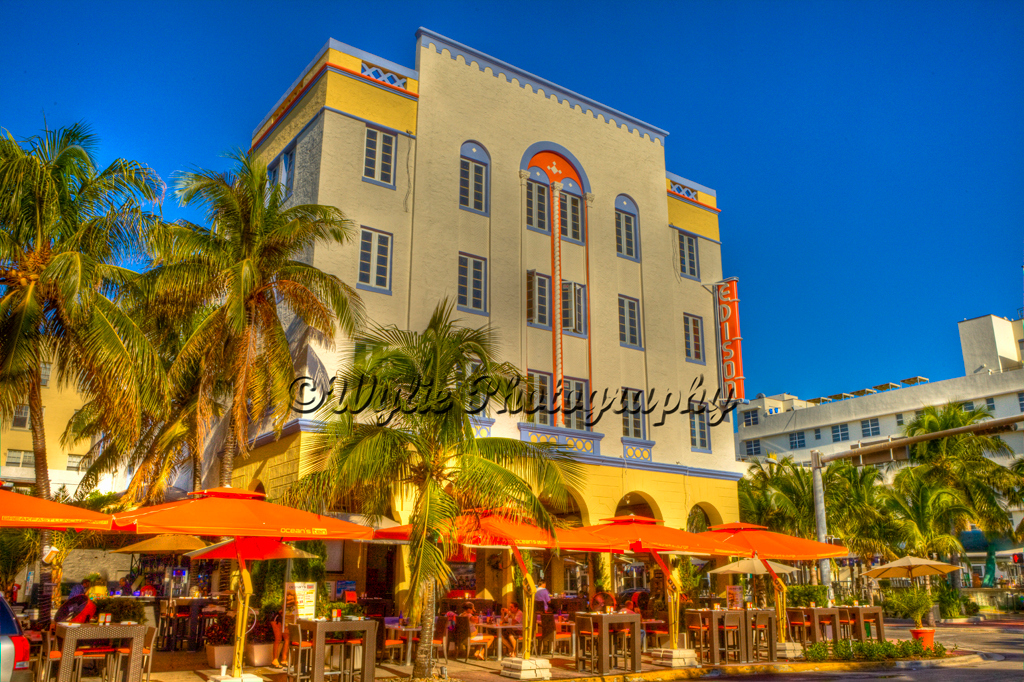

South Beach, also nicknamed SoBe, is a neighborhood in the city of Miami Beach. Other names are The Blue & Pink, The Beach, The American Riviera, The Sun and Fun Capital of the World. In the 1930’s, an architectural revolution arrived bringing Art Deco and Nautical Moderne architecture. “Until the 1980’s Miami Beach was a peculiar mix of criminals, Cubans, and little old ladies.” While many of the Art Deco buildings were lost to developers, an area of almost one square mile was saved as a cohesive unit by a group of activists.


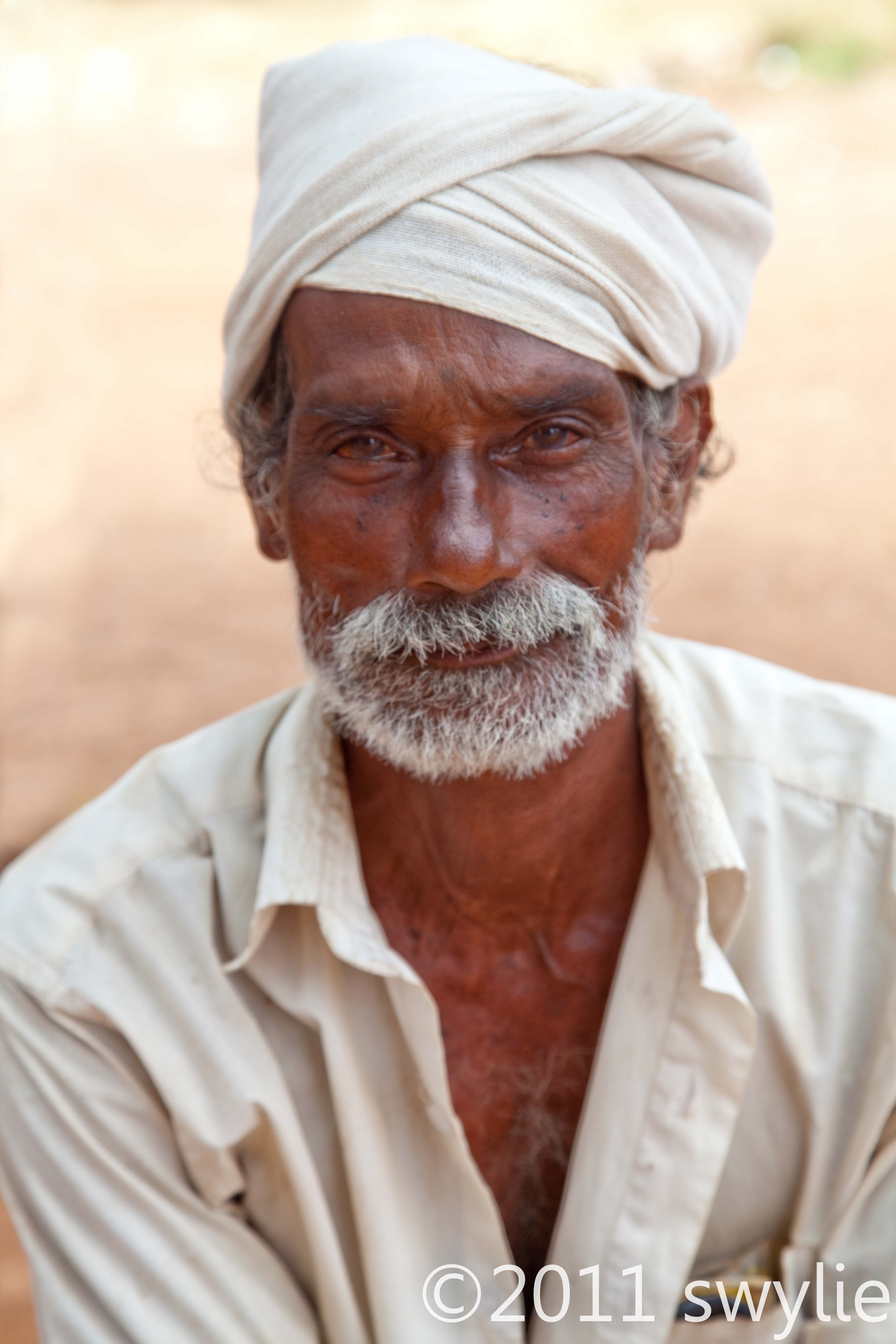

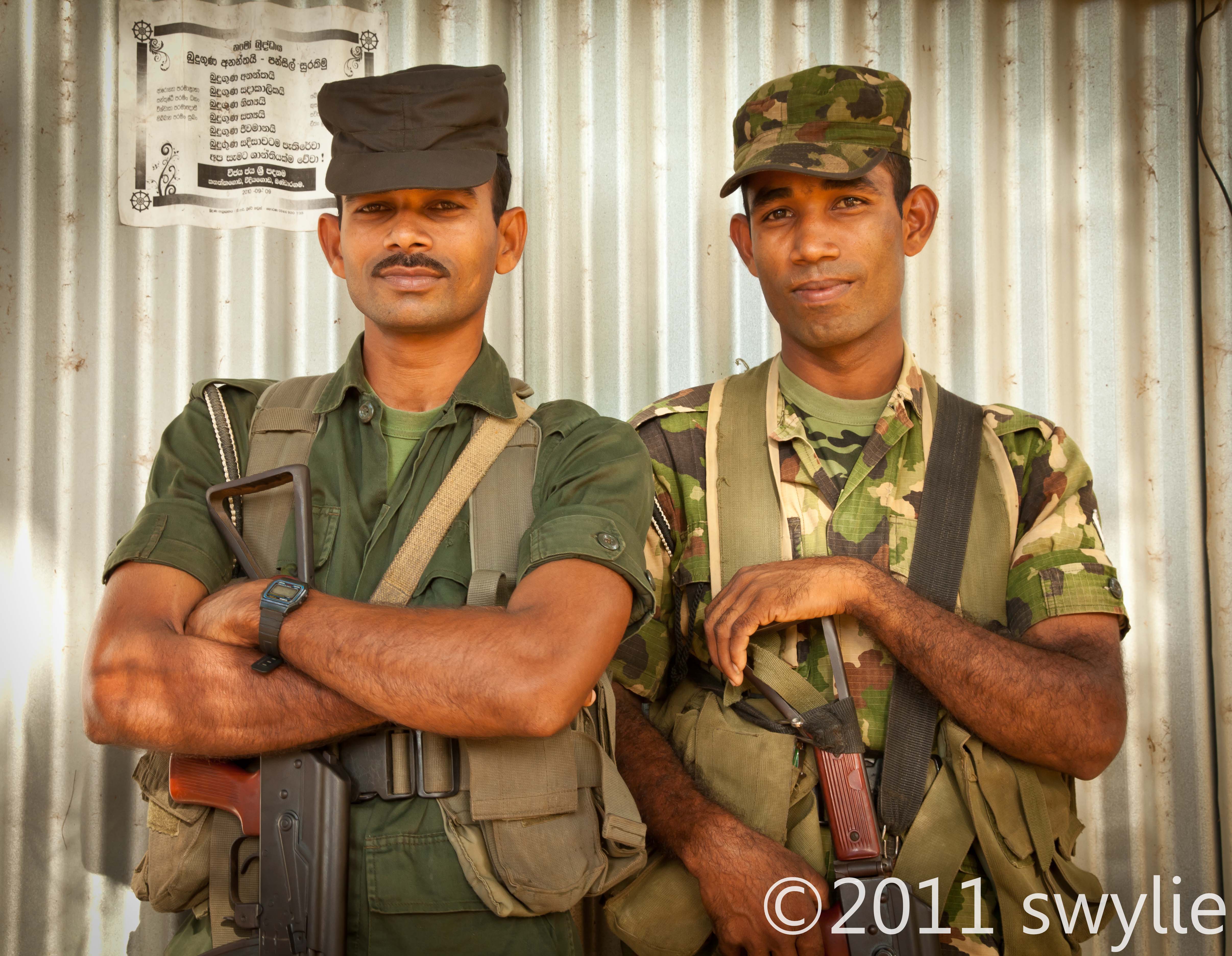
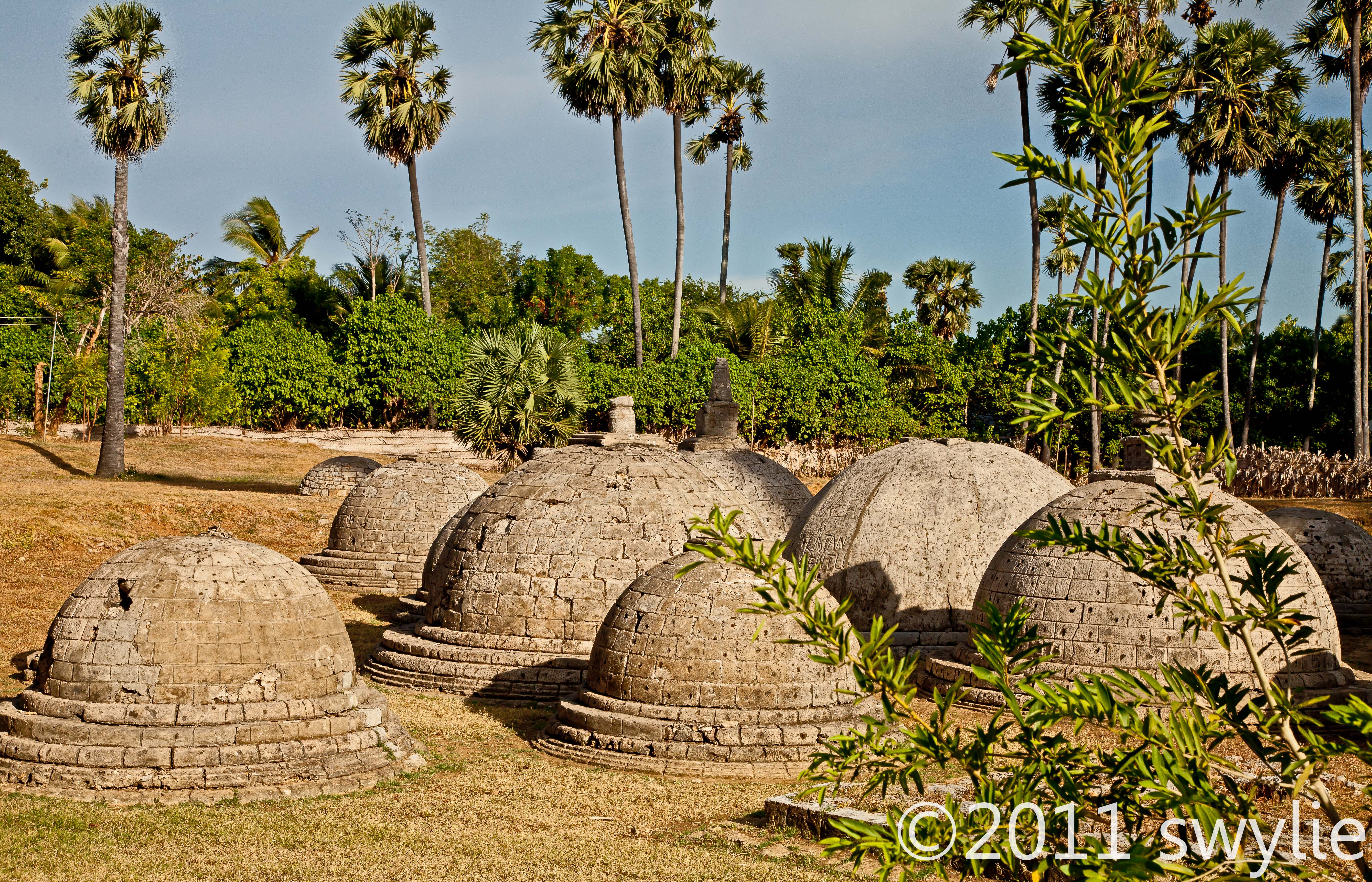


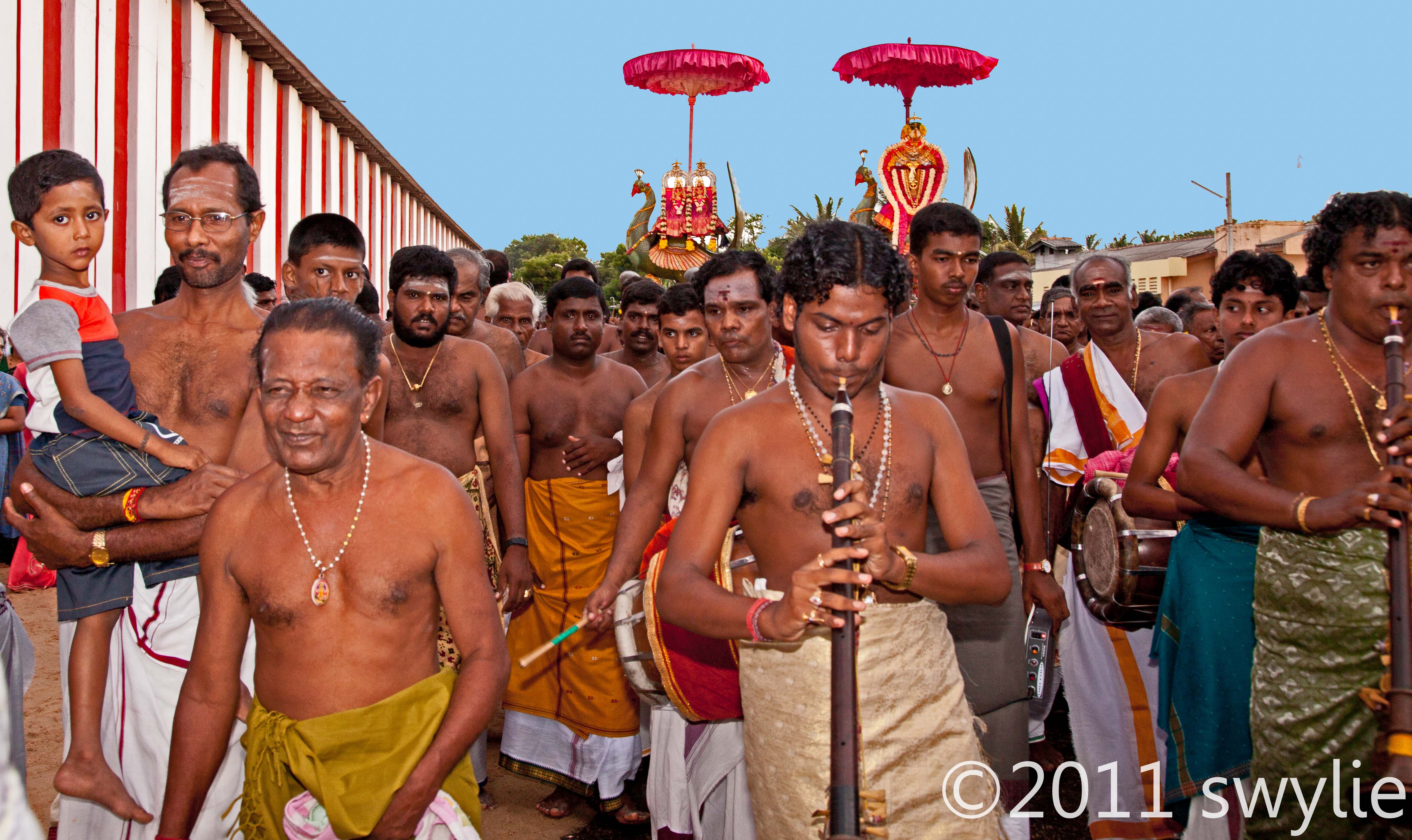

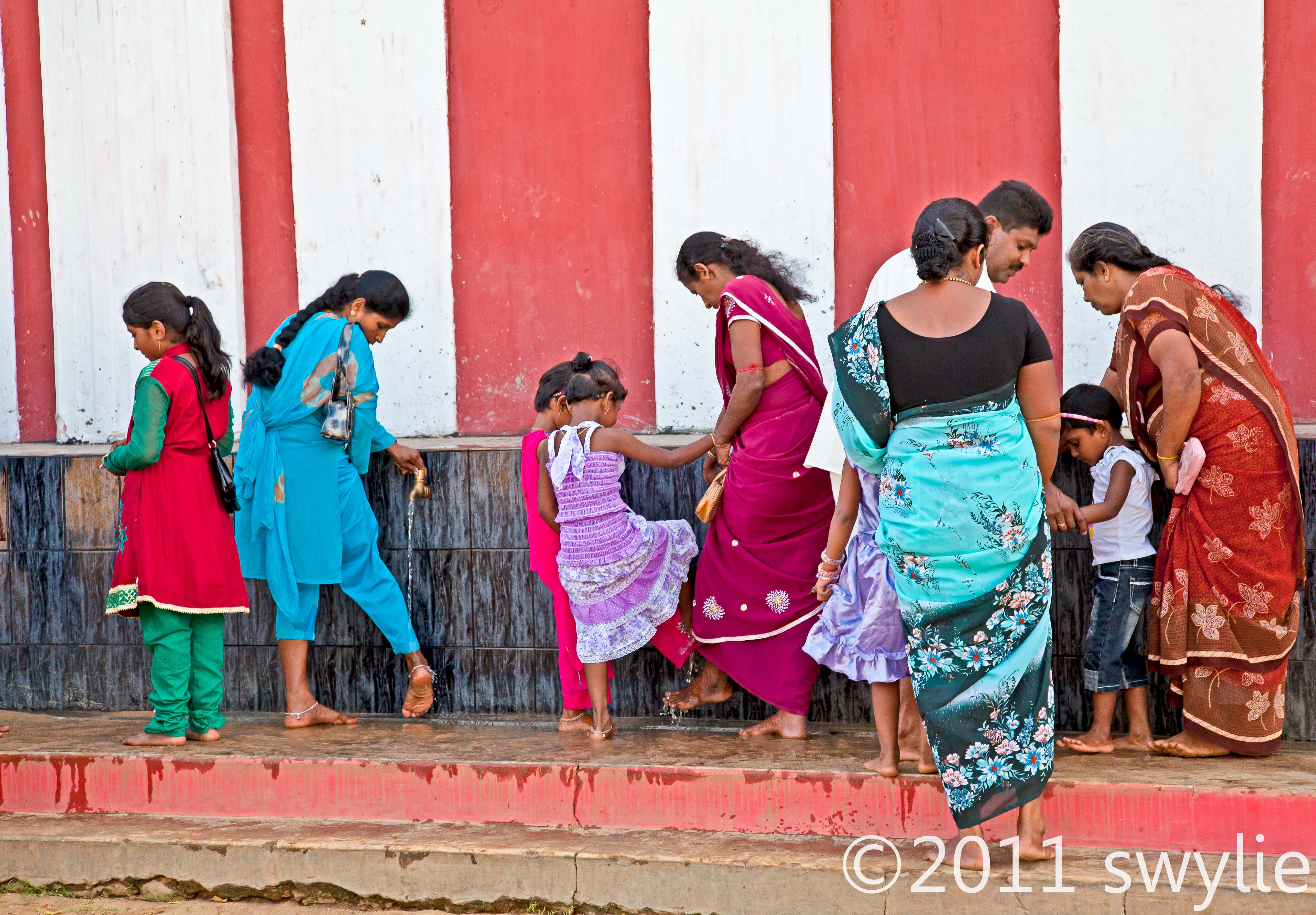


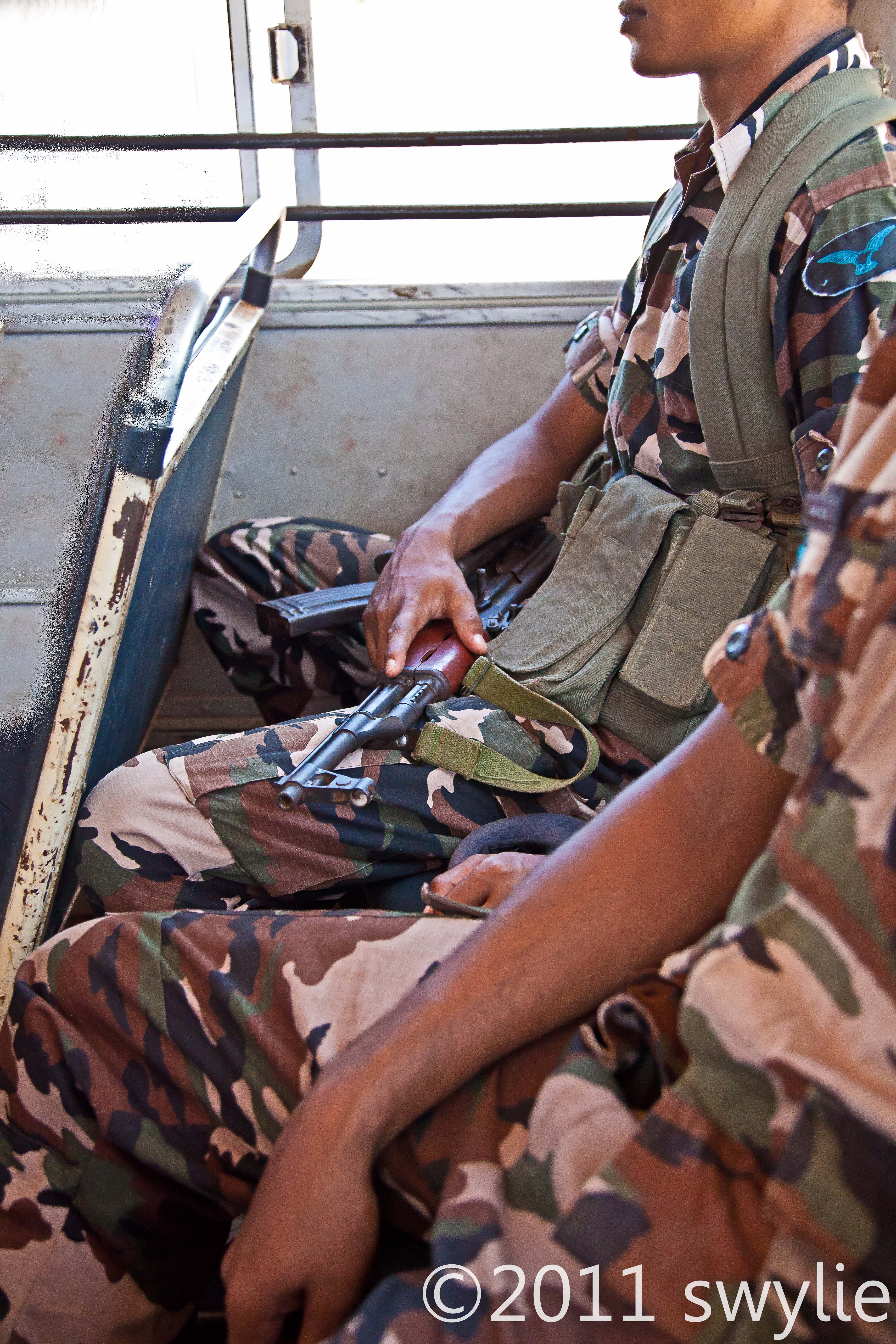

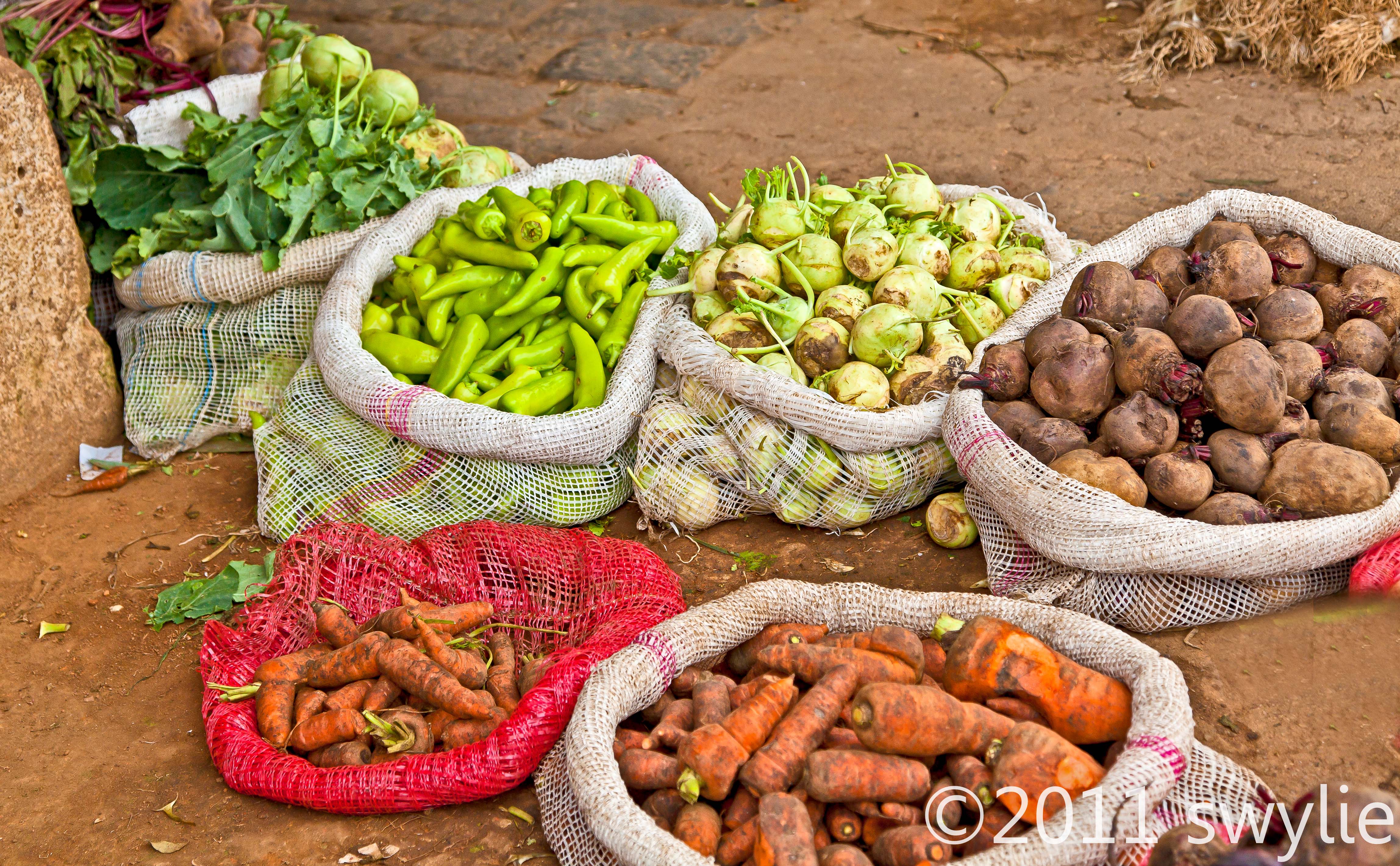


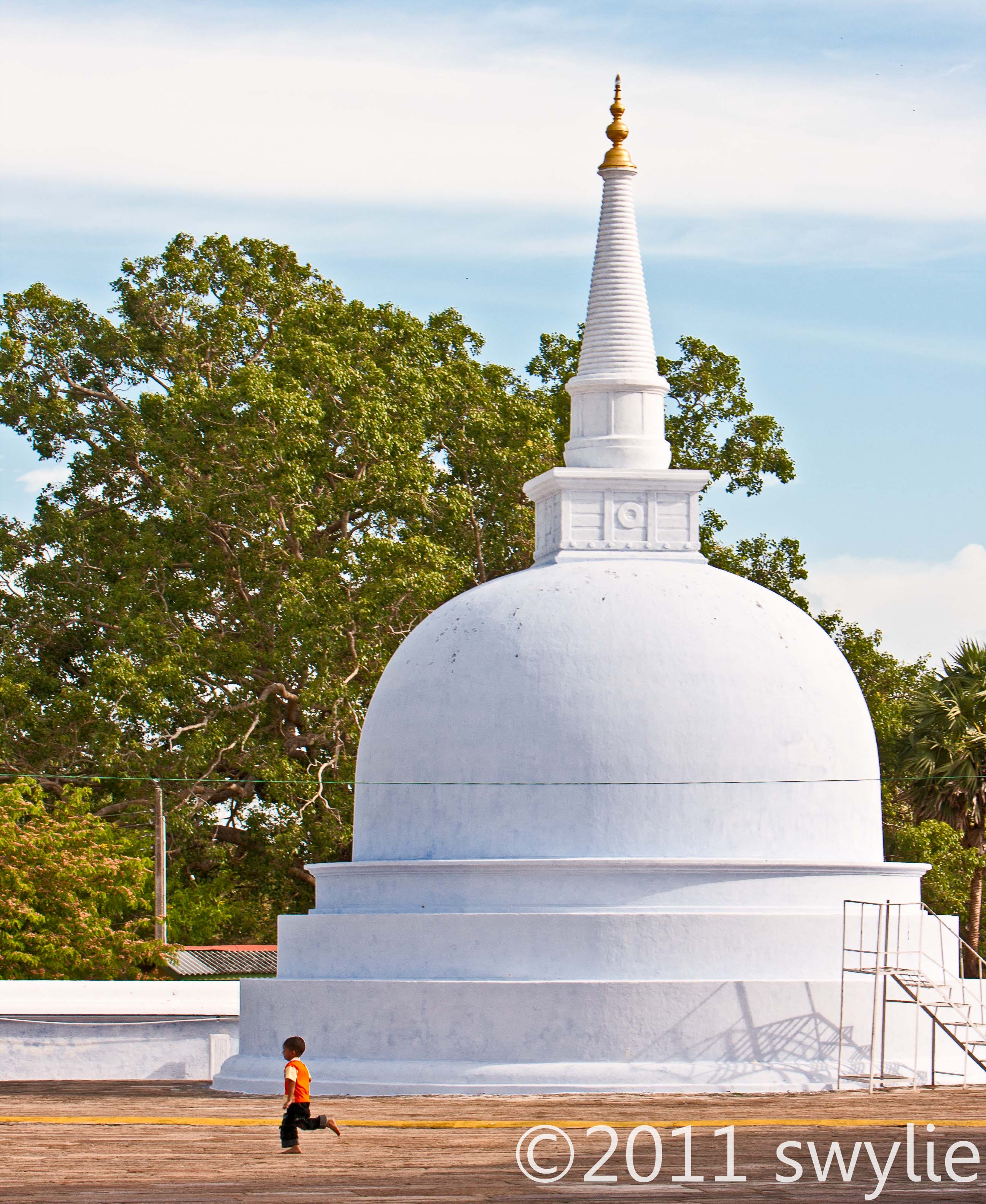
Flying into Colombo, we stayed at the Galle Face Hotel, a heritage hotel over 100 years old. In the morning we flew into Jaffna in a Russian plane. There were scars remaining from the recent civil war against the Tamils. The ancient city of Anuradhapura was founded in the 6th century BC. The Lion Rock crouches in red splendor, another UNESCO site.
In Kandy we attended the Perahera festival, a procession of decorated elephants moving the Buddha’s tooth from one temple to another. The disappearing Veddah tribe prepared a meal for us consisting of deer meat buried for weeks and served raw.
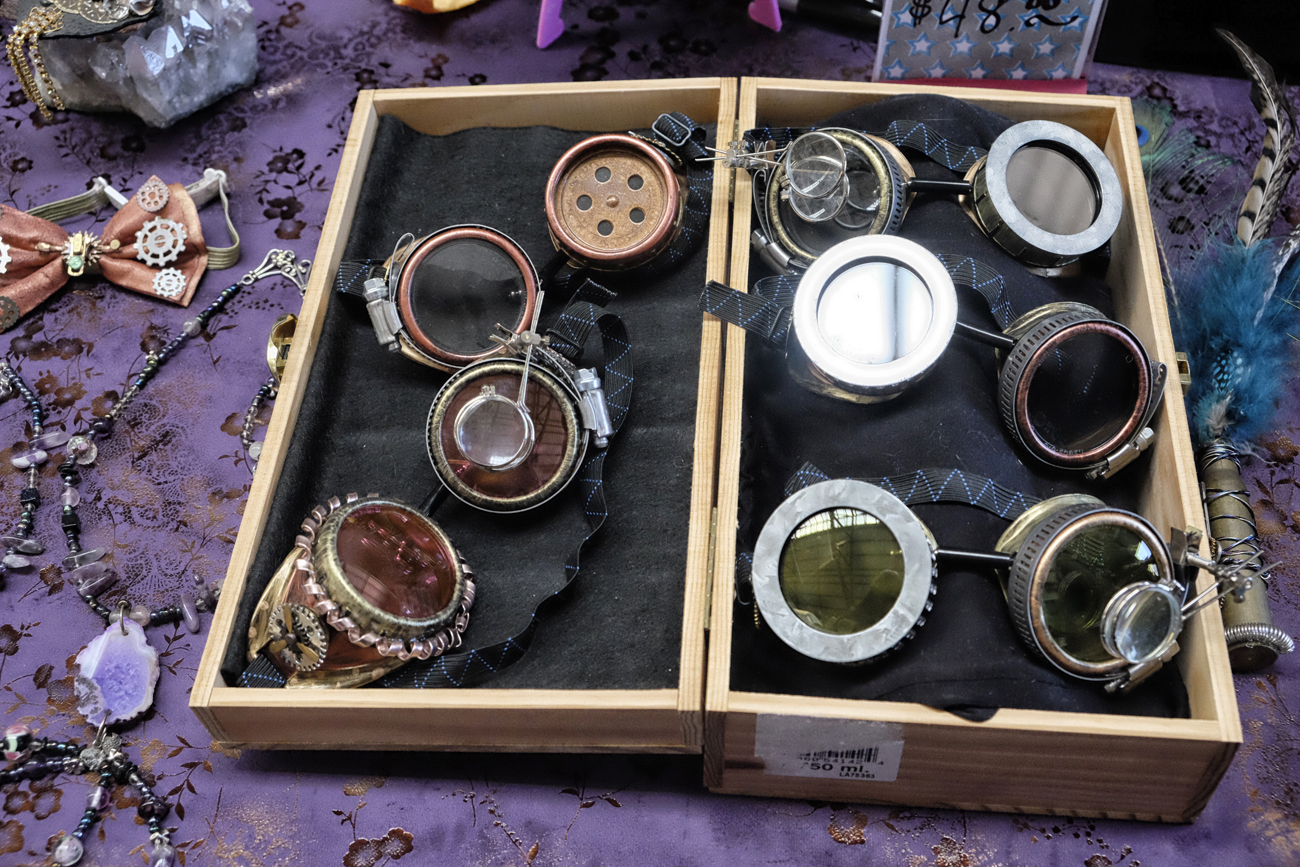

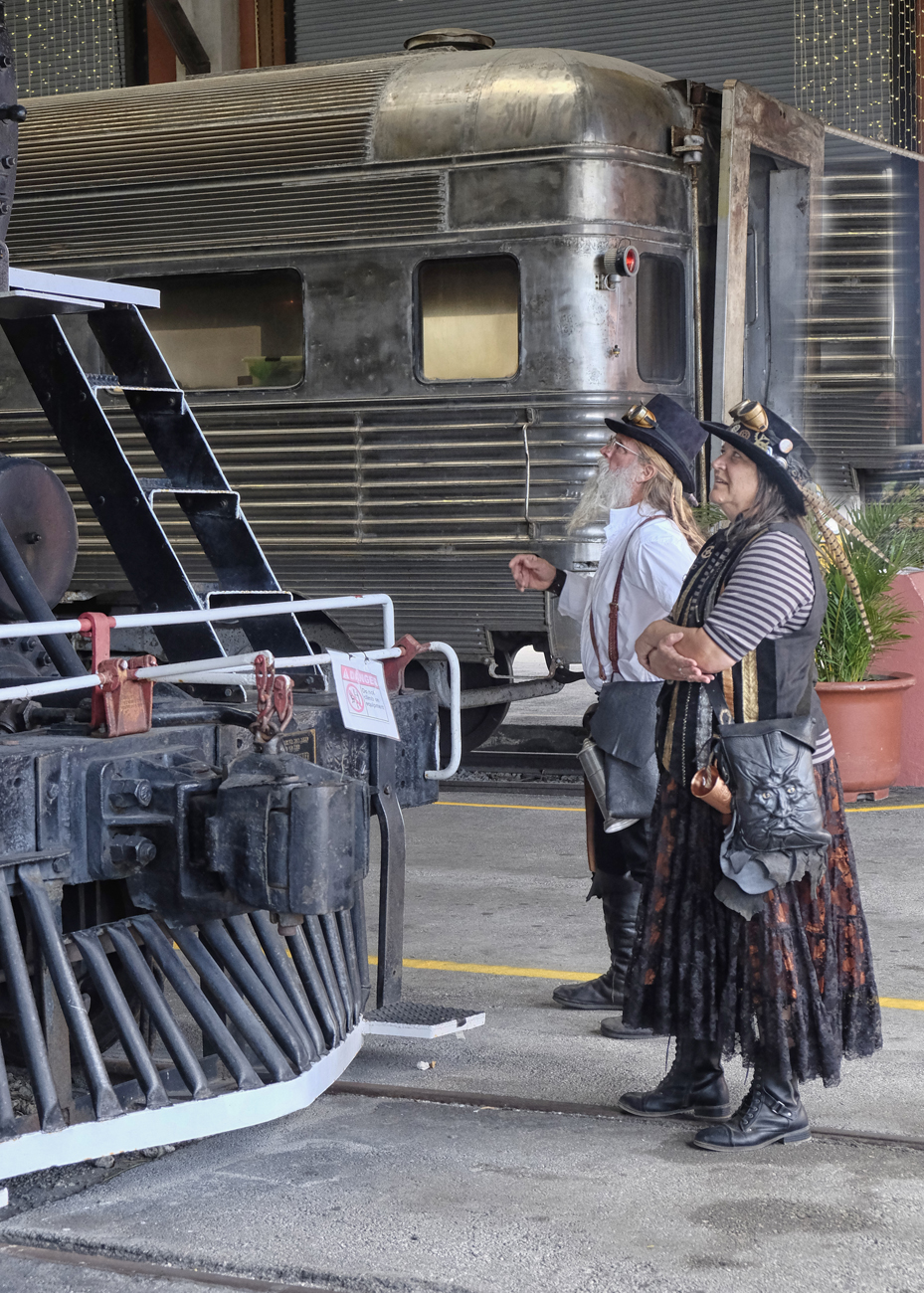


Steampunk is a trend using fiction or science fiction emphasizing anachronistic technology. The era of H. G. Wells, Mary Shelley, and Jules Verne is often its basis in literature. It denotes works when steam power was still widely used. There, the time is set in Victorian era England or the American Wild West. A typical outfit may include leather vests, Victorian bustiers, safari clothing, monocles, backpack time machines, weaponry, jewelry based on technology. Science fiction writers were the first to speculate on the development of steam-based technology or alternative histories.
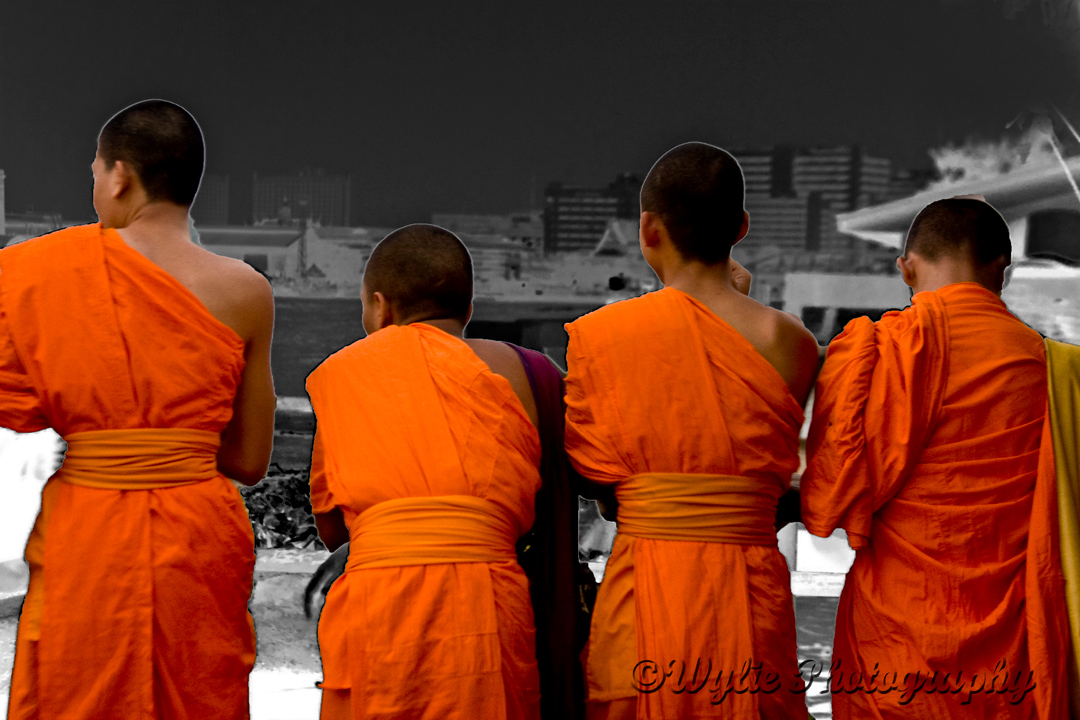



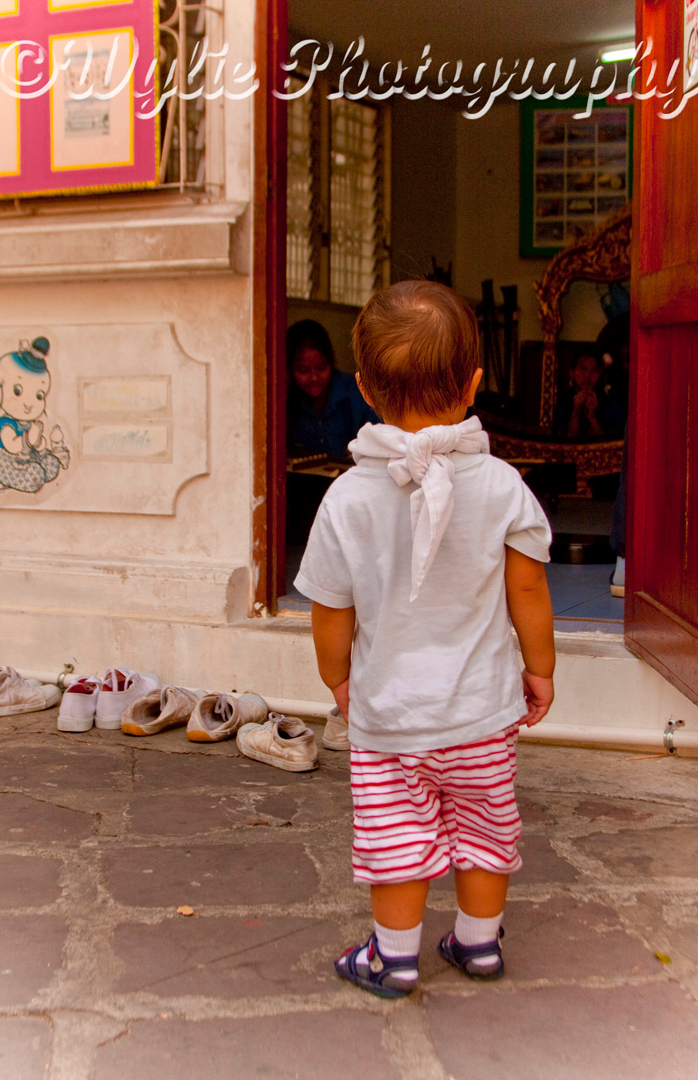
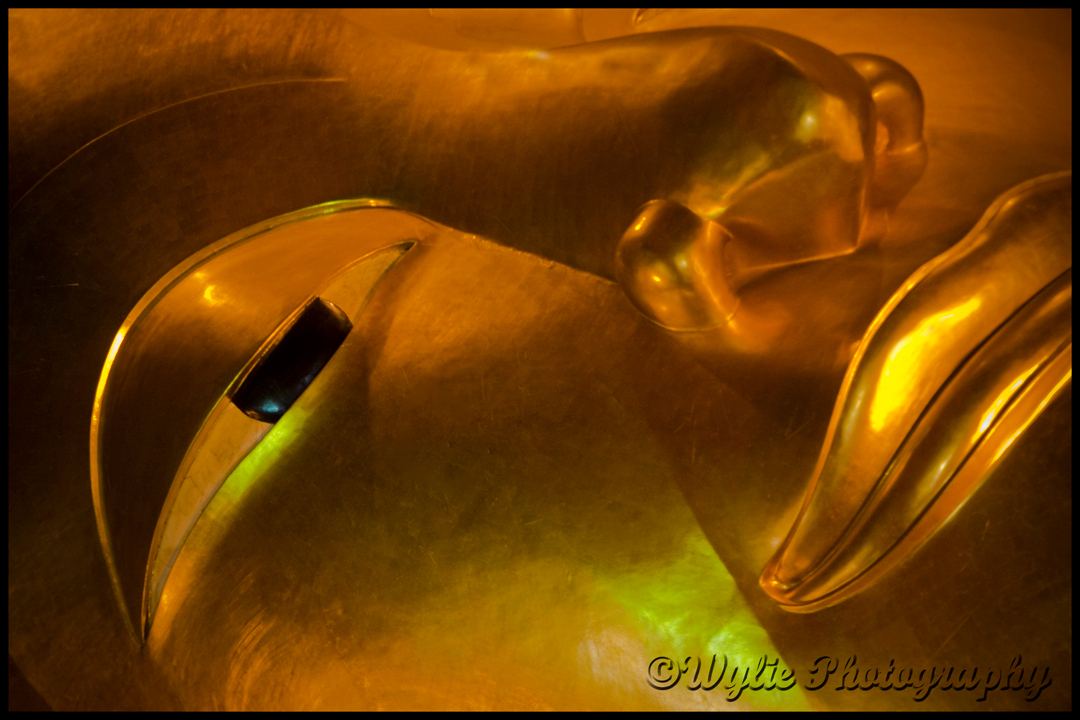


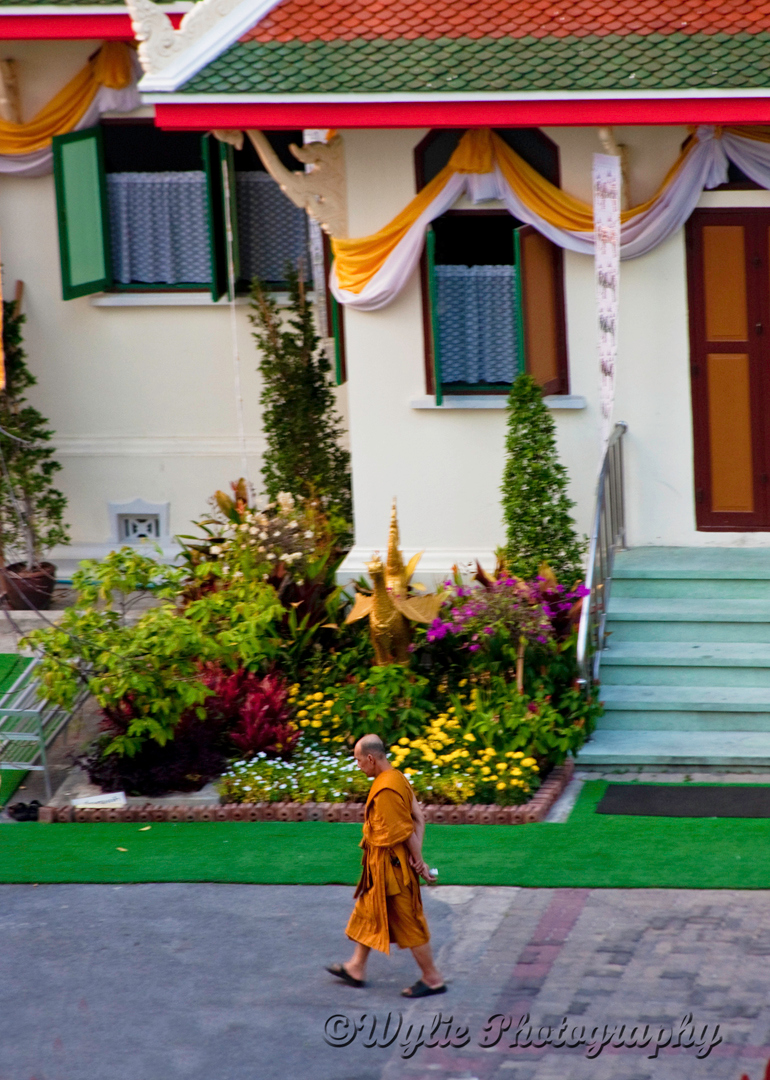

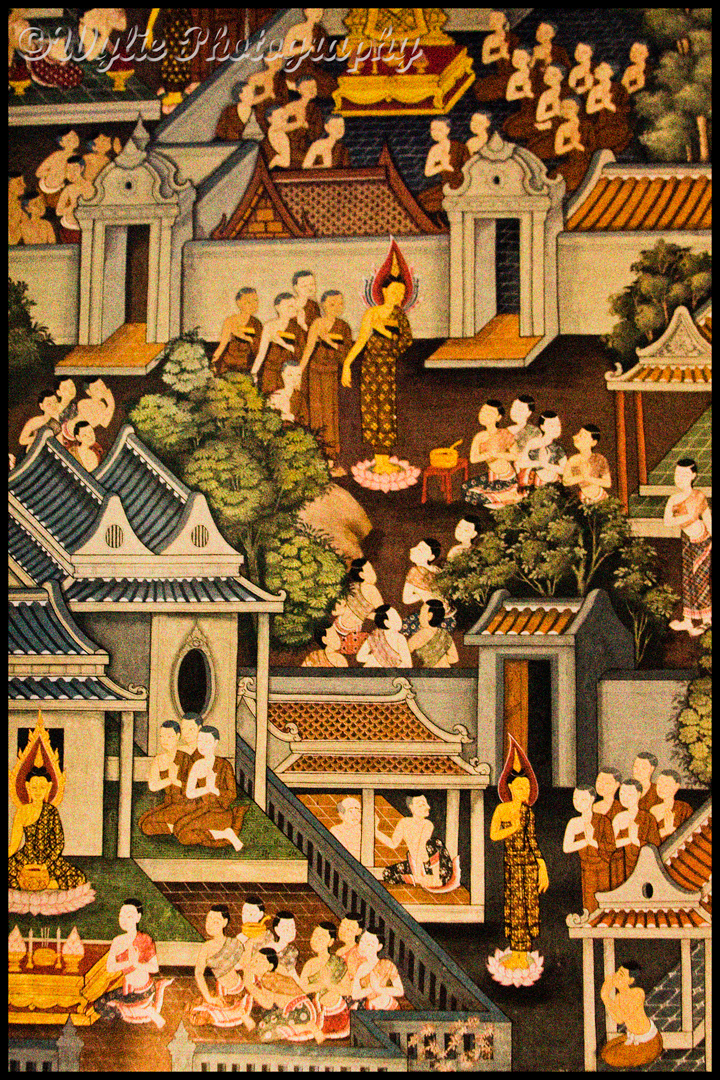


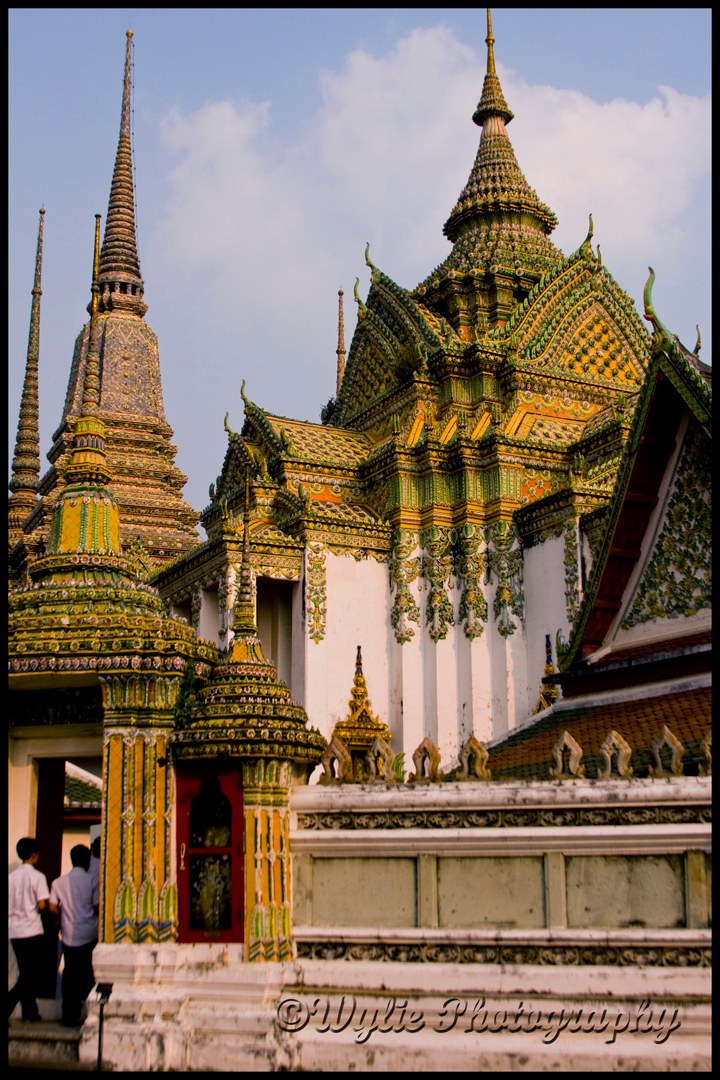


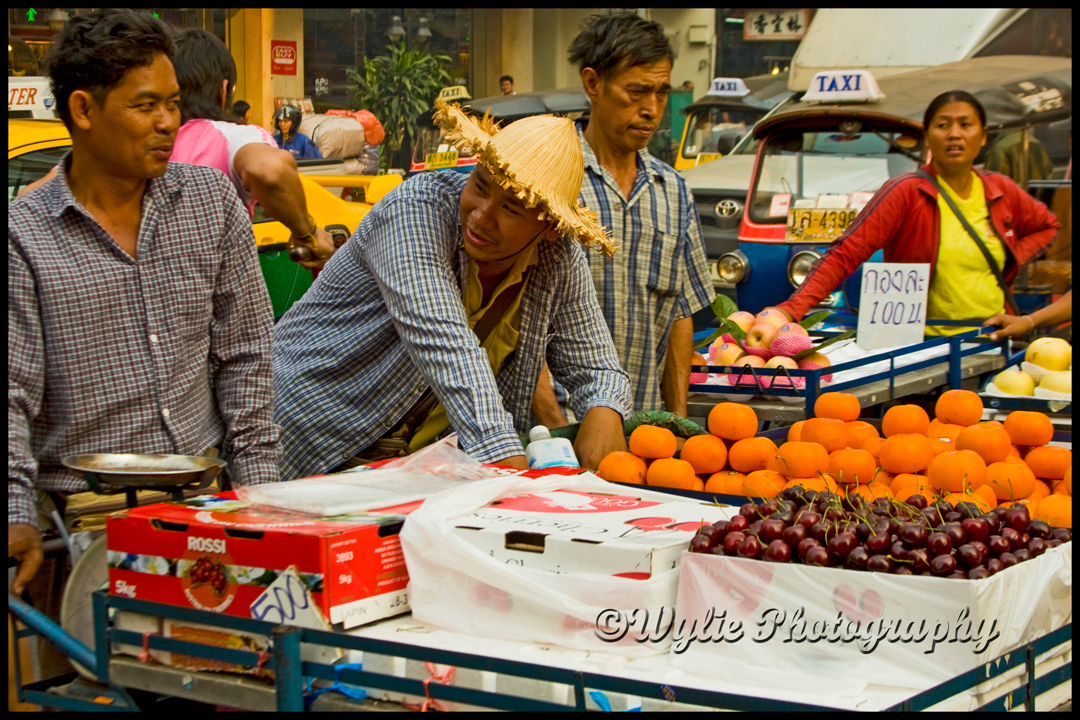


Probably the most remarkable sights in the country are the Buddhist temples. Wat Pho is Bangkok’s largest and oldest surviving temple dating back to the 16th century. The Reclining Buddha inside is one of the largest Buddha statue. This gold Buddha is 150 feet long and 50 feet high. Monks are omnipresent since many boys go into the monastery at least for a few years Monks serve the community and in return are supported by it.
The Chao Phraya River cuts through Bangkok. There are houseboats for living space and with the tangle of traffic the river can be an alternative form of transportation.
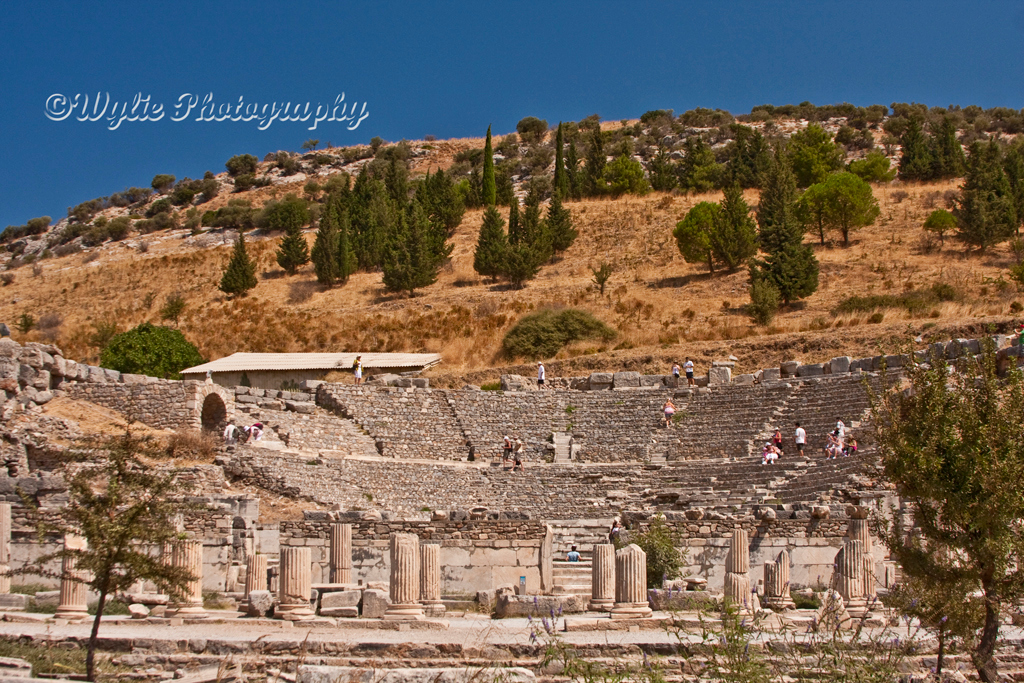
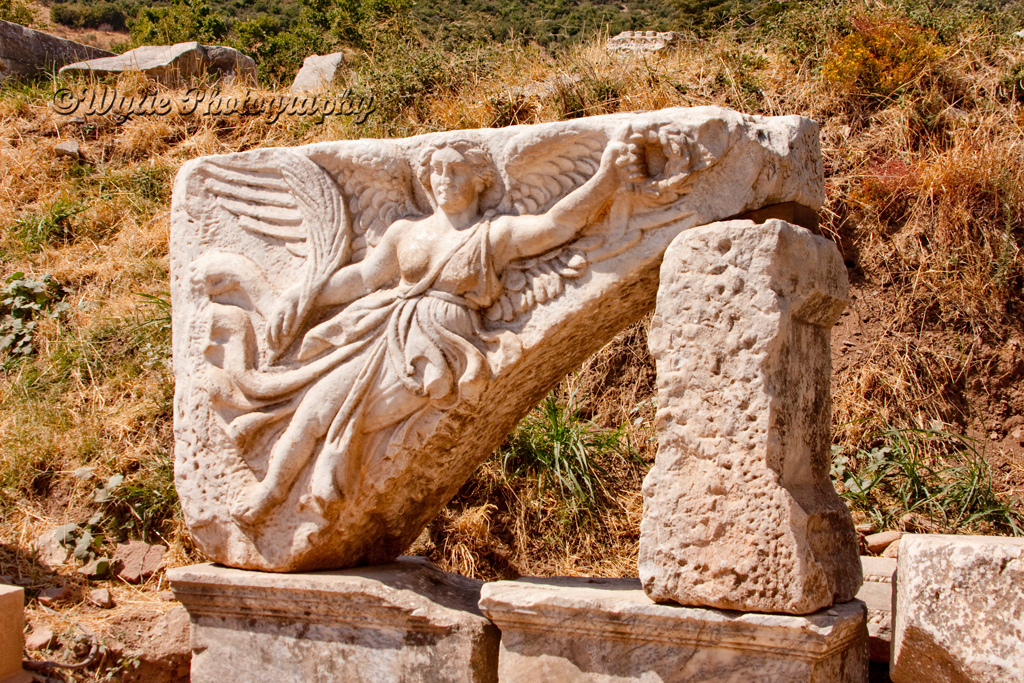

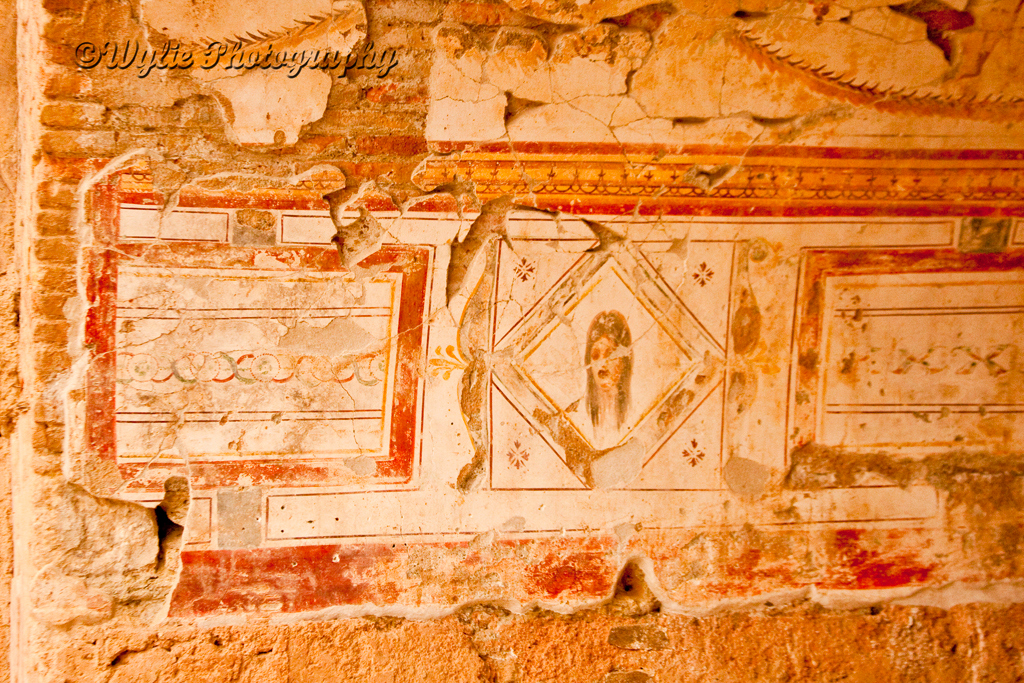


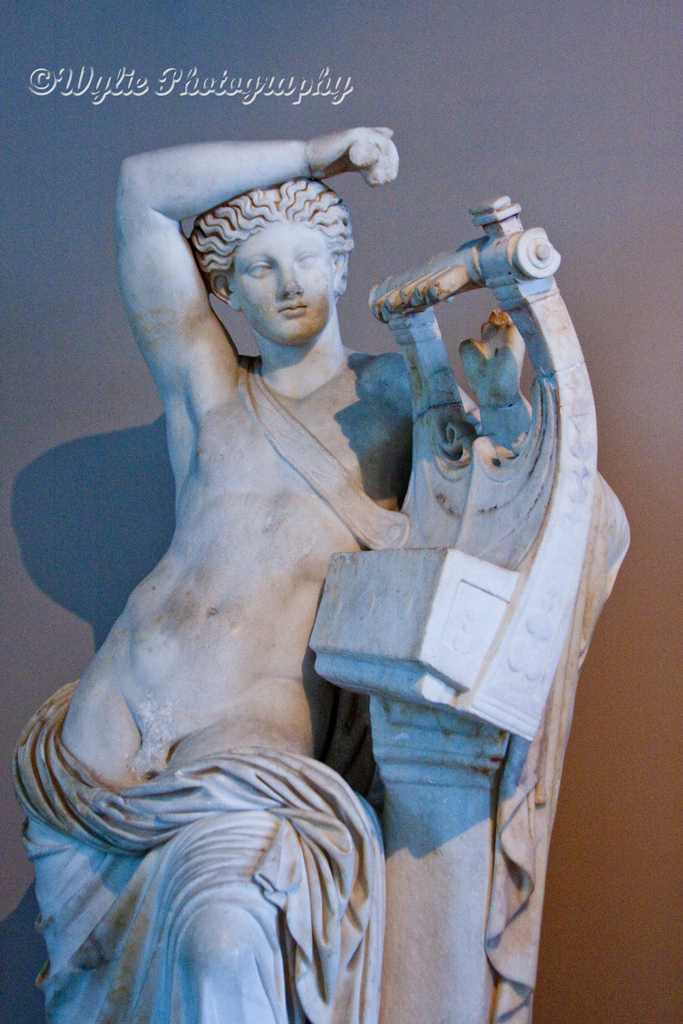


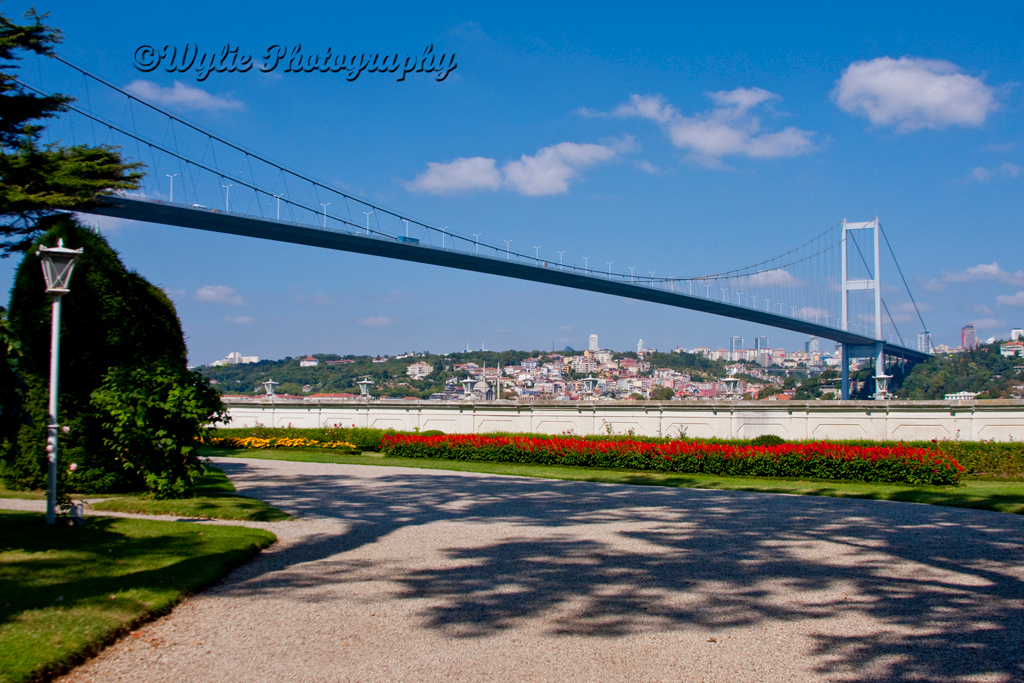

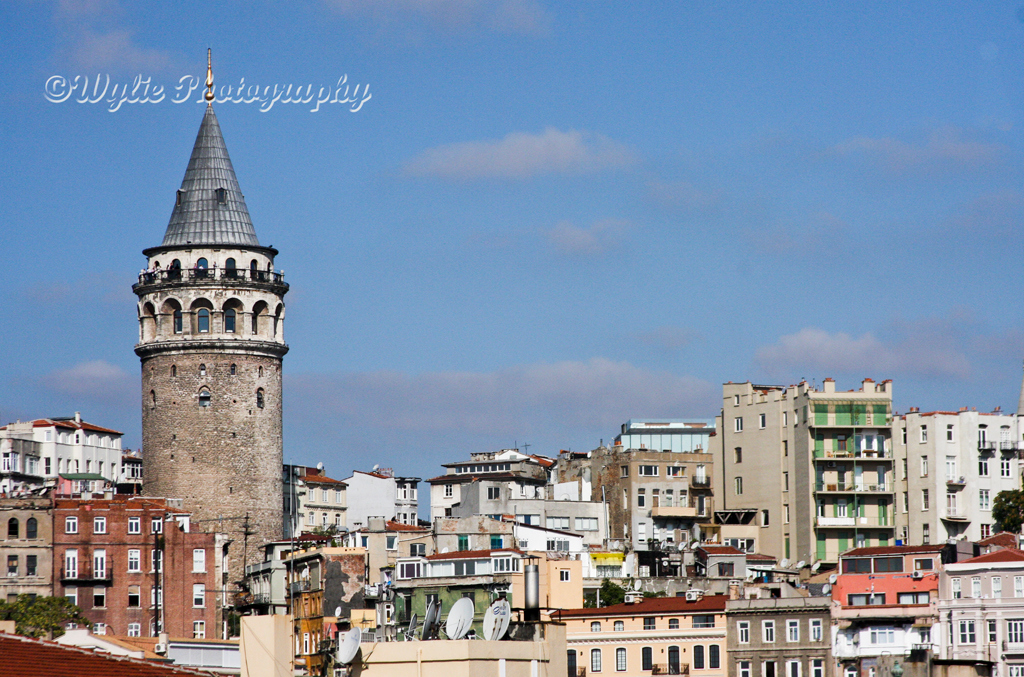


Ephesus, one of the largest Roman archeological sites in the world, was named for the Temple of Artemis (550bc), one of the seven wonders of the ancient world. Now only a single column remains. The often photographed Library of Celsus has been partially rebuilt. Istanbul is the largest European city. It spans two continents connected with the Bosphorus Bridge. The Tapkapi Palace was the home of the Ottoman Empire with its 100-room Imperial Harem residence. Hagia Sophia, the Blue Mosque and the Grand Bazaar are also within the city.


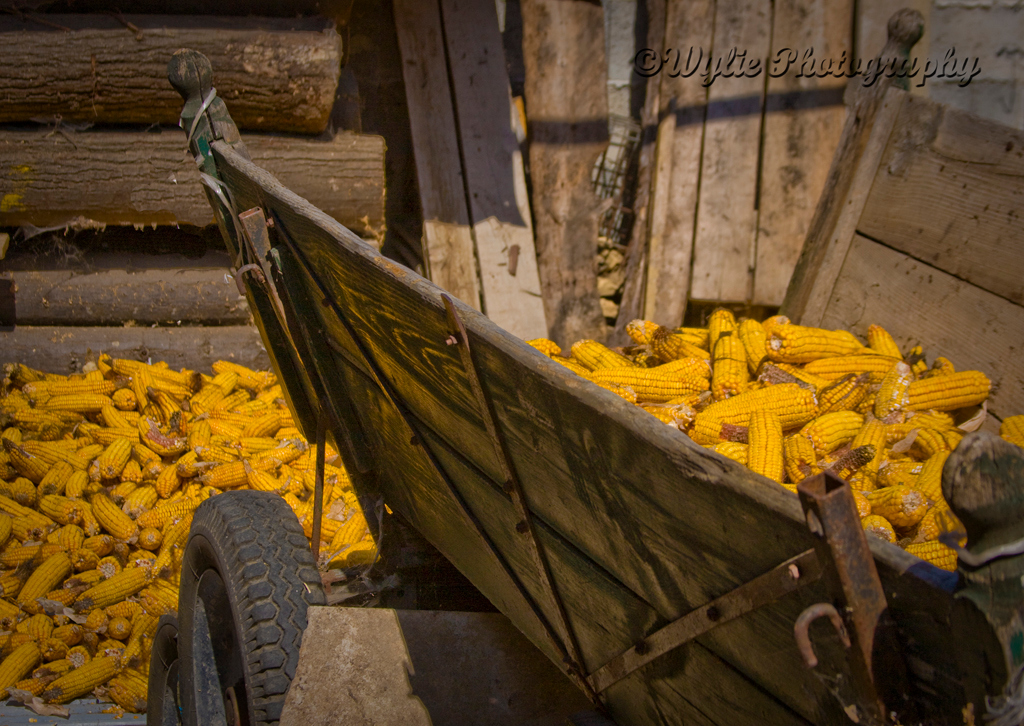

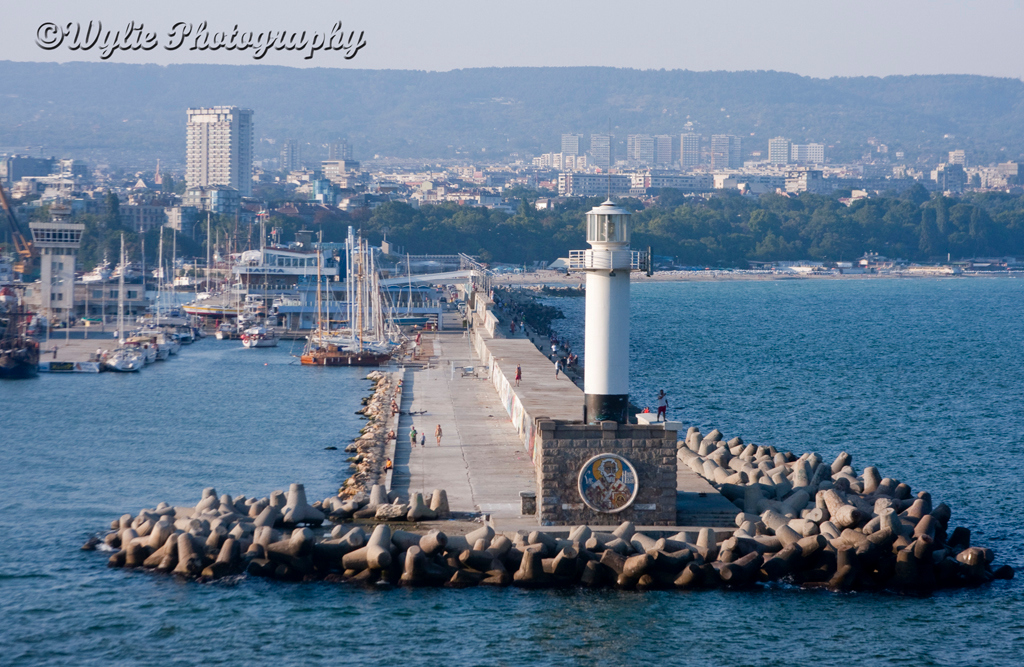
Varna is a seaside resort situated on the Bulgarian Black Sea. It was historically known as Odessos as in the ancient Greek.
We visited the home of “peasants” in Mada and were greeted at the door with a pull of bread dipped in sauce as a welcoming gesture. The table was spread with local delicacies, and the wife demonstrated how to prepare the famous Bulgarian banista (cheese and egg pie).
Outside the village is one of Bulgaria’s most famous sites. At the end of a wooded trail winding up the Madera rocks is the 8th century relief of the Madara Horseman with his dog. A UNESCO site, he is featured on the cent coin.
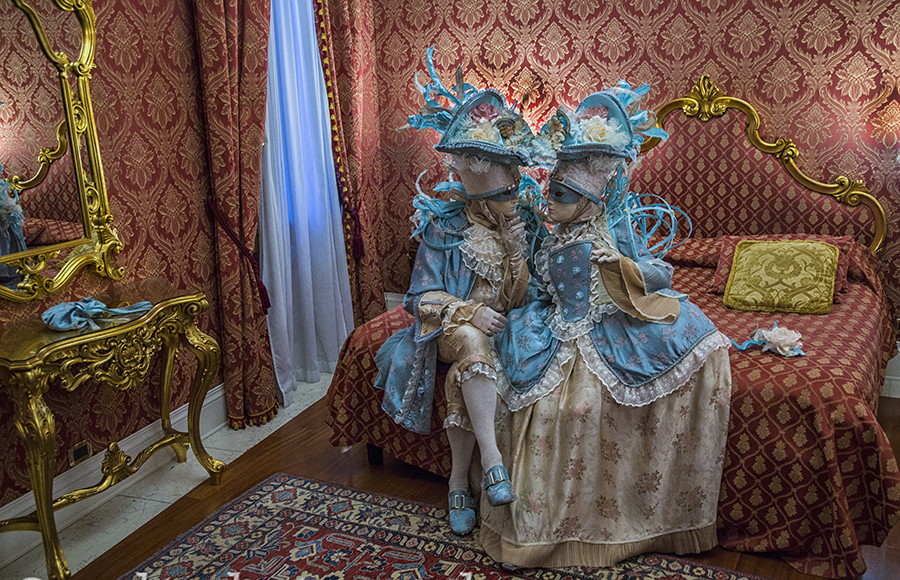

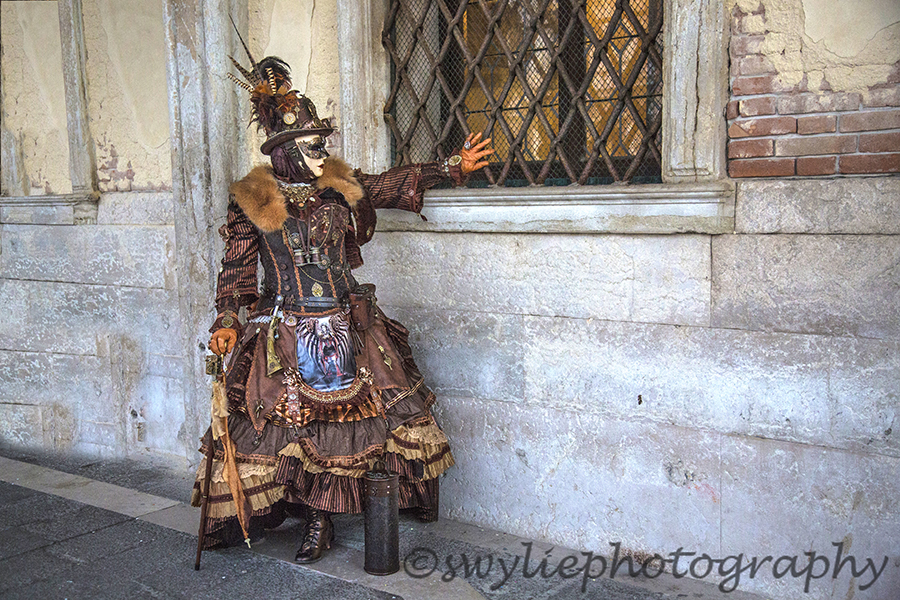
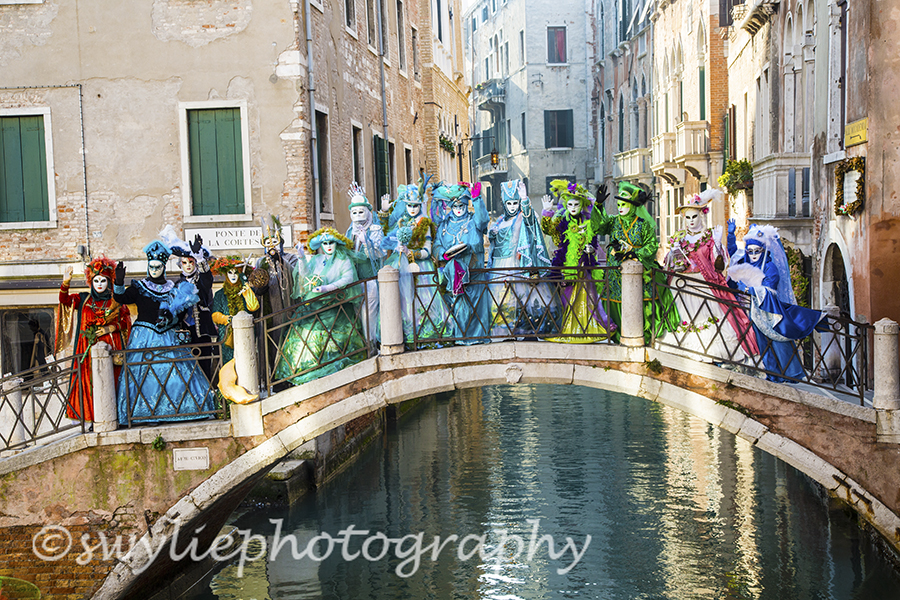
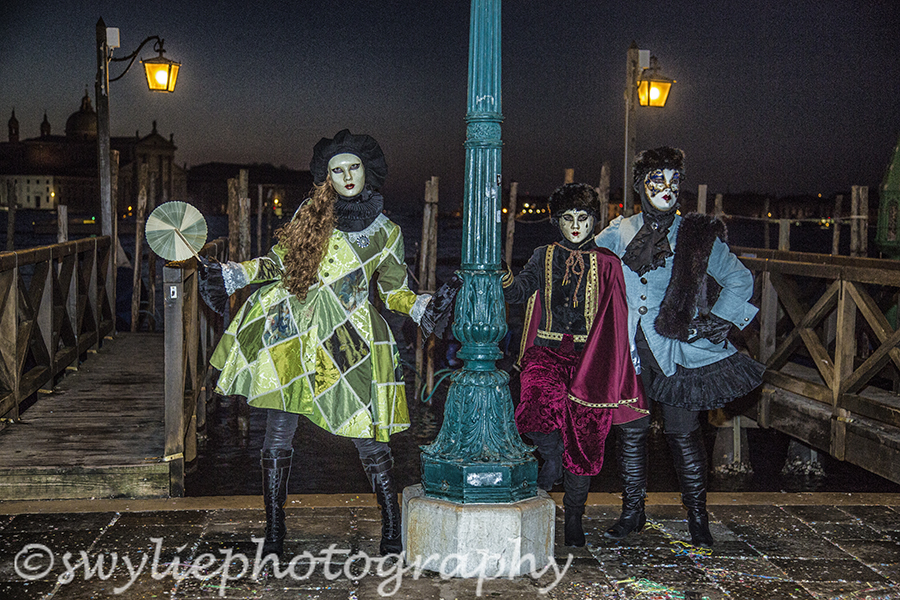

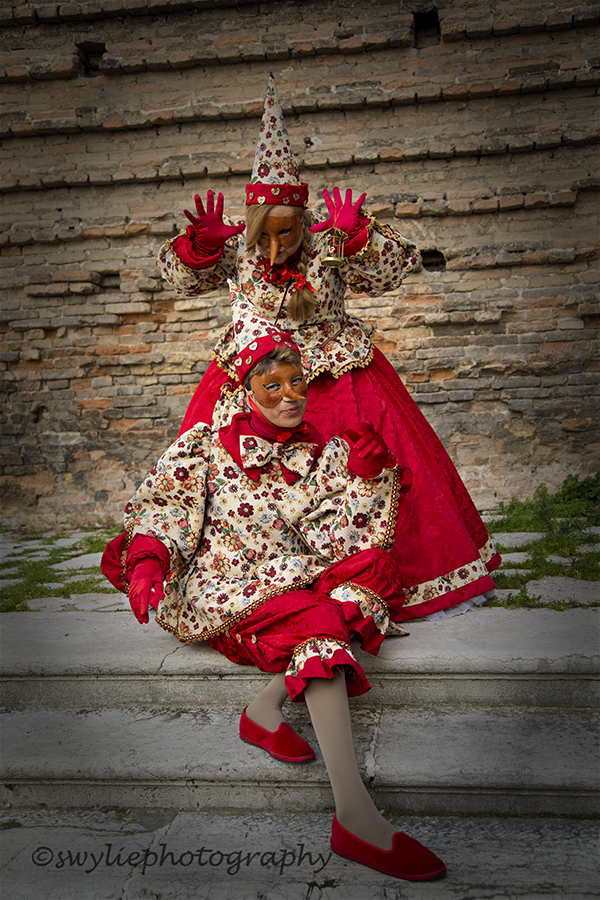
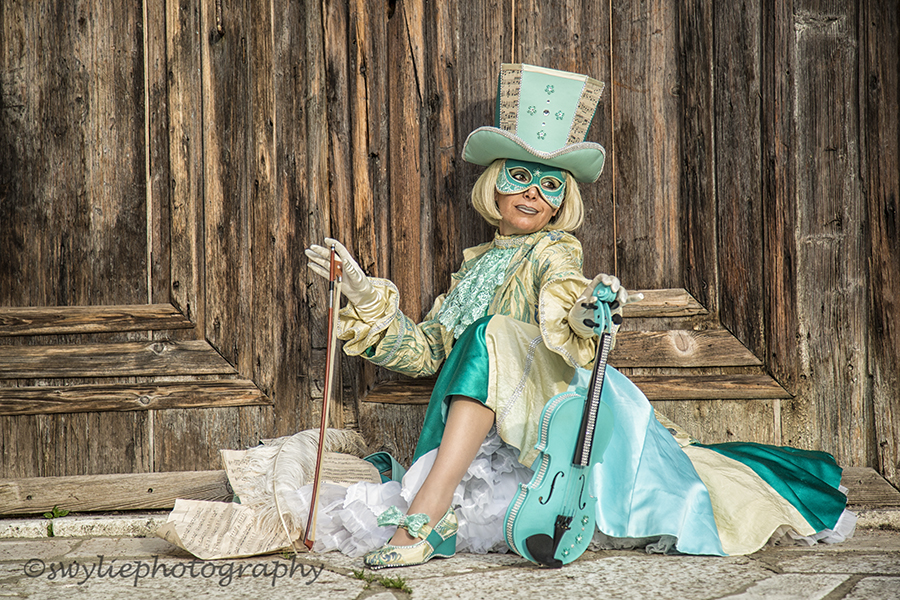

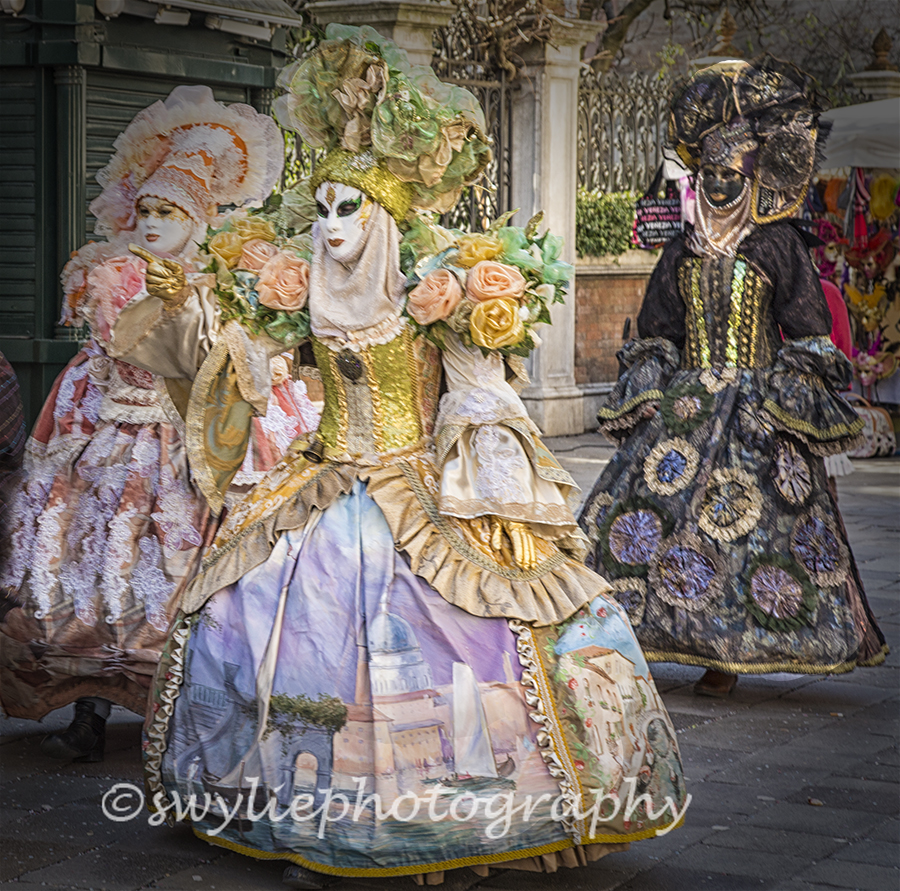


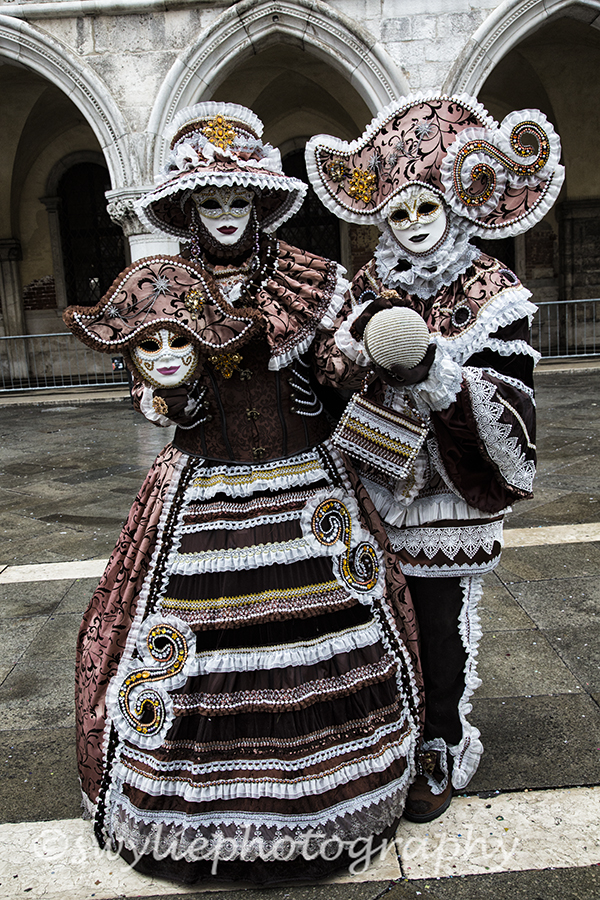
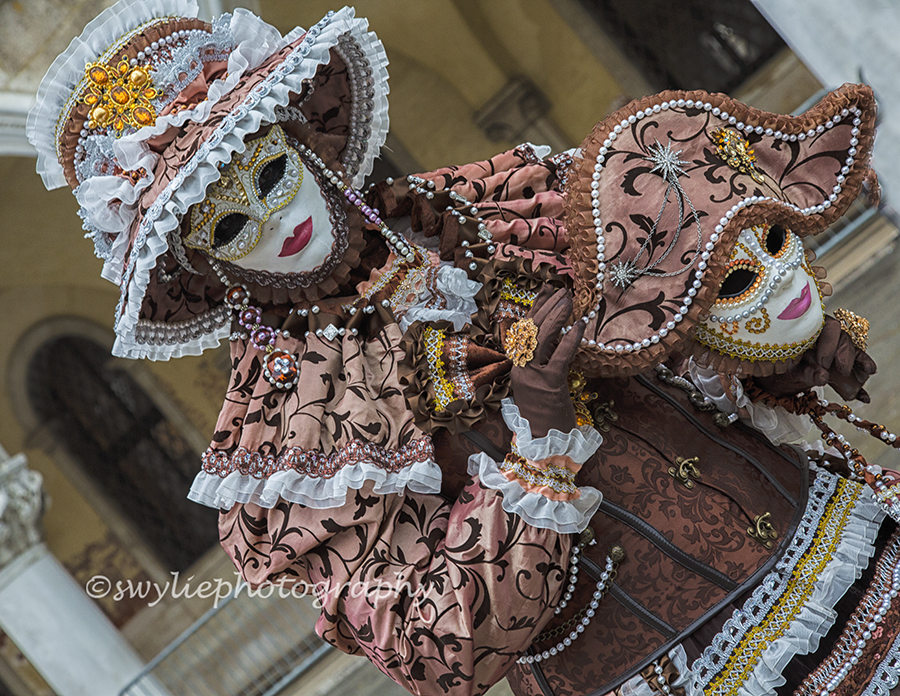


Venice is a maze of canals, boats, and bridges. During Carnival preceding Lent this romantic atmosphere is punctuated with masked models in amazingly beautiful consumes flowing through the streets. They stop to pose for photographers and chat with one another, mostly in French. The backdrops are Medieval castles, homes, and San Marco square steeped in history. Across the water is the island of Burano cut where rows of starburst color facades rest on the shores of canals. Murano another island is home for the famous Venetian glass.



Vienna is beautifully laid out. The Ringtasse surrounds the city center, a boulevard built to replace the former city wall. This district contains many of Vienna’s most historical buildings. The city bursts with culture. The only surviving apartment in Vienna once inhabited by Mozart is open to the public. The Mozart Ensemble presented a concert in the Mozart house, the oldest concert hall in Vienna where he used to work and play. In the Auersperg Palace Strauss was featured in a concert of Viennese waltzes. Austria has produced some of the best classical musicians in history.
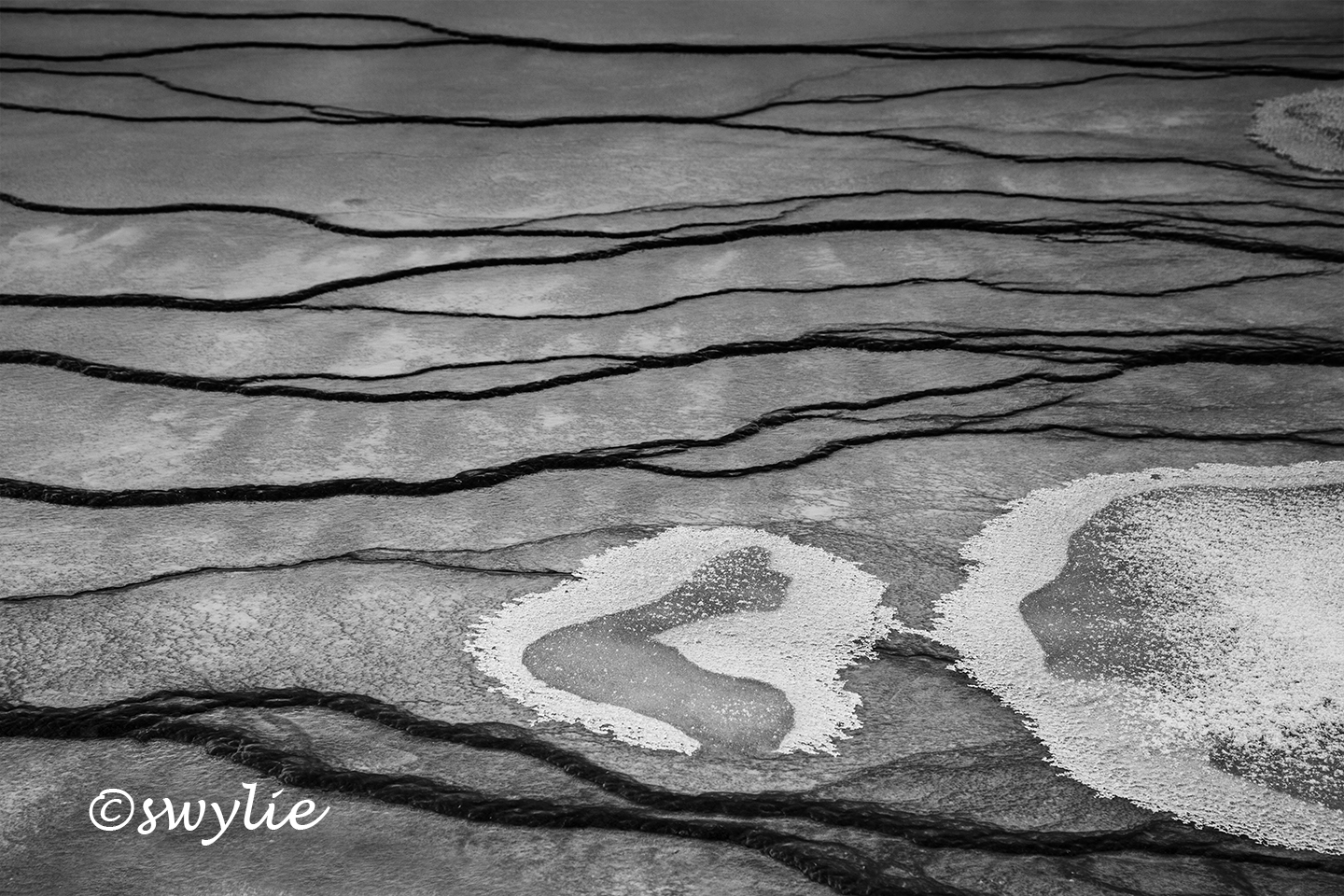
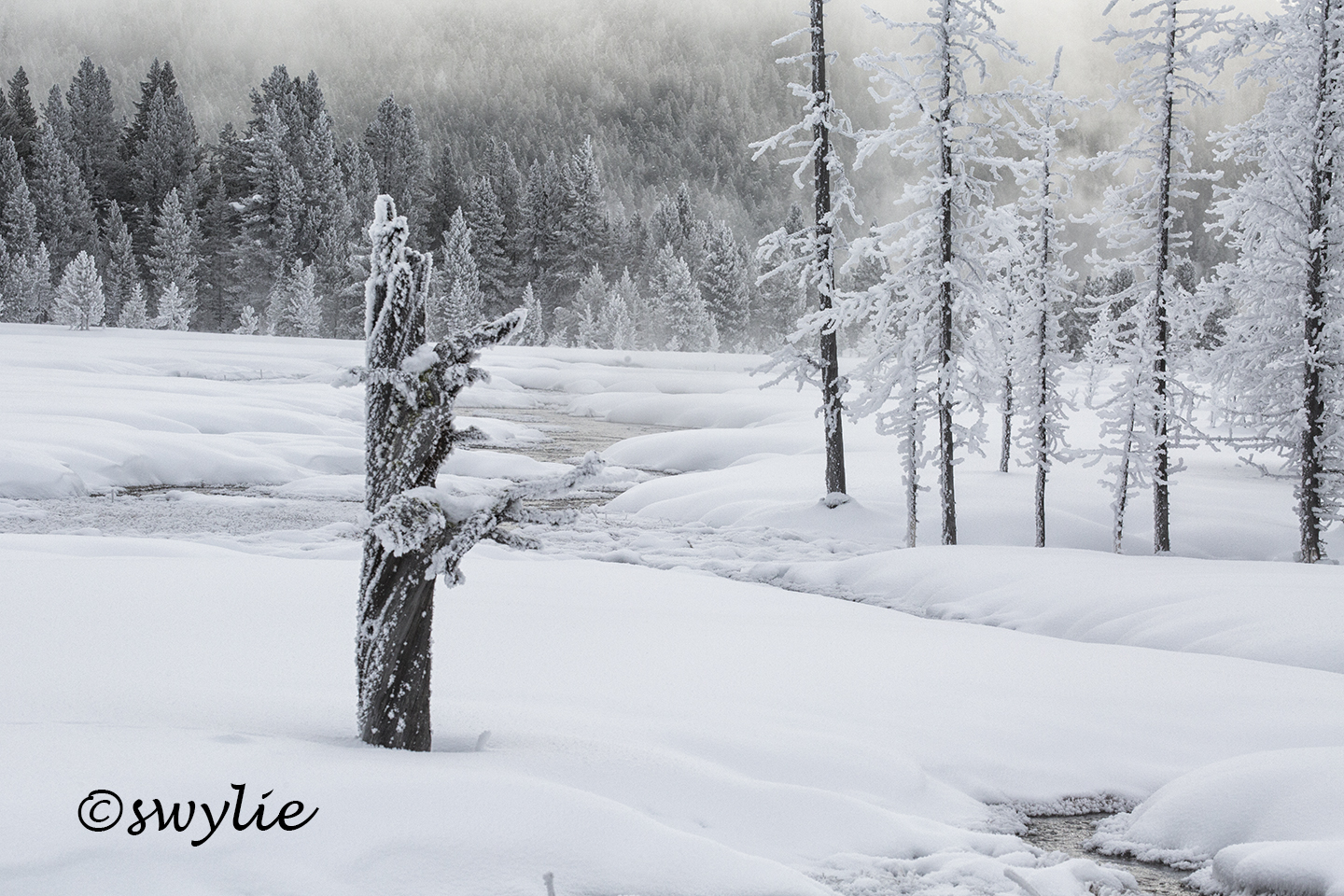


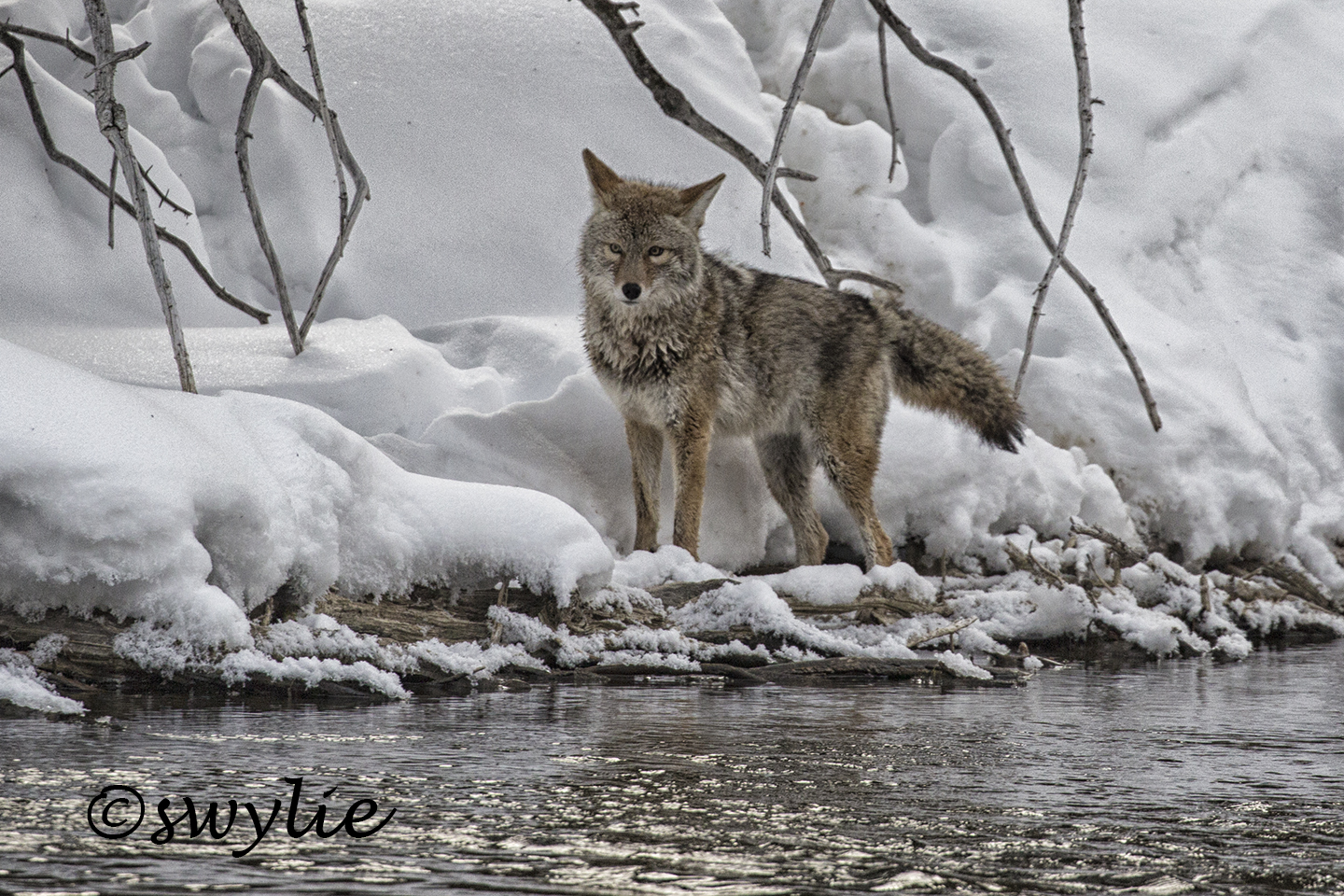


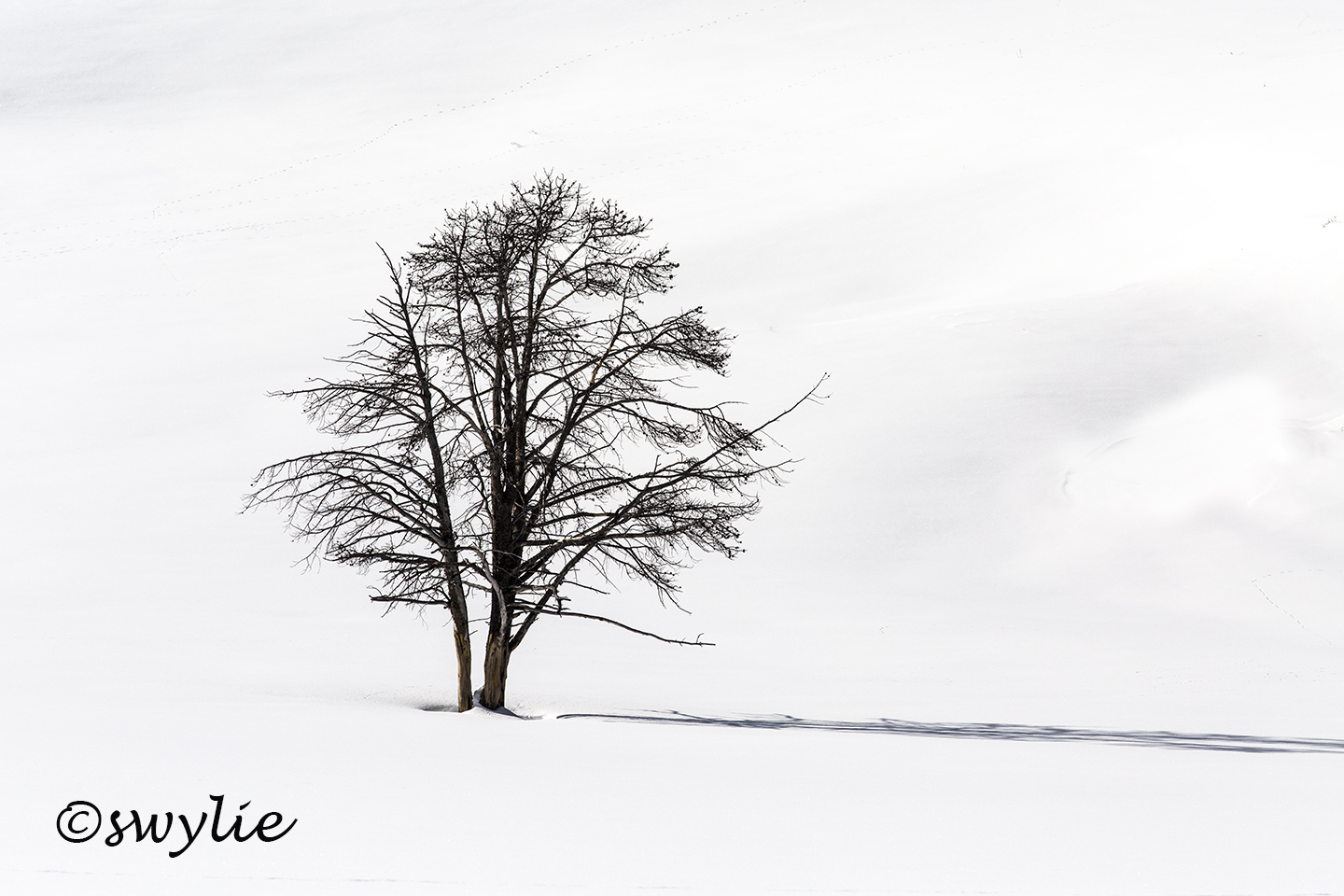


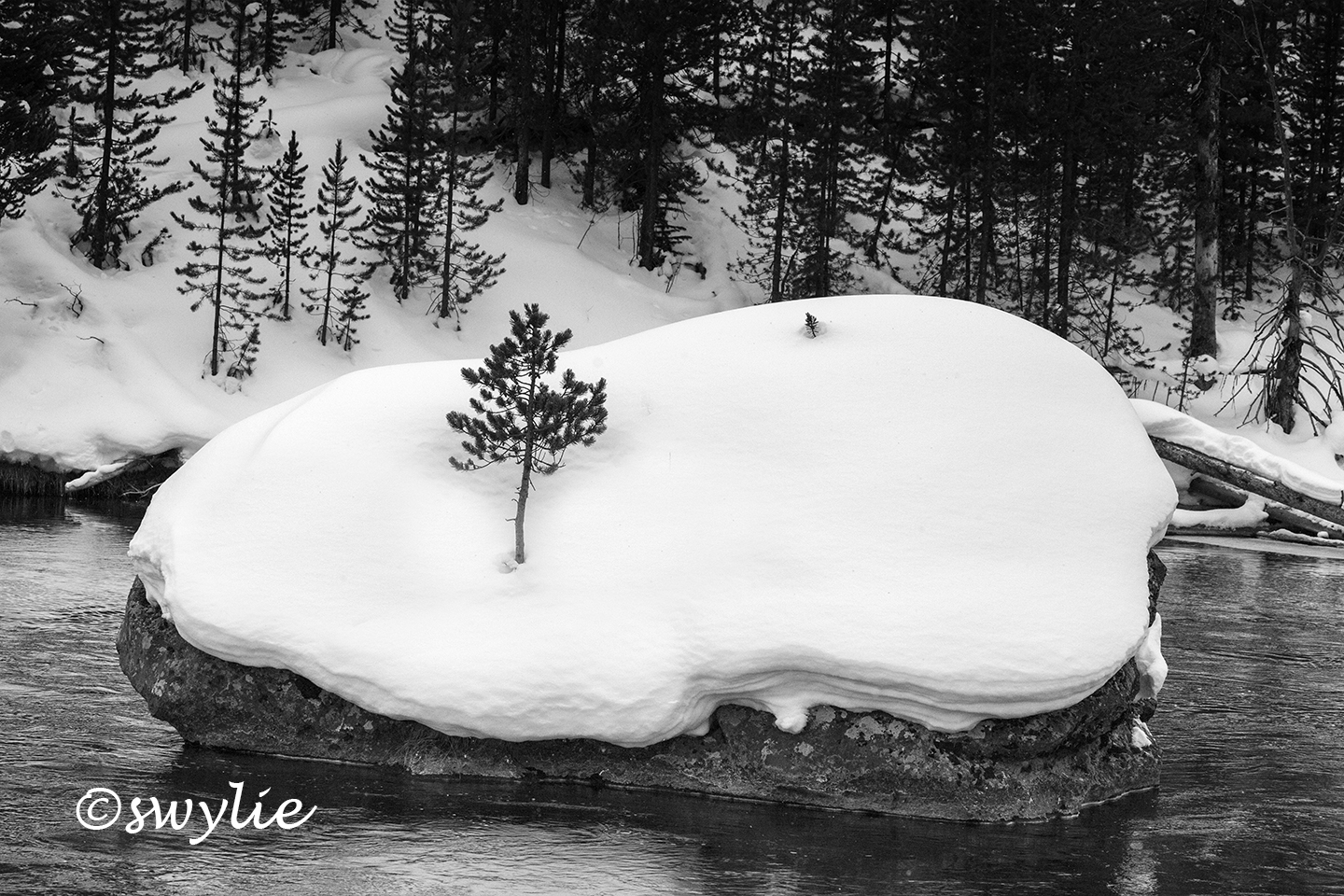
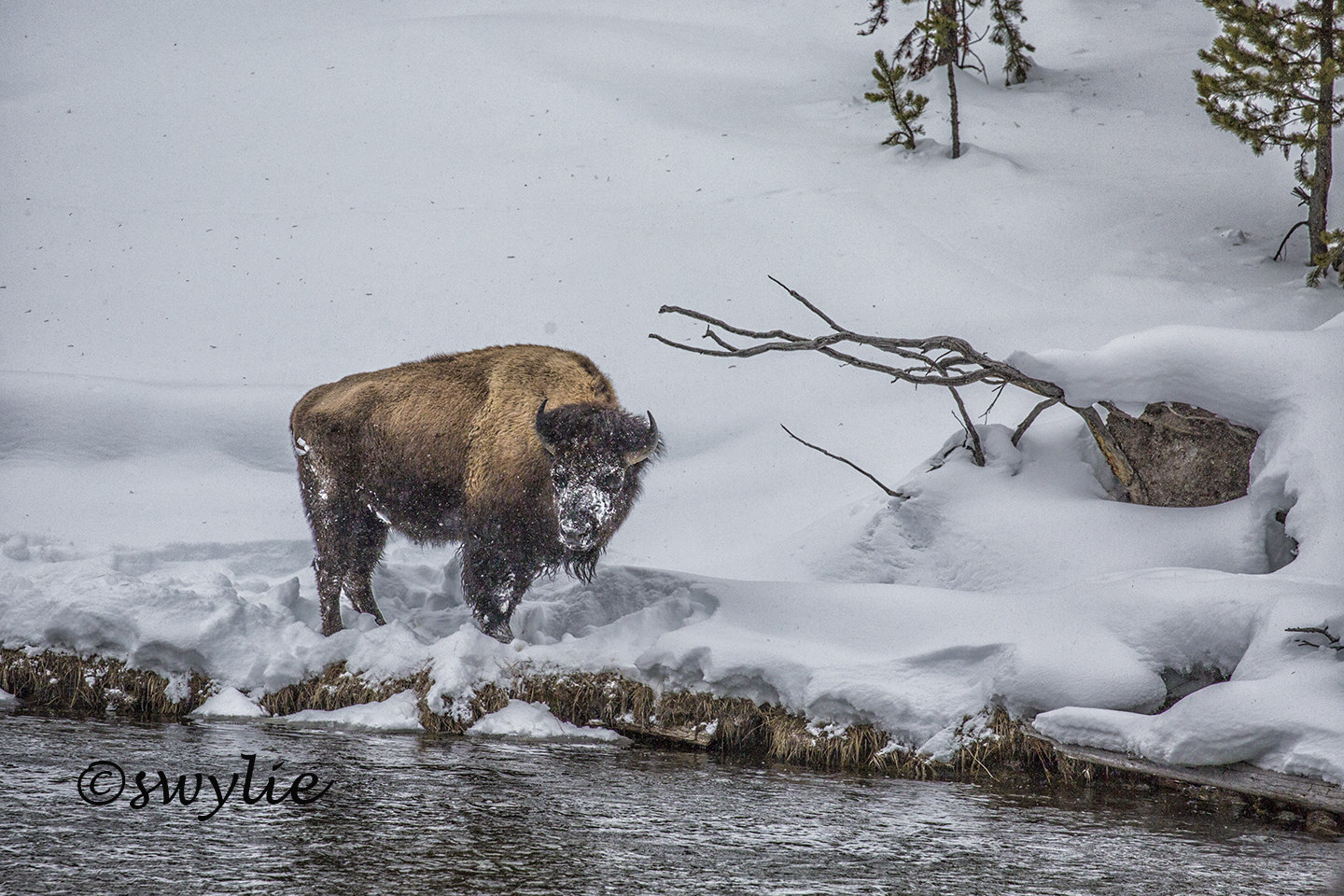


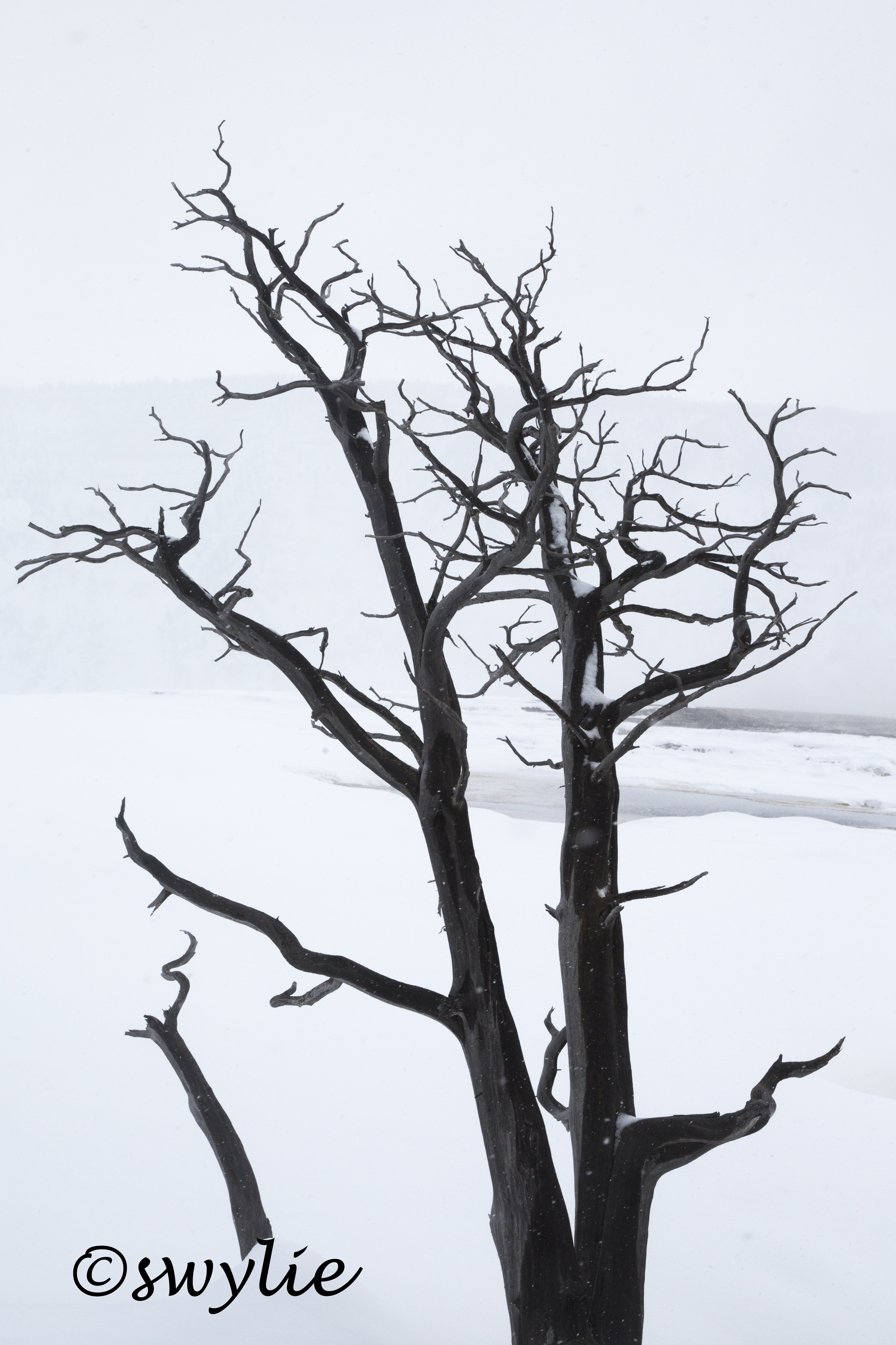
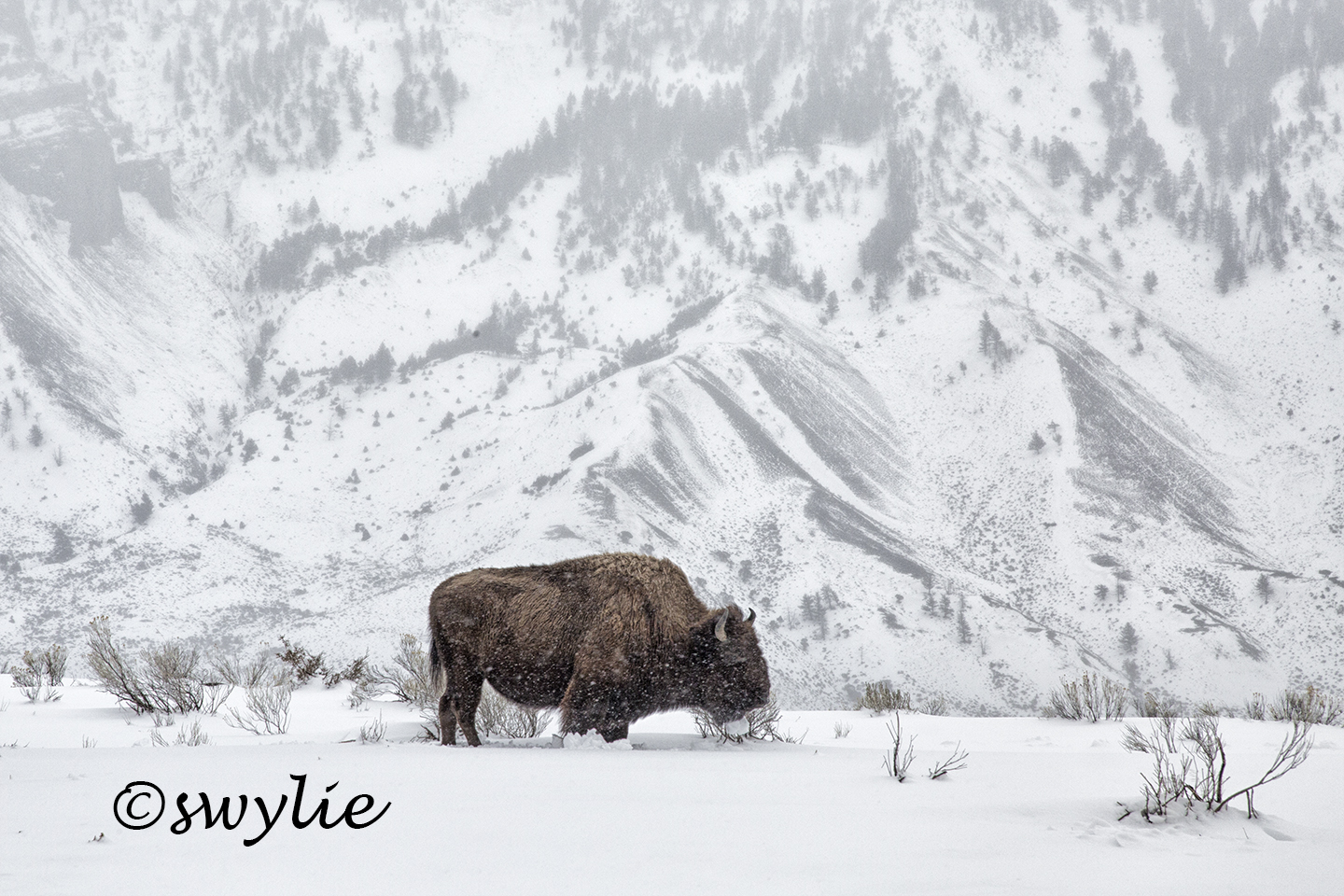

Yellowstone in winter reveals a white, crystalized version of the park. Flying into Bozeman, we took the Karst Stage to the hotel in West Yellowstone where the snow was piled ten feet high. From there we moved on to Old Faithful Lodge in snow buggies. It snowed extensively and we escaped being snowed in at the lodge by a day. Trying to stay on the trails without slipping into waist-high snow was a feat. Even snow buggies were going off the road. Nonetheless, we saw bison, coyotes, foxes, a bobcat, otters, swans, a wolf, bighorn sheep, antelope, elk, and a wolf barely visible through the blowing snow.


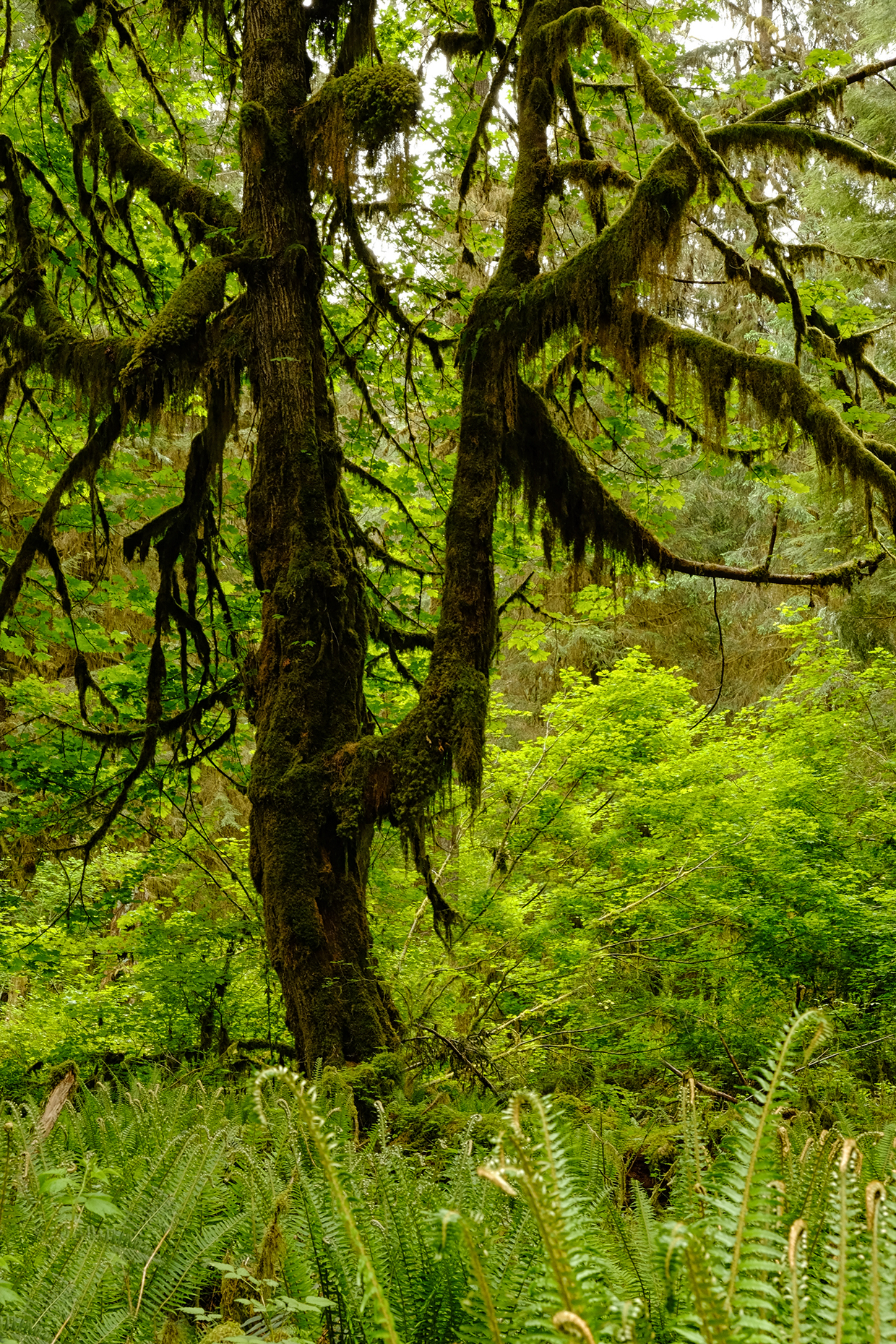

Located in Washington state on the Olympic Peninsula, the park sprawls across several different ecosystems—the sub-alpine and wildflower meadow, the temperate forest, and the rugged Pacific shore. Along the Pacific coastline is the park’s rainforest, one of which is the Hoh Rainforest being one of the largest temperate rainforests in the U. S.– always green and almost always wet. Another is the Quinault Rainforest’ which is called the “Valley of the Rain Forest Giants” where record size trees tower above.
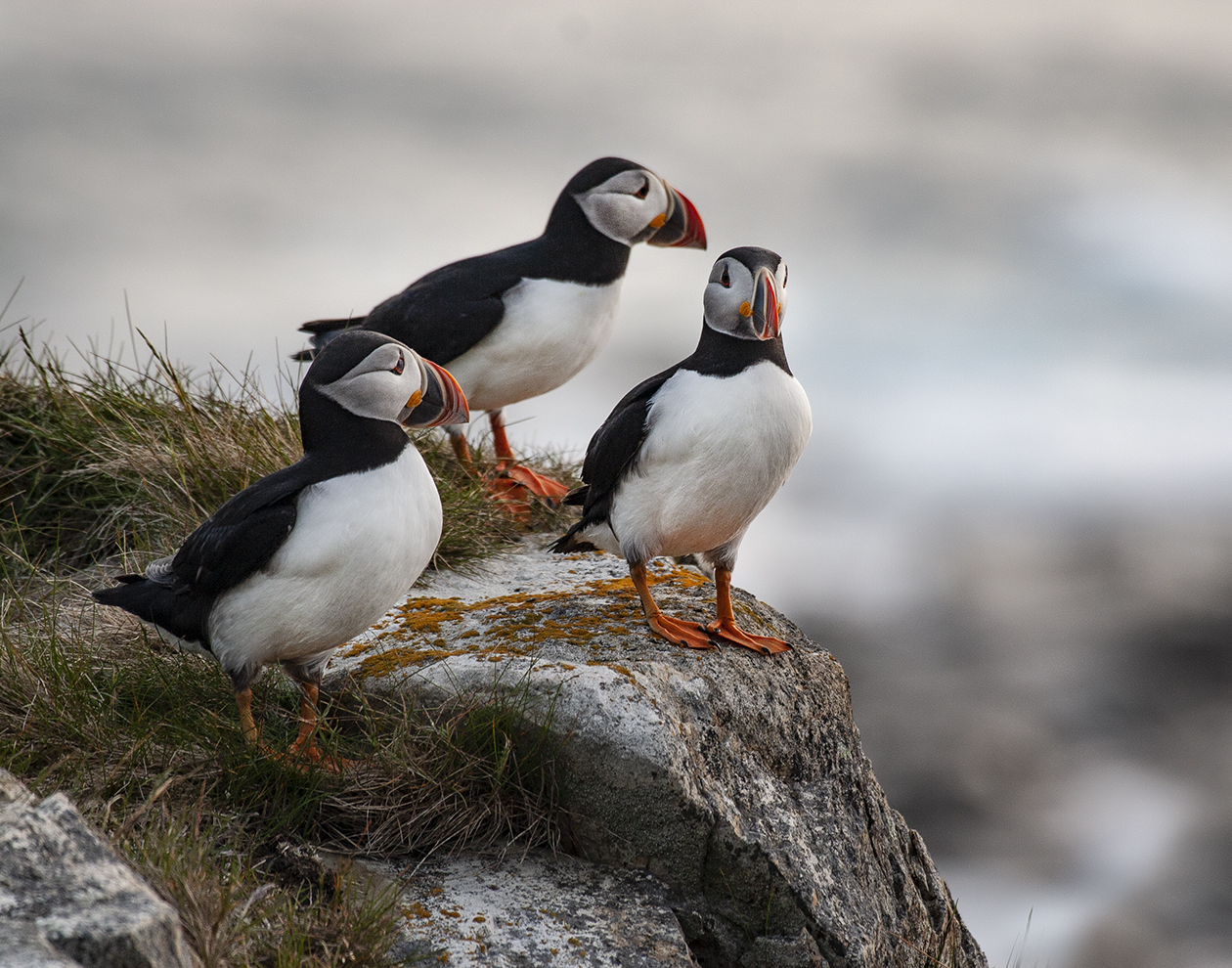


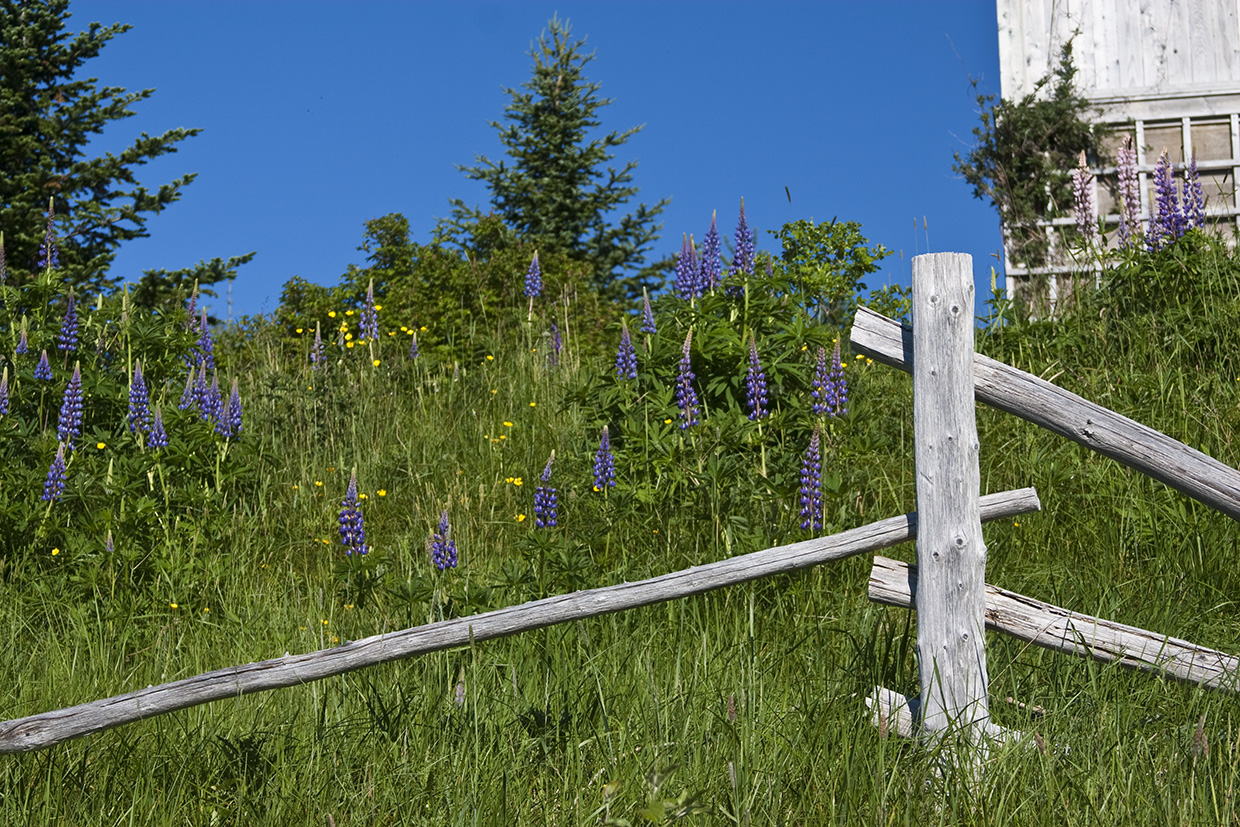


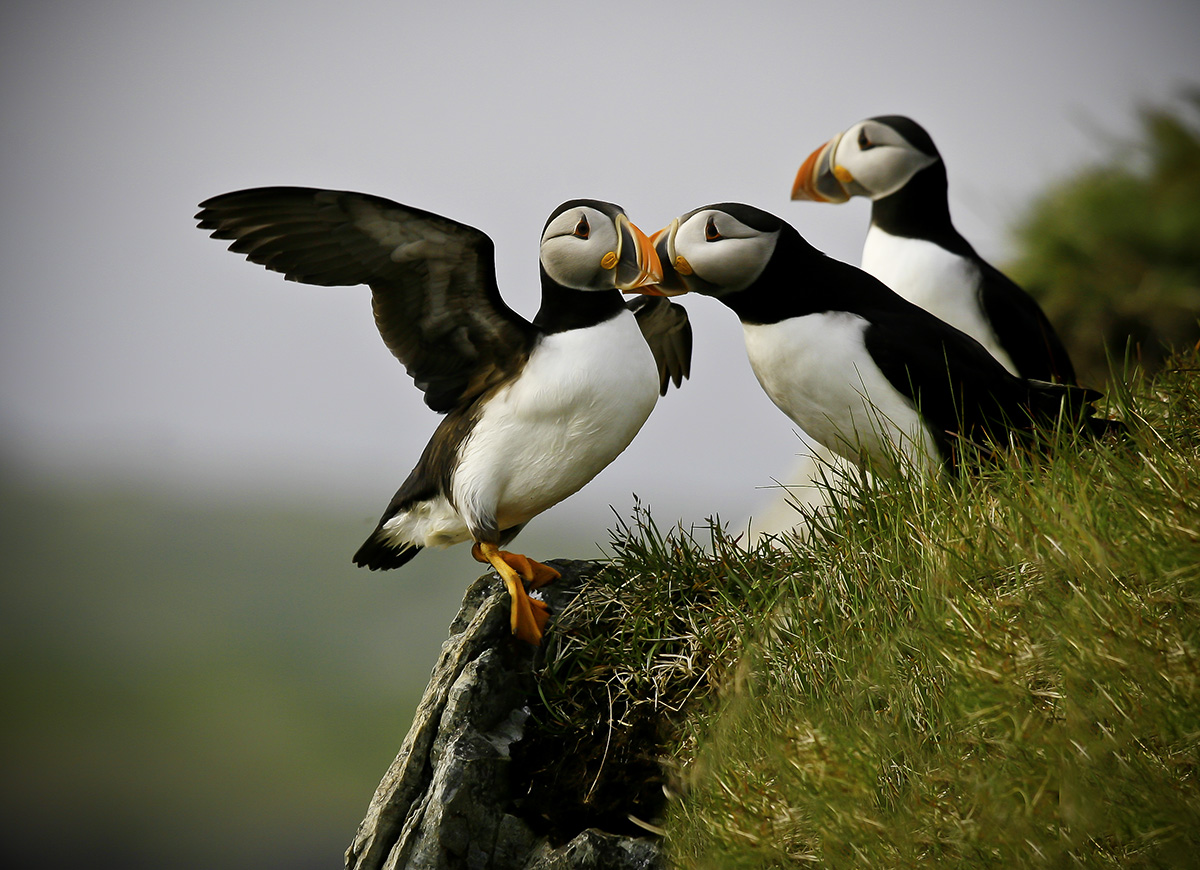


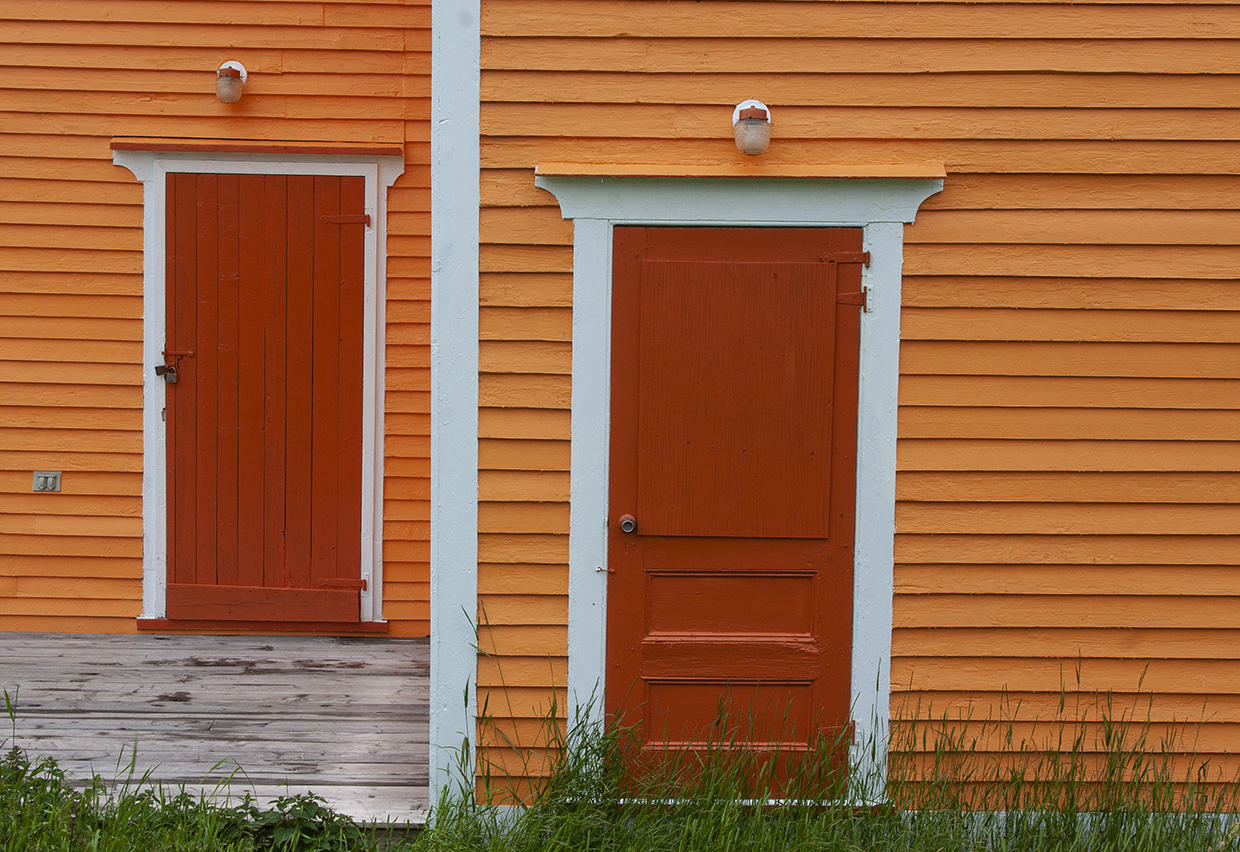


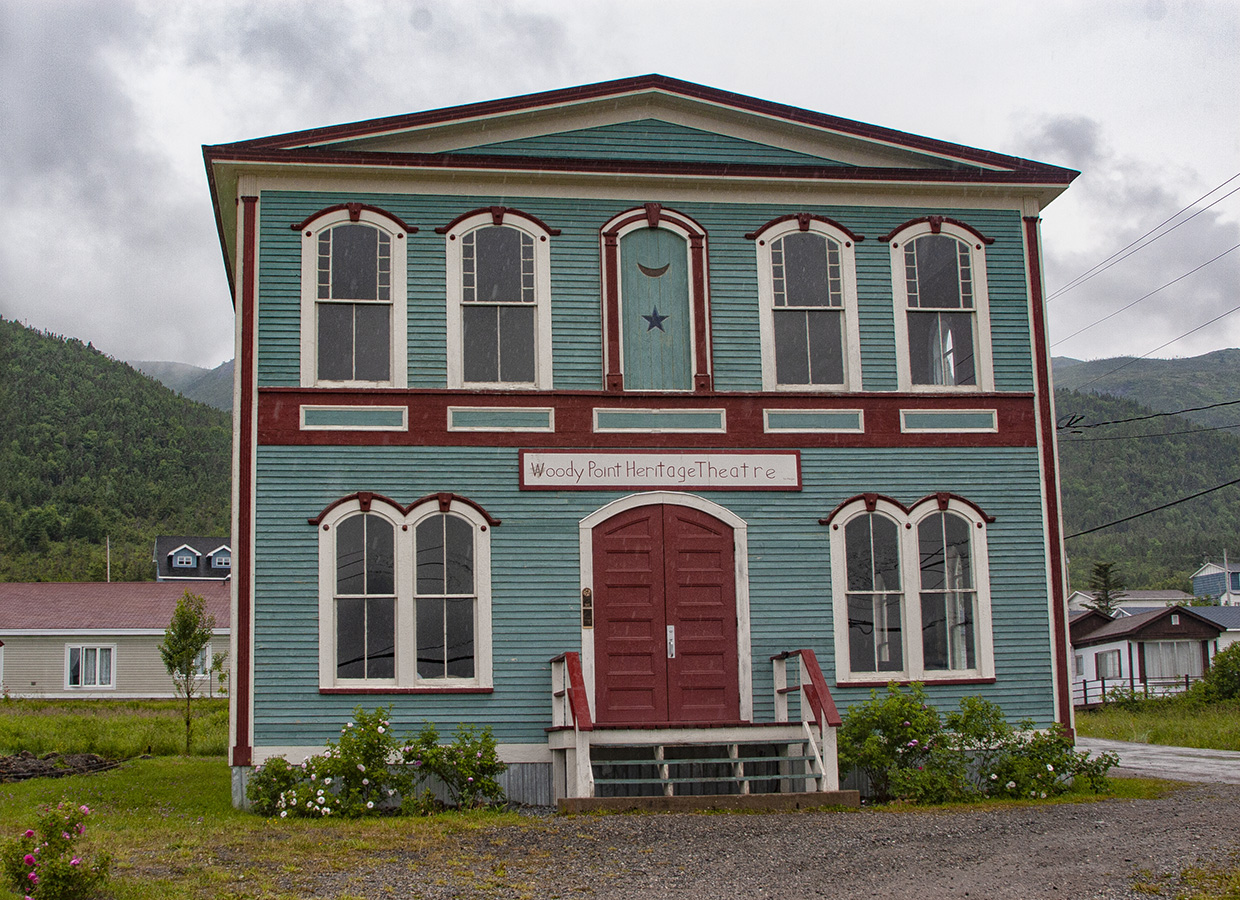


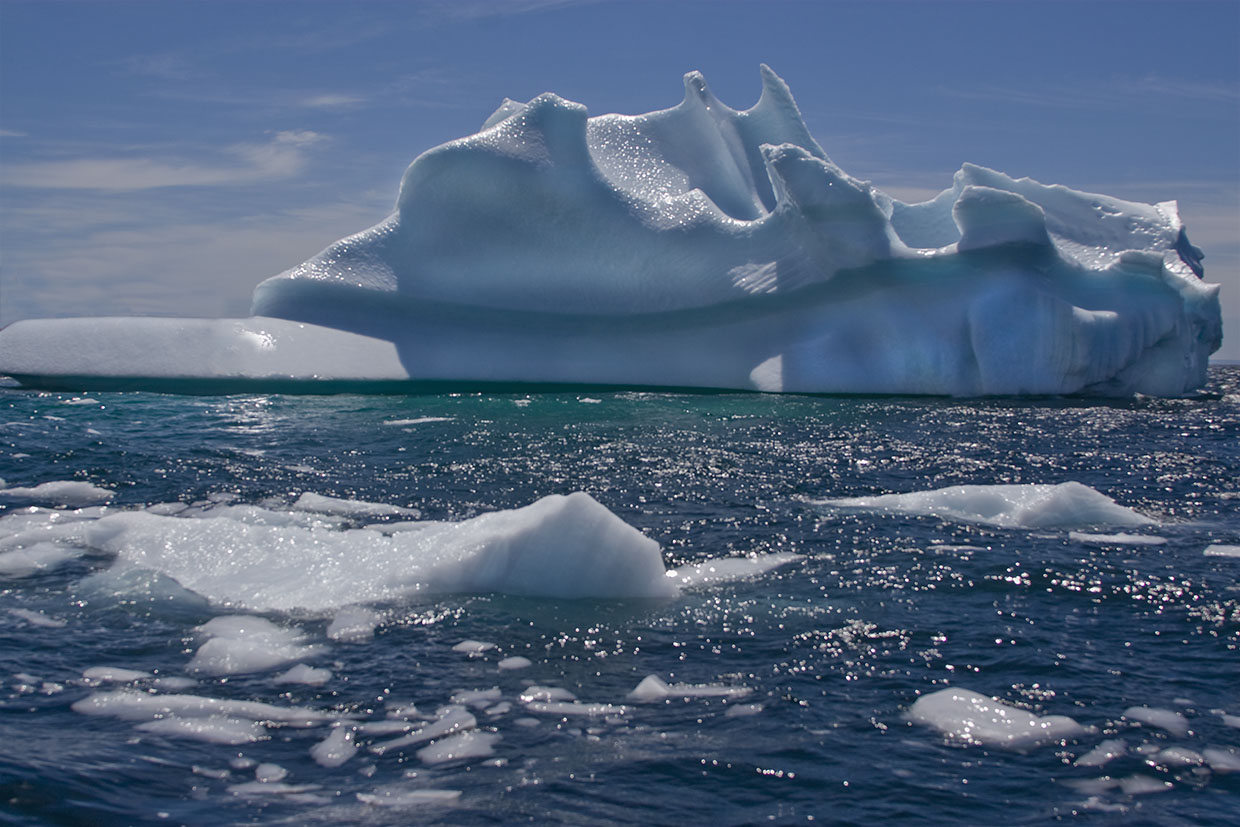

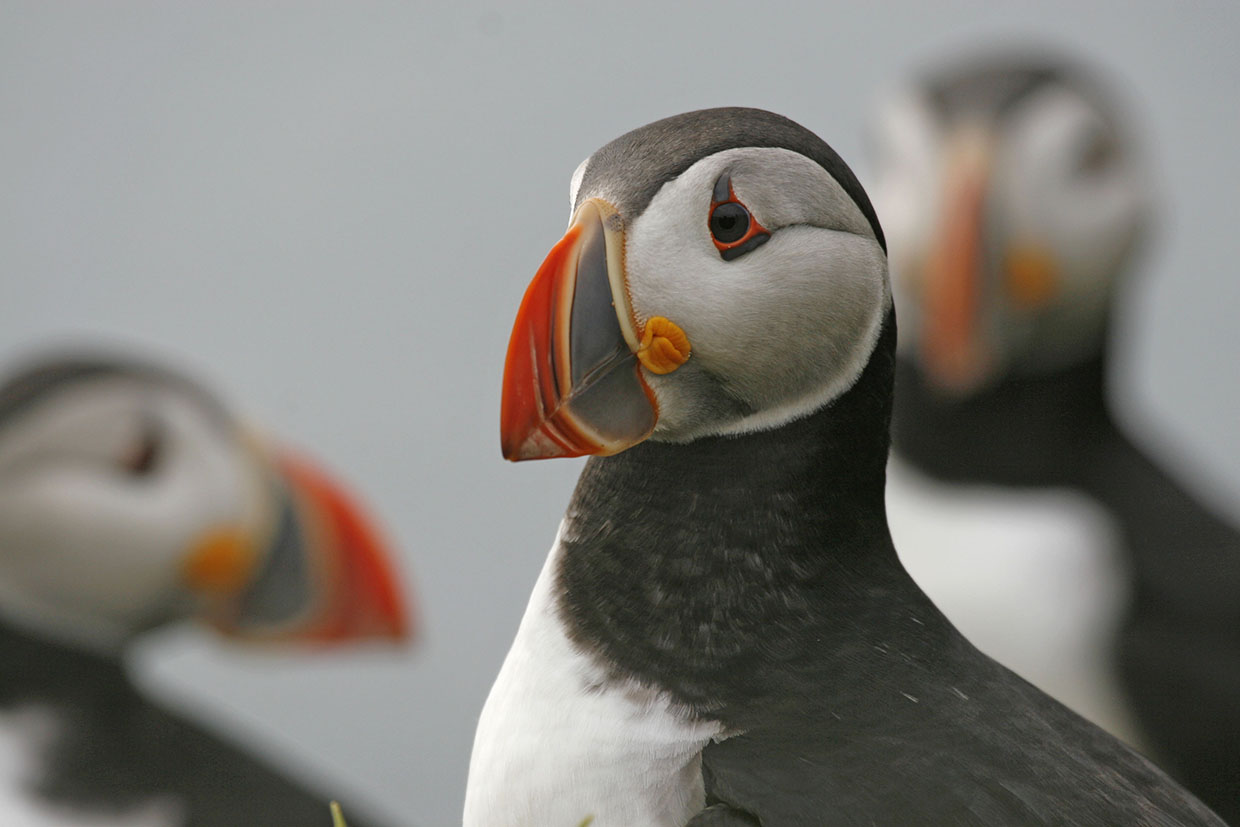
This rabbit-shaped island off the northeast coast of Canada is a land of puffins, whales, icebergs, and lighthouses. St. John’s is colorful port with its row of “jelly bean” houses. Trinity is a charming village of 19th century buildings surrounded by gardens of pink and purple lupines. We discovered a puffin colony in a habitat on the peninsula. The salmon were jumping in the streams near Gros Morne, a glacial fjord. The carnivorous pitcher plant is the national flower. On the tip of the Northern Peninsula is a recently discovered Viking village at L’Anse aux Meadows, maybe predating Columbus.